
Plant Protection in Row Crops: Sprayer Setup, Timing, and Drift Control
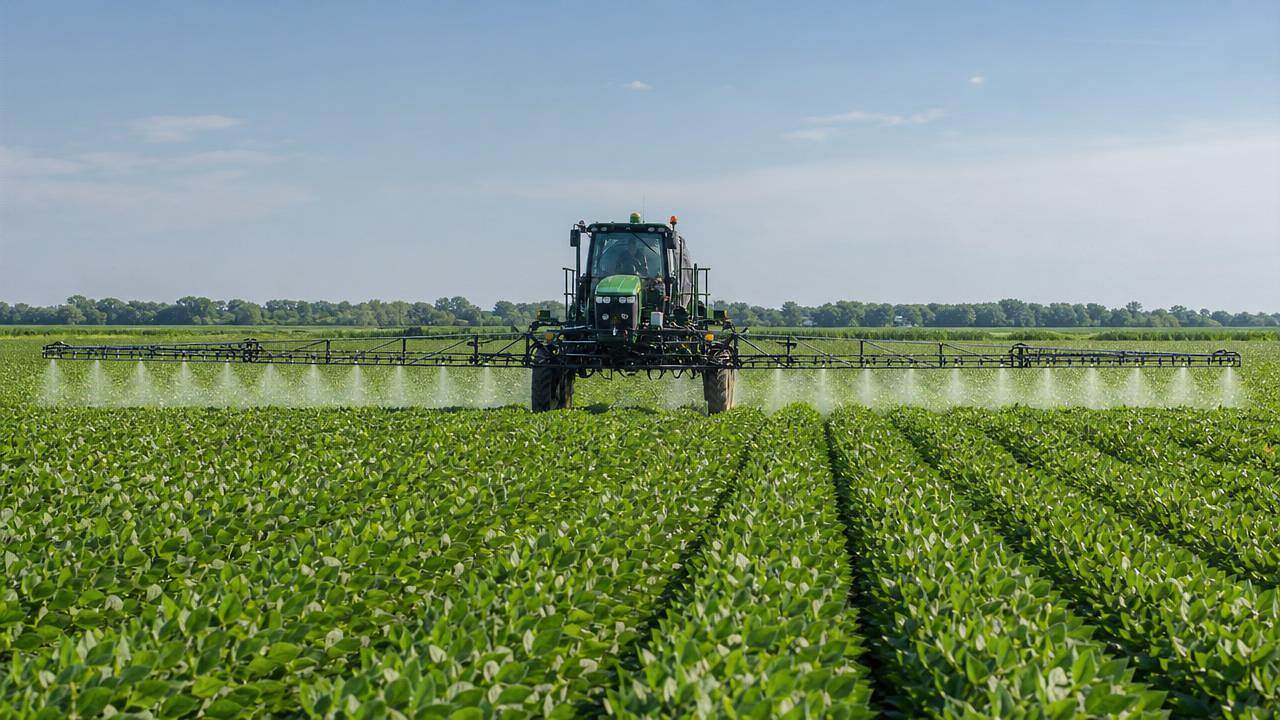




Effective plant protection in row crops starts long before the sprayer enters the field. For operators, the difference between strong pest control and wasted input often comes down to setup accuracy, application timing, and drift management. From nozzle selection and boom height to weather windows and travel speed, each decision affects coverage, crop safety, and compliance. This guide highlights practical sprayer adjustments and field-proven practices that help improve application efficiency, reduce off-target movement, and support more consistent crop performance.
For large-scale farms, contractors, and equipment operators, plant protection is not only a chemical task. It is a mechanical, agronomic, and risk-control process that depends on calibrated machinery, trained personnel, and repeatable field decisions.
In row crops such as corn, soybean, cotton, sunflower, and vegetables, a 5%–10% application error can affect weed escapes, disease pressure, input cost, and neighboring-field liability. The operator is the final control point.
Sprayer Setup: Building Accuracy Before the First Pass
A reliable plant protection program begins with the sprayer parked, inspected, and calibrated. Nozzle wear, pressure instability, blocked strainers, and incorrect boom height can all turn a good product plan into uneven coverage.
Nozzle Selection and Droplet Category
Nozzles determine spray volume, droplet size, pattern uniformity, and drift risk. Operators should match nozzle type to product label, target location, crop canopy, water volume, and travel speed.
For contact herbicides and fungicides, medium to coarse droplets often support better leaf coverage. For systemic herbicides, coarse to very coarse droplets may reduce drift while still delivering effective deposition.
A common operating range for many boom sprayers is 2–5 bar, but the correct pressure depends on nozzle design. Running outside the recommended range can distort the fan pattern.
The following table gives practical setup references for operators comparing common plant protection application scenarios. Always confirm the product label and local regulation before field use.
The key conclusion is simple: nozzle choice is a risk decision as much as a coverage decision. In modern plant protection, operators need enough droplet energy to reach the target without creating unnecessary drift exposure.
Boom Height, Spacing, and Pattern Uniformity
Boom height should be set according to nozzle spray angle and spacing. With 50 cm nozzle spacing, many flat-fan systems operate near 50 cm above the target, but product guidance varies.
Too high a boom increases drift and pattern distortion. Too low a boom causes streaking, especially on rolling ground or at travel speeds above 16–20 km/h.
- Check nozzle output variation; replace tips when flow differs by more than about 10% from the set average.
- Inspect strainers, boom sections, end caps, hoses, and anti-drip valves before each application day.
- Confirm controller speed input, flowmeter response, tank agitation, and section control timing before entering the crop.
- Use clean water for a catch test and compare collected volume across at least 3 boom zones.
Calibration as a 5-Step Operator Routine
Calibration should not be treated as a once-per-season task. Nozzle wear, product density, tire pressure, field slope, and controller updates can change delivery rates over time.
- Set the target application rate, such as 100–200 L/ha for many broadacre treatments.
- Select travel speed based on field smoothness, usually within a controlled 8–18 km/h range.
- Measure nozzle output for 1 minute and compare it with the expected rate chart.
- Verify boom section response and GPS shutoff accuracy at headlands and point rows.
- Record pressure, speed, nozzle code, water volume, and weather data for traceability.
Application Timing: Matching Biology, Weather, and Workload
Timing is the point where plant protection meets agronomy. A sprayer with excellent calibration can still underperform if the target pest is too mature, hidden, or inactive.
Target Growth Stage and Pest Pressure
Operators should know the treatment objective before loading the tank. Weed size, disease infection window, insect life stage, and crop growth stage influence coverage needs and label restrictions.
Many post-emergence herbicide programs perform best when weeds are small, commonly in the 5–10 cm range. Delays of 3–5 days can raise canopy shielding and reduce control.
For fungicides, timing often depends on crop stage and disease forecast. In dense row crops, waiting until symptoms are obvious may reduce the economic value of the application.
Field Scouting Signals Operators Should Confirm
- Average weed height and density across at least 5 representative locations.
- Crop stress level from drought, frost, nutrient shortage, or previous chemical exposure.
- Pest distribution pattern, including field edges, low spots, irrigation pivots, and residue-heavy zones.
- Forecasted rain interval, especially when labels require 1–6 hours of rainfast time.
Weather Windows and Daily Work Planning
Weather can change plant protection performance within minutes. Wind speed, wind direction, temperature, humidity, inversion risk, and rainfall probability all affect deposition and safety.
As a practical rule, many operators avoid spraying during dead calm conditions and during gusty winds above label limits. Stable, light wind can be safer than unpredictable still air.
Temperature inversions are especially dangerous for fine droplets. They often occur near sunset, during clear nights, or early morning when smoke or dust hangs horizontally over the field.
The table below summarizes field decision points that help operators select an application window instead of relying only on the calendar or equipment availability.
Good timing is a balance of pest biology, machine capacity, and weather discipline. A 2-hour delay can be less costly than a drift incident or poor plant protection result.
Drift Control: Protecting Yield, Neighbors, and Compliance
Drift control is now a central operating skill in plant protection. Off-target movement can damage neighboring crops, contaminate waterways, increase complaints, and create regulatory exposure.
The 4 Main Drivers of Spray Drift
Most drift events are not caused by one factor. They result from a chain of decisions: droplet size, boom height, wind, speed, pressure, and operator response.
- Small droplets: fine droplets stay airborne longer and are more sensitive to wind movement.
- Excess boom height: every extra 20–30 cm can increase the time droplets remain exposed.
- Unstable weather: gusts, inversions, low humidity, and high temperature increase uncertainty.
- High speed: faster travel can create turbulence behind the boom and reduce pattern stability.
Buffer Zones and Sensitive Areas
Before spraying, operators should identify houses, roads, orchards, vineyards, organic fields, surface water, pollinator habitats, and livestock areas. These boundaries should be visible in the field plan.
Buffer distances vary by product, country, nozzle, and application method. Where a label or local rule gives a stricter requirement, that requirement should guide the plant protection operation.
GPS guidance, section control, and prescription maps can reduce overlap at field edges. However, electronic systems still require manual supervision, especially near irregular boundaries and waterways.
Operator Practices That Reduce Drift
- Lower the boom to the correct height while maintaining complete spray pattern overlap.
- Use drift-reducing nozzles when the product label allows larger droplets.
- Reduce pressure if it does not compromise nozzle pattern or label requirements.
- Avoid spraying during inversions, strong gusts, or wind direction toward sensitive sites.
- Record weather readings at the start, during, and end of the application.
Digital Tools and Machinery Choices for Operators
Agriculture 4.0 has changed how operators manage plant protection. Modern sprayers combine hydraulic stability, GPS positioning, flow control, sensor feedback, and data records in one operating platform.
What to Look for in a Row-Crop Sprayer
For procurement teams and machine users, the best sprayer is not always the largest. It is the machine that keeps rate, boom height, and coverage stable across real field conditions.
- Tank size aligned with field length, refill logistics, and daily target hectares.
- Boom suspension capable of stable work across uneven rows at 10–18 km/h.
- Automatic section control with shutoff timing adjusted for headlands and angled passes.
- Flowmeter and pressure sensors that respond quickly during speed changes.
- Cab filtration, visibility, lighting, and controls that reduce operator fatigue over 8–12 hour days.
Data Records That Improve Future Decisions
Application data is valuable only when it is complete and retrievable. Operators should save product, rate, field, nozzle, pressure, weather, time, operator name, and machine settings.
These records help identify why one field achieved strong control while another showed escapes. They also support compliance review, warranty discussions, and contractor service transparency.
AP-Strategy tracks the equipment intelligence behind these decisions, including autonomous sprayer trends, prescription application, variable-rate tools, and the link between plant protection and sustainable input use.
Maintenance, Cleaning, and Safety After Application
Plant protection does not end when the tank is empty. Residue management, personal protection, and sprayer cleaning help prevent crop injury, mechanical downtime, and operator exposure.
Cleanout Between Products and Crops
Tank contamination is a common cause of crop damage. A small residue amount from a previous herbicide can injure sensitive crops during the next application.
Follow label cleanout instructions. A common routine includes draining, rinsing, adding approved cleaner, circulating through lines, flushing nozzles, and repeating as required by product risk.
Daily Maintenance Checklist
- Rinse tank, pump, boom lines, and end caps before residue dries.
- Remove and inspect nozzles, screens, gaskets, and caps after high-residue mixtures.
- Check pump oil, hydraulic hoses, tire condition, wheel track, and boom hinge points.
- Store records within 24 hours, while weather and setup details are still accurate.
Operator Safety and Fatigue Control
Personal protective equipment should match the product label and mixing risk. Gloves, face protection, coveralls, respirators, and clean water access are basic safeguards.
Fatigue also affects plant protection quality. Long application days should include breaks, hydration, lighting checks, and handover notes when multiple operators use the same sprayer.
Common Mistakes and Practical Corrections
Many application failures are preventable. Operators who correct small habits early can reduce complaints, avoid rework, and improve the return on every liter of crop input.
Mistake 1: Chasing Hectares at Excessive Speed
Covering more hectares per hour is attractive, but speed should not outrun boom stability. A sprayer traveling 22 km/h on rough ground may deliver uneven coverage.
The correction is to match speed to field surface, boom response, and target type. A slightly slower pass can protect both coverage and equipment life.
Mistake 2: Ignoring Water Quality and Tank Order
Water hardness, pH, suspended solids, and mixing sequence can affect compatibility. Operators should use jar tests when mixtures are unfamiliar or when adding multiple products.
A disciplined mixing order, adequate agitation, and correct adjuvant use reduce blocked filters, foaming, separation, and unpredictable plant protection performance.
Mistake 3: Treating Records as Paperwork Only
Records are an operational tool. When drift, crop response, or control problems appear, accurate data can separate weather effects from setup errors.
Good records also help managers compare nozzles, travel speeds, water volumes, and operator practices across a season of 10,000 hectares or more.
Turning Better Plant Protection into Field Performance
Effective plant protection in row crops depends on disciplined setup, correct timing, controlled drift, and consistent operator routines. The sprayer is a precision tool, not only a carrier for chemicals.
For operators, the most valuable improvements are often practical: calibrated nozzles, stable boom height, verified weather windows, complete records, and clean equipment after every job.
For fleet managers and procurement teams, these same practices guide better machine selection, training investment, and long-cycle equipment planning in large-scale agriculture.
AP-Strategy connects field-level operating needs with global intelligence on sprayer technology, intelligent farm tools, and sustainable agri-machinery. To explore more equipment insights or discuss row-crop application priorities, contact us for tailored guidance and more practical solutions.
Related News
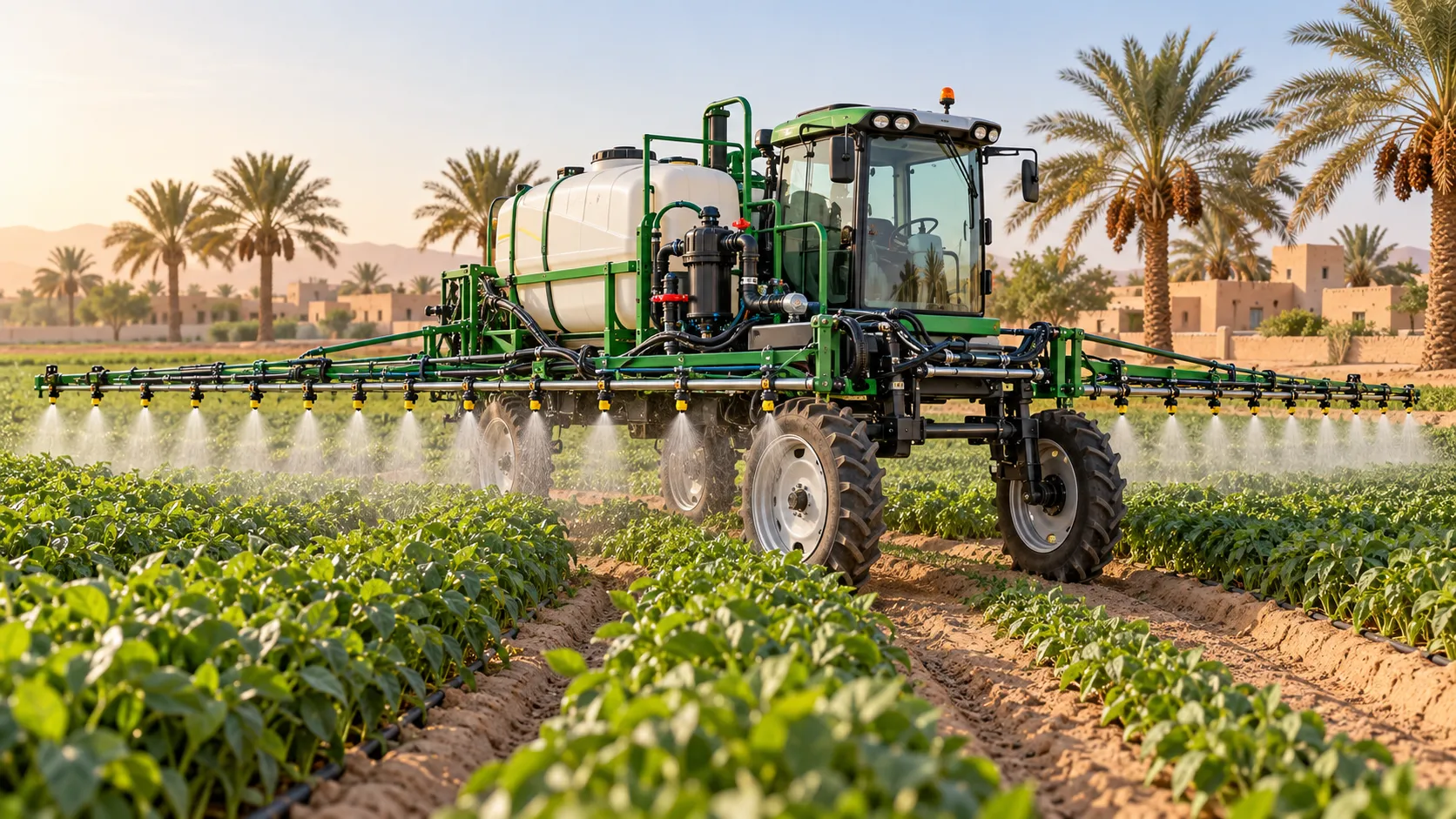
Choosing Crop Protection Equipment for Hot, Windy Middle Eastern Farms
Compare crop protection equipment Middle East farms need for hot, windy conditions. Discover key nozzle, drift-control, and durability checks to choose the right sprayer.
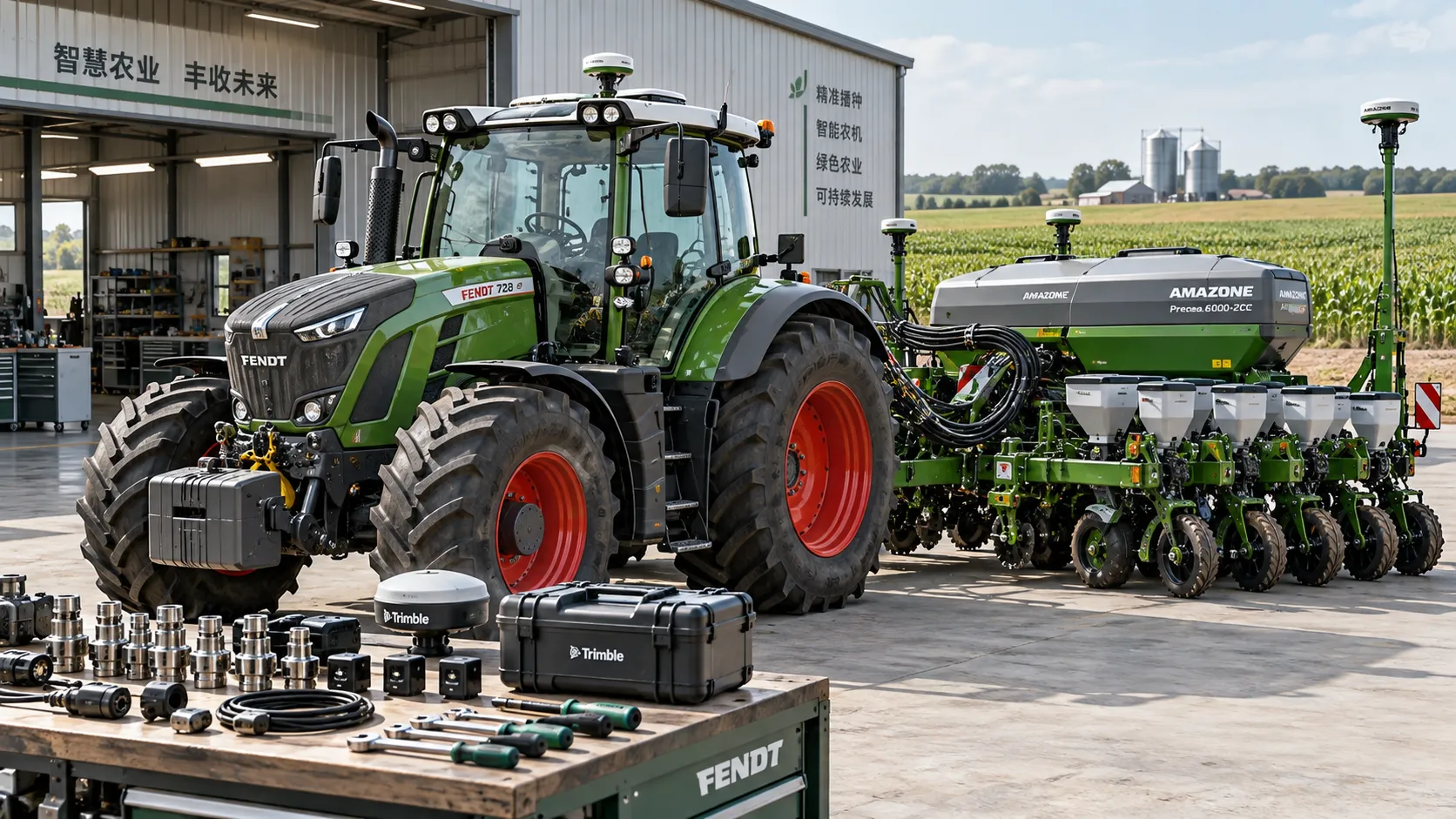
Choosing an Agriculture 4.0 Supplier: Compatibility, Support, and Total Cost
Choose an Agriculture 4.0 supplier with confidence. Learn how to verify compatibility, assess support, and compare total ownership costs to avoid hidden fees and costly downtime.
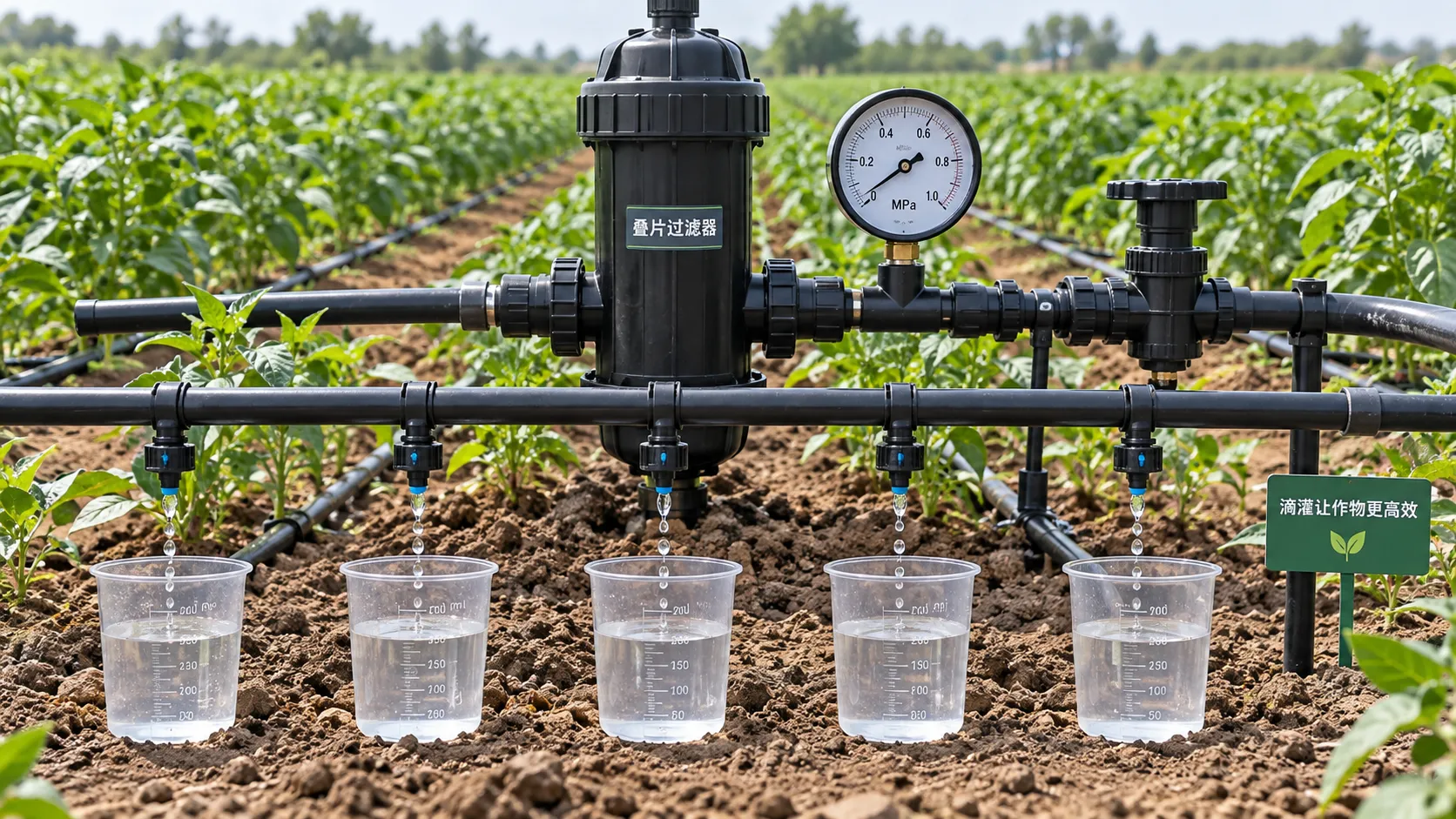
Low-Pressure Drip Irrigation: How to Fix Uneven Watering Without Raising Pressure
Optimize low pressure water-saving irrigation systems: discover how to fix uneven watering, clear blockages, and reduce hydraulic losses without raising supply pressure.
Comparing Farm Equipment Supplier Quotes: Price, Freight, and Warranty
Simplify supplier comparison for farm equipment price: assess freight, field-ready costs, and warranty coverage. Learn how to avoid hidden charges and choose a reliable supplier.
Choosing a Digital Farming Platform Provider: Compatibility and Data Ownership
Compare digital farming platforms providers on equipment compatibility, data ownership, and export rights. Discover practical checks to avoid lock-in and choose with confidence.
How Large-Scale Farm Telematics Cuts Downtime Across Mixed Fleets
Large-scale farm equipment telematics cuts mixed-fleet downtime with real-time alerts, smarter maintenance, and stronger operational control. Learn how to protect critical farm workflows.
How to Size Low-Pressure Water-Saving Irrigation Systems for Uneven Fields
Low pressure water-saving irrigation systems for uneven fields: learn zoning, pressure mapping, pipe sizing, and pump selection to improve uniformity and reduce water waste.
Farm Machinery Sourcing: How to Vet Suppliers, Specs, and Lifecycle Costs
Farm machinery information for sourcing: learn to vet suppliers, compare specifications, control lifecycle costs, and secure reliable uptime for smarter equipment purchases.
How telemetry for agriculture helps identify equipment downtime
Telemetry for agriculture helps detect early warning signs, prioritize maintenance, and reduce costly equipment downtime before field operations are disrupted.
Related News
- 00
0000-00
How to Choose Plant Protection Equipment for Vineyard Pests - 00
0000-00
How to Read Agricultural Equipment Specifications for Sprayers Before You Compare Models - 00
0000-00
BIS Extends Fast-Track Approval for Self-Propelled Sprayers - 00
0000-00
Intelligent Sprayer Technology: Which Functions Matter Most for Field Efficiency? - 00
0000-00
How to Choose Plant Protection Equipment for Orchards by Tree Height, Row Spacing, and Spray Drift
Popular Tags
Agri-Mechanization Fellow
Weekly Insights
Stay ahead with our curated technology reports delivered every Monday.