
Why does plant protection fail despite better sprayers?
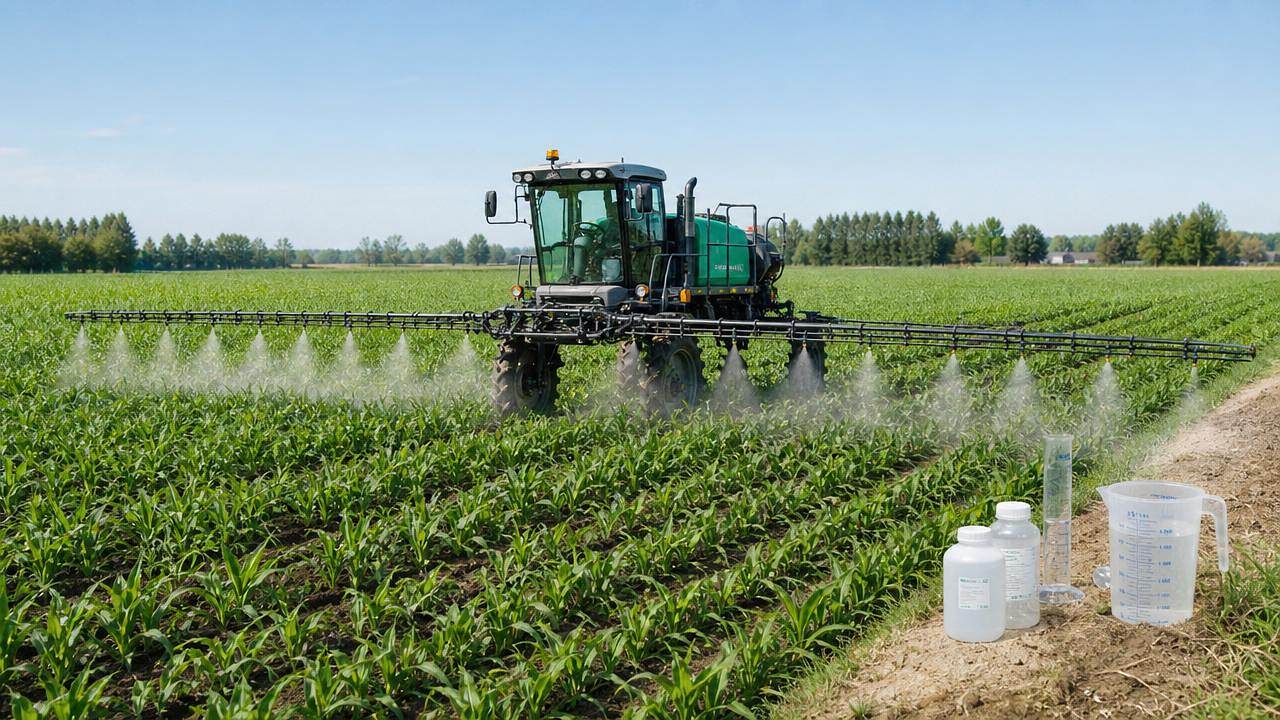




Why Does Plant Protection Fail Despite Better Sprayers?
Better sprayers do not automatically deliver better plant protection.
The real failure often begins beyond the nozzle: calibration errors, poor water quality, drift exposure, operator shortcuts, residue limits, and weak field data feedback.
As farms adopt larger machines and smarter application systems, the gap between equipment capability and pest-control outcome becomes a compliance and productivity issue.
Modern plant protection depends on equipment, chemistry, agronomy, timing, and evidence working together. If one link fails, the whole program weakens.
1. What does effective plant protection actually mean?
Effective plant protection is not simply spraying a pesticide over a field.
It means the right dose reaches the right target, at the right growth stage, under acceptable environmental and safety conditions.
A sprayer may deliver excellent pressure stability, boom control, and section shutoff accuracy.
Still, plant protection may fail if droplets miss the canopy, evaporate too quickly, or reach non-target areas.
This difference matters in broadacre crops, orchards, vegetables, vineyards, and protected farming systems.
Plant protection also includes residue compliance, resistance prevention, worker safety, water stewardship, and traceable operational records.
A successful operation balances biological control, chemical performance, machine precision, and regulatory accountability.
Key signs of weak performance
- Pest resurgence appears soon after application.
- Disease patches remain uneven across the field.
- Weed escapes follow tire tracks, headlands, or boom edges.
- Residue results approach or exceed permitted limits.
- Neighboring crops show drift injury symptoms.
These symptoms rarely point to one single cause. They usually reveal a plant protection system with several unmanaged variables.
2. Why can advanced sprayers still deliver poor plant protection?
Advanced sprayers improve control, but they cannot correct every operational mistake.
Many plant protection failures begin when settings are copied from previous fields without checking crop height, canopy density, pest pressure, or weather.
A nozzle chosen for one herbicide may be unsuitable for a fungicide requiring deeper canopy penetration.
High travel speed may reduce labor hours, yet it can destabilize the boom and widen deposit variability.
Automatic rate control also has limits. It adjusts flow, but it does not guarantee ideal droplet size or target coverage.
Section control prevents overlap, but it cannot compensate for incorrect boom height in windy conditions.
Plant protection becomes unreliable when precision hardware is treated as a substitute for field judgment.
Common mismatch points
- Nozzle selection does not match product label requirements.
- Spray volume is too low for dense foliage.
- Boom height creates excessive drift potential.
- Pressure changes push droplets outside the intended spectrum.
- GPS boundaries are outdated or poorly mapped.
Better machines make these mistakes more measurable. They do not make them harmless.
3. How do calibration and water quality affect plant protection?
Calibration is the foundation of reliable plant protection.
If flow rate, speed, pressure, and nozzle output are not verified, the actual dose can differ sharply from the intended plan.
Worn nozzles are especially deceptive. They may look serviceable while delivering uneven flow and distorted spray patterns.
Even small deviations matter when application windows are narrow or residue limits are strict.
Water quality is another hidden reason plant protection breaks down.
Hard water, high pH, suspended solids, and organic contamination can reduce product performance or cause tank-mix instability.
Some active ingredients are sensitive to alkaline hydrolysis. Others bind with minerals before reaching the target pest.
Poor filtration may clog nozzles, disrupt pressure, and create untreated strips across the field.
Practical checks before application
- Measure nozzle output and replace worn tips.
- Confirm travel speed under real field conditions.
- Test spray water pH, hardness, and cleanliness.
- Check filters, hoses, agitation, and tank residue.
- Compare the spray plan with product label limits.
These checks are basic, but they often decide whether plant protection succeeds or fails.
4. When do drift and weather turn plant protection into a risk?
Weather can change plant protection from a controlled operation into a liability within minutes.
Wind speed, temperature, humidity, inversion risk, and rainfall forecast all influence droplet behavior and crop safety.
Fine droplets improve coverage in some situations, but they also increase drift risk.
Coarse droplets reduce drift, yet they may provide weaker coverage on small weeds or disease-prone leaf surfaces.
The correct balance depends on target biology, product type, crop architecture, and surrounding sensitivity.
A field beside vegetables, waterways, housing, or beehives requires stricter plant protection controls.
Buffer zones, drift-reduction nozzles, lower boom height, and slower travel can reduce exposure.
However, mitigation should not be improvised after the tank is filled.
Weather decisions that matter
- Delay spraying during gusty or shifting wind.
- Avoid inversion conditions near sunrise or sunset.
- Adjust droplet size to match drift and coverage needs.
- Respect re-entry intervals and pre-harvest intervals.
- Document weather data at application time.
Plant protection is safest when go or no-go decisions are formal, recorded, and consistently enforced.
5. Why does smart equipment need better field data?
Smart sprayers, sensors, prescription maps, and variable-rate tools create new possibilities for plant protection.
Yet intelligent equipment depends on accurate input data and reliable feedback loops.
If scouting records are incomplete, prescriptions may treat yesterday’s problem instead of today’s pest pressure.
If weed maps are outdated, spot spraying may miss new emergence zones.
If canopy models are wrong, spray volume may be inadequate in high-biomass areas.
Agriculture 4.0 makes plant protection more data-driven, but it also exposes weak data discipline.
Reliable records should connect scouting, pest thresholds, product choice, application data, weather, and post-treatment assessment.
This is where machinery intelligence, agronomic judgment, and compliance reporting must meet.
Useful data to capture
- Pest species, growth stage, and infestation level.
- Crop stage, canopy condition, and stress indicators.
- Product, rate, batch, tank mix, and water condition.
- Nozzle type, pressure, speed, boom height, and volume.
- Weather, field boundary, sensitive area, and operator notes.
Without this evidence, plant protection decisions become difficult to audit, compare, or improve.
6. How can farms judge whether the problem is equipment, process, or biology?
A failed plant protection result should not trigger instant blame on the sprayer or chemical.
Diagnosis should separate mechanical delivery, application process, pest biology, resistance risk, and environmental interference.
For example, uniform poor control may suggest product timing, resistance, or water chemistry.
Striped patterns may point toward nozzle blockage, boom bounce, overlap errors, or section control problems.
Edges or downwind injury may reveal drift, buffer failure, or unsuitable weather decisions.
Patchy survival may be linked to pest stage variation, poor scouting, canopy shielding, or resistant populations.
A structured review prevents repeated mistakes and improves future plant protection planning.
This kind of table turns plant protection review into a repeatable management process.
FAQ: Practical questions about plant protection performance
Conclusion: Turning better sprayers into better plant protection
Modern sprayers are powerful tools, but plant protection is a system outcome.
The strongest results come from disciplined calibration, water testing, weather rules, drift prevention, scouting, and post-application review.
Large-scale machinery and intelligent farm tools should be linked with agronomic evidence, not used as isolated assets.
AP-Strategy tracks these intersections across farm equipment, precision algorithms, irrigation intelligence, and sustainability demands.
The next practical step is simple: audit one complete plant protection cycle from scouting to outcome.
Find where assumptions replace measurements. Then convert those weak points into standard checks, records, and decision rules.
That is how advanced hardware becomes dependable crop protection performance.
Related News
Choosing a Digital Farming Platform Provider: Compatibility and Data Ownership
Compare digital farming platforms providers on equipment compatibility, data ownership, and export rights. Discover practical checks to avoid lock-in and choose with confidence.
How Large-Scale Farm Telematics Cuts Downtime Across Mixed Fleets
Large-scale farm equipment telematics cuts mixed-fleet downtime with real-time alerts, smarter maintenance, and stronger operational control. Learn how to protect critical farm workflows.
How to Size Low-Pressure Water-Saving Irrigation Systems for Uneven Fields
Low pressure water-saving irrigation systems for uneven fields: learn zoning, pressure mapping, pipe sizing, and pump selection to improve uniformity and reduce water waste.

Farm Machinery Sourcing: How to Vet Suppliers, Specs, and Lifecycle Costs
Farm machinery information for sourcing: learn to vet suppliers, compare specifications, control lifecycle costs, and secure reliable uptime for smarter equipment purchases.
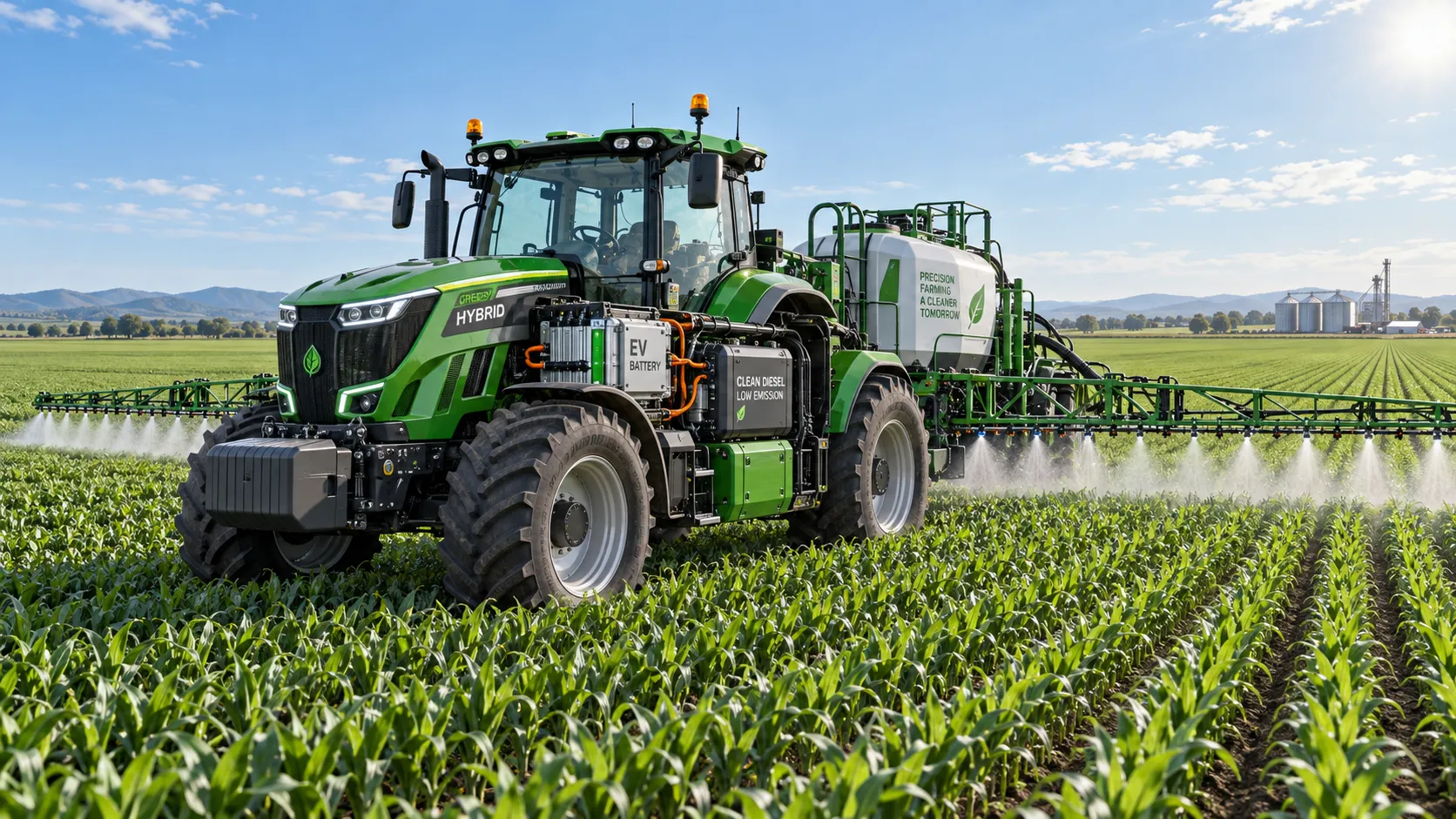
Can hybrid propulsion systems reduce fuel use in farm machinery?
Hybrid propulsion systems for agricultural machinery can cut fuel use and boost productivity. Explore savings potential, key trade-offs, and smart investment factors.
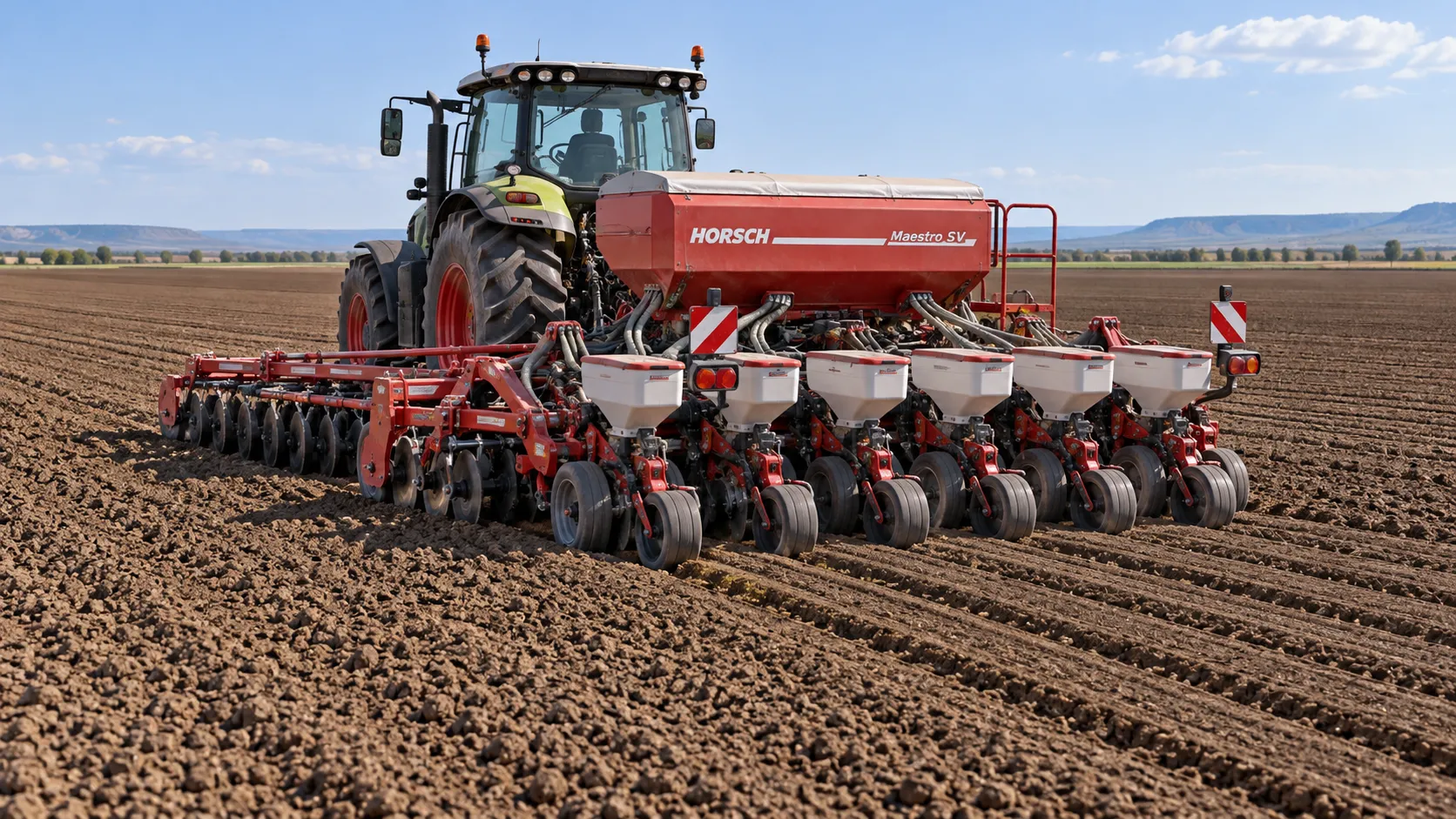
What to compare in integrated seeding combinations for heavy soils
Compare integrated seeding combinations for heavy soils: depth control, residue flow, consolidation, traction, and field capacity for more uniform crop establishment.
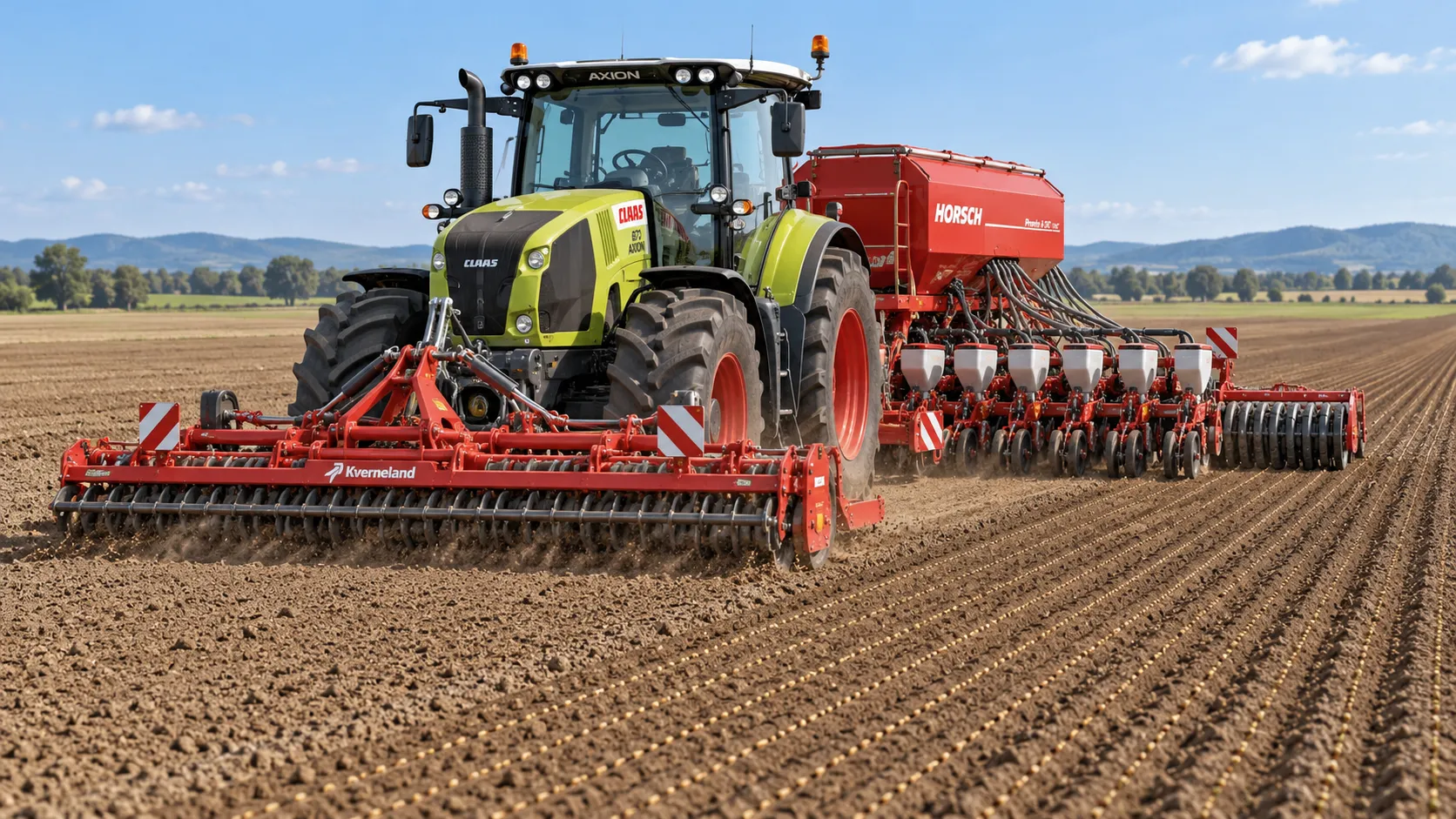
When an integrated seeding combination improves field efficiency
Integrated seeding combination improves field efficiency, protects planting windows, and balances speed with seedbed quality, tractor capacity, and reliable establishment.
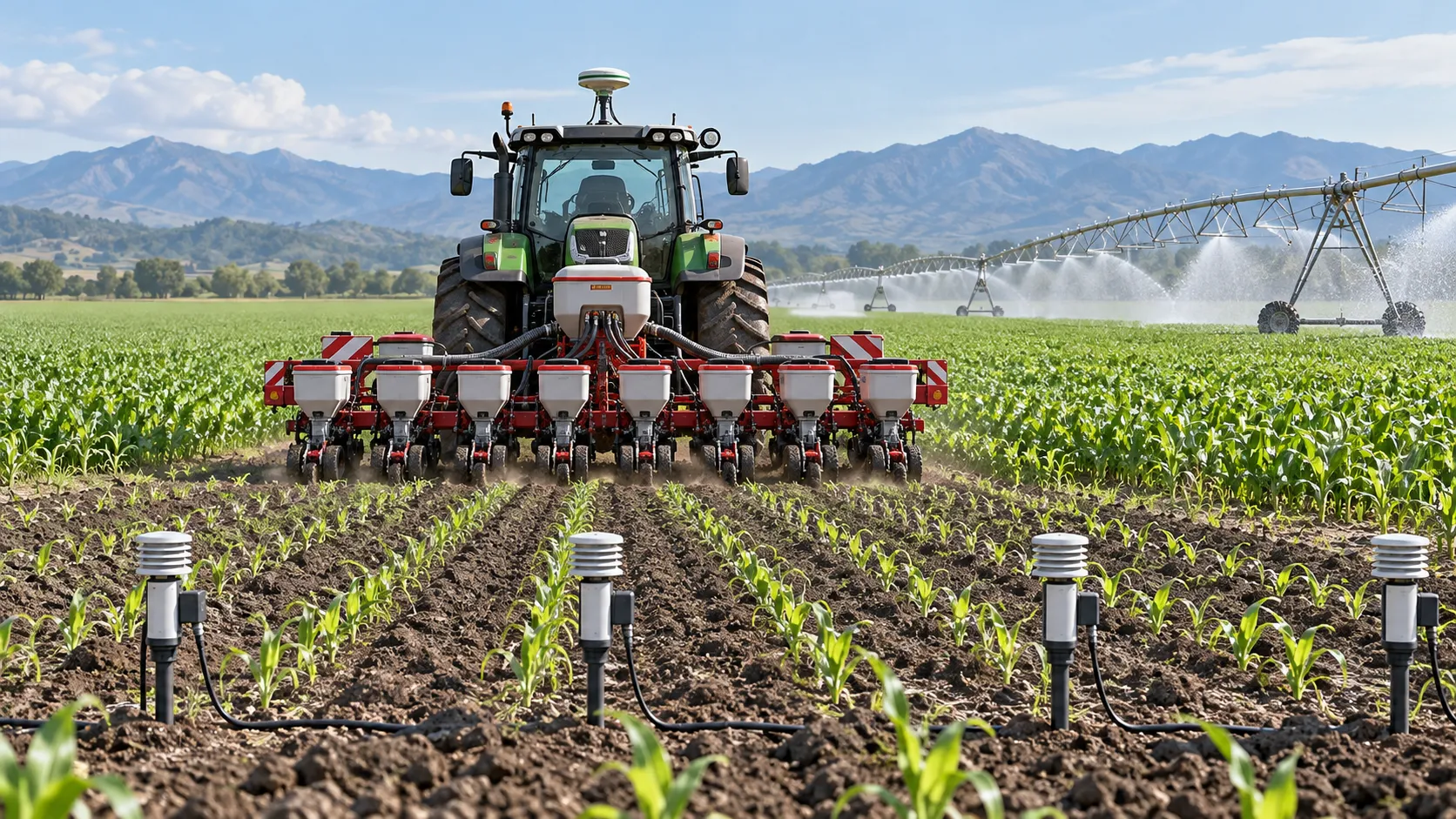
Which costs matter most when calculating precision agriculture ROI?
Calculating ROI on precision agriculture equipment? Discover the costs that shape returns, from installation and subscriptions to downtime, labor, and data integration.
How to calculate ROI on precision agriculture equipment before buying
Calculating ROI on precision agriculture equipment: learn to assess total ownership costs, savings, payback, NPV, risks, and farm-scale value before you buy.
Related News
- 00
0000-00
How to Choose Plant Protection Equipment for Vineyard Pests - 00
0000-00
How to Read Agricultural Equipment Specifications for Sprayers Before You Compare Models - 00
0000-00
BIS Extends Fast-Track Approval for Self-Propelled Sprayers - 00
0000-00
Intelligent Sprayer Technology: Which Functions Matter Most for Field Efficiency? - 00
0000-00
How to Choose Plant Protection Equipment for Orchards by Tree Height, Row Spacing, and Spray Drift
Popular Tags
Agri-Mechanization Fellow
Weekly Insights
Stay ahead with our curated technology reports delivered every Monday.