
What plant protection solutions really cut drift and waste?
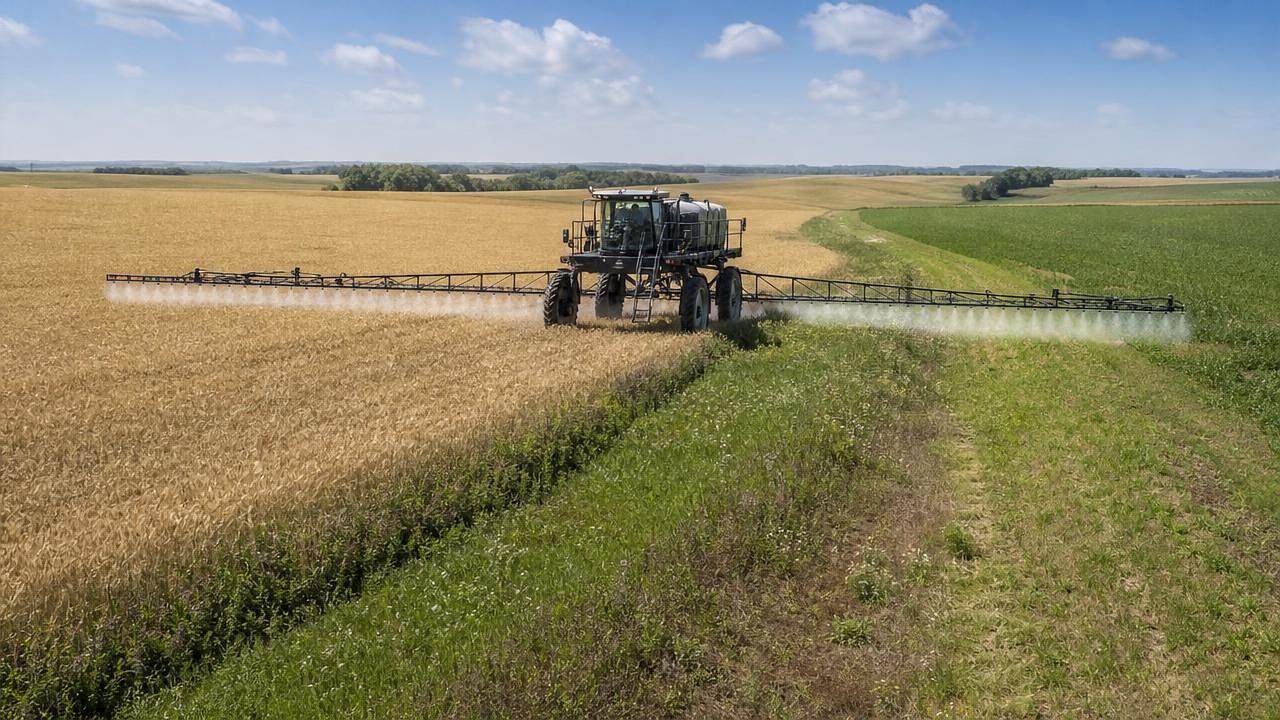




For operators under pressure to protect crops, reduce input loss, and meet tighter field-efficiency targets, the right plant protection solutions for precision agriculture can make a measurable difference. From drift-reducing nozzles and smarter boom control to sensor-guided application and data-backed calibration, this article explores what really helps cut off-target spray, minimize waste, and improve every pass in modern farming operations.
When drift risk is high, which plant protection solutions for precision agriculture matter first?
Not every field needs the same setup. Wind, crop height, terrain, speed, and spray target all change the result.
That is why plant protection solutions for precision agriculture should be judged by operating scene, not by brochure claims alone.
The biggest gains usually come from combining hardware, control logic, and operator discipline. One upgrade rarely solves drift and waste by itself.
Start with the main loss pathways
- Fine droplets moving off target in wind.
- Boom bounce causing uneven deposition.
- Wrong pressure creating poor droplet size.
- Overlap on headlands and irregular boundaries.
- Speed changes without stable flow adjustment.
- Poor calibration leading to hidden overuse.
In broad-acre spraying, the most effective plant protection solutions for precision agriculture target these six losses in sequence.
In broad-acre cereal fields, what actually cuts spray drift and overlap?
Large, open fields often tempt higher speed. Yet speed amplifies boom movement, pressure fluctuation, and edge drift.
In this scene, low-drift air-induction nozzles often deliver the fastest practical improvement. They create larger droplets with less airborne movement.
Automatic section control also matters. It reduces duplicate coverage on wedges, headlands, and irregular outer lines.
A stable boom is equally important. Active boom height control keeps the nozzle closer to the target, which lowers drift potential.
Best-fit measures for open field operations
- Use drift-reducing nozzles sized for target rate and travel speed.
- Keep boom height as low as label and canopy allow.
- Pair GPS section control with accurate boundary mapping.
- Avoid chasing field capacity with excessive pressure.
- Check left-right boom balance on uneven terrain.
These plant protection solutions for precision agriculture work because they cut both physical drift and digital overlap at once.
In dense canopy crops, which application upgrades reduce waste without losing coverage?
Dense foliage creates a different problem. Drift can still occur, but hidden under-coverage inside the canopy becomes just as costly.
Here, the best plant protection solutions for precision agriculture balance penetration and retention. Droplets must reach the target without becoming overly fine.
Twin-fan patterns, angled nozzles, and carefully managed pressure can improve deposition on stems and leaf undersides.
Travel speed should also be reviewed. Faster passes may look efficient, yet often reduce uniformity in thicker crop stands.
Core judgment points in heavier canopies
- Can the spray reach inner foliage, not only upper leaves?
- Does droplet size fit fungicide, insecticide, or herbicide behavior?
- Is water volume adequate for canopy density?
- Does pressure stay in the nozzle’s effective range?
In these conditions, precision means controlled adaptation, not simply reducing volume everywhere.
Near field edges, waterways, or sensitive zones, what provides the safest control?
Sensitive boundaries demand a stricter approach. Off-target movement here creates agronomic, environmental, and compliance risk.
For such scenes, plant protection solutions for precision agriculture should include geofencing, edge-specific pressure settings, and buffer-aware route planning.
Some sprayers allow boundary control by switching nozzles or flow rates automatically. This reduces drift risk without forcing a full-stop adjustment.
Weather monitoring is critical too. Real-time wind direction can be more valuable than a fixed schedule planned hours earlier.
Edge-zone control checklist
- Map waterways, roads, settlements, and adjacent crops.
- Set lower-risk nozzle and pressure combinations.
- Confirm wind direction before each edge pass.
- Use automatic shutoff to avoid overspray at turns.
These scene-based actions often outperform generic “spray only in calm weather” advice.
How do sensor-guided and data-backed systems improve plant protection solutions for precision agriculture?
Smart systems matter most when field variability is high. Bare patches, uneven vigor, and changing weed pressure all influence application value.
Sensor-guided spraying can reduce waste by limiting treatment to where biomass or weed targets actually exist.
Prescription maps add another layer. They support variable-rate application based on scouting, satellite imagery, and historical field zones.
Still, digital precision only pays when calibration is disciplined. Poor flow verification can erase software gains quickly.
What data-enabled systems do best
For modern Agriculture 4.0 operations, these plant protection solutions for precision agriculture connect equipment performance with field intelligence.
What differs most between common spraying scenes?
The same machine may perform very differently across crops and terrain. Matching the scene is more important than chasing the newest feature.
Which scene-fit upgrades should be prioritized first?
A practical upgrade path avoids overspending on low-return features. Start where measurable waste is already visible.
- If overlap is obvious, prioritize GPS section control.
- If drift complaints are frequent, change nozzle type and boom height strategy first.
- If terrain causes uneven coverage, invest in boom stability and automatic height control.
- If fields are highly variable, add sensing or prescription capability after calibration routines are stable.
This staged approach makes plant protection solutions for precision agriculture easier to validate in cost and performance terms.
What mistakes cause operators to overestimate precision and underestimate waste?
One common error is assuming a low-volume setup is always more advanced. In some crops, low volume simply means poorer coverage.
Another mistake is focusing on nozzle catalog labels while ignoring travel speed, weather shifts, and boom height variation.
Some systems also look precise on-screen but perform inconsistently because flow meters, pressure sensors, or valves were not checked regularly.
True plant protection solutions for precision agriculture depend on maintenance, calibration, and field-specific adjustment, not digital features alone.
What is the next practical step for reducing drift and waste?
Begin with a field-by-field review of the last season’s weak points. Note overlap areas, drift-prone edges, and crops with inconsistent control.
Then match each issue to a specific corrective action. Nozzle choice, section control, boom height, sensing, and calibration each solve different problems.
For teams tracking agriculture equipment trends, AP-Strategy highlights how machine design, precision algorithms, and sustainability goals now converge in spraying practice.
The most effective plant protection solutions for precision agriculture are the ones aligned with real field scenes, verified by data, and repeatable every pass.
Related News
Tractor Specification Sheets: Matching PTO, Hydraulics, and Weight to Farm Tasks
Specification-oriented articles for tractors: match PTO, hydraulics, lift capacity, ballast, and weight to real farm tasks for safer, more efficient equipment choices.
How to Evaluate Dynamic Feedback Algorithm Suppliers for Precision Farming Systems
Dynamic feedback algorithms supplier evaluation guide for precision farming—compare validation, integration, safety, and pilots to choose with confidence.
How to Specify Combine Harvester Systems for High-Moisture Grain and Variable Field Conditions
Combine harvester systems for high-moisture grain: learn how to specify threshing, cleaning, headers, traction, and automation for reliable harvests in variable fields.
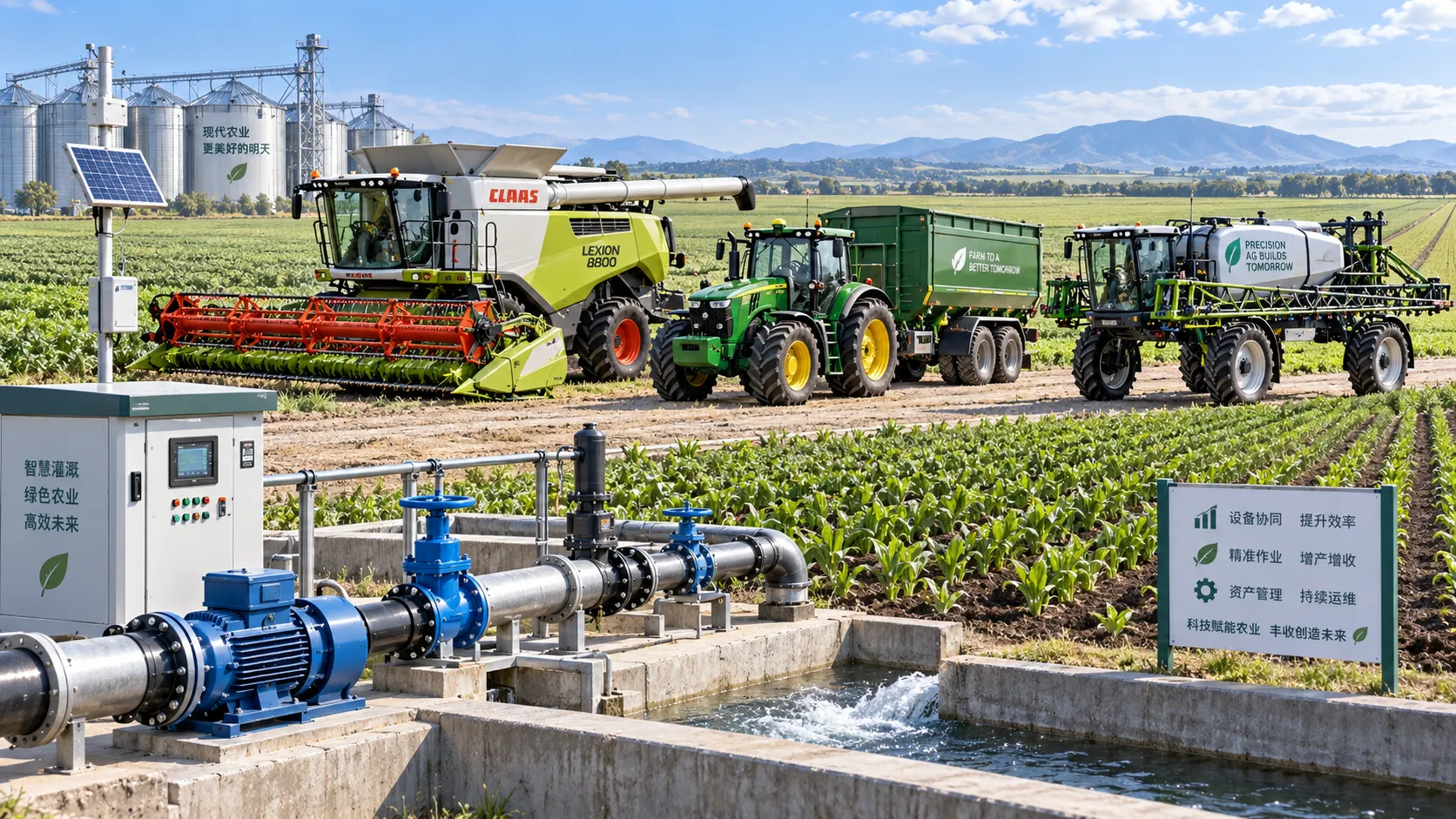
How to Compare Agricultural Equipment Platforms for Fleet Management and ROI
Agricultural equipment platform comparison: evaluate fleet data, maintenance, precision workflows, and ROI to choose a system that delivers measurable results.
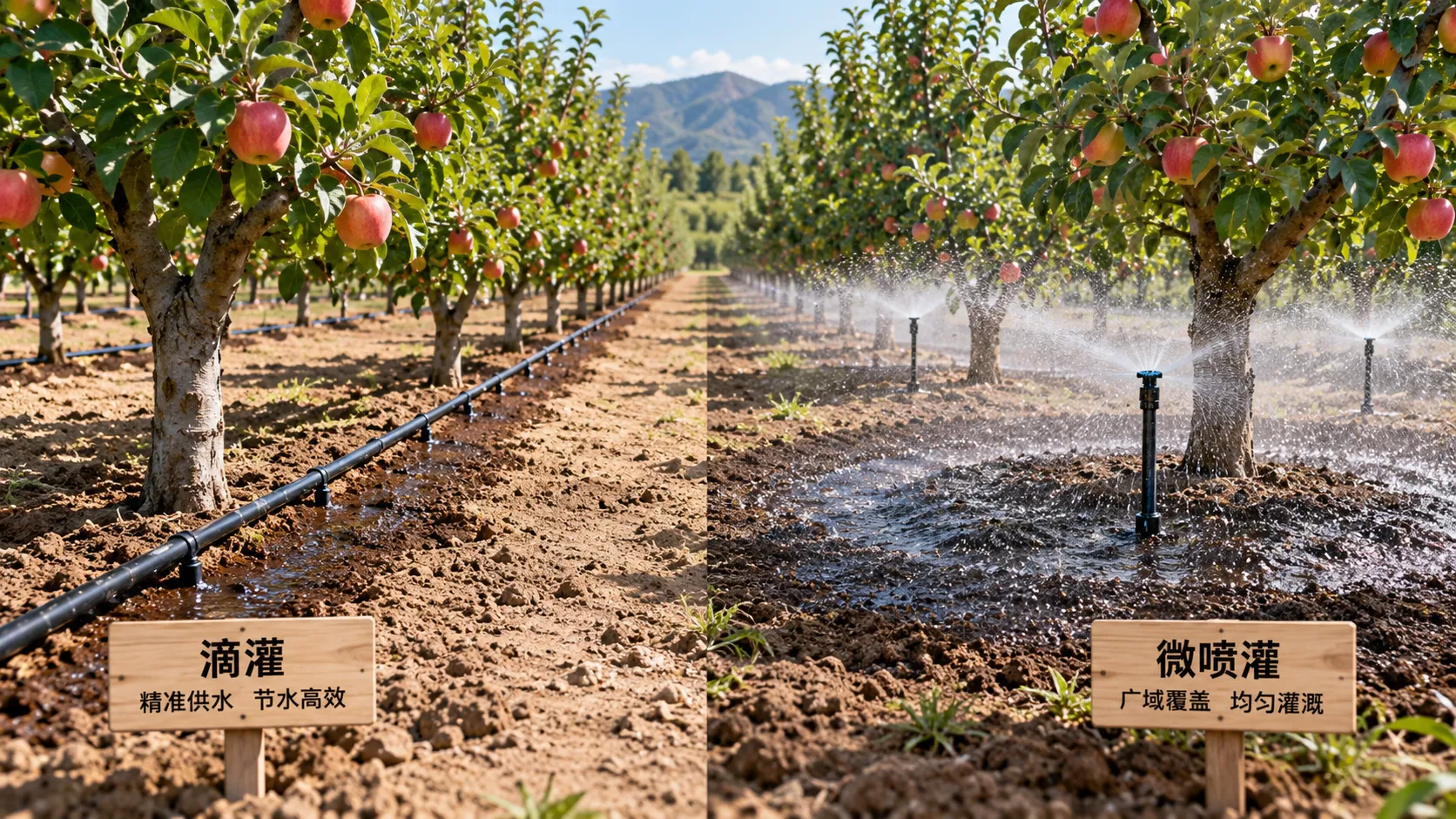
Drip vs. Micro-Sprinkler Irrigation: Which System Fits Your Orchard?
Irrigation solution comparison for orchards: discover whether drip or micro-sprinklers best match your water, soil, roots, fertigation, and frost needs.
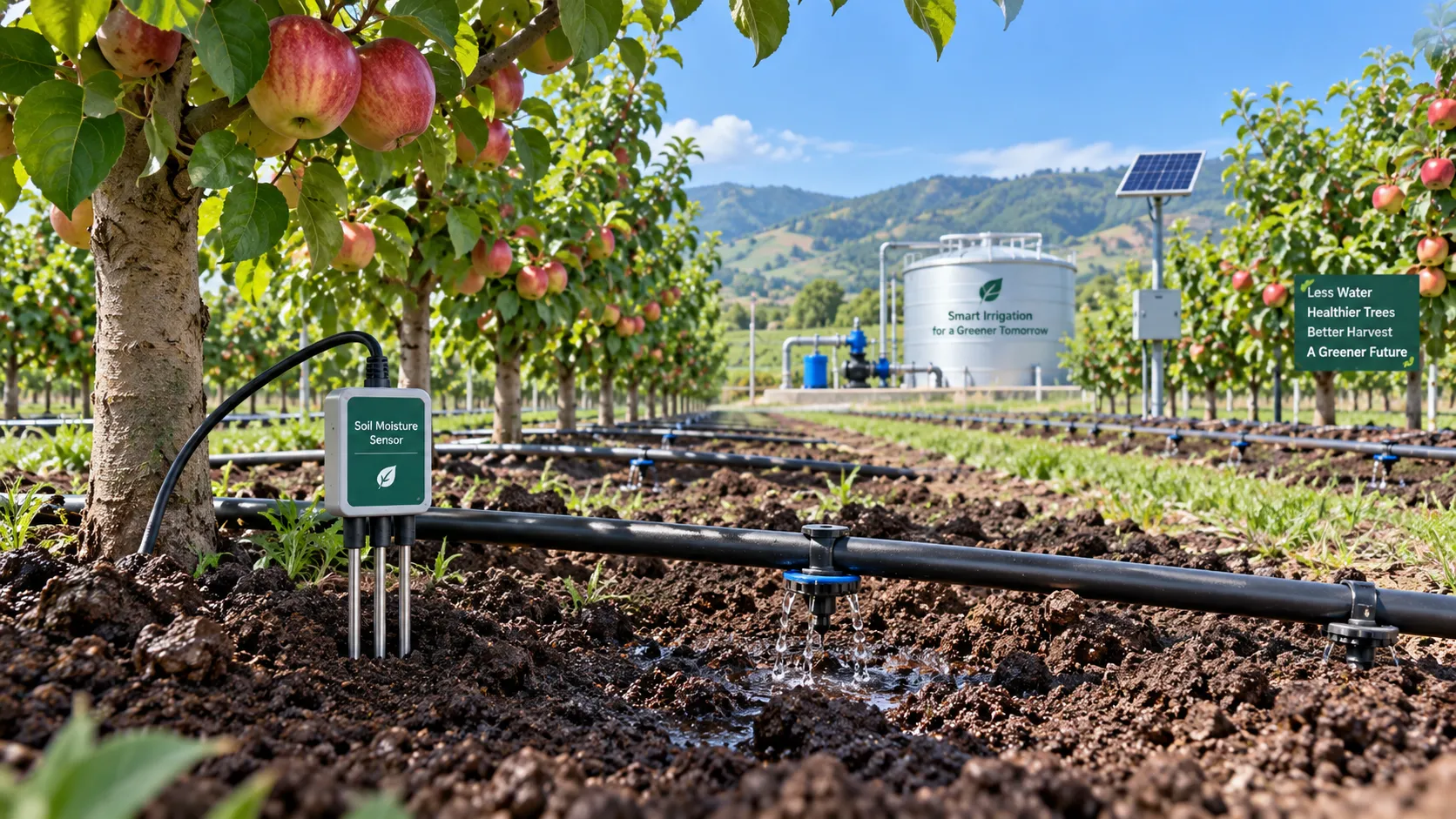
Orchard Water Management: Using Soil Moisture Data to Schedule Irrigation
Agricultural water management for orchards made practical: use soil moisture data to optimize irrigation timing, protect yield, reduce costs, and improve resilience.
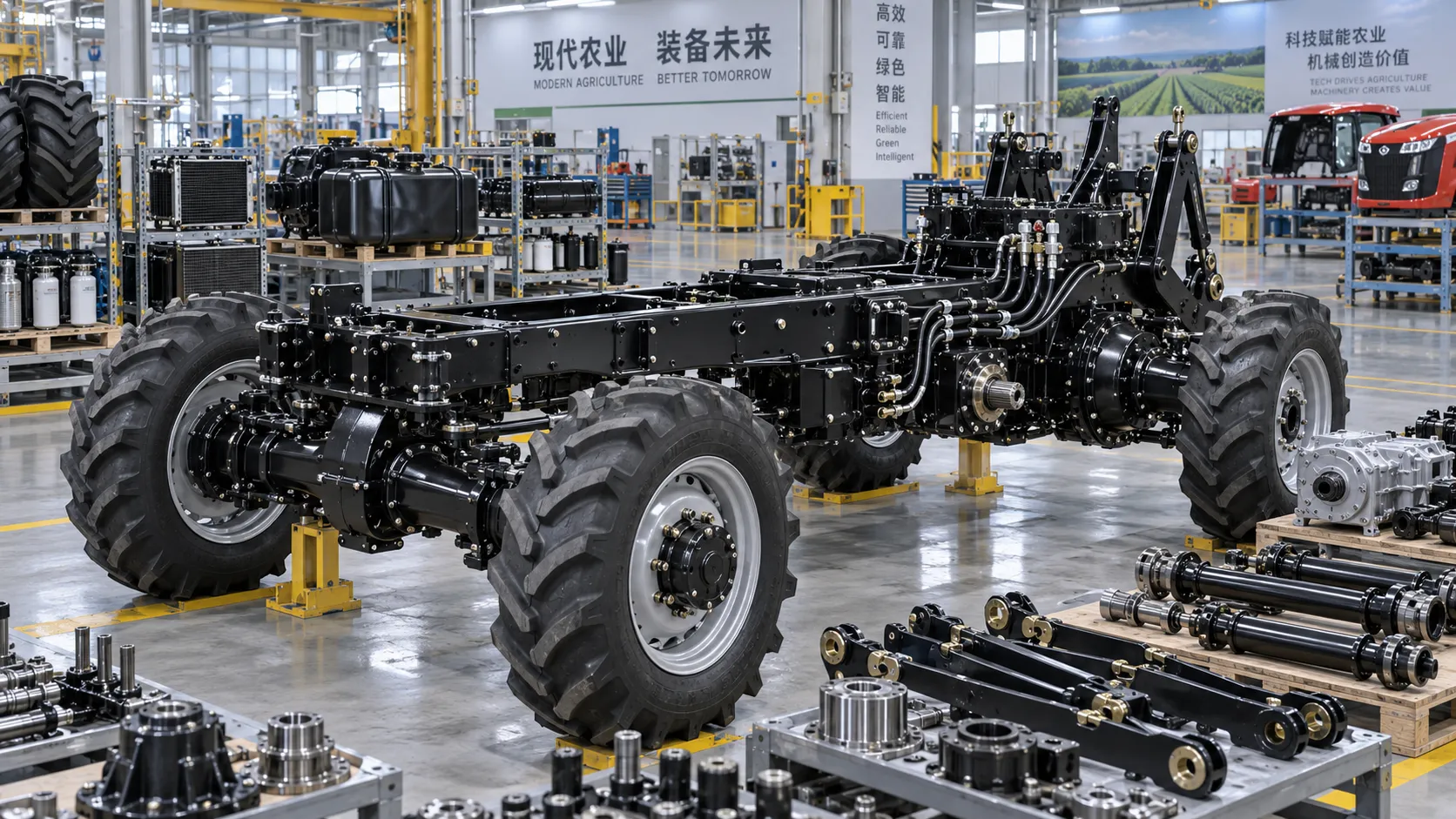
Tractor Chassis Price: What Buyers Should Compare Beyond the Initial Quote
Tractor chassis price is only the start. Compare load capacity, compatibility, durability, and lifecycle costs to choose a reliable, high-value chassis.
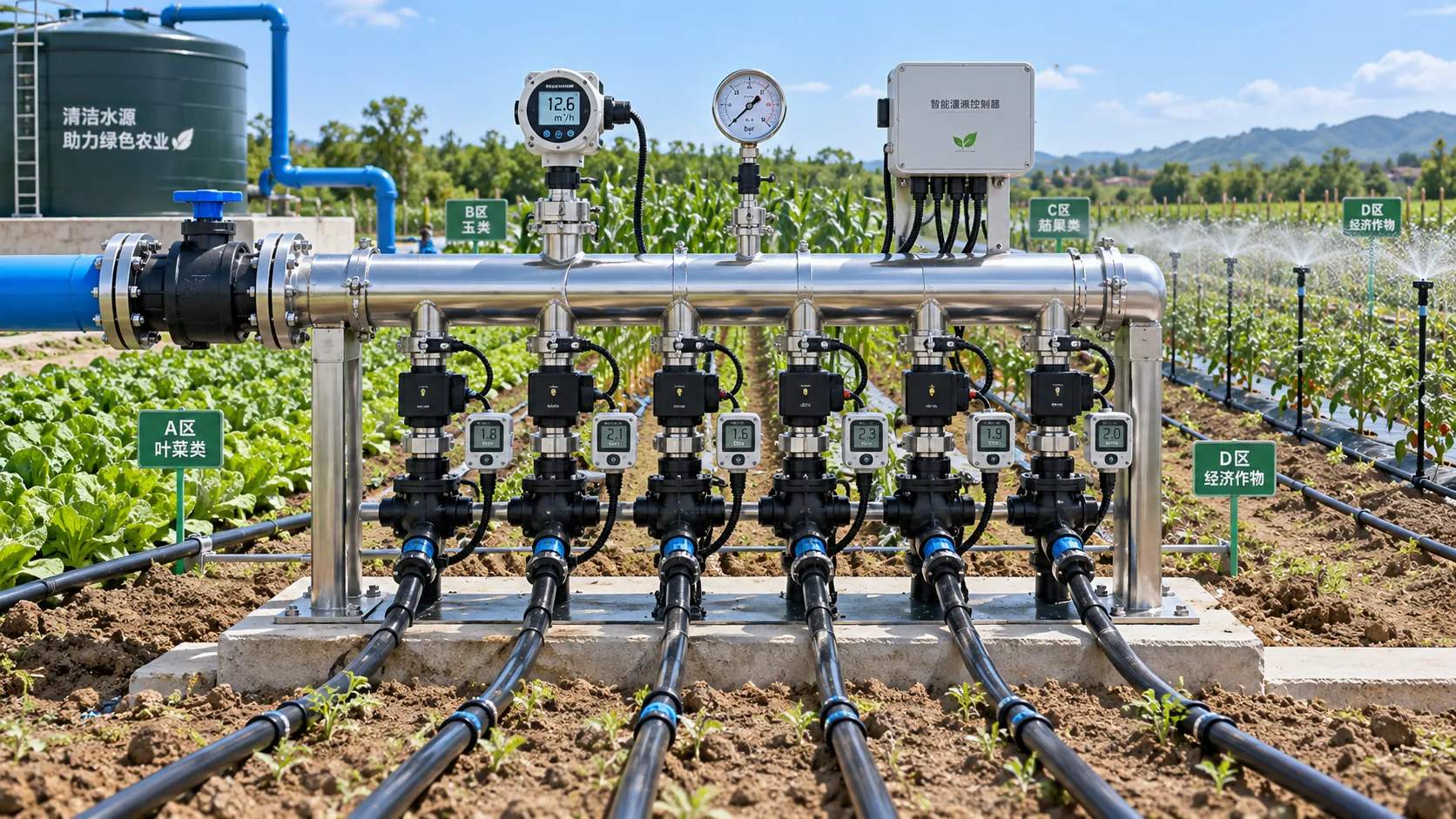
How to Select Smart Irrigation Valves for Multi-Zone Water Management?
Intelligent irrigation systems valves: learn how to match smart valves with multi-zone flow, pressure, control, feedback, and communication needs for reliable water management.
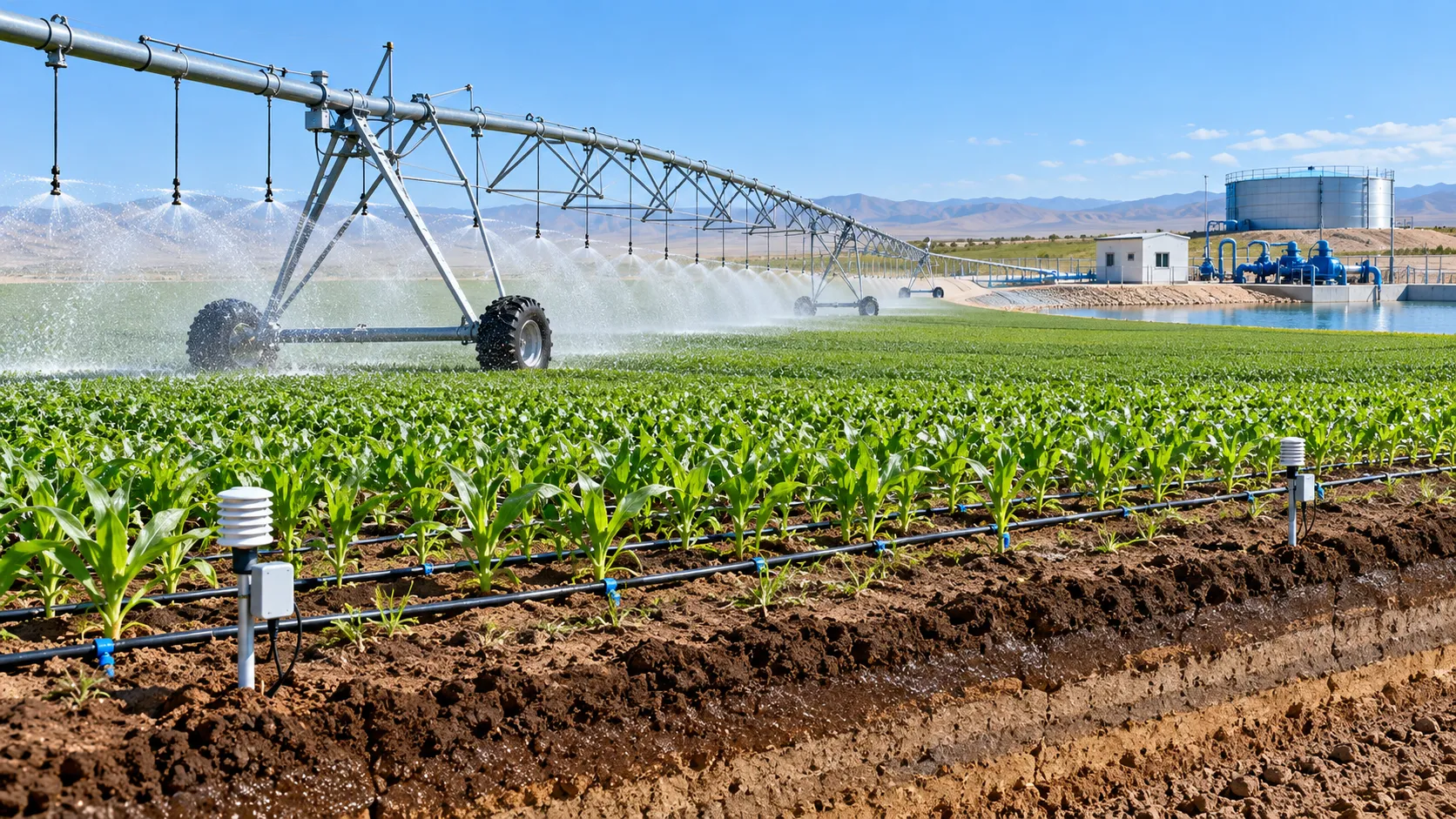
Climate-Smart Farming for Drought: A Practical Plan for Protecting Yields
Climate-smart farming for drought: build smarter water budgets, protect critical crop stages, improve irrigation uniformity, and safeguard yields with practical field-proven strategies.
Related News
- 00
0000-00
How to Choose Plant Protection Equipment for Vineyard Pests - 00
0000-00
How to Read Agricultural Equipment Specifications for Sprayers Before You Compare Models - 00
0000-00
BIS Extends Fast-Track Approval for Self-Propelled Sprayers - 00
0000-00
Intelligent Sprayer Technology: Which Functions Matter Most for Field Efficiency? - 00
0000-00
How to Choose Plant Protection Equipment for Orchards by Tree Height, Row Spacing, and Spray Drift
Popular Tags
Agri-Mechanization Fellow
Weekly Insights
Stay ahead with our curated technology reports delivered every Monday.