
What sets top hydraulic control manufacturers apart today?
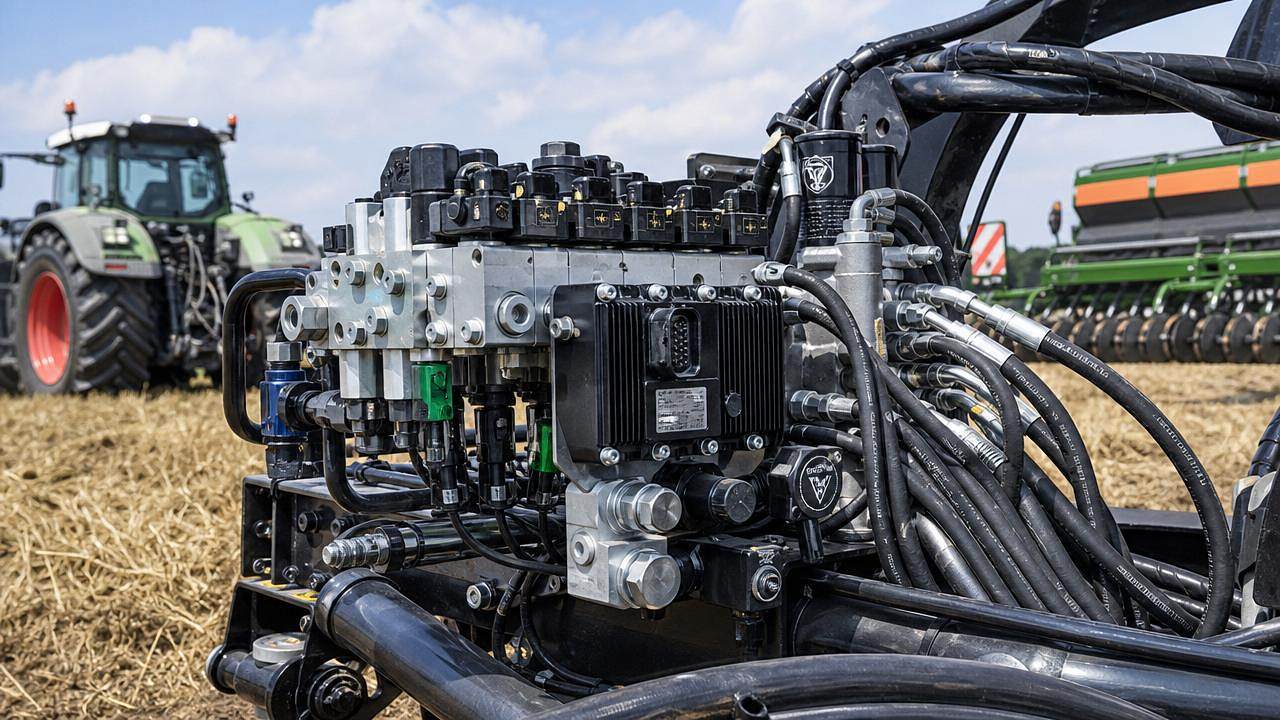




For procurement teams navigating Agriculture 4.0, choosing among hydraulic control manufacturers for agricultural machinery is no longer just about price or supply capacity. Today’s top players stand out through precision performance, system integration, reliability under heavy-duty field conditions, and the ability to support smarter, more sustainable farm operations. Understanding these differences is essential for making lower-risk, higher-value sourcing decisions.
Understanding the role of hydraulic control in modern farm equipment
Hydraulic control manufacturers for agricultural machinery influence how efficiently machines convert engine power into controlled motion, pressure, lifting force, steering response, and implement accuracy.
In tractors, harvesters, sprayers, and irrigation systems, hydraulic control determines responsiveness under varying loads, temperatures, soil resistance, and crop conditions.
The best suppliers do more than provide valves, pumps, manifolds, actuators, or electronic interfaces. They help optimize full-system behavior across demanding agricultural duty cycles.
That distinction matters because field operations rarely occur in stable, clean, and predictable environments. Dust, vibration, long working hours, and uneven maintenance are standard realities.
As a result, hydraulic control manufacturers for agricultural machinery are now evaluated on engineering depth, digital readiness, service support, and lifecycle consistency.
Key market signals shaping supplier differentiation today
Several industry shifts are changing what “top-tier” means in hydraulic control for agricultural platforms.
- Higher implement precision is required for variable-rate seeding, spraying, and fertilization.
- Electro-hydraulic integration is expanding across steering, header control, and chassis functions.
- Global sustainability targets are increasing demand for energy-efficient hydraulic architectures.
- Downtime costs are rising during short planting and harvest windows.
- Platform modularity is becoming essential for global equipment localization.
These shifts mean hydraulic control manufacturers for agricultural machinery must support both rugged mechanics and intelligent control logic at the same time.
What sets top hydraulic control manufacturers apart today
The strongest hydraulic control manufacturers for agricultural machinery usually outperform in six areas rather than one.
1. System-level engineering capability
Top suppliers design for the machine, not only the component. They evaluate pump sizing, valve timing, pressure stability, hose routing, and control logic together.
This system view reduces heat generation, noise, energy loss, and unexpected response delays during real field tasks.
2. Precision under variable field conditions
Agricultural equipment rarely works in laboratory conditions. Leading suppliers maintain control accuracy during cold starts, long shifts, changing loads, and rough terrain.
That consistency supports cleaner harvesting, smoother lifting, steadier boom movement, and more reliable implement depth control.
3. Electro-hydraulic integration
Modern agricultural platforms increasingly depend on software-guided hydraulic behavior. Top manufacturers support controllers, sensors, telematics, and machine communication standards.
This makes hydraulic control manufacturers for agricultural machinery valuable partners in autonomous and semi-autonomous equipment development.
4. Reliability and contamination management
Dust, moisture, vibration, and oil contamination can quickly degrade hydraulic performance. Top-tier suppliers engineer seals, filtration pathways, and tolerances for agricultural reality.
They also provide failure analysis data and maintenance recommendations that reduce field breakdown risks.
5. Manufacturing consistency and traceability
High-performing prototypes mean little without consistent mass production. Leading suppliers control machining quality, testing repeatability, and lot-level traceability.
That consistency matters for global OEM programs and aftermarket support planning.
6. Lifecycle support and co-development
The best hydraulic control manufacturers for agricultural machinery stay involved after delivery. They assist with calibration, redesign, diagnostics, and performance upgrades.
This ongoing support shortens problem resolution time and improves platform competitiveness over several product generations.
Business value across agricultural equipment categories
Hydraulic performance affects operating economics in direct and measurable ways. Better control quality often improves productivity, reduces losses, and lowers service interruptions.
For intelligence platforms like AP-Strategy, this matters because hydraulic control sits at the junction of mechanical force, digital decision-making, and resource efficiency.
In Agriculture 4.0, that junction increasingly determines whether machines can deliver precise, scalable, and sustainable results.
Typical supplier profiles and selection scenarios
Not all hydraulic control manufacturers for agricultural machinery compete from the same position. Understanding supplier profiles helps narrow realistic options.
- Global integrated specialists: strong in R&D, software, validation, and worldwide support.
- Agriculture-focused component experts: deep application knowledge for tractors, harvesters, and implements.
- Cost-driven volume suppliers: suitable for simpler functions where integration complexity is limited.
- Custom engineering firms: useful for niche platforms or fast adaptation projects.
Selection should align with platform complexity, duty cycle severity, software roadmap, and service footprint expectations.
Practical evaluation criteria before supplier commitment
A practical review process should move beyond brochure claims and focus on field-relevant proof.
- Verify performance curves across temperature and load ranges.
- Review contamination tolerance and filtration requirements.
- Assess software, sensor, and controller compatibility.
- Request durability test methods and failure mode records.
- Examine production traceability and process quality controls.
- Check parts availability across target markets.
- Compare engineering response speed during design changes.
These checks reveal whether hydraulic control manufacturers for agricultural machinery can support not only launch success, but also long-term operational stability.
Common risks that weaker suppliers often expose
Some suppliers look competitive at quotation stage but create hidden costs later.
- Inconsistent valve response leading to uneven implement behavior.
- Insufficient sealing performance in muddy or humid conditions.
- Poor integration with electronic control systems.
- Weak root-cause analysis during field failures.
- Limited support for global service and spare parts continuity.
In peak agricultural seasons, even minor hydraulic instability can escalate into serious operational losses.
A grounded path forward for better sourcing decisions
Today, top hydraulic control manufacturers for agricultural machinery stand apart through integrated engineering, digital compatibility, field durability, and dependable lifecycle support.
They help agricultural platforms achieve more than motion control. They enable precision farming execution, reduced downtime, stronger sustainability performance, and better machine intelligence.
For organizations tracking the future of tractors, combines, smart implements, and irrigation networks, supplier evaluation should connect hydraulic details with broader platform strategy.
AP-Strategy continues to observe how hydraulic control manufacturers for agricultural machinery shape the next generation of resilient, data-driven farm equipment.
The most effective next step is to compare shortlisted suppliers against real application loads, integration goals, and service scenarios before final commitment.
Related News
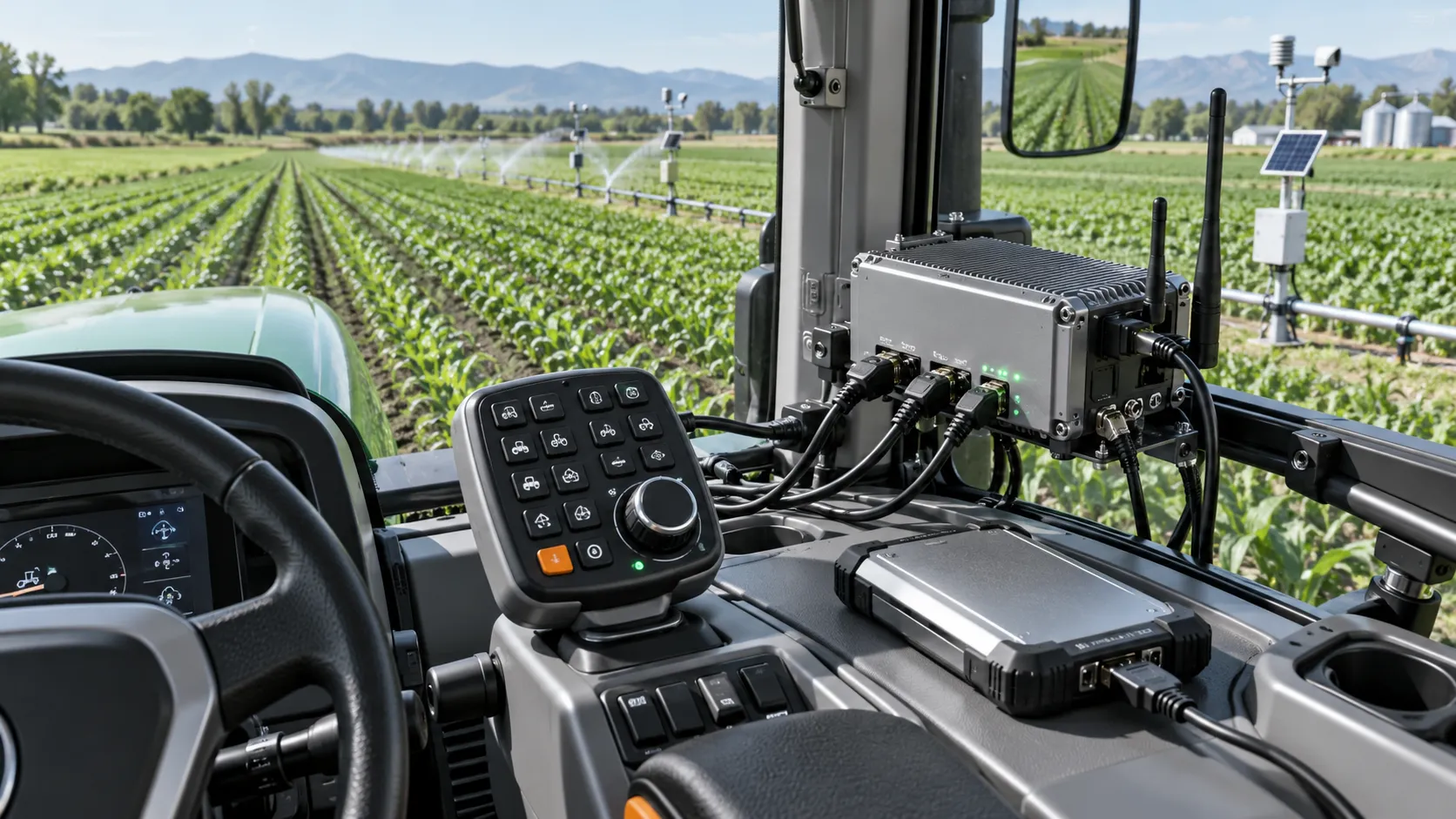
Choosing a Digital Farming Platform Provider: Compatibility and Data Ownership
Compare digital farming platforms providers on equipment compatibility, data ownership, and export rights. Discover practical checks to avoid lock-in and choose with confidence.
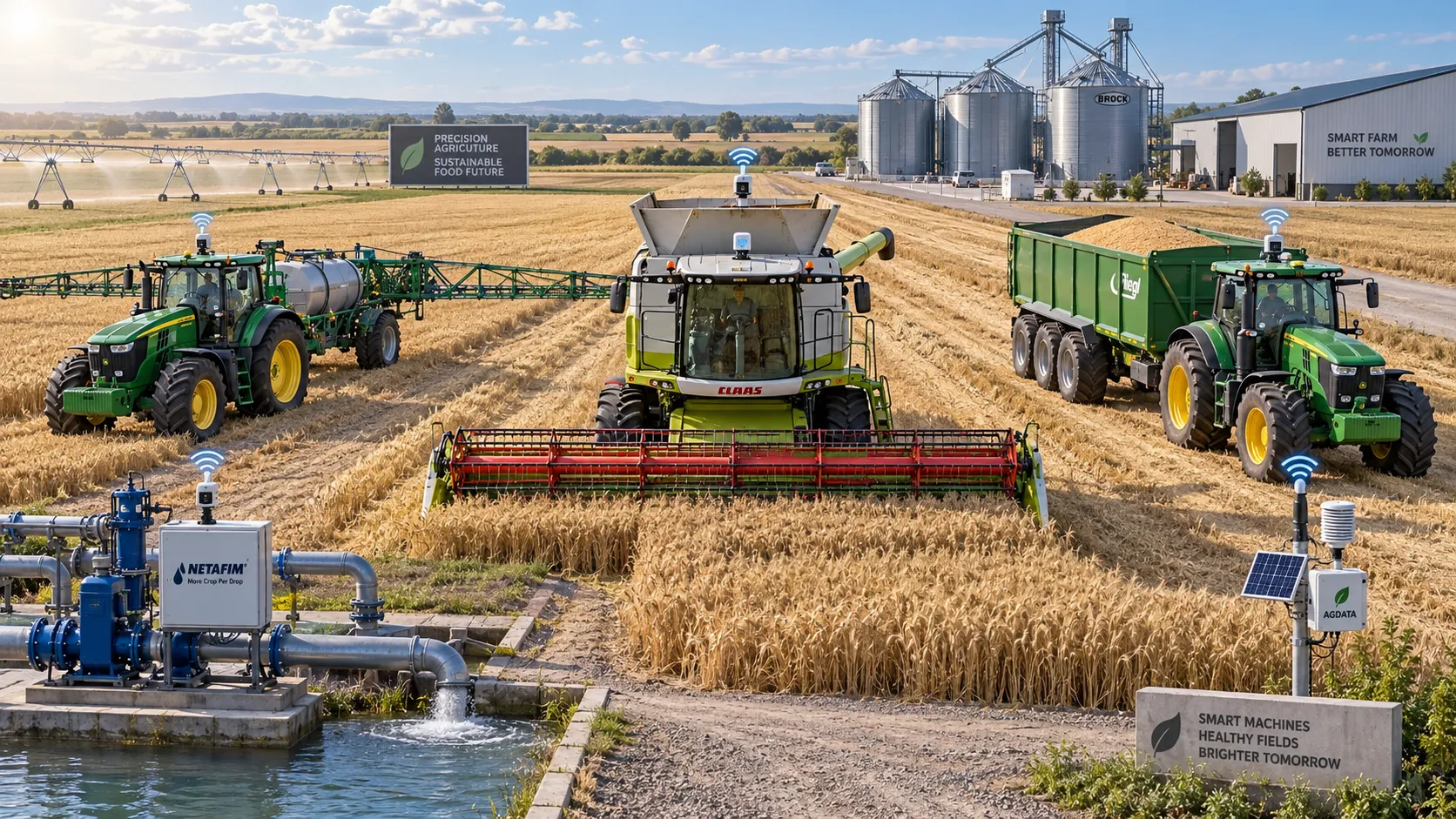
How Large-Scale Farm Telematics Cuts Downtime Across Mixed Fleets
Large-scale farm equipment telematics cuts mixed-fleet downtime with real-time alerts, smarter maintenance, and stronger operational control. Learn how to protect critical farm workflows.
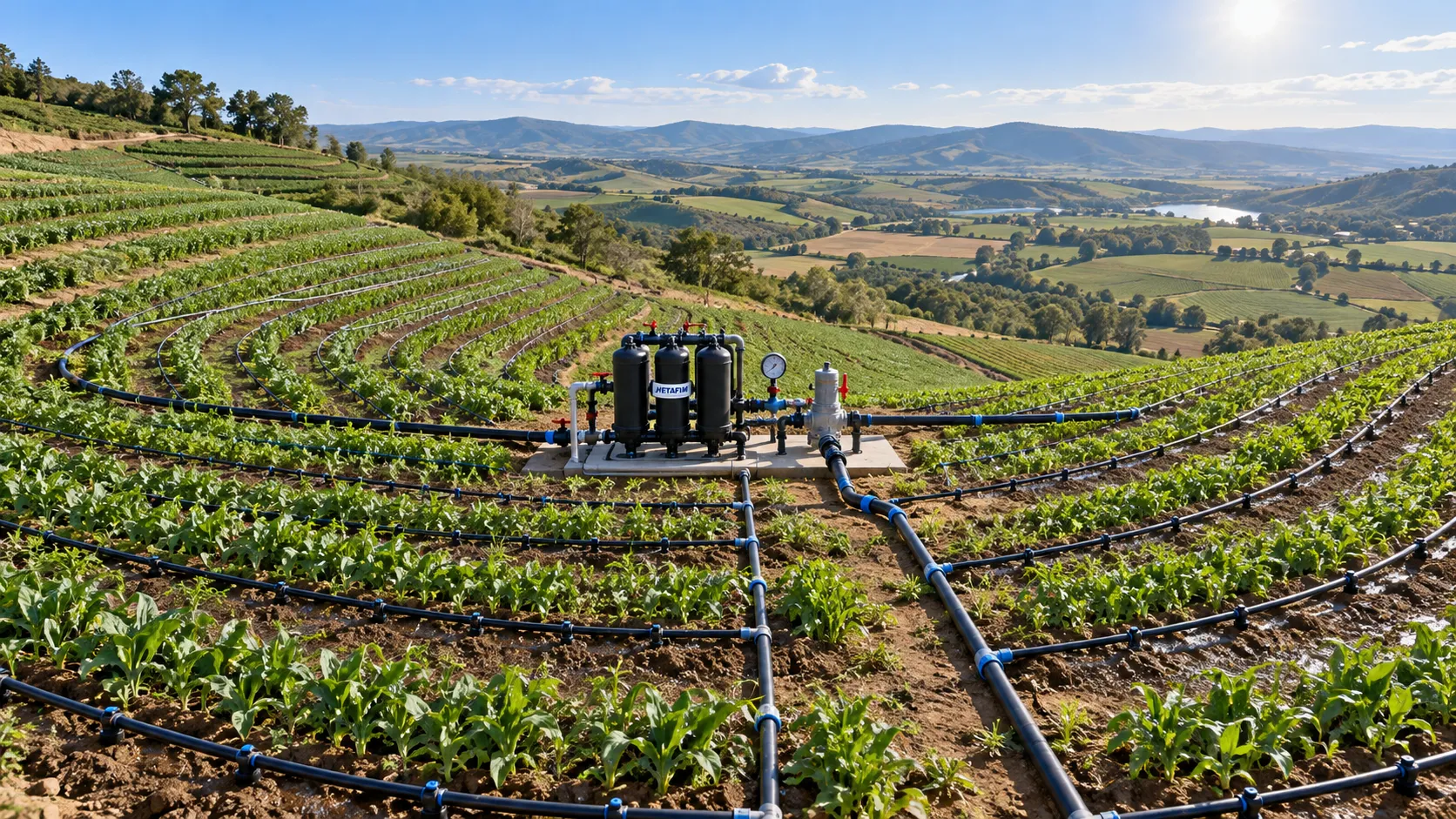
How to Size Low-Pressure Water-Saving Irrigation Systems for Uneven Fields
Low pressure water-saving irrigation systems for uneven fields: learn zoning, pressure mapping, pipe sizing, and pump selection to improve uniformity and reduce water waste.
Farm Machinery Sourcing: How to Vet Suppliers, Specs, and Lifecycle Costs
Farm machinery information for sourcing: learn to vet suppliers, compare specifications, control lifecycle costs, and secure reliable uptime for smarter equipment purchases.
What to compare in integrated seeding combinations for heavy soils
Compare integrated seeding combinations for heavy soils: depth control, residue flow, consolidation, traction, and field capacity for more uniform crop establishment.
When an integrated seeding combination improves field efficiency
Integrated seeding combination improves field efficiency, protects planting windows, and balances speed with seedbed quality, tractor capacity, and reliable establishment.
Which costs matter most when calculating precision agriculture ROI?
Calculating ROI on precision agriculture equipment? Discover the costs that shape returns, from installation and subscriptions to downtime, labor, and data integration.
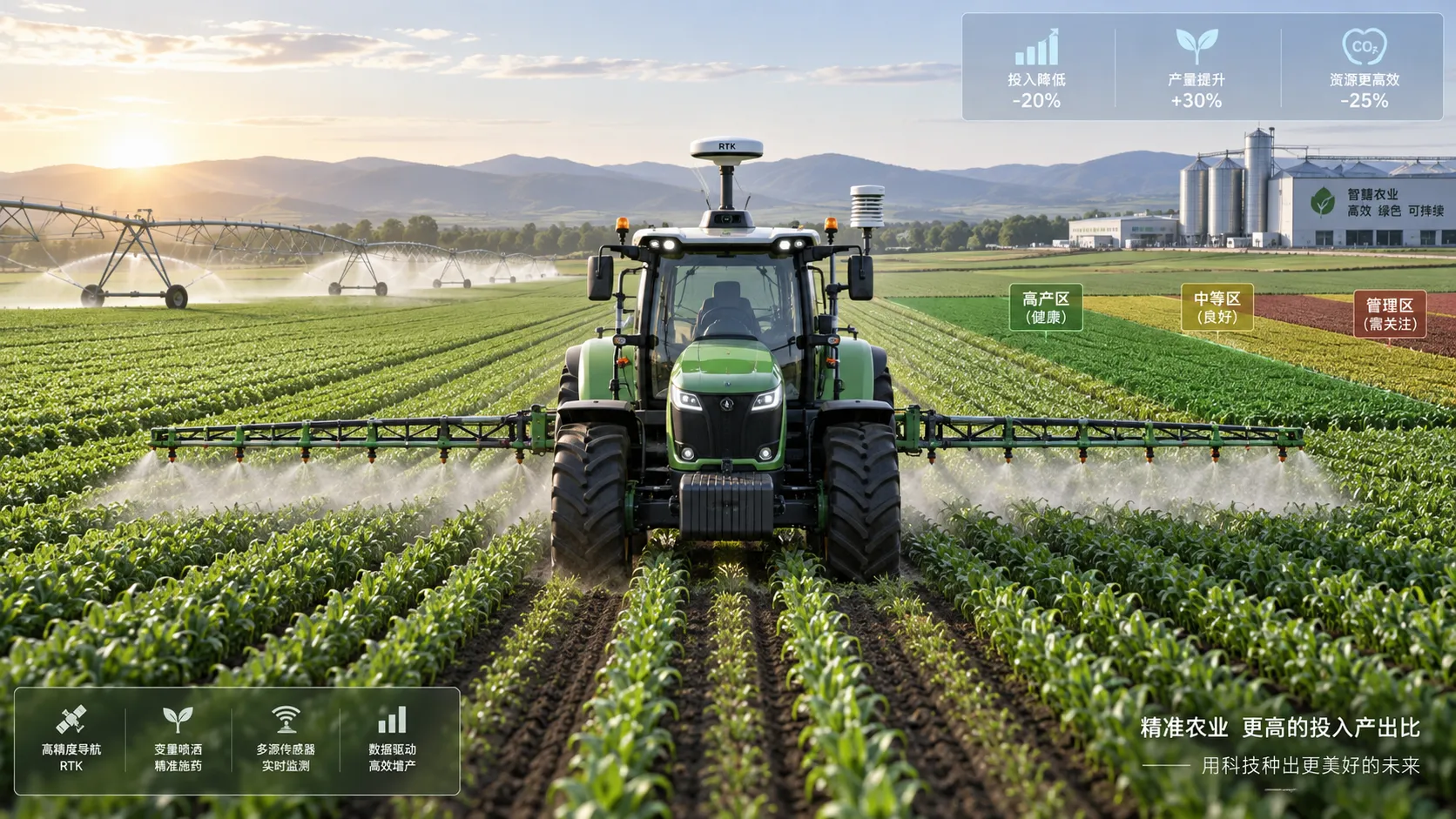
How to calculate ROI on precision agriculture equipment before buying
Calculating ROI on precision agriculture equipment: learn to assess total ownership costs, savings, payback, NPV, risks, and farm-scale value before you buy.
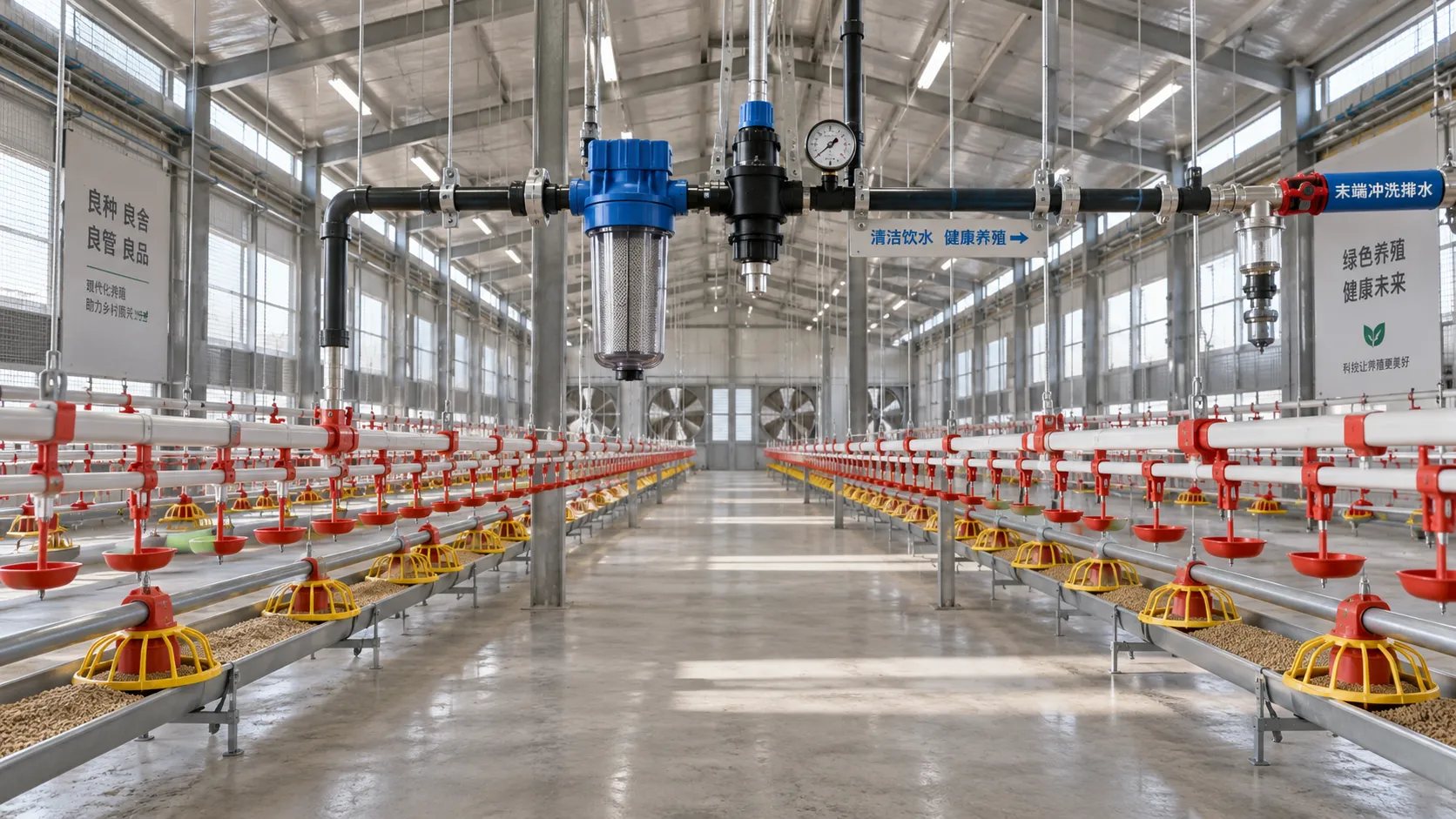
Planning Nipple Drinker Installation for Different Chicken House Layouts
How to install nipple drinker for chicken houses: plan line layouts, pressure control, flushing access, and maintenance for reliable water delivery.
Related News
- 00
0000-00
Tractor Hydraulic Systems Troubleshooting: Diagnosing Weak Lift and Slow Implements - 00
0000-00
Which Implements Are Compatible With a 200 HP Tractor for Mixed Cropping? - 00
0000-00
How to Select Agricultural Hydraulic Systems for Sprayers by Flow, Pressure, and Boom Demand - 00
0000-00
Australia Tightens Carbon Rules for Hydraulic Lift System Imports - 00
0000-00
ANATEL Sets New Rules for Wireless Hydraulic Lift Systems
Popular Tags
Tractor Power Architect
Weekly Insights
Stay ahead with our curated technology reports delivered every Monday.