
How hydraulic control systems affect combine uptime
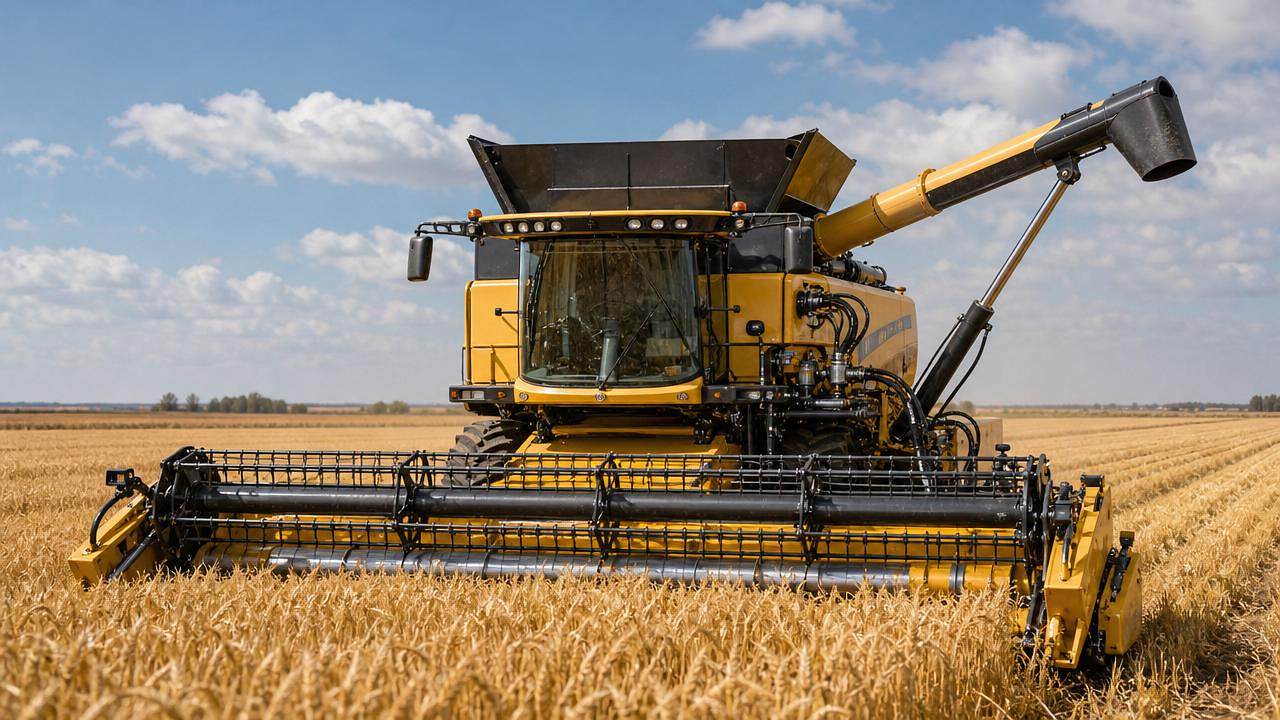




For after-sales maintenance teams, combine uptime often depends on how well hydraulic control systems for combine harvesters perform under field pressure.
From header response to steering accuracy and unloading efficiency, minor faults can escalate into costly stoppages within a few operating hours.
Understanding hydraulic control systems for combine harvesters supports faster diagnosis, better preventive maintenance, and more stable harvesting performance during narrow seasonal windows.
Across the broader agricultural equipment sector, hydraulic reliability also shapes fuel use, grain loss, operator comfort, and service planning efficiency.
Hydraulic control systems for combine harvesters: core definition and operating scope
Hydraulic control systems for combine harvesters convert engine power into controlled fluid energy for movement, lifting, steering, braking, and auxiliary machine functions.
These systems typically include pumps, valves, cylinders, hoses, filters, reservoirs, actuators, sensors, and electronic control interfaces.
In modern combines, hydraulics no longer act alone.
They are increasingly integrated with CAN-based controls, load sensing logic, and operator displays for precise machine behavior.
Functions commonly managed by the hydraulic circuit
- Header lift and tilt adjustment
- Reel positioning and feeder control
- Hydrostatic propulsion and steering response
- Unloading auger swing and grain tank discharge
- Brake assist and selected chassis functions
- Automatic header height or terrain-following support
When one hydraulic element drifts out of tolerance, the impact often spreads across several machine functions.
That is why hydraulic control systems for combine harvesters are central to uptime, not just component-level performance.
Why uptime is directly tied to hydraulic performance
Harvesting is a time-critical operation.
Weather shifts, crop moisture changes, and labor coordination leave little room for repeated machine interruptions.
Hydraulic control systems for combine harvesters affect uptime because they govern many high-frequency actions during every field pass.
How hydraulic faults create downtime
- Slow header lift delays headland turns and field entry
- Steering lag reduces safe transport and row alignment
- Weak propulsion pressure limits climbing and traction control
- Auger actuation faults delay unloading cycles
- Oil contamination accelerates wear across valves and pumps
- Excessive heat shortens seal life and causes unstable operation
A combine may still run with marginal hydraulic pressure, yet productivity falls before a complete failure appears.
This hidden performance loss is especially costly in large-scale operations where every hour influences harvest completion targets.
Current industry signals shaping hydraulic service priorities
Across Agriculture 4.0, combines are becoming more automated, heavier, and more sensor-driven.
That trend increases the service importance of hydraulic control systems for combine harvesters.
These signals show why hydraulic service can no longer rely only on reactive hose replacement or visible leak checks.
It requires a system-level view of contamination, heat, pressure stability, and electronic control coordination.
Business value of reliable hydraulic control systems for combine harvesters
Reliable hydraulic control systems for combine harvesters influence more than maintenance records.
They affect machine utilization, service cost, harvest timing, and the broader economics of field operations.
Operational value areas
- Higher daily harvested area through fewer stoppages
- Reduced secondary damage from overheated or contaminated circuits
- More stable machine behavior in variable terrain
- Lower unplanned service labor during peak season
- Better coordination between machine settings and crop conditions
For intelligence-driven agricultural platforms such as AP-Strategy, this topic also connects equipment durability with food security and resource efficiency.
A combine that stays active during critical windows supports yield protection, labor productivity, and fuel-efficient field scheduling.
Typical failure patterns and affected machine scenarios
Not every hydraulic issue appears the same.
Failure patterns vary by machine age, crop type, terrain, duty cycle, and maintenance history.
Recognizing these patterns helps prioritize inspections before downtime spreads into multiple subsystems.
It also improves parts planning and shortens repair decision time in the field.
Practical maintenance guidance for better uptime
Effective service for hydraulic control systems for combine harvesters should combine routine checks with trend-based diagnostics.
The goal is to identify instability before function loss becomes obvious.
Recommended maintenance actions
- Monitor oil cleanliness and replace filters on schedule, not only after alarms.
- Check hose routing, abrasion points, and coupler sealing during every service interval.
- Verify operating temperature under load, especially in long harvesting days.
- Measure pressure and flow against manufacturer specifications when response slows.
- Inspect cylinders and valves for internal leakage when drift appears.
- Review fault codes and sensor feedback on electronically managed hydraulic functions.
Common points of caution
- Do not mix hydraulic fluids without confirming compatibility.
- Do not assume visible leaks are the only sign of performance loss.
- Do not ignore intermittent steering or header hesitation during transport.
- Do not replace parts before confirming whether contamination caused the fault.
These steps improve reliability while avoiding unnecessary component replacement.
They also support more consistent service quality across mixed fleets and different combine generations.
A structured next step for hydraulic uptime improvement
A practical next step is to map every critical function controlled by hydraulic control systems for combine harvesters on each machine platform.
Then link each function to inspection points, normal pressure ranges, fluid condition checks, and likely failure symptoms.
This creates a repeatable service framework that reduces guesswork during peak harvest pressure.
For organizations tracking agricultural equipment intelligence, hydraulic data should be reviewed alongside harvest efficiency, downtime history, and seasonal operating conditions.
That integrated view turns maintenance from a repair task into a strategic uptime discipline.
In the end, hydraulic control systems for combine harvesters are not only technical assemblies.
They are a decisive factor in keeping harvest capacity available when timing, yield protection, and operational continuity matter most.
Related News
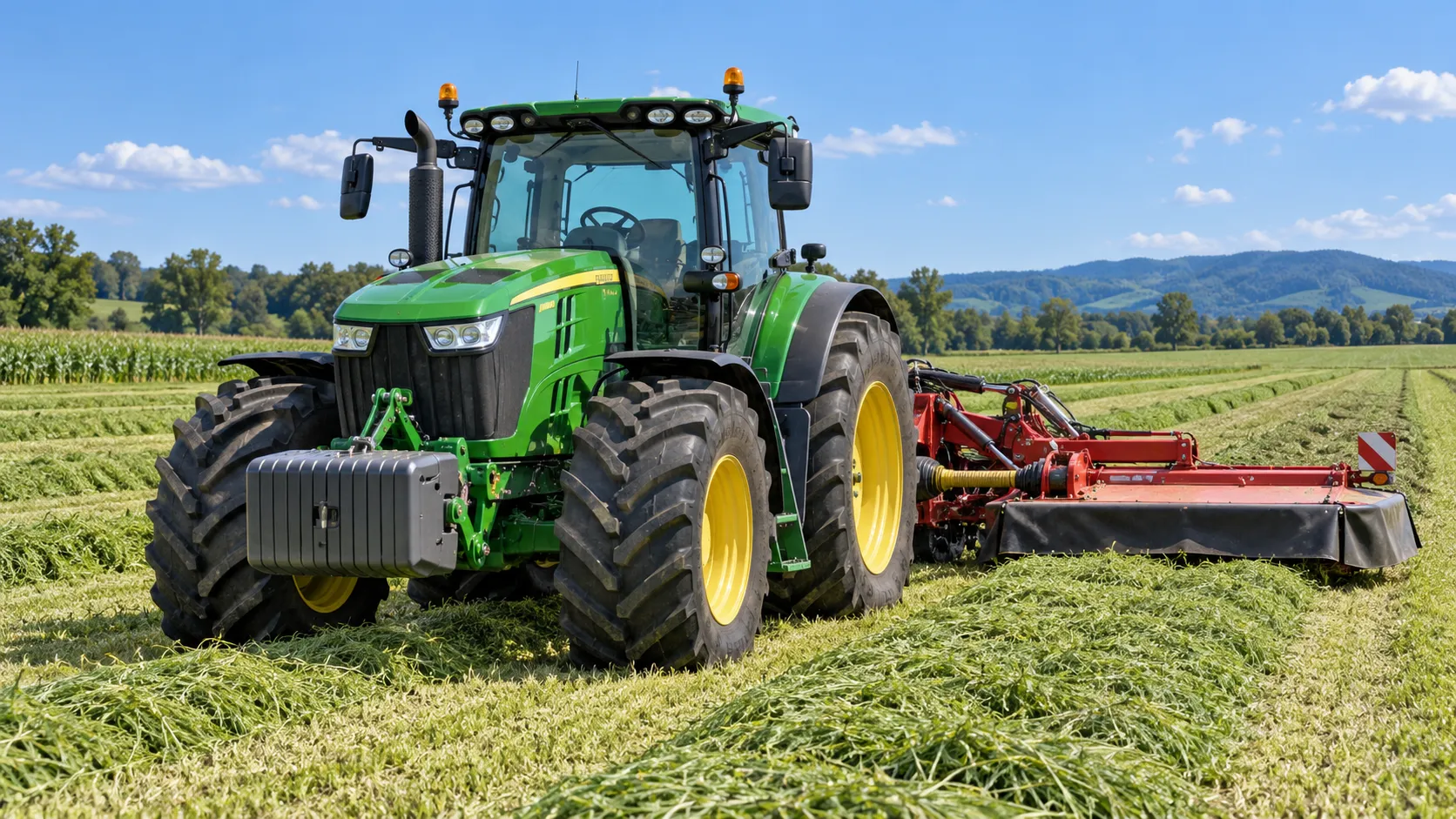
Tractor Specification Sheets: Matching PTO, Hydraulics, and Weight to Farm Tasks
Specification-oriented articles for tractors: match PTO, hydraulics, lift capacity, ballast, and weight to real farm tasks for safer, more efficient equipment choices.
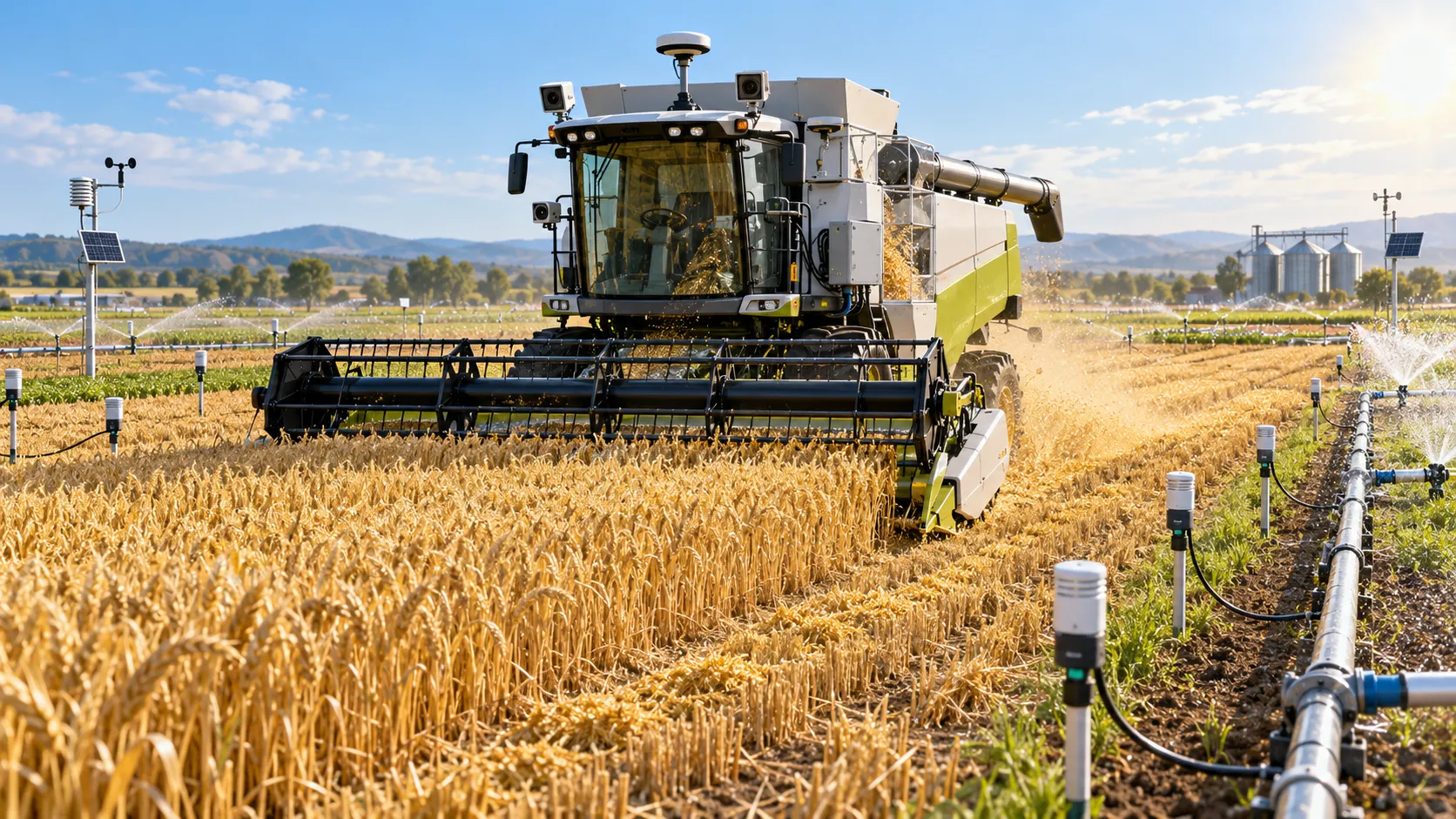
How to Evaluate Dynamic Feedback Algorithm Suppliers for Precision Farming Systems
Dynamic feedback algorithms supplier evaluation guide for precision farming—compare validation, integration, safety, and pilots to choose with confidence.
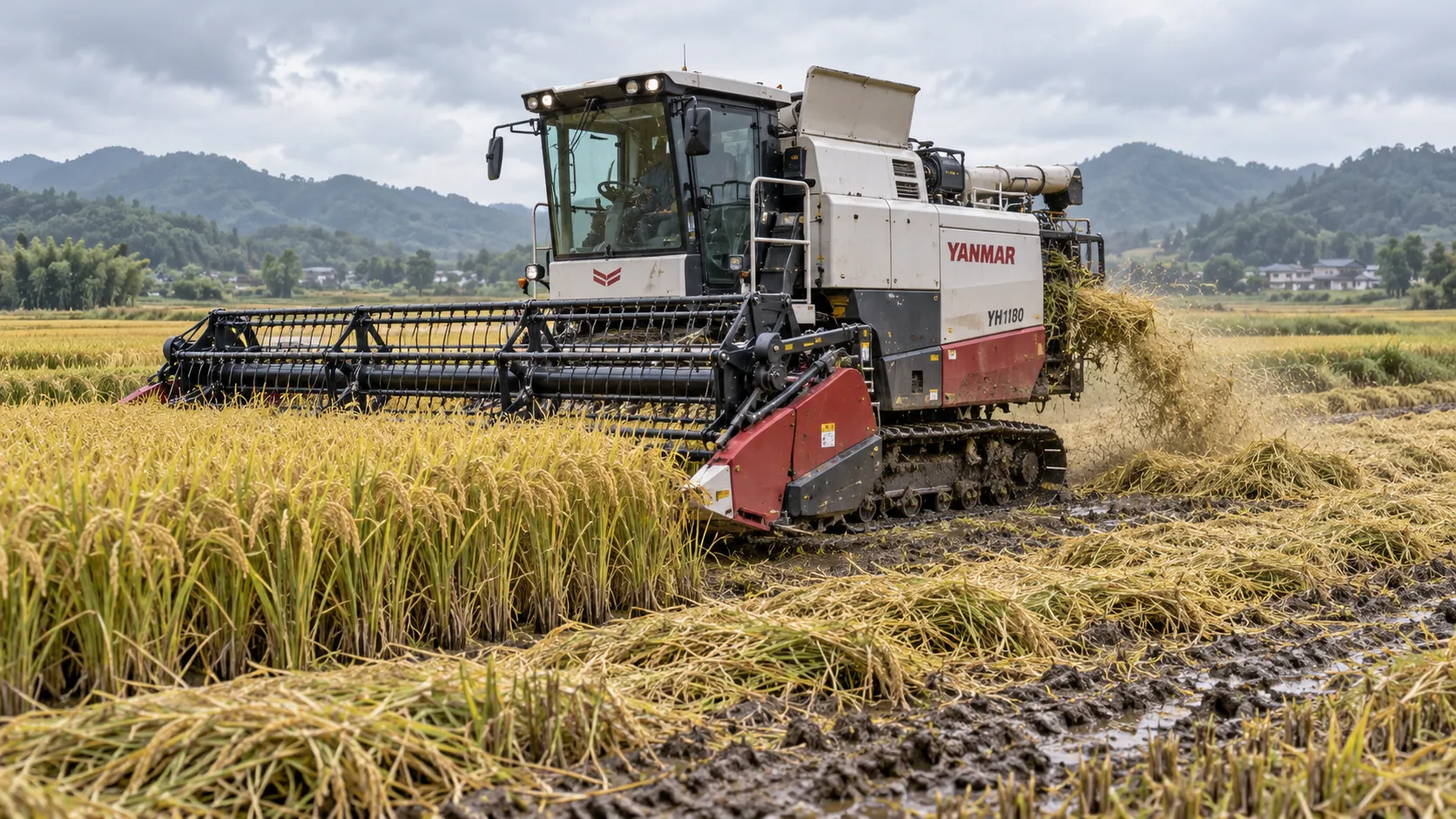
How to Specify Combine Harvester Systems for High-Moisture Grain and Variable Field Conditions
Combine harvester systems for high-moisture grain: learn how to specify threshing, cleaning, headers, traction, and automation for reliable harvests in variable fields.
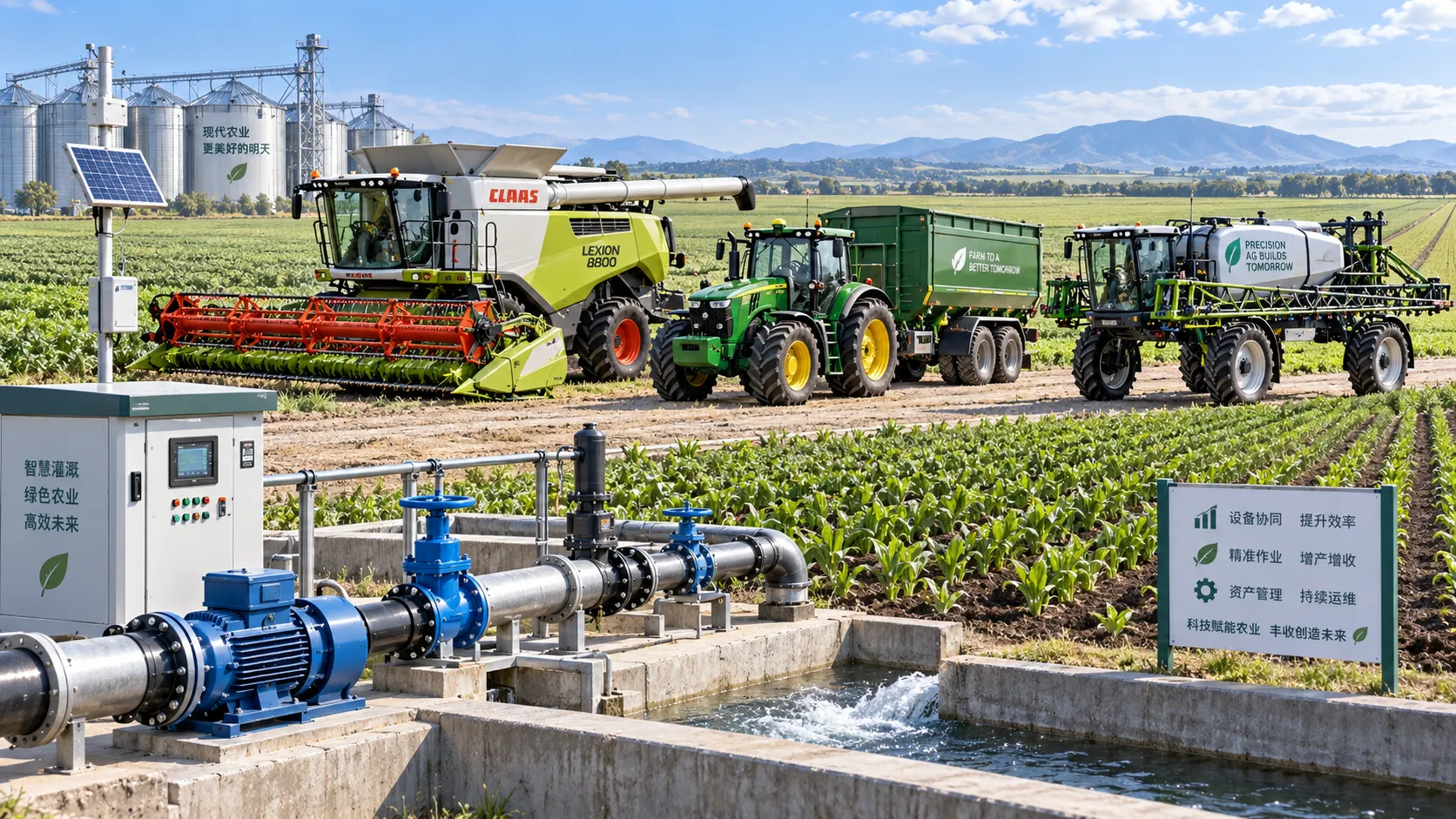
How to Compare Agricultural Equipment Platforms for Fleet Management and ROI
Agricultural equipment platform comparison: evaluate fleet data, maintenance, precision workflows, and ROI to choose a system that delivers measurable results.
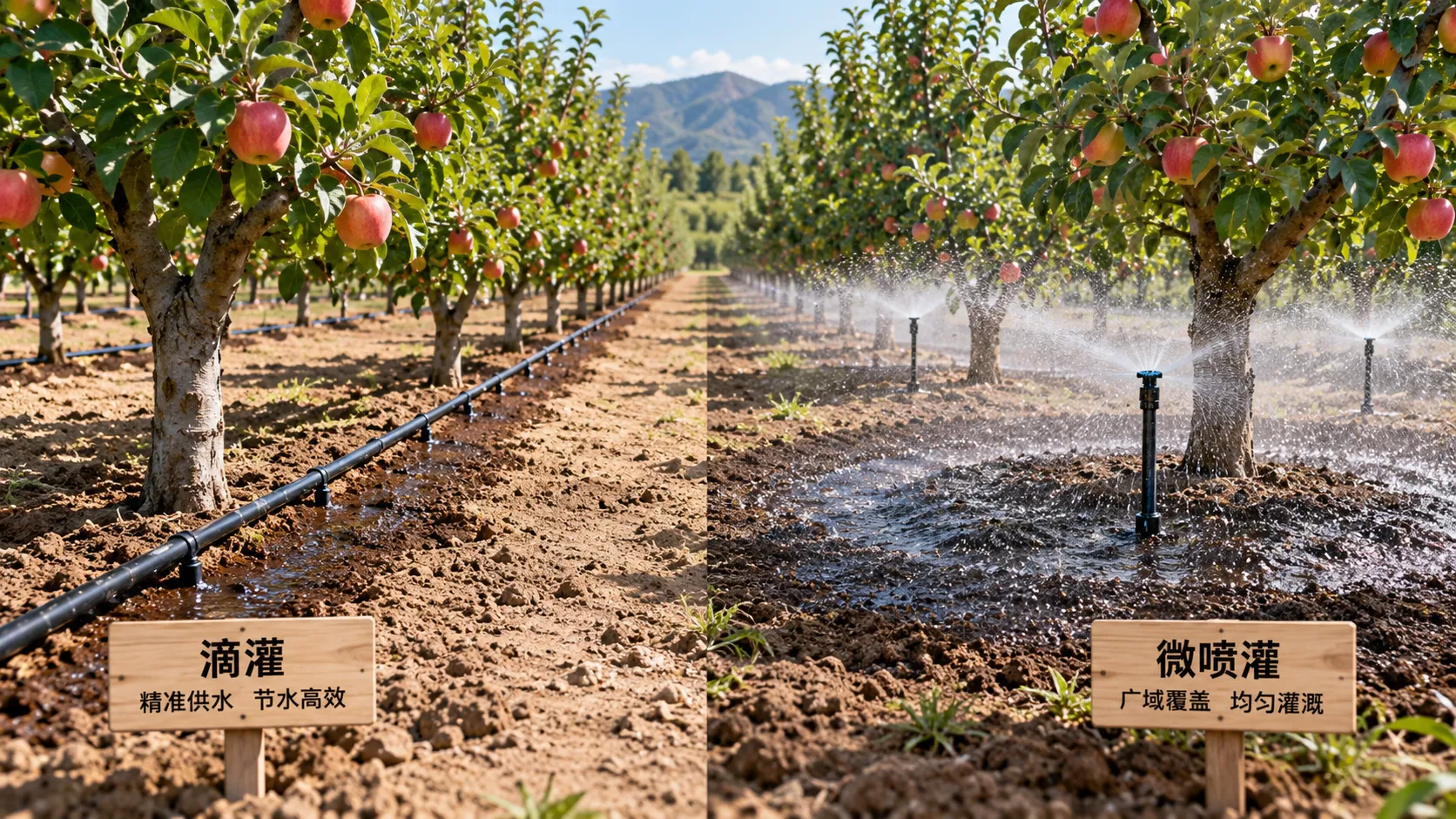
Drip vs. Micro-Sprinkler Irrigation: Which System Fits Your Orchard?
Irrigation solution comparison for orchards: discover whether drip or micro-sprinklers best match your water, soil, roots, fertigation, and frost needs.
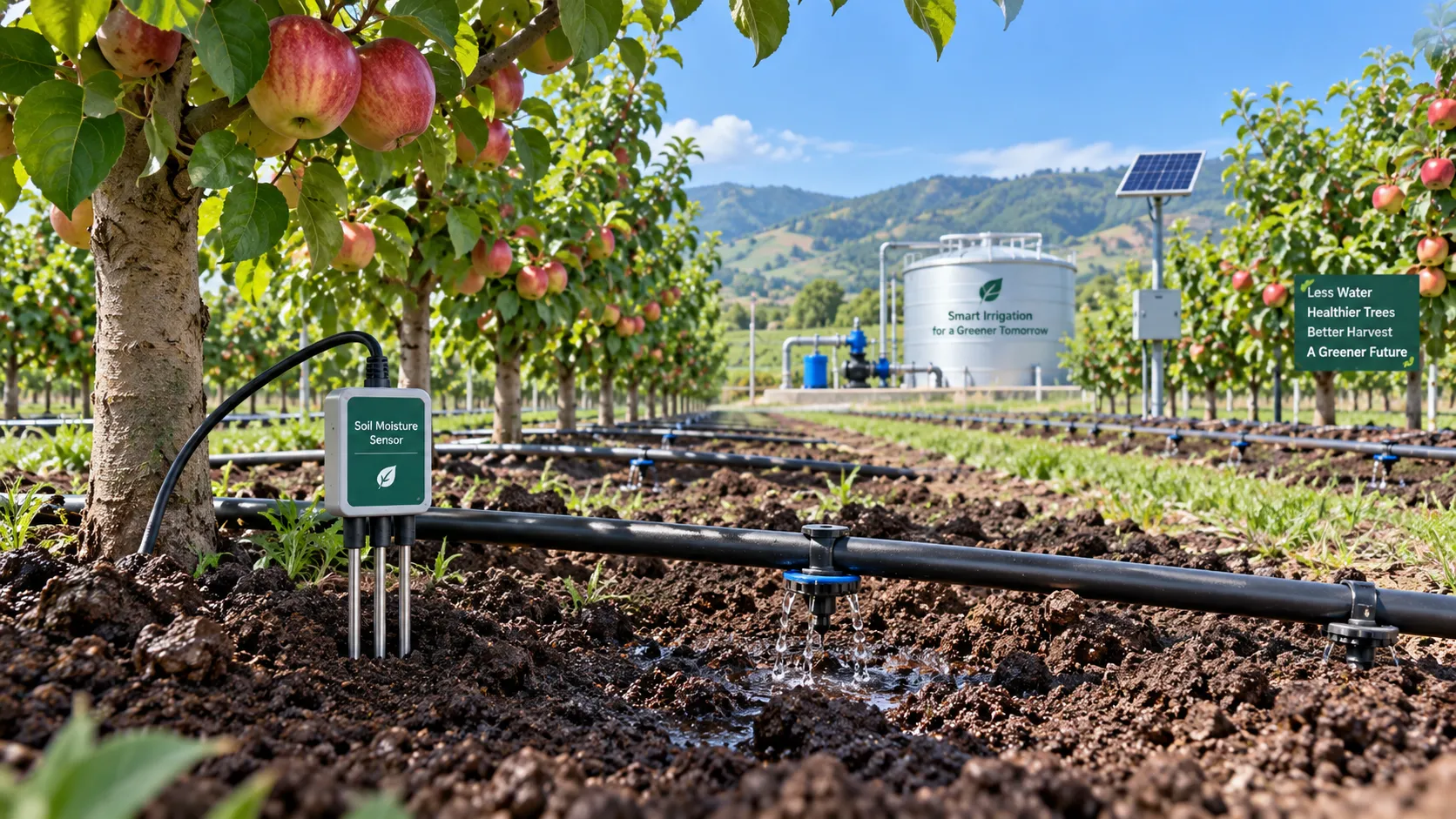
Orchard Water Management: Using Soil Moisture Data to Schedule Irrigation
Agricultural water management for orchards made practical: use soil moisture data to optimize irrigation timing, protect yield, reduce costs, and improve resilience.
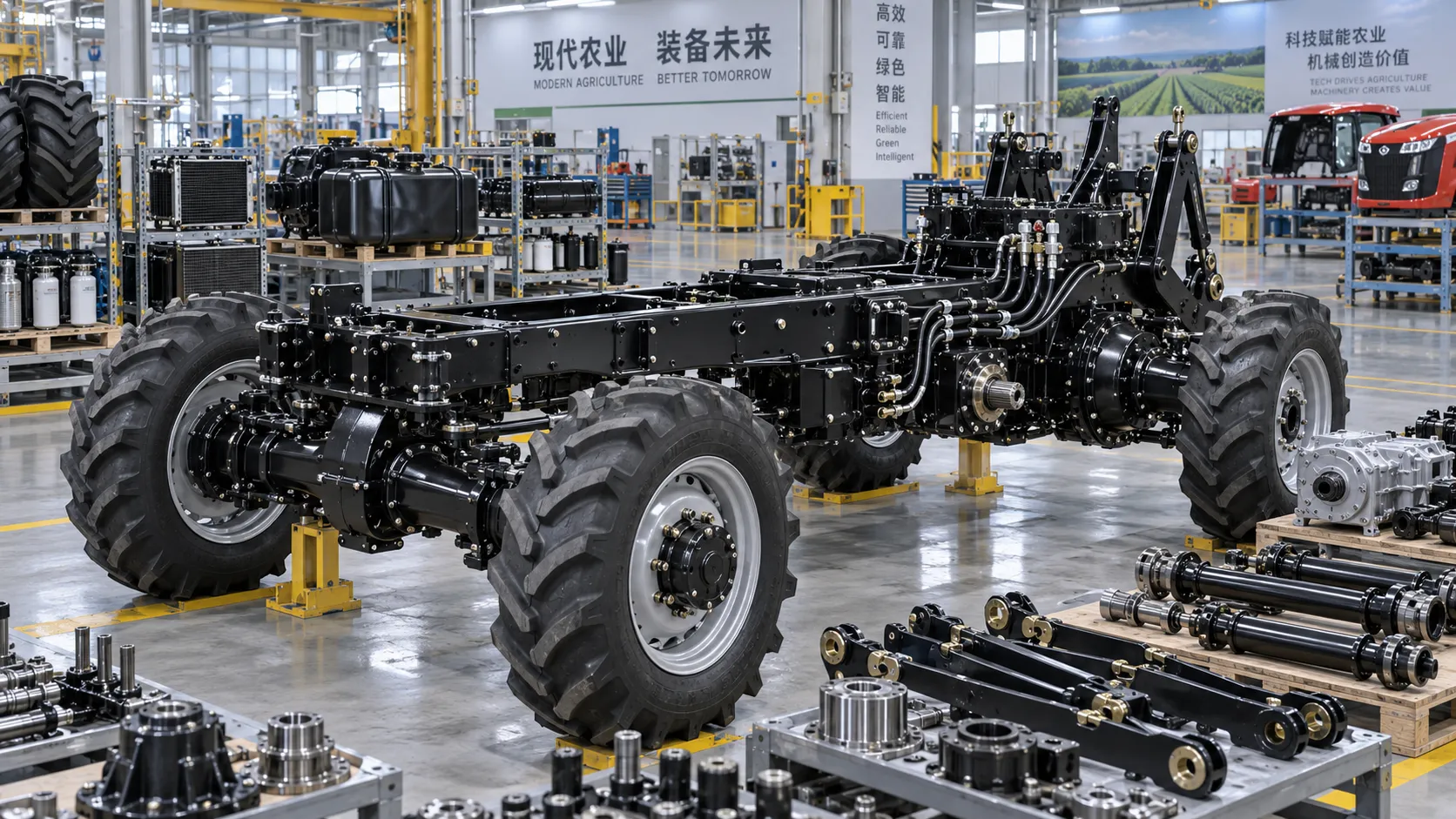
Tractor Chassis Price: What Buyers Should Compare Beyond the Initial Quote
Tractor chassis price is only the start. Compare load capacity, compatibility, durability, and lifecycle costs to choose a reliable, high-value chassis.
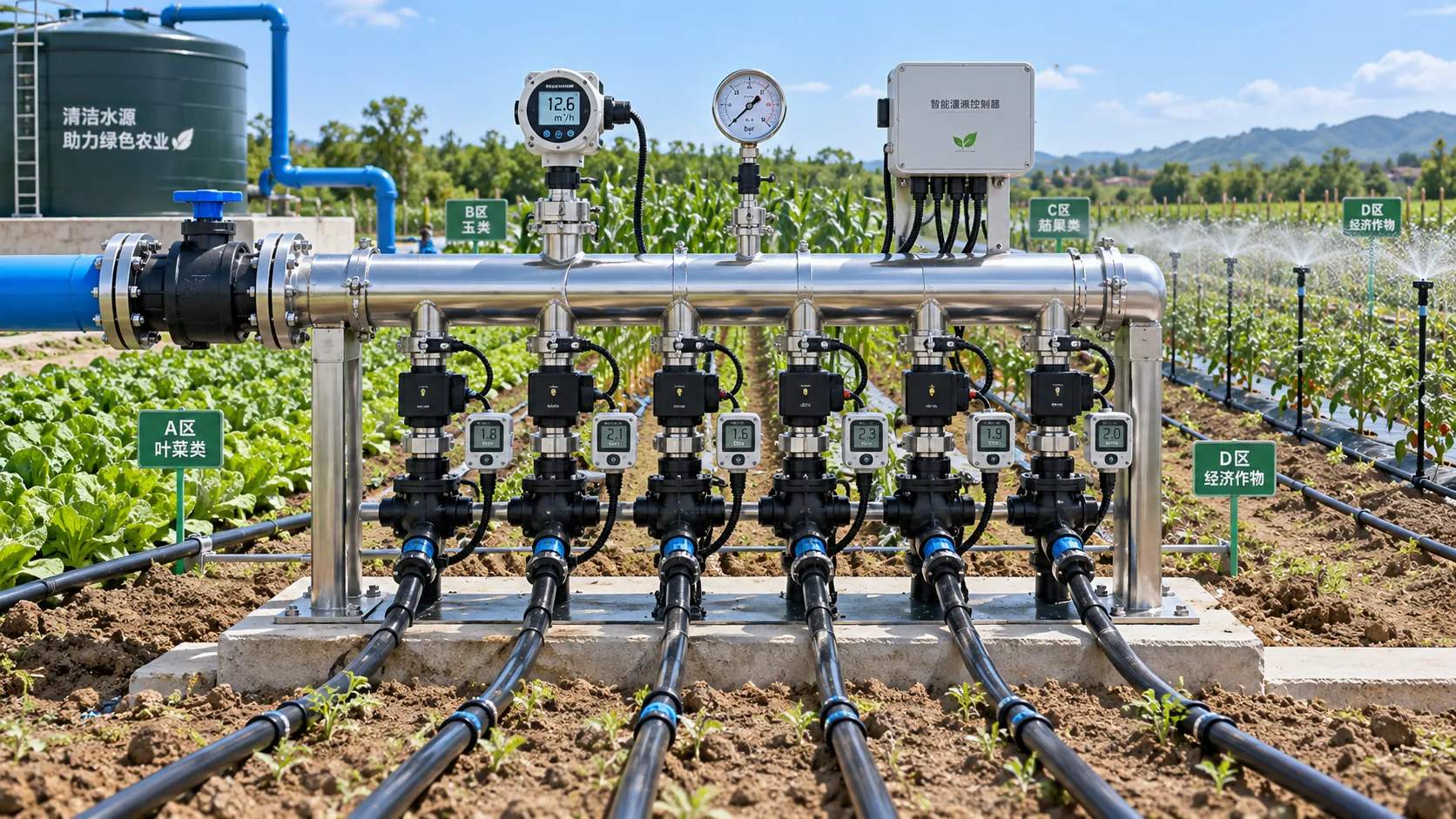
How to Select Smart Irrigation Valves for Multi-Zone Water Management?
Intelligent irrigation systems valves: learn how to match smart valves with multi-zone flow, pressure, control, feedback, and communication needs for reliable water management.
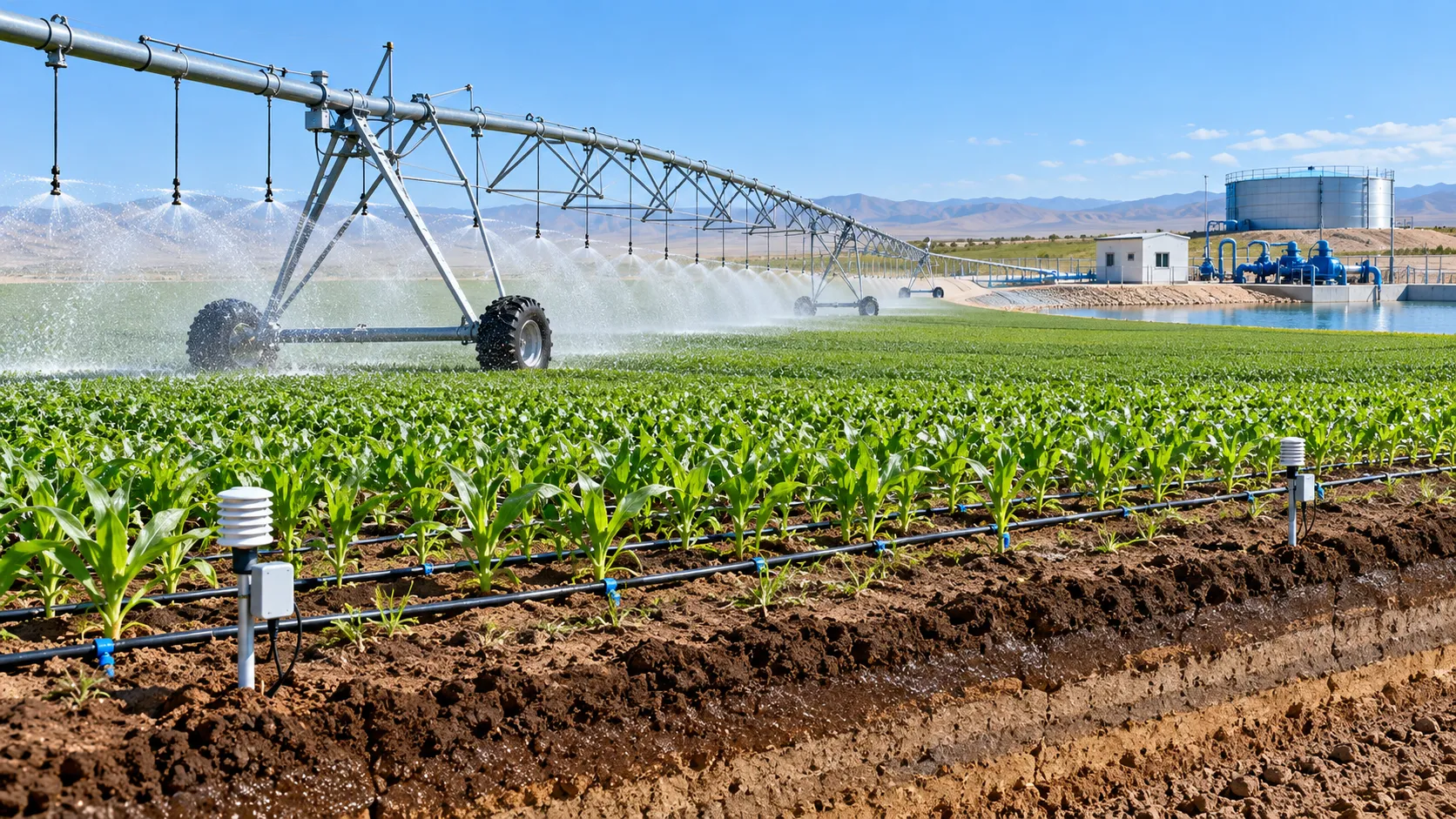
Climate-Smart Farming for Drought: A Practical Plan for Protecting Yields
Climate-smart farming for drought: build smarter water budgets, protect critical crop stages, improve irrigation uniformity, and safeguard yields with practical field-proven strategies.
Related News
- 00
0000-00
Tractor Hydraulic Systems Troubleshooting: Diagnosing Weak Lift and Slow Implements - 00
0000-00
Which Implements Are Compatible With a 200 HP Tractor for Mixed Cropping? - 00
0000-00
How to Select Agricultural Hydraulic Systems for Sprayers by Flow, Pressure, and Boom Demand - 00
0000-00
Australia Tightens Carbon Rules for Hydraulic Lift System Imports - 00
0000-00
ANATEL Sets New Rules for Wireless Hydraulic Lift Systems
Popular Tags
Tractor Power Architect
Weekly Insights
Stay ahead with our curated technology reports delivered every Monday.