
China RoHS 2026 Takes Effect for Hydraulic Lift Exports
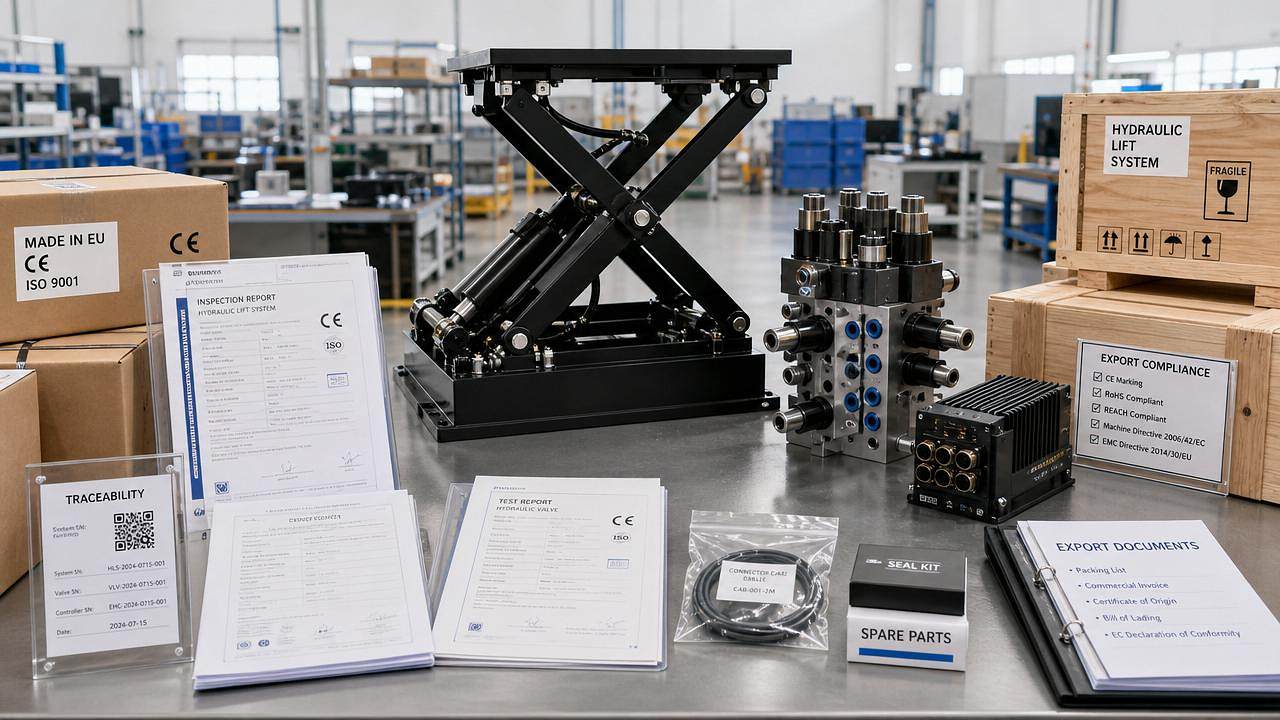




On June 1, 2026, the updated China RoHS rules took effect, bringing a more detailed compliance requirement for exported Hydraulic Lift Systems. The confirmed change is that key components, including hydraulic valves and electro-hydraulic proportional controllers, must now be supported by component-level declarations of conformity and test reports. For companies involved in export manufacturing, aftermarket parts, and OEM certification, this is worth close attention because the rule reaches beyond finished equipment and into the supporting documentation chain for critical parts.
A documentation requirement now reaches key components
The confirmed information shows that the Ministry of Ecology and Environment, together with the Ministry of Industry and Information Technology, began implementing the updated Measures for the Restriction of the Use of Hazardous Substances in Electrical and Electronic Products on June 1, 2026.
Under this updated framework, exported Hydraulic Lift Systems must provide step-by-step conformity declarations and test reports for all key components, specifically including hydraulic valves and electro-hydraulic proportional controllers.
The confirmed impact stated in the source information is that the new rule affects both global aftermarket parts imports and the OEM certification process for complete machines.
Where the operational pressure is likely to appear
Export assembly and OEM certification teams face a deeper evidence burden
From an industry perspective, manufacturers and OEM-facing exporters are likely to feel the change first because compliance documentation no longer appears limited to the finished Hydraulic Lift System. The immediate pressure point is likely to be the certification workflow for complete machines, where missing component-level declarations or test reports could complicate submission readiness, internal review, or customer-facing certification coordination.
Aftermarket parts trade may see tighter document checks
Analysis shows that businesses handling global aftermarket parts may also need to pay closer attention. The stated impact on imported aftermarket parts suggests that replacement components tied to Hydraulic Lift Systems may face greater scrutiny around whether supporting environmental compliance records can be traced to the relevant part level, rather than only to a broader product category.
Component suppliers move closer to the compliance front line
Observably, suppliers of hydraulic valves, electro-hydraulic proportional controllers, and other key components may become more central to export readiness. The reason is practical: if declarations and test reports must be provided step by step, any gap in upstream documentation can affect downstream shipment, certification, or customer acceptance activities.
Supply-chain service and procurement functions may need earlier coordination
What deserves closer attention is the handoff between procurement, supplier management, and document control. Even without additional confirmed details on enforcement practice, the rule as described suggests that document completeness, traceability, and timing may become a more visible part of delivery planning for Hydraulic Lift Systems and related parts.
What companies should watch in current operations
Check whether component files are complete before shipment milestones
For companies already exporting Hydraulic Lift Systems, the practical issue is whether key parts already have conformity declarations and test reports that can be linked clearly to the shipped product. This is not only a technical file question, but also a scheduling issue for export preparation and OEM certification submission.
Review supplier document readiness, not only product availability
Analysis shows that supplier qualification may now need to include a document-readiness review for regulated components. For critical parts such as hydraulic valves and electro-hydraulic proportional controllers, companies may need to confirm in advance whether suppliers can provide the required conformity statements and testing records in a usable form.
Separate policy language from execution details
What deserves closer attention is the difference between the confirmed policy requirement and its operational interpretation in day-to-day business. Companies should avoid assuming that a general compliance statement for the finished system will satisfy every downstream request if customers, certification bodies, or import-related checks ask for component-level support.
Prepare customer and partner communication in parallel
For teams serving OEM customers or aftermarket channels, communication may matter as much as documentation. Where compliance files are still being organized, businesses may need clear internal and external messaging on document scope, responsible parties, and expected response times in order to reduce friction in certification or spare-parts transactions.
Why this looks like more than a short-term paperwork change
Observably, this development is more appropriate to understand as a compliance signal with operational consequences rather than as a one-off administrative update. The confirmed requirement focuses on component-level declarations and test reports, which suggests that documentation depth is becoming a more important part of market access and certification support for Hydraulic Lift Systems.
At the same time, analysis should remain cautious. The available information confirms the rule change and its affected areas, but does not by itself establish how quickly different market participants will adapt or whether implementation will unfold uniformly across all transactions. That is why this remains a live industry development that merits continued observation.
How the market may best read this update now
In practical terms, the June 1, 2026 implementation date marks a confirmed regulatory change, not a speculative policy discussion. The industry significance lies in the fact that compliance expectations now clearly extend into key component documentation for exported Hydraulic Lift Systems.
It is more appropriate to understand this update as both an immediate operational requirement and a longer-term signal about supply-chain traceability. The short-term issue is document readiness for exports, aftermarket parts, and OEM certification. The longer-term issue is whether companies can build stable upstream compliance support for critical components without slowing delivery or certification workflows.
Basis of this article and points that still need verification
This article is generated from the user-provided news title, event date, and event summary. The confirmed basis includes the June 1, 2026 implementation of the updated China RoHS measures by the Ministry of Ecology and Environment and the Ministry of Industry and Information Technology, the requirement for component-level conformity declarations and test reports for key Hydraulic Lift Systems components, and the stated impact on global aftermarket parts imports and complete-machine OEM certification.
For this type of industry update, relevant source categories typically include official regulatory notices, company compliance notices, industry association updates, authoritative media coverage, and standards-related documentation. A specific official source link was not provided in the input, so further verification is still needed as companies assess formal wording, implementation details, and any later clarifications related to affected components, documentation expectations, and certification practice.
Related News
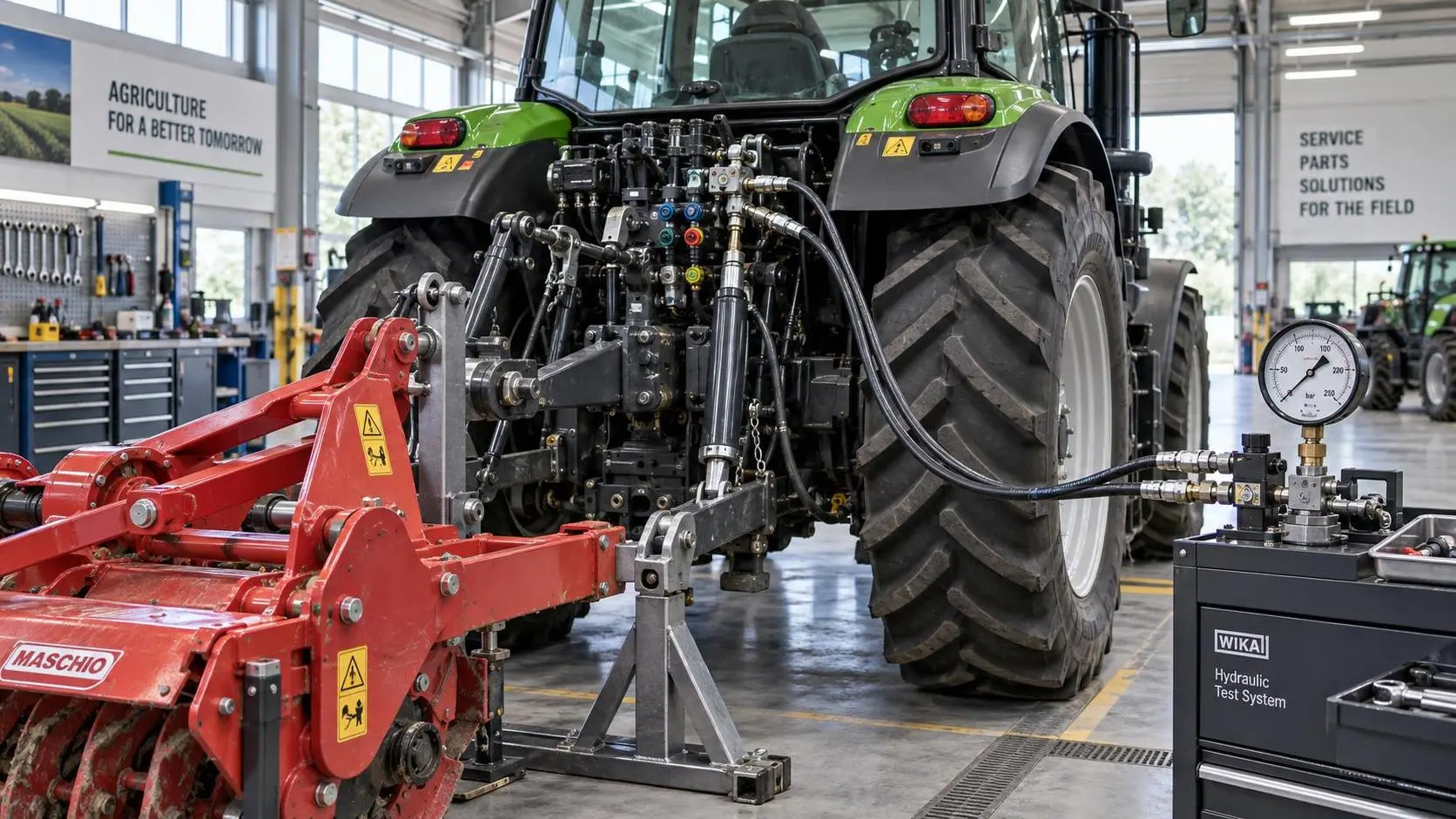
Tractor Hydraulic Systems Troubleshooting: Diagnosing Weak Lift and Slow Implements
Tractor hydraulic systems troubleshooting made practical: diagnose weak lifts and slow implements with proven pressure, flow, valve, and oil-supply checks.
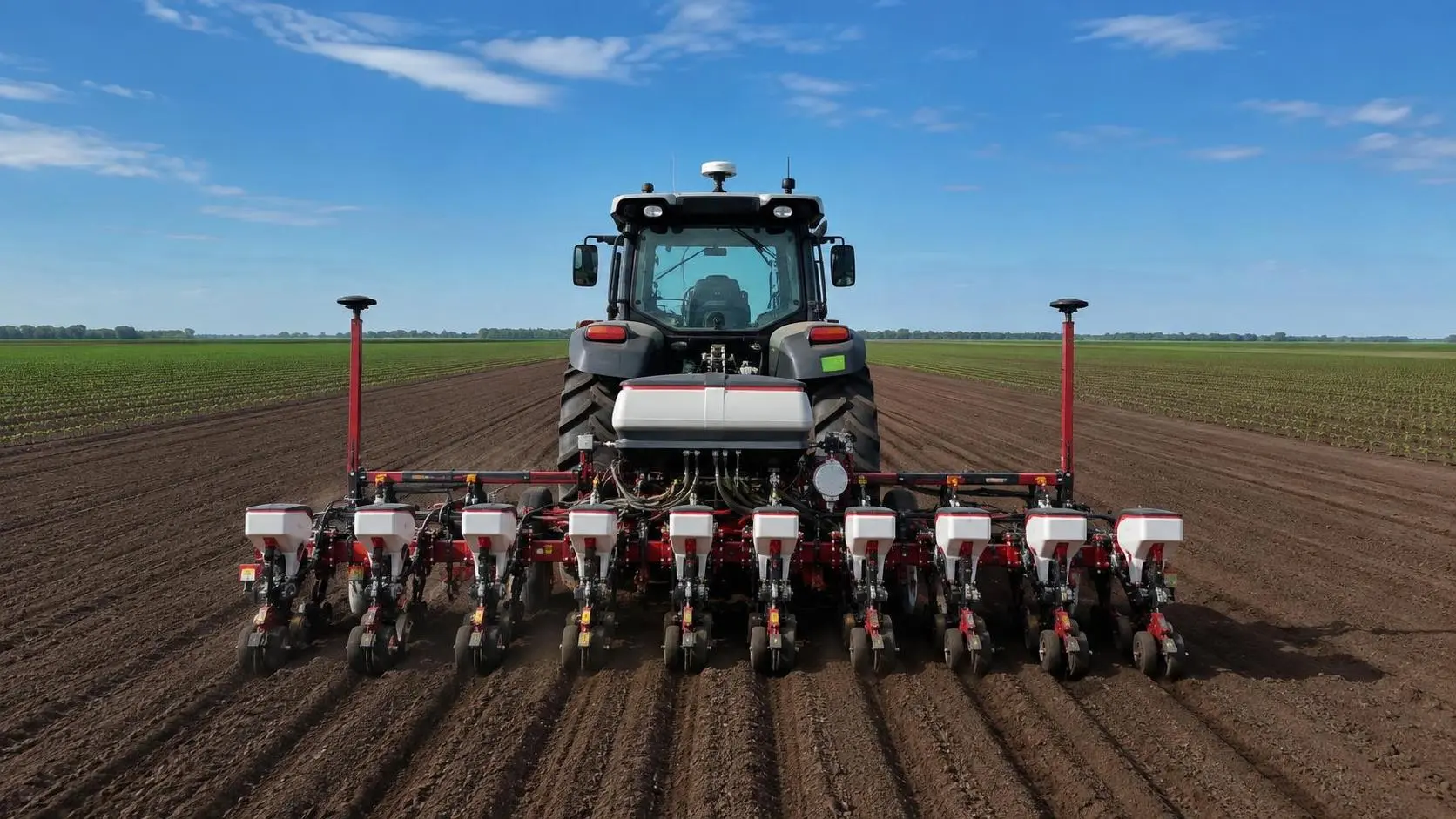
How Tractor Intelligence Systems Improve Field Efficiency and Input Accuracy
Agricultural machinery intelligence for tractors improves field efficiency, input accuracy, data traceability, and implement control. Explore smarter evaluation strategies.
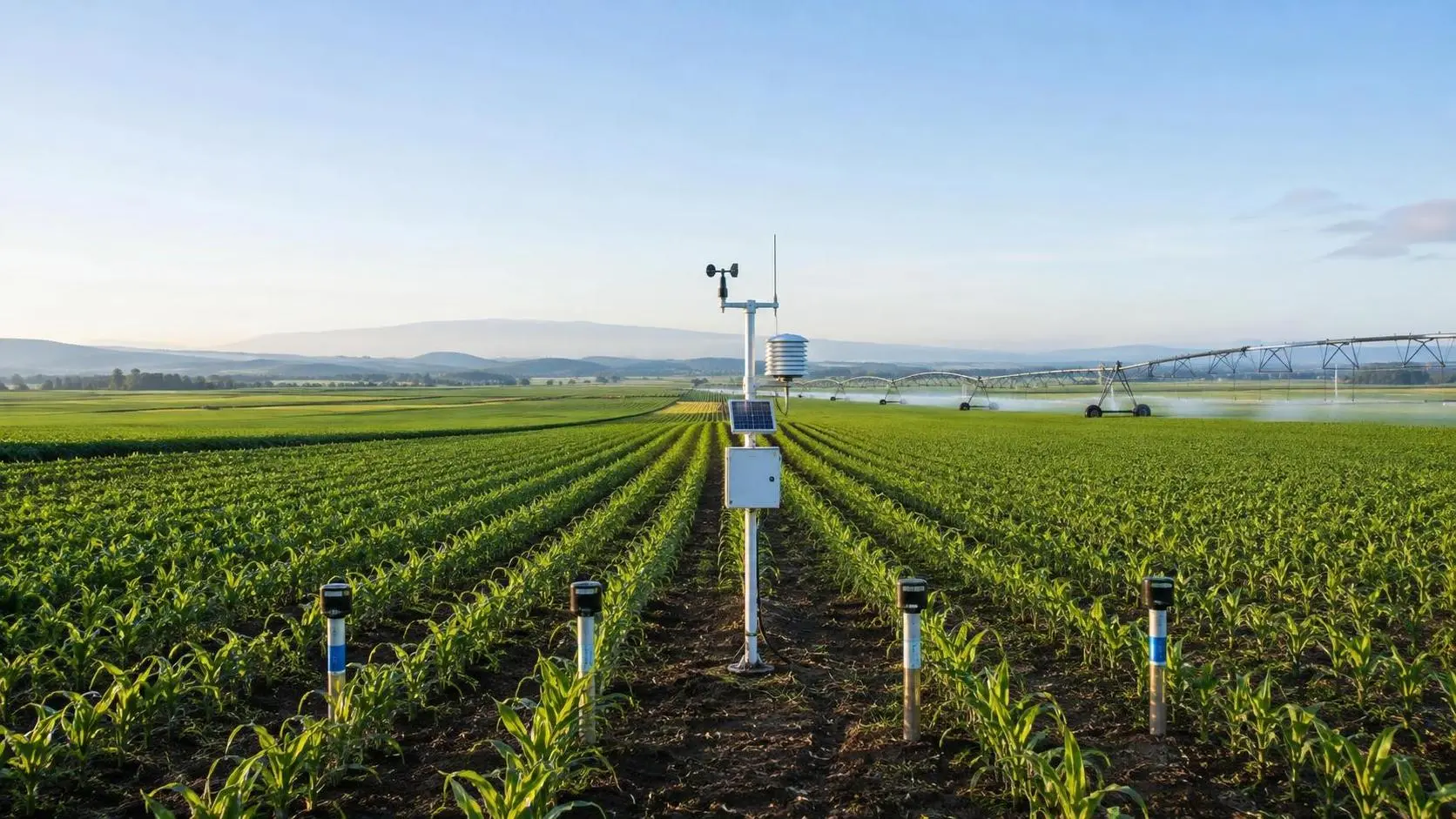
How to Evaluate Crop Monitoring System Manufacturers for Large-Scale Farms
Compare crop monitoring systems manufacturers for large-scale farms. Evaluate data quality, integration, durability, lifecycle costs, support, and pilots for smarter decisions.
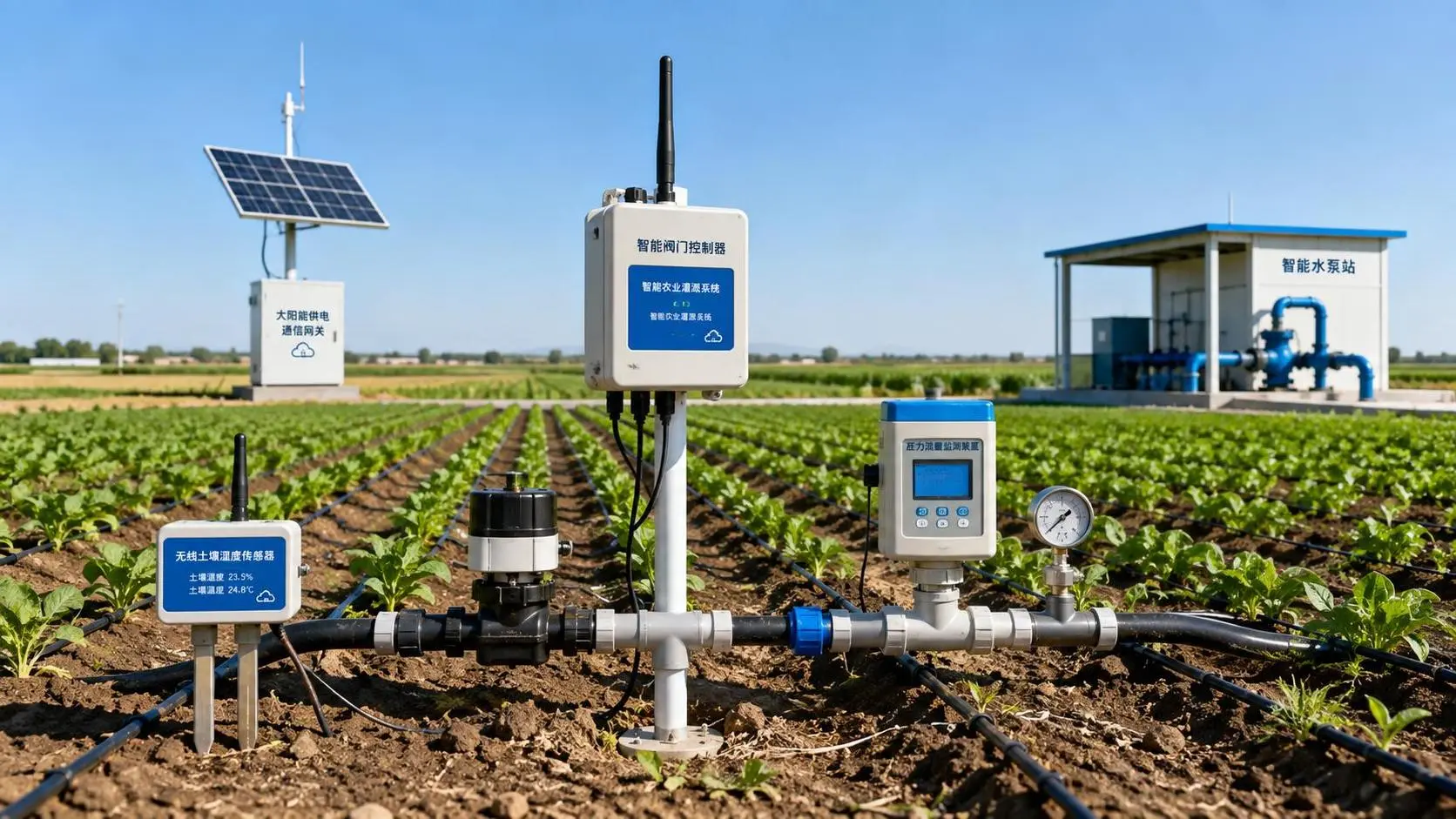
Wireless Agricultural Automation for Remote Irrigation and Field Monitoring
Agricultural automation wireless solutions improve remote irrigation with reliable field data, local control, flow verification, and smarter monitoring. Explore resilient deployment strategies.
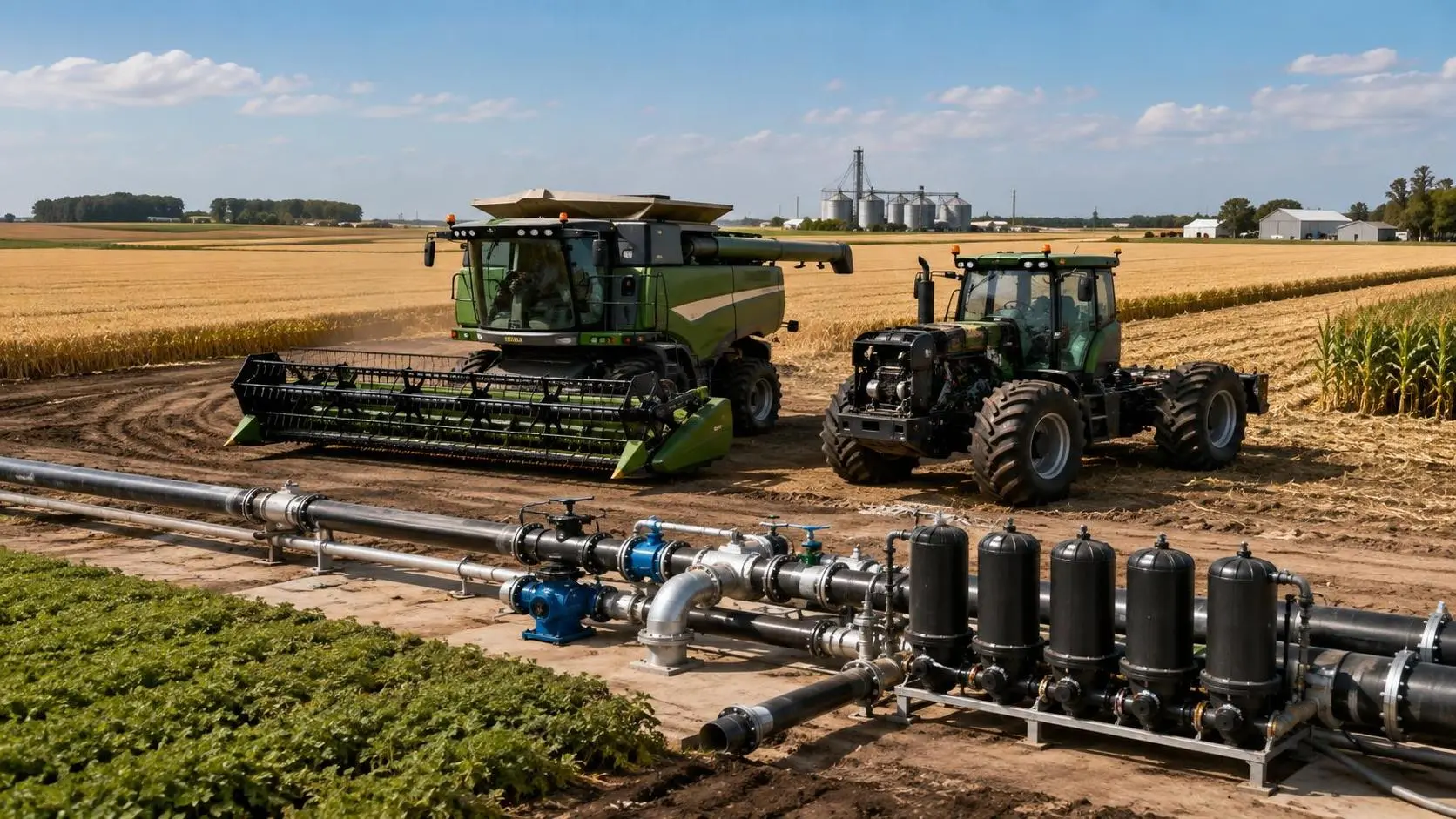
Agricultural Product Information Market Guide: Key Data for Sourcing Decisions
Agricultural product information market guide for smarter sourcing—compare machinery, irrigation, precision tools, lifecycle costs, and supplier risk.
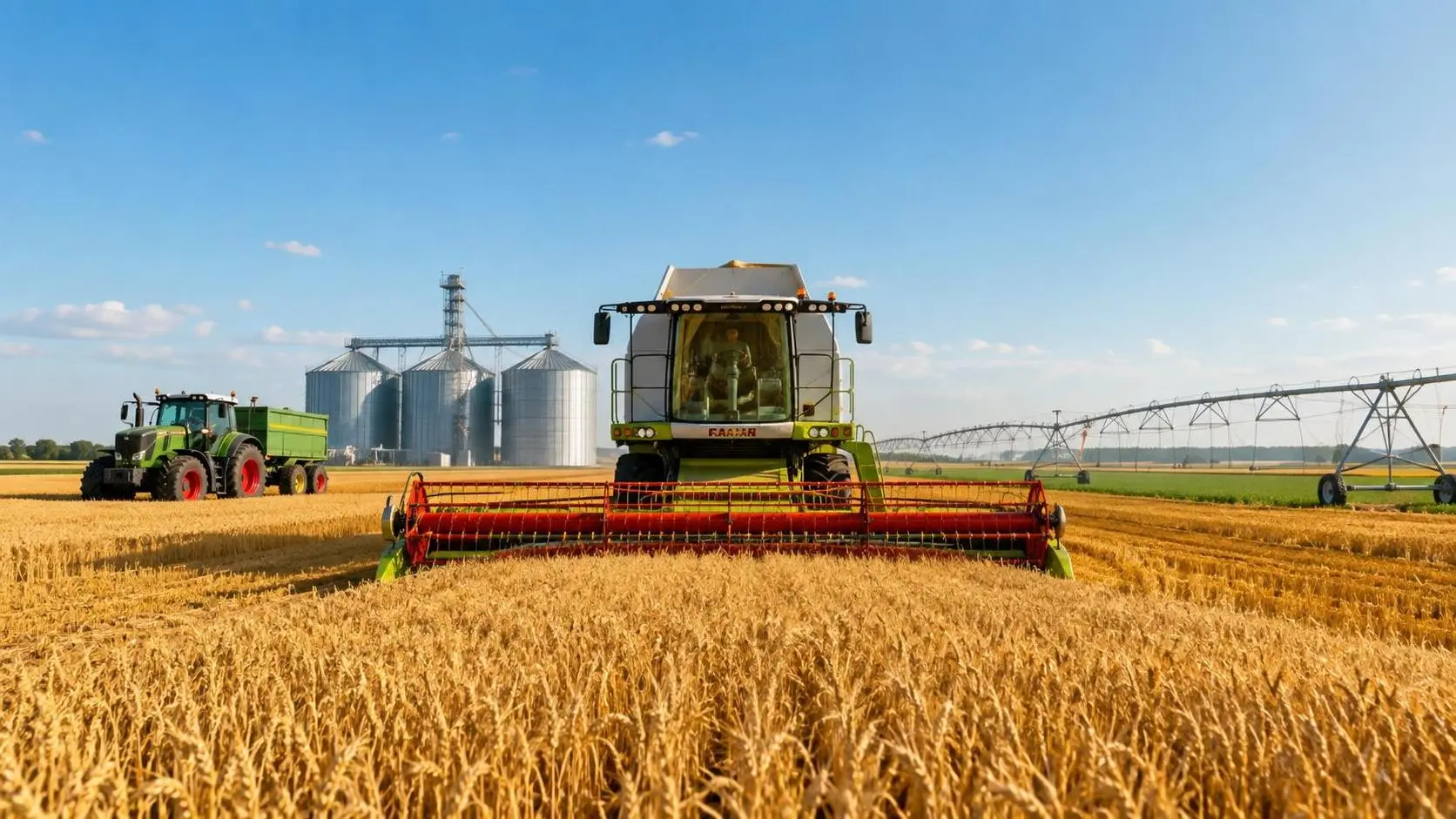
Large-Scale Farm Equipment Cost Comparison: Price, Fuel, and Lifecycle Value
Large-scale farm equipment cost comparison: evaluate price, fuel, maintenance, downtime, and lifecycle value to choose tractors, combines, irrigation, and smart tools with confidence.
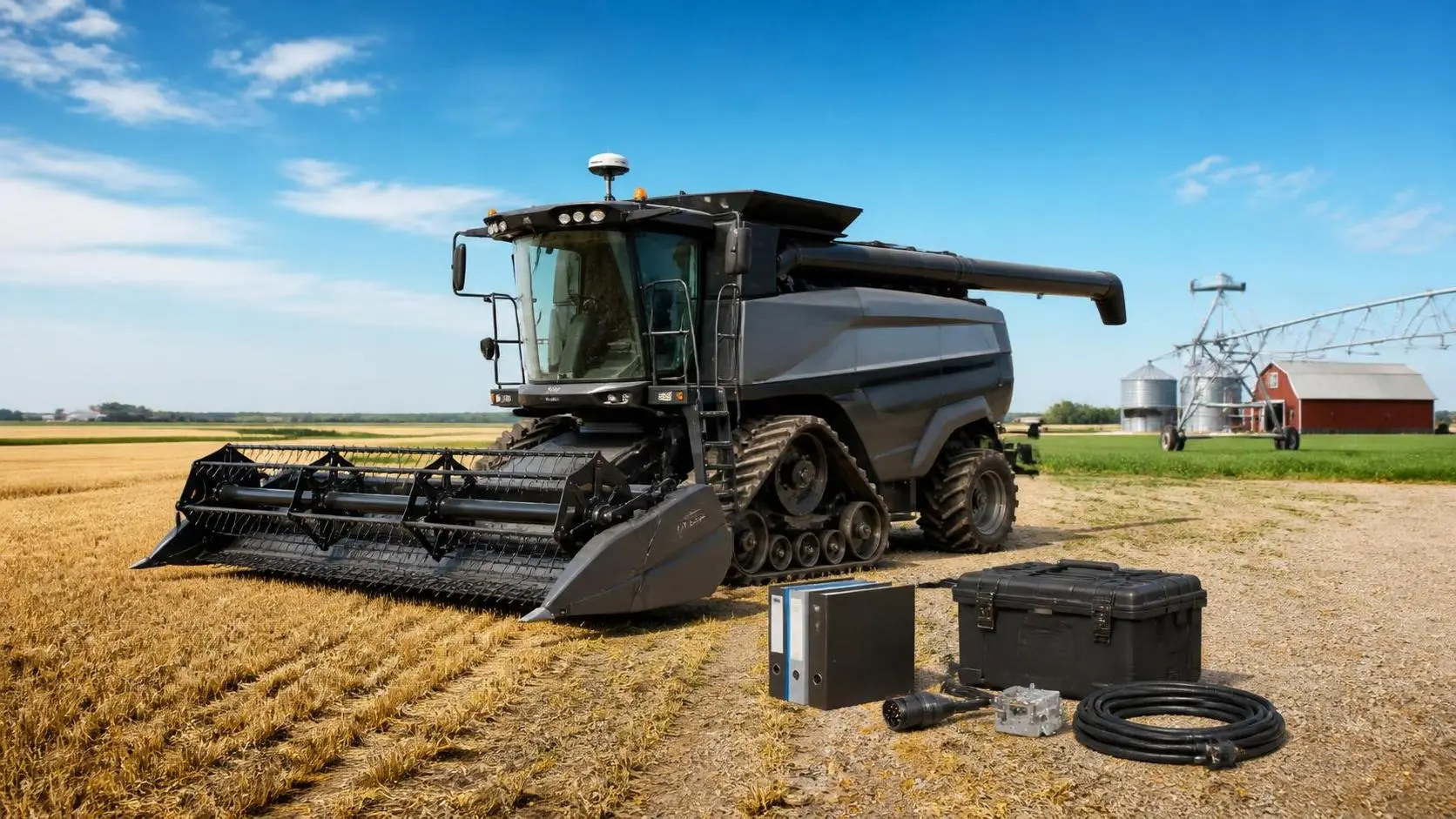
A Procurement Specification Preparation Example for Buying Farm Equipment
Procurement specification preparation example for farm equipment: learn to define requirements, compare suppliers, control lifecycle costs, and buy with confidence.
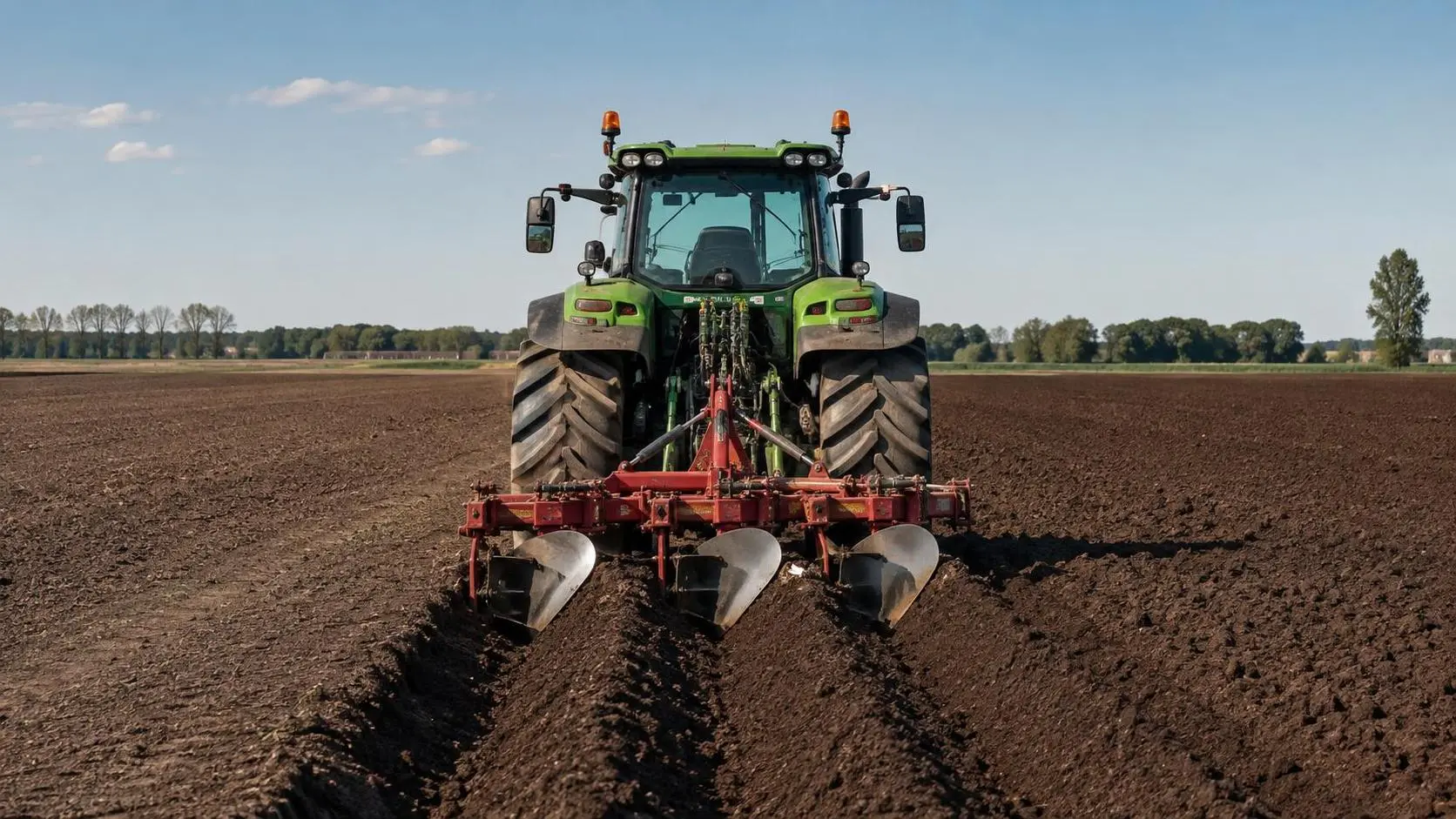
What Tractor Horsepower Is Needed for a Three-Bottom Moldboard Plow?
What tractor horsepower is needed for three-bottom moldboard plow? Compare 60–100 hp needs by soil, depth, traction, and plow width for a confident equipment match.
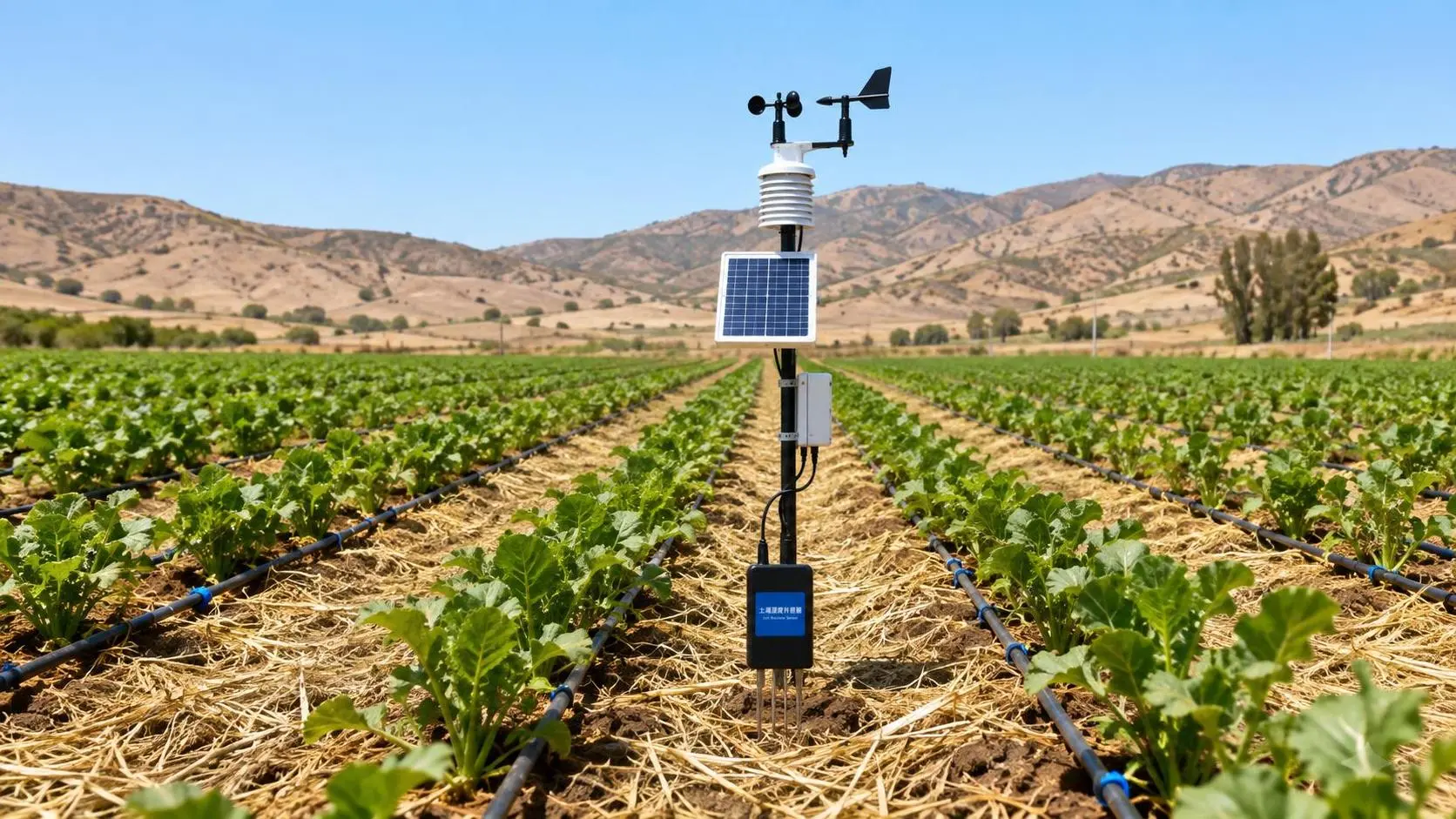
How Does Climate-Smart Farming Reduce Water Use in Semi-Arid Areas?
How does climate-smart farming reduce water use in semi-arid zones? Discover precision irrigation, soil monitoring, and smarter crop planning for resilient yields.
Related News
- 00
0000-00
Tractor Hydraulic Systems Troubleshooting: Diagnosing Weak Lift and Slow Implements - 00
0000-00
Which Implements Are Compatible With a 200 HP Tractor for Mixed Cropping? - 00
0000-00
How to Select Agricultural Hydraulic Systems for Sprayers by Flow, Pressure, and Boom Demand - 00
0000-00
Australia Tightens Carbon Rules for Hydraulic Lift System Imports - 00
0000-00
ANATEL Sets New Rules for Wireless Hydraulic Lift Systems
Popular Tags
Tractor Power Architect
Weekly Insights
Stay ahead with our curated technology reports delivered every Monday.