
China RoHS 2026 Adds Lift System Export Declarations
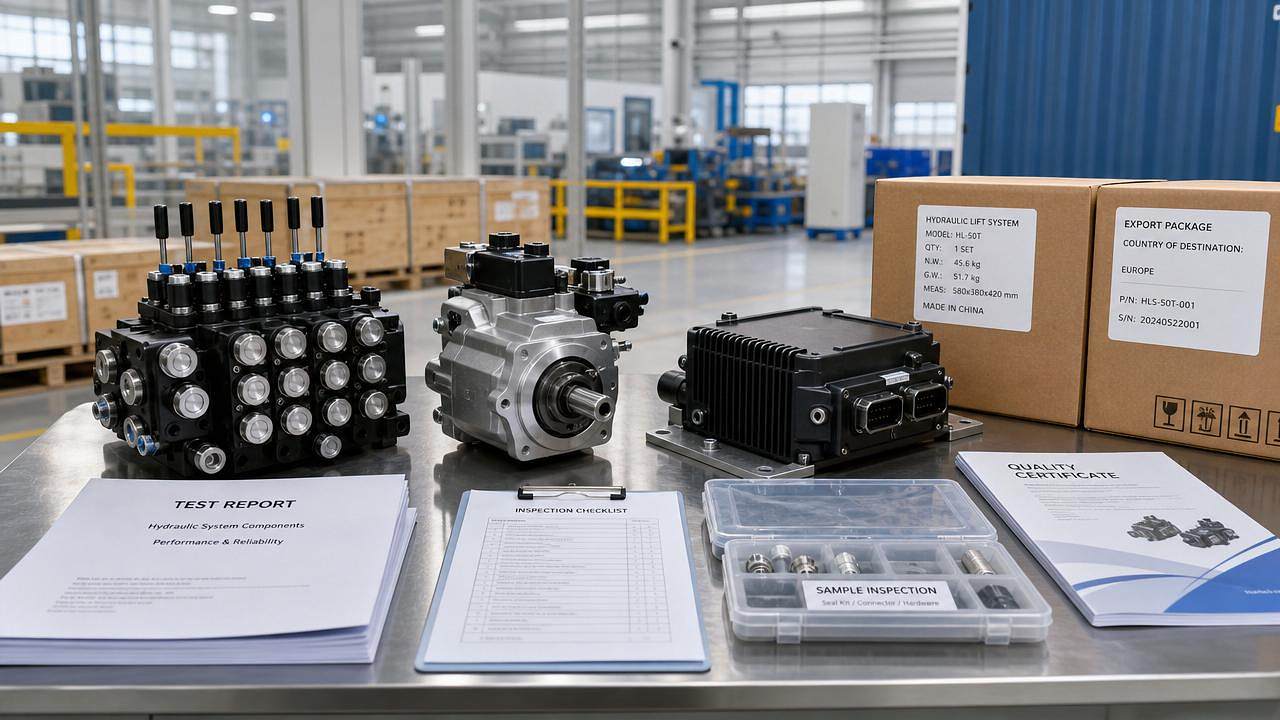




On June 1, 2026, the second batch of China RoHS catalog controls takes effect and extends restricted substance compliance to key hydraulic execution units used in agricultural machinery, including multi-way valves, electro-hydraulic proportional pumps, and integrated hydraulic lift controllers. For exporters of Hydraulic Lift Systems components, this is not just a product-scope update but a document and market-access change that can affect testing, shipment readiness, buyer acceptance, and delivery into the EU, South Korea, and Vietnam.
What the new control scope now covers
According to the provided information, the Management Catalog for the Restriction of the Use of Hazardous Substances in Electrical and Electronic Products (Second Batch) is formally implemented from June 1, 2026. For the first time, agricultural machinery hydraulic execution units are brought into scope, including multi-way valves, electro-hydraulic proportional pumps, and integrated hydraulic lift controllers.
The same information states that exporting companies must provide a conformity declaration under GB/T 26572–2025 together with a third-party test report covering lead, cadmium, hexavalent chromium, PBBs, and PBDEs. If these materials are not provided, shipments to the EU, South Korea, and Vietnam may be rejected or subjected to additional inspection charges.
Where the pressure will appear in the supply chain
Export shipment preparation becomes a documentation issue
From an industry perspective, exporters are likely to feel the impact first because the rule change is tied directly to shipment acceptance. The immediate pressure point is no longer limited to product configuration; it now includes whether compliance files are complete before goods move. What deserves closer attention is the link between technical documentation and export execution, especially for orders already committed to overseas delivery schedules.
Component manufacturing and assembly face tighter material checks
Manufacturers and assemblers of the listed hydraulic units may be affected because the required declaration and third-party report depend on the materials and substances contained in the product. Analysis shows that the practical impact is likely to fall on incoming material review, bill-of-material verification, and the consistency between product design records and test documentation. Even where product performance is unchanged, compliance evidence now becomes part of the deliverable package.
Procurement and supplier coordination gain more weight
For procurement teams and upstream suppliers, the change may shift attention toward supplier qualification and document availability. Observably, buyers of controlled components may need to confirm earlier whether suppliers can support GB/T 26572–2025 declarations and third-party test reports, because missing documents can affect order release, export packing, and final customer acceptance.
Testing and compliance support become part of delivery timing
Testing service providers and compliance-related service firms may also see a more active role, since the new requirement explicitly includes third-party testing. Analysis shows that this is relevant not only to certification readiness but also to delivery sequencing: if testing files, declarations, and shipment documents do not align, the issue can move from compliance review into a direct delivery and cost problem.
What companies should review now
Check whether the product scope matches the newly controlled items
Companies involved with multi-way valves, electro-hydraulic proportional pumps, and integrated hydraulic lift controllers should first confirm whether their export products fall within the newly controlled category described in the provided information. This is a practical starting point for deciding whether existing files, templates, and shipment workflows need to be updated.
Review declaration and test-report readiness together
What deserves closer attention is the pairing of the GB/T 26572–2025 conformity declaration with the required third-party test report. Companies should not treat these as separate paperwork items. In practice, the consistency between the declaration, the tested product, and shipment documents may become a key checkpoint in export review and customer-side acceptance.
Watch delivery planning for affected destination markets
Because the provided information specifically mentions the EU, South Korea, and Vietnam, exporters serving these markets should pay closer attention to shipping schedules, buyer document requests, and possible inspection-related cost exposure. This should be understood as a trade execution issue as much as a technical compliance issue.
Track how the requirement appears in commercial documents
Observably, companies should continue watching how this requirement is reflected in tenders, purchase specifications, delivery checklists, and after-sales traceability files. The input does not provide detailed enforcement mechanics, so it is more appropriate to treat this as an area requiring continued verification rather than assuming a uniform execution model across all transactions.
Why this matters beyond a catalog update
Analysis shows that this development is more than a narrow standards reference change. It signals that hazardous-substance compliance for certain Hydraulic Lift Systems components is moving closer to a transaction-level requirement for export business. The practical meaning for the market is that document completeness may increasingly influence whether a shipment proceeds smoothly, incurs extra checks, or faces refusal at destination.
At the same time, it is more appropriate to understand this as an implemented rule change with execution questions still worth monitoring. The confirmed facts establish the new scope and required documents, but the detailed market response, buyer-side interpretation, and consistency of enforcement still require observation.
How the market is likely to read this change
From an industry perspective, the most balanced reading is that the rule has already moved into the implementation stage, while its operational impact will depend on how exporters, suppliers, buyers, and testing partners align their documents and workflows. This is not merely a policy signal in principle; it is also not yet a fully mapped execution landscape based on the information provided. Companies are therefore likely to treat it as an immediate compliance trigger combined with an ongoing need to watch downstream document practice and market feedback.
Basis of this article and what still needs verification
This article is generated from the user-provided news title, event date, and event summary. For developments of this type, commonly relevant source categories may include official notices, regulatory releases, customs or trade authority information, industry association updates, standards organization documents, and reporting by authoritative media.
No specific official source link was provided in the input, so the exact official publication path still requires follow-up verification. Observably, the areas that still merit continued attention include any detailed implementation wording, certification and testing execution practice, changes in tender or procurement documents, market-side acceptance standards, and feedback from companies handling affected exports.
Related News
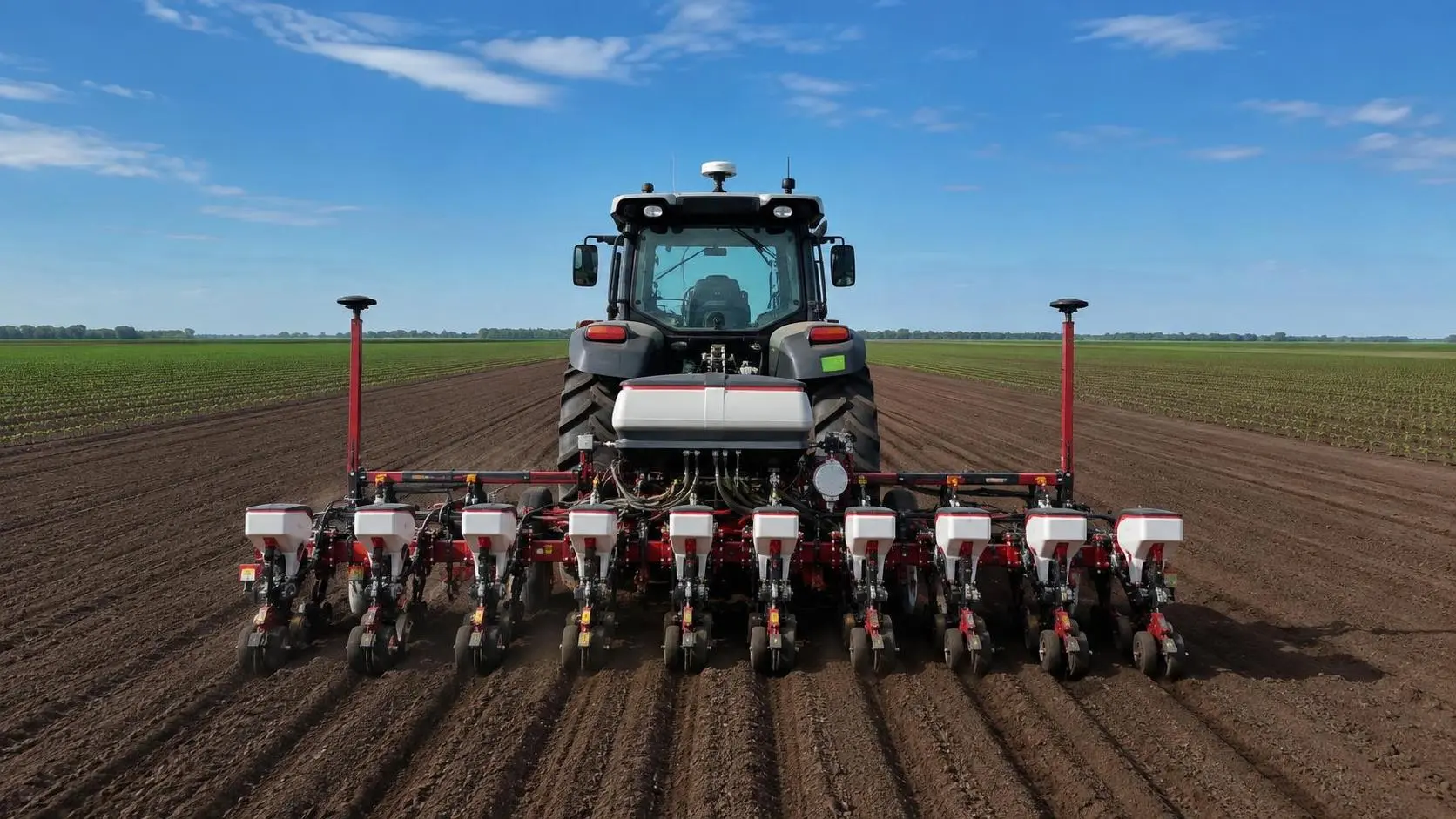
How Tractor Intelligence Systems Improve Field Efficiency and Input Accuracy
Agricultural machinery intelligence for tractors improves field efficiency, input accuracy, data traceability, and implement control. Explore smarter evaluation strategies.

How to Evaluate Crop Monitoring System Manufacturers for Large-Scale Farms
Compare crop monitoring systems manufacturers for large-scale farms. Evaluate data quality, integration, durability, lifecycle costs, support, and pilots for smarter decisions.
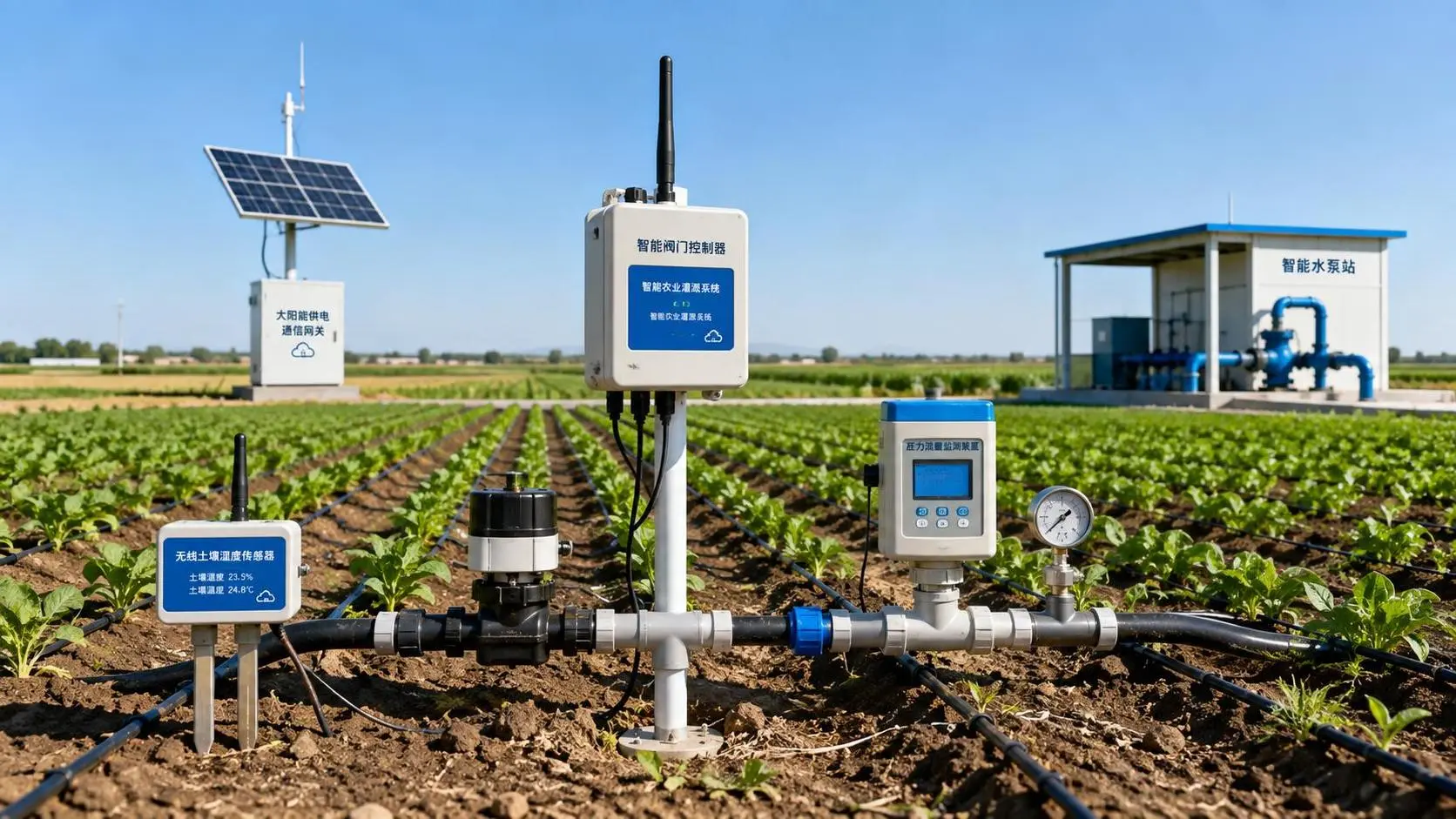
Wireless Agricultural Automation for Remote Irrigation and Field Monitoring
Agricultural automation wireless solutions improve remote irrigation with reliable field data, local control, flow verification, and smarter monitoring. Explore resilient deployment strategies.
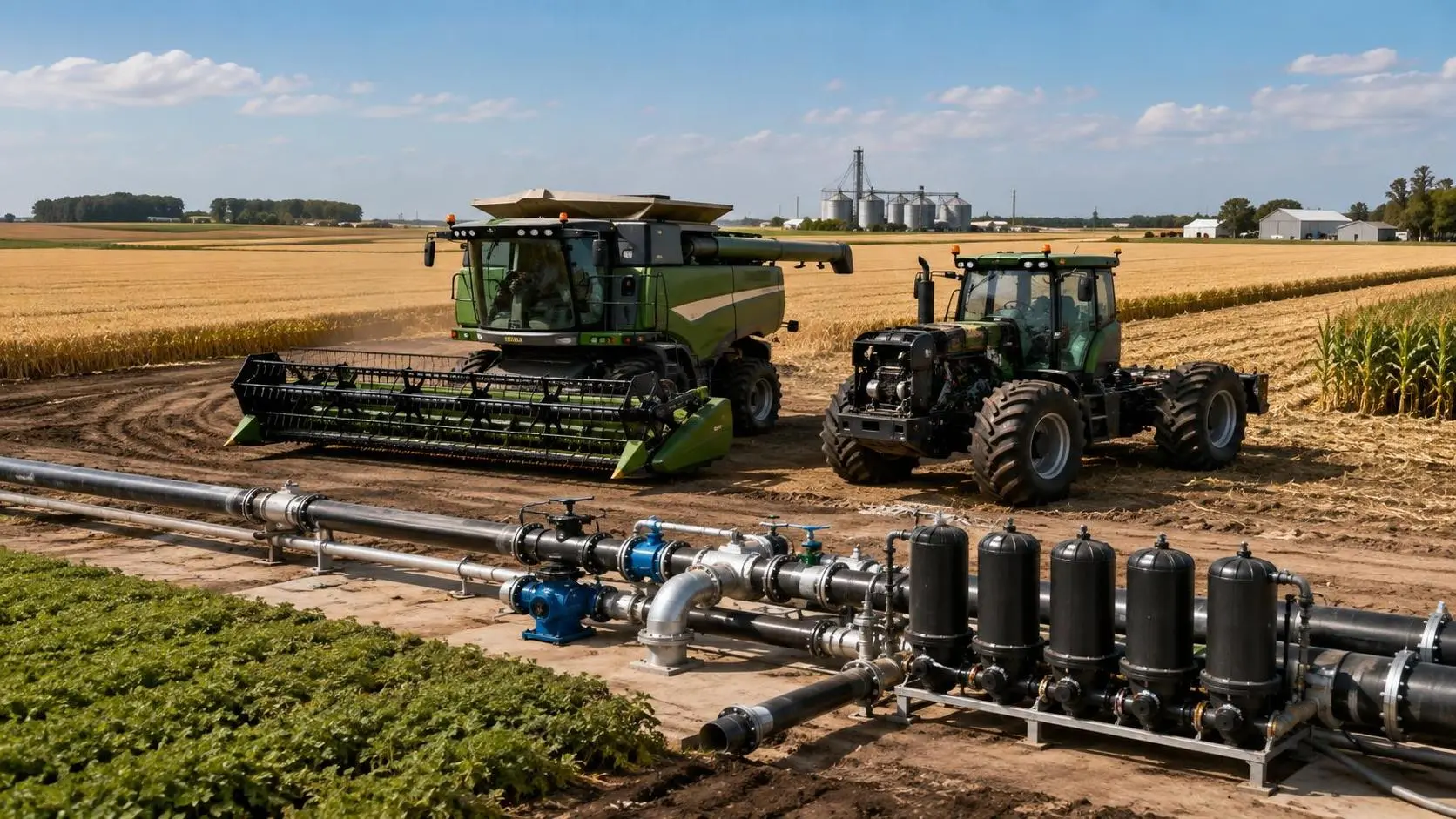
Agricultural Product Information Market Guide: Key Data for Sourcing Decisions
Agricultural product information market guide for smarter sourcing—compare machinery, irrigation, precision tools, lifecycle costs, and supplier risk.

Large-Scale Farm Equipment Cost Comparison: Price, Fuel, and Lifecycle Value
Large-scale farm equipment cost comparison: evaluate price, fuel, maintenance, downtime, and lifecycle value to choose tractors, combines, irrigation, and smart tools with confidence.

A Procurement Specification Preparation Example for Buying Farm Equipment
Procurement specification preparation example for farm equipment: learn to define requirements, compare suppliers, control lifecycle costs, and buy with confidence.

What Tractor Horsepower Is Needed for a Three-Bottom Moldboard Plow?
What tractor horsepower is needed for three-bottom moldboard plow? Compare 60–100 hp needs by soil, depth, traction, and plow width for a confident equipment match.
How Does Climate-Smart Farming Reduce Water Use in Semi-Arid Areas?
How does climate-smart farming reduce water use in semi-arid zones? Discover precision irrigation, soil monitoring, and smarter crop planning for resilient yields.
Can Sustainable Farming Be Profitable Without Reducing Yields?
Are sustainable farming practices profitable without yield loss? Discover precision strategies that cut waste, protect yields, and improve farm margins.
Related News
- 00
0000-00
Which Implements Are Compatible With a 200 HP Tractor for Mixed Cropping? - 00
0000-00
How to Select Agricultural Hydraulic Systems for Sprayers by Flow, Pressure, and Boom Demand - 00
0000-00
Australia Tightens Carbon Rules for Hydraulic Lift System Imports - 00
0000-00
ANATEL Sets New Rules for Wireless Hydraulic Lift Systems - 00
0000-00
How Tractor Hydraulic Systems Work: Key Components, Pressure Ratings, and Lift Control
Popular Tags
Tractor Power Architect
Weekly Insights
Stay ahead with our curated technology reports delivered every Monday.