
How to Evaluate Hydraulic Control Manufacturers for Agricultural Machinery
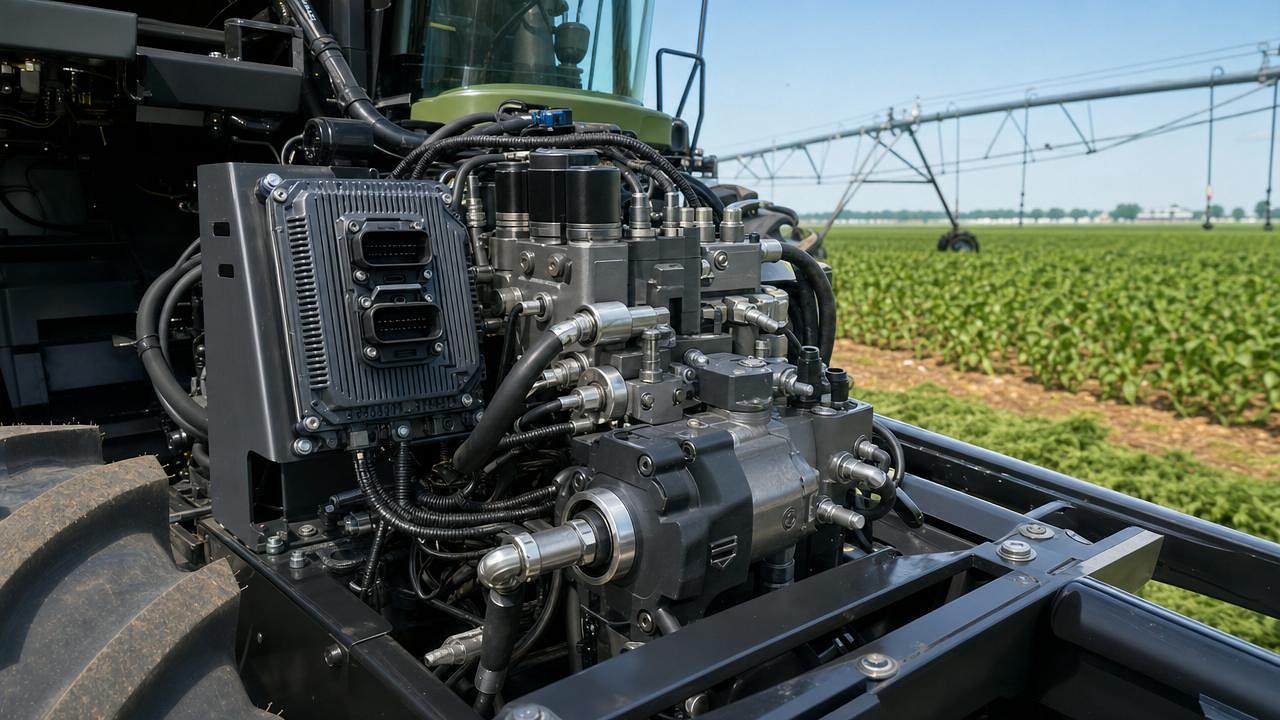




Choosing the right hydraulic control manufacturers for agricultural machinery is rarely a simple price comparison. In real field conditions, hydraulic stability shapes lifting accuracy, steering response, harvesting consistency, and downtime risk.
That is why a careful evaluation process matters. A cheaper supplier can raise total cost later through leakage, slow response, unstable valves, or weak spare-parts support during peak season.
For operations linked to tractors, combine harvesters, intelligent farm tools, and water-saving irrigation systems, hydraulic performance must match both machine duty cycles and precision farming expectations.
AP-Strategy follows these shifts closely through its Strategic Intelligence Center, where mechanical performance, smart control logic, and long-cycle agri-equipment demand are analyzed together. That broader view helps when comparing hydraulic control manufacturers for agricultural machinery across regions and applications.
Start with application fit, not catalog size
The first useful question is simple: can the supplier support the exact field task, pressure range, flow profile, and control logic the machine actually needs?
A broad product catalog looks impressive, but it does not prove real fit for large-scale agri-machinery. The better sign is application depth in chassis hydraulics, header lift control, steering circuits, implement folding, and irrigation automation.
- Review proven use cases in tractors, combines, and precision implements. Strong hydraulic control manufacturers for agricultural machinery usually show duty-specific design data, not only generic product brochures.
- Check whether valve blocks, pumps, actuators, and electronic controls are engineered as a working system. Better integration often reduces pressure loss, response lag, and field calibration time.
- Ask for operating data under dust, vibration, heat, and long-hour workloads. Farm environments punish hydraulic systems differently than factory or construction equipment applications.
- Confirm support for future upgrades such as electro-hydraulic control, sensor feedback, and autonomous functions. Agriculture 4.0 increasingly depends on hydraulic accuracy linked with digital decision systems.
A quick field example
In a combine harvester, unstable hydraulic control can show up as uneven reel positioning, delayed unloading response, or poor header height consistency. None of those failures look dramatic at first.
But over a harvest window, they can increase crop loss, operator fatigue, and service calls. That is why application evidence should come before sales promises.
Look deeper into engineering and validation
Not all hydraulic control manufacturers for agricultural machinery have the same engineering depth. Some mainly assemble standard parts. Others build around simulation, testing, and field feedback.
That difference becomes clear when asking technical questions. A capable partner can explain why a valve spool design, seal material, or pressure compensation strategy fits a specific machine platform.
- Evaluate design resources, including hydraulic circuit modeling, control software support, and prototype validation. Reliable suppliers explain performance margins, failure modes, and adjustment logic clearly.
- Request endurance, contamination, and thermal-cycle test results. Agricultural machinery often works in long continuous shifts, where oil cleanliness and heat management affect service life fast.
- Check if engineering teams can support joint troubleshooting during machine development. Early collaboration usually prevents recurring field failures and costly redesign after product launch.
- Ask how design changes are documented and controlled. Weak revision management can create inconsistent hydraulic behavior between production batches and spare-part replacements.
Quality systems matter, but practical consistency matters more
Certifications are useful, but they should never end the review. The real issue is whether product quality stays stable across volume orders, seasonal demand spikes, and part substitutions.
Many hydraulic control manufacturers for agricultural machinery can show quality documents. Fewer can show disciplined traceability, process capability, and corrective action records that hold up over time.
- Verify incoming material control, machining tolerance discipline, and final test coverage. Hydraulic performance often fails because of small variation, not obvious production mistakes.
- Review traceability down to critical seals, coils, castings, and valve bodies. When a field issue appears, fast isolation saves both season time and warranty cost.
- Ask for recent corrective-action examples. The best suppliers do not claim zero problems; they show how quickly they contain, analyze, and permanently fix them.
- Compare sample units from different production dates when possible. Batch consistency is more valuable than one perfect prototype built for an audit visit.
One commonly missed risk
A supplier may pass lab inspection while still causing field instability through inconsistent assembly torque, contamination control, or weak coil sourcing. Those problems often surface only after several hundred operating hours.
Customization and response speed often decide long-term value
Agricultural equipment rarely stays static. Platform upgrades, regional compliance, crop differences, and operator feedback all push hydraulic systems to evolve.
So, when comparing hydraulic control manufacturers for agricultural machinery, customization capability should be treated as a core commercial factor, not an extra technical bonus.
- Check how quickly the supplier can modify manifolds, pressure settings, connectors, or control logic. Slow engineering response usually delays machine validation and launch schedules.
- Confirm support for regional fluid standards, electrical interfaces, and environmental requirements. Global agri-equipment programs often need more than one hydraulic configuration.
- Review prototyping lead times and small-batch flexibility. A supplier that only works efficiently at full volume may struggle during development and early ramp-up.
- Ask whether software, sensor, and electro-hydraulic tuning can be adjusted after field feedback. This matters more as smart cultivation systems become increasingly data-driven.
Another real-world scenario
In intelligent irrigation systems, hydraulic control affects pressure zoning, valve switching, and water delivery consistency. Poor tuning can waste water, distort sensor-based decisions, and reduce sustainability gains.
That is exactly the kind of cross-functional issue AP-Strategy tracks: mechanical execution and precision agriculture logic must work together, not separately.
Do not ignore supply-chain resilience and aftermarket support
A technically strong supplier can still be a poor choice if deliveries are unstable or service support is too thin during planting and harvest peaks.
This is especially important in global sourcing, where logistics delays, export controls, and component shortages can disrupt equipment assembly and field service planning.
- Assess plant capacity, dual sourcing of key components, and inventory strategy for wear parts. Stable supply protects production continuity during seasonal demand surges.
- Review spare-parts availability, service manuals, and failure-response procedures. Hydraulic control manufacturers for agricultural machinery should support uptime after shipment, not just before purchase.
- Check average lead times for standard units, customized assemblies, and emergency replacements. The difference between two weeks and eight weeks can reshape field operations.
- Ask how they support overseas markets with training, diagnostics, and local partners. Global agricultural equipment needs service structures that match global deployment.
Use a practical scoring method before final selection
To make comparison clearer, score each supplier on application fit, engineering depth, quality consistency, customization speed, supply stability, and lifecycle support.
That approach works better than informal impressions, especially when different teams care about different risks. It also helps explain why the cheapest quote may not be the strongest option.
- Give more weight to uptime, response accuracy, and field service than to unit price alone. In agriculture, downtime during narrow seasonal windows is unusually expensive.
- Include both present requirements and future roadmap fit. Hydraulic control manufacturers for agricultural machinery should support electrification, automation, and smarter implement control.
- Validate claims with plant audits, reference calls, and sample testing. Strong sourcing decisions depend on evidence gathered from more than one channel.
- Record all assumptions around oil cleanliness, ambient temperature, load spectrum, and operator behavior. Many supplier disputes begin with hidden differences in operating assumptions.
A reliable decision usually comes from one simple principle: choose hydraulic control manufacturers for agricultural machinery that can prove field fit, technical discipline, and long-term support under real agricultural conditions.
For organizations tracking machinery evolution through the lens of Agriculture 4.0, that choice is not just about components. It is about protecting equipment productivity, precision outcomes, and resilience across the wider food-security value chain.
If the next step is narrowing options, start with a short comparison sheet, request application-specific validation data, and test how each supplier responds when questions become technical. That usually reveals the strongest partner faster than pricing alone.
Related News
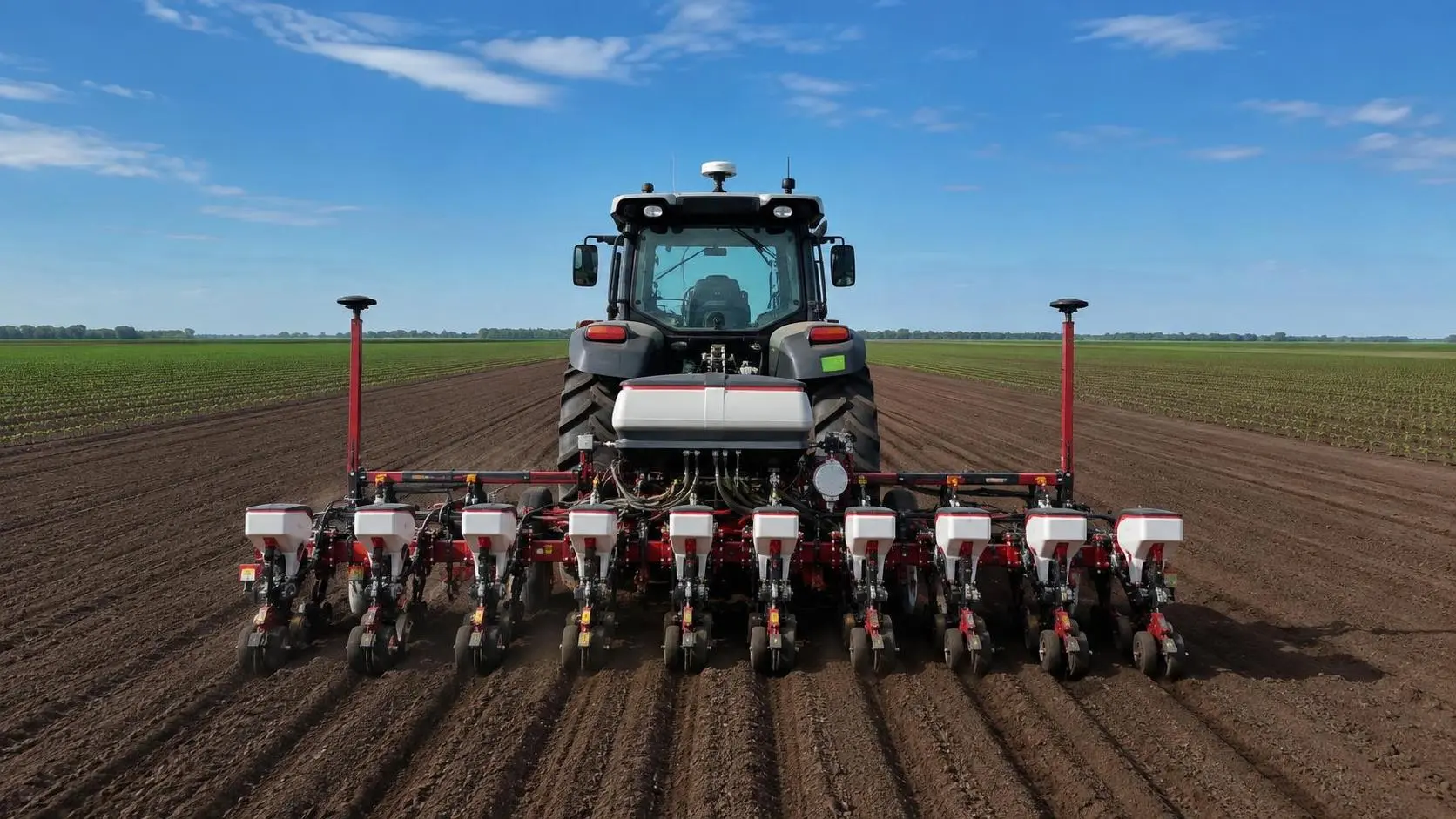
How Tractor Intelligence Systems Improve Field Efficiency and Input Accuracy
Agricultural machinery intelligence for tractors improves field efficiency, input accuracy, data traceability, and implement control. Explore smarter evaluation strategies.
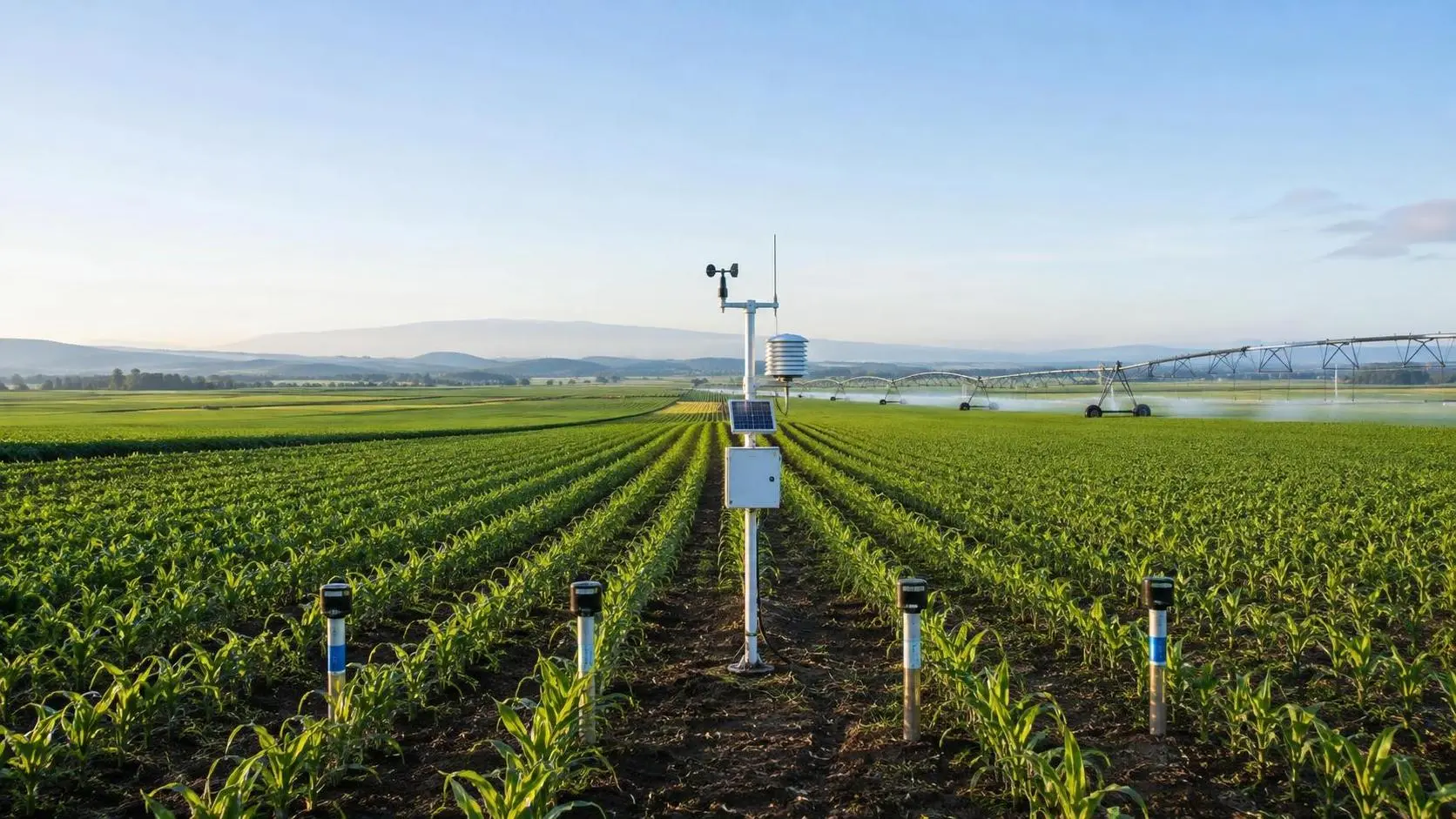
How to Evaluate Crop Monitoring System Manufacturers for Large-Scale Farms
Compare crop monitoring systems manufacturers for large-scale farms. Evaluate data quality, integration, durability, lifecycle costs, support, and pilots for smarter decisions.
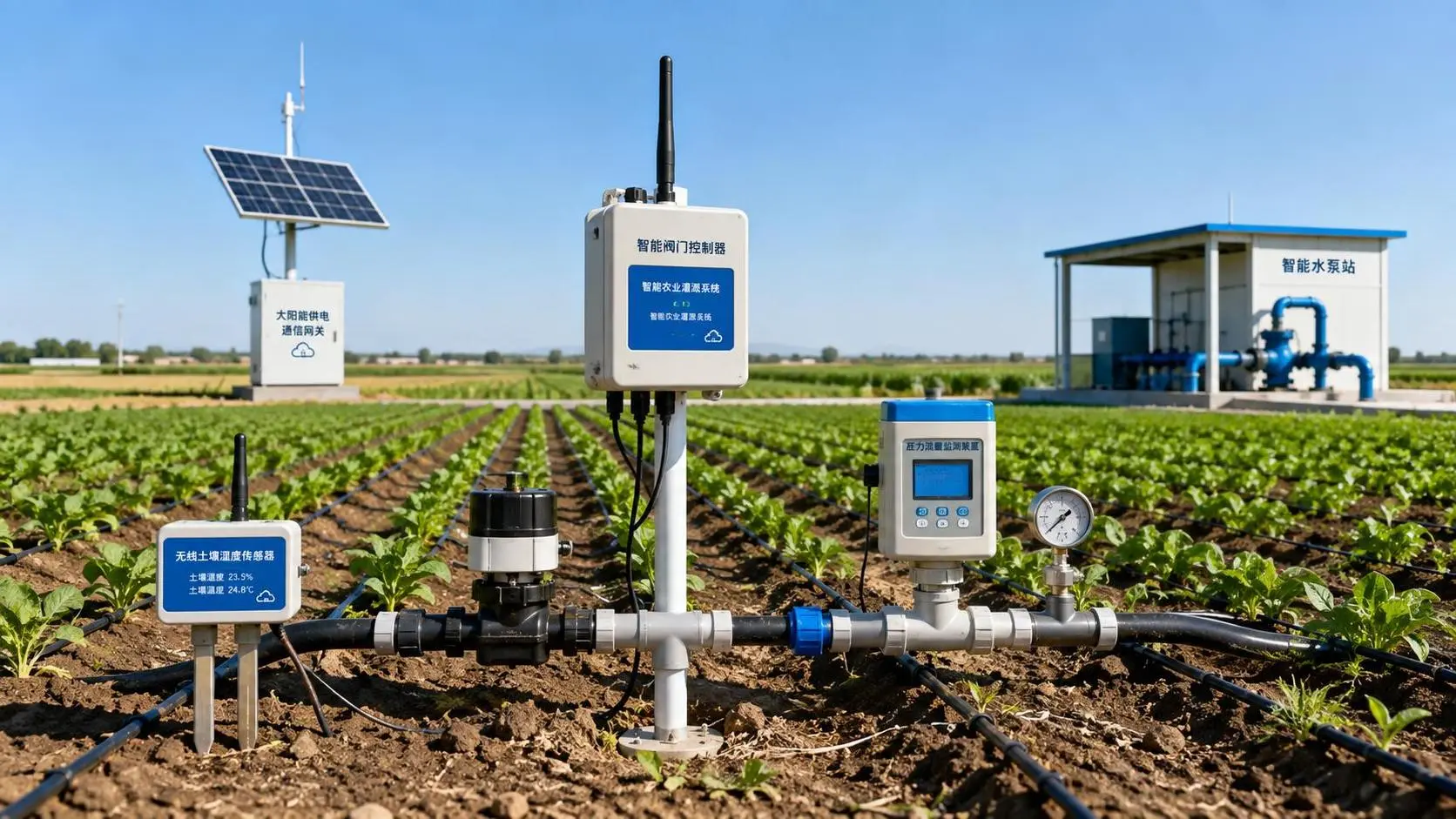
Wireless Agricultural Automation for Remote Irrigation and Field Monitoring
Agricultural automation wireless solutions improve remote irrigation with reliable field data, local control, flow verification, and smarter monitoring. Explore resilient deployment strategies.
Agricultural Product Information Market Guide: Key Data for Sourcing Decisions
Agricultural product information market guide for smarter sourcing—compare machinery, irrigation, precision tools, lifecycle costs, and supplier risk.
Large-Scale Farm Equipment Cost Comparison: Price, Fuel, and Lifecycle Value
Large-scale farm equipment cost comparison: evaluate price, fuel, maintenance, downtime, and lifecycle value to choose tractors, combines, irrigation, and smart tools with confidence.
A Procurement Specification Preparation Example for Buying Farm Equipment
Procurement specification preparation example for farm equipment: learn to define requirements, compare suppliers, control lifecycle costs, and buy with confidence.
What Tractor Horsepower Is Needed for a Three-Bottom Moldboard Plow?
What tractor horsepower is needed for three-bottom moldboard plow? Compare 60–100 hp needs by soil, depth, traction, and plow width for a confident equipment match.
How Does Climate-Smart Farming Reduce Water Use in Semi-Arid Areas?
How does climate-smart farming reduce water use in semi-arid zones? Discover precision irrigation, soil monitoring, and smarter crop planning for resilient yields.
Can Sustainable Farming Be Profitable Without Reducing Yields?
Are sustainable farming practices profitable without yield loss? Discover precision strategies that cut waste, protect yields, and improve farm margins.
Related News
- 00
0000-00
Which Implements Are Compatible With a 200 HP Tractor for Mixed Cropping? - 00
0000-00
How to Select Agricultural Hydraulic Systems for Sprayers by Flow, Pressure, and Boom Demand - 00
0000-00
Australia Tightens Carbon Rules for Hydraulic Lift System Imports - 00
0000-00
ANATEL Sets New Rules for Wireless Hydraulic Lift Systems - 00
0000-00
How Tractor Hydraulic Systems Work: Key Components, Pressure Ratings, and Lift Control
Popular Tags
Tractor Power Architect
Weekly Insights
Stay ahead with our curated technology reports delivered every Monday.