
China RoHS Update Adds Export Checks for Lift System Parts
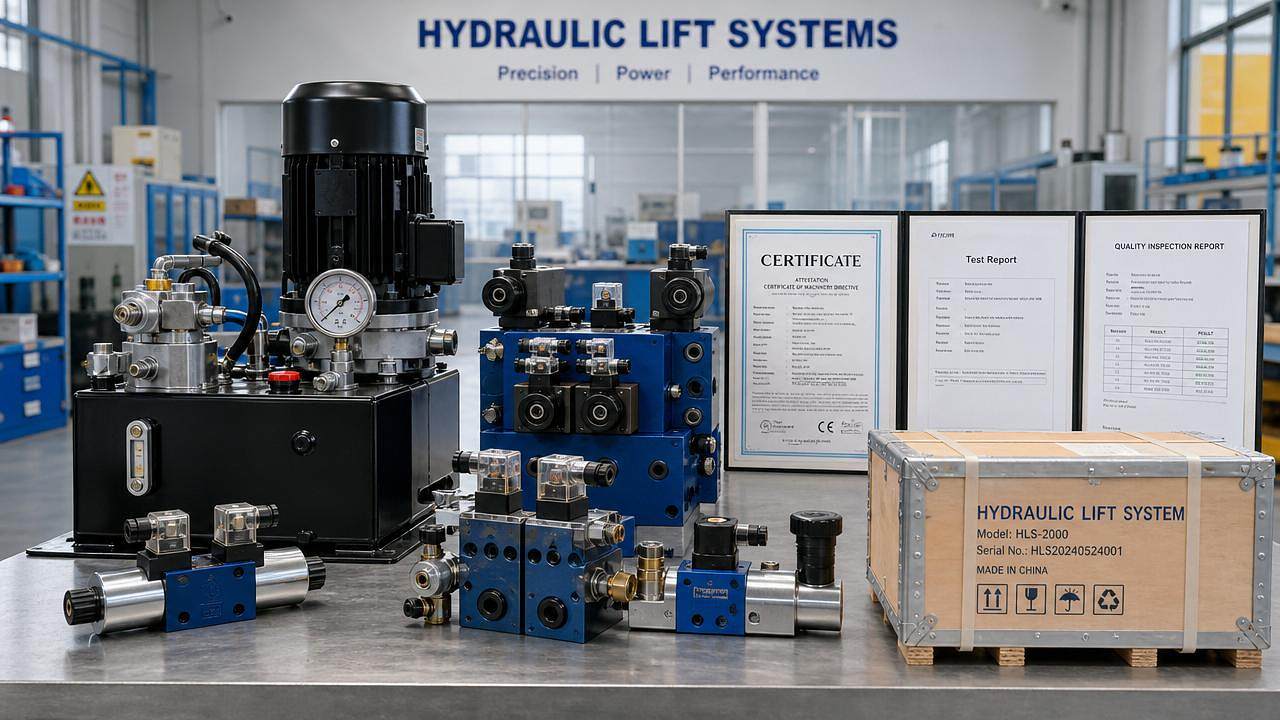




On June 1, 2026, the second batch of China’s compliance management catalog for the restriction of hazardous substances in electrical and electronic products took effect, bringing 33 additional industrial components into scope, including hydraulic control valves, proportional solenoids, and integrated hydraulic power units. For companies exporting Hydraulic Lift Systems to the EU, Southeast Asia, and Latin America, the immediate point of attention is whether these components are included in shipped products, because third-party test reports compliant with GB/T 26572—2025 are now required and the absence of such documentation may lead to returned shipments or market access restrictions.
What the new catalog now covers
The confirmed change is that, from June 1, 2026, the second batch of the compliance management catalog for restricted hazardous substances in electrical and electronic products is officially in force. The newly added scope includes 33 categories of industrial components, with hydraulic control valves, proportional solenoids, and integrated hydraulic power units specifically identified in the provided information.
The confirmed trade implication is also clear: when Hydraulic Lift Systems exported to the EU, Southeast Asia, or Latin America contain the above components, exporters must provide a third-party testing report that complies with GB/T 26572—2025. If that report is not available, the shipment may face return or exclusion from the target market.
Where the pressure is likely to appear in the supply chain
Export-facing system suppliers may face document risk first
From an industry perspective, companies directly shipping Hydraulic Lift Systems are likely to feel the impact most immediately because they are the parties exposed to customs clearance, customer acceptance, and market-entry requirements. The main pressure point is not only product composition, but whether supporting compliance documents can be produced in time for export delivery.
Component manufacturers may come under earlier verification requests
Analysis shows that suppliers of hydraulic control valves, proportional solenoids, integrated hydraulic power units, and other newly covered parts may see increased requests for material and testing documentation. The practical impact is likely to appear in supplier qualification, order confirmation, and technical file preparation rather than only at the final shipment stage.
Procurement and supply chain teams may need tighter part-level screening
For procurement and supply chain functions, the issue is likely to center on identifying whether purchased parts fall within the newly added catalog categories. What deserves closer attention is the handoff between sourcing, documentation collection, and delivery scheduling, because missing or delayed third-party reports could affect outbound timing even when production itself is complete.
Overseas buyers and channel partners may raise compliance questions earlier
Observably, importers, distributors, and downstream project buyers in the EU, Southeast Asia, and Latin America may place greater emphasis on proof of compliance before accepting goods. In business terms, this may shift compliance review forward into quotation, contract, or pre-shipment communication stages.
What companies should watch now
Check whether exported configurations contain listed components
The first practical focus is product mapping. Companies involved in Hydraulic Lift Systems should verify whether exported models include any of the newly listed industrial components, especially the categories explicitly mentioned in the provided information.
Prepare GB/T 26572—2025 testing documents before shipment
The second focus is documentation readiness. Because the stated risk includes returned goods or market access denial, companies should pay attention to whether third-party test reports aligned with GB/T 26572—2025 are already available for the relevant parts before export arrangements are finalized.
Separate policy language from shipment execution
Analysis shows that a rule taking effect and a shipment passing smoothly are not the same thing. Businesses should distinguish between understanding the catalog requirement in principle and proving compliance in operational documents, since the latter is what affects release, acceptance, and delivery continuity.
Review supplier coordination and customer communication timelines
What deserves closer attention is the coordination cycle between parts suppliers, testing bodies, exporters, and overseas customers. Even where product design does not change, document collection, confirmation, and transmission may become a key part of order execution.
Why this looks like more than a one-off filing issue
As an editorial observation, this development is better understood as a concrete compliance signal rather than a routine paperwork update. The reason is that the provided information links component coverage directly to export consequences, making documentation a market-access issue for affected Hydraulic Lift Systems shipments.
At the same time, it is more appropriate to understand this as a targeted regulatory development than as a broad conclusion about every hydraulic product or every export market. The confirmed facts are limited to the listed component categories, the specified export destinations, the GB/T 26572—2025 report requirement, and the stated risks of return or market exclusion.
How to read the significance of this update
In summary, this update matters because it moves certain hydraulic-related components into a clearer compliance framework that can affect actual export execution for Hydraulic Lift Systems. The immediate relevance is operational: component identification, report availability, and shipment documentation.
From a neutral industry reading, this is best treated as an active compliance change with direct short-term implications for affected exporters, while its broader long-term impact still requires continued observation. Companies do not need to overstate the development, but they do need to track whether their products, suppliers, and export documents already align with the new requirement.
Basis of this article and follow-up verification
This article is based on the user-provided news title, event date, and event summary. For this type of development, commonly relevant source categories may include official notices, company disclosures, industry association updates, authoritative media coverage, and standard-related documents.
No specific official source link was provided in the input, so the exact source documentation still needs ongoing verification. Follow-up attention should focus on any further official wording, implementation clarifications, and market-side documentation expectations related to the newly covered components and GB/T 26572—2025 reporting requirements.
Related News
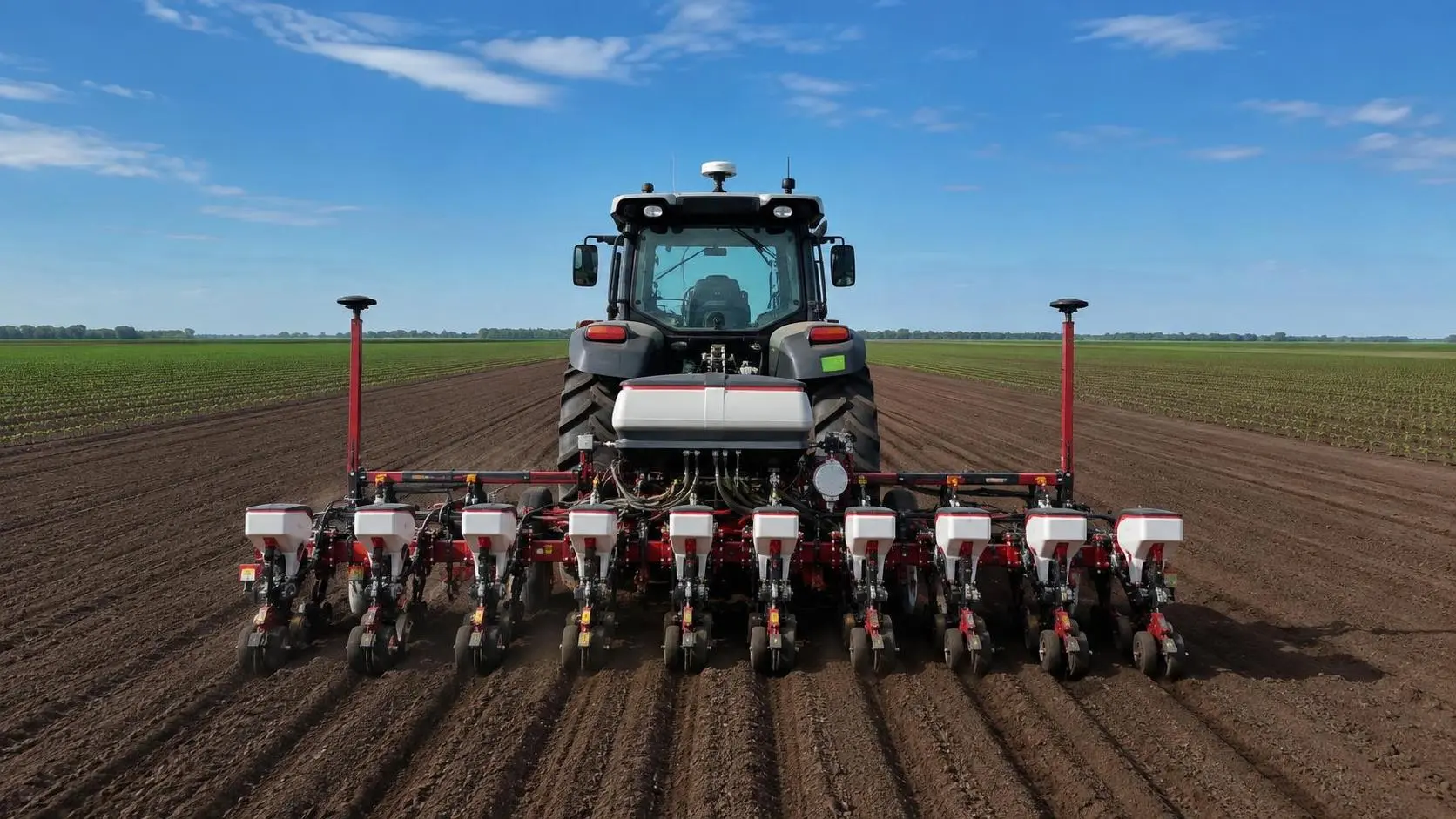
How Tractor Intelligence Systems Improve Field Efficiency and Input Accuracy
Agricultural machinery intelligence for tractors improves field efficiency, input accuracy, data traceability, and implement control. Explore smarter evaluation strategies.

How to Evaluate Crop Monitoring System Manufacturers for Large-Scale Farms
Compare crop monitoring systems manufacturers for large-scale farms. Evaluate data quality, integration, durability, lifecycle costs, support, and pilots for smarter decisions.
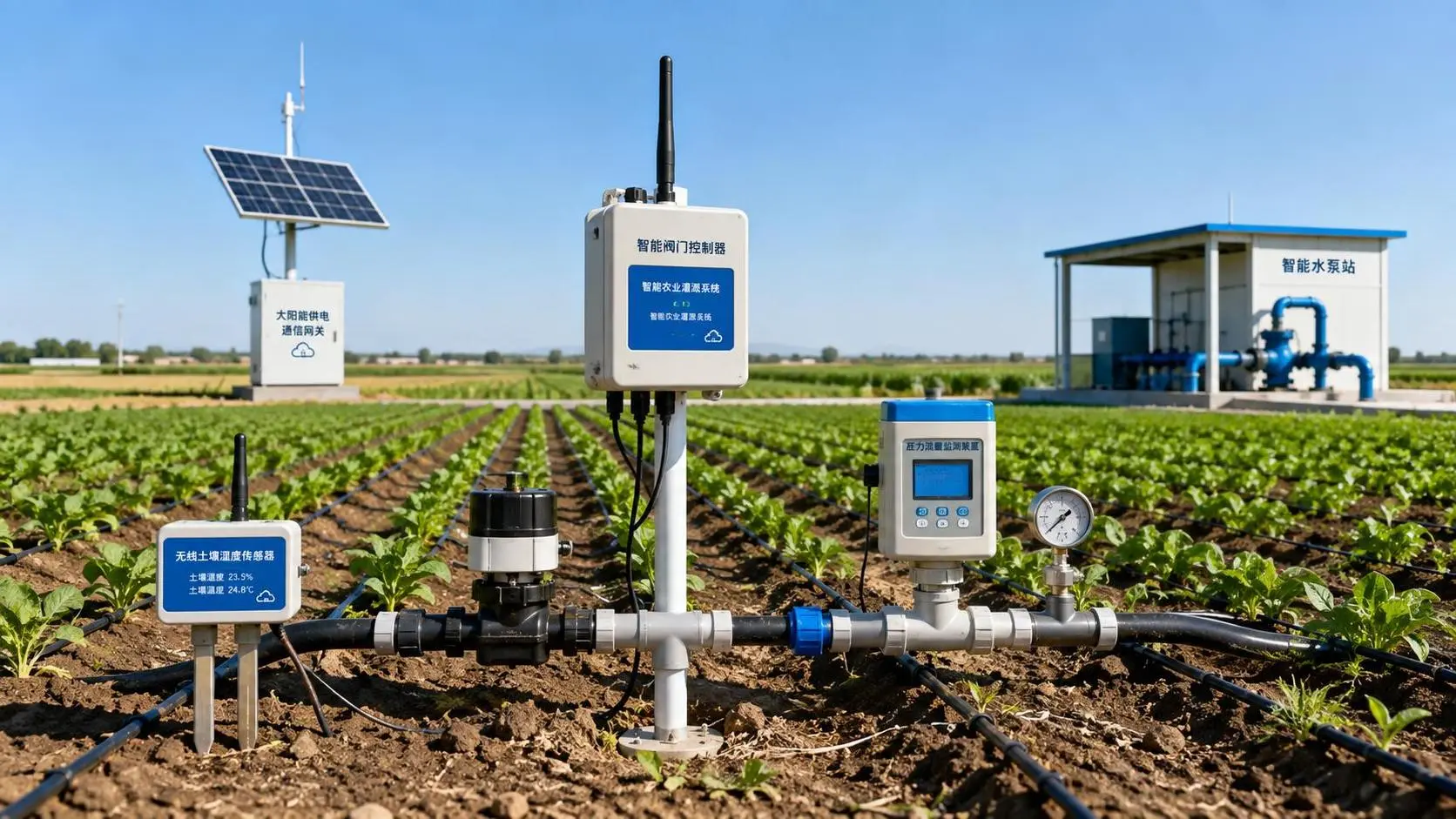
Wireless Agricultural Automation for Remote Irrigation and Field Monitoring
Agricultural automation wireless solutions improve remote irrigation with reliable field data, local control, flow verification, and smarter monitoring. Explore resilient deployment strategies.
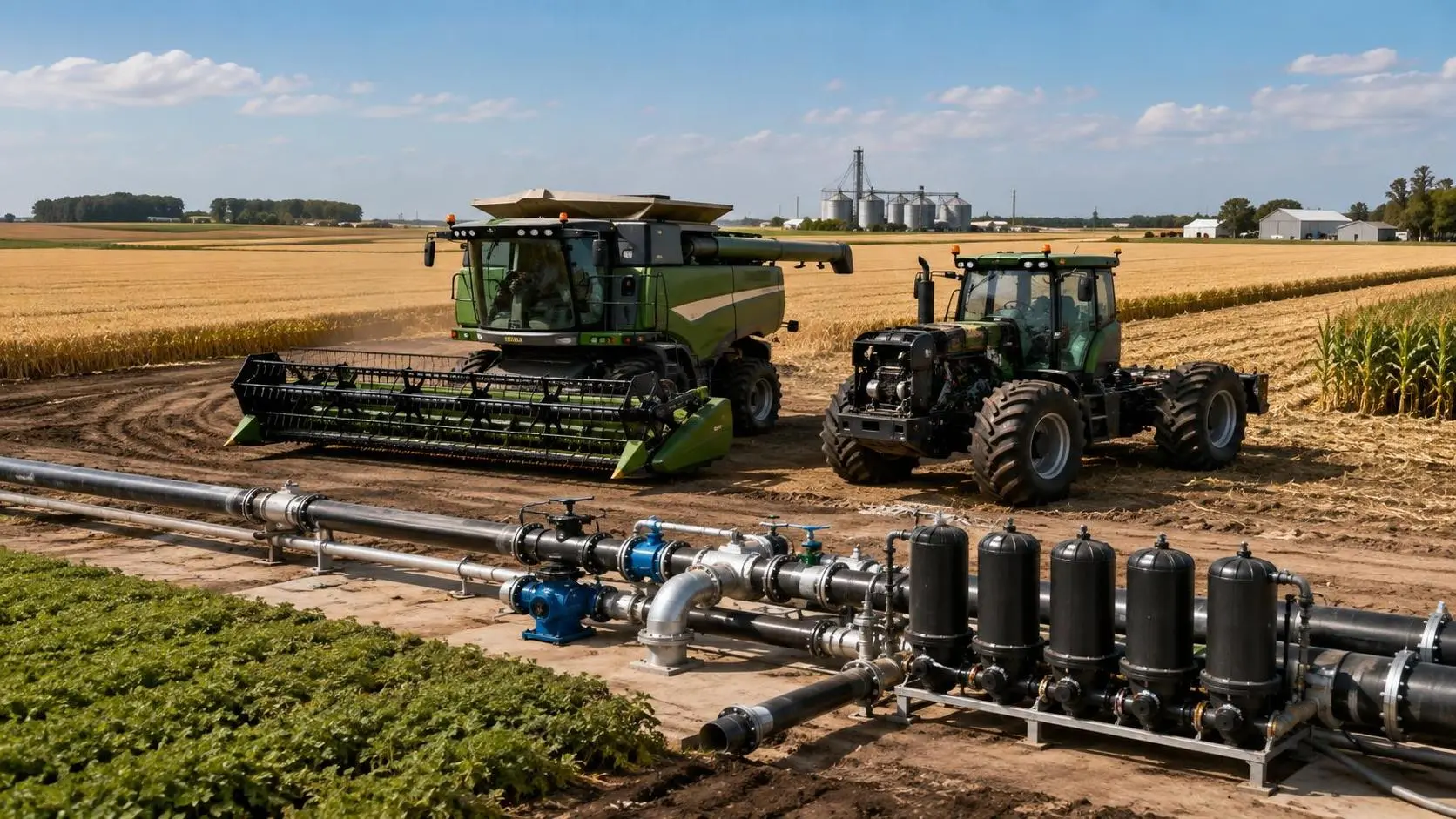
Agricultural Product Information Market Guide: Key Data for Sourcing Decisions
Agricultural product information market guide for smarter sourcing—compare machinery, irrigation, precision tools, lifecycle costs, and supplier risk.

Large-Scale Farm Equipment Cost Comparison: Price, Fuel, and Lifecycle Value
Large-scale farm equipment cost comparison: evaluate price, fuel, maintenance, downtime, and lifecycle value to choose tractors, combines, irrigation, and smart tools with confidence.
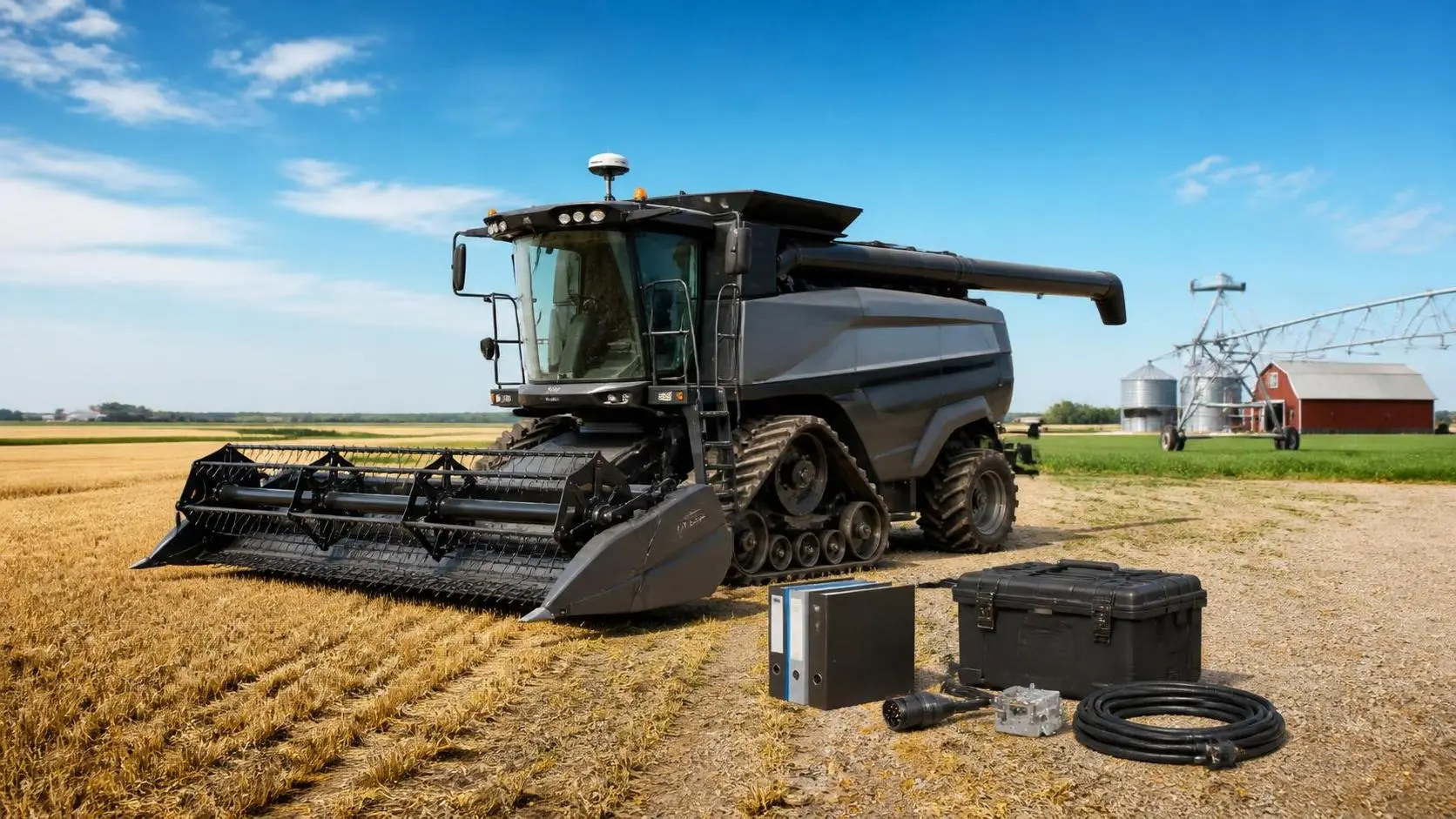
A Procurement Specification Preparation Example for Buying Farm Equipment
Procurement specification preparation example for farm equipment: learn to define requirements, compare suppliers, control lifecycle costs, and buy with confidence.
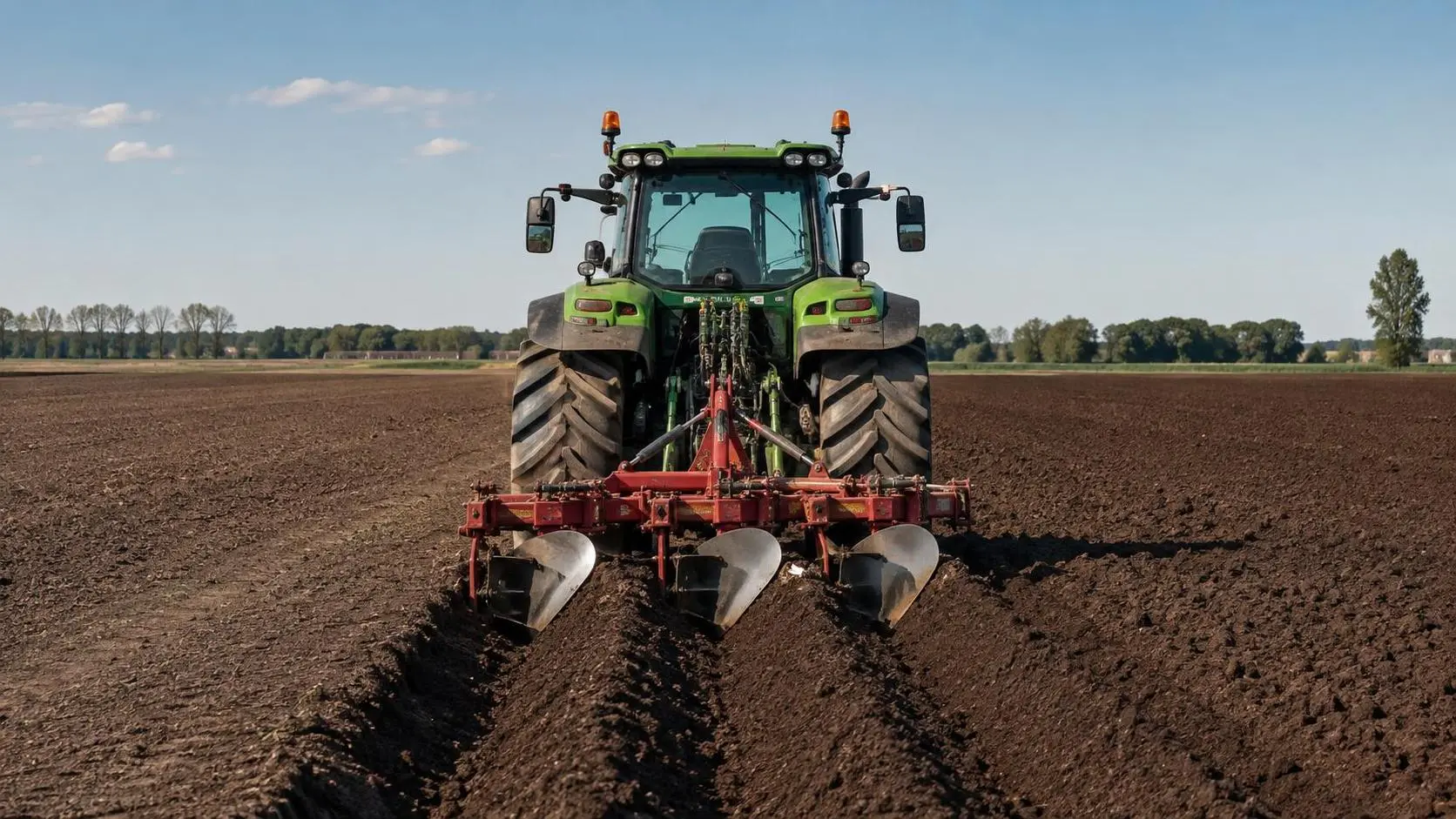
What Tractor Horsepower Is Needed for a Three-Bottom Moldboard Plow?
What tractor horsepower is needed for three-bottom moldboard plow? Compare 60–100 hp needs by soil, depth, traction, and plow width for a confident equipment match.
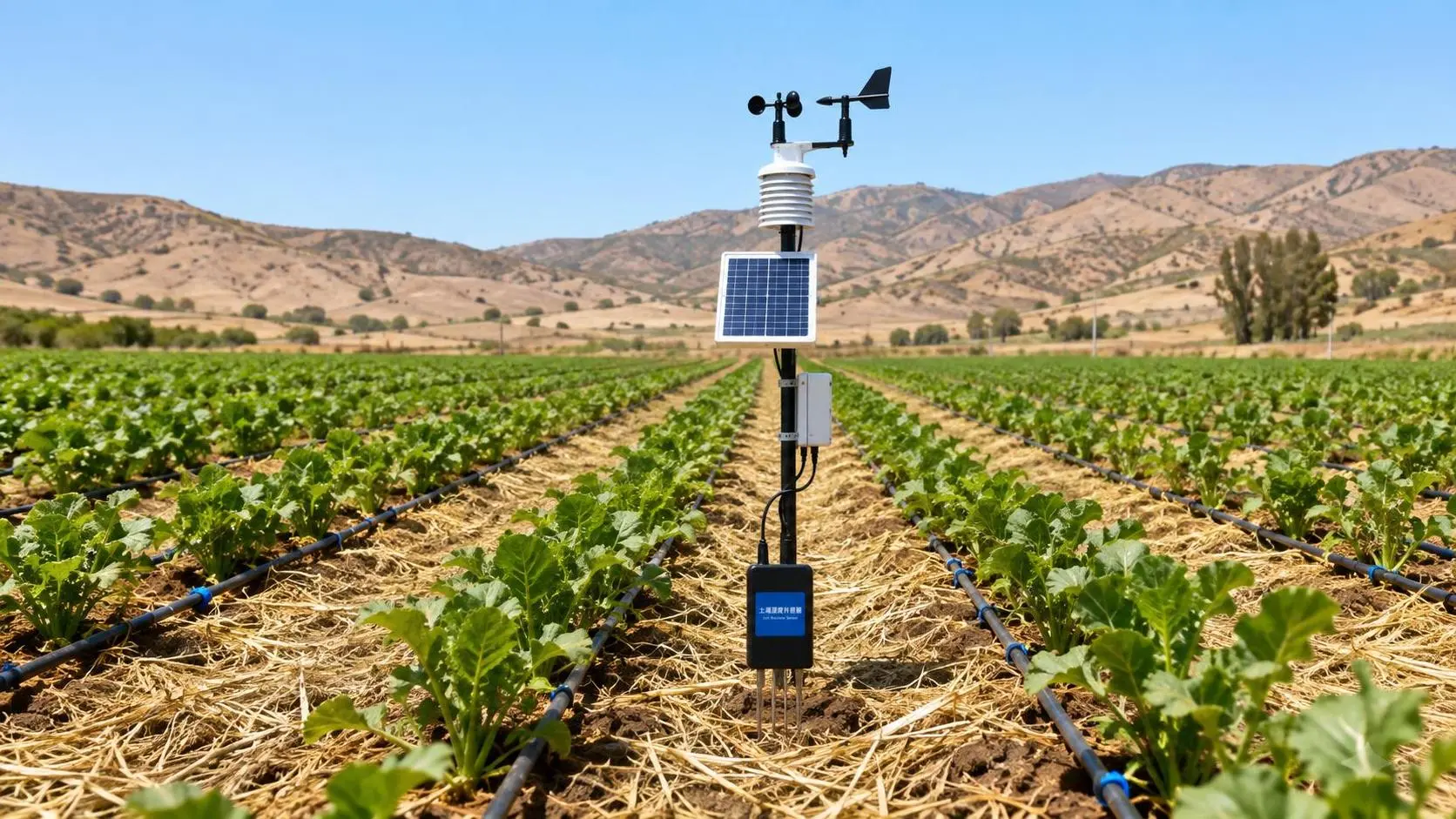
How Does Climate-Smart Farming Reduce Water Use in Semi-Arid Areas?
How does climate-smart farming reduce water use in semi-arid zones? Discover precision irrigation, soil monitoring, and smarter crop planning for resilient yields.
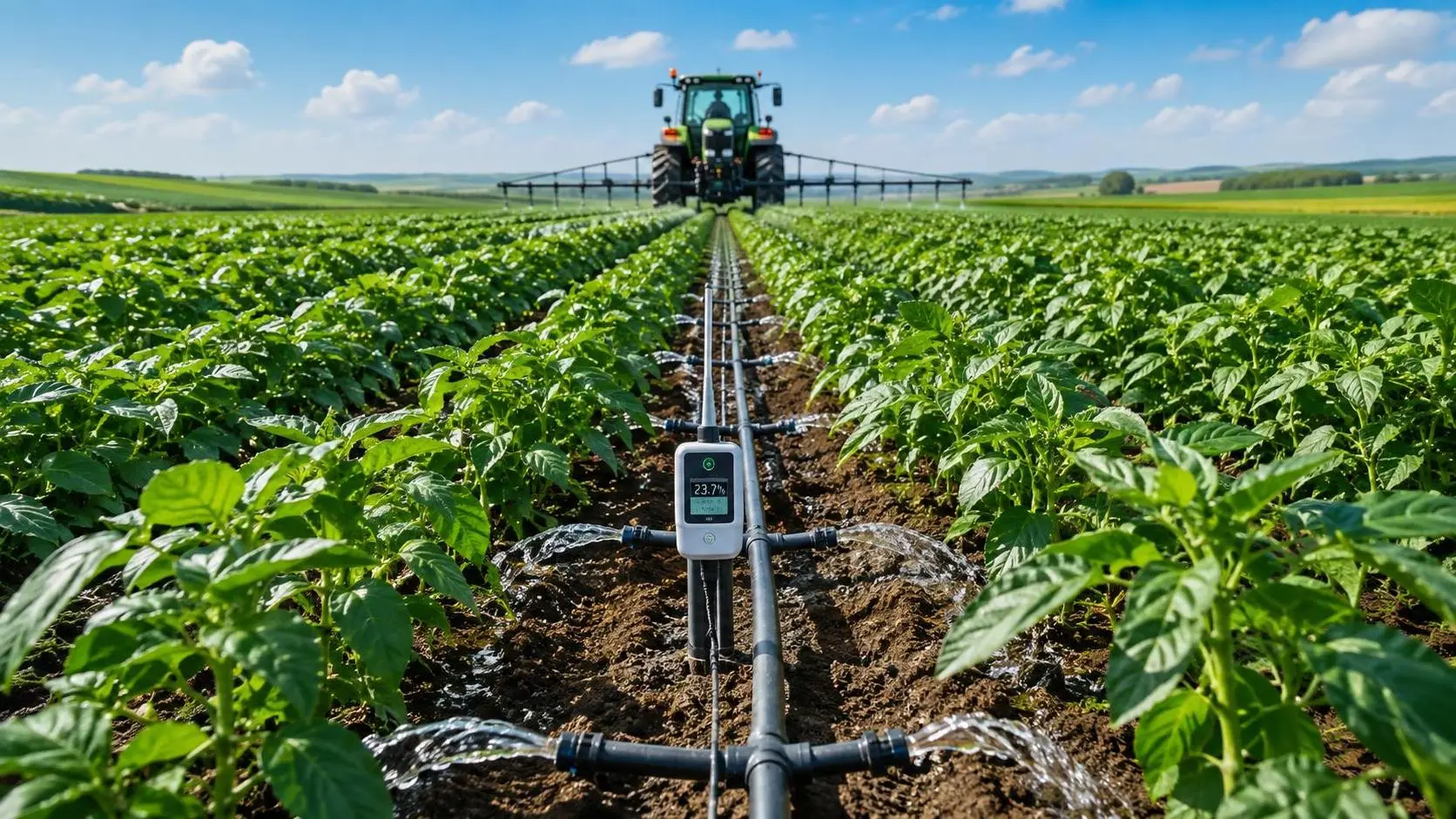
Can Sustainable Farming Be Profitable Without Reducing Yields?
Are sustainable farming practices profitable without yield loss? Discover precision strategies that cut waste, protect yields, and improve farm margins.
Related News
- 00
0000-00
Which Implements Are Compatible With a 200 HP Tractor for Mixed Cropping? - 00
0000-00
How to Select Agricultural Hydraulic Systems for Sprayers by Flow, Pressure, and Boom Demand - 00
0000-00
Australia Tightens Carbon Rules for Hydraulic Lift System Imports - 00
0000-00
ANATEL Sets New Rules for Wireless Hydraulic Lift Systems - 00
0000-00
How Tractor Hydraulic Systems Work: Key Components, Pressure Ratings, and Lift Control
Popular Tags
Tractor Power Architect
Weekly Insights
Stay ahead with our curated technology reports delivered every Monday.