
Pakistan Requires Forced-Labor-Free Proof for Farm Imports





On April 28, 2026, Pakistan introduced a new import compliance requirement through Order No. 704(I)/2026, making written proof of a forced-labor-free supply chain mandatory for imported goods, including agricultural machinery such as tractors, smart irrigation equipment, and GPS-guided farm machines. For exporters, importers, and supply-chain service providers involved in shipments to Pakistan, this is not merely a documentation update: it directly affects customs clearance and delivery arrangements for products such as Self-propelled Sprayers, Drip Irrigation Logic, and Hydraulic Lift Systems, and therefore deserves close operational attention.
What the new requirement confirms
The confirmed facts are limited but commercially significant. According to the provided event summary, Pakistan’s Ministry of Commerce issued Order No. 704(I)/2026 on April 28, 2026. The order requires all imported goods to be accompanied by written proof confirming that their supply chains do not involve forced labor.
The summary explicitly notes that the requirement applies to imported goods including tractors, smart irrigation equipment, and GPS navigation agricultural machinery. It also states that the rule took effect immediately on the date of issuance.
The same summary further indicates a direct impact on the customs clearance and delivery of Chinese exports to Pakistan, including Self-propelled Sprayers, Drip Irrigation Logic, and Hydraulic Lift Systems. Importers are required to coordinate in advance with suppliers so that a compliance declaration or a third-party audit report can be provided.
Where the pressure is likely to appear first
Export transactions now face a document precondition
From an industry perspective, exporters shipping agricultural machinery and related systems to Pakistan may be affected first because the new rule adds a documentary compliance condition before goods can move smoothly through customs. The practical pressure point is not only whether a product has been sold, but whether the shipment file contains acceptable written proof tied to the supply chain.
What deserves closer attention is that this can influence shipment preparation, buyer-seller coordination, and delivery timing. Even where product specifications and commercial terms are already agreed, missing or incomplete supply-chain statements may create friction in execution.
Importers and local buyers carry the immediate clearance risk
For importers, the change is especially relevant because the requirement is connected directly to customs clearance. Their exposure is immediate: if supporting documents are not ready, imported machinery may face delays in release and handover. In operational terms, importers now need earlier alignment with overseas suppliers on the format and availability of compliance declarations or third-party audit materials.
This also means procurement planning may need to account for an additional review step before dispatch, especially for equipment categories explicitly referenced in the event summary.
Manufacturers and upstream suppliers may need stronger traceability support
Manufacturers and component suppliers may also feel the impact because the new requirement refers to the supply chain rather than only the finished product. Analysis shows that the compliance burden may extend beyond final assembly and into supplier documentation, internal declarations, and the ability to support downstream customers with consistent records.
For firms supplying Self-propelled Sprayers, Drip Irrigation Logic, Hydraulic Lift Systems, or related agricultural equipment, the relevant business link is no longer limited to production and export packaging. Traceability and supporting statements may become part of normal order fulfillment for Pakistan-bound business.
Service providers in trade and compliance may see added coordination work
Supply-chain service providers, trade documentation teams, and compliance-related service firms may be affected through increased coordination demands. The new rule creates a need to connect product shipment files with supporting declarations or audit reports. In practice, this may add work in document collection, review, and submission sequencing, even though the provided information does not specify the exact format or acceptance criteria.
Because those details have not been provided, companies should avoid assuming that existing standard paperwork will automatically meet the new requirement.
Practical points companies should review now
Check whether current shipment files can support the new declaration
Analysis shows that companies involved in exports to Pakistan should first review whether existing export documentation can be supplemented with a written statement confirming the absence of forced labor in the supply chain. The key issue is not to create broad policy language, but to confirm whether the materials available for each shipment are consistent, supportable, and ready for importer use.
Clarify in advance whether supplier declarations or third-party reports will be used
The event summary specifically mentions two possible forms of support: a supplier compliance declaration or a third-party audit report. What deserves closer attention is the need for early coordination between importer and supplier on which route will be used in practice. If this is left until goods are ready to ship, the risk may shift from compliance review to delivery delay.
Watch categories already named in the rule context
Companies handling tractors, smart irrigation equipment, GPS-guided agricultural machinery, Self-propelled Sprayers, Drip Irrigation Logic, and Hydraulic Lift Systems should pay particular attention because these product references appear directly in the provided information. Observably, the most immediate concern is not market expansion or contraction, but whether orders in these categories can continue to move without avoidable interruption at clearance and delivery stages.
Continue monitoring the execution language behind the immediate rule
The requirement is already in force, but the provided information does not include detailed guidance on document wording, review criteria, or enforcement practice. It is therefore more appropriate to understand the current stage as an immediate compliance trigger combined with a need for continued monitoring of how the rule is interpreted in actual transactions.
Why this looks like an execution signal, not just a policy headline
Observably, this development is better understood as a rule with direct transactional consequences rather than a distant policy direction. The immediate effectiveness matters because it compresses the time available for exporters and importers to adapt documentation routines. At the same time, the absence of further detail in the provided information means companies should be careful not to overstate what is already known about acceptance standards or enforcement intensity.
From an industry perspective, the most useful reading is that compliance expectations have moved closer to the shipment and clearance stage. That makes supply-chain statements, audit support, and importer-supplier coordination more central to execution than before.
How the market should read the change at this stage
At this stage, the rule is best read as a landed compliance change with immediate operational relevance for agricultural machinery imports into Pakistan. The confirmed facts already point to effects on customs clearance and delivery, especially for China-to-Pakistan trade in the product categories named in the event summary. However, the broader market impact, document interpretation, and day-to-day enforcement approach still require careful observation rather than assumption.
A neutral conclusion is that companies should treat this as a real compliance condition already tied to trade execution, while continuing to watch for further clarification in practice.
Basis of this article and what still needs verification
This article is based on the user-provided news title, event date, and event summary. For developments of this kind, commonly relevant source types may include official government notices, publications from trade or customs authorities, regulatory releases, industry association updates, standards-related documents, and reporting by authoritative media.
No specific official source link was provided in the input, so the exact official publication path still needs to be verified on an ongoing basis. What also remains worth monitoring includes any further policy clarification, documentation expectations, certification or audit interpretation, changes in tender or procurement files, industry feedback, and how companies implement the requirement in actual export and import operations.
Related News

How Tractor Intelligence Systems Improve Field Efficiency and Input Accuracy
Agricultural machinery intelligence for tractors improves field efficiency, input accuracy, data traceability, and implement control. Explore smarter evaluation strategies.

How to Evaluate Crop Monitoring System Manufacturers for Large-Scale Farms
Compare crop monitoring systems manufacturers for large-scale farms. Evaluate data quality, integration, durability, lifecycle costs, support, and pilots for smarter decisions.
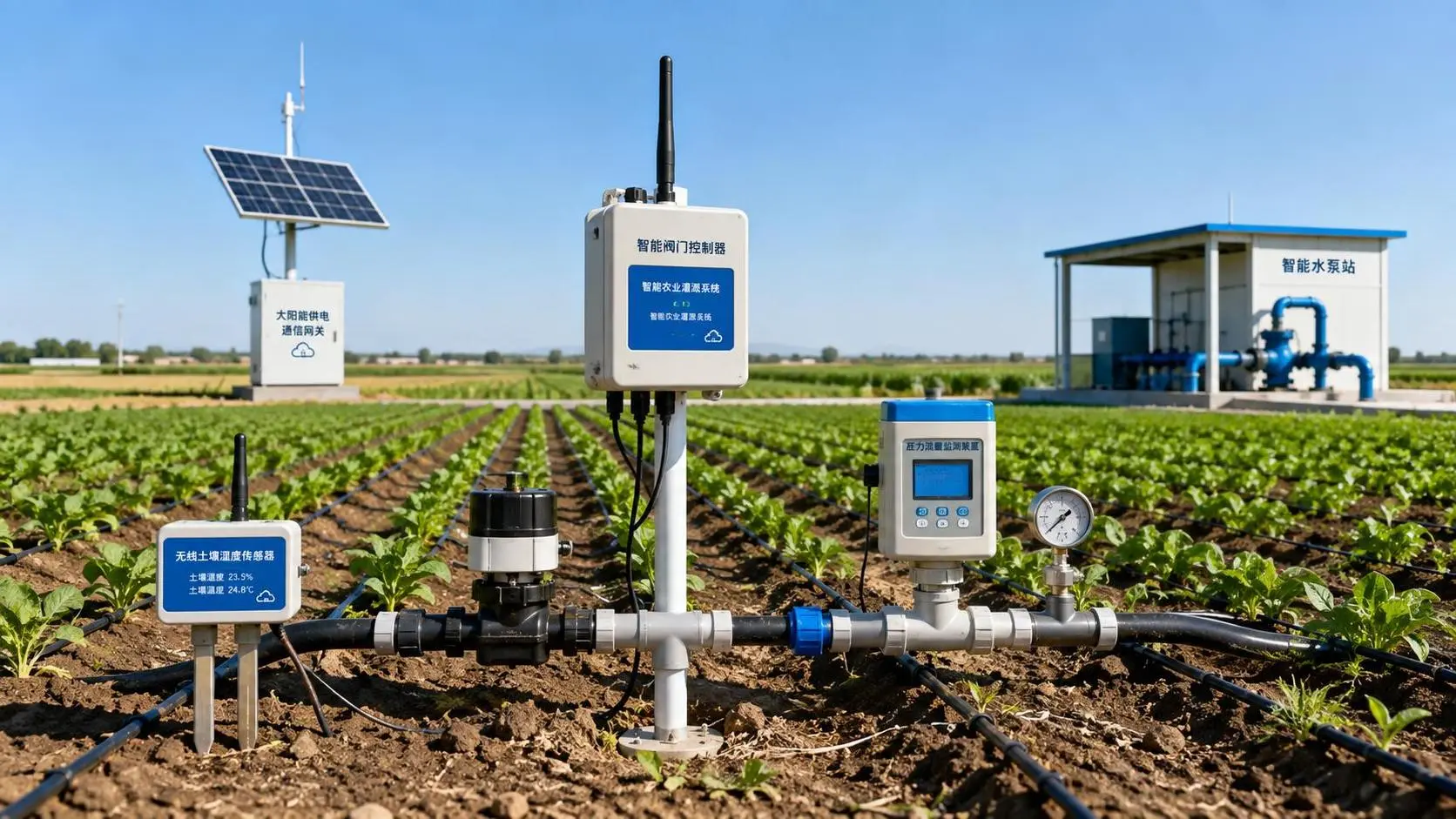
Wireless Agricultural Automation for Remote Irrigation and Field Monitoring
Agricultural automation wireless solutions improve remote irrigation with reliable field data, local control, flow verification, and smarter monitoring. Explore resilient deployment strategies.
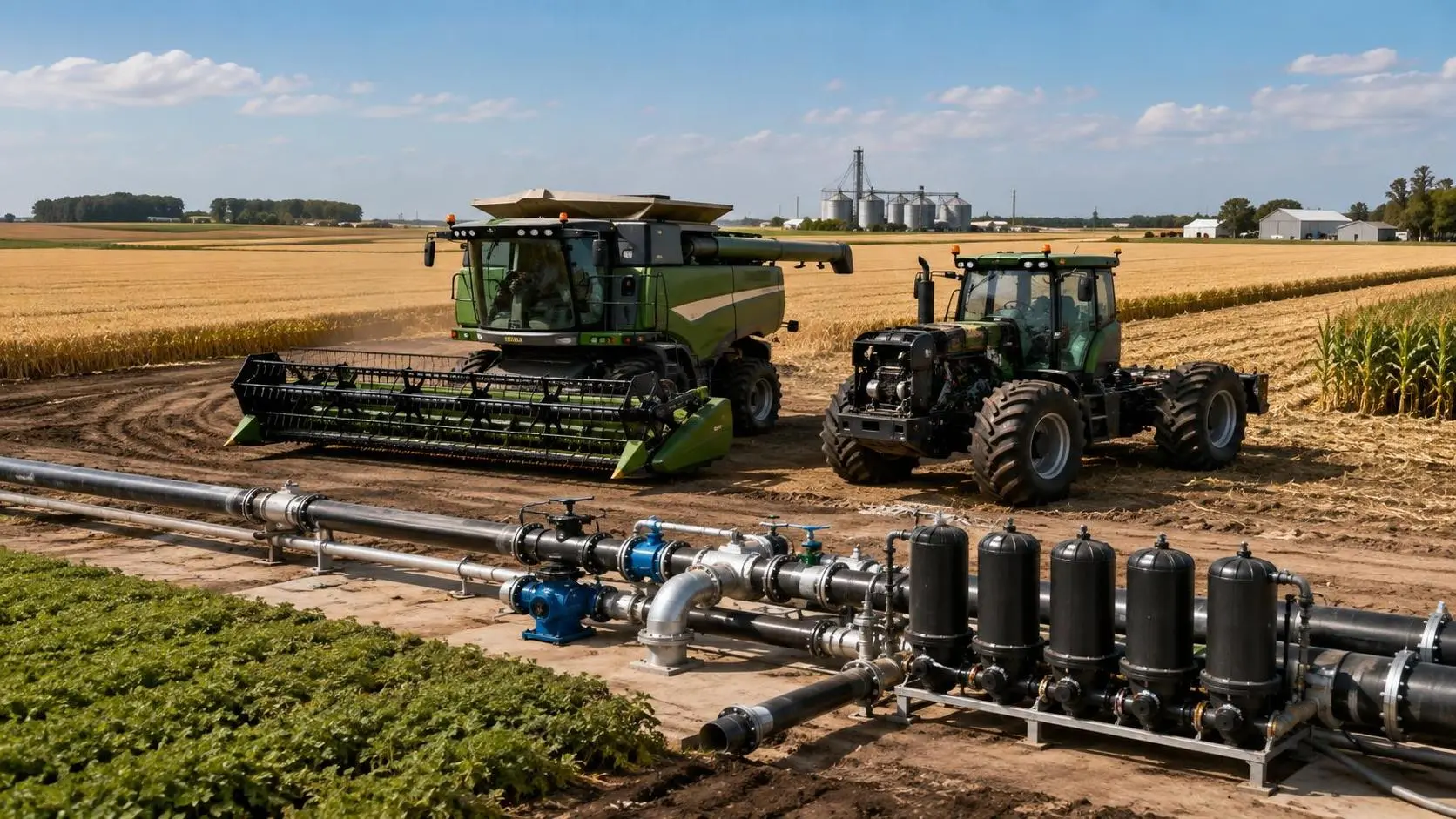
Agricultural Product Information Market Guide: Key Data for Sourcing Decisions
Agricultural product information market guide for smarter sourcing—compare machinery, irrigation, precision tools, lifecycle costs, and supplier risk.
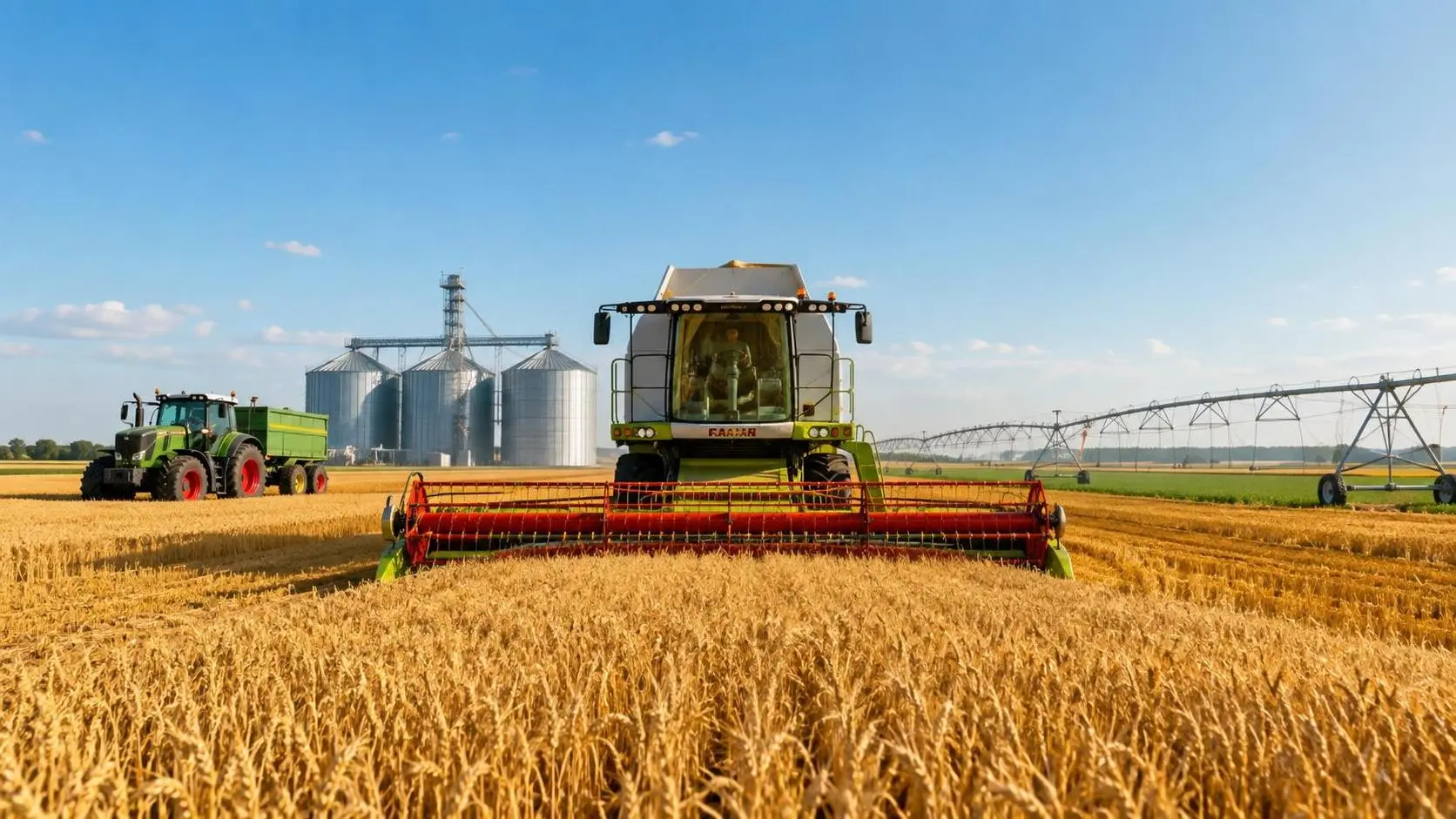
Large-Scale Farm Equipment Cost Comparison: Price, Fuel, and Lifecycle Value
Large-scale farm equipment cost comparison: evaluate price, fuel, maintenance, downtime, and lifecycle value to choose tractors, combines, irrigation, and smart tools with confidence.

A Procurement Specification Preparation Example for Buying Farm Equipment
Procurement specification preparation example for farm equipment: learn to define requirements, compare suppliers, control lifecycle costs, and buy with confidence.

What Tractor Horsepower Is Needed for a Three-Bottom Moldboard Plow?
What tractor horsepower is needed for three-bottom moldboard plow? Compare 60–100 hp needs by soil, depth, traction, and plow width for a confident equipment match.

How Does Climate-Smart Farming Reduce Water Use in Semi-Arid Areas?
How does climate-smart farming reduce water use in semi-arid zones? Discover precision irrigation, soil monitoring, and smarter crop planning for resilient yields.
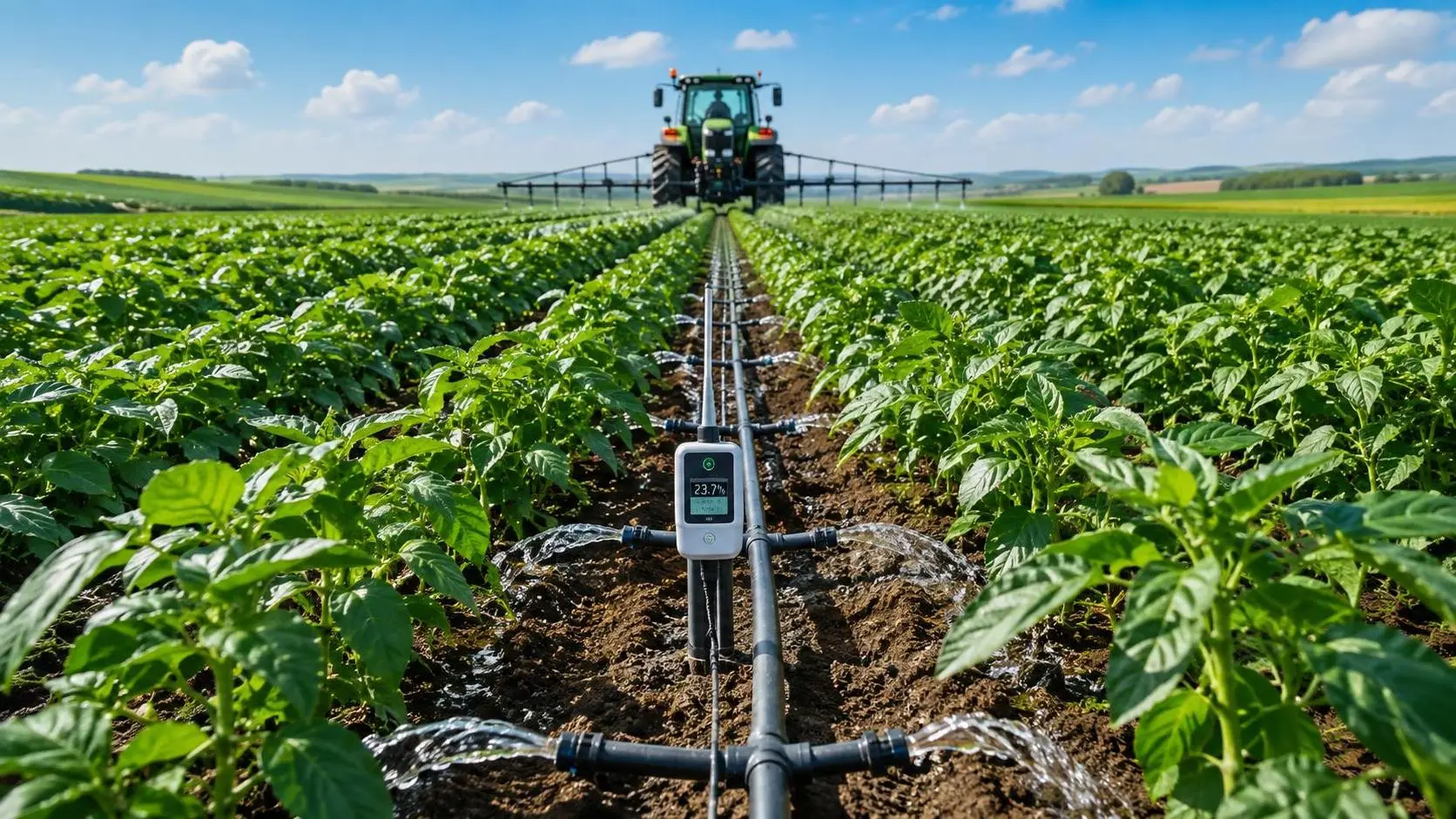
Can Sustainable Farming Be Profitable Without Reducing Yields?
Are sustainable farming practices profitable without yield loss? Discover precision strategies that cut waste, protect yields, and improve farm margins.
Related News
- 00
0000-00
Which Implements Are Compatible With a 200 HP Tractor for Mixed Cropping? - 00
0000-00
How to Select Agricultural Hydraulic Systems for Sprayers by Flow, Pressure, and Boom Demand - 00
0000-00
Australia Tightens Carbon Rules for Hydraulic Lift System Imports - 00
0000-00
ANATEL Sets New Rules for Wireless Hydraulic Lift Systems - 00
0000-00
How Tractor Hydraulic Systems Work: Key Components, Pressure Ratings, and Lift Control
Popular Tags
Tractor Power Architect
Weekly Insights
Stay ahead with our curated technology reports delivered every Monday.