
Brazil Rule Targets Labels and Diagnostic Ports
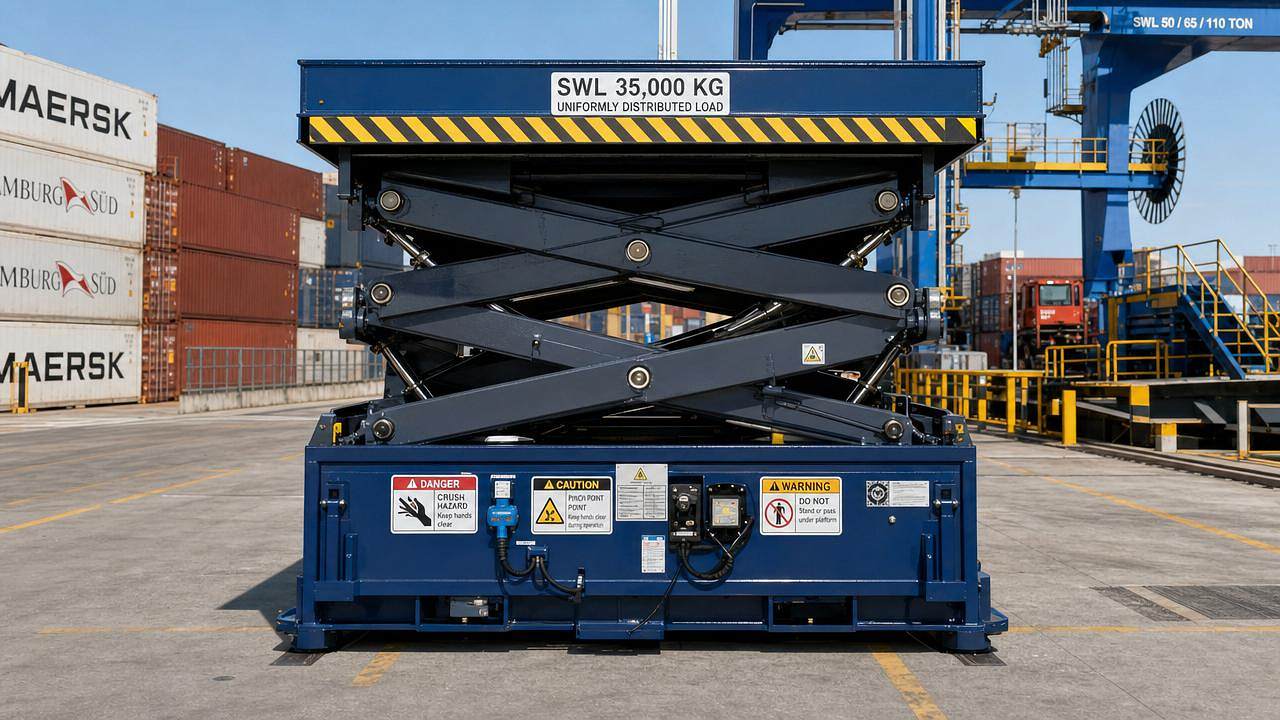




On June 1, 2026, Brazil’s ANVISA began enforcing Portaria nº 312/2026 for imported Hydraulic Lift Systems and complete machines that integrate those systems. The rule requires visible Portuguese-language safety warning labels on the equipment body and a reserved remote diagnostic data interface compliant with ISO 11783-12:2024. For exporters, machinery manufacturers, importers, and logistics teams serving the Brazilian market, this is worth close attention because non-compliant goods may be detained at the Port of Santos in São Paulo and fined 20% of cargo value.
What the rule requires from June 1
Based on the provided information, the confirmed requirements are specific and already in force as of June 1, 2026. ANVISA is implementing Portaria nº 312/2026 for all imported Hydraulic Lift Systems as well as complete equipment that includes such systems. Two compliance points are explicitly required: first, a Portuguese safety warning label must be affixed in a prominent position on the machine body; second, the product must reserve a remote diagnostic data interface that meets ISO 11783-12:2024.
The enforcement consequence is also clearly stated in the provided information. Products that do not meet these requirements may be held at the Port of Santos in São Paulo and face a fine equal to 20% of the cargo value.
Where the pressure will be felt across the supply chain
Exporters and equipment manufacturers face a product-readiness issue
From an industry perspective, the most immediate impact falls on companies shipping Hydraulic Lift Systems or agricultural machinery with integrated lift systems into Brazil. The issue is not limited to final documentation; it directly affects product configuration and physical preparation before shipment. Label placement and interface reservation both need to be reflected in the delivered unit, which means compliance has to be addressed before cargo arrives at port.
Importers and distributors carry port and delivery risk
Analysis shows that importers and local distribution partners may face the operational consequences first if incoming products do not meet the stated requirements. The reported detention risk at the Port of Santos means customs clearance, inventory availability, and customer delivery timing could all be affected. What deserves closer attention is that the penalty described in the input is tied to cargo value, making this not only a compliance matter but also a commercial risk.
Supply chain and logistics teams need tighter pre-shipment checks
For supply chain service providers and internal logistics teams, the rule raises the importance of shipment-release controls. If compliance depends on visible Portuguese warnings and a reserved ISO-aligned interface, then inspection points may need to move upstream to packaging release, pre-export inspection, and shipment booking stages. Observably, this is the type of rule that can create avoidable port disruption when compliance is treated as a paperwork issue rather than a shipment-readiness issue.
After-sales and technical service functions should watch the interface requirement
The requirement to reserve a remote diagnostic data interface compliant with ISO 11783-12:2024 may also matter for technical service, product support, and customer handover teams. Even without adding assumptions about how the interface will be used in practice, the rule indicates that technical compatibility and service-related hardware provisions are now part of market access for the covered products.
What companies should review now
Check whether the exported product falls within scope
Companies should first verify whether they are shipping standalone Hydraulic Lift Systems or complete machines that integrate those systems into Brazil. That scope question is a practical starting point, because the rule described in the input applies to both categories.
Separate labeling compliance from documentation compliance
What deserves closer attention is the difference between having compliant paperwork and having a compliant product body. The input specifies a Portuguese-language safety warning label in a prominent position on the machine itself. In practice, businesses should review whether label content, language, and placement are being handled as part of production or final export preparation rather than left to downstream correction.
Confirm the interface requirement before shipment
The second practical checkpoint is whether the equipment reserves a remote diagnostic data interface aligned with ISO 11783-12:2024. Analysis shows that this is not a minor packaging adjustment; it relates to product configuration. Companies involved in engineering release, sourcing, and final assembly should therefore confirm how this requirement is being addressed before goods are dispatched.
Prepare for customer and supplier communication around lead times and liability
Importers, exporters, and suppliers may also need clearer communication on responsibility allocation. If detention and a 20% cargo-value fine are possible for non-compliant products, then contract execution, delivery timing, and acceptance procedures may all require closer coordination. This is especially relevant where one party controls labeling while another controls machine configuration or export release.
Why this looks like more than a short-term port check
Analysis shows that this development is better understood as a market-access compliance signal rather than a temporary inspection anomaly. The combination of language-specific on-product warnings and a standards-based diagnostic interface suggests that Brazil is not only focusing on visible safety communication but also on technical readiness embedded in the equipment itself.
At the same time, it would be premature to extend the meaning of the rule beyond the facts provided. The current confirmed outcome is clear enforcement from June 1, 2026, with detention and a 20% cargo-value fine for non-compliant products at the named port. Beyond that, further interpretation should remain cautious and tied to subsequent official clarification if available.
How the market may best read this development now
It is more appropriate to understand this as an active compliance change with immediate operational relevance, especially for cross-border shipments into Brazil involving Hydraulic Lift Systems and related agricultural machinery. The rule does not merely add an administrative step; based on the provided information, it affects labeling, product configuration, shipment release, and port risk at the same time.
A neutral reading is that the business impact will depend less on broad market reaction and more on whether affected companies can translate the stated requirements into pre-shipment controls. For now, the most practical industry takeaway is to treat this as a current execution issue with possible longer-term significance for how technical and safety compliance is built into products for the Brazilian market.
Basis of this article and what still needs verification
This article is based on the user-provided news title, event date, and event summary concerning ANVISA, Portaria nº 312/2026, the June 1, 2026 effective date, the Portuguese safety label requirement, the ISO 11783-12:2024 remote diagnostic data interface requirement, and the stated detention and penalty consequences at the Port of Santos in São Paulo.
For this type of industry update, source categories typically worth checking include official regulatory notices, company compliance statements, industry association updates, authoritative media coverage, and relevant standard-organization documents. However, a specific official source link was not provided in the input, so the exact primary documentation should continue to be verified. Follow-up attention should focus on any further official wording, implementation clarification, or enforcement details related to product scope and compliance presentation.
Related News
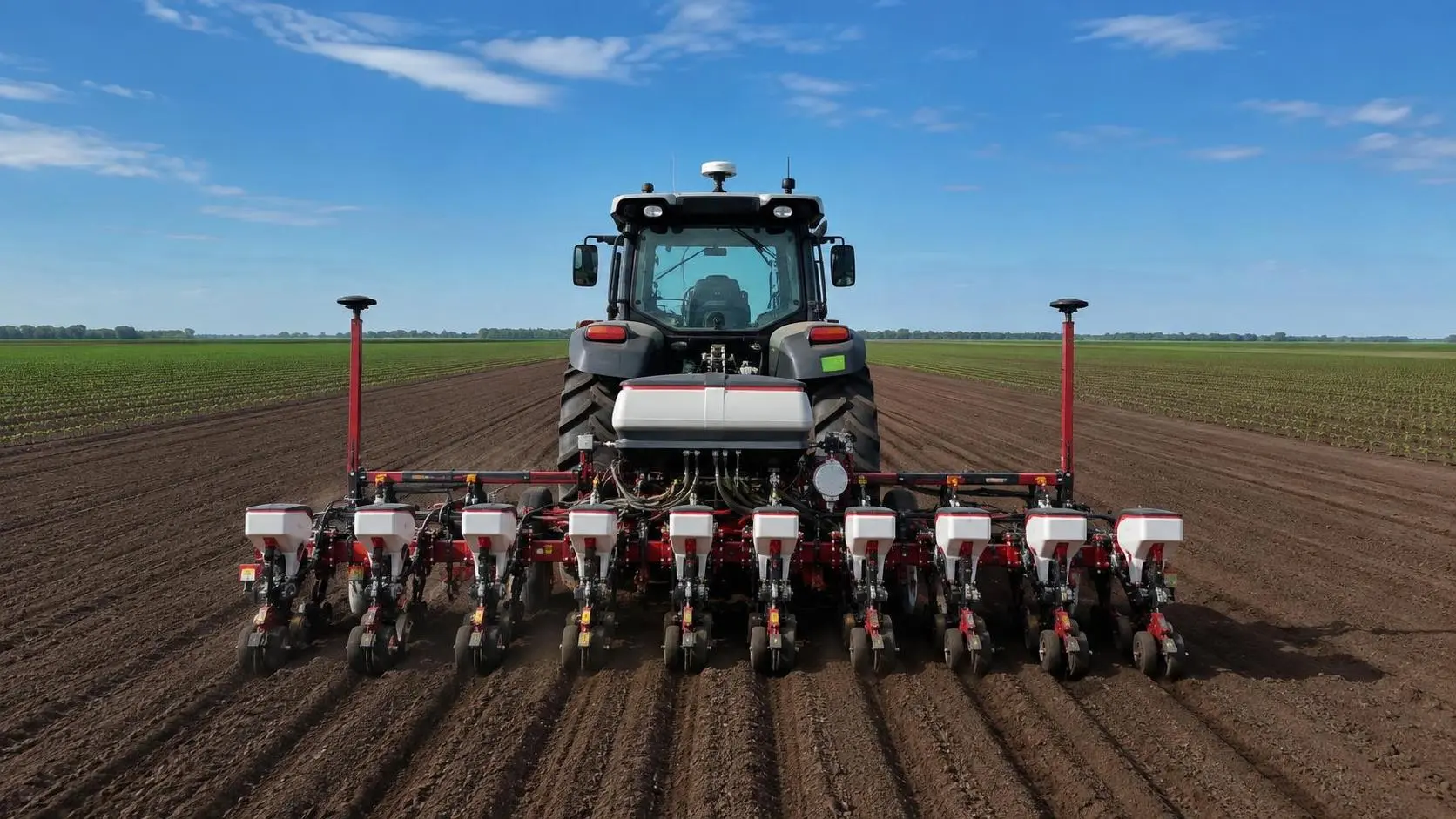
How Tractor Intelligence Systems Improve Field Efficiency and Input Accuracy
Agricultural machinery intelligence for tractors improves field efficiency, input accuracy, data traceability, and implement control. Explore smarter evaluation strategies.
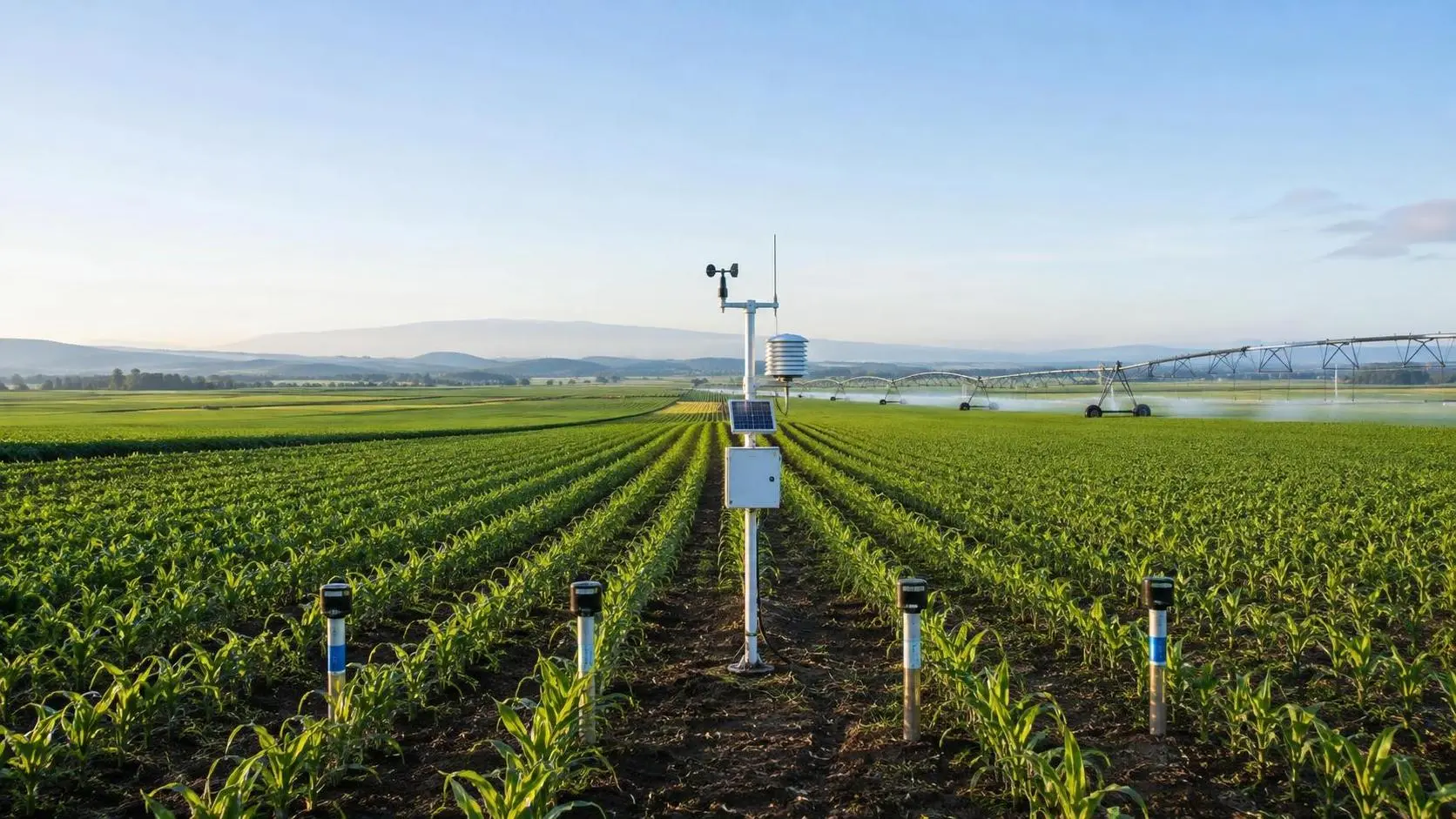
How to Evaluate Crop Monitoring System Manufacturers for Large-Scale Farms
Compare crop monitoring systems manufacturers for large-scale farms. Evaluate data quality, integration, durability, lifecycle costs, support, and pilots for smarter decisions.
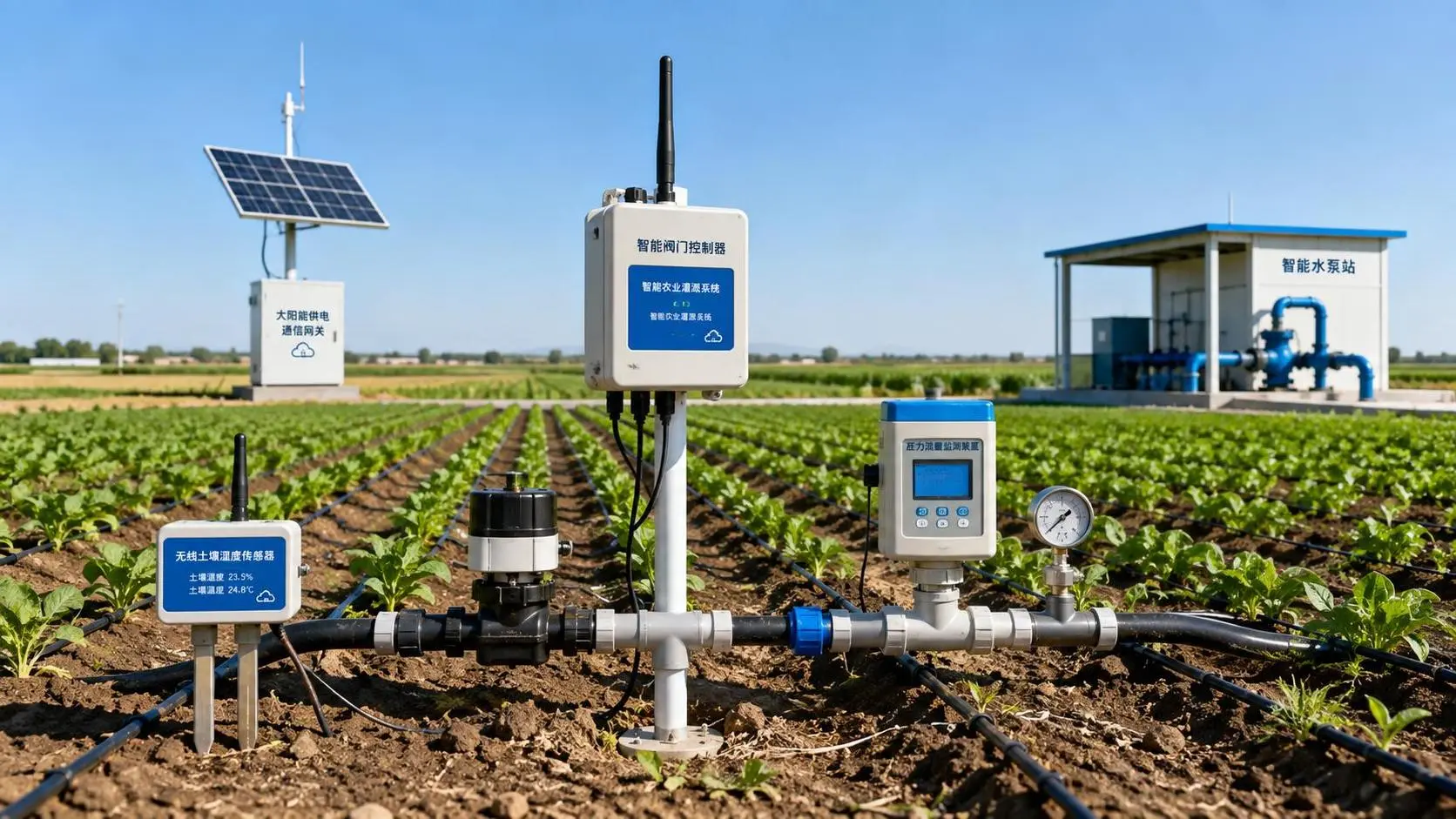
Wireless Agricultural Automation for Remote Irrigation and Field Monitoring
Agricultural automation wireless solutions improve remote irrigation with reliable field data, local control, flow verification, and smarter monitoring. Explore resilient deployment strategies.
Agricultural Product Information Market Guide: Key Data for Sourcing Decisions
Agricultural product information market guide for smarter sourcing—compare machinery, irrigation, precision tools, lifecycle costs, and supplier risk.
Large-Scale Farm Equipment Cost Comparison: Price, Fuel, and Lifecycle Value
Large-scale farm equipment cost comparison: evaluate price, fuel, maintenance, downtime, and lifecycle value to choose tractors, combines, irrigation, and smart tools with confidence.
A Procurement Specification Preparation Example for Buying Farm Equipment
Procurement specification preparation example for farm equipment: learn to define requirements, compare suppliers, control lifecycle costs, and buy with confidence.
What Tractor Horsepower Is Needed for a Three-Bottom Moldboard Plow?
What tractor horsepower is needed for three-bottom moldboard plow? Compare 60–100 hp needs by soil, depth, traction, and plow width for a confident equipment match.
How Does Climate-Smart Farming Reduce Water Use in Semi-Arid Areas?
How does climate-smart farming reduce water use in semi-arid zones? Discover precision irrigation, soil monitoring, and smarter crop planning for resilient yields.
Can Sustainable Farming Be Profitable Without Reducing Yields?
Are sustainable farming practices profitable without yield loss? Discover precision strategies that cut waste, protect yields, and improve farm margins.
Related News
- 00
0000-00
Which Implements Are Compatible With a 200 HP Tractor for Mixed Cropping? - 00
0000-00
How to Select Agricultural Hydraulic Systems for Sprayers by Flow, Pressure, and Boom Demand - 00
0000-00
Australia Tightens Carbon Rules for Hydraulic Lift System Imports - 00
0000-00
ANATEL Sets New Rules for Wireless Hydraulic Lift Systems - 00
0000-00
How Tractor Hydraulic Systems Work: Key Components, Pressure Ratings, and Lift Control
Popular Tags
Tractor Power Architect
Weekly Insights
Stay ahead with our curated technology reports delivered every Monday.