
VNR, Guangzhou Metro Sign Strategic Rail Deal





On June 1, 2026, Vietnam Railways Corporation and Guangzhou Metro Group signed a strategic agreement covering electrified operations, talent training, and technical cooperation. The development deserves attention from urban rail operators, rail technology service providers, maintenance system suppliers, and Chinese agricultural machinery exporters, because it points to a broader pattern in which mature urban rail technologies may support localized service capabilities in overseas markets.
Event Overview
According to the publicly provided information, Vietnam Railways Corporation and Guangzhou Metro Group signed a strategic cooperation agreement on June 1, 2026. The agreement covers cooperation in electrified operations, talent training, and technical collaboration.
The available information also states that Guangzhou Metro has mature experience in high-reliability hydraulic lift systems, all-wheel-drive chassis adaptation, and GPS-guided maintenance dispatch. These areas are being described as part of a reusable technology output template that may provide a new localized service support model for Chinese agricultural machinery expanding overseas.
No additional implementation timetable, project scale, investment amount, or specific procurement arrangement has been confirmed in the provided information.
Which Segments May Be Affected
Urban Rail Operators and Maintenance Teams
Urban rail operators are directly relevant because the agreement focuses on electrified operations and technical cooperation. From an industry perspective, the potential impact lies in how operational knowledge, maintenance procedures, and technical training models are transferred across markets.
For operators and maintenance teams, the main areas to watch include the standardization of electrified operation practices, the training of local technical personnel, and the possible adaptation of maintenance dispatch methods to local operating conditions.
Rail Technology and Equipment Service Providers
Rail technology service providers may be affected because the cooperation references hydraulic lift systems, all-wheel-drive chassis adaptation, and GPS-guided maintenance dispatch. These are not only single pieces of equipment or software functions; they are also linked to maintenance reliability, field response, and operational service capability.
Analysis shows that suppliers involved in lift systems, vehicle adaptation, and digital dispatch tools may need to pay closer attention to whether future cooperation creates more demand for integrated service packages rather than isolated product delivery.
Chinese Agricultural Machinery Exporters
The provided information specifically connects the urban rail technology experience with a localized service support model for Chinese agricultural machinery going overseas. This makes agricultural machinery exporters a key group to watch, even though the agreement itself is between railway and metro entities.
It is more appropriate to understand this as a potential service model signal rather than a confirmed business result. For machinery exporters, the relevance lies in whether mature maintenance scheduling, chassis adaptation experience, and field support systems can improve overseas after-sales service and local operating support.
Hydraulic Lift and Chassis Adaptation Suppliers
Suppliers related to high-reliability hydraulic lift systems and all-wheel-drive chassis adaptation may see indirect influence from this cooperation. The reason is that these technical areas are mentioned as part of Guangzhou Metro’s mature experience and may become reference points for broader technology output.
Observably, the impact would mainly appear in technical compatibility requirements, reliability expectations, and the need to adapt equipment or platforms to different overseas usage environments. However, specific orders or projects have not been confirmed in the provided information.
GPS-Guided Maintenance Dispatch and Supply Chain Service Providers
GPS-guided maintenance dispatch is another area highlighted in the information. This matters for service providers because overseas equipment operation often depends not only on hardware delivery but also on response speed, technician allocation, and maintenance visibility.
From an industry perspective, companies offering dispatch systems, maintenance coordination tools, or field service platforms should monitor whether this cooperation encourages more structured service management models in overseas infrastructure and machinery markets.
What Companies and Practitioners Should Watch and How to Respond
Monitor Follow-Up Official Information
Companies should first track any future official statements from Vietnam Railways Corporation and Guangzhou Metro Group. Current public information confirms the signing of a strategic agreement, but does not confirm project timelines, procurement details, or implementation scope.
For practical response, companies should avoid treating the agreement as an immediate purchasing signal. Instead, they should organize internal tracking of confirmed announcements, especially those related to electrified operations, training programs, and technical cooperation mechanisms.
Focus on the Service Links Mentioned in the Agreement
Currently, what deserves more attention is the service chain behind the technologies mentioned: hydraulic lift reliability, chassis adaptation, and GPS-based maintenance dispatch. These areas may influence how overseas support systems are designed for rail and machinery applications.
Relevant companies can review whether their existing products, spare parts systems, technician training materials, and maintenance response processes are suitable for overseas localization. This is especially relevant for agricultural machinery exporters that need stronger local support after equipment delivery.
Distinguish Strategic Signals from Business Implementation
Analysis shows that the agreement should not be interpreted as proof that a complete technology export system has already been fully implemented. The available information indicates a strategic cooperation framework and highlights applicable technical experience, but does not provide confirmed commercial results.
Companies should therefore separate market monitoring from operational commitment. Early preparation is useful, but inventory expansion, staffing changes, or local investment decisions should depend on clearer implementation details.
Prepare for Cross-Sector Localization Requirements
It is more appropriate to understand this event as a reminder that overseas localization may increasingly depend on transferable service capabilities across sectors. Urban rail maintenance experience may provide references for machinery service networks, particularly in scheduling, technical training, and reliability management.
Enterprises involved in equipment exports can prepare by mapping local service partners, identifying training gaps, and reviewing whether maintenance dispatch data can support faster field response. These steps are directly connected to the technologies mentioned in the cooperation and do not require assuming unconfirmed project outcomes.
Editor’s View / Industry Observation
Observably, this cooperation is significant not only because it links a Vietnamese railway entity with a Chinese metro operator, but also because it highlights the outward movement of urban rail operational and maintenance experience. The key industry implication is that technology export may increasingly include training, dispatch systems, and localized maintenance methods, not only equipment supply.
From an industry perspective, the event currently looks more like a strategic signal than a completed market result. The confirmed information points to a cooperation framework and relevant technical experience, while the actual scale and business impact still require further observation.
Current attention should therefore focus on whether the agreement leads to clearer implementation steps in electrified operations, personnel training, and technical collaboration. For Chinese agricultural machinery exporters, the more practical issue is whether similar service-support templates can improve local response capability in overseas markets.
Conclusion
The June 1, 2026 strategic agreement between Vietnam Railways Corporation and Guangzhou Metro Group carries industry significance beyond the rail sector itself. It connects urban rail technical cooperation with broader questions about localized service support, maintenance reliability, and technology transfer.
A neutral reading is that this development should be viewed as an early but important signal. It does not yet confirm specific commercial outcomes, but it does indicate that mature urban rail service experience may become a reference model for other equipment sectors, including Chinese agricultural machinery expanding overseas.
Information Source Statement
Main sources: publicly provided event information on the strategic agreement between Vietnam Railways Corporation and Guangzhou Metro Group dated June 1, 2026.
Items requiring continued observation: follow-up official statements, implementation schedule, cooperation scope, technical application details, procurement arrangements, and any confirmed links to localized service support for overseas agricultural machinery markets.
Related News
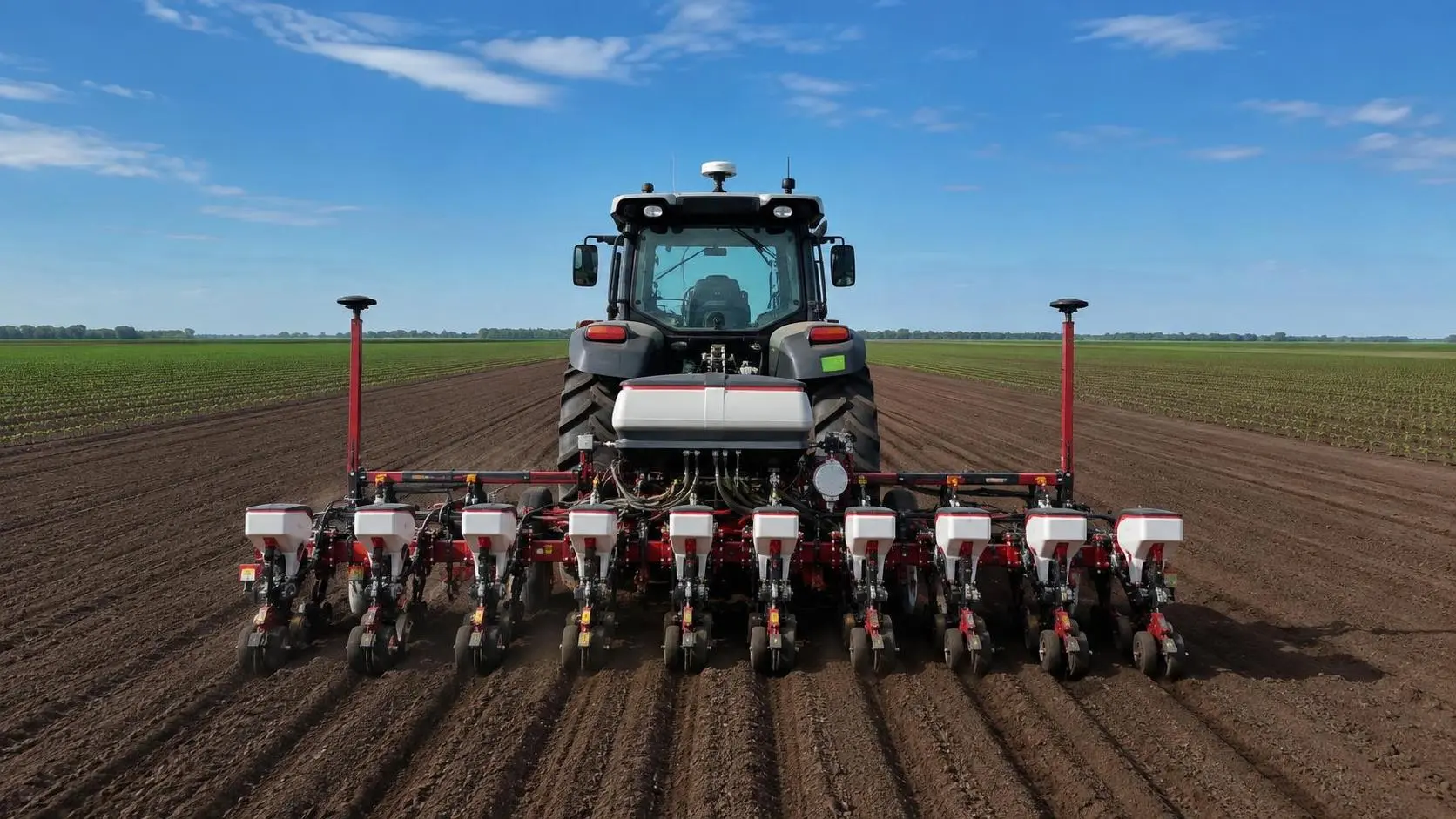
How Tractor Intelligence Systems Improve Field Efficiency and Input Accuracy
Agricultural machinery intelligence for tractors improves field efficiency, input accuracy, data traceability, and implement control. Explore smarter evaluation strategies.
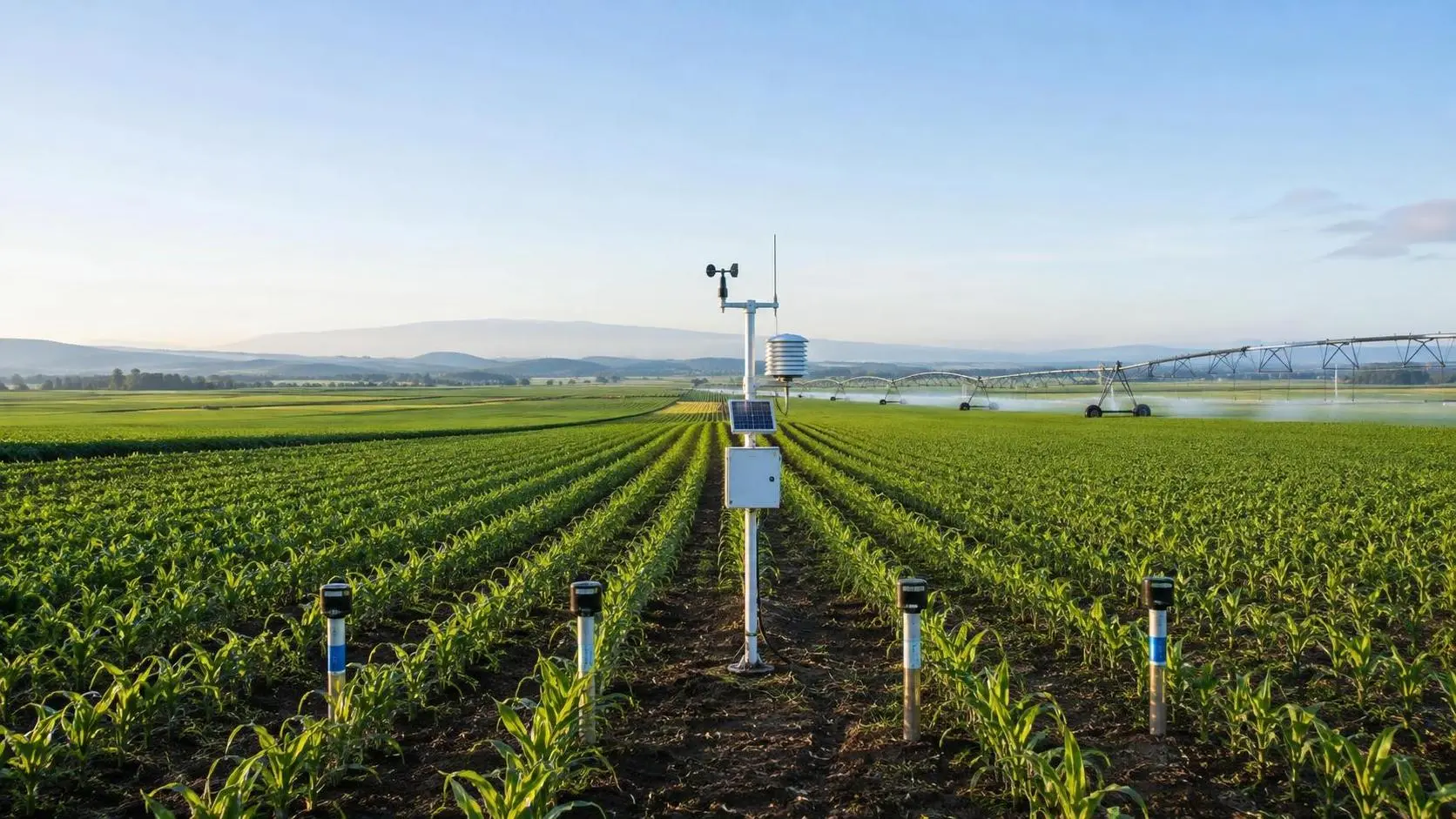
How to Evaluate Crop Monitoring System Manufacturers for Large-Scale Farms
Compare crop monitoring systems manufacturers for large-scale farms. Evaluate data quality, integration, durability, lifecycle costs, support, and pilots for smarter decisions.
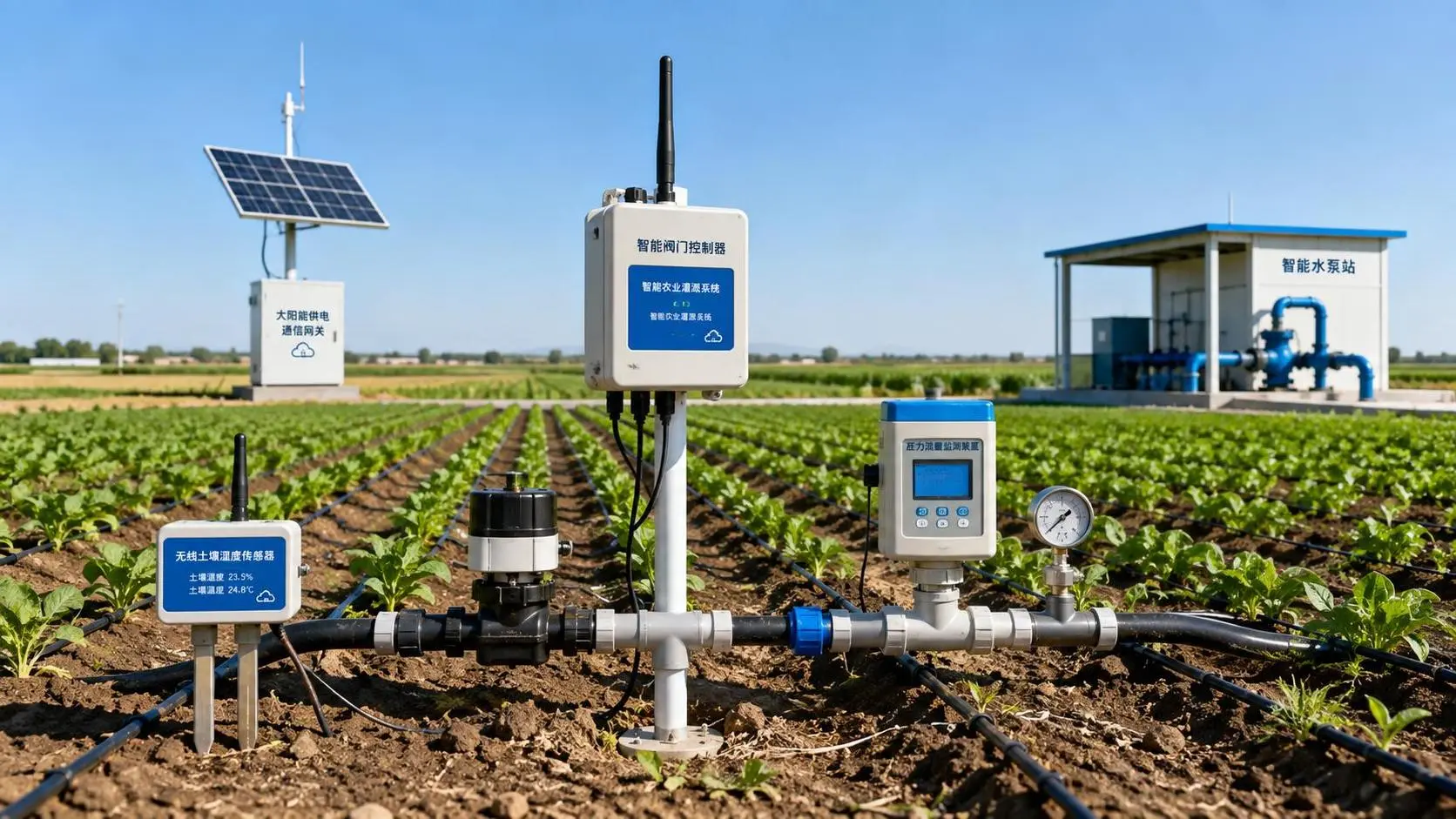
Wireless Agricultural Automation for Remote Irrigation and Field Monitoring
Agricultural automation wireless solutions improve remote irrigation with reliable field data, local control, flow verification, and smarter monitoring. Explore resilient deployment strategies.
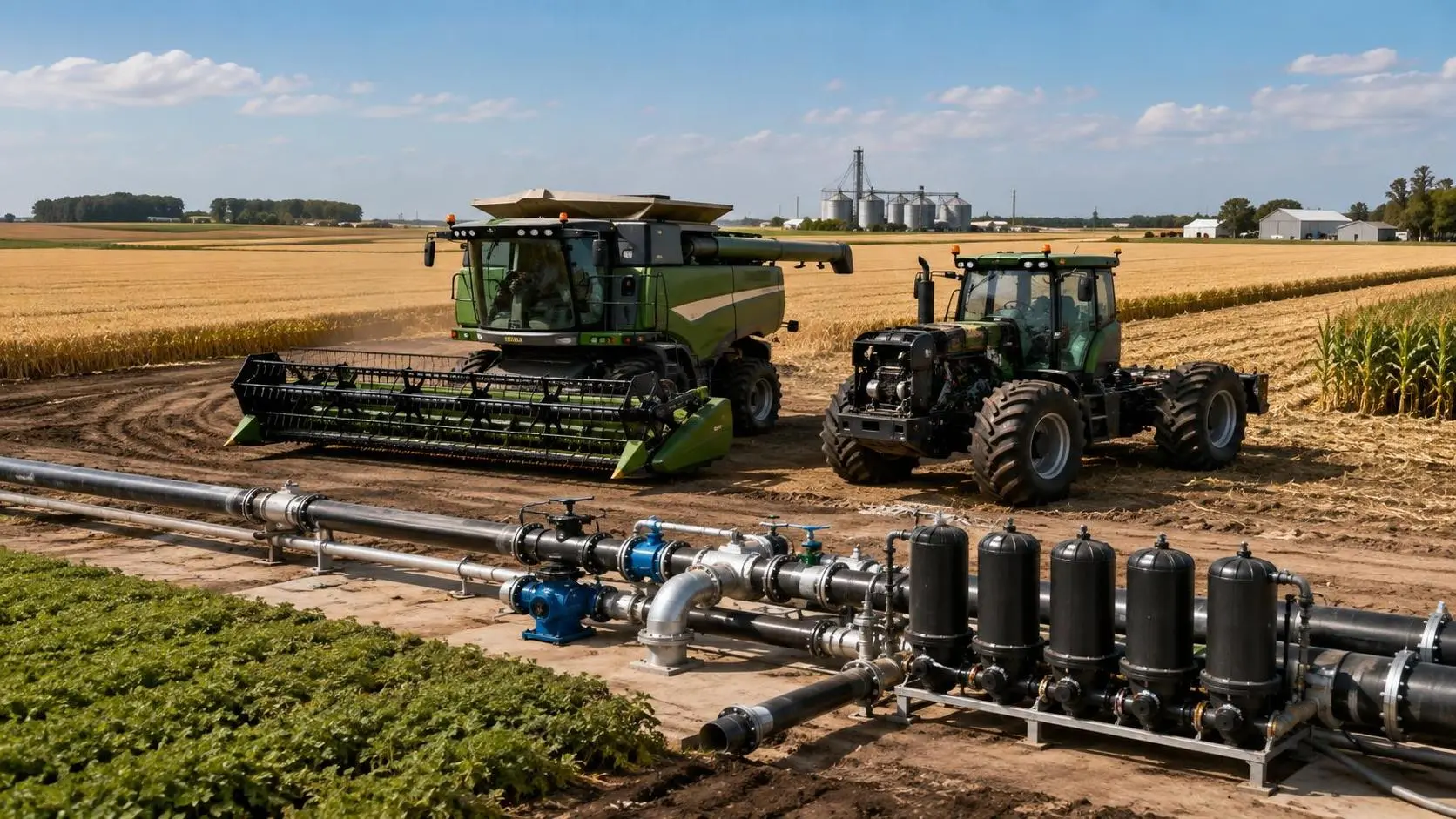
Agricultural Product Information Market Guide: Key Data for Sourcing Decisions
Agricultural product information market guide for smarter sourcing—compare machinery, irrigation, precision tools, lifecycle costs, and supplier risk.

Large-Scale Farm Equipment Cost Comparison: Price, Fuel, and Lifecycle Value
Large-scale farm equipment cost comparison: evaluate price, fuel, maintenance, downtime, and lifecycle value to choose tractors, combines, irrigation, and smart tools with confidence.
A Procurement Specification Preparation Example for Buying Farm Equipment
Procurement specification preparation example for farm equipment: learn to define requirements, compare suppliers, control lifecycle costs, and buy with confidence.
What Tractor Horsepower Is Needed for a Three-Bottom Moldboard Plow?
What tractor horsepower is needed for three-bottom moldboard plow? Compare 60–100 hp needs by soil, depth, traction, and plow width for a confident equipment match.
How Does Climate-Smart Farming Reduce Water Use in Semi-Arid Areas?
How does climate-smart farming reduce water use in semi-arid zones? Discover precision irrigation, soil monitoring, and smarter crop planning for resilient yields.

Can Sustainable Farming Be Profitable Without Reducing Yields?
Are sustainable farming practices profitable without yield loss? Discover precision strategies that cut waste, protect yields, and improve farm margins.
Related News
- 00
0000-00
Which Implements Are Compatible With a 200 HP Tractor for Mixed Cropping? - 00
0000-00
How to Select Agricultural Hydraulic Systems for Sprayers by Flow, Pressure, and Boom Demand - 00
0000-00
Australia Tightens Carbon Rules for Hydraulic Lift System Imports - 00
0000-00
ANATEL Sets New Rules for Wireless Hydraulic Lift Systems - 00
0000-00
How Tractor Hydraulic Systems Work: Key Components, Pressure Ratings, and Lift Control
Popular Tags
Tractor Power Architect
Weekly Insights
Stay ahead with our curated technology reports delivered every Monday.