
EU REACH Tightens Nickel Release Limits, Raising Costs for Hydraulic Lift Parts
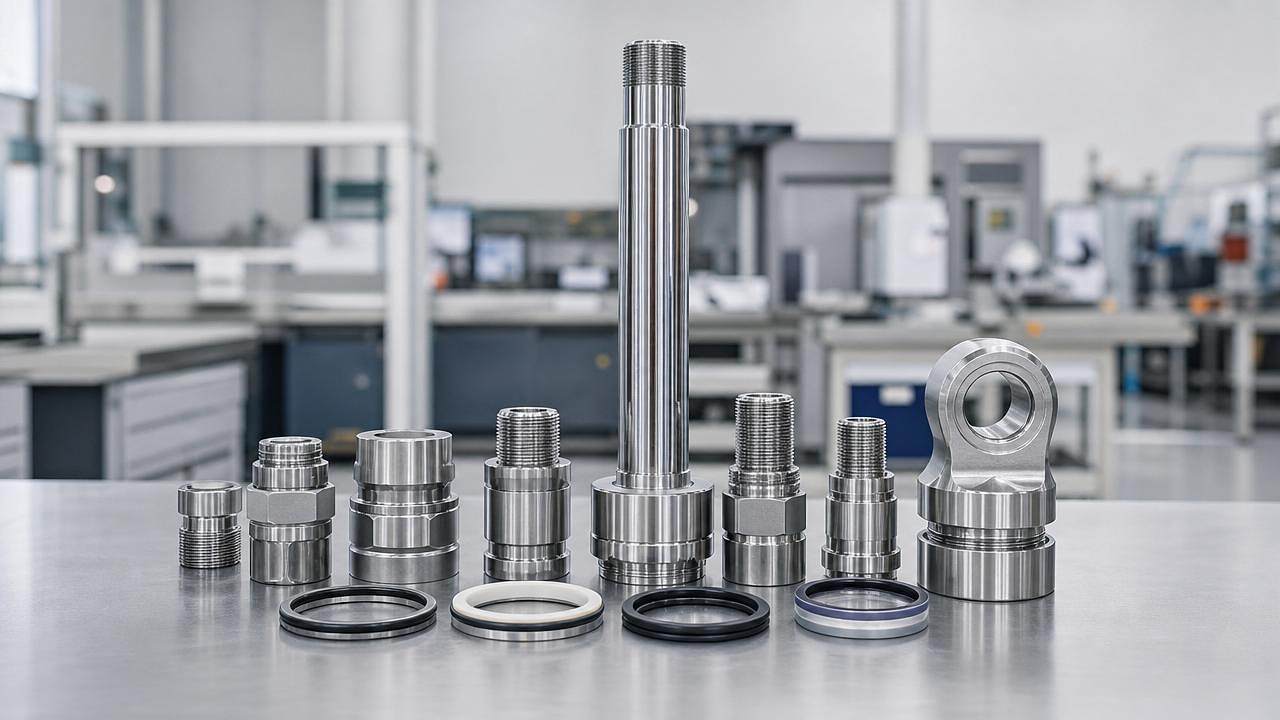




Brussels, May 23, 2026 — The European Chemicals Agency (ECHA) updated Annex XVII of the REACH Regulation on May 23, 2026, lowering the permissible nickel release limit from 0.5 μg/cm²/week to 0.2 μg/cm²/week. This revision directly affects metal components in hydraulic lift systems—particularly nickel-plated piston rods, fittings, and sealing elements—triggering compliance adjustments across global supply chains serving the EU market.
Event Overview
The European Chemicals Agency (ECHA) formally adopted the amendment to Annex XVII of Regulation (EC) No 1907/2006 (REACH) on May 23, 2026. The revised limit applies to articles intended for prolonged skin contact, including mechanical parts that may be handled during installation, maintenance, or operation. Hydraulic lift system spare parts—specifically those incorporating nickel-plated surfaces—are now subject to the stricter 0.2 μg/cm²/week threshold. Multiple EU importers have since requested EN 1811:2024-compliant test reports from Chinese suppliers as a condition for continued orders.
Industries Affected
Direct Exporters (Trade Enterprises)
Export-oriented firms supplying hydraulic lift spares to EU customers face immediate commercial pressure: non-compliant shipments risk customs rejection or post-import enforcement actions. The requirement for EN 1811:2024 testing—replacing earlier versions—introduces new documentation timelines and third-party verification costs. As a result, pricing negotiations with EU buyers are increasingly conditioned on verified compliance, reducing margin flexibility.
Raw Material Procurement Firms
Suppliers sourcing nickel plating chemicals, passivation agents, or pre-plated substrates must reassess vendor certifications and batch traceability. The tightened limit necessitates tighter control over plating bath composition, current density, and post-treatment rinsing—factors previously managed under less stringent quality protocols. Procurement teams now need to verify whether raw material suppliers can support reproducible low-nickel-release surface finishes, not just aesthetic or corrosion performance.
Manufacturing & Finishing Facilities
Contract manufacturers and electroplating service providers must upgrade process validation protocols. Achieving consistent sub-0.2 μg/cm²/week release requires recalibration of deposition parameters, enhanced surface cleaning prior to plating, and implementation of accelerated wear simulation tests per EN 1811:2024. Pilot runs and requalification of existing production lines are now necessary before resuming EU-bound shipments.
Supply Chain Service Providers
Testing laboratories, certification bodies, and logistics intermediaries handling REACH documentation are experiencing increased demand for EN 1811:2024 test capacity and technical advisory services. Lead times for accredited nickel release testing have extended by 5–7 working days in several EU-accredited labs. Concurrently, customs brokers report rising queries regarding REACH conformity declarations for mechanical spare parts—previously treated as low-risk under older interpretations.
Key Considerations and Recommended Actions
Verify product classification under REACH Article 3(3)
Not all hydraulic components qualify as “articles intended for prolonged skin contact.” Firms should conduct a functional use assessment—not just a materials review—to determine applicability. Components installed inside sealed housings or requiring tools for handling may fall outside the scope, pending case-specific evaluation.
Prioritize EN 1811:2024 test validation for high-volume SKUs
Given cost implications, manufacturers should triage spare part portfolios: begin with items most frequently handled during maintenance (e.g., piston rods, adjustment nuts, mounting brackets) and defer testing for fully enclosed or tool-only components until regulatory guidance clarifies borderline cases.
Engage plating vendors early on process capability data
Requiring suppliers to submit historical nickel release data—measured per EN 1811:2024—supports faster internal qualification. Shared process audits (e.g., bath analysis logs, rinse water conductivity records) help identify root causes of variability, rather than relying solely on end-product test reports.
Editorial Perspective / Industry Observation
Observably, this amendment signals a broader regulatory shift toward lifecycle-based exposure assessment—not just substance presence—in REACH enforcement. While nickel has long been regulated under Annex XVII, the 60% reduction reflects growing emphasis on real-world dermal exposure scenarios, especially for industrial maintenance personnel. Analysis shows the change is less about eliminating nickel use and more about tightening process accountability: firms achieving compliance via optimized plating control (rather than substitution) are emerging as early adaptors. From an industry perspective, this tightening is better understood as a catalyst for upgrading surface engineering capabilities—not merely a cost burden.
Conclusion
This update reinforces that regulatory compliance in precision mechanical sectors is increasingly inseparable from manufacturing process transparency and metrological rigor. For hydraulic lift system suppliers, the path forward lies not in reactive certification, but in embedding test-ready design principles—such as controlled surface geometry, standardized post-plating aging, and documented bath management—into core production systems. The 12% estimated cost increase is a near-term signal; the longer-term implication is structural differentiation among suppliers capable of verifiable, repeatable low-release performance.
Source Attribution
Official text: ECHA Annex XVII Amendment Entry 27 (adopted May 23, 2026), published in the Official Journal of the European Union (C-series).
Test standard reference: EN 1811:2024, Reference test method for release of nickel from all post assemblies which are inserted into pierced parts of the human body and articles intended to come into direct and prolonged contact with the skin.
Note: Enforcement timelines, transitional arrangements, and official guidance documents remain pending publication by ECHA and EU Member State competent authorities—these will be monitored closely in upcoming updates.
Related News

How to Specify Combine Harvester Systems for High-Moisture Grain and Variable Field Conditions
Combine harvester systems for high-moisture grain: learn how to specify threshing, cleaning, headers, traction, and automation for reliable harvests in variable fields.
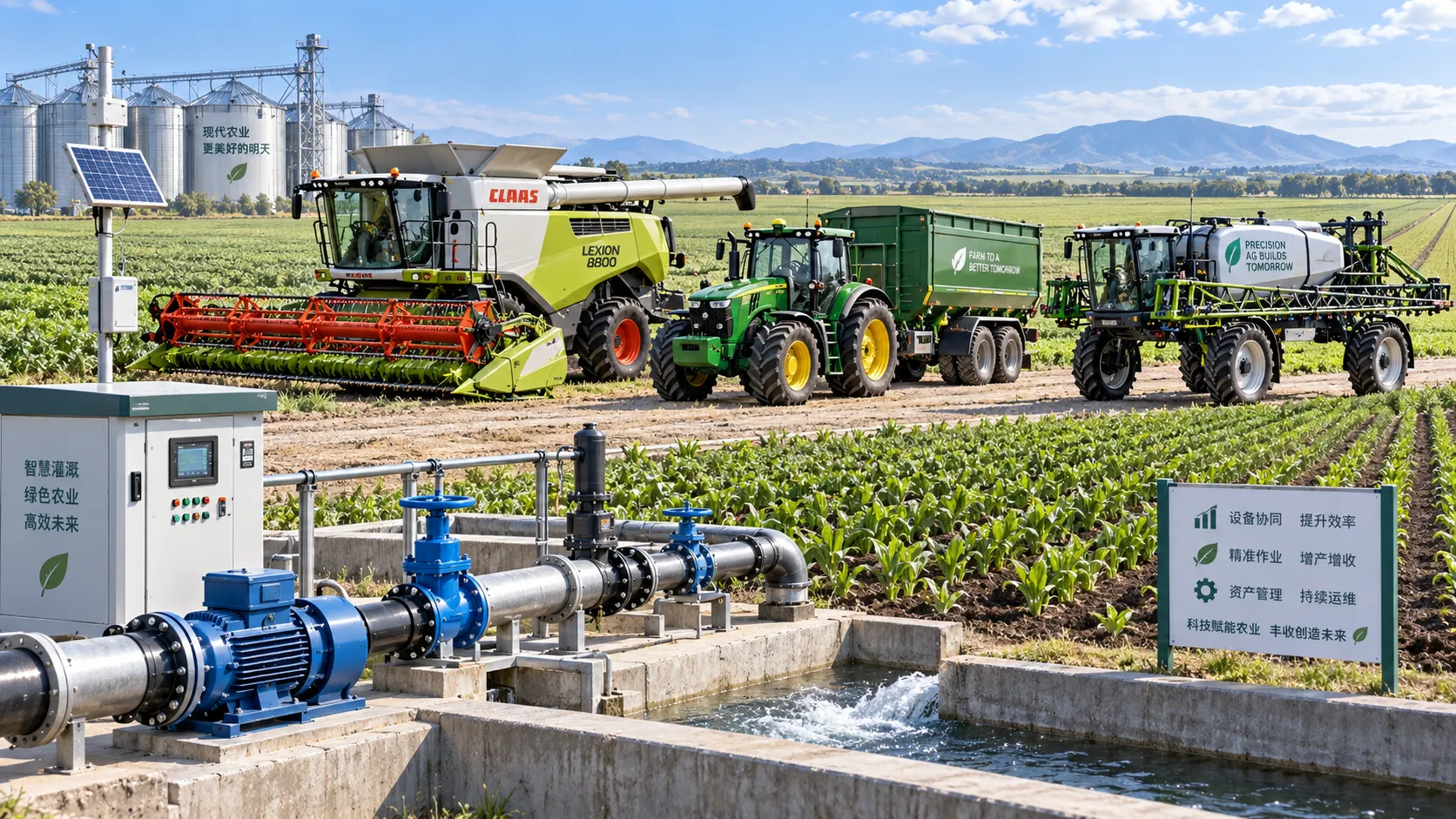
How to Compare Agricultural Equipment Platforms for Fleet Management and ROI
Agricultural equipment platform comparison: evaluate fleet data, maintenance, precision workflows, and ROI to choose a system that delivers measurable results.
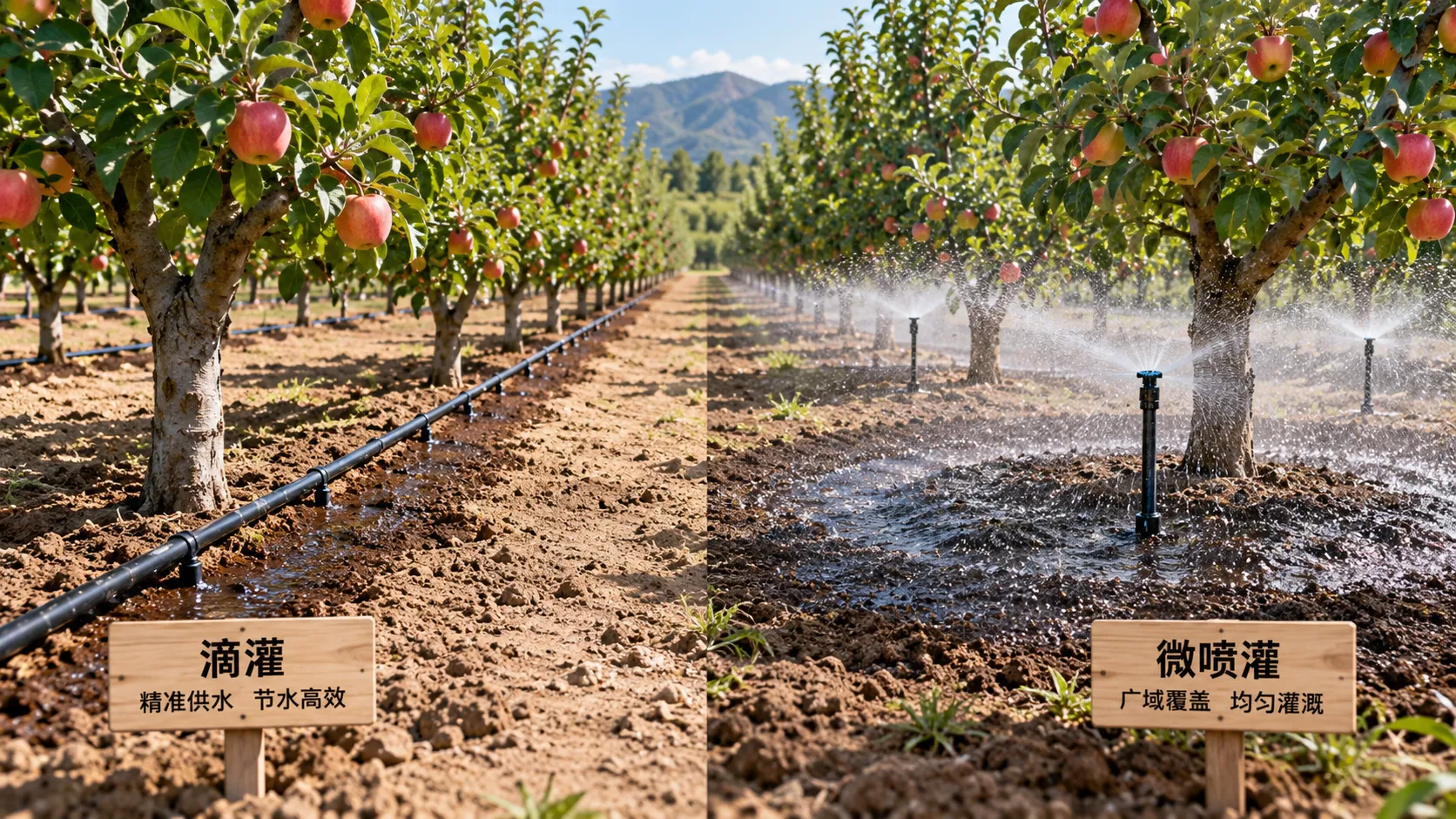
Drip vs. Micro-Sprinkler Irrigation: Which System Fits Your Orchard?
Irrigation solution comparison for orchards: discover whether drip or micro-sprinklers best match your water, soil, roots, fertigation, and frost needs.
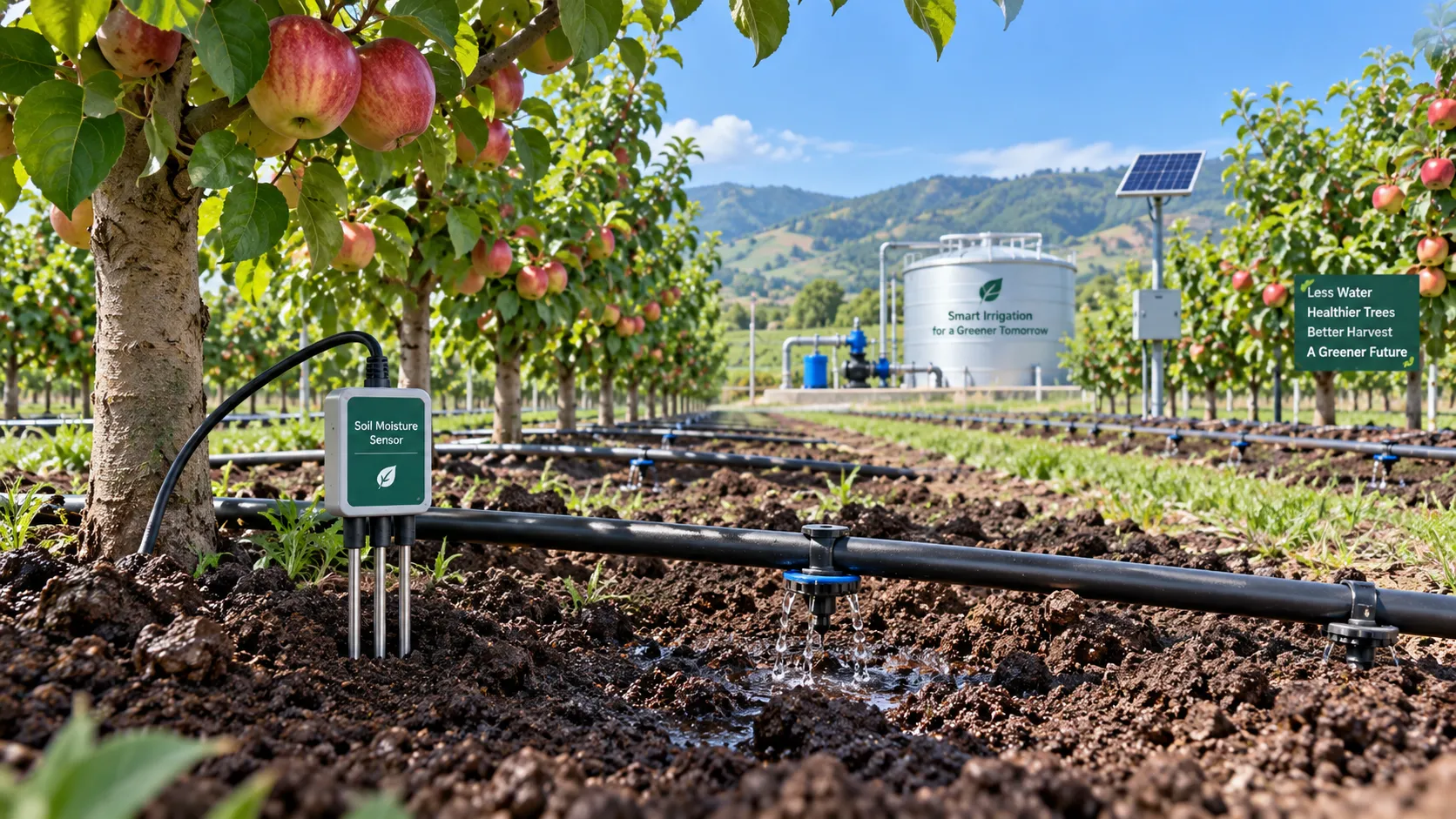
Orchard Water Management: Using Soil Moisture Data to Schedule Irrigation
Agricultural water management for orchards made practical: use soil moisture data to optimize irrigation timing, protect yield, reduce costs, and improve resilience.
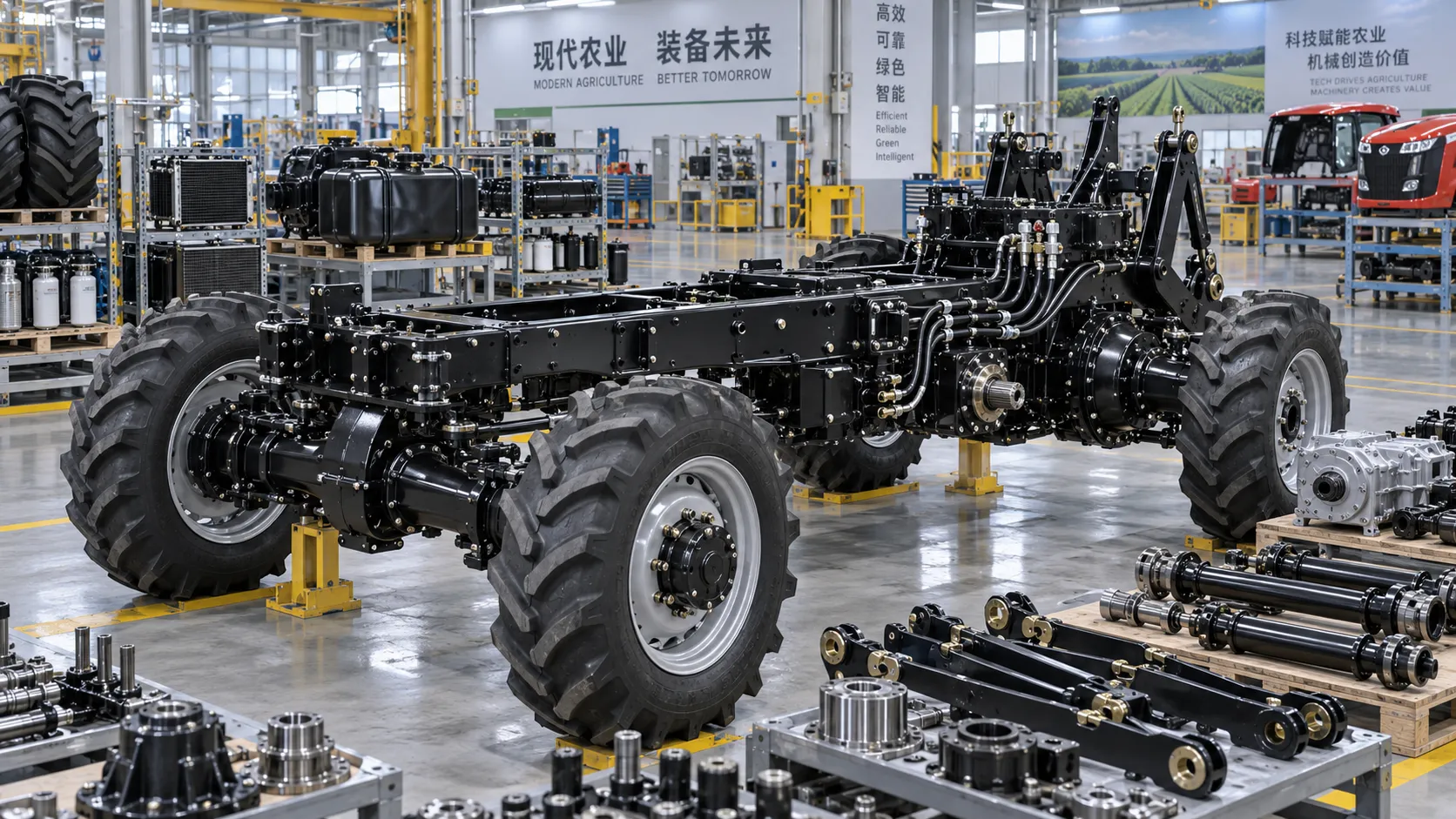
Tractor Chassis Price: What Buyers Should Compare Beyond the Initial Quote
Tractor chassis price is only the start. Compare load capacity, compatibility, durability, and lifecycle costs to choose a reliable, high-value chassis.
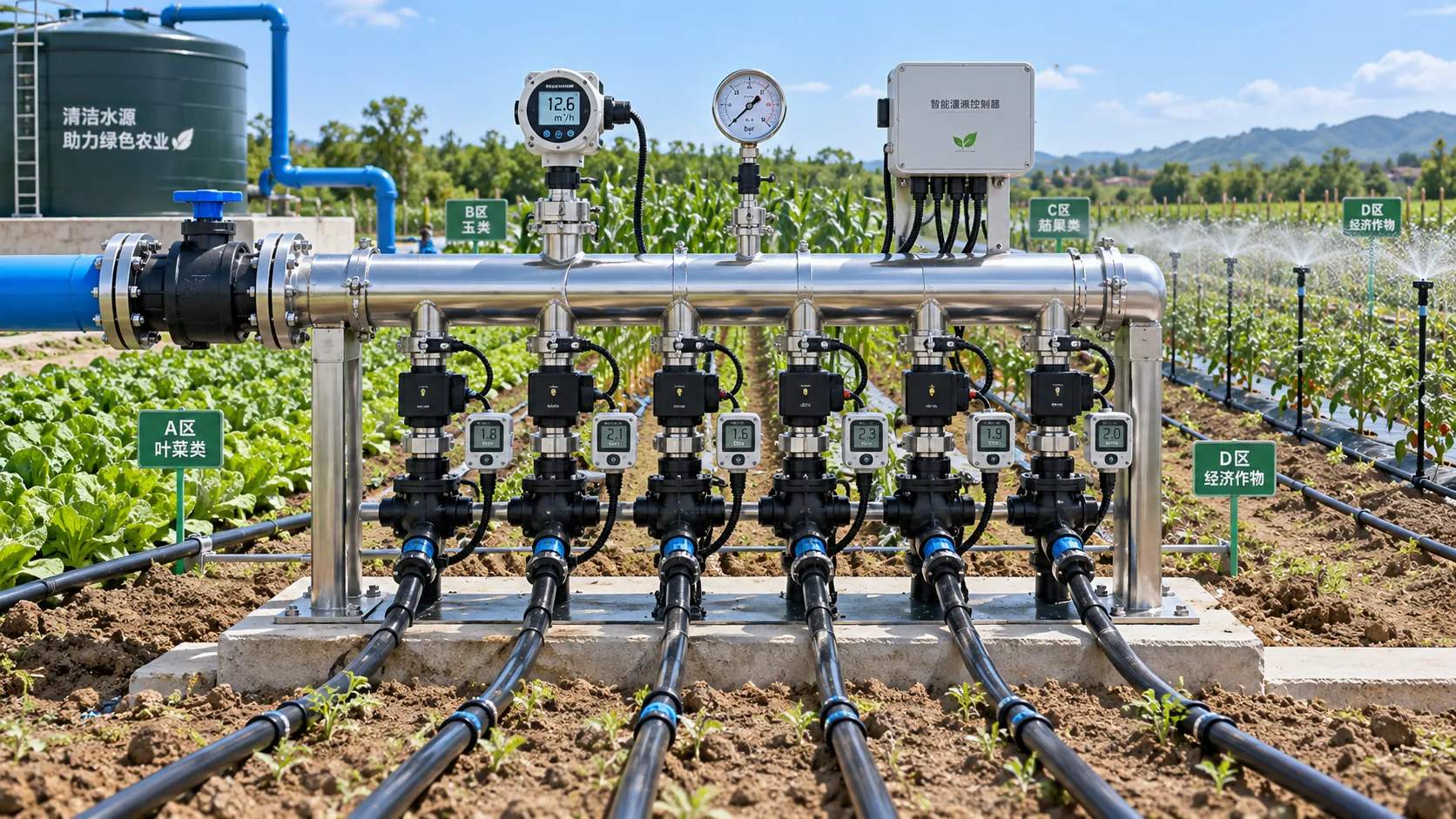
How to Select Smart Irrigation Valves for Multi-Zone Water Management?
Intelligent irrigation systems valves: learn how to match smart valves with multi-zone flow, pressure, control, feedback, and communication needs for reliable water management.
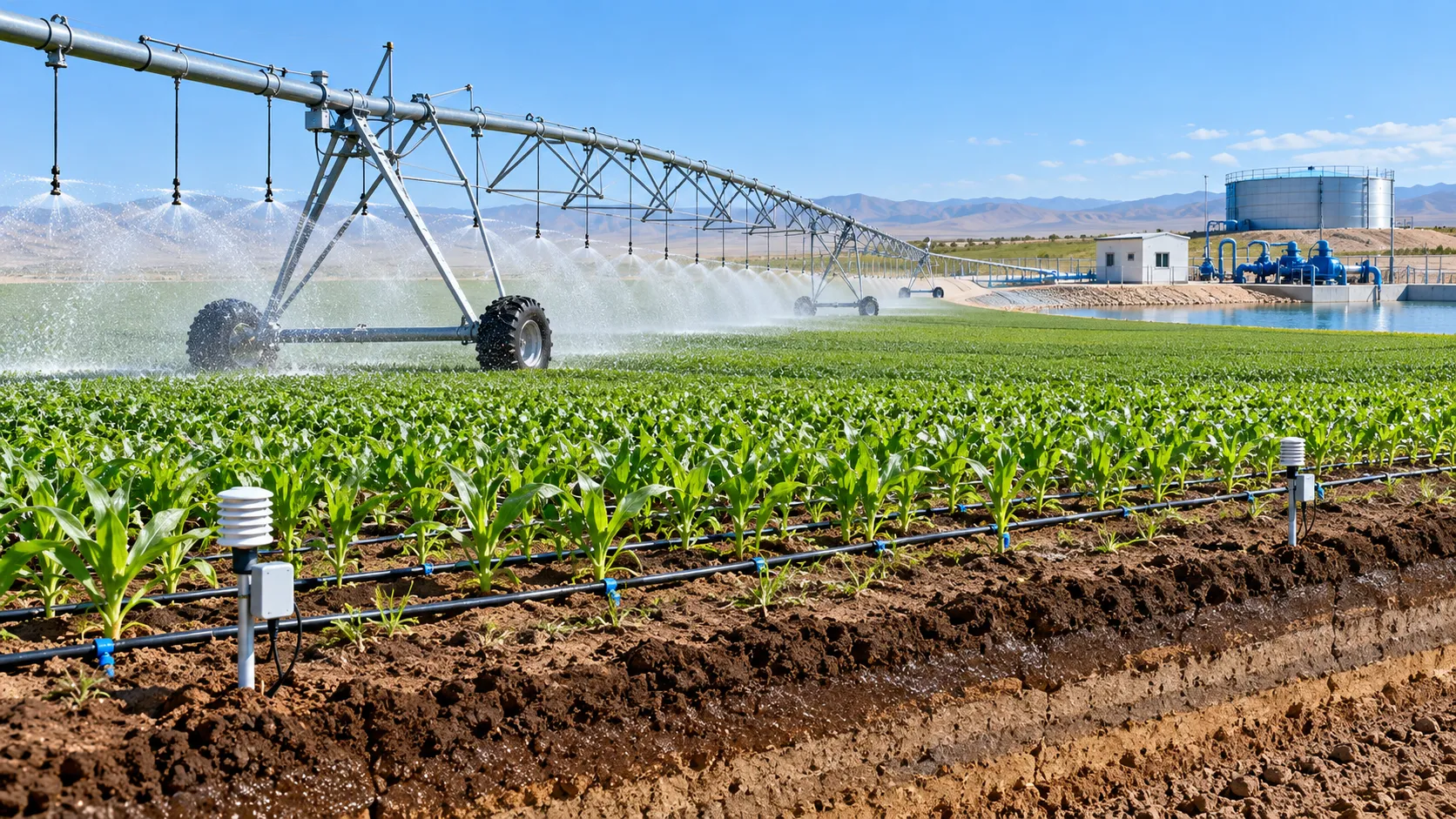
Climate-Smart Farming for Drought: A Practical Plan for Protecting Yields
Climate-smart farming for drought: build smarter water budgets, protect critical crop stages, improve irrigation uniformity, and safeguard yields with practical field-proven strategies.

How Digital Agriculture Platforms Turn Field Data Into Better Input Decisions
Digital agriculture platforms turn field data into smarter fertilizer, water, seed, and equipment decisions—helping farms cut risk, improve margins, and scale sustainability.
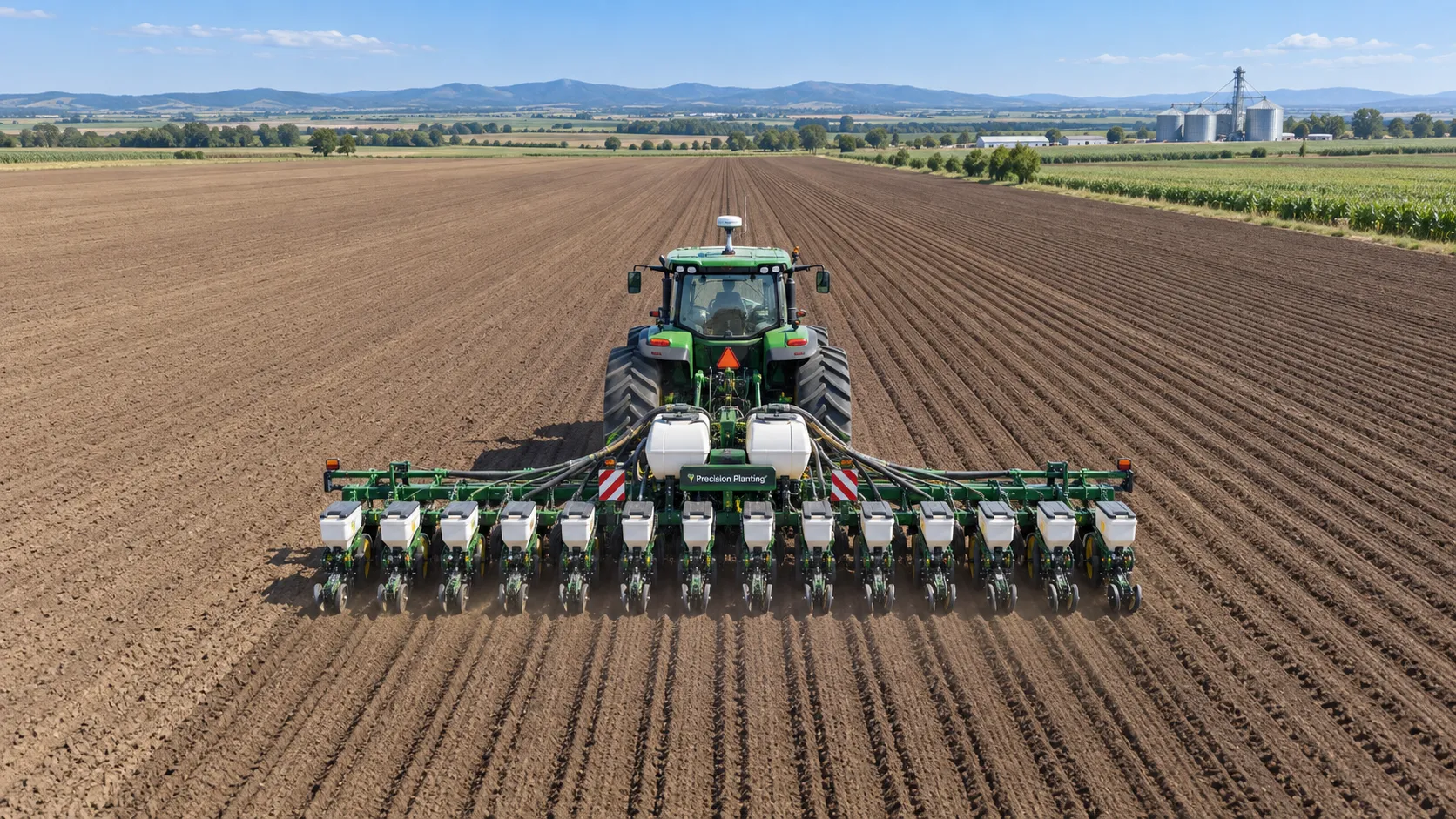
GPS-Guided Farm Machinery: Where It Delivers Measurable Field Efficiency Gains
Agri-mechanization GPS guided systems deliver measurable field efficiency gains through reduced overlap, precise planting, smarter inputs, and reliable farm data.
Related News
- 00
0000-00
Tractor Hydraulic Systems Troubleshooting: Diagnosing Weak Lift and Slow Implements - 00
0000-00
Which Implements Are Compatible With a 200 HP Tractor for Mixed Cropping? - 00
0000-00
How to Select Agricultural Hydraulic Systems for Sprayers by Flow, Pressure, and Boom Demand - 00
0000-00
Australia Tightens Carbon Rules for Hydraulic Lift System Imports - 00
0000-00
ANATEL Sets New Rules for Wireless Hydraulic Lift Systems
Popular Tags
Tractor Power Architect
Weekly Insights
Stay ahead with our curated technology reports delivered every Monday.