
When do hydraulic control systems for combine harvesters fail?
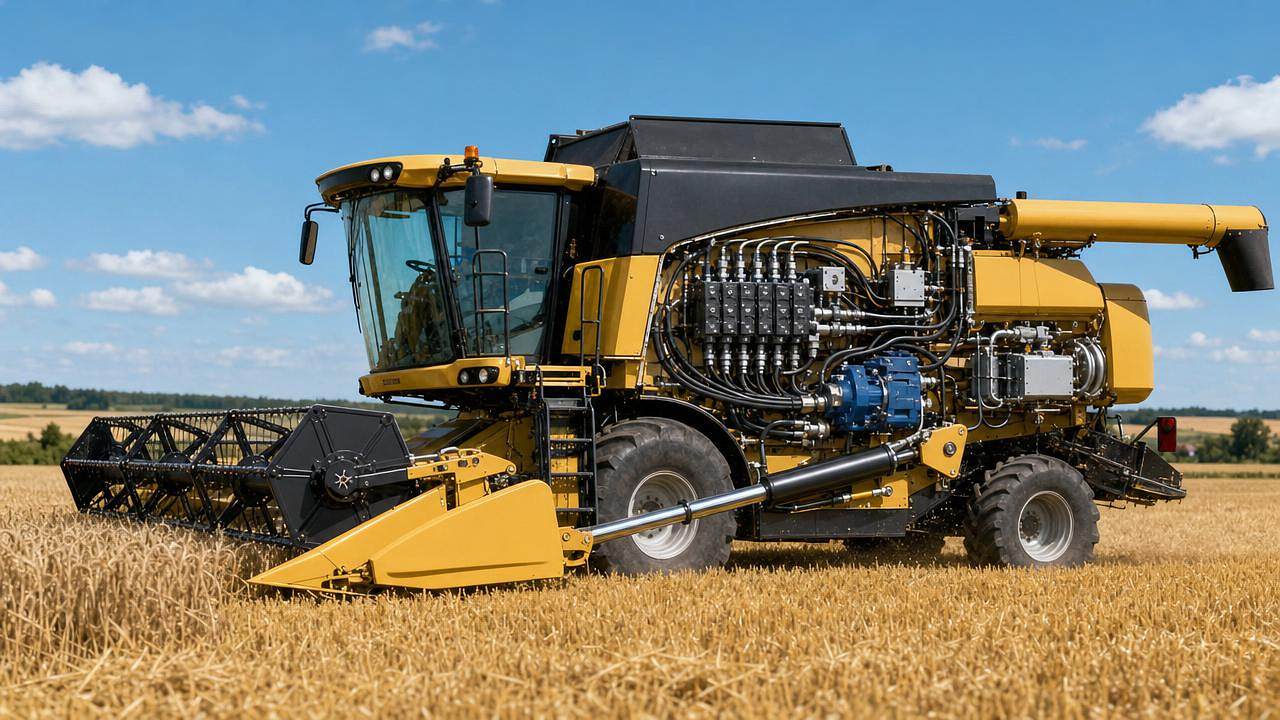




When Do Hydraulic Control Systems for Combine Harvesters Fail?
For after-sales maintenance teams, knowing when hydraulic control systems for combine harvesters fail is critical to preventing harvest delays, crop losses, and costly field downtime.
Failures rarely happen without warning. They often emerge through slow actuator response, unstable header height, overheating oil, pressure fluctuation, or contaminated hydraulic circuits.
This FAQ-style guide explains failure moments, root causes, and inspection priorities for hydraulic control systems for combine harvesters during demanding harvesting conditions.
What are hydraulic control systems for combine harvesters?
Hydraulic control systems for combine harvesters convert engine power into controlled movement for cutting, feeding, threshing support, steering, unloading, and ground adaptation.
They usually include pumps, valves, cylinders, hoses, filters, reservoirs, sensors, electronic controllers, and pressure protection components.
In modern machines, hydraulic response is closely linked with software logic, automatic header control, terrain following, and crop flow stabilization.
That means failure is not only a mechanical issue. It may involve oil quality, sensor feedback, electrical signals, or calibration drift.
For AP-Strategy’s Agriculture 4.0 focus, hydraulic reliability connects field productivity, low-loss harvesting, operator comfort, and sustainability targets.
When hydraulic control systems for combine harvesters work correctly, they support stable cutting height and efficient crop intake.
When they weaken, the entire harvesting chain becomes unstable, even if the engine and threshing components remain healthy.
When do hydraulic control systems for combine harvesters most often fail?
Hydraulic control systems for combine harvesters most often fail during peak load, hot weather, long working hours, and sudden crop condition changes.
Failures are common after machines enter dense crops, wet straw, sloped fields, or dusty harvesting environments with poor cooling airflow.
Another frequent moment is the first intensive operation after storage, especially when oil has aged or seals have hardened.
Hydraulic issues also appear after hose replacement, incorrect filter installation, uncontrolled oil mixing, or rushed field repairs.
The system may operate normally at idle, then fail under load when pressure, temperature, and flow demand rise together.
Common high-risk timing includes:
- First harvesting day after seasonal storage.
- Continuous operation beyond normal maintenance intervals.
- Harvesting under high ambient temperatures.
- Working in dusty fields with blocked coolers.
- Operating heavy headers or attachments.
- After emergency hose, pump, or valve repairs.
These moments increase stress on hydraulic control systems for combine harvesters and expose weak components quickly.
What warning signs appear before hydraulic failure?
Warning signs often appear before complete shutdown. The problem is that they are sometimes mistaken for normal machine fatigue.
Slow header lift is one of the clearest early symptoms. It can indicate low pressure, internal leakage, or pump wear.
Unstable header height suggests poor valve control, sensor error, air in the circuit, or inconsistent oil flow.
Oil overheating is another major signal. Heat reduces viscosity and accelerates wear inside pumps, valves, and seals.
Hydraulic noise, cavitation, vibration, and foaming oil indicate air entry, restricted suction, or unsuitable fluid level.
If hydraulic control systems for combine harvesters show pressure oscillation, the cause may be contamination or relief valve instability.
Electronic warning codes should not be ignored. They may reveal sensor disagreement before mechanical symptoms become visible.
Why do hydraulic control systems for combine harvesters fail under load?
Load exposes hidden weaknesses because hydraulic demand rises faster than the system can compensate.
A worn pump may deliver acceptable flow at low pressure. Under load, flow drops and actuator response becomes delayed.
Contaminated oil can block precision valve passages. This causes sticking, delayed switching, or uneven cylinder motion.
High temperature worsens the situation. Thin oil leaks internally across valve spools, cylinder seals, and pump clearances.
Hydraulic control systems for combine harvesters also fail when filters bypass after becoming clogged with debris.
Once bypass occurs, particles circulate through the system and damage critical surfaces rapidly.
Wrong oil specification is another common cause. Incorrect viscosity or additive compatibility can reduce lubrication and seal life.
In intelligent harvesters, software and sensor issues can create similar symptoms. Poor calibration may command incorrect valve movement.
A pressure test alone may not identify the full problem. Technicians should combine pressure, flow, temperature, and diagnostic code checks.
Key root causes to prioritize
- Oil contamination from dust, water, metal particles, or degraded fluid.
- Pump efficiency loss caused by wear or cavitation.
- Valve sticking caused by debris or varnish.
- Cylinder leakage through damaged piston seals.
- Heat buildup from restricted cooling or internal leakage.
- Electrical faults affecting proportional valve commands.
How can field teams distinguish hydraulic failure from electrical or mechanical faults?
Many symptoms overlap. A header that will not lift may involve hydraulic pressure, electrical control, or mechanical binding.
Start with simple observations. Check oil level, visible leaks, hose damage, filter indicators, and abnormal temperature.
Then compare manual operation with automatic control. If manual control works, sensor or controller logic may be responsible.
If both manual and automatic functions fail, pressure supply or valve actuation should be tested first.
Hydraulic control systems for combine harvesters require measurement, not guesswork. Visual inspection alone cannot confirm pump health.
Use pressure gauges at correct test ports. Compare results with manufacturer service data under specified engine speed and oil temperature.
A thermal camera can identify hot valve sections, restricted lines, or components leaking internally under pressure.
Electrical checks should include voltage supply, ground quality, connector corrosion, coil resistance, and proportional valve command signals.
Which maintenance practices reduce failure risk?
Preventive maintenance is the strongest defense against failures in hydraulic control systems for combine harvesters.
Oil cleanliness should be treated as a performance requirement, not only a maintenance routine.
Use the specified hydraulic oil grade. Avoid mixing fluids unless compatibility is confirmed by official technical guidance.
Replace filters on schedule, but also inspect filter media when failures occur. Debris type can reveal component wear patterns.
Clean coolers daily in dusty fields. Temperature control protects pumps, seals, electronic valves, and oil stability.
Before peak harvest, test critical circuits under realistic load. Static yard checks may miss heat-related performance loss.
Hydraulic control systems for combine harvesters should also be checked after software updates, sensor replacement, or header changes.
Calibration matters because automatic header height control depends on accurate position feedback and responsive valve movement.
Pre-harvest inspection checklist
- Confirm oil type, level, color, odor, and contamination signs.
- Inspect hoses for cracking, swelling, abrasion, and loose clamps.
- Check filter indicators and service history.
- Clean hydraulic oil coolers and surrounding airflow paths.
- Measure pump pressure and flow where service data allows.
- Verify sensor calibration and automatic control response.
- Record baseline temperatures during normal operation.
What mistakes make hydraulic failures more expensive?
The biggest mistake is continuing operation after overheating, pressure fluctuation, or repeated control delays appear.
A small valve sticking issue can become pump damage if contaminated oil keeps circulating through the system.
Another mistake is replacing major components without confirming oil cleanliness. New parts can fail quickly in a dirty circuit.
Field repairs using unclean containers, open hose ends, or incorrect fittings often introduce particles into sensitive valve blocks.
Ignoring electronic diagnostics is also risky. Hydraulic control systems for combine harvesters increasingly depend on sensor-driven commands.
If the controller receives incorrect feedback, the hydraulic components may appear defective while the root cause remains electronic.
Short-term shortcuts may save minutes but create hours of downtime during the most valuable harvesting window.
How should failures be handled during peak harvest?
During peak harvest, the goal is safe diagnosis, rapid isolation, and controlled return to work.
First, stop if oil temperature, leakage, or loss of control creates safety risk. Hydraulic pressure can be dangerous.
Second, document symptoms before resetting codes or replacing parts. Time, crop condition, temperature, and function affected all matter.
Third, test the affected circuit only. Avoid random adjustment of relief valves or proportional settings.
Fourth, confirm whether the issue is local or system-wide. One weak cylinder differs from a failing main pump.
Fifth, protect the repaired system from contamination. Cap open lines and refill using clean transfer equipment.
Hydraulic control systems for combine harvesters should be retested under load before returning to full-speed harvesting.
A short controlled trial can prevent a second breakdown in the middle of a high-yield field.
FAQ summary: quick answers on hydraulic failure timing
Conclusion: turning failure signals into harvest reliability
Hydraulic control systems for combine harvesters fail when pressure, heat, contamination, wear, and control errors exceed system tolerance.
Most failures provide early clues. Slow movement, unstable control, overheating, noise, and diagnostic warnings should trigger inspection.
A reliable response combines oil management, load testing, clean repair methods, sensor checks, and accurate pressure measurement.
AP-Strategy continues to track combine harvesting technology, hydraulic intelligence, and field reliability practices across global Agriculture 4.0 systems.
Before the next harvest window, review maintenance records, inspect hydraulic circuits, and establish baseline data for faster fault decisions.
Related News
Choosing Crop Protection Equipment for Hot, Windy Middle Eastern Farms
Compare crop protection equipment Middle East farms need for hot, windy conditions. Discover key nozzle, drift-control, and durability checks to choose the right sprayer.
Choosing an Agriculture 4.0 Supplier: Compatibility, Support, and Total Cost
Choose an Agriculture 4.0 supplier with confidence. Learn how to verify compatibility, assess support, and compare total ownership costs to avoid hidden fees and costly downtime.
Low-Pressure Drip Irrigation: How to Fix Uneven Watering Without Raising Pressure
Optimize low pressure water-saving irrigation systems: discover how to fix uneven watering, clear blockages, and reduce hydraulic losses without raising supply pressure.
Comparing Farm Equipment Supplier Quotes: Price, Freight, and Warranty
Simplify supplier comparison for farm equipment price: assess freight, field-ready costs, and warranty coverage. Learn how to avoid hidden charges and choose a reliable supplier.
Choosing a Digital Farming Platform Provider: Compatibility and Data Ownership
Compare digital farming platforms providers on equipment compatibility, data ownership, and export rights. Discover practical checks to avoid lock-in and choose with confidence.
How Large-Scale Farm Telematics Cuts Downtime Across Mixed Fleets
Large-scale farm equipment telematics cuts mixed-fleet downtime with real-time alerts, smarter maintenance, and stronger operational control. Learn how to protect critical farm workflows.
How to Size Low-Pressure Water-Saving Irrigation Systems for Uneven Fields
Low pressure water-saving irrigation systems for uneven fields: learn zoning, pressure mapping, pipe sizing, and pump selection to improve uniformity and reduce water waste.
Farm Machinery Sourcing: How to Vet Suppliers, Specs, and Lifecycle Costs
Farm machinery information for sourcing: learn to vet suppliers, compare specifications, control lifecycle costs, and secure reliable uptime for smarter equipment purchases.
How telemetry for agriculture helps identify equipment downtime
Telemetry for agriculture helps detect early warning signs, prioritize maintenance, and reduce costly equipment downtime before field operations are disrupted.
Related News
- 00
0000-00
Tractor Hydraulic Systems Troubleshooting: Diagnosing Weak Lift and Slow Implements - 00
0000-00
Which Implements Are Compatible With a 200 HP Tractor for Mixed Cropping? - 00
0000-00
How to Select Agricultural Hydraulic Systems for Sprayers by Flow, Pressure, and Boom Demand - 00
0000-00
Australia Tightens Carbon Rules for Hydraulic Lift System Imports - 00
0000-00
ANATEL Sets New Rules for Wireless Hydraulic Lift Systems
Popular Tags
Tractor Power Architect
Weekly Insights
Stay ahead with our curated technology reports delivered every Monday.