
Xinjiang Farm Machinery Expo Signals Central Asia Interest in Domestic CVT Tractors
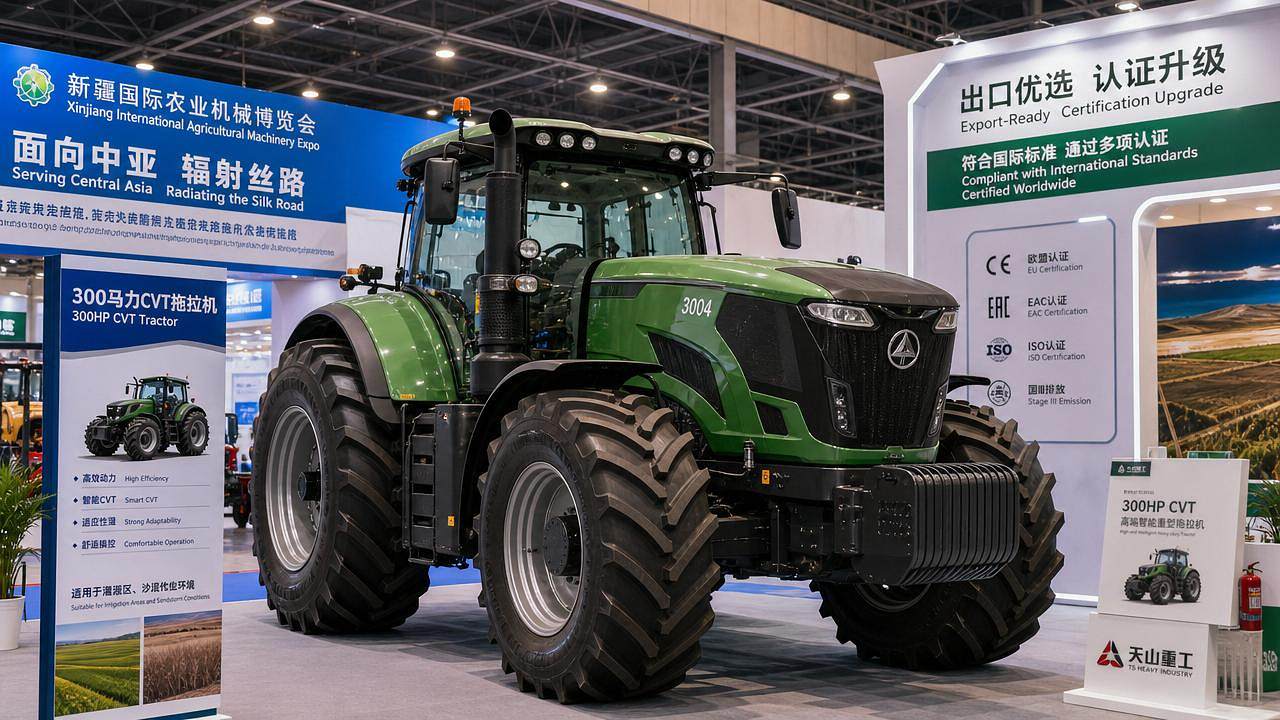




On May 26, 2026, attention at the Xinjiang International Agricultural Machinery Expo centered on a 300-hp HMCVT tractor jointly presented by Shandong Luzhong Tractor and the Yellow River Delta Intelligent Agricultural Machinery Institute. During the May 25–27 event, buyers from Kazakhstan and Uzbekistan signed a memorandum for a planned two-batch import of 42 units, with first delivery scheduled for Q3 2026. For the agricultural machinery trade, export-facing manufacturers, distributors, and service providers, the development is worth watching because it links product localization, certification readiness, and delivery planning in one transaction signal.
What has been confirmed at the expo
The confirmed facts are limited but clear. At the 2026 Xinjiang International Agricultural Machinery Expo, Shandong Luzhong Tractor and the Yellow River Delta Intelligent Agricultural Machinery Institute exhibited a 300-hp HMCVT tractor. During the exhibition, Kazakhstan’s national agricultural machinery import company and Uzbekistan’s AgroTech Group signed a memorandum on site, indicating an intention to import a total of 42 units in two batches. The first batch is scheduled for delivery in Q3 2026. The model has already obtained EAEU certification and has completed a Russian-language operating interface and CE compatibility upgrade. It was also presented as being able to connect directly with Central Asian irrigation agronomy parameters and sand-and-dust operating requirements.
Why different parts of the chain may pay attention
For export-oriented tractor manufacturers
From an industry perspective, the most immediate implication is not only the order intention itself, but the visible role of market-entry preparation. EAEU certification, interface localization, and adaptation to regional operating conditions appear closely tied to buyer interest. Manufacturers targeting cross-border sales may therefore pay closer attention to how technical adaptation and compliance work are positioned before commercial negotiations advance.
For distributors and import channel partners
For channel companies, the memorandum structure and phased delivery timeline matter. A two-batch arrangement with the first shipment tied to Q3 2026 suggests that commercial progress may depend on execution readiness rather than exhibition exposure alone. What deserves closer attention is whether channel partners can align documentation, customer communication, and after-sales preparation around a defined delivery window.
For service and support providers
Observably, localization in this case is not limited to language. The reference to irrigation agronomy parameters and sand-and-dust conditions points to service requirements tied to actual field use. Companies involved in commissioning, operator support, spare-parts planning, or technical training may need to focus on how product adaptation translates into service obligations once deliveries begin.
What companies should watch next
Track the difference between intent and execution
The signed document is a memorandum, which signals commercial intent but is not the same as completed delivery. Companies following this market should distinguish between exhibition-stage agreements and later shipment, acceptance, and in-field deployment milestones.
Focus on compliance materials and customer-facing adaptation
Analysis shows that certification and localization are central to this case. Businesses pursuing similar opportunities may need to review whether their compliance files, interface language support, and product documentation are ready for customer review before order discussions mature.
Prepare around delivery timing and coordination
The first batch is already tied to Q3 2026, so supply-side participants may pay attention to scheduling discipline. For manufacturers, trading firms, and service partners, this raises practical questions around production coordination, shipment preparation, and communication with counterparties during the pre-delivery stage.
Watch how adaptation claims are reflected in business follow-through
The product was presented as matching Central Asian irrigation and sand-and-dust operating requirements. What deserves closer attention is how such adaptation is carried into documentation, service planning, and customer expectations, rather than treating product positioning alone as a completed market outcome.
How this development is best interpreted for now
As an editorial observation, this news is better understood as a concrete export signal rather than a fully realized market breakthrough. The combination of procurement intent, certification status, language localization, and delivery scheduling suggests that domestic high-horsepower tractor suppliers are moving beyond display-stage outreach into more execution-oriented overseas business preparation. At the same time, the industry still needs to watch whether the memorandum progresses into actual deliveries and follow-on cooperation.
A measured reading of the signal
This development matters because it highlights how overseas demand in agricultural machinery may increasingly depend on readiness in certification, localization, and operating-condition adaptation, not only on product horsepower or exhibition visibility. A neutral reading is that the event points to near-term business movement with possible longer-term relevance, but it is still more appropriate to understand it as a signal that requires continued verification through delivery and post-delivery progress.
Basis of this article
This article is based on the user-provided news title, event date, and event summary. For this type of industry update, commonly relevant source categories may include official statements, company announcements, industry association releases, authoritative media reports, and standard or certification-related documents. No specific official source link was provided in the input, so further verification remains necessary. The main follow-up points to monitor are whether the planned two-batch import proceeds on schedule, whether the Q3 2026 first delivery is fulfilled, and whether subsequent official disclosures clarify execution progress.
Related News

How North American Farms Can Select Crop Monitoring Systems by Acreage and Connectivity
Crop monitoring systems North America: learn how to match acreage, connectivity, sensors, and data workflows for reliable, actionable farm decisions.

Where to Find Reliable Product Information for Comparing Farm Equipment
Product information resources agriculture buyers can trust: compare farm equipment with technical specs, manuals, field data, dealer support, and lifecycle insights.
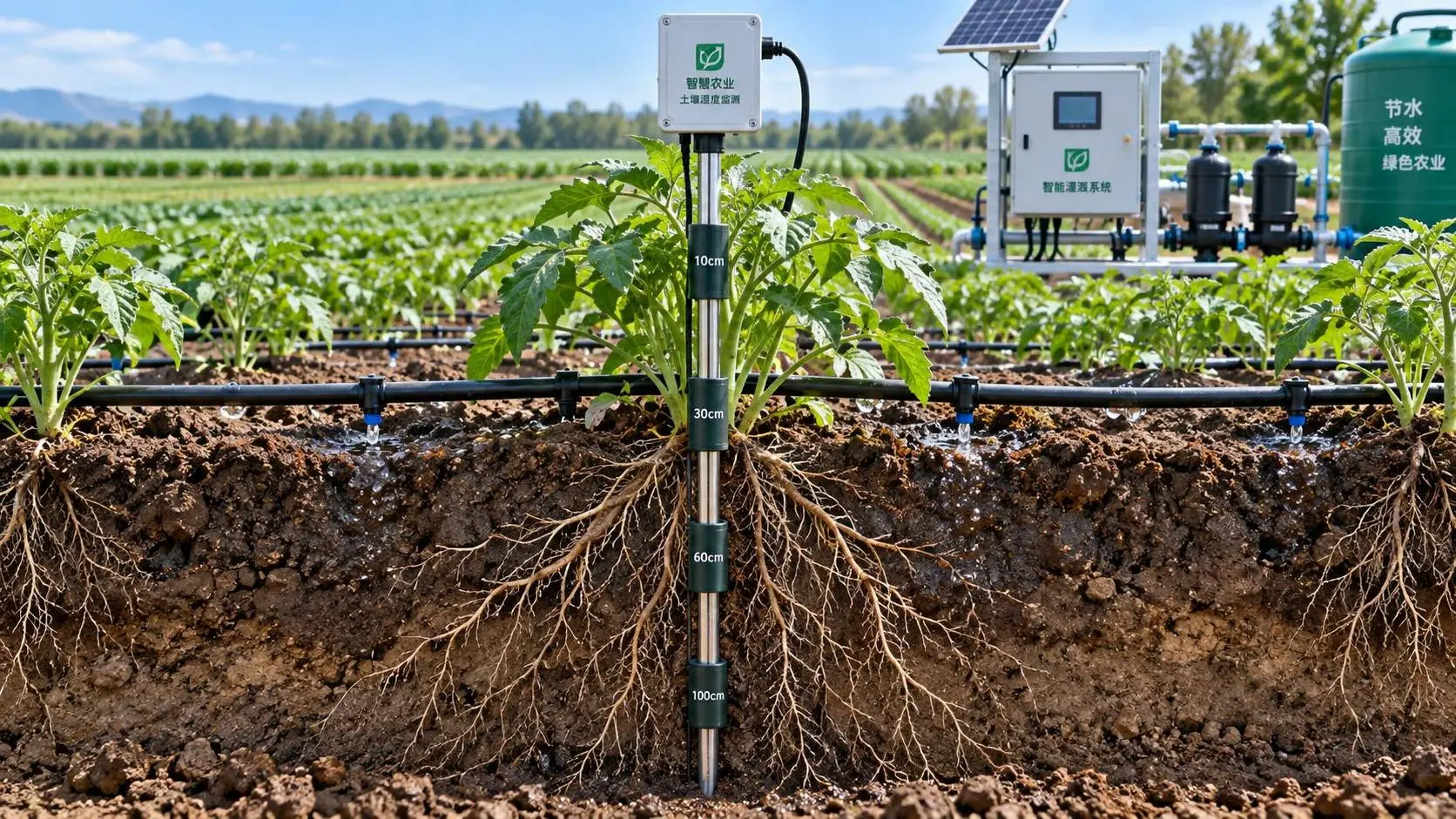
Selecting Real-Time Soil Moisture Sensors for Irrigation Zone Control
Soil moisture sensors real time: learn how to select reliable probes, optimize zone control, improve irrigation decisions, and scale precision water management.
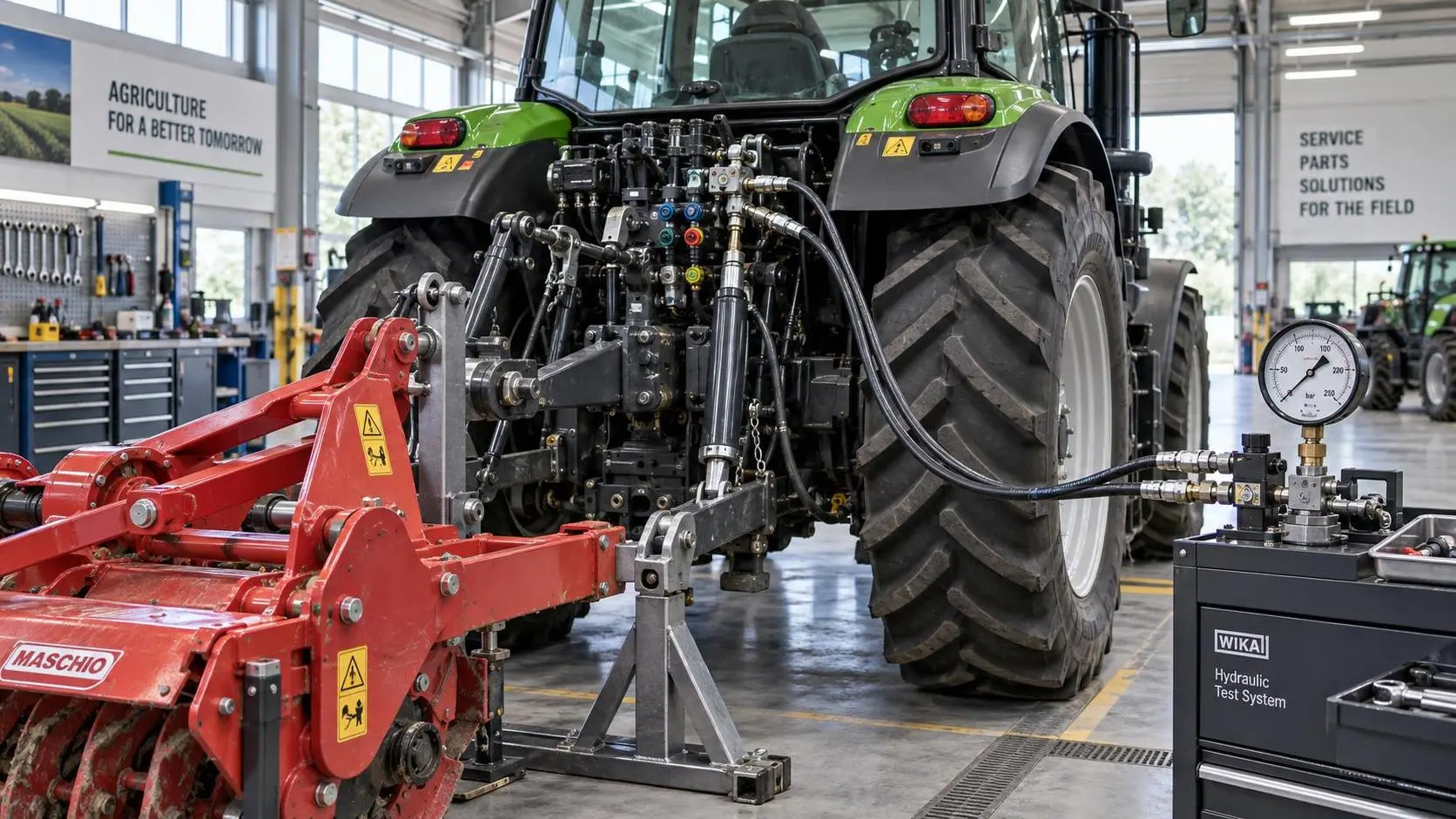
Tractor Hydraulic Systems Troubleshooting: Diagnosing Weak Lift and Slow Implements
Tractor hydraulic systems troubleshooting made practical: diagnose weak lifts and slow implements with proven pressure, flow, valve, and oil-supply checks.
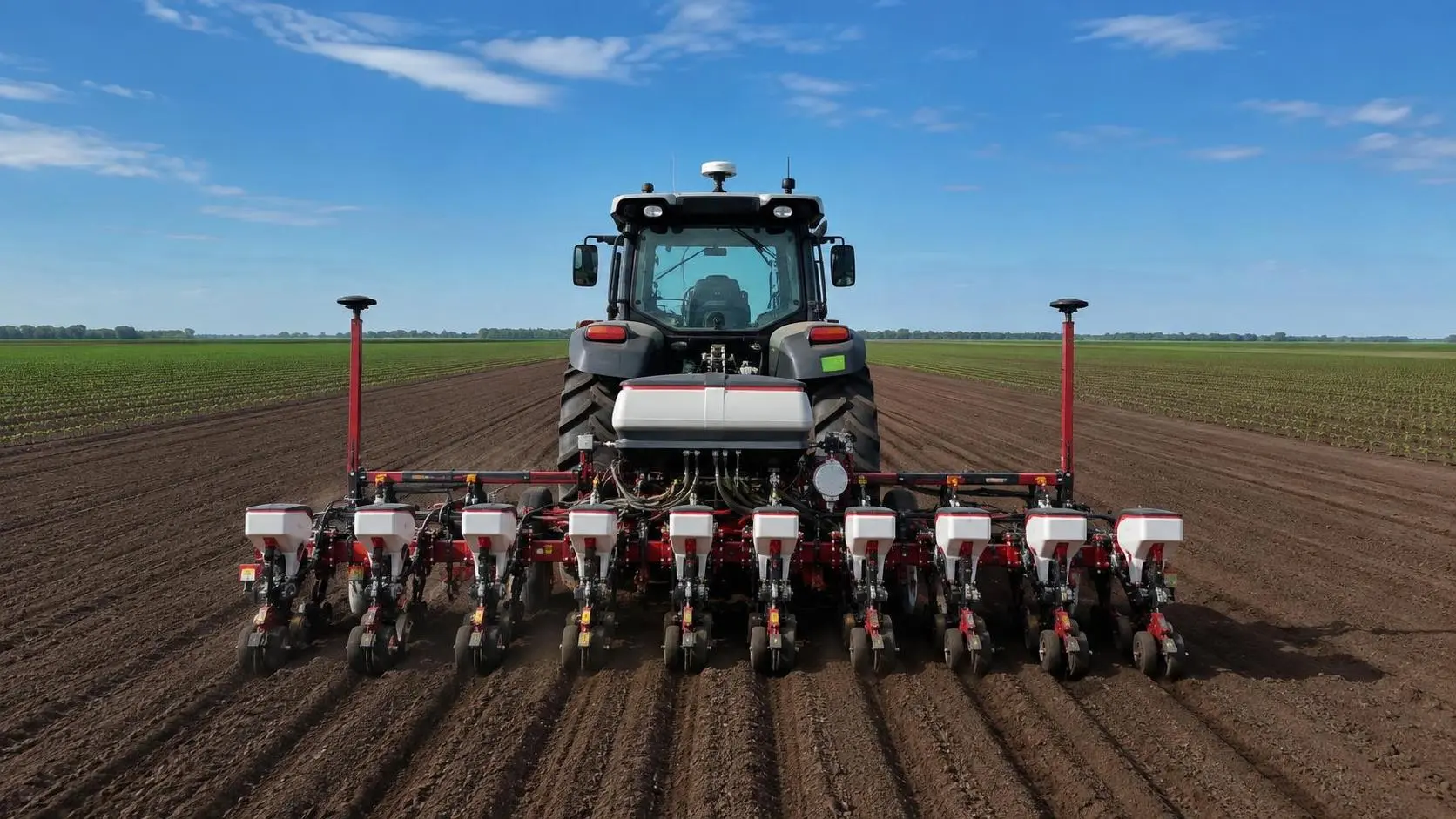
How Tractor Intelligence Systems Improve Field Efficiency and Input Accuracy
Agricultural machinery intelligence for tractors improves field efficiency, input accuracy, data traceability, and implement control. Explore smarter evaluation strategies.
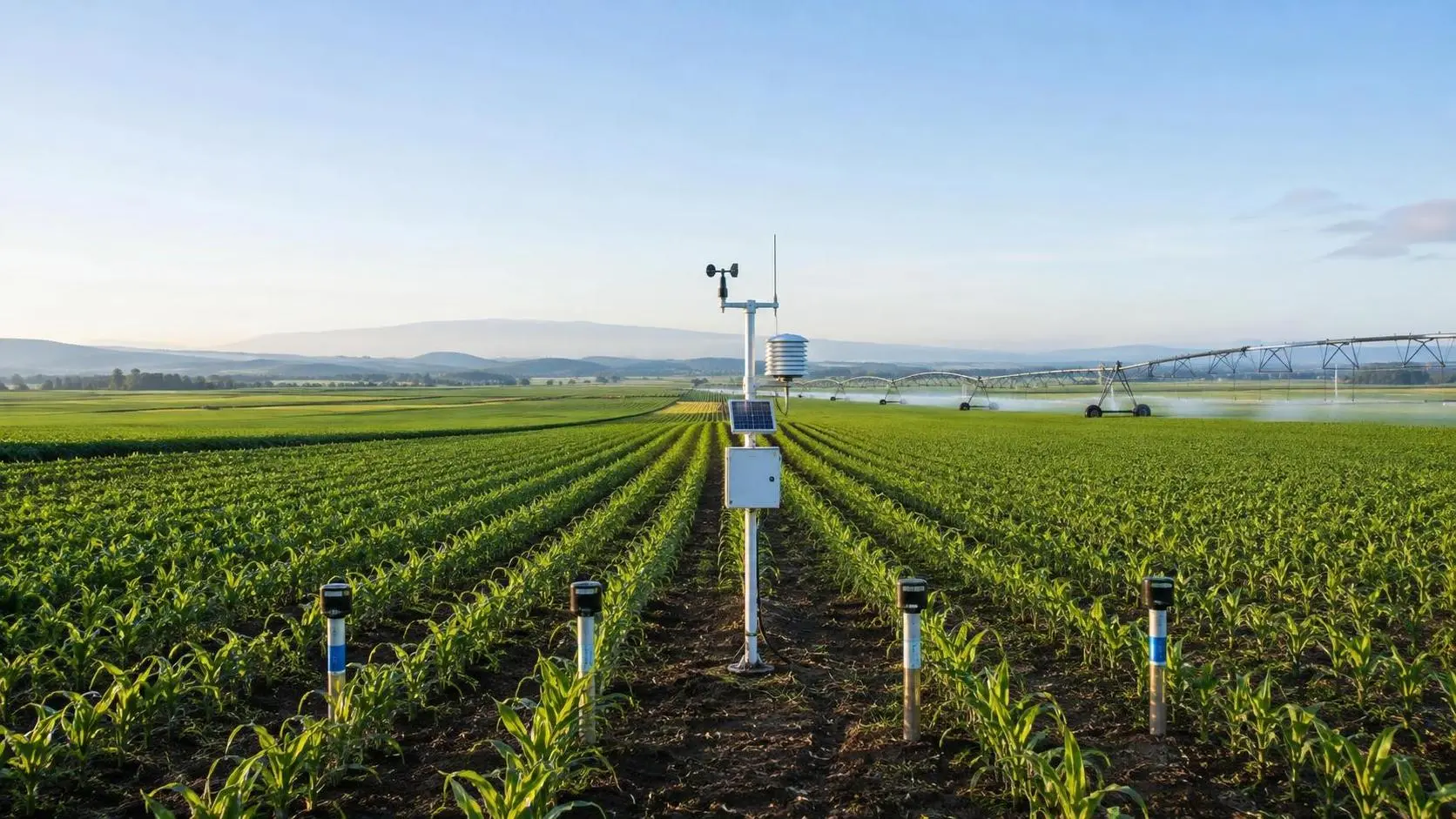
How to Evaluate Crop Monitoring System Manufacturers for Large-Scale Farms
Compare crop monitoring systems manufacturers for large-scale farms. Evaluate data quality, integration, durability, lifecycle costs, support, and pilots for smarter decisions.
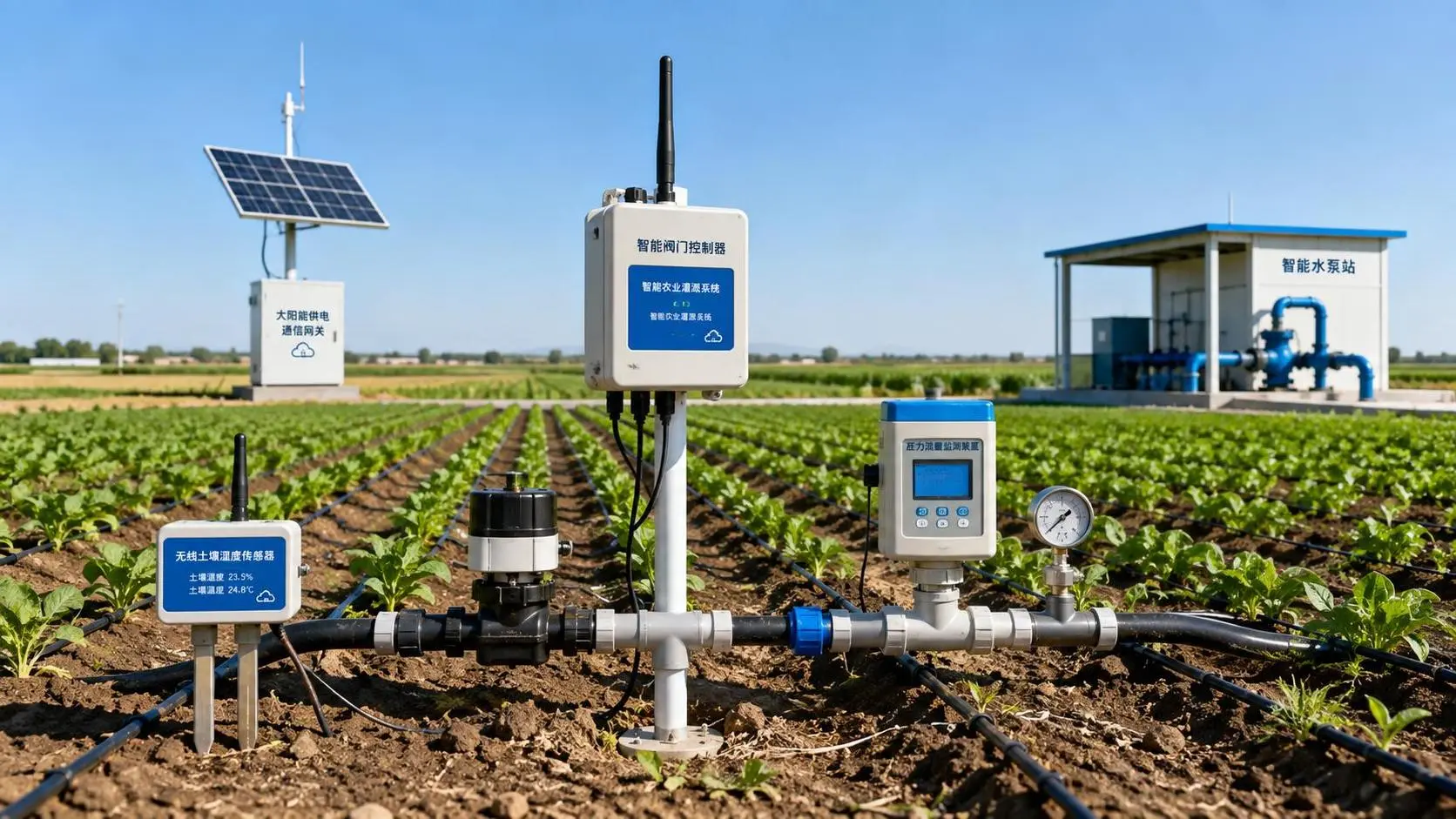
Wireless Agricultural Automation for Remote Irrigation and Field Monitoring
Agricultural automation wireless solutions improve remote irrigation with reliable field data, local control, flow verification, and smarter monitoring. Explore resilient deployment strategies.
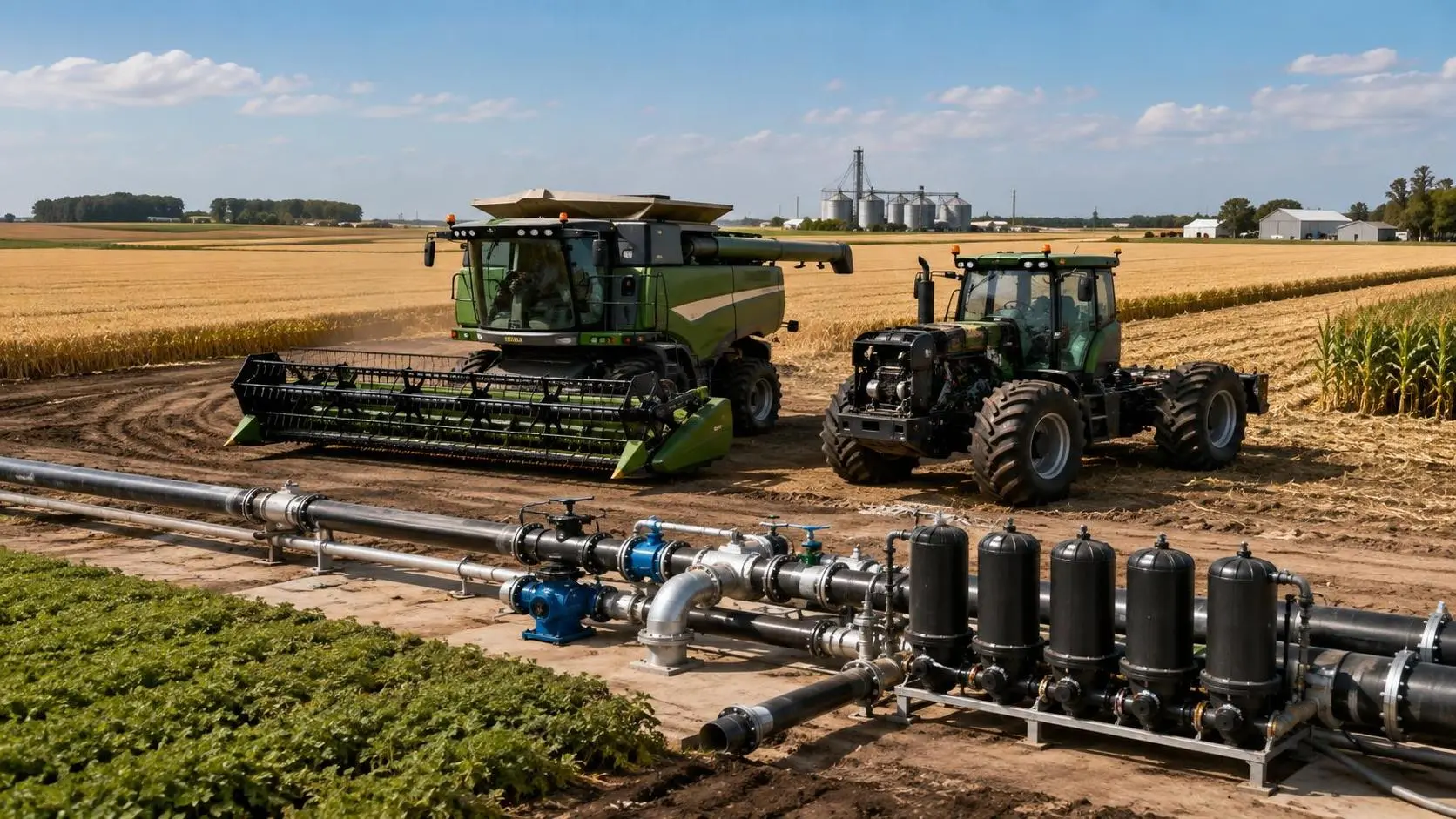
Agricultural Product Information Market Guide: Key Data for Sourcing Decisions
Agricultural product information market guide for smarter sourcing—compare machinery, irrigation, precision tools, lifecycle costs, and supplier risk.
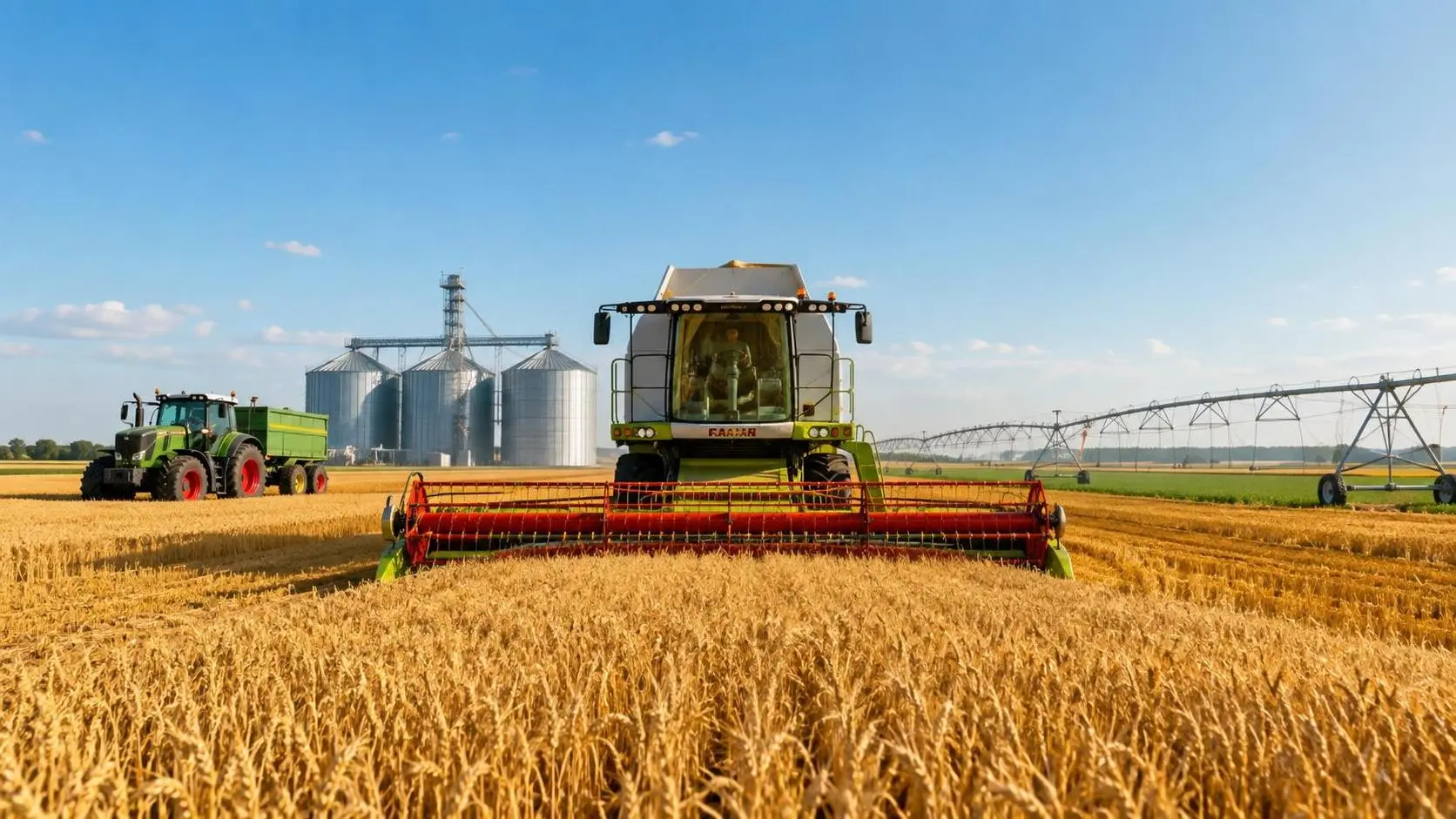
Large-Scale Farm Equipment Cost Comparison: Price, Fuel, and Lifecycle Value
Large-scale farm equipment cost comparison: evaluate price, fuel, maintenance, downtime, and lifecycle value to choose tractors, combines, irrigation, and smart tools with confidence.
Related News
- 00
0000-00
Fuel-Efficient Tractor Powertrain: Which Specs Matter Most for Total Operating Cost? - 00
0000-00
CVT Transmissions Price Explained: What Drives Cost in Agricultural Machinery? - 00
0000-00
Dedicated CVT Rail Link Signals New Export Execution Standard - 00
0000-00
TUV Rheinland Sets New ASIL-B Rule for CVT Systems - 00
0000-00
ANVISA Clears First China-Made Bio-Based CVT Fluid for Brazil
Popular Tags
Tractor Power Architect
Weekly Insights
Stay ahead with our curated technology reports delivered every Monday.