
Mexico Tariffs Hit 185 China Exports
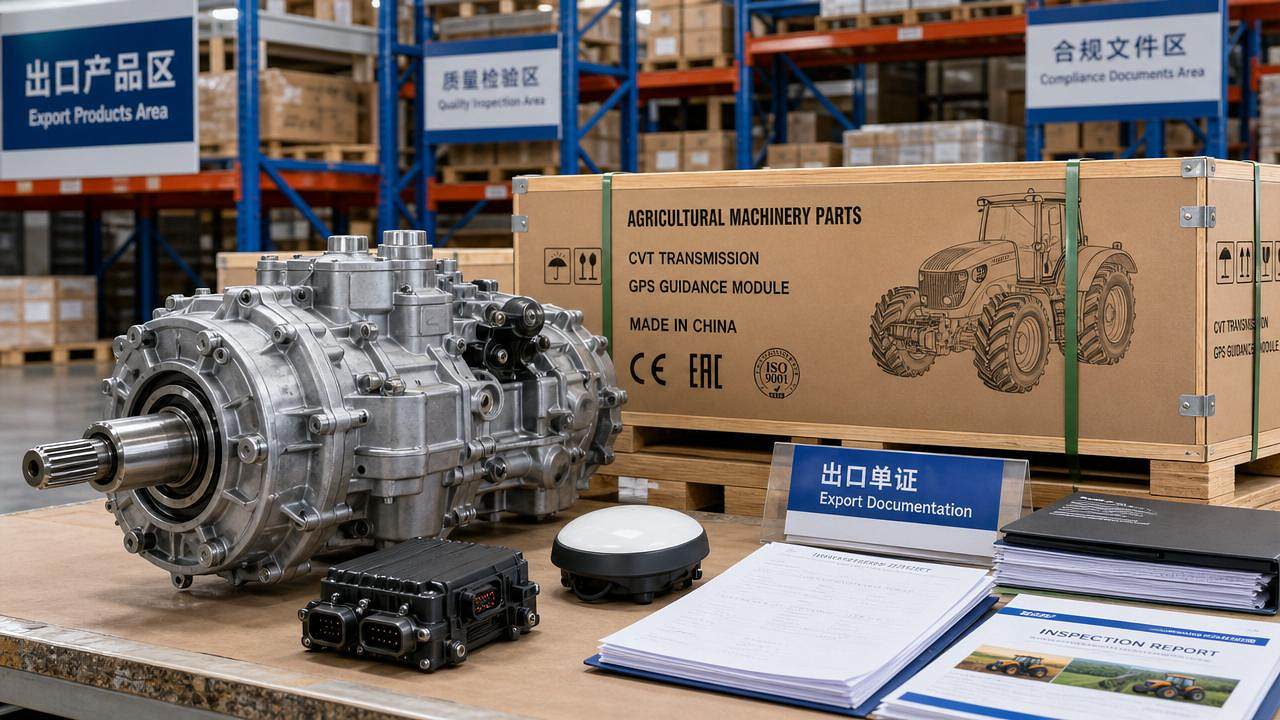




Effective from 2026-06-01, Mexico’s decision to impose special tariffs on 185 categories of industrial goods exported from China marks a concrete trade-rule change with immediate relevance for machinery and components trade. The inclusion of CVT transmissions for agricultural machinery and GPS Guidance systems is particularly notable because the impact extends beyond tariff cost itself into procurement decisions, certification preparation, technical documentation, and delivery planning. For exporters, importers, assemblers, and compliance service providers, this development is worth close attention as a practical execution issue rather than a purely headline-level trade update.
What has been confirmed so far
The confirmed information is that, starting in June 2026, Mexico has imposed special tariffs on 185 categories of industrial products exported from China. The listed products explicitly include CVT Transmissions used in agricultural machinery and GPS Guidance Systems.
The provided summary indicates that this measure is expected to raise end-user procurement costs by about 12–18%. It also states that importers are rapidly evaluating alternative supply-chain options, including Southeast Asian assembly combined with local certification in Mexico. At the same time, Chinese exporters are required to provide localized translations of technical parameters together with preliminary support for NOM certification review.
Where the pressure is likely to appear first
Procurement teams will face immediate cost and sourcing adjustments
From an industry perspective, buyers and import-side procurement teams may feel the earliest impact because the tariff measure directly affects landed cost. For products such as CVT transmissions and GPS Guidance modules, the issue is not only a higher price point but also whether existing sourcing plans remain commercially workable. What deserves closer attention is the need to reassess supplier quotations, purchase timing, and whether substitute sourcing paths can meet the same technical and compliance expectations.
Export manufacturers may need to respond on both pricing and documentation
For Chinese export manufacturers, the pressure is likely to extend beyond tariff discussions into operational support. The provided information already points to a need for localized technical-parameter translation and NOM pre-review support. This means exporters may need to prepare product documents in a form more usable for local review, customer evaluation, and certification-related communication. In practice, the affected business links may include quotation support, technical file preparation, model matching, and delivery coordination.
Certification and testing-related service providers may see earlier involvement
Because importers are evaluating routes such as local certification in Mexico, certification-related firms and testing support providers may become involved earlier in the sales cycle. Analysis shows that the key issue is not simply whether a product can be shipped, but whether technical documents, translated specifications, and pre-assessment materials can be aligned with customer expectations before orders proceed. For service providers, this raises the importance of document readiness and pre-screening support.
Supply-chain intermediaries may be drawn into route redesign
Observably, the mention of Southeast Asian assembly plus Mexican local certification suggests that logistics planners, contract manufacturers, and channel operators may need to participate in supply-chain redesign discussions. This should not be treated as a confirmed shift in market structure, but it is a clear sign that importers are testing alternatives that combine trade structure, certification path, and final market access considerations.
What companies should monitor now
Check whether affected product scope touches active quotations and contracts
Companies involved in agricultural machinery transmissions, navigation modules, or related integrated assemblies should first review whether current quotations, pipeline orders, or pending tenders are tied to the affected product scope. Analysis shows that even when the core product is identified, the practical business impact often appears in pricing validity, delivery commitments, and customer-side approval timelines.
Prepare localized technical documents earlier
The summary specifically highlights localized translation of technical parameters. This deserves attention because document language can become a practical gatekeeper in certification review, importer evaluation, and procurement sign-off. Exporters should therefore pay closer attention to specification consistency, terminology accuracy, and whether technical descriptions are ready for local use rather than only for internal export documentation.
Track NOM pre-review expectations without assuming a final execution standard
The input confirms the need for NOM certification pre-review support, but it does not provide a full execution framework or detailed procedural requirements. It is more appropriate to understand this as a compliance-preparation signal rather than a fully mapped implementation outcome. Companies should therefore monitor how customers, certification counterparts, and transaction documents begin to reflect this requirement in practice.
Reassess delivery plans where sourcing alternatives are being discussed
The mention of alternative supply-chain evaluation indicates that delivery planning may become less straightforward. From an operational perspective, companies should pay attention to how sourcing changes may affect production scheduling, component traceability, document control, and after-sales support arrangements. At this stage, the prudent approach is to prepare for possible process changes without assuming that one alternative route has already become dominant.
Why this looks like an execution signal, not just a trade headline
Analysis shows that this development is more meaningful as an execution-level trade and compliance signal than as a simple tariff announcement. The reason is that the confirmed effects already point to downstream responses: higher procurement cost, importer evaluation of alternative supply chains, and the need for localized technical and certification support. In other words, the rule change is not isolated at the customs or tariff layer; it is beginning to affect how product access, supplier selection, and document preparation may be handled.
At the same time, it would be premature to treat every possible downstream adjustment as a settled market outcome. Observably, the current information supports close monitoring of implementation behavior, customer requirements, and certification handling, but not broad conclusions about long-term market restructuring.
How this development is best understood at this stage
At present, this event is best understood as a confirmed rule change with practical implications for cost, sourcing, and compliance preparation in affected product categories. The most immediate significance lies in its effect on procurement economics and on the need for earlier alignment around technical documents and NOM-related pre-review support. A cautious industry reading is appropriate: the change has already landed, but the full shape of market adaptation still requires continued observation.
Basis of this article and points that still need verification
This article is generated based on the user-provided news title, event date, and event summary. For events of this type, relevant source categories usually include official notices, regulatory releases, customs or trade-administration information, industry association updates, standards-related documents, and reporting by authoritative media.
No specific official source link was provided in the input, so the exact official reference still needs to be continuously verified. What also remains worth monitoring includes any further policy detail, certification implementation language, changes in tender or procurement documents, market feedback from importers and exporters, and how companies carry out compliance and delivery adjustments in practice.
Related News

How Tractor Intelligence Systems Improve Field Efficiency and Input Accuracy
Agricultural machinery intelligence for tractors improves field efficiency, input accuracy, data traceability, and implement control. Explore smarter evaluation strategies.

How to Evaluate Crop Monitoring System Manufacturers for Large-Scale Farms
Compare crop monitoring systems manufacturers for large-scale farms. Evaluate data quality, integration, durability, lifecycle costs, support, and pilots for smarter decisions.
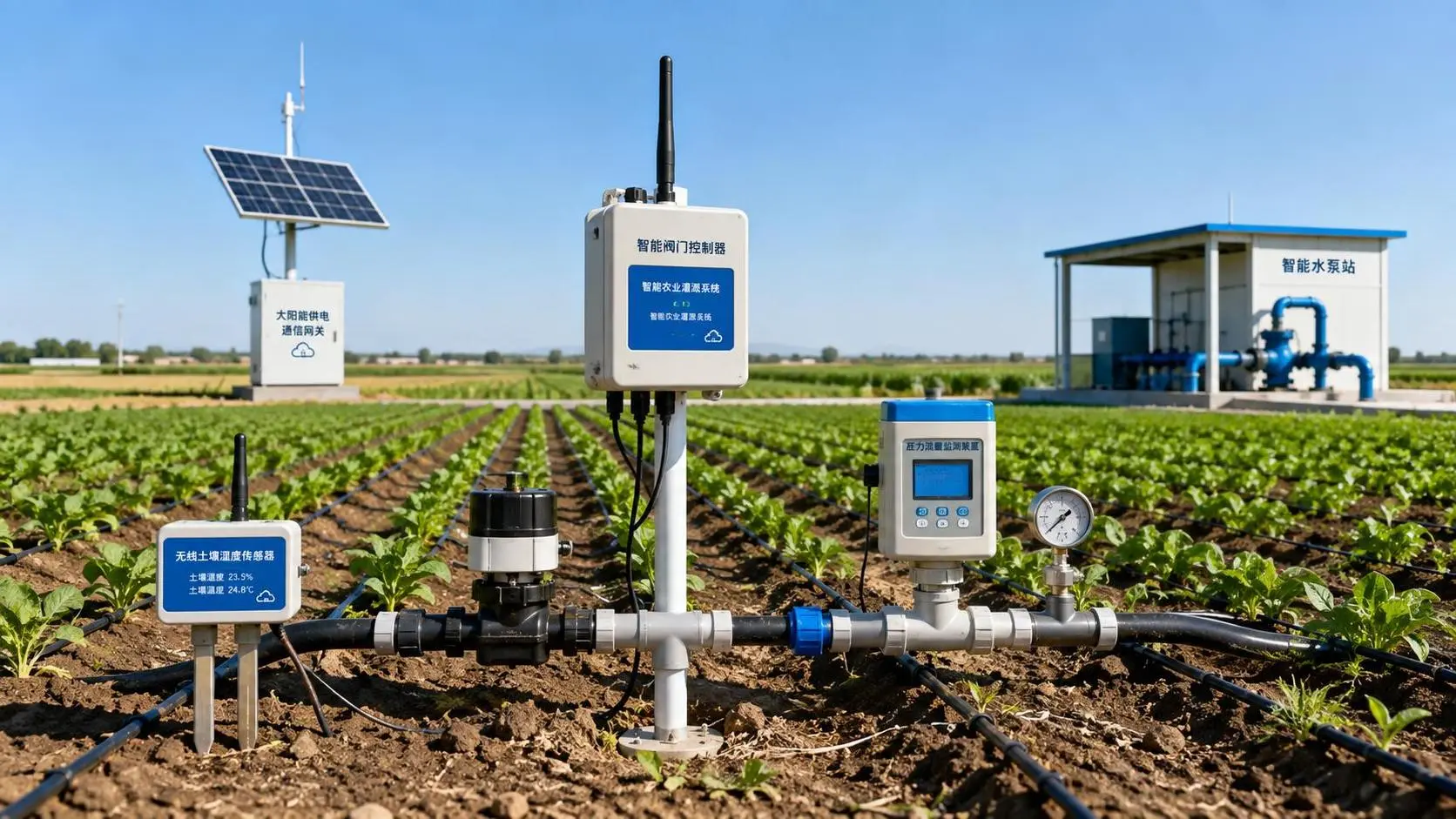
Wireless Agricultural Automation for Remote Irrigation and Field Monitoring
Agricultural automation wireless solutions improve remote irrigation with reliable field data, local control, flow verification, and smarter monitoring. Explore resilient deployment strategies.

Agricultural Product Information Market Guide: Key Data for Sourcing Decisions
Agricultural product information market guide for smarter sourcing—compare machinery, irrigation, precision tools, lifecycle costs, and supplier risk.

Large-Scale Farm Equipment Cost Comparison: Price, Fuel, and Lifecycle Value
Large-scale farm equipment cost comparison: evaluate price, fuel, maintenance, downtime, and lifecycle value to choose tractors, combines, irrigation, and smart tools with confidence.

A Procurement Specification Preparation Example for Buying Farm Equipment
Procurement specification preparation example for farm equipment: learn to define requirements, compare suppliers, control lifecycle costs, and buy with confidence.

What Tractor Horsepower Is Needed for a Three-Bottom Moldboard Plow?
What tractor horsepower is needed for three-bottom moldboard plow? Compare 60–100 hp needs by soil, depth, traction, and plow width for a confident equipment match.

How Does Climate-Smart Farming Reduce Water Use in Semi-Arid Areas?
How does climate-smart farming reduce water use in semi-arid zones? Discover precision irrigation, soil monitoring, and smarter crop planning for resilient yields.

Can Sustainable Farming Be Profitable Without Reducing Yields?
Are sustainable farming practices profitable without yield loss? Discover precision strategies that cut waste, protect yields, and improve farm margins.
Related News
- 00
0000-00
Fuel-Efficient Tractor Powertrain: Which Specs Matter Most for Total Operating Cost? - 00
0000-00
CVT Transmissions Price Explained: What Drives Cost in Agricultural Machinery? - 00
0000-00
Dedicated CVT Rail Link Signals New Export Execution Standard - 00
0000-00
TUV Rheinland Sets New ASIL-B Rule for CVT Systems - 00
0000-00
ANVISA Clears First China-Made Bio-Based CVT Fluid for Brazil
Popular Tags
Tractor Power Architect
Weekly Insights
Stay ahead with our curated technology reports delivered every Monday.