
AI+Power 2026 Opens With Smart Farm Energy Focus





AI+Power 2026 opened in Shenzhen on June 4, 2026, with a clear focus on the electrification of agricultural equipment and intelligent energy scheduling. The most notable development disclosed at the exhibition was the release by multiple Chinese manufacturers of battery management systems (BMS) designed to coordinate optimization between CVT Transmission and Hydraulic Lift Systems. According to the event summary, this can extend single-operation endurance for self-propelled sprayers and seeders by more than 35%, offering practical energy-efficiency reference data for farm operators in Europe, North America, and Australia evaluating electric alternatives.
Image placement plan: No image placeholders were requested for this article. The page can remain text-led, with emphasis on factual structure, compliance implications, and supply-chain interpretation.
Confirmed Facts From the Event
From June 4 to 5 in Shenzhen, AI+Power 2026 focused on agricultural equipment electrification and intelligent energy scheduling. During the exhibition, multiple Chinese manufacturers introduced BMS solutions that support coordinated optimization with CVT Transmission and Hydraulic Lift Systems. Based on the event information provided, these systems can increase the single-operation endurance of self-propelled sprayers and seeders by more than 35%. The same event summary states that this technical progress provides real energy-efficiency data support for farmers in Europe, North America, and Australia when assessing electrified replacement options.
Industry Impact Across Key Business Roles
Direct trading enterprises
These enterprises are affected because buyers in export-oriented agricultural machinery markets increasingly rely on measurable operating data when comparing electric and conventional platforms. The impacted stage is mainly product selection, quotation support, and export transaction communication. What deserves attention is whether endurance claims, system integration descriptions, and operating-condition explanations can be presented in a way that aligns with customer-side compliance review, tender language, and technical due diligence.
Raw material procurement enterprises
Raw material procurement companies are affected because greater market interest in electrified agricultural machinery may gradually alter demand for battery-related inputs, electrical components, and system-matching materials. The affected links include sourcing plans, supplier qualification checks, and inventory coordination. They should closely monitor whether downstream buyers begin requesting more detailed material consistency records, electrical safety support documents, or traceability evidence connected to BMS-enabled equipment systems.
Manufacturing enterprises
Manufacturers are directly impacted because the event highlighted a technical route centered on coordinated energy management across core machine subsystems. The affected links include system design, endurance validation, performance documentation, and product specification alignment. Key changes to watch include whether target markets start requiring clearer test documentation, longer-duration operating verification, more complete integration descriptions for CVT Transmission and Hydraulic Lift Systems, and stronger support files for certification or import review.
Supply chain service enterprises
Supply chain service providers are affected because electrified equipment programs often require tighter coordination around component delivery, technical paperwork, after-sales response, and shipment readiness. The impacted stages include logistics scheduling, spare-parts planning, documentation handover, and service network preparation. These companies should pay attention to changes in export document expectations, battery-related transport handling requirements, and customer requests for installation, maintenance, and quality-traceability support tied to new energy-management systems.
Key Business Priorities and Response Measures
Strengthen certification and compliance review preparation
Companies planning to market related products should prepare for stricter review of endurance claims, subsystem coordination logic, and safety documentation around BMS applications. Even where no new rule was announced in the event summary, practical energy-efficiency data often becomes a trigger for deeper certification and market-access scrutiny. Technical teams should therefore organize test records, operating-condition descriptions, and product documentation in a form suitable for external review.
Align technical specifications and tender documentation early
Because the disclosed value of the new systems lies in coordinated optimization between CVT Transmission and Hydraulic Lift Systems, enterprises should ensure that bid documents, technical specifications, and customer-facing datasheets describe this integration clearly and consistently. This is especially important where procurement decisions depend on endurance under real operating conditions rather than on single-component performance alone.
Prepare supply chains for battery-system and component validation
Manufacturers and procurement teams should review whether current suppliers can support the documentation, consistency, and delivery requirements that often accompany more advanced BMS-based equipment architectures. This includes checking component compatibility records, life-cycle verification materials, test reporting readiness, and supplier qualification files. The goal is not only to secure parts, but also to support downstream acceptance and traceability expectations.
Plan for export risk control and after-sales readiness
Since the event summary highlights relevance for Europe, North America, and Australia, exporters should pay attention to market-specific trade compliance, customer documentation requests, and after-sales service expectations. Firms should improve quality-traceability procedures, clarify maintenance responsibilities for energy-management systems, and prepare support materials that help overseas customers evaluate operating performance, replacement planning, and service continuity.
Editorial View and Industry Observation
Analysis shows that the significance of this event is not simply that new hardware was displayed, but that more usable operating data is entering the decision process for agricultural equipment electrification. From an industry perspective, this matters because trade, compliance, and procurement decisions increasingly depend on whether technical performance can be translated into verifiable documentation. Observably, endurance improvement linked to subsystem coordination is more commercially meaningful than isolated feature announcements, especially for buyers assessing total operational practicality.
What deserves closer attention is whether such product announcements lead to tighter customer requirements in certification interpretation, tender specifications, service commitments, and supplier documentation. It is more appropriate to understand this development as a step toward more evidence-based market screening rather than as an immediate guarantee of large-scale replacement.
Conclusion
AI+Power 2026 has brought agricultural equipment electrification and intelligent energy scheduling into sharper commercial focus through concrete BMS-related product releases and measurable endurance improvement claims. For industry participants, the practical implication is clear: future competition may depend less on broad electrification narratives and more on credible operating data, technical-document alignment, certification readiness, and dependable supply-chain execution. The development is important, but its long-term influence should be assessed through continued observation of compliance practice, customer adoption standards, and trade documentation requirements.
Source Note
This article is based on the following input information: “AI+Power 2026 Opens: Autonomous Agricultural Machinery Energy Management Becomes the Focus,” dated 2026-06-04, and the event summary stating that the June 4–5 exhibition in Shenzhen focused on the electrification of agricultural equipment and intelligent energy scheduling, with multiple Chinese manufacturers releasing BMS solutions supporting coordinated optimization with CVT Transmission and Hydraulic Lift Systems, extending the single-operation endurance of self-propelled sprayers and seeders by more than 35%, and providing real energy-efficiency data for farmers in Europe, North America, and Australia evaluating electric alternatives.
Specific official source links were not provided in the input and should be verified continuously. Follow-up attention should be given to later policy details, certification interpretations, changes in tender documents, and industry feedback as the technology moves closer to wider commercial evaluation.
Related News
How Tractor Intelligence Systems Improve Field Efficiency and Input Accuracy
Agricultural machinery intelligence for tractors improves field efficiency, input accuracy, data traceability, and implement control. Explore smarter evaluation strategies.
How to Evaluate Crop Monitoring System Manufacturers for Large-Scale Farms
Compare crop monitoring systems manufacturers for large-scale farms. Evaluate data quality, integration, durability, lifecycle costs, support, and pilots for smarter decisions.
Wireless Agricultural Automation for Remote Irrigation and Field Monitoring
Agricultural automation wireless solutions improve remote irrigation with reliable field data, local control, flow verification, and smarter monitoring. Explore resilient deployment strategies.
Agricultural Product Information Market Guide: Key Data for Sourcing Decisions
Agricultural product information market guide for smarter sourcing—compare machinery, irrigation, precision tools, lifecycle costs, and supplier risk.
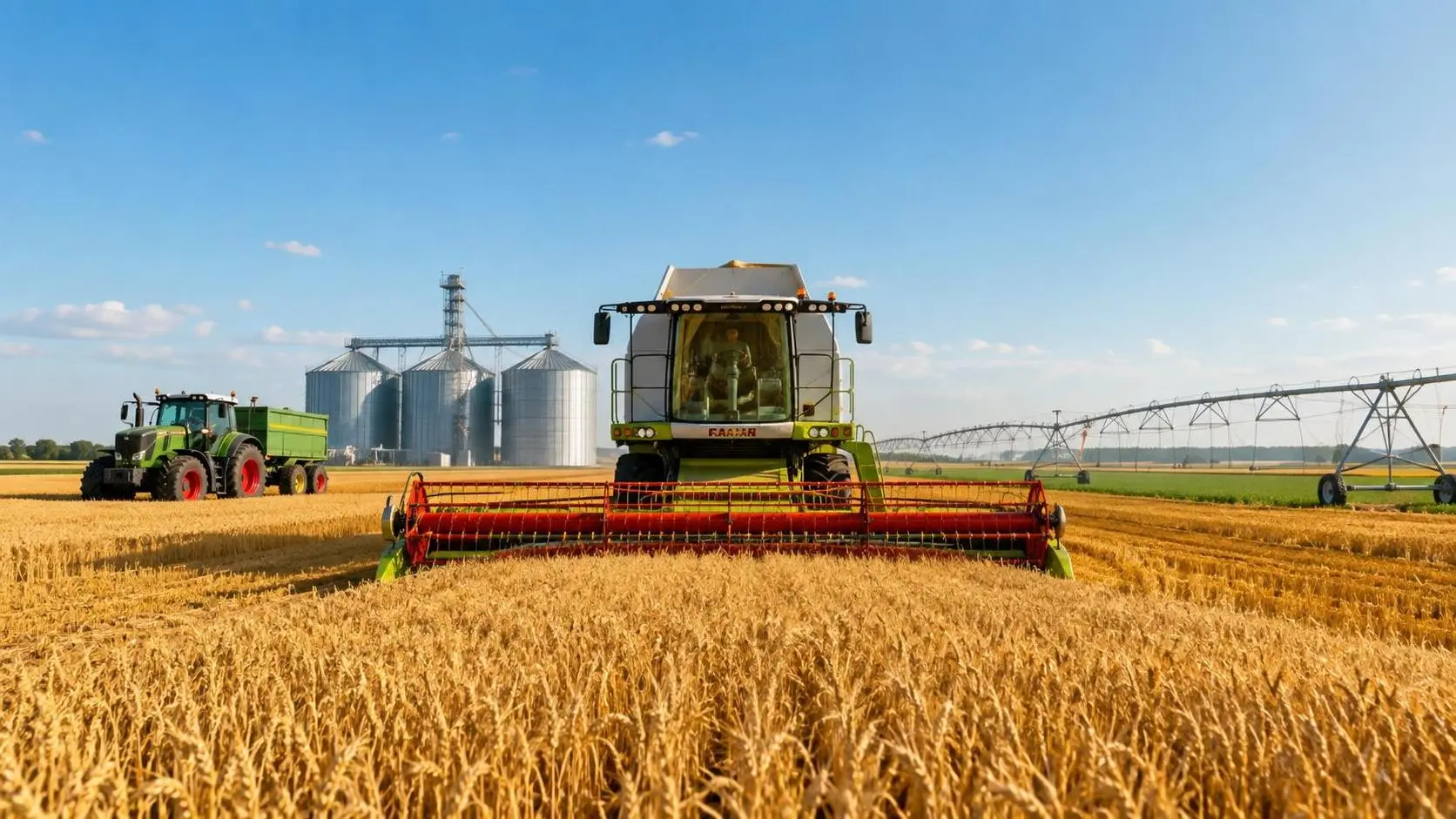
Large-Scale Farm Equipment Cost Comparison: Price, Fuel, and Lifecycle Value
Large-scale farm equipment cost comparison: evaluate price, fuel, maintenance, downtime, and lifecycle value to choose tractors, combines, irrigation, and smart tools with confidence.
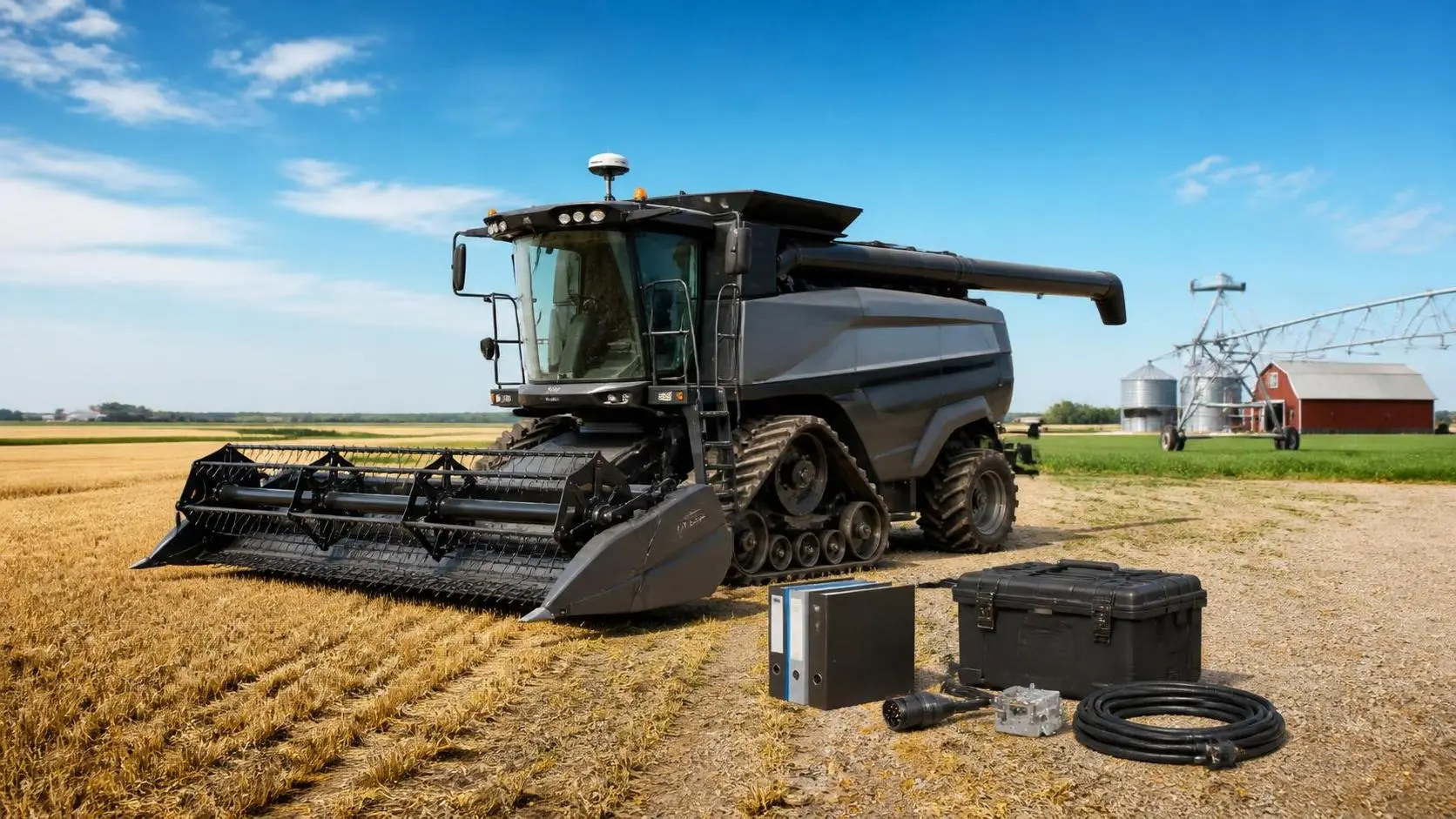
A Procurement Specification Preparation Example for Buying Farm Equipment
Procurement specification preparation example for farm equipment: learn to define requirements, compare suppliers, control lifecycle costs, and buy with confidence.
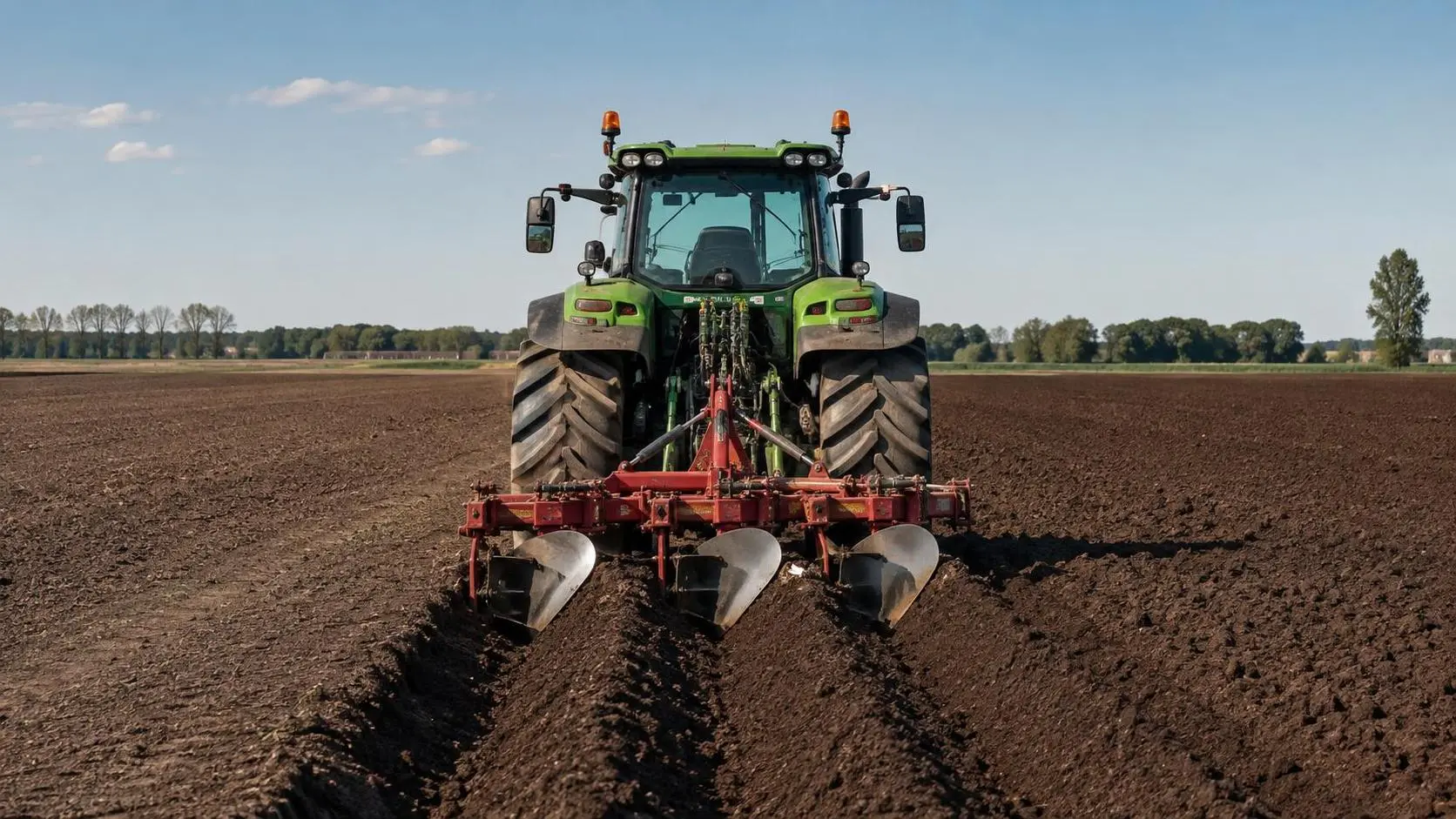
What Tractor Horsepower Is Needed for a Three-Bottom Moldboard Plow?
What tractor horsepower is needed for three-bottom moldboard plow? Compare 60–100 hp needs by soil, depth, traction, and plow width for a confident equipment match.
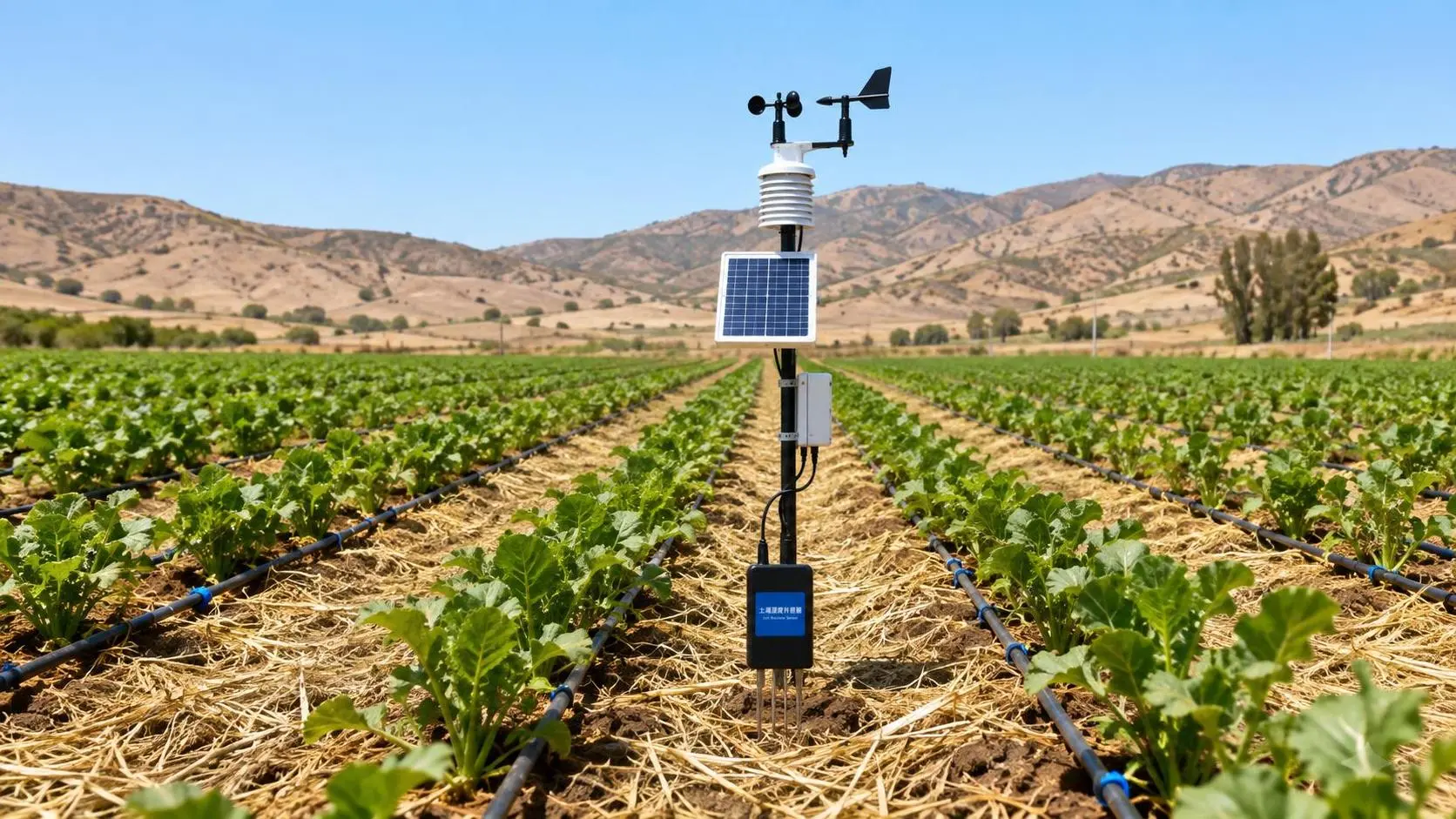
How Does Climate-Smart Farming Reduce Water Use in Semi-Arid Areas?
How does climate-smart farming reduce water use in semi-arid zones? Discover precision irrigation, soil monitoring, and smarter crop planning for resilient yields.
Can Sustainable Farming Be Profitable Without Reducing Yields?
Are sustainable farming practices profitable without yield loss? Discover precision strategies that cut waste, protect yields, and improve farm margins.
Related News
- 00
0000-00
Fuel-Efficient Tractor Powertrain: Which Specs Matter Most for Total Operating Cost? - 00
0000-00
CVT Transmissions Price Explained: What Drives Cost in Agricultural Machinery? - 00
0000-00
Dedicated CVT Rail Link Signals New Export Execution Standard - 00
0000-00
TUV Rheinland Sets New ASIL-B Rule for CVT Systems - 00
0000-00
ANVISA Clears First China-Made Bio-Based CVT Fluid for Brazil
Popular Tags
Tractor Power Architect
Weekly Insights
Stay ahead with our curated technology reports delivered every Monday.