Horsepower Alone Does Not Define High-End Agricultural Machinery
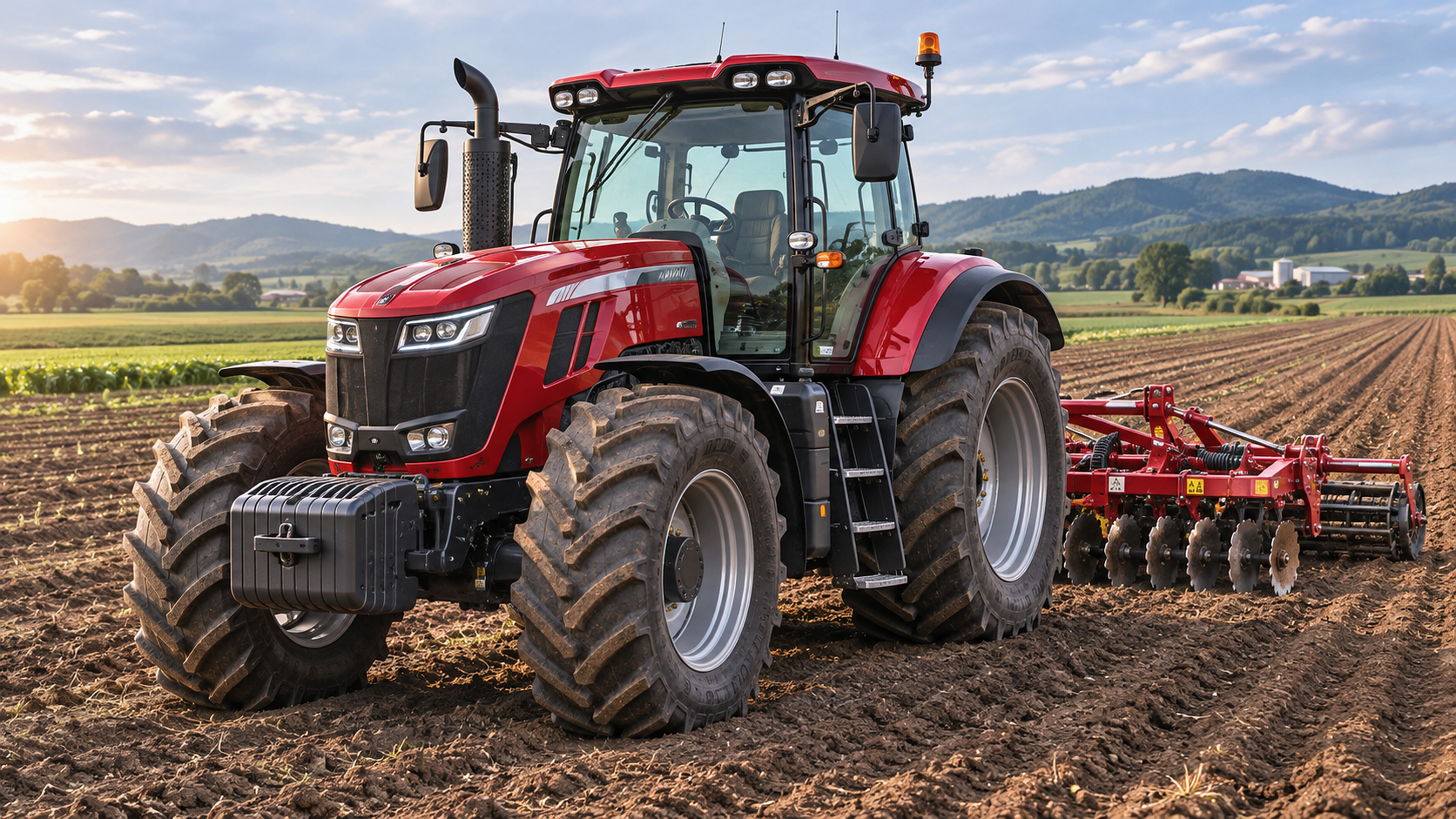




The 2026 China International Agricultural Machinery Exhibition has brought attention to advances in high-horsepower domestic equipment and to the limits of using size alone to judge whether machinery is high-end. The event date was not specified in the source information, which identifies no new policy, regulation or formal standard. For manufacturers and buyers, the issue is how to assess reliability and suitability for actual farming conditions alongside power ratings.
Record Horsepower and Remaining Challenges
According to the supplied summary, agricultural machinery above 200 horsepower is becoming widespread. A 1,000-horsepower continuously variable transmission tractor and a 1,600-horsepower hybrid tractor set global records, marking substantial progress in domestic production of large, high-end agricultural machinery.
The summary also identifies challenges in improving the reliability of domestic large machinery and matching it to agronomic practices, field characteristics and farm operating scale. It calls for the industry to move beyond a sole focus on power toward overall performance and intelligent technology.
What a Broader Performance Test Could Mean for the Supply Chain
Manufacturers and Equipment Suppliers
From an industry perspective, the emphasis on reliability and suitability could influence how manufacturers develop and present large machines. Suppliers may need to demonstrate how equipment performs under the conditions for which it is intended, rather than relying on horsepower alone. The supplied information does not establish a new testing or certification requirement.
Buyers and Farm Operators
Analysis suggests that buyers may place greater weight on whether a machine fits their fields, agronomic practices and operating scale. In procurement, this could affect how technical specifications are compared and whether a larger machine is appropriate for a particular operation. These are potential purchasing considerations, not confirmed changes to procurement rules.
Distributors and After-Sales Providers
Reliability concerns may also affect the information buyers seek from distributors and service providers. In practice, parties could examine how equipment suitability and service arrangements are addressed before delivery. The source does not specify any change to delivery obligations or after-sales requirements.
Points to Check Before Selecting Equipment
Compare Machines Against Intended Use
Buyers could evaluate power alongside field characteristics, agronomic needs and operating scale. Manufacturers and suppliers may find it useful to describe the conditions for which a machine is suited and discuss any limitations during selection.
Examine Reliability Evidence
Because reliability remains a stated challenge, prospective buyers could request and assess available technical information and performance evidence relevant to their intended use. The input does not specify a mandatory test method, document or certification.
Review Intelligent Features and Support
Where intelligent features form part of an equipment offer, buyers could clarify their intended function and assess how they fit the operation. They could also discuss service arrangements with suppliers before purchase; no specific service standard is identified in the source.
A Performance Signal, Not a Formal Rule Change
At this stage, it is more appropriate to understand the exhibition's message as an industry signal about how high-end machinery should be assessed, rather than evidence of an enacted regulatory change. Analysis suggests that future purchasing practices could give more weight to reliability and suitability, but the supplied information does not confirm that such a shift has occurred.
Further assessment would depend on evidence of equipment performance in use, feedback from operators and any subsequent changes to technical specifications or procurement documents. Any future policy, standard or certification development would need separate verification.
Power in Context
The reported records point to progress in domestic large machinery, while the stated reliability and suitability challenges qualify what horsepower alone can demonstrate. For now, manufacturers and buyers can treat the information as a prompt to evaluate overall performance against intended use, not as notice of a new compliance obligation.
Basis for This Report
This article is based on the user-provided news title, event-time information and event summary. No specific official source link was provided in the input, so the claims require continued verification. Relevant material to monitor may include official announcements, standards documents, procurement specifications and industry feedback, particularly for any later clarification of performance expectations or formal requirements.
Related News
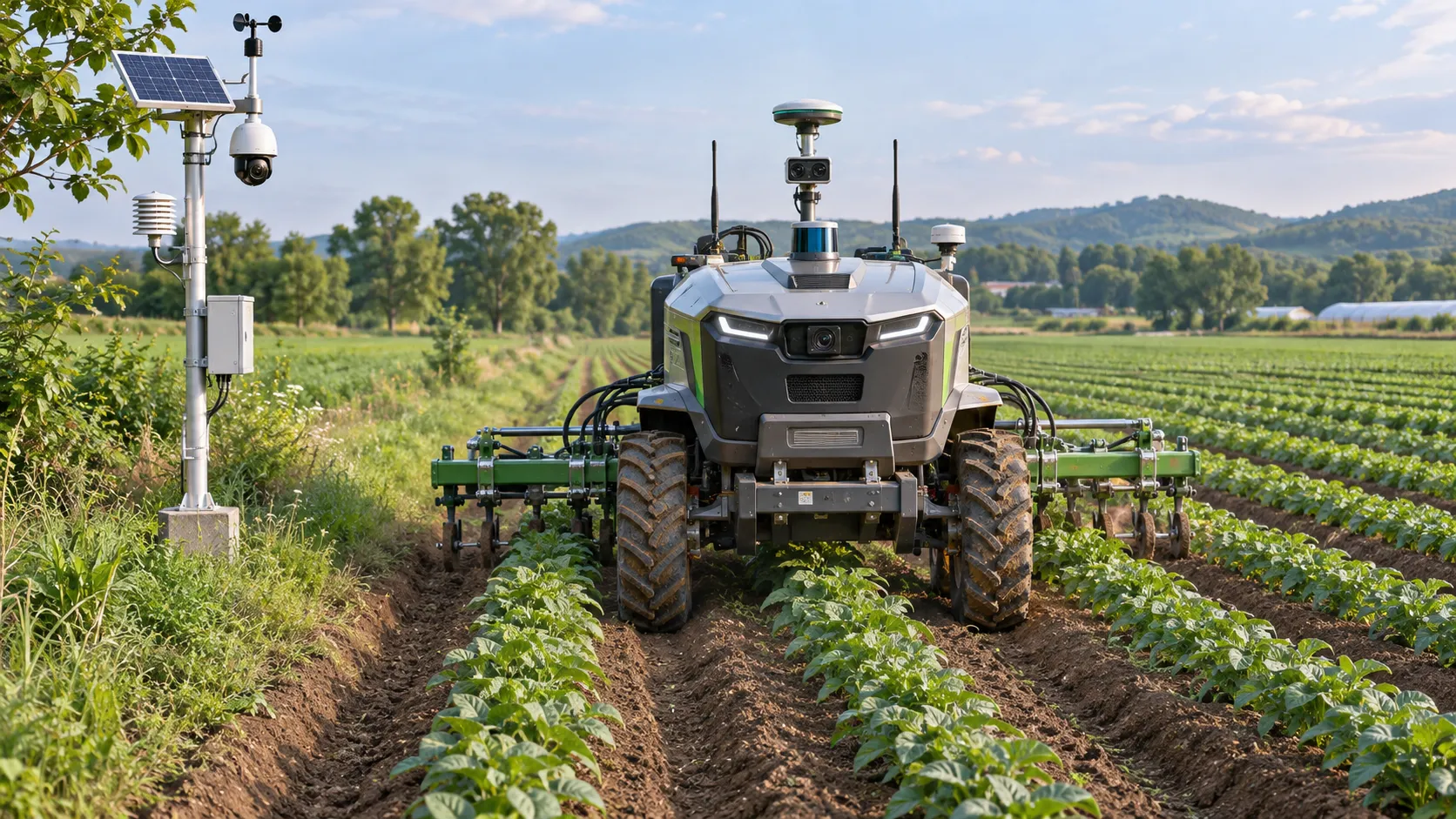
Agricultural Automation Still Needs Human Oversight, Study Finds
Agricultural automation still needs human oversight. Discover how AI and smart equipment are reshaping farm jobs, skills, and decisions.
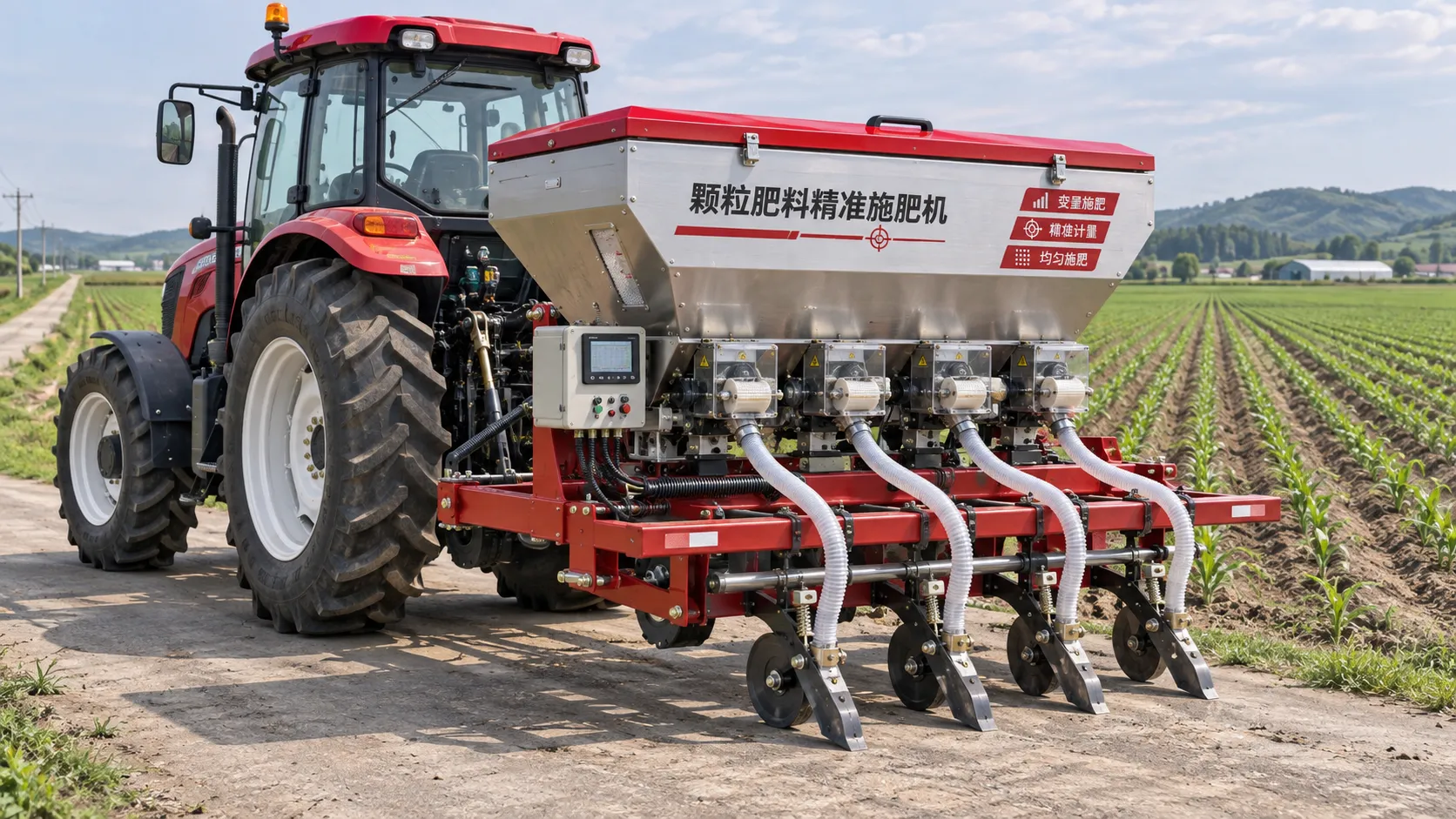
Choosing a Precision Fertilization Equipment Manufacturer: What to Check
Choose a precision fertilization equipment manufacturer with confidence. Compare accuracy, compatibility, service and total ownership costs before you buy.
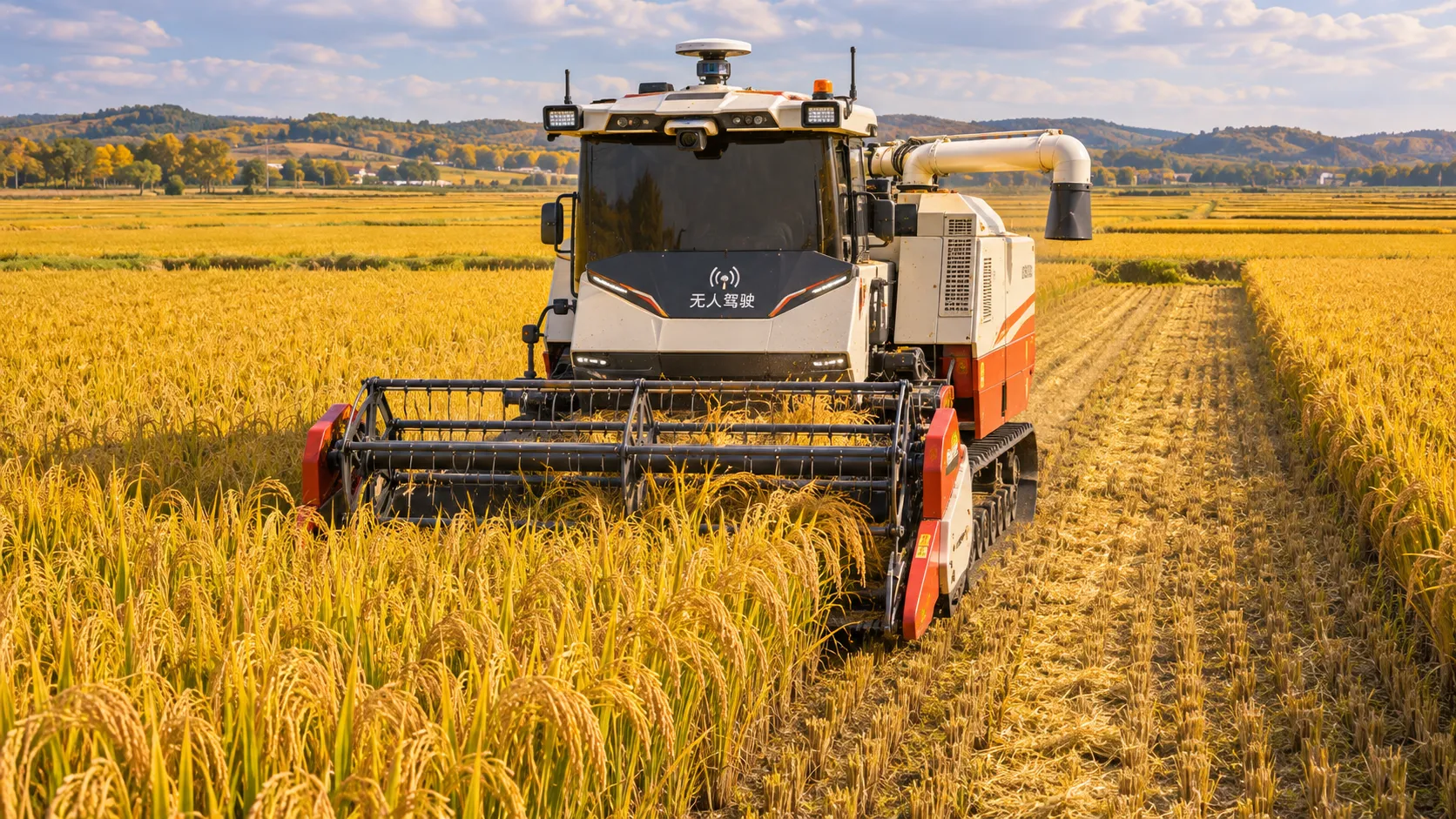
China's Autumn Grain Harvest Highlights Role of Machinery and Precision Farming
China's autumn grain harvest highlights machinery and precision farming. Explore how coordinated practices support harvesting and yield improvement.
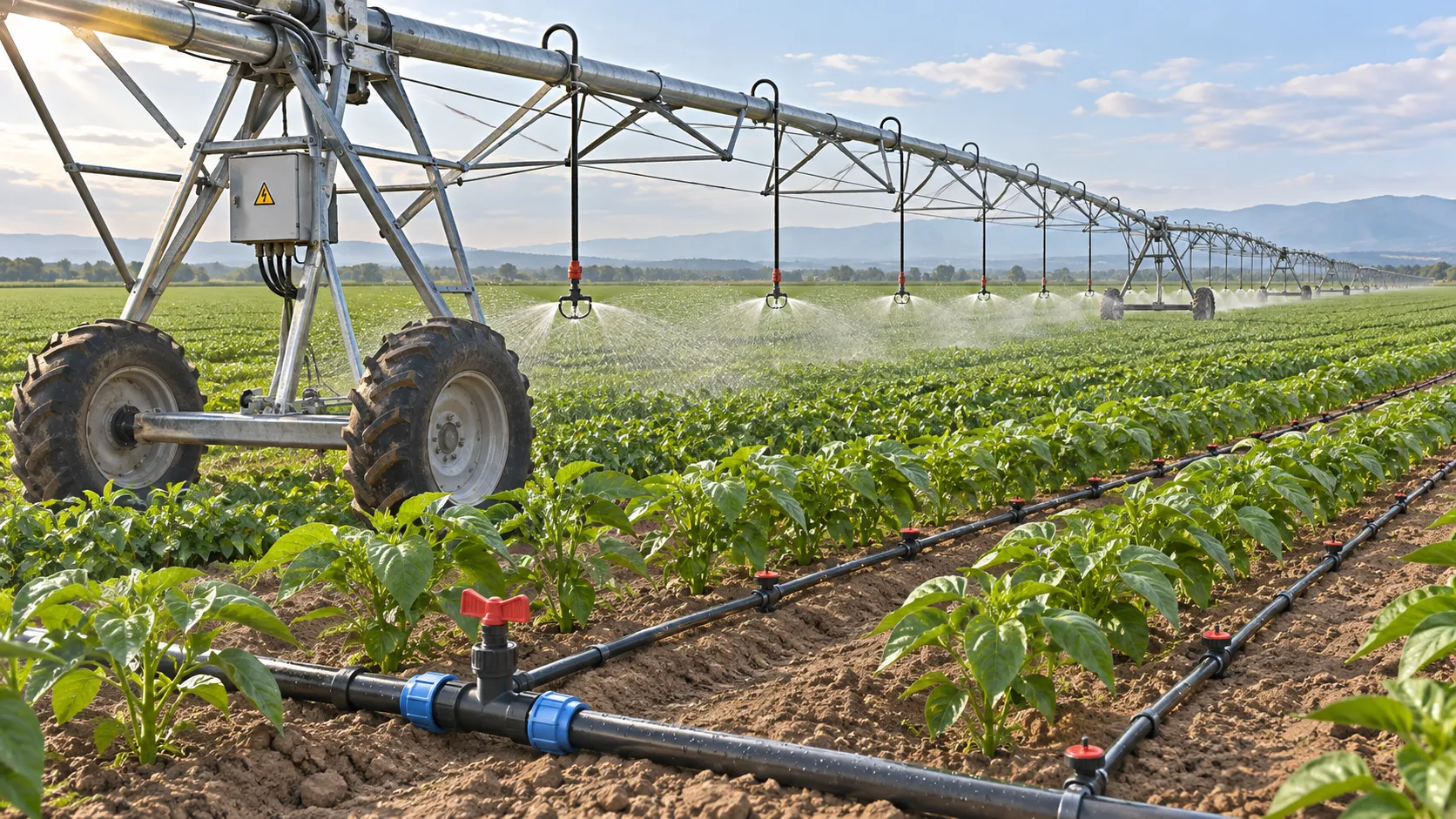
Drip vs. Center Pivot Irrigation: Maintenance Tasks and Costs Compared
Use this irrigation solution comparison by maintenance to weigh drip vs. center pivot tasks, costs and downtime—and choose the best fit for your field.
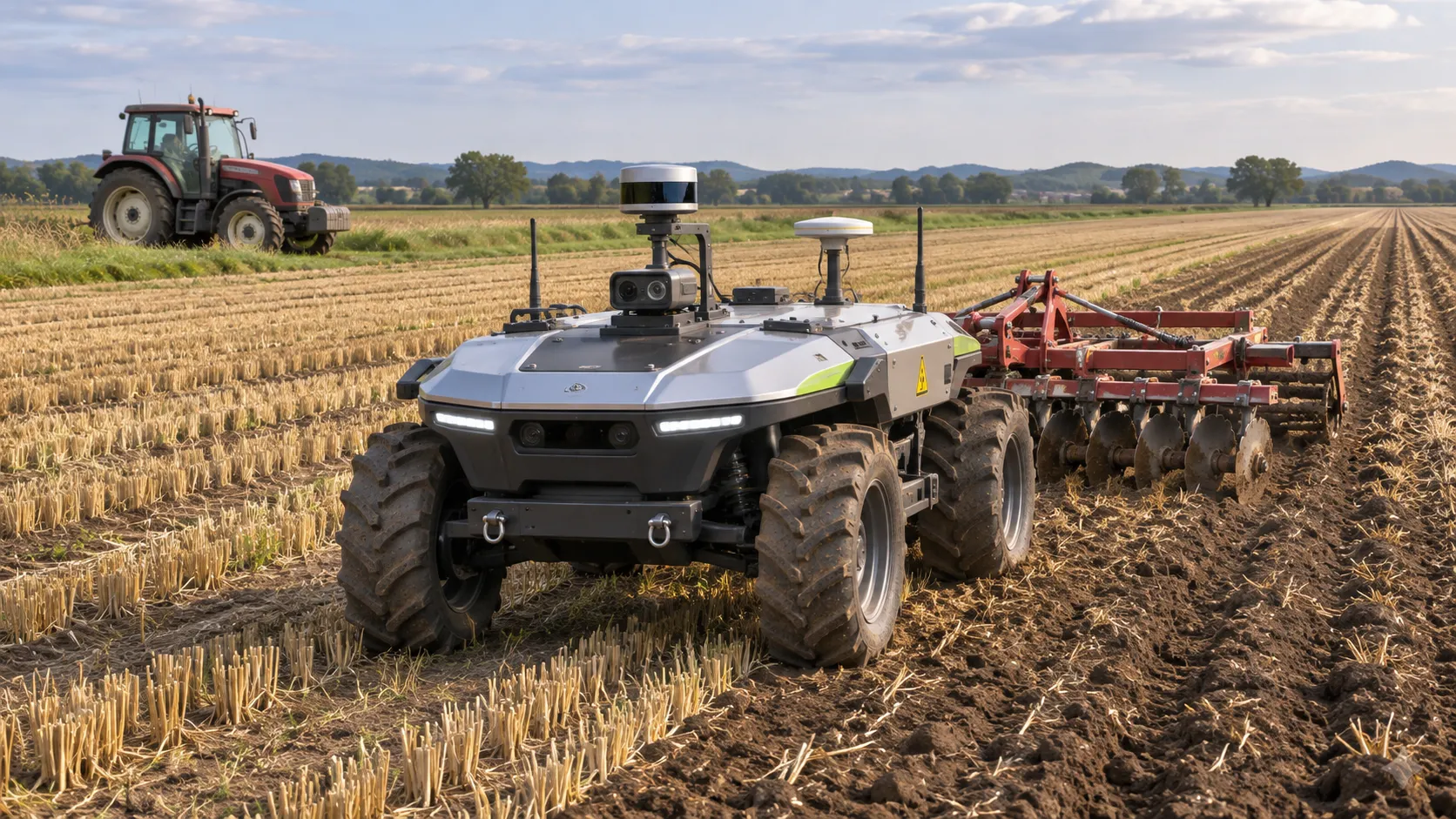
EIMA 2026: Six Tractor of the Year Awards Include Autonomous Robot
Explore the Tractor of the Year awards at EIMA 2026, featuring six winners, including the AgXeed autonomous robot and leading tractor models.
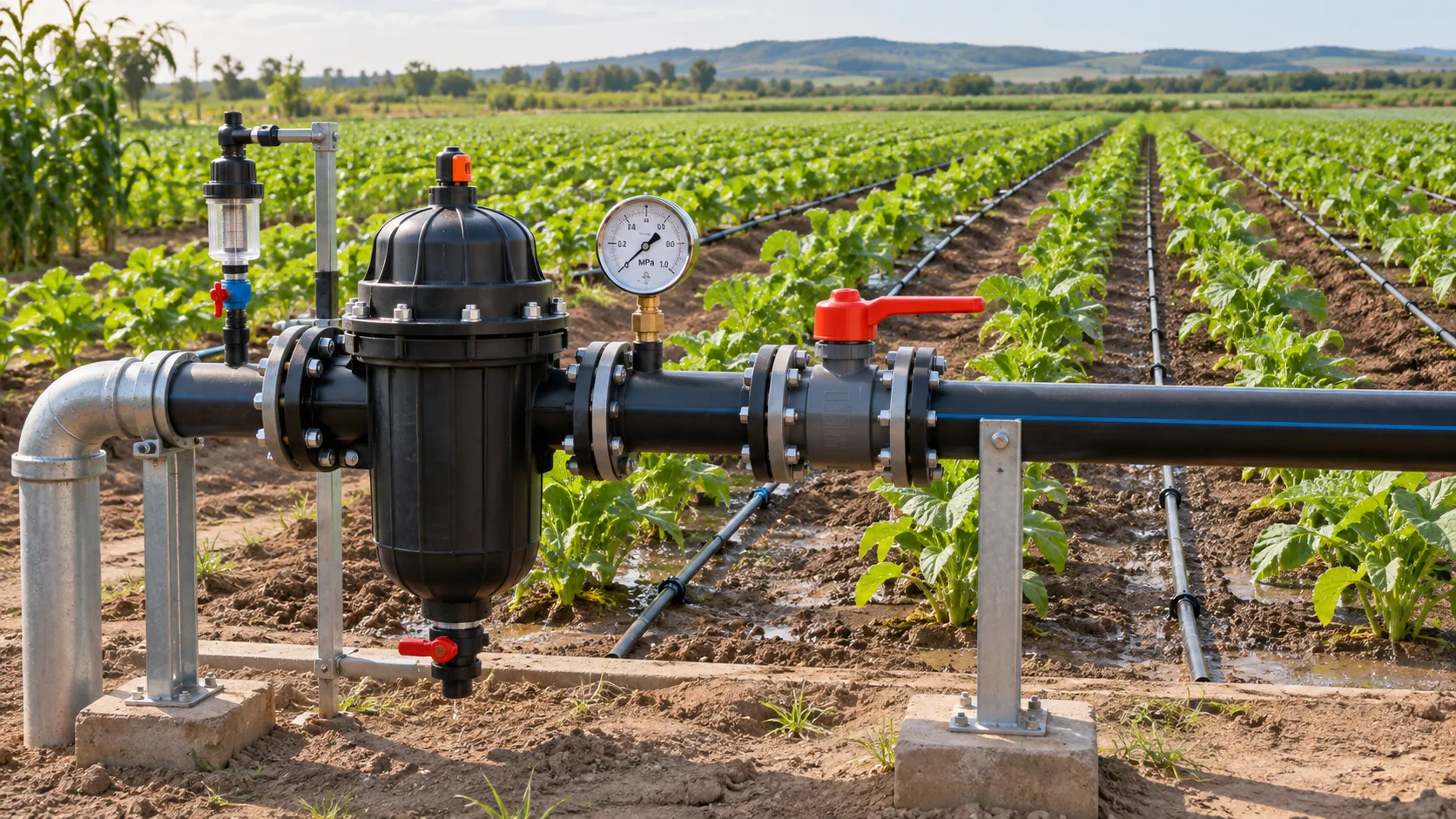
Choosing Irrigation Systems for Government Projects: Water, Cost and Compliance
What factors affect irrigation system selection for government projects? Explore water supply, lifecycle costs and compliance to make a confident, well-informed choice.
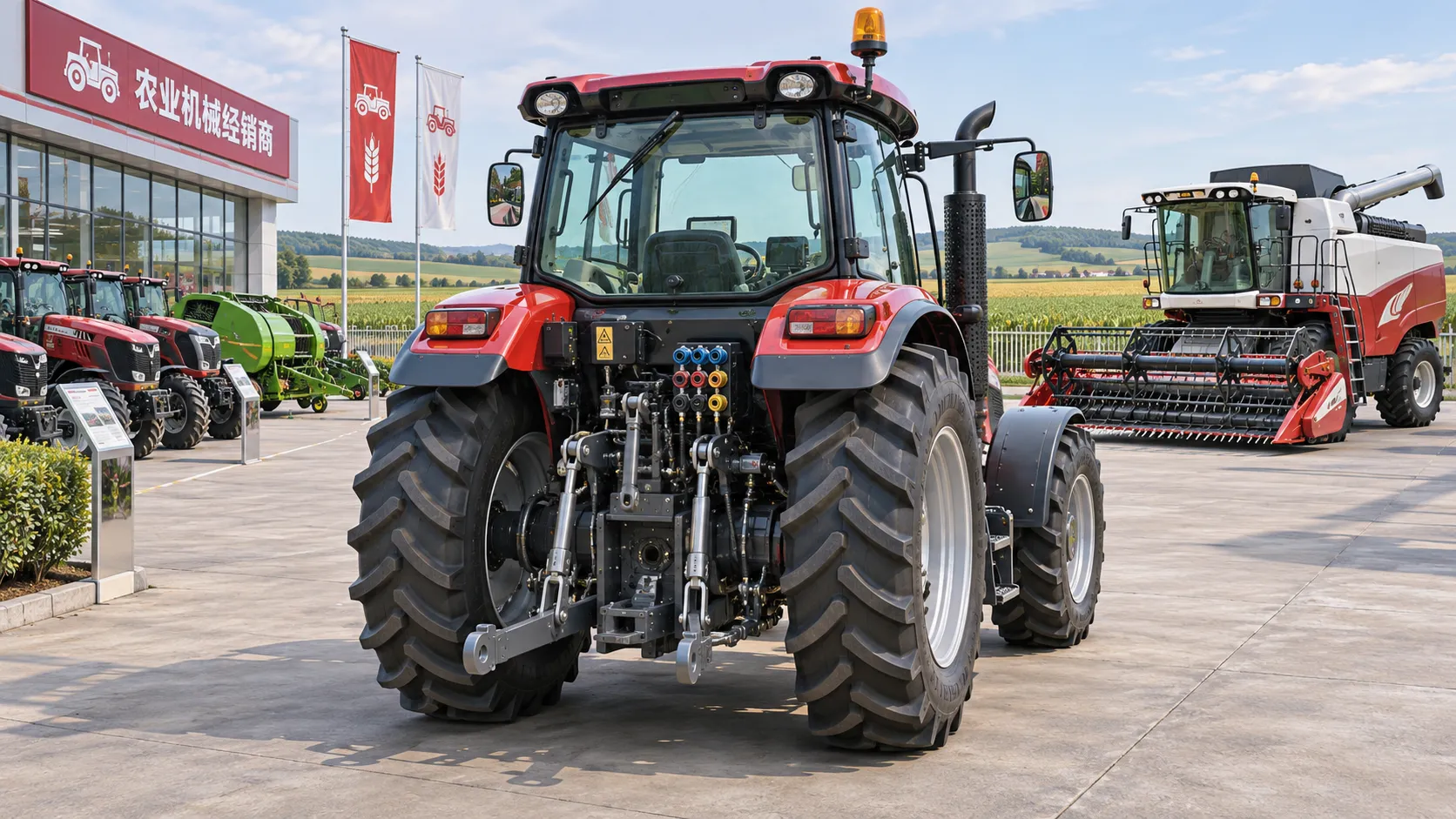
Choosing an Agricultural Machinery Platform: Listings, Pricing, and Support
Choosing an agricultural machinery platform? Compare listings, pricing, supplier verification, and support to make a more confident equipment purchase.
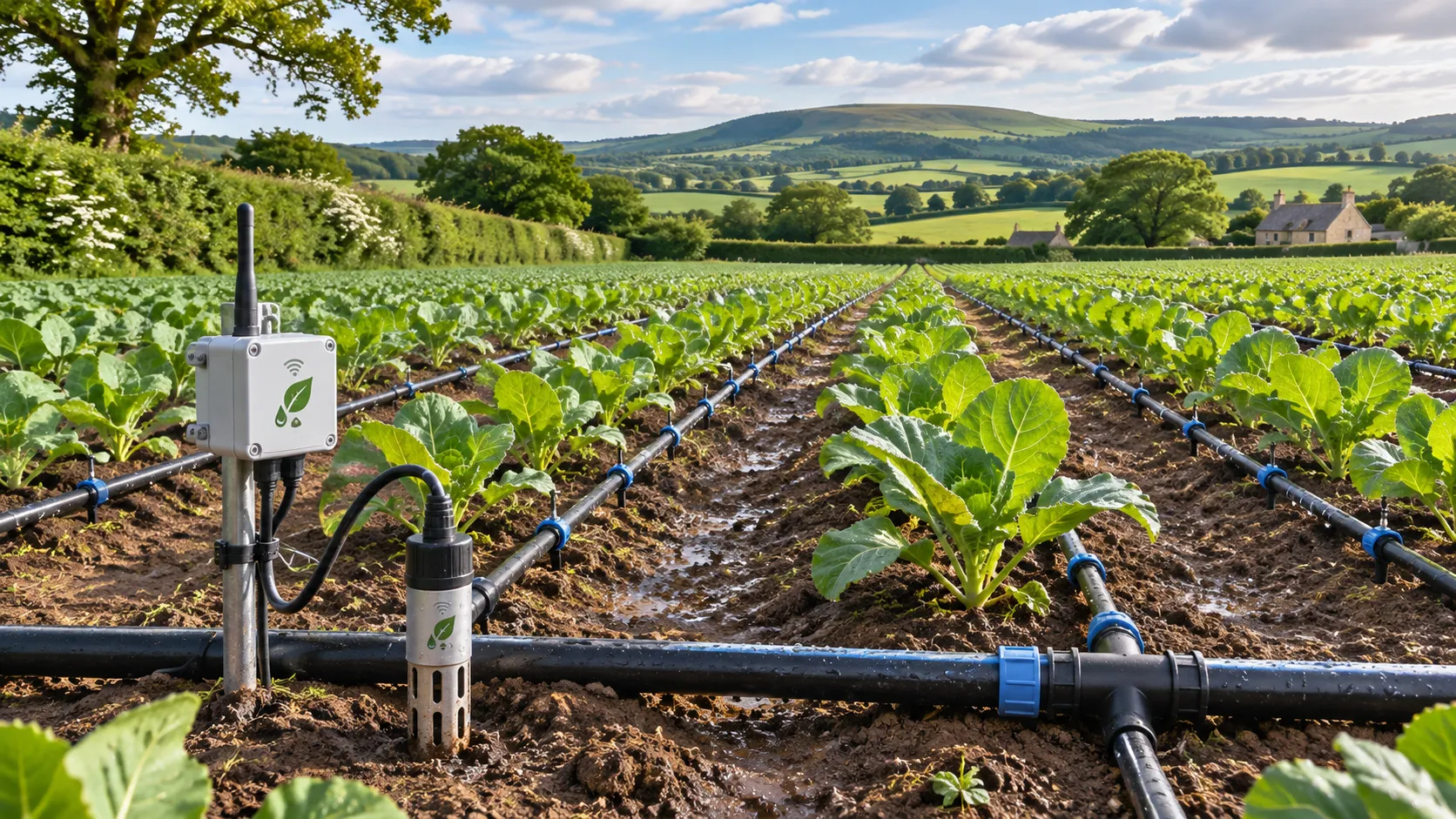
Ofwat Launches £8 Million Agri-Water Innovation Challenge
Ofwat’s £8 million Agri-Water Innovation Challenge supports smart irrigation, water reuse and water-saving solutions. Explore the funding and its potential impact.
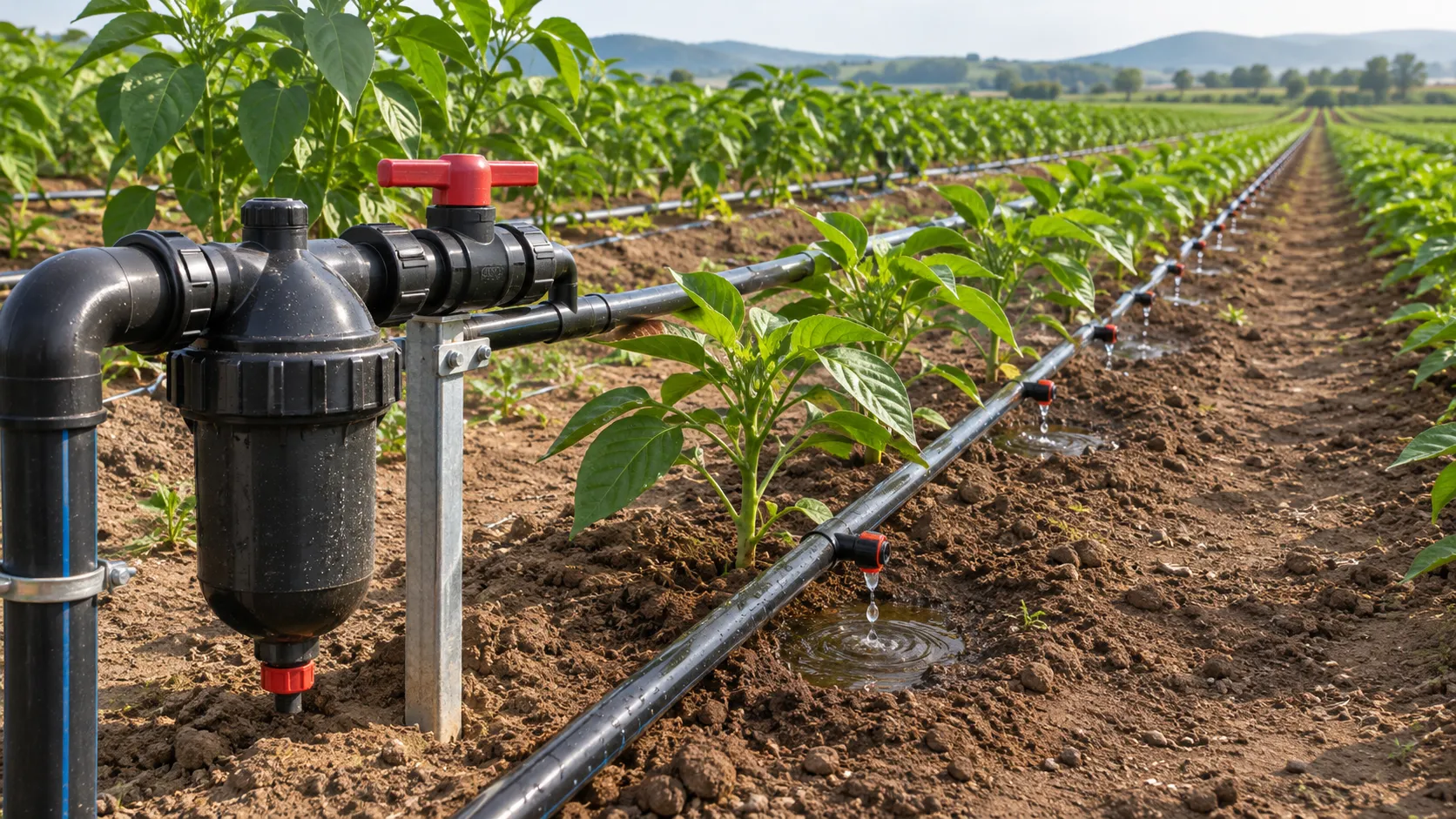
Choosing a Water-Saving Irrigation Supplier: 5 Key Procurement Criteria
Choose a water-saving irrigation systems supplier with confidence. Explore five procurement criteria to reduce risk and maximize long-term value.
Related News
- 00
0000-00
Horsepower Alone Does Not Define High-End Agricultural Machinery - 00
0000-00
Fuel-Efficient Tractor Powertrain: Which Specs Matter Most for Total Operating Cost? - 00
0000-00
CVT Transmissions Price Explained: What Drives Cost in Agricultural Machinery? - 00
0000-00
Dedicated CVT Rail Link Signals New Export Execution Standard - 00
0000-00
TUV Rheinland Sets New ASIL-B Rule for CVT Systems
0000-00
Popular Tags
Tractor Power Architect
Weekly Insights
Stay ahead with our curated technology reports delivered every Monday.