
U.S.-China Trade Talks Reach Mutual Tariff Reduction Consensus on CVT Transmissions
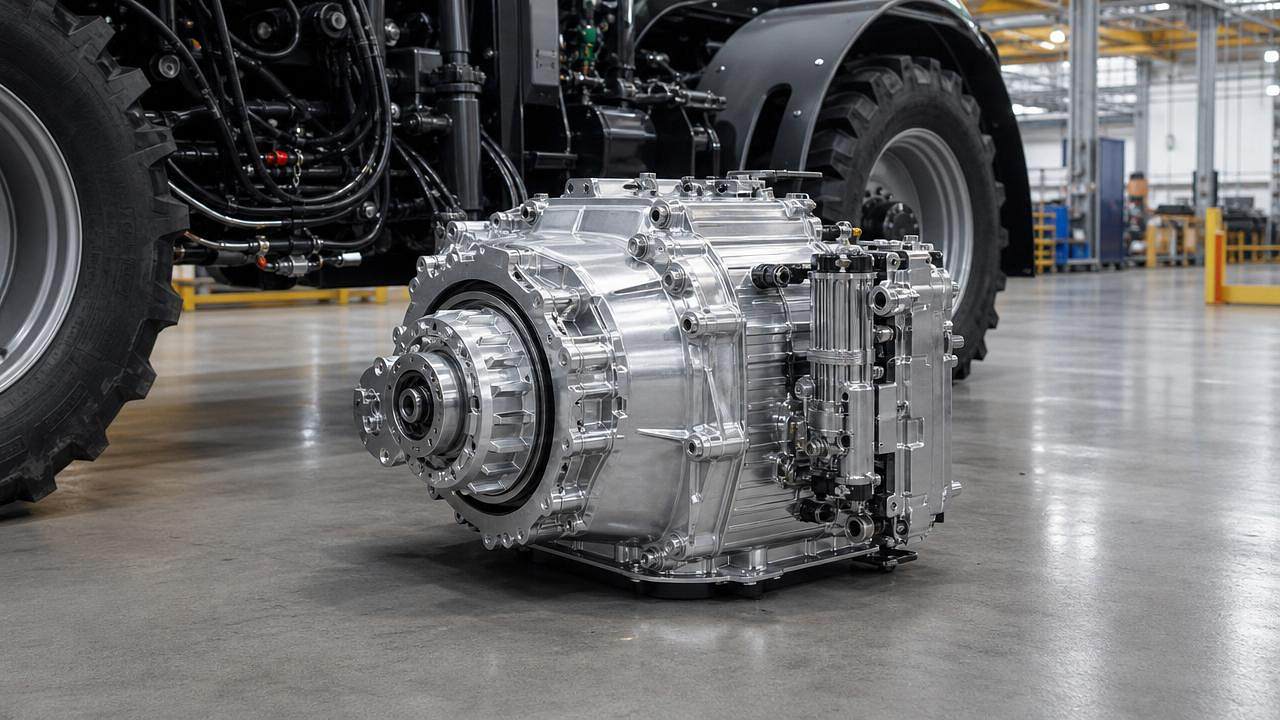




On May 14, 2026, China’s Ministry of Commerce announced preliminary outcomes of U.S.-China trade consultations, confirming that both sides have tentatively agreed to reciprocal tariff reductions on products of equivalent value. CVT (Continuously Variable Transmission) units—specifically those used in large tractors and agricultural machinery aftermarket and remanufacturing applications—are among the Chinese-prioritized items included in the first round of tariff reduction assessment. This development is particularly relevant for agricultural equipment manufacturers, transmission exporters, aftermarket parts distributors, and supply chain service providers operating across U.S.-China trade lanes.
Event Overview
On May 14, 2026, China’s Ministry of Commerce issued an official statement indicating that during recent bilateral trade consultations, the U.S. and China reached a principle-level agreement on mutual tariff reductions for selected product categories of comparable trade value. CVT transmissions were explicitly named as one of the key Chinese priority items under evaluation for tariff relief in the initial phase. No final implementation date, effective timeline, or specific tariff rate adjustment has been confirmed. The current U.S. additional tariff applied to these goods stands at approximately 7.5%.
Industries Affected by This Development
Direct Exporters of CVT Transmissions
These are Chinese manufacturers and trading firms exporting CVT units to the U.S., primarily for tractor aftermarket upgrades and agricultural machinery remanufacturing. They face direct cost pressure from the existing 7.5% additional tariff. A reduction would improve landed price competitiveness in U.S. distribution channels, especially where price sensitivity is high—such as in independent repair shops and regional OEM-authorized service centers.
Aftermarket Parts Distributors & Remanufacturers (U.S.-based)
U.S. companies sourcing CVT units from China for integration into rebuilt tractor drivetrains or modular replacement kits may see improved margin stability or pricing flexibility if import duties decline. Their procurement lead times, inventory planning cycles, and supplier qualification timelines could be affected depending on how quickly revised Harmonized System (HS) code classifications or customs procedures are updated.
Supply Chain & Logistics Service Providers
Firms offering cross-border customs brokerage, tariff classification advisory, or bonded warehousing for agricultural transmission components may experience shifts in client demand. A tariff reduction could lower documentation complexity and duty guarantee requirements—but only after formal regulatory updates are published and enforced by U.S. Customs and Border Protection (CBP) and China’s General Administration of Customs (GACC).
What Relevant Enterprises or Practitioners Should Monitor and Do Now
Track official implementation notices—not just announcements
The May 14 statement reflects a principle-level consensus, not an enacted policy. Companies should monitor Federal Register notices (U.S.), GACC bulletins (China), and CBP guidance for formal HS code amendments, effective dates, and eligibility criteria. Until such notices are published, no tariff change is operationally binding.
Verify product scope against proposed CVT definitions
“CVT transmissions” is a functional category; its regulatory definition—including applicable subheadings under HTSUS 8483.40 and corresponding Chinese tariff codes—will determine which models qualify. Exporters should prepare technical specifications and application use cases now to support future classification requests or exclusion petitions.
Distinguish between signal and execution in procurement planning
While the announcement signals potential near-term relief, current contracts, letters of credit, and incoterms remain subject to the existing 7.5% duty. Procurement teams should avoid premature renegotiation of pricing or volumes until confirmation is published—and instead build flexibility into Q3 2026 purchase orders to accommodate possible retroactive application windows.
Update internal compliance and reporting systems proactively
ERP and customs management platforms must reflect updated duty rates only upon official rulemaking. Firms should initiate internal reviews of tariff engineering practices, origin documentation workflows, and preferential treatment eligibility (e.g., whether any units might also qualify under other trade instruments) ahead of anticipated system updates.
Editorial Perspective / Industry Observation
Observably, this development functions primarily as a diplomatic and procedural signal—not an immediate operational change. It reflects coordinated prioritization of agricultural industrial inputs amid broader macroeconomic recalibration, rather than a comprehensive tariff rollback. Analysis shows that CVT units were selected due to their strategic role in farm equipment lifecycle extension, not broad-sector trade volume. From an industry standpoint, the inclusion of CVTs in the first assessment list suggests that niche, high-value-added components with clear downstream application traceability are more likely to receive early consideration in future rounds. However, the absence of quantified reduction targets or timelines means stakeholders must treat this as a conditional milestone—not a guaranteed outcome.
Conclusion
This announcement marks a procedural step in bilateral tariff negotiations with tangible implications for a narrow but critical segment of agricultural powertrain supply chains. Its significance lies less in immediate financial impact and more in its indication of targeted, function-based tariff review—centered on equipment durability, aftermarket viability, and industrial sustainability metrics. Currently, it is more appropriately understood as a policy signal requiring verification through formal regulatory issuance, rather than a de facto change in trade conditions.
Information Source
Main source: Official statement released by China’s Ministry of Commerce on May 14, 2026. No U.S. interagency confirmation or implementing regulation has been published as of the date of this report. Ongoing monitoring of U.S. Federal Register updates and GACC announcements is advised for further developments.
Related News
How to Compare Agricultural Equipment Platforms for Fleet Management and ROI
Agricultural equipment platform comparison: evaluate fleet data, maintenance, precision workflows, and ROI to choose a system that delivers measurable results.

Drip vs. Micro-Sprinkler Irrigation: Which System Fits Your Orchard?
Irrigation solution comparison for orchards: discover whether drip or micro-sprinklers best match your water, soil, roots, fertigation, and frost needs.
Orchard Water Management: Using Soil Moisture Data to Schedule Irrigation
Agricultural water management for orchards made practical: use soil moisture data to optimize irrigation timing, protect yield, reduce costs, and improve resilience.
Tractor Chassis Price: What Buyers Should Compare Beyond the Initial Quote
Tractor chassis price is only the start. Compare load capacity, compatibility, durability, and lifecycle costs to choose a reliable, high-value chassis.
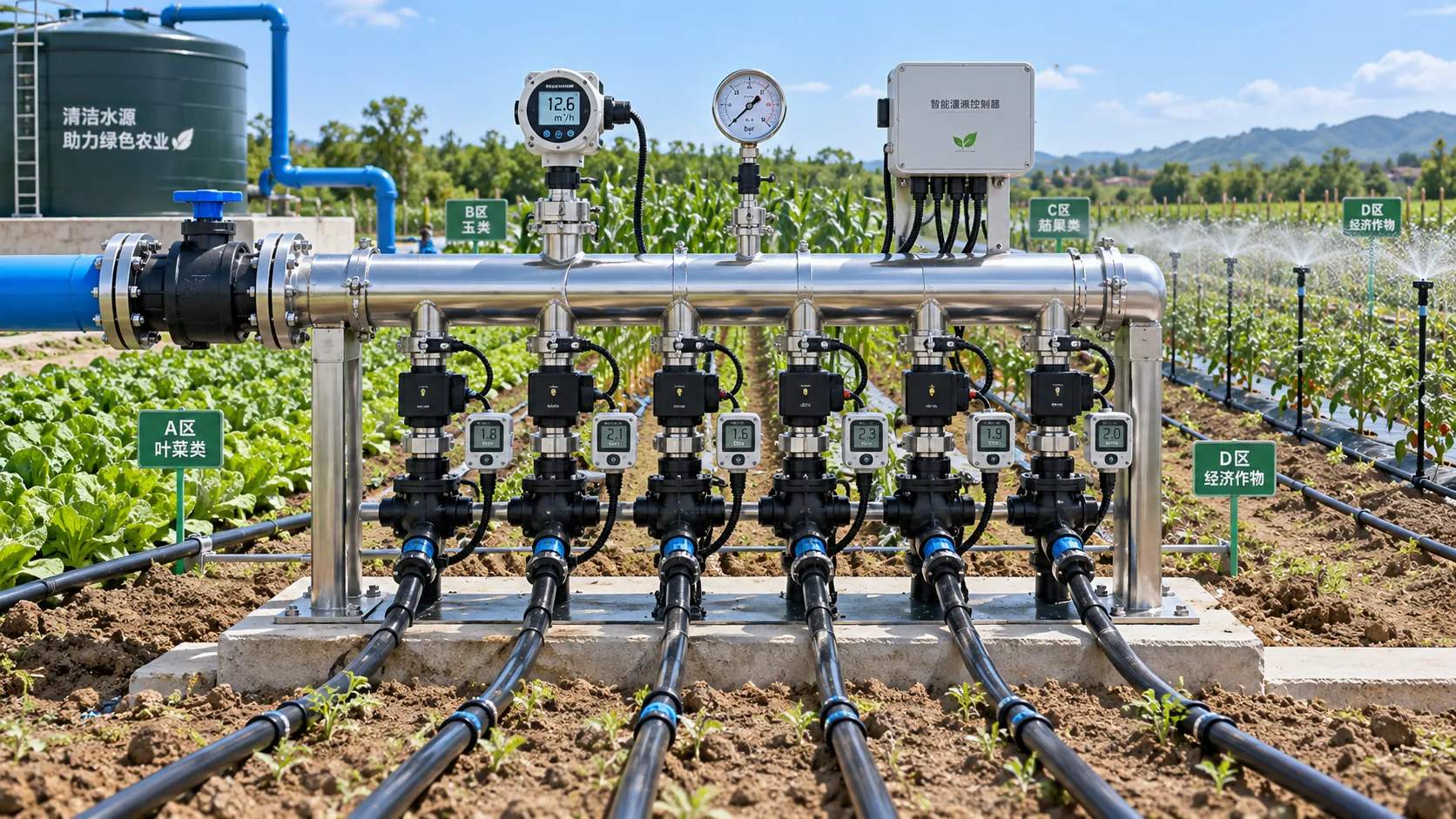
How to Select Smart Irrigation Valves for Multi-Zone Water Management?
Intelligent irrigation systems valves: learn how to match smart valves with multi-zone flow, pressure, control, feedback, and communication needs for reliable water management.
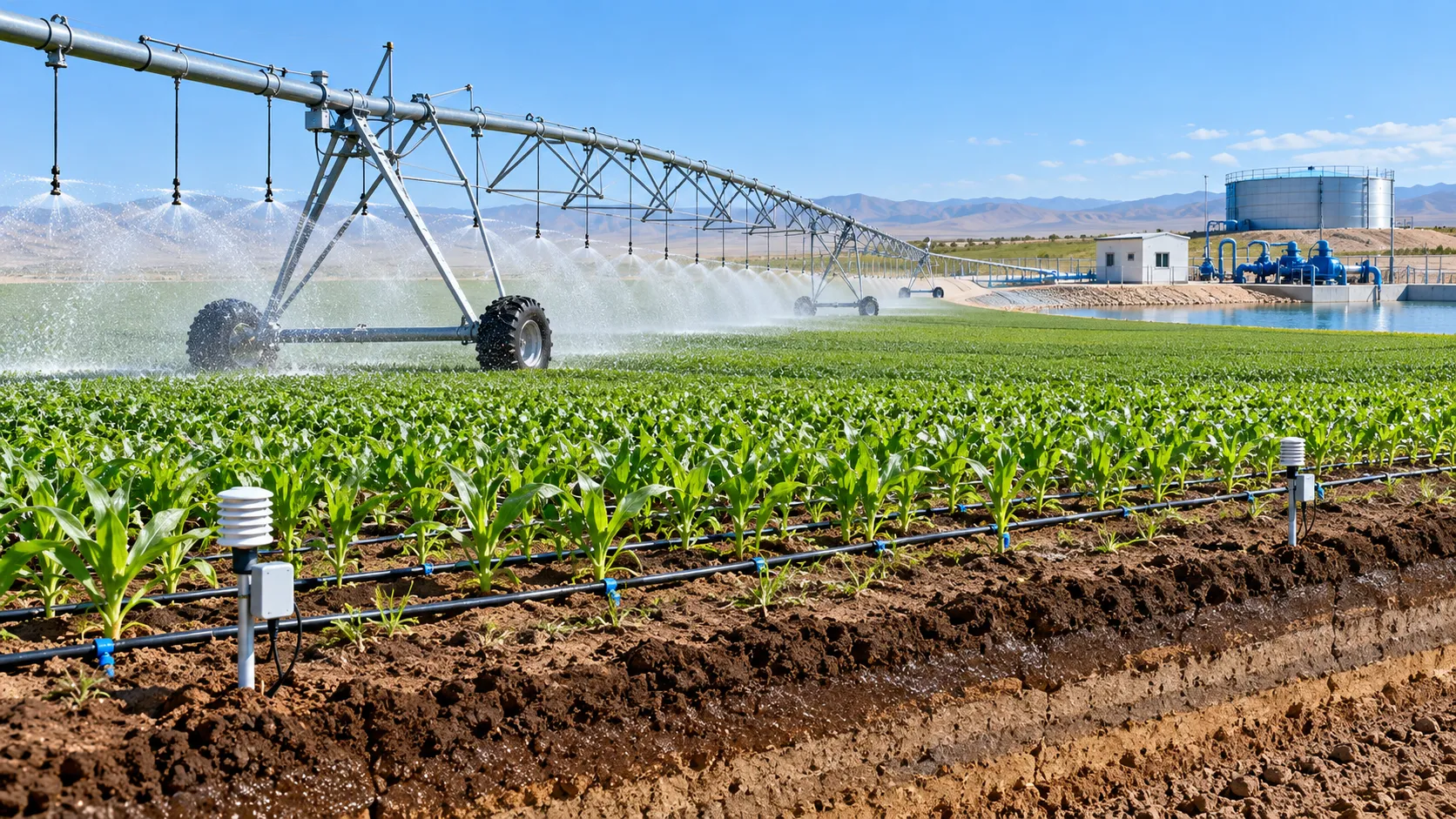
Climate-Smart Farming for Drought: A Practical Plan for Protecting Yields
Climate-smart farming for drought: build smarter water budgets, protect critical crop stages, improve irrigation uniformity, and safeguard yields with practical field-proven strategies.

How Digital Agriculture Platforms Turn Field Data Into Better Input Decisions
Digital agriculture platforms turn field data into smarter fertilizer, water, seed, and equipment decisions—helping farms cut risk, improve margins, and scale sustainability.
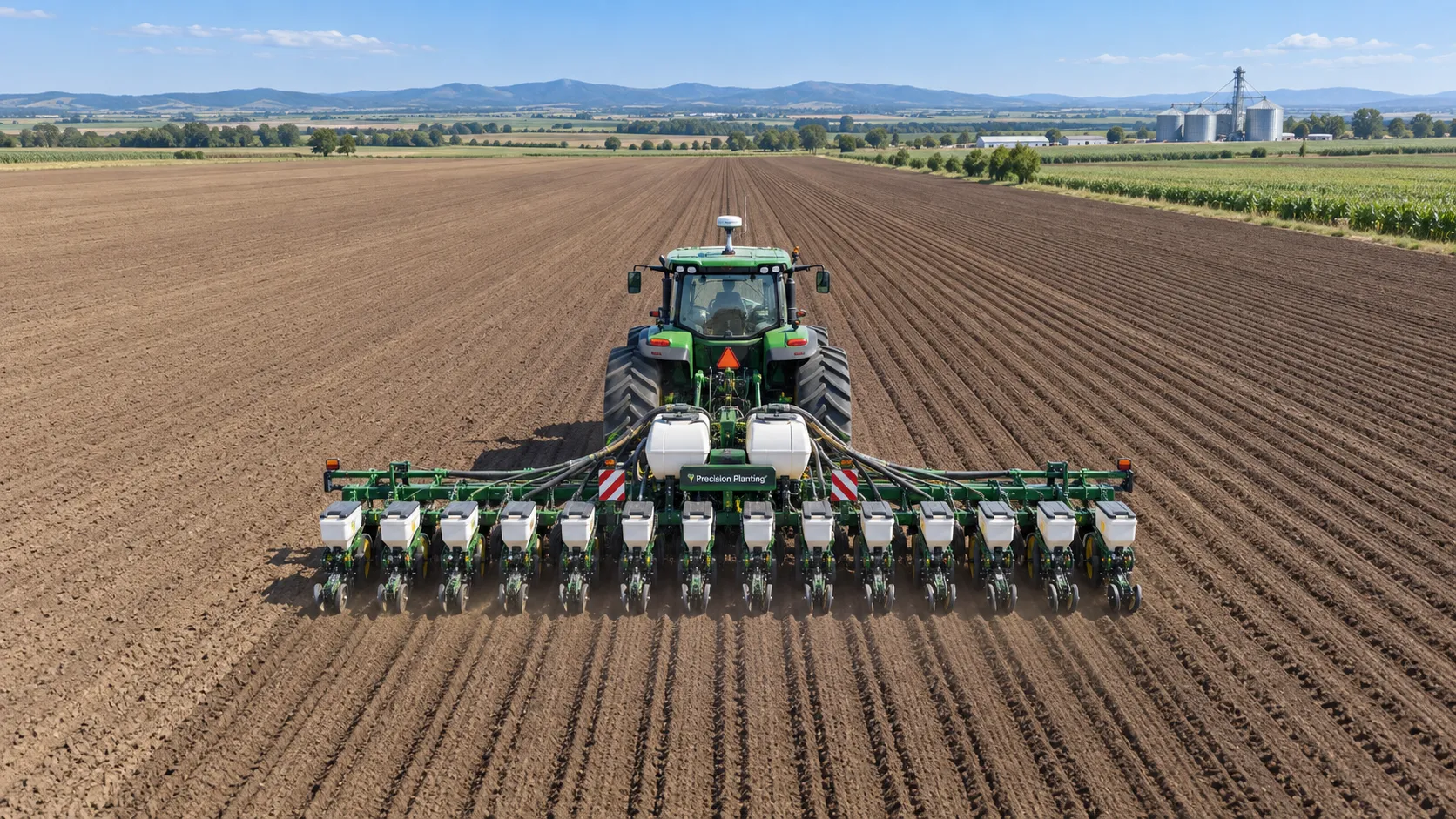
GPS-Guided Farm Machinery: Where It Delivers Measurable Field Efficiency Gains
Agri-mechanization GPS guided systems deliver measurable field efficiency gains through reduced overlap, precise planting, smarter inputs, and reliable farm data.

How Sensor Feedback Enables Accurate Variable-Rate Fertilization in Field Conditions
Precision fertilization systems with sensor feedback improve variable-rate accuracy by verifying flow, managing latency, and ensuring reliable field application.
Related News
- 00
0000-00
Fuel-Efficient Tractor Powertrain: Which Specs Matter Most for Total Operating Cost? - 00
0000-00
CVT Transmissions Price Explained: What Drives Cost in Agricultural Machinery? - 00
0000-00
Dedicated CVT Rail Link Signals New Export Execution Standard - 00
0000-00
TUV Rheinland Sets New ASIL-B Rule for CVT Systems - 00
0000-00
ANVISA Clears First China-Made Bio-Based CVT Fluid for Brazil
Popular Tags
Tractor Power Architect
Weekly Insights
Stay ahead with our curated technology reports delivered every Monday.