
How hybrid technology is changing farm power choices




How Hybrid Technology Is Changing Farm Power Choices
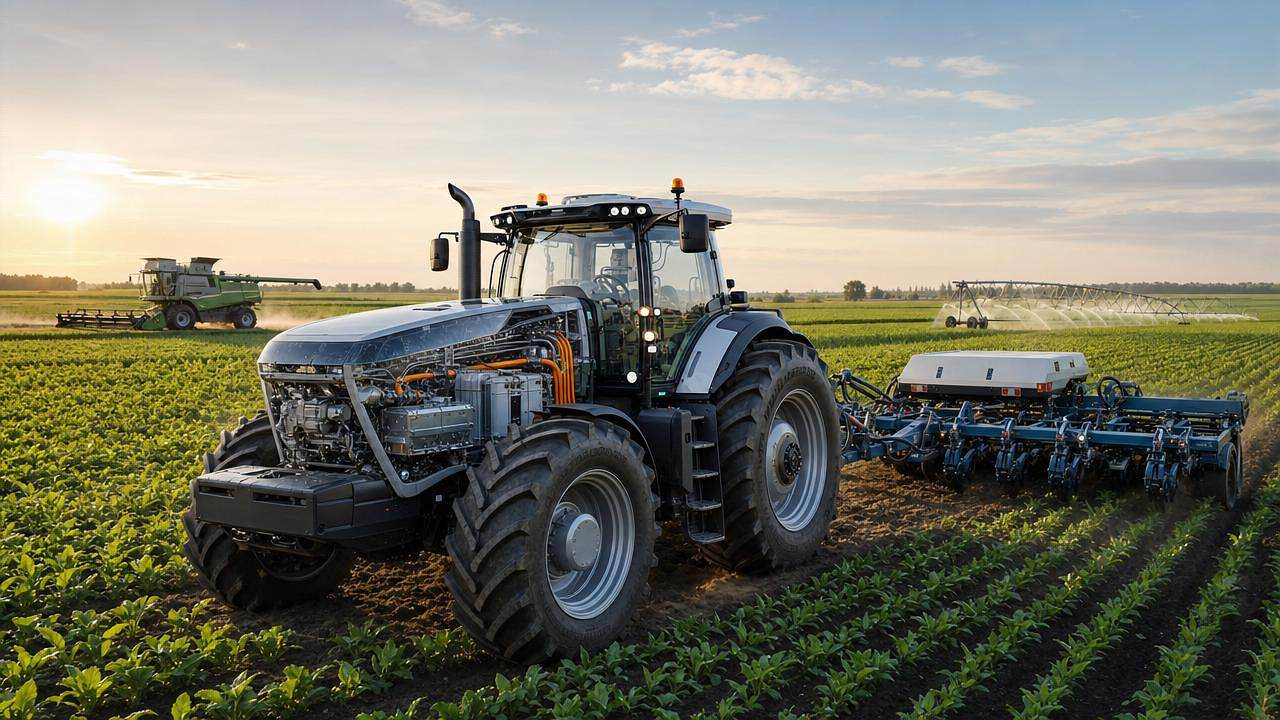
Hybrid technology is reshaping how technical evaluators compare farm power systems, moving the discussion beyond engine size toward torque delivery, fuel efficiency, emissions control, and lifecycle economics.
For large tractors, combine harvesters, and intelligent implements, hybrid technology enables flexible power management across tillage, transport, harvesting, irrigation, and precision field work.
The central question is no longer whether more horsepower is available. It is whether power arrives efficiently, predictably, and economically under changing field loads.
Why Farm Power Choices Need a Checklist Approach
Conventional comparison often starts with rated horsepower, fuel tank size, and hydraulic output. Those metrics still matter, but they no longer tell the full story.
Hybrid technology adds batteries, generators, electric drives, control software, thermal systems, and energy recovery. Each layer changes performance and maintenance assumptions.
A checklist prevents overvaluing one attractive number. It connects field productivity, energy use, uptime, data readiness, and long-term ownership cost.
This is especially important in Agriculture 4.0, where machinery must support autonomy, precision application, lower emissions, and resource-saving operations.
Core Checklist for Evaluating Hybrid Technology
Use the following checklist to judge whether hybrid technology improves real field performance, not only specification-sheet appeal.
- Map the duty cycle first, including tillage load, road transport, PTO work, harvesting peaks, idle time, and auxiliary electrical demand.
- Compare torque response at low engine speeds, because hybrid technology should reduce lugging during soil engagement and heavy crop intake.
- Check whether electric boost supports short overload events without forcing a larger diesel engine into inefficient operating ranges.
- Review fuel consumption under mixed tasks, not only rated power tests, since hybrid savings depend strongly on actual operating patterns.
- Assess battery capacity against realistic work cycles, including thermal derating, repeated acceleration, hydraulic demand, and overnight charging conditions.
- Verify how hybrid technology manages regenerative energy during braking, headland turns, downhill transport, or variable-speed harvesting operations.
- Inspect cooling architecture, because batteries, inverters, motors, and engines must remain stable during dusty, hot, and slow field work.
- Evaluate service access to high-voltage components, filters, cabling, sensors, connectors, and diagnostic ports before estimating uptime benefits.
- Confirm compatibility with intelligent implements, including electric seed meters, variable-rate spreaders, smart sprayers, and sensor-driven irrigation controls.
- Calculate lifecycle cost using fuel, downtime, battery replacement assumptions, software support, resale value, and emissions compliance exposure.
Checklist Details That Change Equipment Selection
1. Power Delivery Is Becoming More Important Than Peak Output
Hybrid technology shifts attention from maximum horsepower to usable power. Electric torque can arrive instantly, filling gaps before diesel output rises.
This matters in plowing, ripping, pulling grain carts, and climbing grades. Short overloads no longer require constant high engine speed.
When evaluating tractor chassis, review torque curves with and without electric assist. Look for stable drawbar pull under changing soil resistance.
2. Fuel Efficiency Must Be Measured Across the Whole Workday
Hybrid technology can reduce fuel use by optimizing engine load, powering auxiliaries electrically, and recovering energy during repeated speed changes.
However, benefits vary by task. Long, steady high-load operations may show smaller gains than stop-start transport or variable harvesting.
A useful comparison records liters per hectare, liters per ton, and productive hours per tank. These indicators expose practical efficiency.
3. Electric Auxiliaries Are Redefining Implement Integration
Hybrid technology supports electrically driven fans, pumps, meters, actuators, and compressors. This reduces dependence on mechanical shafts and hydraulic losses.
For intelligent farm tools, electric control improves response speed. Variable-rate seeding, spraying, and fertilization become more precise and repeatable.
Check voltage standards, connector robustness, control protocols, and fault isolation. Power availability means little if integration remains fragile.
Application Notes for Key Farm Scenarios
Heavy Tillage and Primary Soil Preparation
Heavy tillage creates sharp load fluctuations. Hybrid technology can smooth torque delivery and keep the engine closer to its efficient range.
The best indicator is sustained drawbar performance. Review slip control, ballast strategy, transmission coordination, and battery temperature under continuous draft.
Combine Harvesting in Variable Crop Conditions
Combine harvesters face changing crop density, moisture, slope, and grain unloading loads. Hybrid technology can stabilize threshing and cleaning systems.
Electric drives may improve fan control, rotor speed adjustment, and unloading auger response. This can reduce grain loss during uneven feeding.
Road Transport and Grain Logistics
Transport work often includes acceleration, braking, gradients, and idle waiting. Hybrid technology can recover energy and reduce inefficient engine operation.
Evaluate braking regeneration, cooling during road speeds, and electric boost during trailer starts. These details influence fuel and driveline wear.
Smart Irrigation and Stationary Power Support
Hybrid technology also affects irrigation support, mobile pumping, and field-side electrical loads. Stable power can assist sensors and control valves.
When water-saving irrigation depends on data, power quality matters. Check generator output, battery buffering, and remote monitoring capability.
Commonly Overlooked Risks in Hybrid Technology Decisions
Battery Aging Assumptions
Battery life depends on heat, charge cycles, depth of discharge, vibration, and storage conditions. Use conservative replacement assumptions in lifecycle models.
Software Dependency
Hybrid technology relies on control algorithms. Poor calibration can waste fuel, overheat components, or deliver inconsistent torque during demanding field passes.
High-Voltage Service Readiness
Maintenance planning must include safe isolation, trained service procedures, diagnostic tools, and parts availability. Electrical faults can stop productive work quickly.
Weight and Soil Compaction
Additional batteries and cooling hardware may increase machine weight. Compare traction benefits against compaction risk, especially in wet or sensitive soils.
Infrastructure Gaps
Hybrid technology does not always require full charging infrastructure, but workshop power, diagnostics, cooling checks, and secure storage still need planning.
Practical Execution Guide Before Selection
- Build a task profile from real field logs, including engine load, idle time, fuel use, travel distance, and implement power demand.
- Request performance data under comparable soil, crop, slope, temperature, and transport conditions instead of relying only on brochure ratings.
- Run a controlled demonstration with the heaviest expected implement, then record fuel, speed stability, temperature, and operator alerts.
- Compare hydraulic, mechanical, and electric implement options to identify where hybrid technology delivers measurable precision or efficiency gains.
- Review fault codes, remote diagnostic access, warranty coverage, software update policy, and emergency service response before final scoring.
- Model ownership cost over the expected holding period, including energy prices, emissions rules, utilization rate, and residual value uncertainty.
Decision Signals That Indicate a Strong Fit
Hybrid technology is strongest when machines face variable loads, frequent transitions, high auxiliary demand, or strict fuel and emissions targets.
It also fits operations moving toward autonomy. Electric systems provide cleaner control pathways for sensors, actuators, and precision algorithms.
The fit is weaker when work is mostly steady high-load operation, support infrastructure is limited, or uptime depends on simple mechanical repair.
A balanced decision treats hybrid technology as an integrated power architecture. It should not be judged as a fuel-saving feature alone.
Summary and Action Path
Hybrid technology is changing farm power choices by making torque quality, energy management, software control, and lifecycle cost central evaluation factors.
The practical next step is to convert field tasks into measurable duty cycles. Then compare machines against those cycles, not against peak specifications.
For tractors, combines, intelligent implements, and irrigation support systems, hybrid technology should be assessed through performance evidence and service readiness.
Use the checklist to test claims, expose hidden risks, and identify where hybrid technology delivers durable value for Agriculture 4.0 power planning.
Related News
Choosing a Digital Farming Platform Provider: Compatibility and Data Ownership
Compare digital farming platforms providers on equipment compatibility, data ownership, and export rights. Discover practical checks to avoid lock-in and choose with confidence.
How Large-Scale Farm Telematics Cuts Downtime Across Mixed Fleets
Large-scale farm equipment telematics cuts mixed-fleet downtime with real-time alerts, smarter maintenance, and stronger operational control. Learn how to protect critical farm workflows.
How to Size Low-Pressure Water-Saving Irrigation Systems for Uneven Fields
Low pressure water-saving irrigation systems for uneven fields: learn zoning, pressure mapping, pipe sizing, and pump selection to improve uniformity and reduce water waste.
Farm Machinery Sourcing: How to Vet Suppliers, Specs, and Lifecycle Costs
Farm machinery information for sourcing: learn to vet suppliers, compare specifications, control lifecycle costs, and secure reliable uptime for smarter equipment purchases.
What to compare in integrated seeding combinations for heavy soils
Compare integrated seeding combinations for heavy soils: depth control, residue flow, consolidation, traction, and field capacity for more uniform crop establishment.
When an integrated seeding combination improves field efficiency
Integrated seeding combination improves field efficiency, protects planting windows, and balances speed with seedbed quality, tractor capacity, and reliable establishment.
Which costs matter most when calculating precision agriculture ROI?
Calculating ROI on precision agriculture equipment? Discover the costs that shape returns, from installation and subscriptions to downtime, labor, and data integration.
How to calculate ROI on precision agriculture equipment before buying
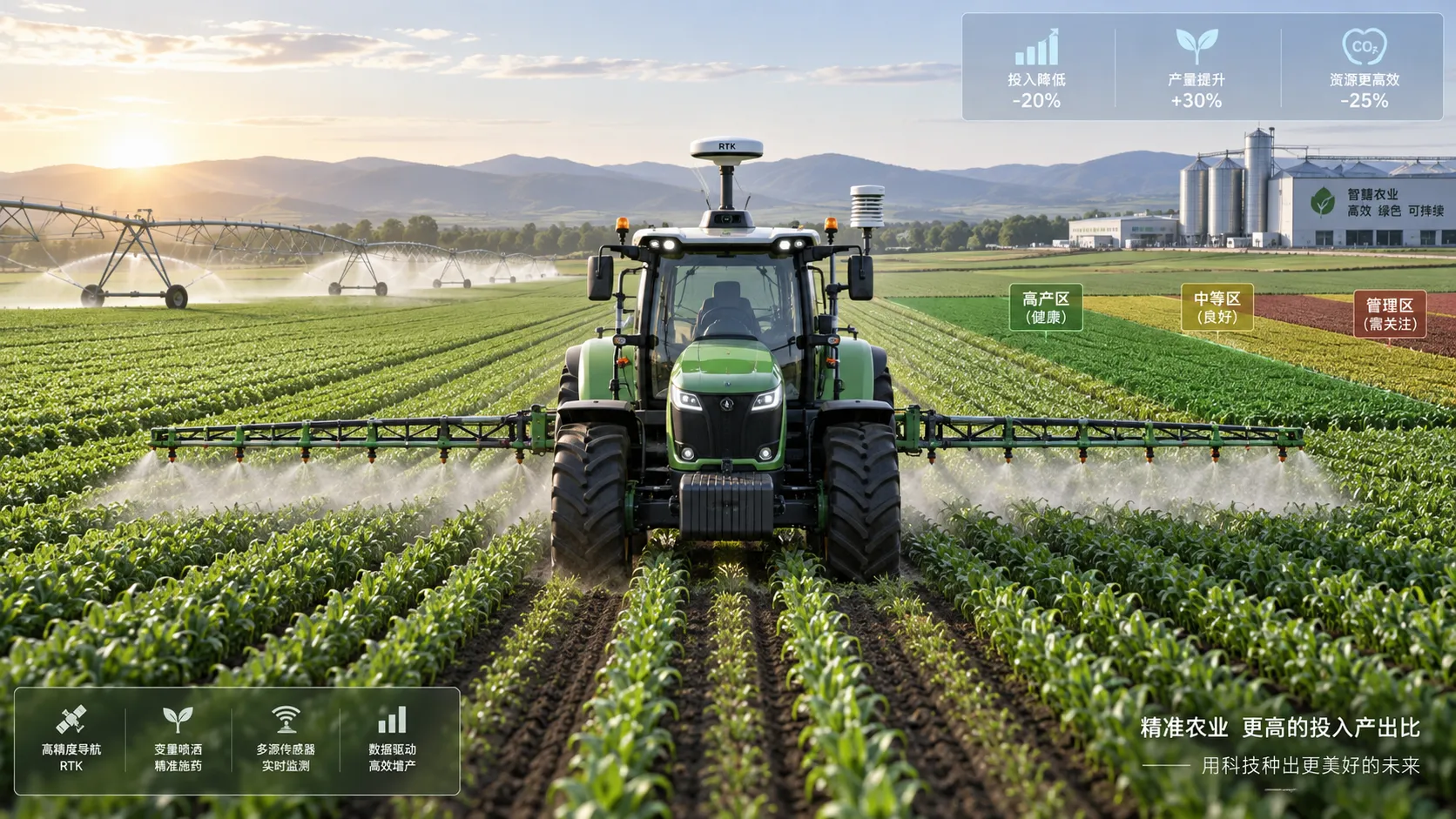
Calculating ROI on precision agriculture equipment: learn to assess total ownership costs, savings, payback, NPV, risks, and farm-scale value before you buy.
Planning Nipple Drinker Installation for Different Chicken House Layouts
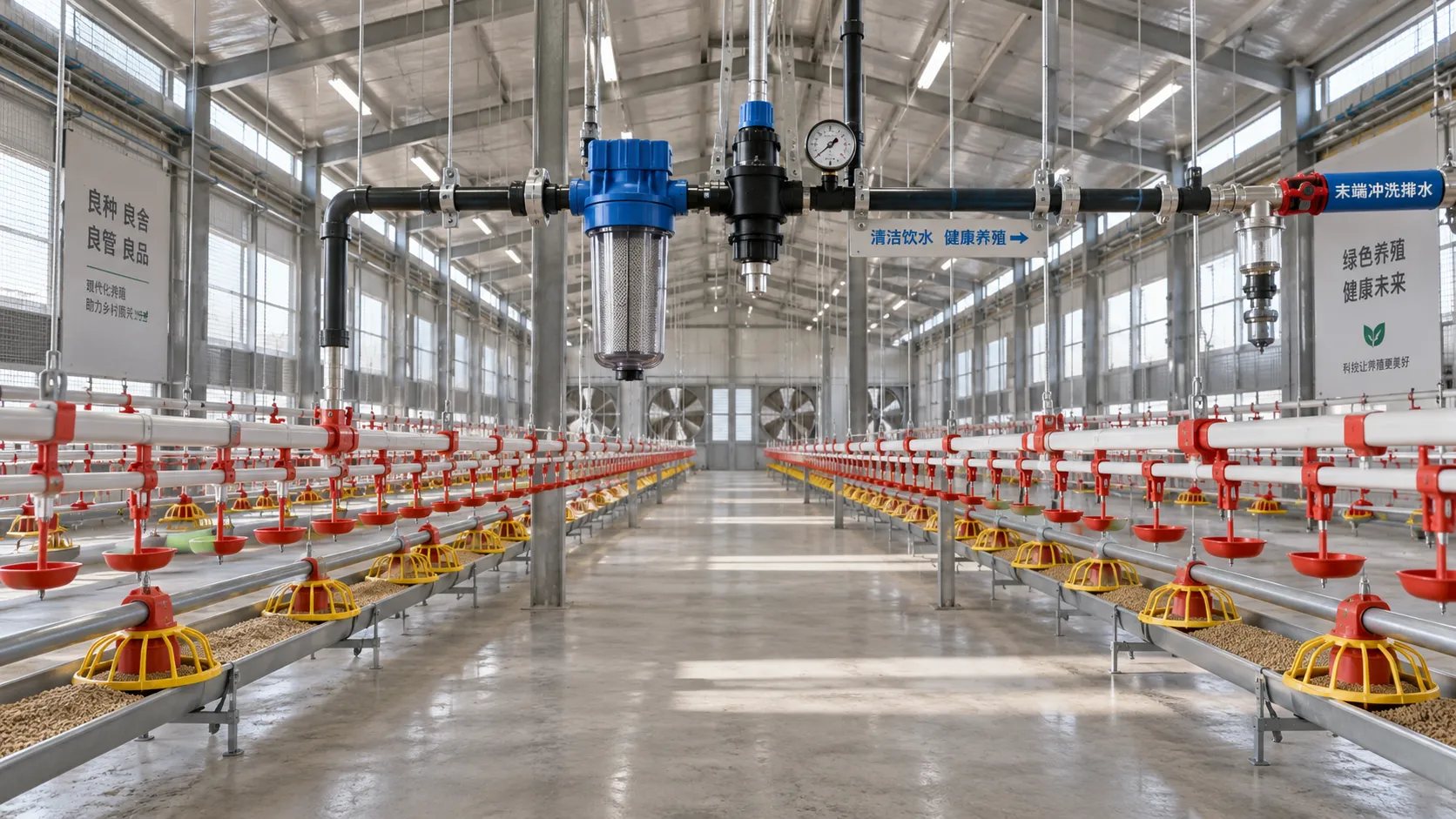
How to install nipple drinker for chicken houses: plan line layouts, pressure control, flushing access, and maintenance for reliable water delivery.
Related News
- 00
0000-00
Fuel-Efficient Tractor Powertrain: Which Specs Matter Most for Total Operating Cost? - 00
0000-00
CVT Transmissions Price Explained: What Drives Cost in Agricultural Machinery? - 00
0000-00
Dedicated CVT Rail Link Signals New Export Execution Standard - 00
0000-00
TUV Rheinland Sets New ASIL-B Rule for CVT Systems - 00
0000-00
ANVISA Clears First China-Made Bio-Based CVT Fluid for Brazil
Popular Tags
Tractor Power Architect
Weekly Insights
Stay ahead with our curated technology reports delivered every Monday.