
Q1 2026 FDI in China's High-Tech Agri-Tech Up 30.7%
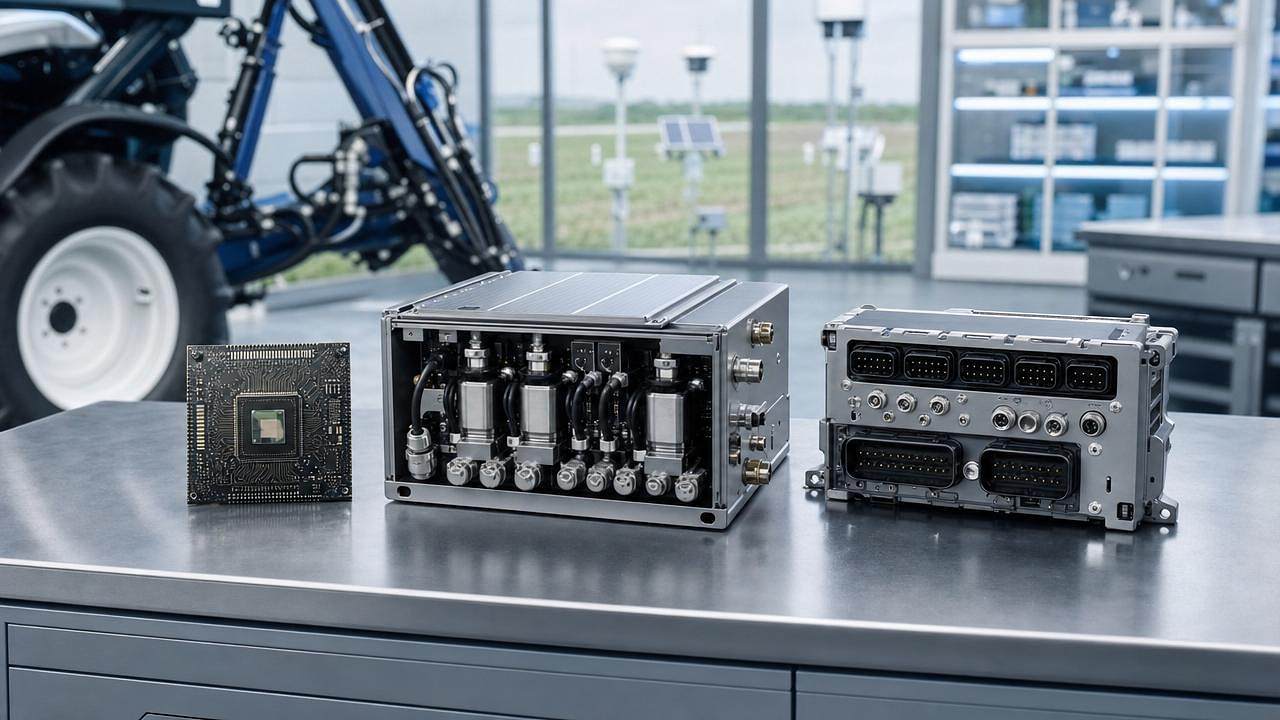




On May 7, 2026, China’s Ministry of Commerce reported that foreign direct investment (FDI) in high-technology industries rose 30.7% year-on-year in Q1 2026 — with notable growth in cross-border projects targeting agricultural AI chips, electro-hydraulic control units, and intelligent seeding logic controllers. This development signals growing international investor confidence in China’s capacity to co-develop, localize, and scale core subsystems for smart agricultural machinery — a trend particularly relevant for agri-tech hardware developers, embedded systems suppliers, and agricultural automation integrators.
Event Overview
According to official data released by China’s Ministry of Commerce on May 7, 2026, actual utilized foreign direct investment in high-technology industries in China increased by 30.7% year-on-year during the first quarter of 2026. The report specifically noted a marked rise in joint ventures and technology licensing agreements focused on agricultural AI chips, hydraulic-electric control units, and intelligent seeding logic controllers.
Industries Affected
Embedded Systems & Chip Design Firms
These firms are directly impacted because the surge reflects heightened demand for localized, agriculture-specific AI inference chips and real-time control ICs. Impact manifests in increased inbound technical collaboration requests, tighter timelines for IP licensing negotiations, and higher expectations for domestic support infrastructure — including foundry access, validation labs, and field-test partnerships.
Smart Machinery OEMs & Tier-1 Suppliers
OEMs and tier-1 suppliers face pressure to integrate newly available AI-enabled controllers into existing platform architectures. The impact includes accelerated requirements for firmware compatibility testing, revised BOM cost modeling (especially for dual-sourcing of control modules), and expanded need for local engineering co-development resources — particularly in software-defined hydraulic control and adaptive planting logic.
Agricultural Automation Integration Service Providers
Service providers delivering turnkey farm automation solutions are affected through shifting client expectations: end-users increasingly require interoperability between imported AI chips and domestically deployed controller networks. This raises demands for standardized API documentation, certified middleware stacks, and localized technical support certifications — especially around safety-critical logic validation and over-the-air update compliance.
What Relevant Enterprises or Practitioners Should Focus On
Monitor follow-up policy guidance from MOFCOM and MIIT
While the Q1 data confirms momentum, no new regulatory frameworks or incentive schemes have been announced yet. Enterprises should track upcoming notices related to ‘intelligent agricultural equipment’ in the 2026–2027 industrial upgrade guidelines — particularly provisions on R&D tax credits for joint IP ownership and localization thresholds for subsidy eligibility.
Track procurement patterns in pilot provinces
Initial licensing and JV activity is concentrated in provinces with active smart agriculture demonstration zones (e.g., Heilongjiang, Shandong, Xinjiang). Companies should prioritize engagement with provincial-level agricultural machinery bureaus and state-owned farm groups there — not just for sales, but to observe early-stage integration challenges and calibration requirements unique to regional cropping systems.
Distinguish between policy signaling and near-term commercial viability
The 30.7% growth reflects high-value, low-volume deals — many still in prototype or pilot deployment phases. Enterprises should avoid over-indexing on headline FDI growth; instead, assess whether specific chip architectures or controller interfaces cited in public project disclosures align with their own roadmap timelines and certification pathways (e.g., GB/T 38795–2020 for intelligent agricultural equipment).
Prepare for intensified technical due diligence in licensing talks
International partners are now requesting deeper validation evidence — including field performance logs under variable soil moisture and temperature conditions, functional safety analysis reports (ISO 26262 ASIL-B equivalent), and source code escrow arrangements. Teams should pre-align internal legal, engineering, and quality functions on acceptable terms before entering negotiation cycles.
Editorial Observation / Industry Perspective
Observably, this FDI uptick is less an indicator of immediate market saturation and more a signal of maturing technical trust — specifically, foreign investors now view Chinese partners as capable co-developers for mission-critical subsystems, not just contract manufacturers. Analysis shows the growth is concentrated in discrete, high-barrier components (AI chips, deterministic controllers), rather than broader agri-tech SaaS or analytics layers. From an industry perspective, this suggests a structural shift toward hardware-led interoperability — where value accrues to those who control the interface between silicon, hydraulics, and agronomic logic. It remains to be seen whether this momentum translates into broader supply chain localization or remains confined to select JV-led product lines.
This data point does not yet represent a broad-based commercial inflection, but rather a narrowing of the technical credibility gap in niche, high-stakes subsystems. Continued monitoring is warranted — especially for changes in the composition of incoming investors (e.g., increased participation from EU-based precision hydraulics firms versus traditional Asian electronics investors) and shifts in licensing scope (e.g., from component-level to full-stack control architecture).
Conclusion
The 30.7% year-on-year increase in high-technology FDI during Q1 2026 — particularly in agricultural AI chips and intelligent controllers — reflects a targeted strengthening of China’s position in critical subsystem development for smart farming equipment. It is best understood not as a general market acceleration, but as a validation of technical readiness in specific, high-complexity domains. For stakeholders, the priority is not scaling broadly, but deepening domain-specific capability alignment — especially at the intersection of embedded AI, real-time control, and agronomic application logic.
Source Attribution
Main source: Ministry of Commerce of the People’s Republic of China (MOFCOM), official data release dated May 7, 2026.
Points requiring ongoing observation: subsequent implementation details of related industrial policies, geographic distribution of signed projects beyond initial disclosures, and evolution of technology licensing terms in publicly referenced agreements.
Related News
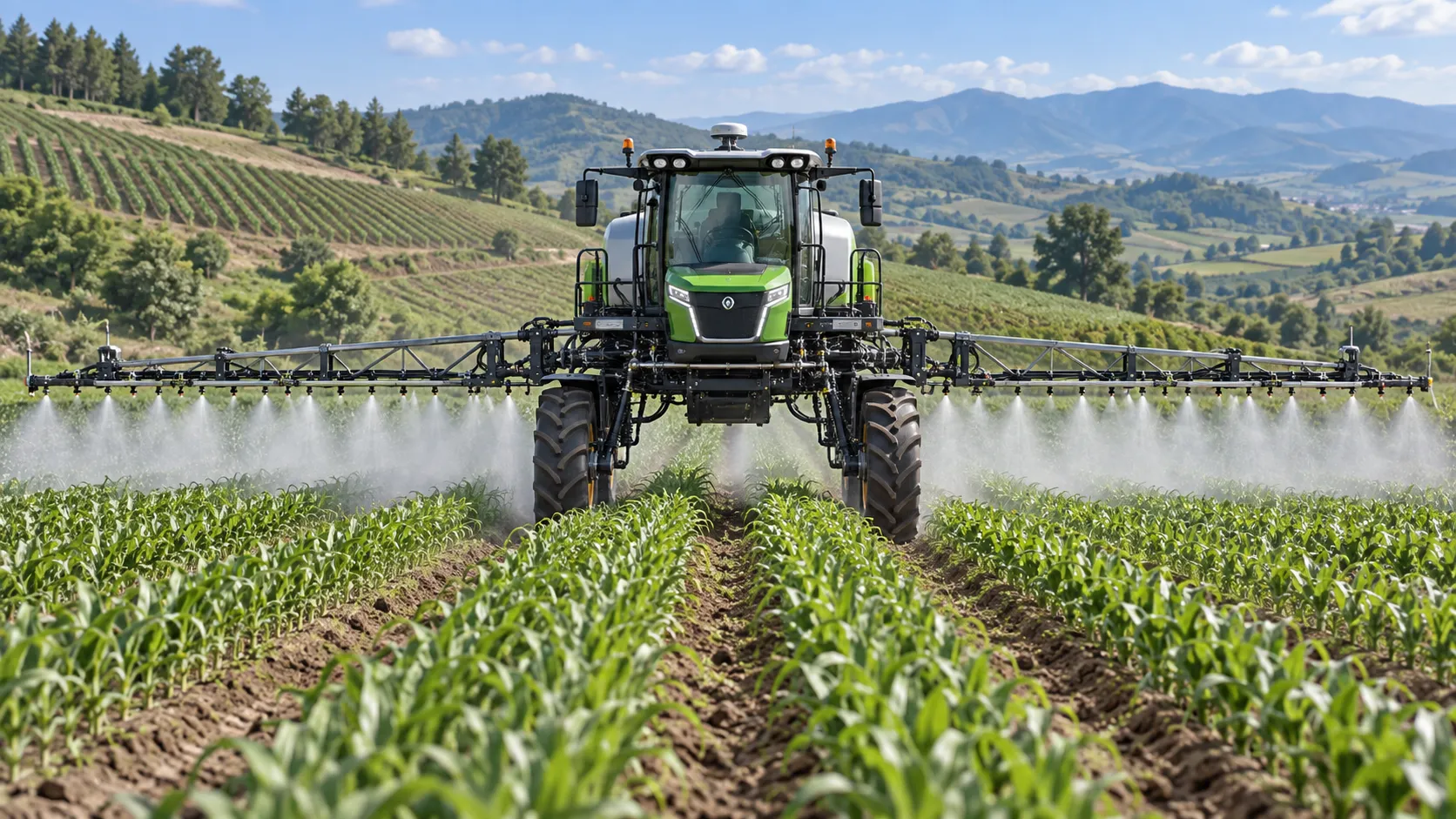
How to Select Precision Crop Protection Equipment for Variable Field Conditions
Precision crop protection equipment selection made simple: compare terrain, canopy, weather, control accuracy, and data workflows for reliable applications.
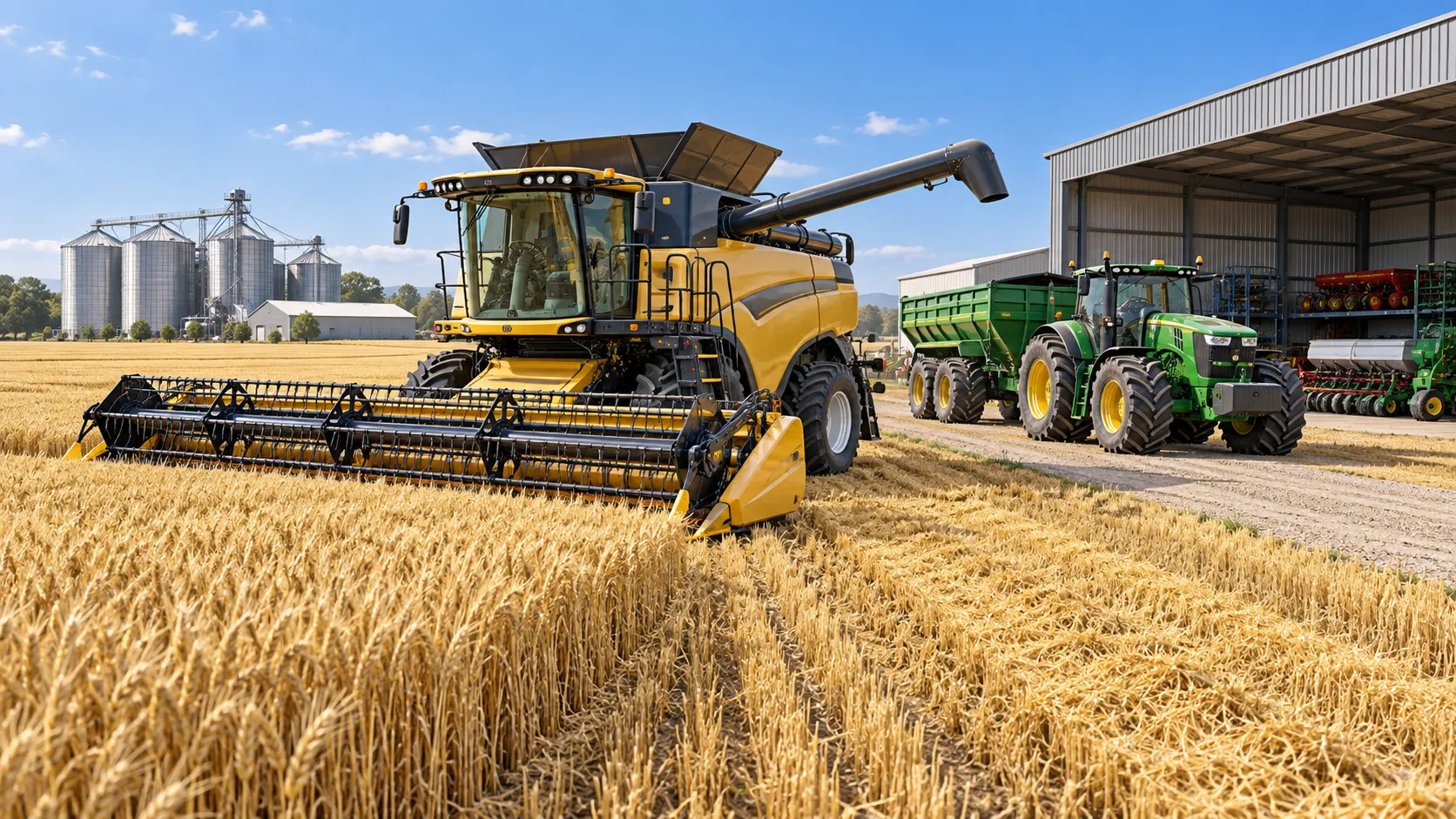
When Does Agricultural Machinery Leasing Cost Less Than Owning Equipment?
Agricultural machinery leasing can lower farm costs when use is seasonal or uncertain. Compare utilization, maintenance, cash flow, and risk to make a smarter equipment decision.
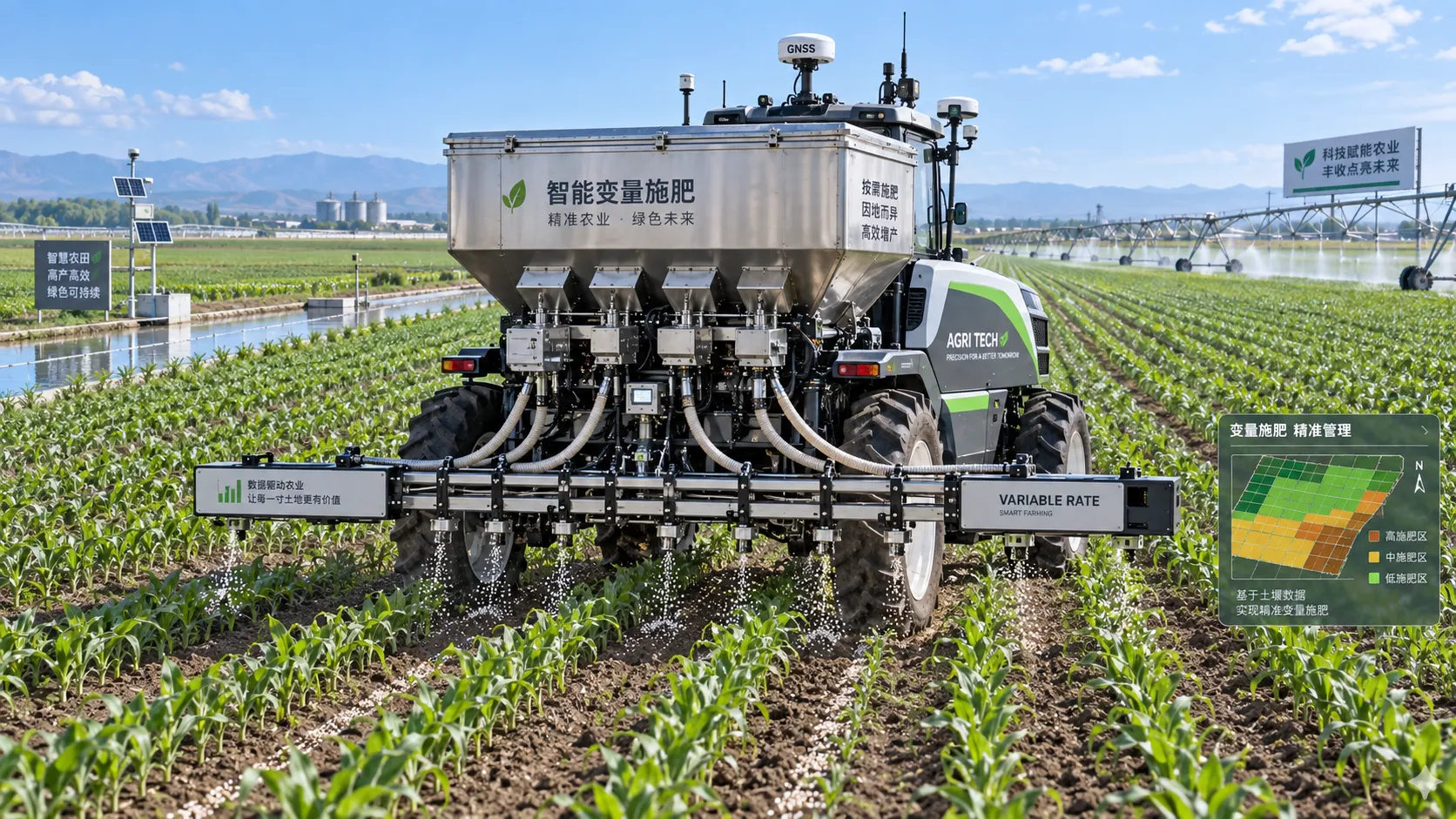
How to Evaluate Precision Fertilization System Suppliers for Farm-Scale Deployment
Precision fertilization systems suppliers: learn how to compare accuracy, integration, uptime, service, and total cost for confident farm-scale deployment.
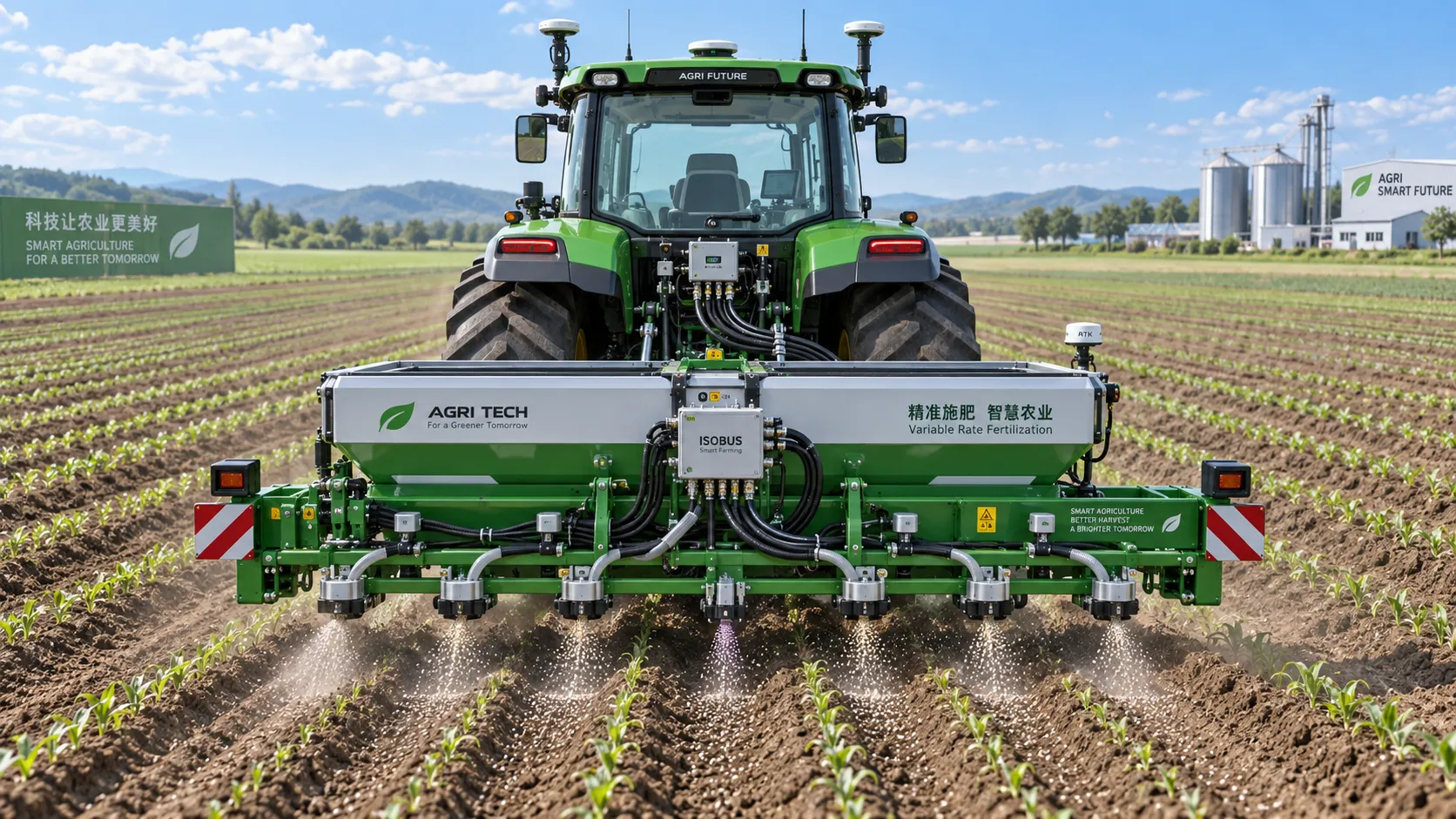
ISOBUS for Smart Agriculture: How It Connects Tractors, Implements, and Farm Data
ISOBUS for smart agriculture connects tractors, implements, terminals, and farm data—helping growers improve precision, documentation, and smarter field decisions.
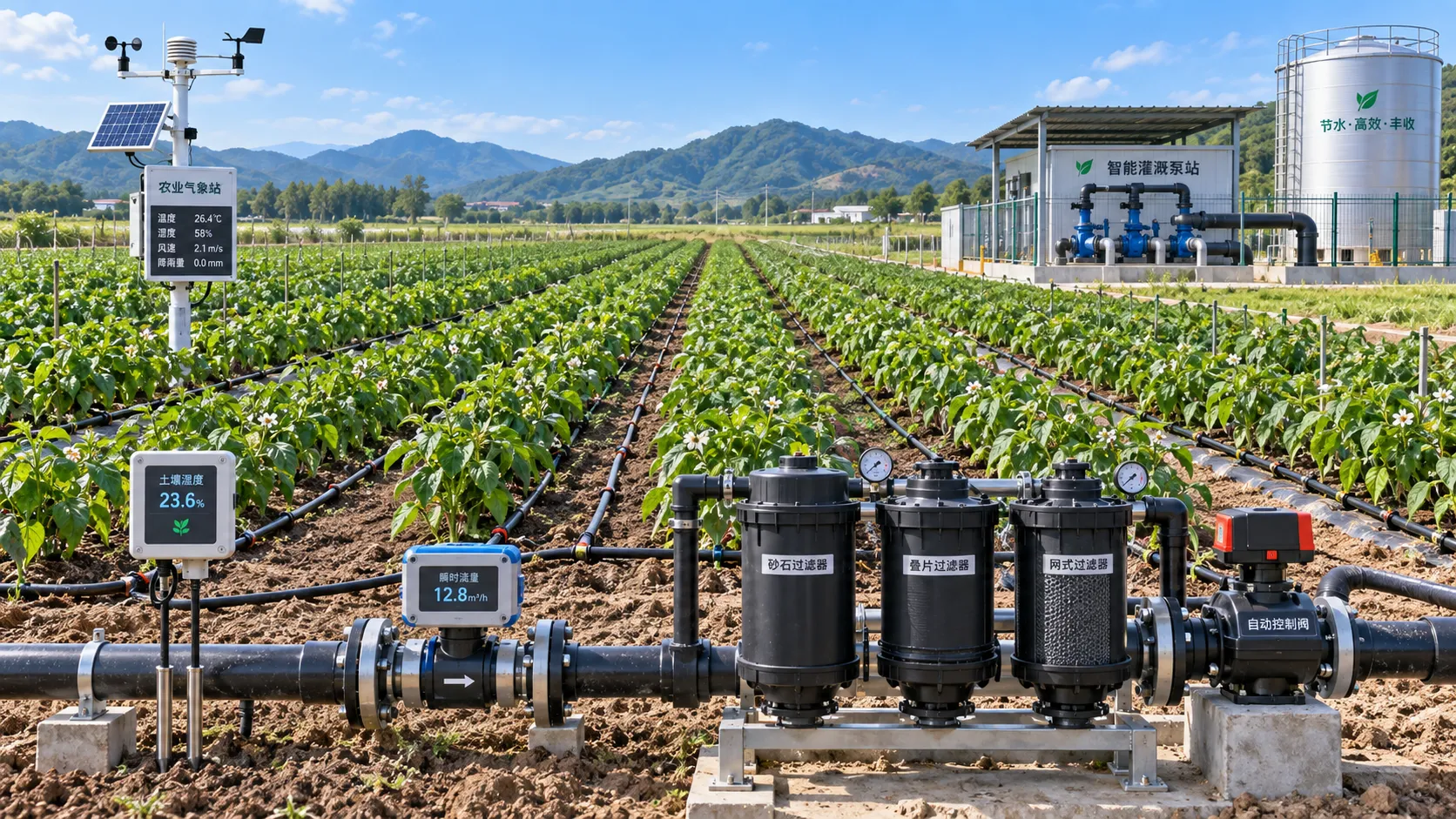
Automated Water-Saving Irrigation: How to Cut Water Use Without Reducing Crop Yields
Automated water-saving irrigation helps farms cut water use, protect crop yields, improve scheduling, and gain reliable control with sensors, flow monitoring, and smart zones.
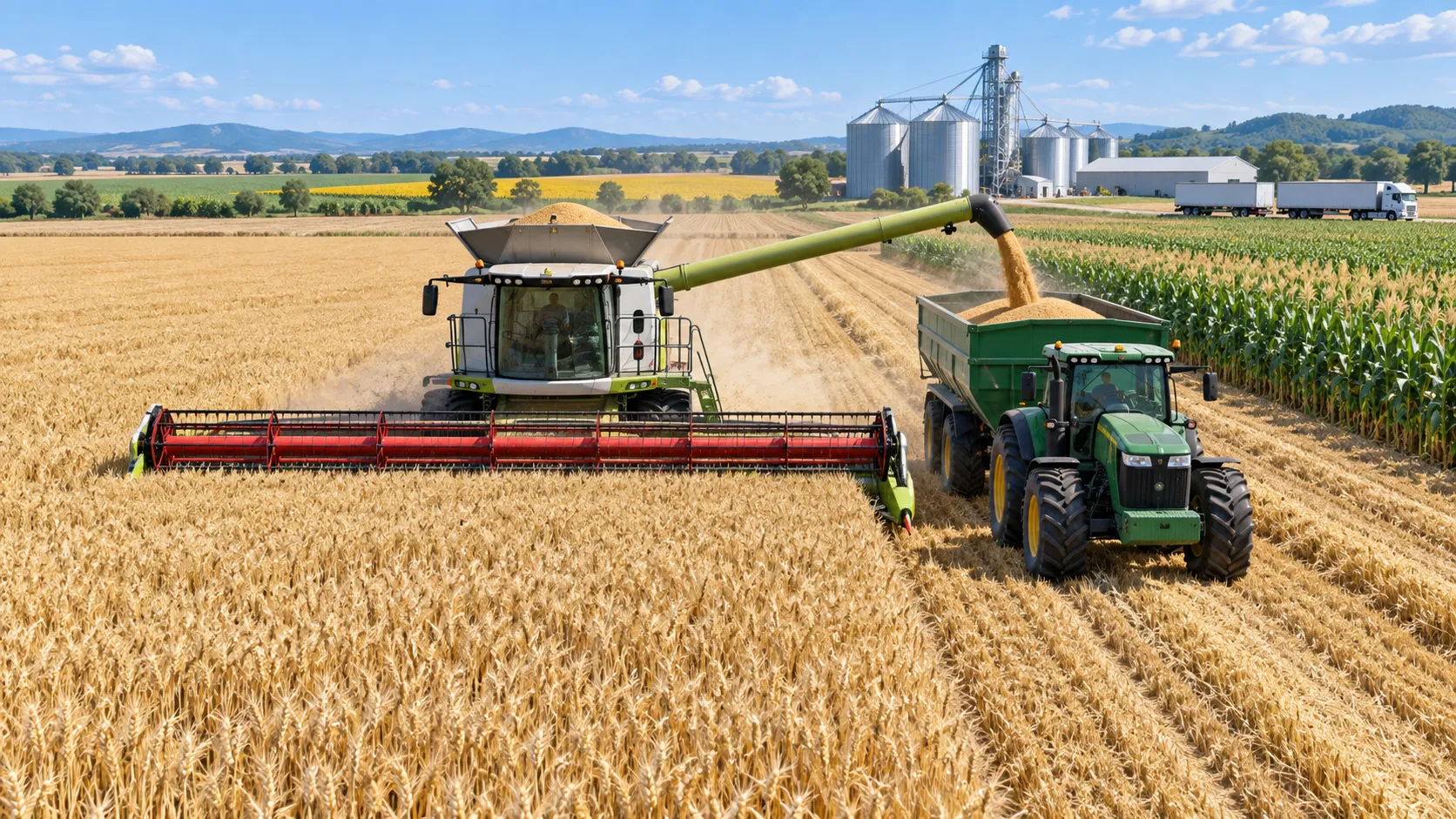
Selecting Grain Farm Equipment by Acreage, Crop Mix, and Harvest Window
Agricultural equipment selection for grain farming: match machinery to acreage, crop mix, and harvest windows to improve uptime, efficiency, and returns.
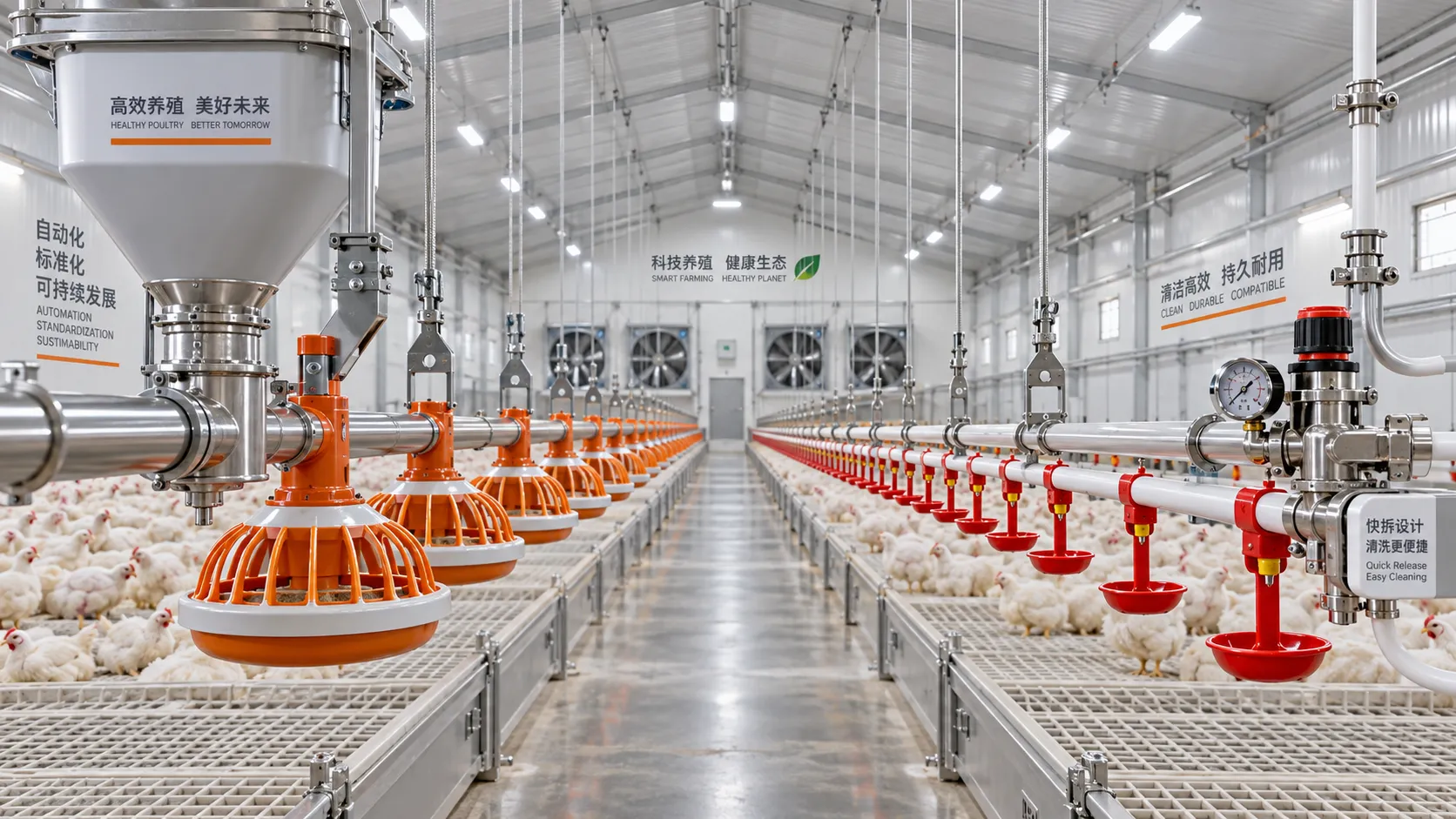
Poultry Equipment Selection: Evaluating Durability, Cleaning, and Compatibility
Poultry equipments selection guide: evaluate durability, cleaning access, and system compatibility to improve hygiene, reduce downtime, and support efficient flock management.
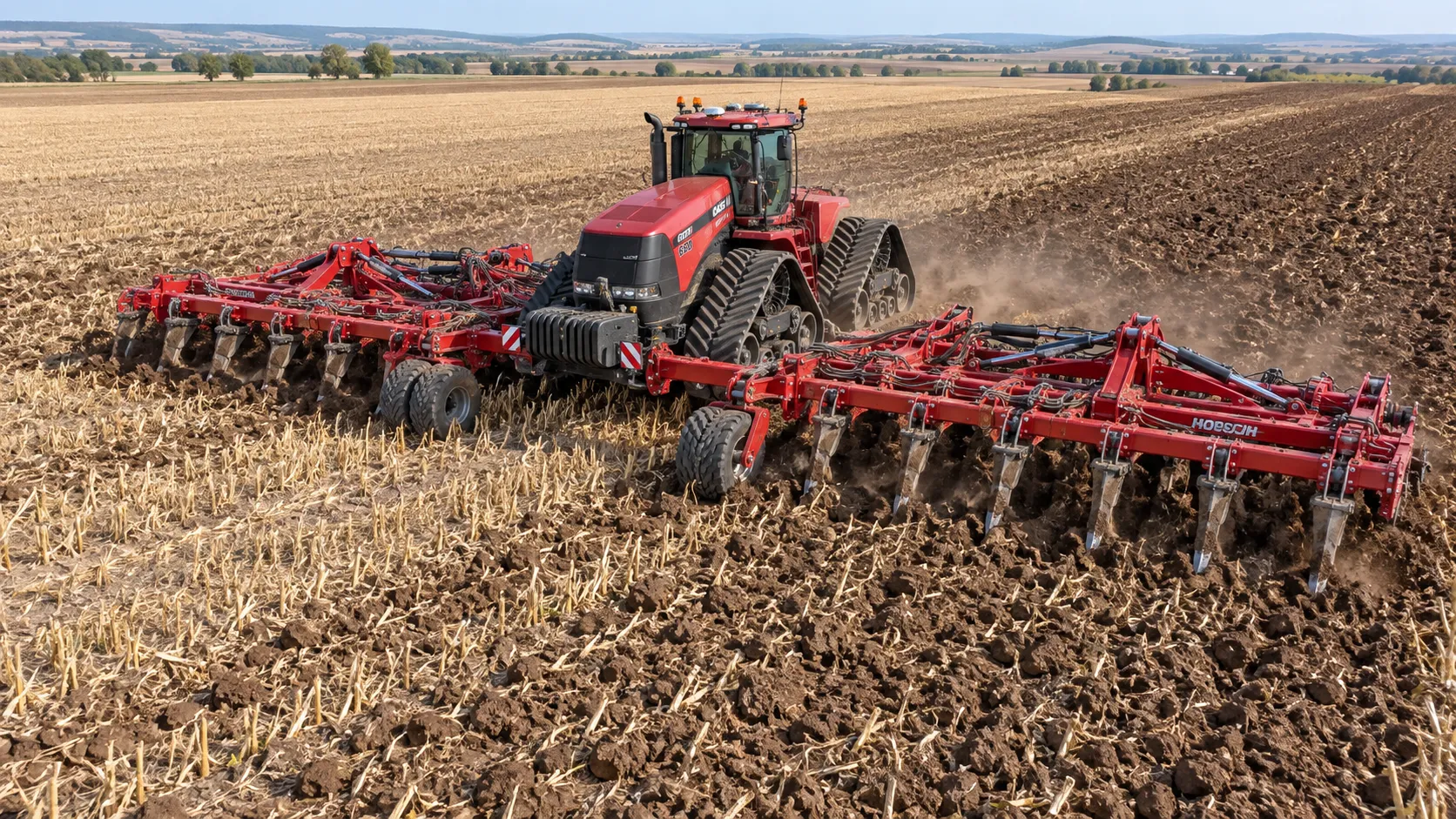
How to Select Heavy-Duty Farm Implements for High-Acreage, High-Horsepower Operations
Heavy duty farm implements: learn how to match draft, hydraulics, hitch capacity, frame strength, and field conditions for reliable high-acreage performance.
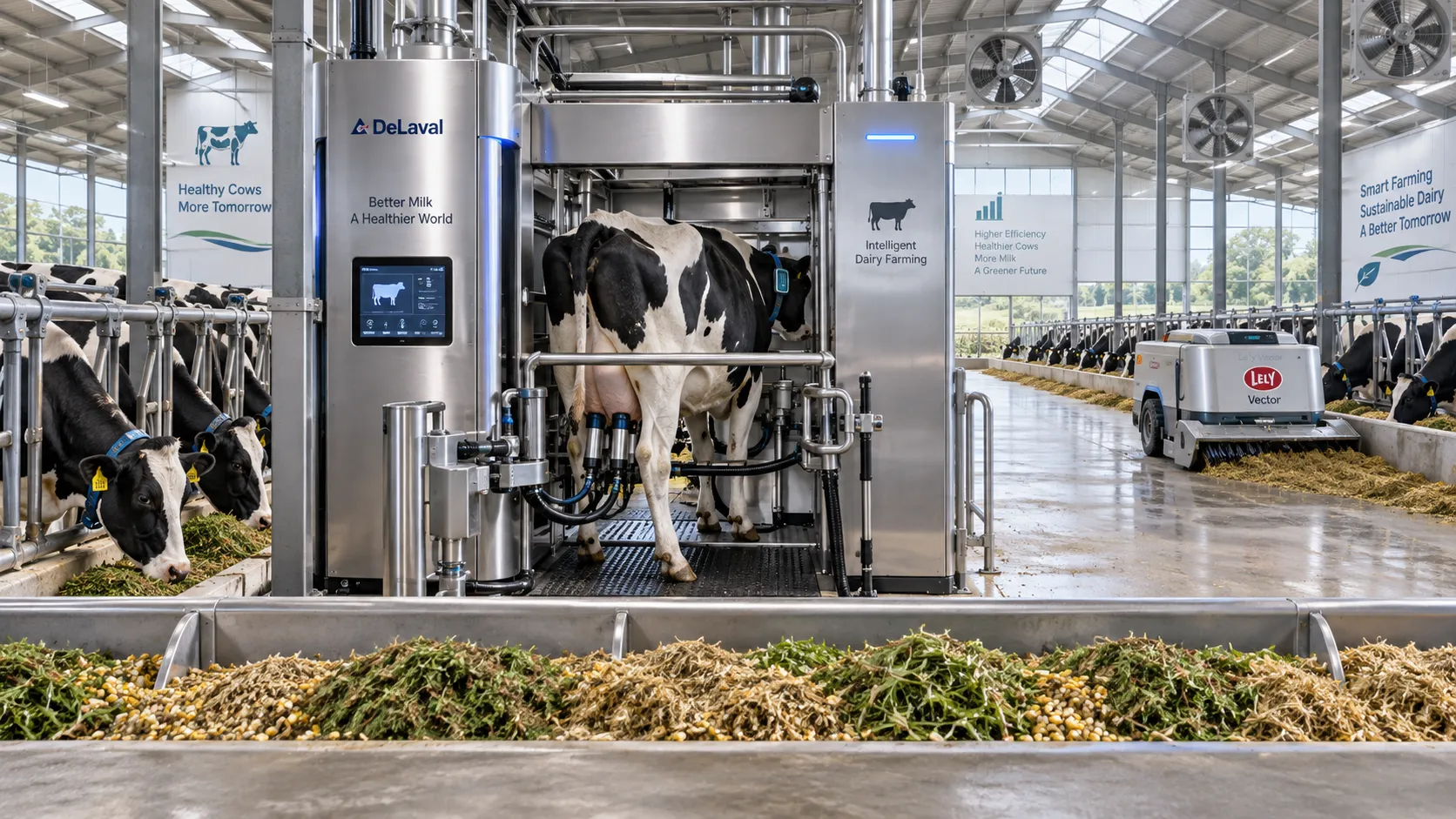
Smart Farming Technology for Dairy Farms: Where Automation Delivers Measurable ROI
Smart farming technology for dairy farms delivers measurable ROI through automation, precision feeding, health monitoring, and data-driven cost control.
Related News
- 00
0000-00
Fuel-Efficient Tractor Powertrain: Which Specs Matter Most for Total Operating Cost? - 00
0000-00
CVT Transmissions Price Explained: What Drives Cost in Agricultural Machinery? - 00
0000-00
Dedicated CVT Rail Link Signals New Export Execution Standard - 00
0000-00
TUV Rheinland Sets New ASIL-B Rule for CVT Systems - 00
0000-00
ANVISA Clears First China-Made Bio-Based CVT Fluid for Brazil
Popular Tags
Tractor Power Architect
Weekly Insights
Stay ahead with our curated technology reports delivered every Monday.