
World's First CVT + Electric Hybrid Grain Combine Enters Mass Production
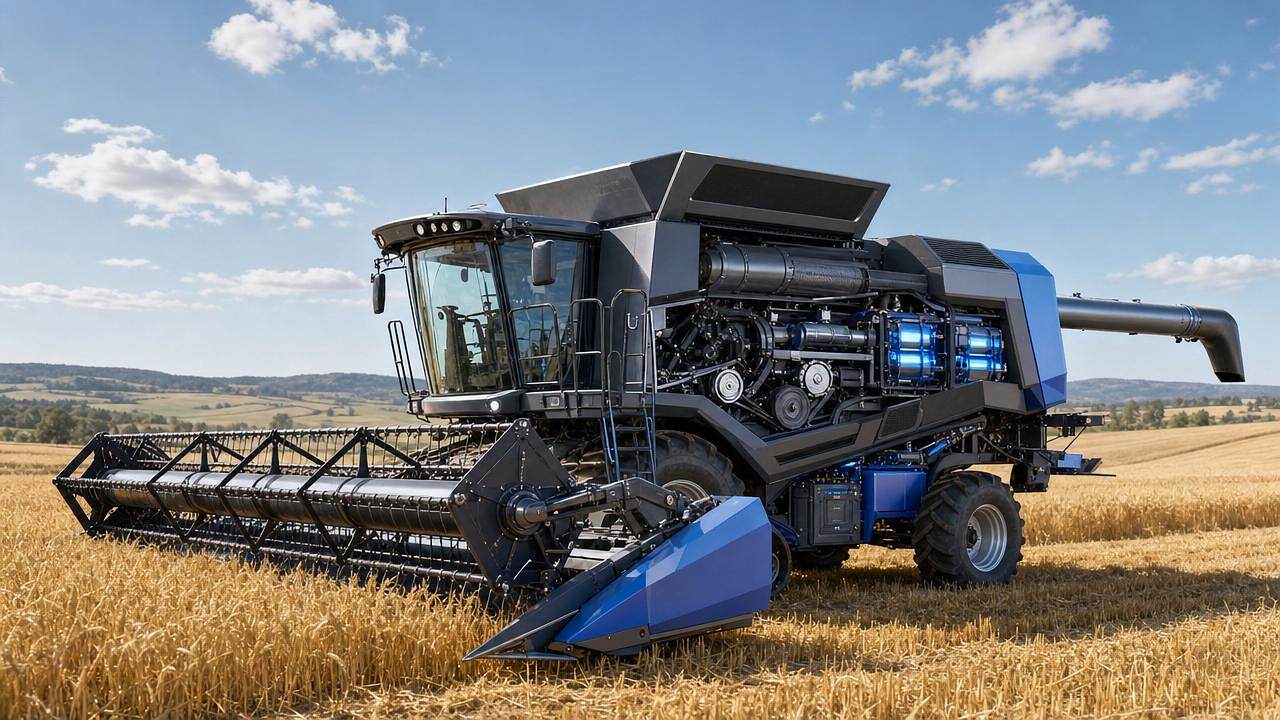




On May 9, 2026, Lovol Heavy Industry announced the mass production and delivery of the MR360-HYBRID — the world’s first continuously variable transmission (CVT) plus electric hybrid grain combine harvester. Its core CVT transmission, independently developed by Weichai Power, passed ISO 5010:2025-compliant field testing under full load for 1,000 consecutive hours (peak torque ≥1,850 N·m). This milestone signals a shift toward domestic substitution of high-torque CVTs in threshing system main drives — a development with implications for agricultural machinery manufacturing, powertrain supply chains, and precision farming equipment integration.
Event Overview
On May 9, 2026, Lovol Heavy Industry officially launched mass production of the MR360-HYBRID grain combine harvester at its Weifang base. The machine integrates a CVT transmission co-developed with Weichai Power. According to publicly released information, the CVT unit successfully completed 1,000 hours of continuous full-load field testing per ISO 5010:2025, achieving peak torque of at least 1,850 N·m. This validates its operational reliability in high-stress threshing applications and marks the first verified instance of a domestically produced CVT meeting performance thresholds previously dominated by imported units in this segment.
Industries Affected
Powertrain Component Manufacturers
Domestic CVT suppliers now face increased technical validation expectations in high-torque agricultural applications. Previously, CVT adoption in combines was limited due to durability concerns under variable, high-inertia loads. The MR360-HYBRID’s certification establishes a new benchmark for torque capacity and thermal endurance in field conditions — raising the bar for competing designs targeting similar duty cycles.
Agricultural Machinery OEMs
OEMs integrating hybrid or electrified drivetrains into harvesting platforms must now assess compatibility with next-generation CVTs capable of sustaining >1,850 N·m. This affects mechanical interface design, control strategy development, and thermal management architecture — especially where electric motors are coupled directly to CVT input shafts or integrated into split-path configurations.
Aftermarket Service Providers
Field service networks supporting large-scale harvesters will need updated diagnostic protocols and technician training for CVT-electric hybrid systems. Unlike traditional hydrostatic or gear-driven transmissions, these units require specialized calibration tools, software updates, and failure mode analysis tied to combined electrical and mechanical stress profiles.
Export-Oriented Agricultural Equipment Distributors
Distributors operating in markets with stringent emissions or efficiency regulations (e.g., EU, South Korea, Australia) may see accelerated demand for hybrid harvesters post-certification. However, export readiness depends on further validation against regional standards — such as EU Stage V emissions compliance or local adaptation testing — which have not yet been disclosed.
What Relevant Enterprises or Practitioners Should Monitor and Do Now
Track official certification scope and regional adaptation timelines
While ISO 5010:2025 compliance is confirmed, this standard applies specifically to safety and functional performance under defined test conditions. Enterprises should monitor whether Weichai or Lovol publish additional conformity documentation — e.g., CE marking reports, EPA Tier 4 Final equivalence assessments, or national type-approval filings — before assuming global market readiness.
Assess procurement lead times and spare parts availability for next-gen CVT modules
Mass production has commenced, but scale-up of high-torque CVT components may lag behind harvester assembly. Procurement teams should verify current minimum order quantities, lead times for replacement units, and availability of service kits — particularly for hydraulic control valves, planetary gear sets, and integrated motor-CVT couplings.
Distinguish between technology demonstration and commercial deployment signals
The MR360-HYBRID represents a validated engineering solution, not necessarily an immediate volume product. Observably, early deliveries may prioritize domestic state-owned farms or pilot cooperatives. Commercial rollout pace, pricing, and warranty terms remain unannounced — meaning enterprise planning should treat this as a capability signal, not a near-term procurement trigger.
Prepare for updated maintenance workflows and technician upskilling
Service providers and OEMs should begin reviewing technical documentation for hybrid-specific diagnostics. Early attention to firmware update procedures, high-voltage isolation protocols, and CVT fluid life monitoring — all referenced in ISO 5010:2025 Annex D — will help avoid field downtime during initial deployments.
Editorial Perspective / Industry Observation
This milestone is best understood as a capability inflection point — not yet a market inflection. Analysis shows that while the technical barrier for high-torque agricultural CVTs has demonstrably lowered in China, widespread adoption hinges on three interdependent factors: cost parity versus conventional transmissions, long-term field reliability beyond 1,000-hour tests, and alignment with evolving regulatory timelines for fuel efficiency and emissions in key export markets. Observably, it reflects growing vertical integration in China’s agricultural machinery value chain — particularly between engine, transmission, and harvesting system developers — rather than a standalone component breakthrough. From an industry perspective, this event signals increasing pressure on global CVT suppliers to demonstrate equivalent field-proven robustness in high-inertia, variable-load applications — especially where electrification adds new control layer complexity.
Conclusion
The MR360-HYBRID’s entry into mass production confirms that domestically engineered CVTs can meet the mechanical demands of modern grain harvesting — a prerequisite for broader hybridization in field machinery. However, its immediate impact remains confined to technical validation and early-stage commercial pilots. For stakeholders, this is better interpreted as evidence of accelerating capability maturation within China’s agricultural powertrain ecosystem — not as an imminent disruption to existing procurement, service, or export strategies. A measured, evidence-based approach — anchored in forthcoming field performance data and regional certification status — remains the most appropriate response.
Source Attribution
Main source: Official announcement by Lovol Heavy Industry and Weichai Power, dated May 9, 2026. Publicly confirmed details include model designation (MR360-HYBRID), location (Weifang base), CVT developer (Weichai Power), test standard (ISO 5010:2025), duration (1,000 hours), and minimum torque (≥1,850 N·m). No further technical specifications, pricing, export certifications, or fleet deployment data were disclosed in the initial release. Ongoing observation is warranted for subsequent updates on regional approvals, field performance reports, and supply chain scalability metrics.
Related News

When Does Agricultural Machinery Leasing Cost Less Than Owning Equipment?
Agricultural machinery leasing can lower farm costs when use is seasonal or uncertain. Compare utilization, maintenance, cash flow, and risk to make a smarter equipment decision.

How to Evaluate Precision Fertilization System Suppliers for Farm-Scale Deployment
Precision fertilization systems suppliers: learn how to compare accuracy, integration, uptime, service, and total cost for confident farm-scale deployment.
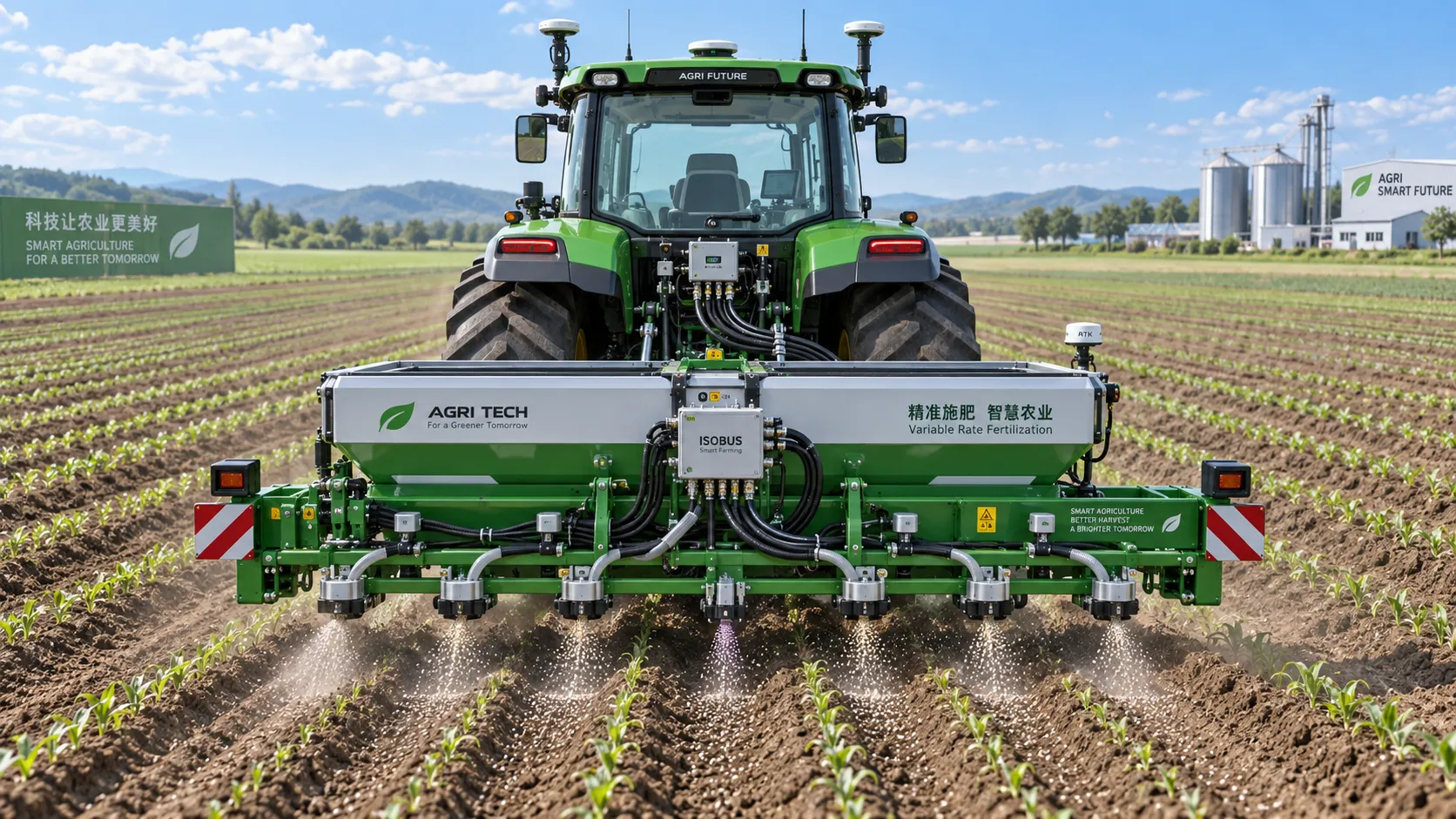
ISOBUS for Smart Agriculture: How It Connects Tractors, Implements, and Farm Data
ISOBUS for smart agriculture connects tractors, implements, terminals, and farm data—helping growers improve precision, documentation, and smarter field decisions.
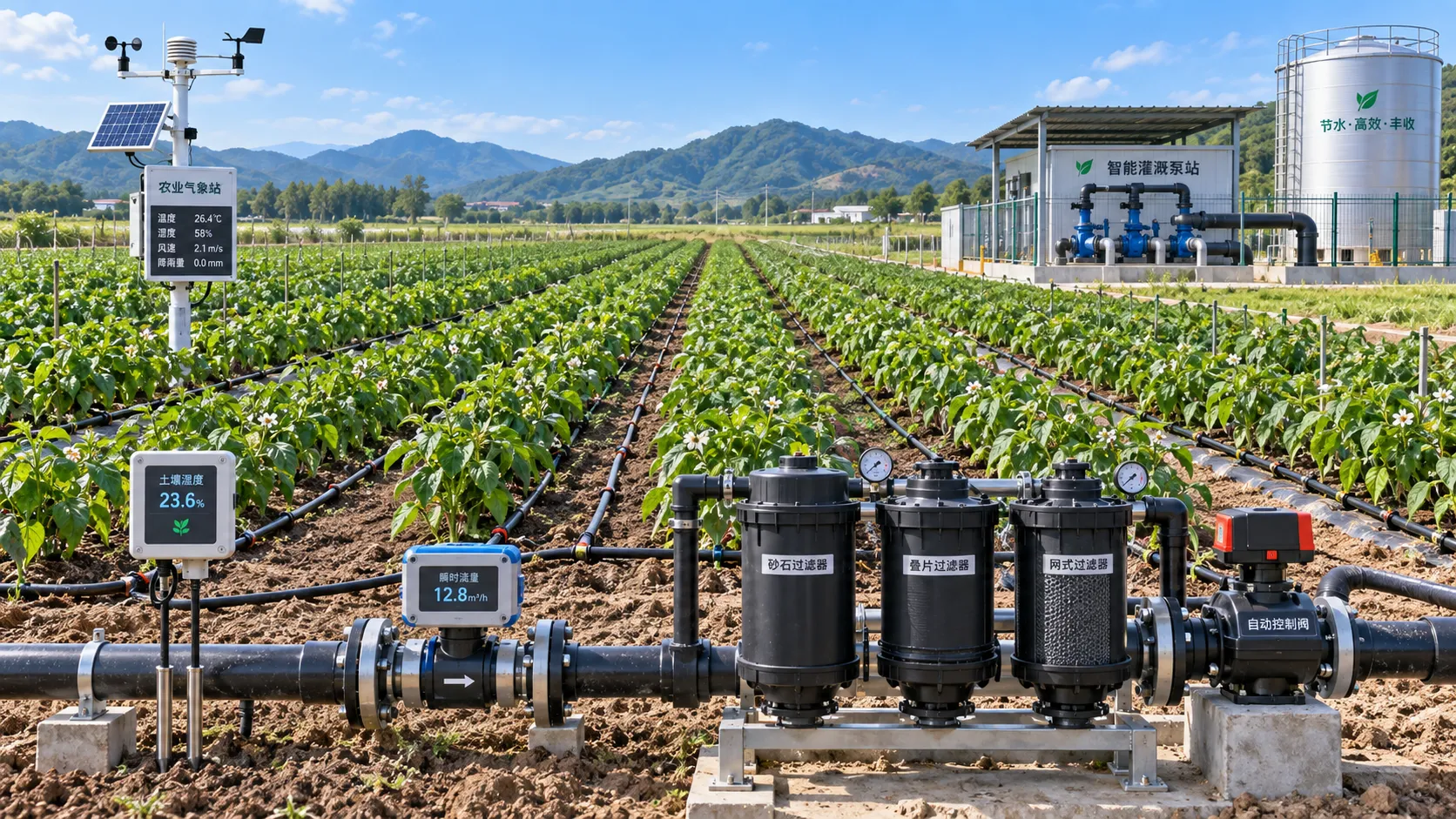
Automated Water-Saving Irrigation: How to Cut Water Use Without Reducing Crop Yields
Automated water-saving irrigation helps farms cut water use, protect crop yields, improve scheduling, and gain reliable control with sensors, flow monitoring, and smart zones.
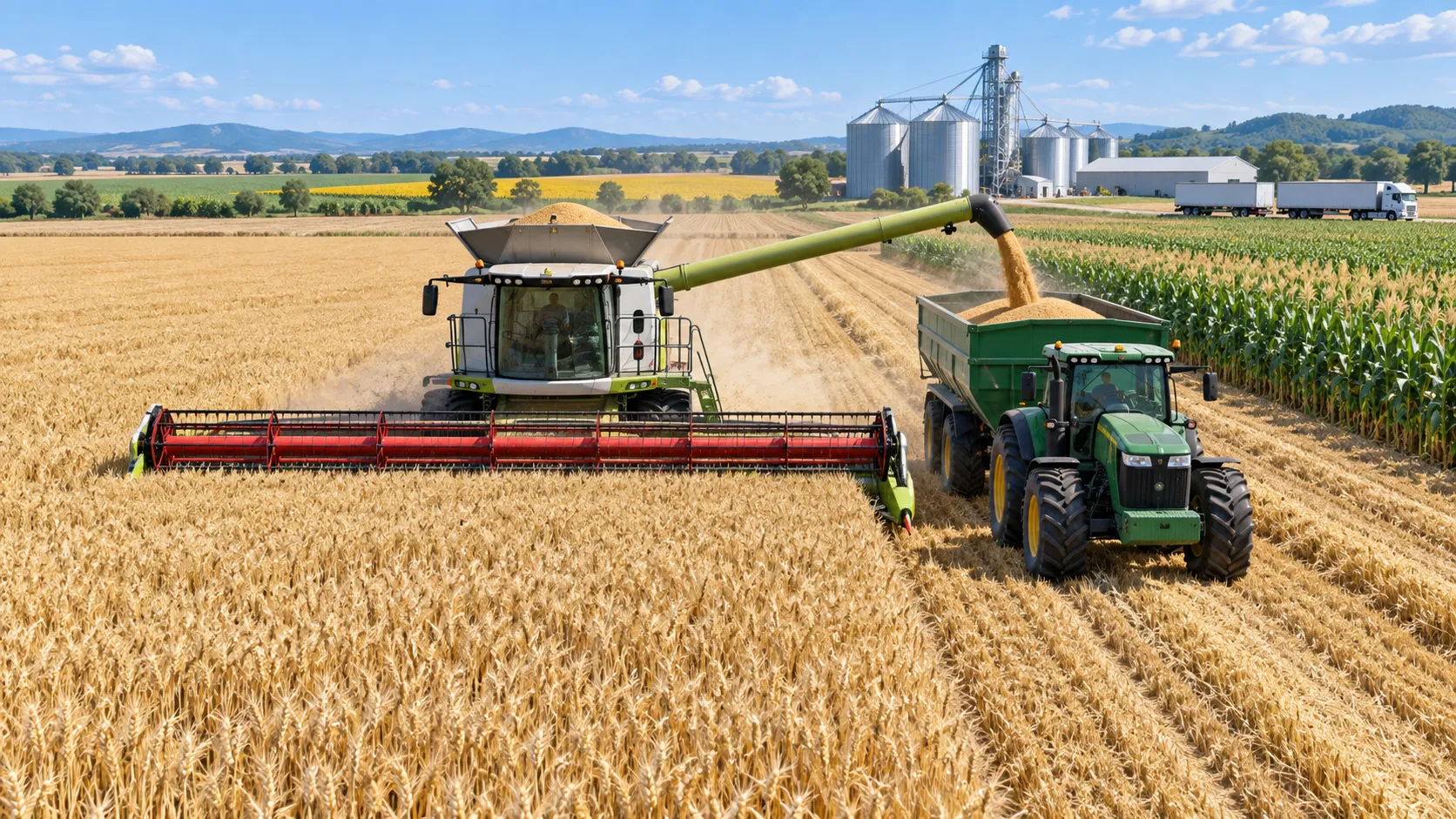
Selecting Grain Farm Equipment by Acreage, Crop Mix, and Harvest Window
Agricultural equipment selection for grain farming: match machinery to acreage, crop mix, and harvest windows to improve uptime, efficiency, and returns.
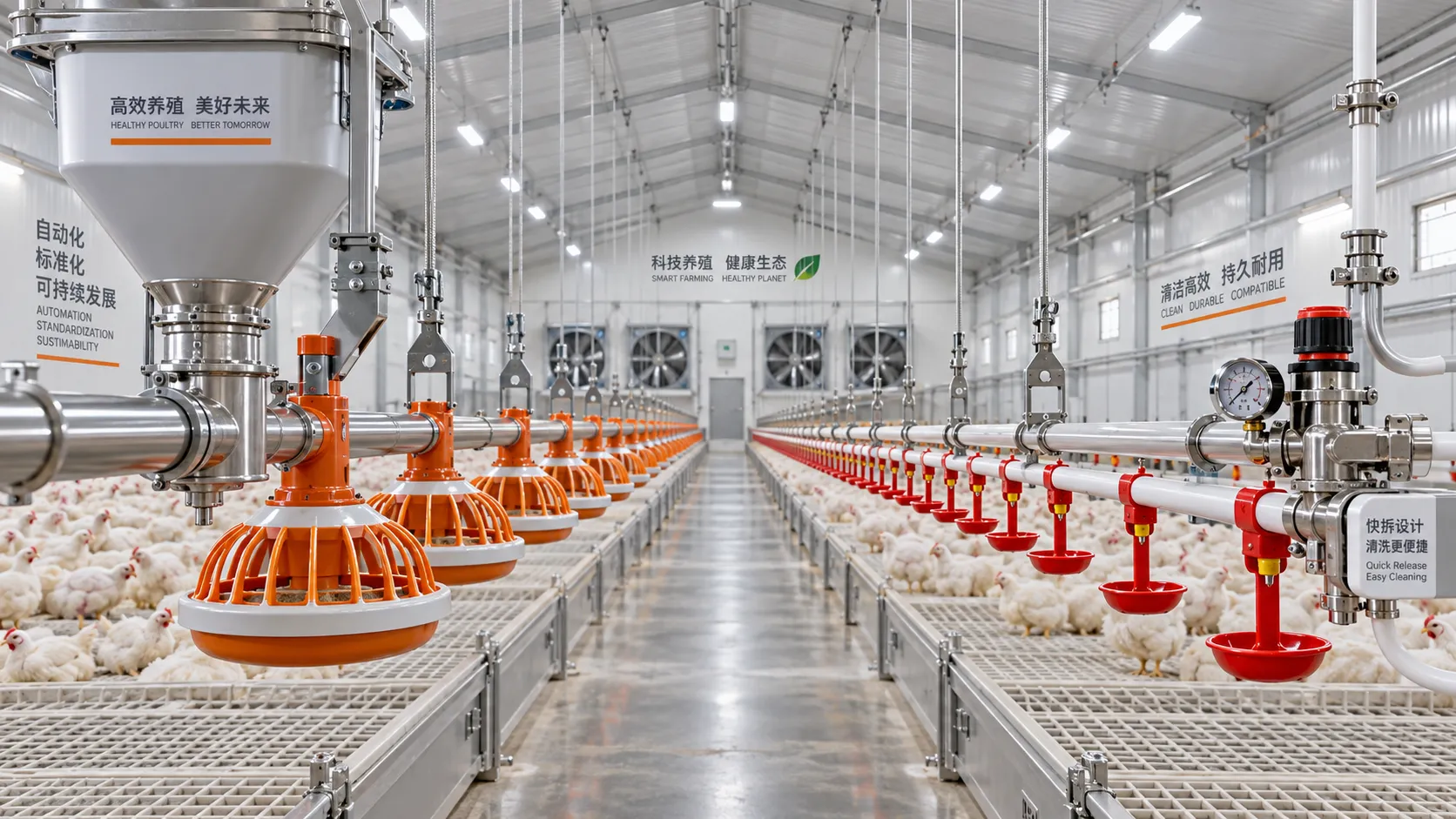
Poultry Equipment Selection: Evaluating Durability, Cleaning, and Compatibility
Poultry equipments selection guide: evaluate durability, cleaning access, and system compatibility to improve hygiene, reduce downtime, and support efficient flock management.
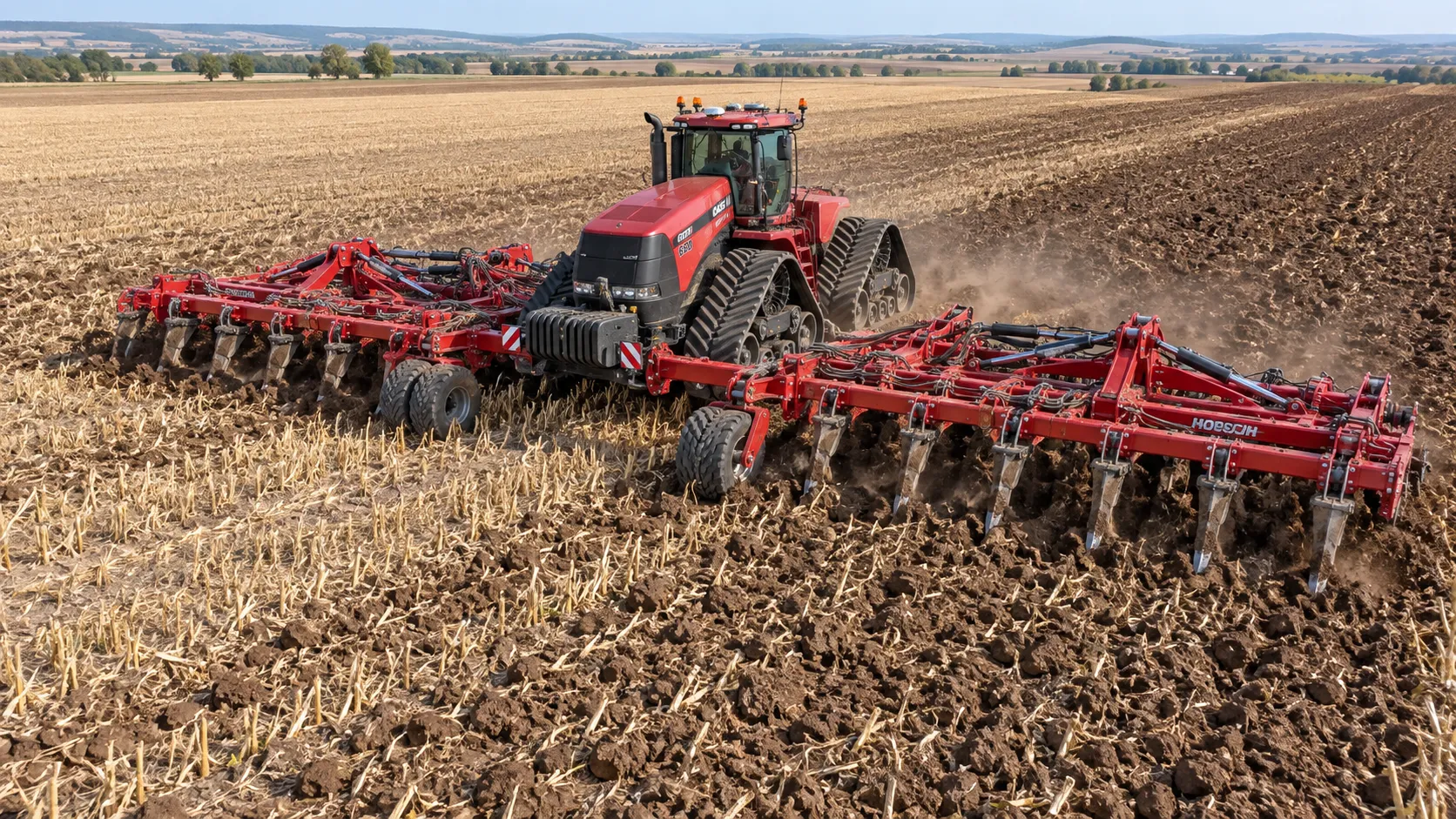
How to Select Heavy-Duty Farm Implements for High-Acreage, High-Horsepower Operations
Heavy duty farm implements: learn how to match draft, hydraulics, hitch capacity, frame strength, and field conditions for reliable high-acreage performance.
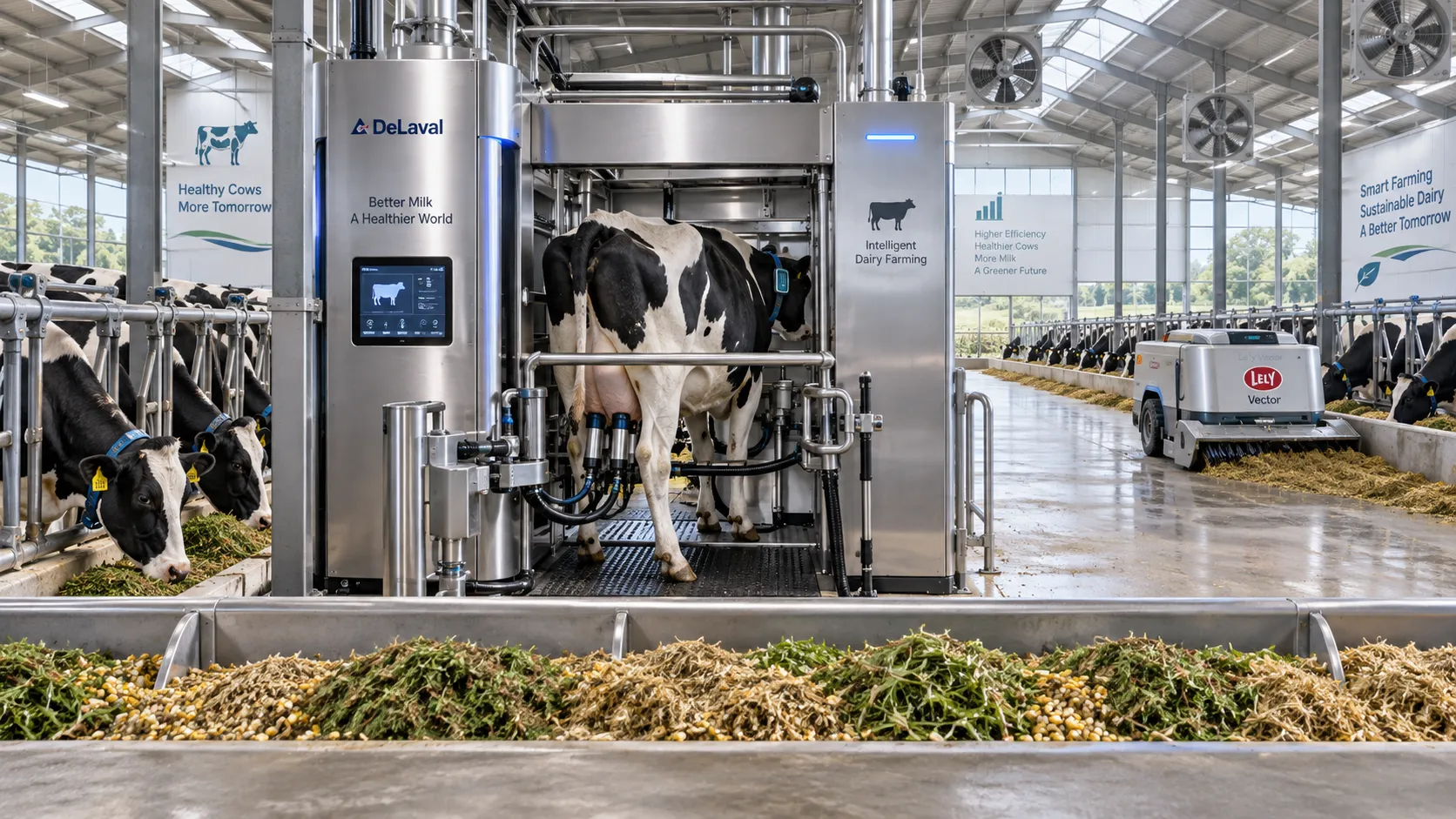
Smart Farming Technology for Dairy Farms: Where Automation Delivers Measurable ROI
Smart farming technology for dairy farms delivers measurable ROI through automation, precision feeding, health monitoring, and data-driven cost control.
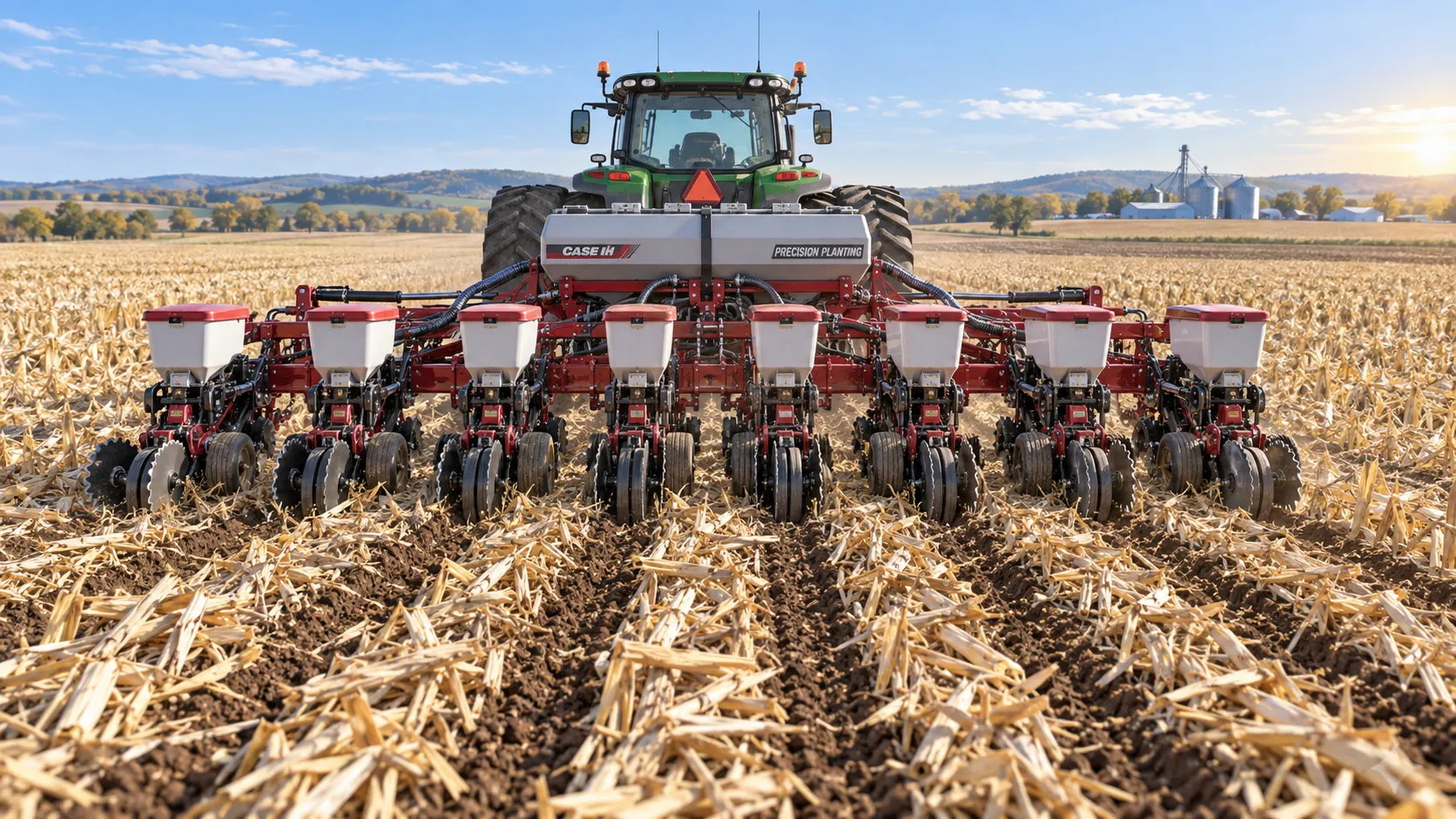
How to Select a Heavy-Duty Seeder for Large Acreage and High-Residue Fields
Heavy duty seeders for large acreage: compare residue handling, depth control, downforce, metering accuracy, and precision features to select the right model.
Related News
- 00
0000-00
Fuel-Efficient Tractor Powertrain: Which Specs Matter Most for Total Operating Cost? - 00
0000-00
CVT Transmissions Price Explained: What Drives Cost in Agricultural Machinery? - 00
0000-00
Dedicated CVT Rail Link Signals New Export Execution Standard - 00
0000-00
TUV Rheinland Sets New ASIL-B Rule for CVT Systems - 00
0000-00
ANVISA Clears First China-Made Bio-Based CVT Fluid for Brazil
Popular Tags
Tractor Power Architect
Weekly Insights
Stay ahead with our curated technology reports delivered every Monday.