
World's First CVT+Electric Hybrid Combine Harvester Enters Mass Production
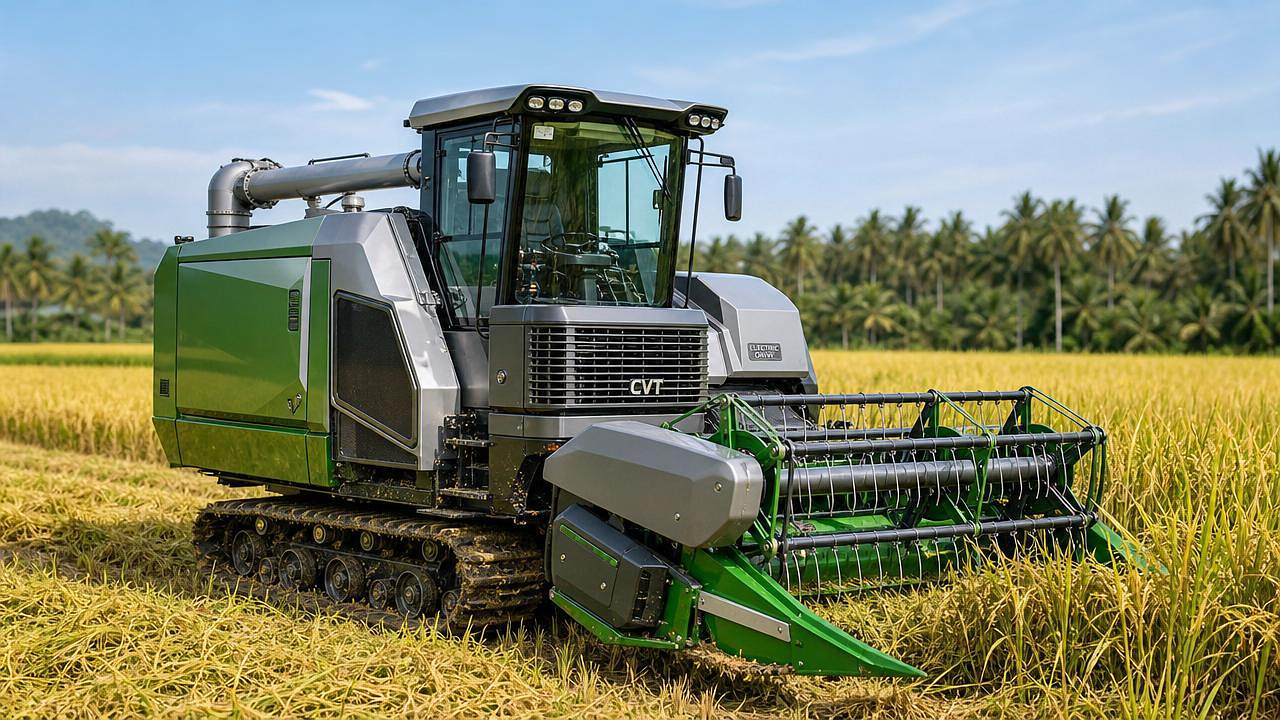




Global agricultural machinery sector witnesses a milestone as China’s domestic CVT transmission technology overcomes long-standing thermal and reliability constraints in high-load, harsh-environment field operations. On May 5, 2026, Lovol Heavy Industry announced the mass production and delivery of the world’s first continuously variable transmission (CVT) plus electric drive hybrid grain combine harvester — marking a pivotal shift in powertrain localization for premium harvesting equipment and signaling new competitive dynamics across emerging agricultural markets.
Event Overview
On May 5, 2026, Lovol Heavy Industry announced the commencement of mass production and initial customer delivery of its CVT+electric hybrid grain combine harvester. The unit integrates a domestically developed CVT transmission system. Third-party validation confirms that, under continuous six-hour full-load operation, the transmission maintains ≥92.3% mechanical efficiency and a temperature rise of ≤38°C — meeting operational stability requirements in high-humidity, high-dust environments typical of Southeast Asia and Latin America.
Industries Impacted
Direct Export Trading Firms
These firms face revised competitiveness thresholds: the hybrid harvester’s certified performance in tropical conditions lowers entry barriers for Chinese OEMs in ASEAN and Andean markets, compressing margins for legacy distributors reliant on imported European or Japanese platforms. Impact manifests in accelerated renegotiation cycles for dealer agreements, increased demand for localized after-sales training modules, and tighter lead-time expectations for spare parts logistics.
Raw Material Procurement Enterprises
Firms sourcing high-strength alloy steels, rare-earth permanent magnets (for integrated traction motors), and specialized CVT hydraulic fluids now encounter upward pricing pressure and longer qualification timelines. The validated thermal performance implies stricter material traceability and batch-level testing protocols — shifting procurement from volume-based to specification-compliance–driven models.
Manufacturing Enterprises (Tier-1 & Tier-2 Suppliers)
Domestic manufacturers of hydraulic control units, motor inverters, and transmission housings must adapt to tighter dimensional tolerances and higher vibration resistance standards demanded by the hybrid architecture. Notably, the 38°C max temperature rise constraint necessitates revised cooling interface specifications — prompting redesigns of mounting brackets, heat sink integration points, and sealing solutions across multiple subsystems.
Supply Chain Service Providers
Logistics and customs compliance providers see rising complexity in cross-border documentation: dual-powertrain systems trigger overlapping tariff classifications (HS codes for both agricultural machinery and electric propulsion components), while the 92.3% efficiency benchmark invites scrutiny under EU EcoDesign Annex IV and ASEAN Energy Efficiency Labeling schemes. Certification support services — particularly for electromagnetic compatibility (EMC) and functional safety (ISO 26262 ASIL-B alignment) — are now routinely requested pre-shipment.
Key Considerations and Recommended Actions for Stakeholders
Reassess Regional Product Certification Roadmaps
Given the harvester’s targeted deployment in Southeast Asia and Latin America, stakeholders should prioritize alignment with Thailand’s TISI Type Approval, Brazil’s INMETRO Portaria 475/2022, and Indonesia’s SNI 7652:2021 — all of which now reference hybrid powertrain thermal endurance as a pass/fail criterion.
Upgrade In-Service Data Capture Capabilities
The hybrid system’s reliance on real-time torque distribution algorithms requires granular telematics integration. Firms must verify compatibility with ISO 11783-10 (ISOBUS Task Controller) and validate data logging resolution for transmission input/output speed differentials — critical for warranty claim adjudication and predictive maintenance modeling.
Evaluate Localized After-Sales Infrastructure Readiness
With the harvester designed for humid-dust environments, service networks must verify availability of IP67-rated diagnostic tools, sealed high-voltage insulation testers, and CVT fluid analysis kits calibrated for bio-based hydraulic formulations — not just standard mineral-oil benchmarks.
Editorial Insight / Industry Observation
Observably, this milestone is less about incremental efficiency gains and more about breaking a systemic bottleneck: the historical inability of domestically engineered CVTs to sustain rated torque without derating in ambient temperatures above 35°C and relative humidity >85%. Analysis shows that achieving ≤38°C rise under full load required co-optimization of clutch pack materials, oil flow path geometry, and real-time thermal feedback loops — indicating a maturation of mechatronic systems engineering capability, not just component manufacturing. From an industry perspective, this signals a shift from ‘cost-driven localization’ toward ‘specification-driven localization’, where global OEMs may increasingly outsource CVT development to Chinese engineering partners for tropical-market variants.
Conclusion
This launch does not merely introduce a new machine; it redefines the technical baseline for harvesting equipment in climate-vulnerable regions. It underscores that regulatory compliance in emerging markets is evolving from static certification to dynamic performance verification — making thermal resilience, not just peak power, the new axis of competitive differentiation. A rational conclusion is that future product development cycles will be increasingly gated by environmental stress testing outcomes, not just laboratory bench metrics.
Source Attribution
Official announcement: Lovol Heavy Industry Press Release, May 5, 2026. Third-party validation report: China National Agricultural Machinery Quality Supervision and Inspection Center (CNAMQ), Test Certificate No. CNAMQ-CVT260501. Note: Long-term field reliability data beyond 500 operating hours remains pending; ongoing monitoring of clutch wear rates and motor insulation degradation in monsoon-season deployments is recommended.
Related News
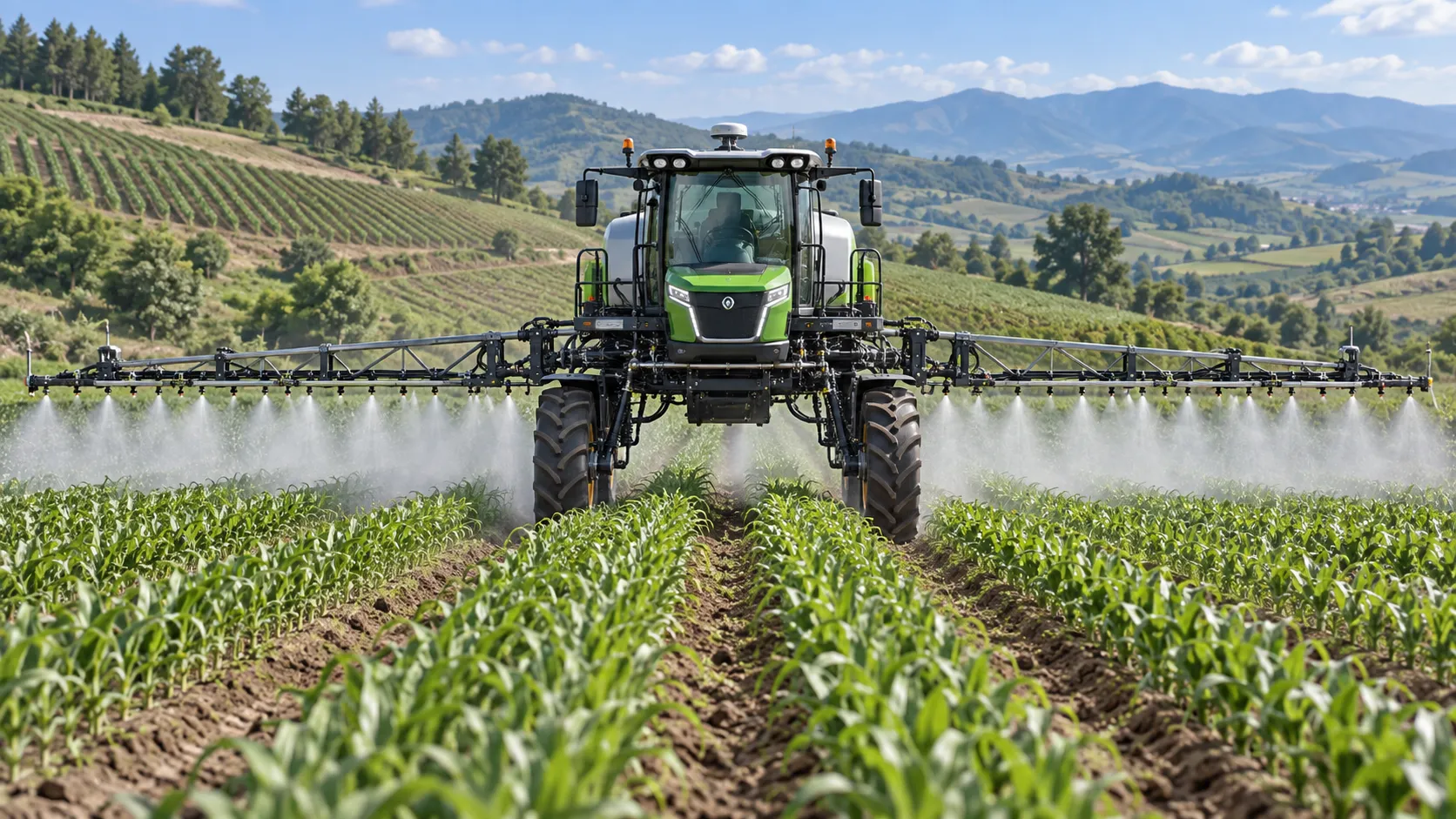
How to Select Precision Crop Protection Equipment for Variable Field Conditions
Precision crop protection equipment selection made simple: compare terrain, canopy, weather, control accuracy, and data workflows for reliable applications.

When Does Agricultural Machinery Leasing Cost Less Than Owning Equipment?
Agricultural machinery leasing can lower farm costs when use is seasonal or uncertain. Compare utilization, maintenance, cash flow, and risk to make a smarter equipment decision.
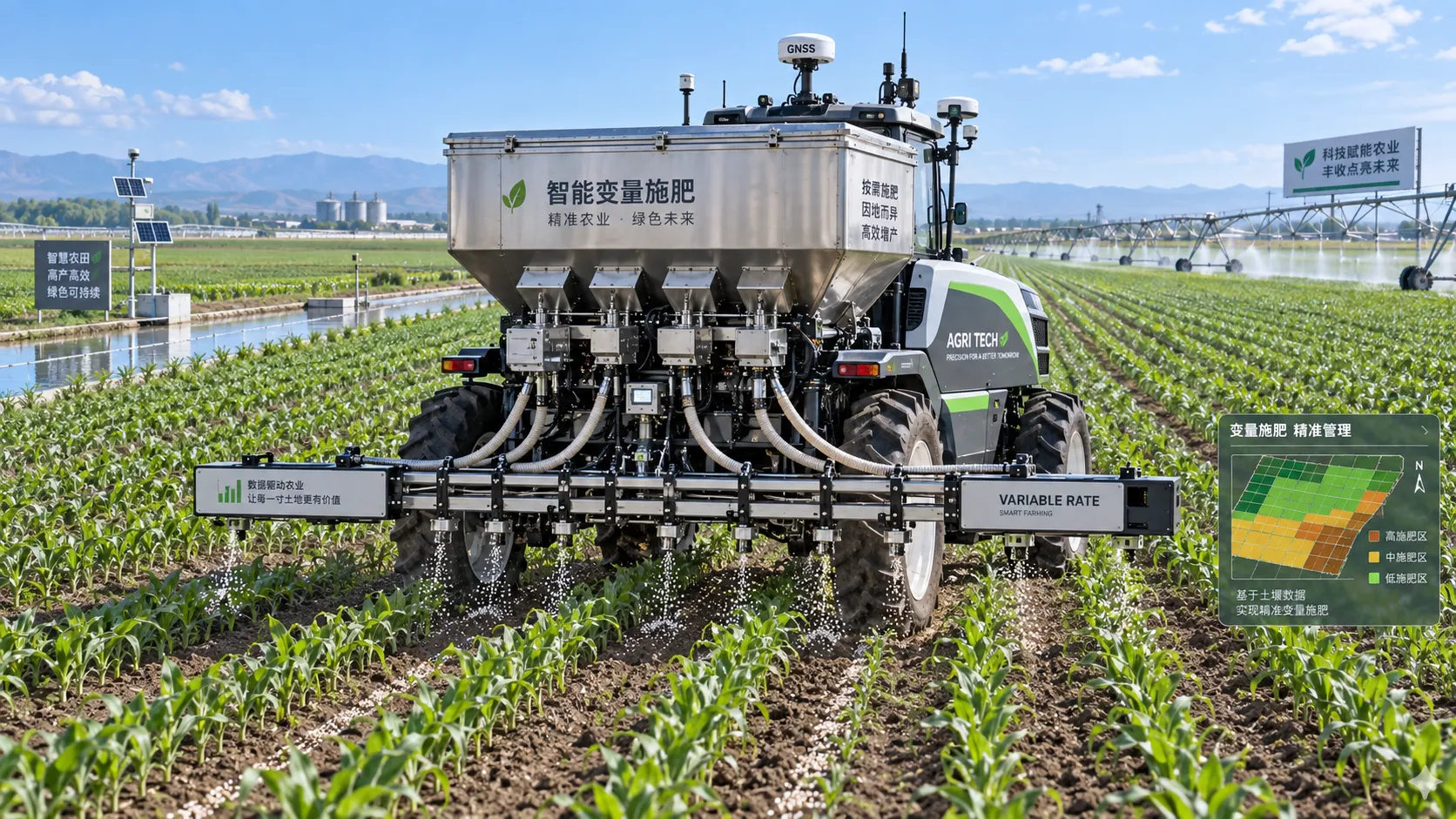
How to Evaluate Precision Fertilization System Suppliers for Farm-Scale Deployment
Precision fertilization systems suppliers: learn how to compare accuracy, integration, uptime, service, and total cost for confident farm-scale deployment.
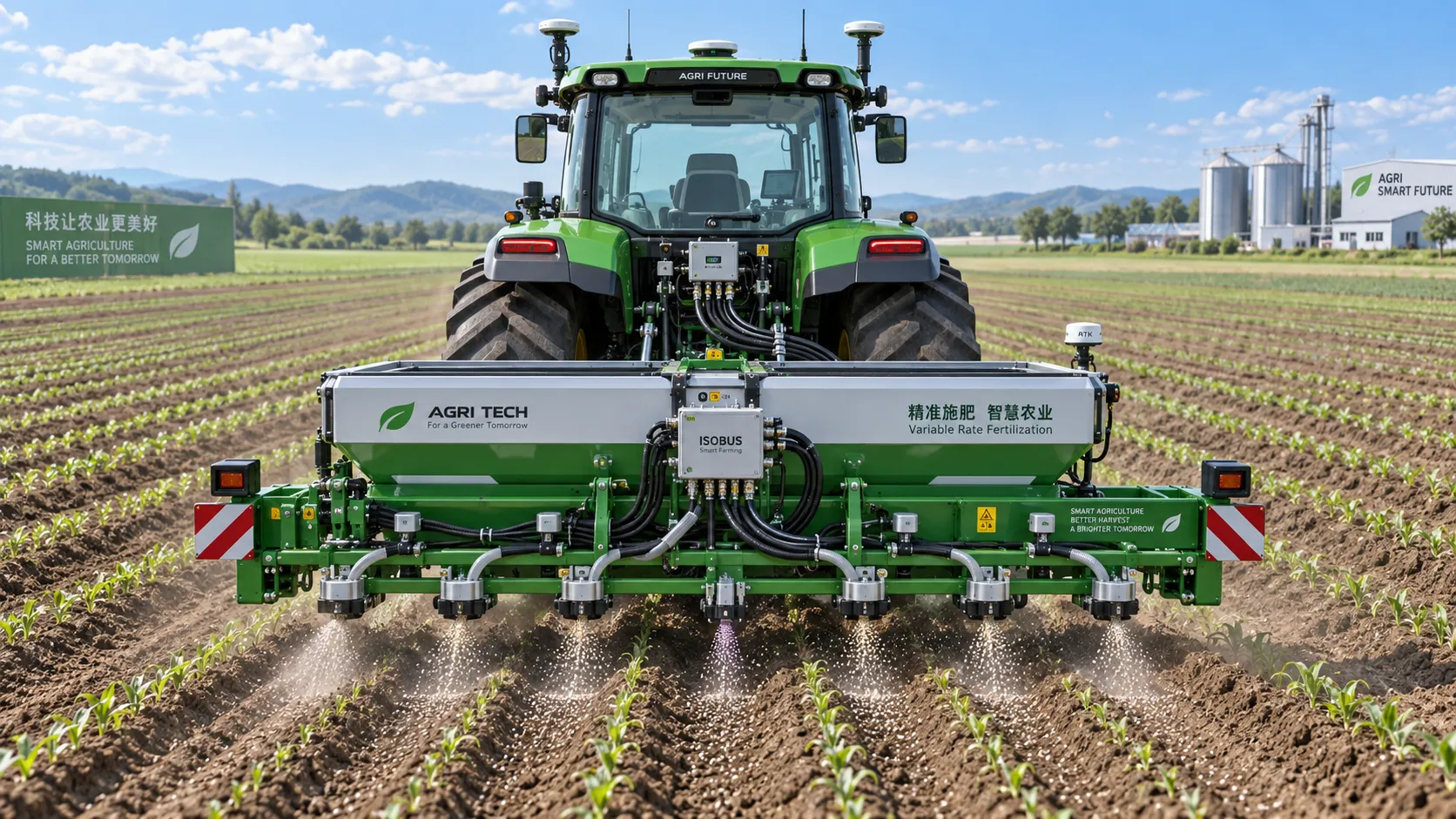
ISOBUS for Smart Agriculture: How It Connects Tractors, Implements, and Farm Data
ISOBUS for smart agriculture connects tractors, implements, terminals, and farm data—helping growers improve precision, documentation, and smarter field decisions.
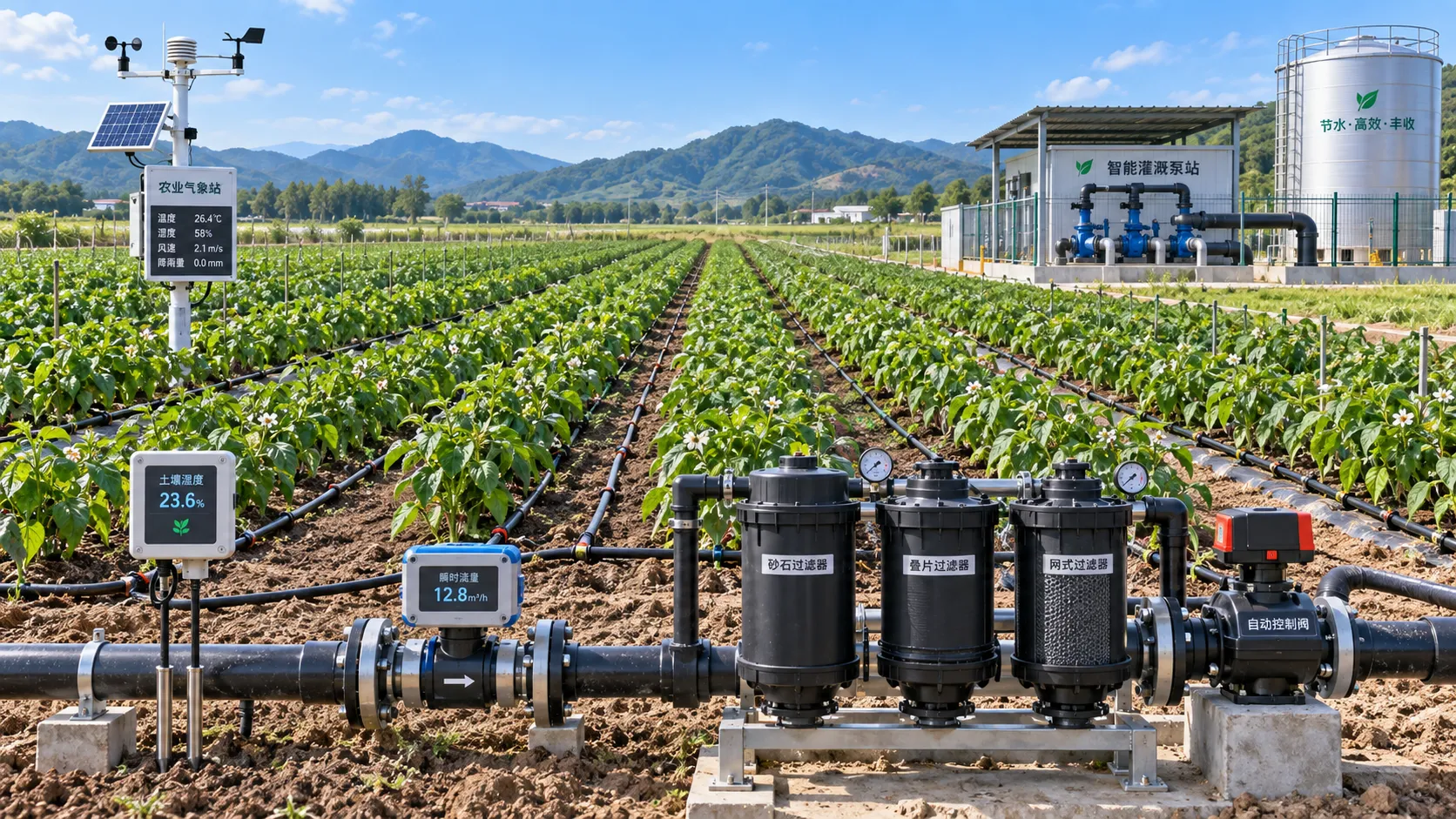
Automated Water-Saving Irrigation: How to Cut Water Use Without Reducing Crop Yields
Automated water-saving irrigation helps farms cut water use, protect crop yields, improve scheduling, and gain reliable control with sensors, flow monitoring, and smart zones.
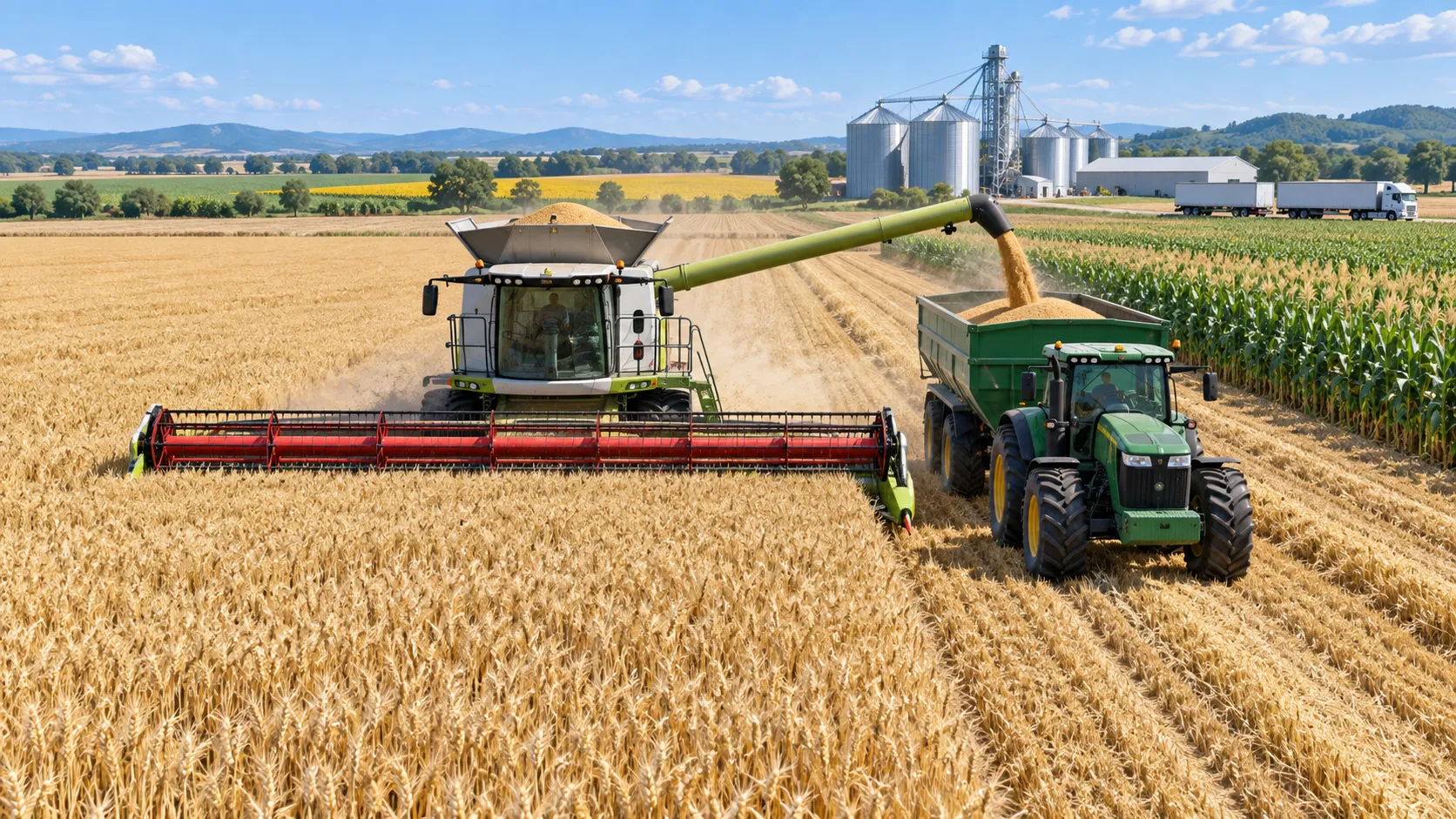
Selecting Grain Farm Equipment by Acreage, Crop Mix, and Harvest Window
Agricultural equipment selection for grain farming: match machinery to acreage, crop mix, and harvest windows to improve uptime, efficiency, and returns.
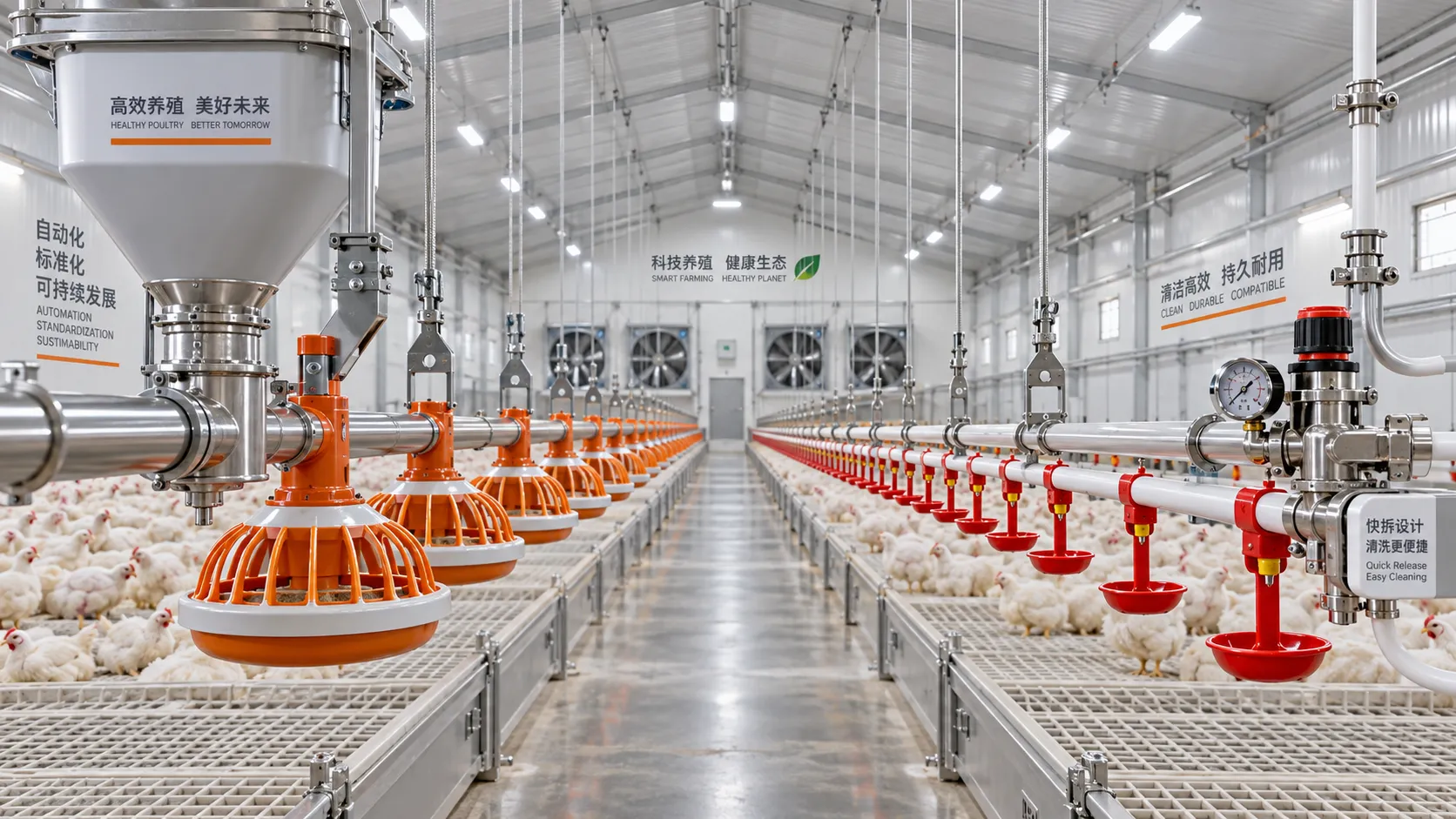
Poultry Equipment Selection: Evaluating Durability, Cleaning, and Compatibility
Poultry equipments selection guide: evaluate durability, cleaning access, and system compatibility to improve hygiene, reduce downtime, and support efficient flock management.
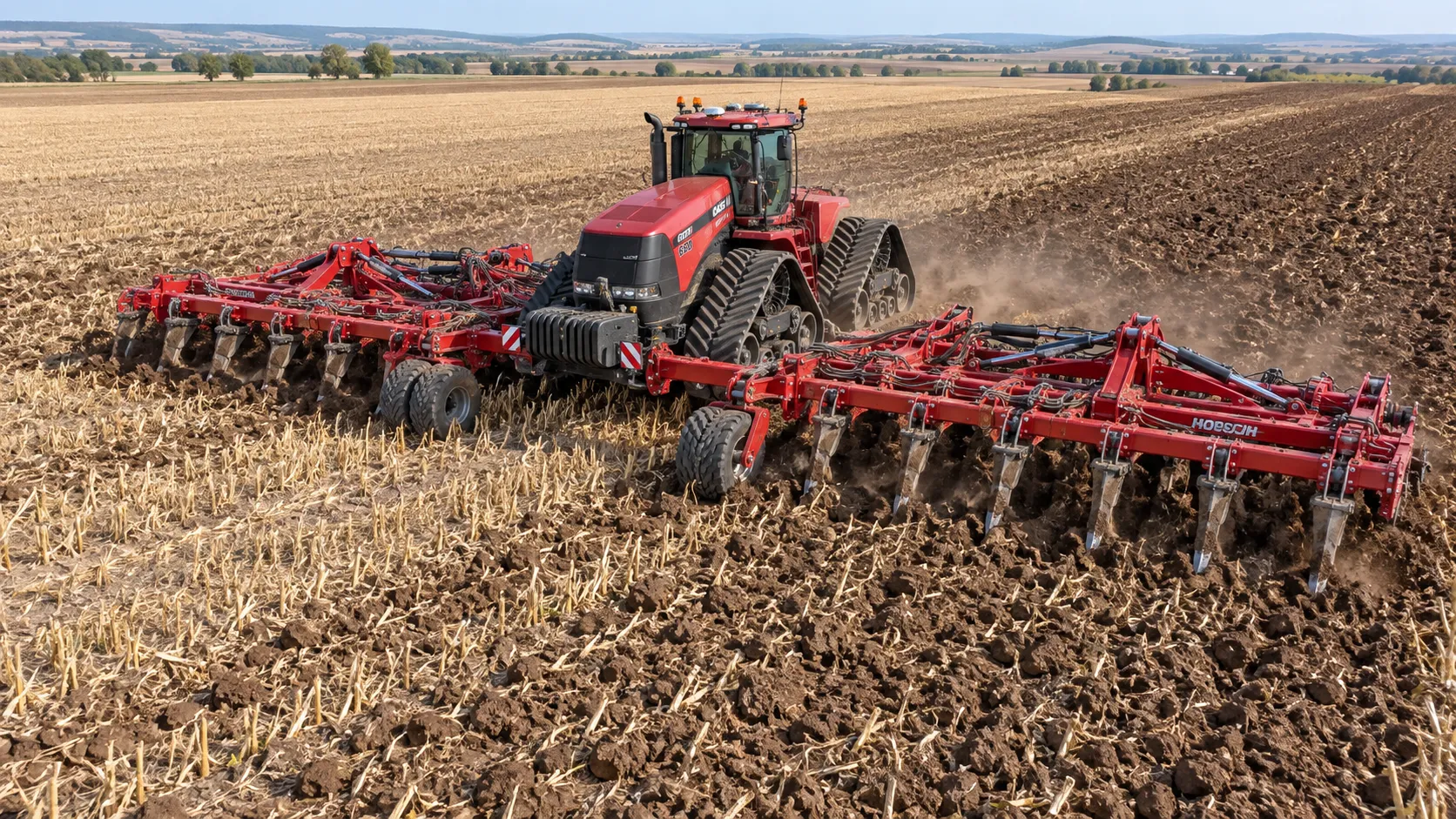
How to Select Heavy-Duty Farm Implements for High-Acreage, High-Horsepower Operations
Heavy duty farm implements: learn how to match draft, hydraulics, hitch capacity, frame strength, and field conditions for reliable high-acreage performance.
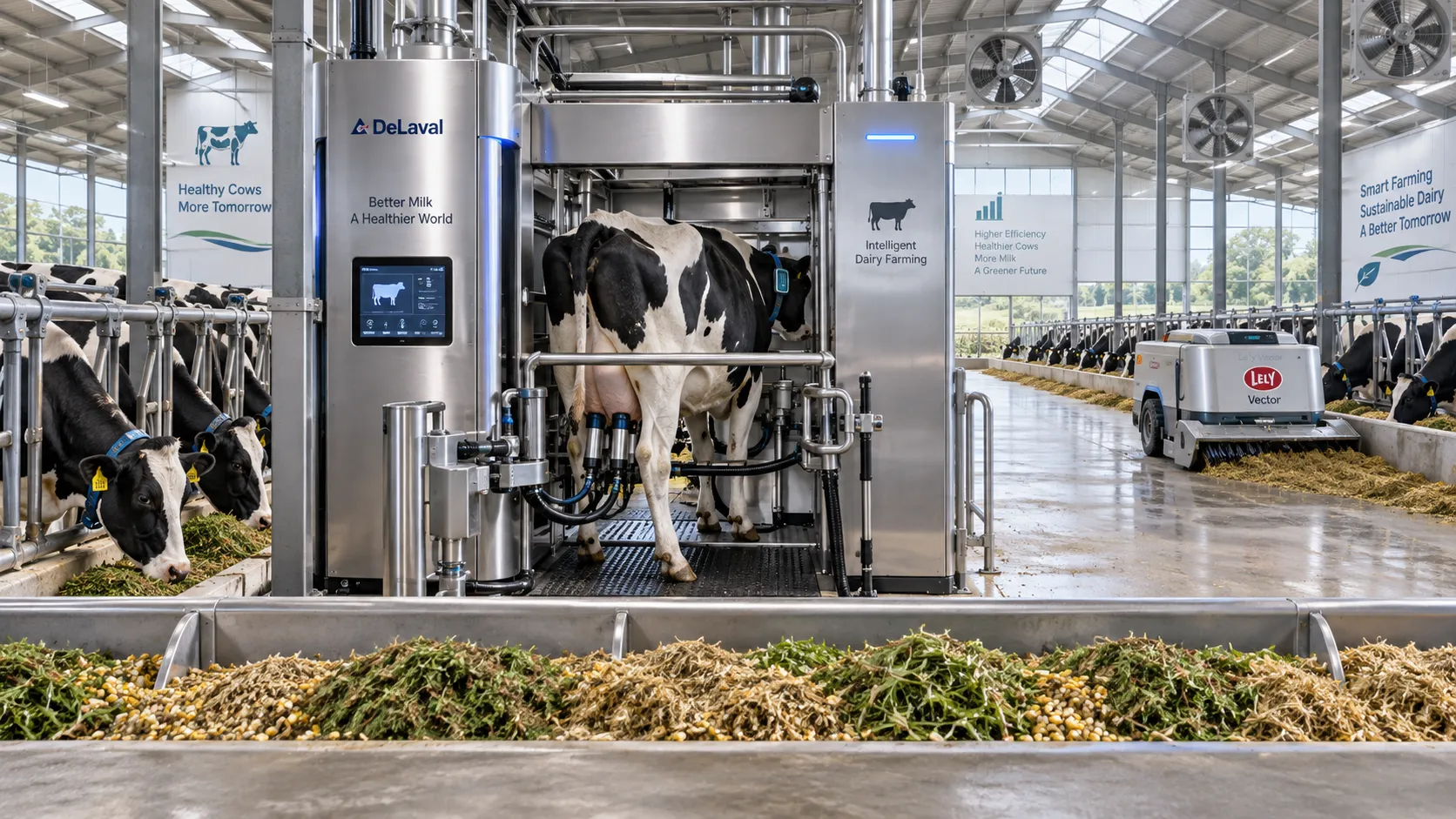
Smart Farming Technology for Dairy Farms: Where Automation Delivers Measurable ROI
Smart farming technology for dairy farms delivers measurable ROI through automation, precision feeding, health monitoring, and data-driven cost control.
Related News
- 00
0000-00
Fuel-Efficient Tractor Powertrain: Which Specs Matter Most for Total Operating Cost? - 00
0000-00
CVT Transmissions Price Explained: What Drives Cost in Agricultural Machinery? - 00
0000-00
Dedicated CVT Rail Link Signals New Export Execution Standard - 00
0000-00
TUV Rheinland Sets New ASIL-B Rule for CVT Systems - 00
0000-00
ANVISA Clears First China-Made Bio-Based CVT Fluid for Brazil
Popular Tags
Tractor Power Architect
Weekly Insights
Stay ahead with our curated technology reports delivered every Monday.