
CIBF2026 Launches Global First Standard for Agricultural Battery Swap Interfaces
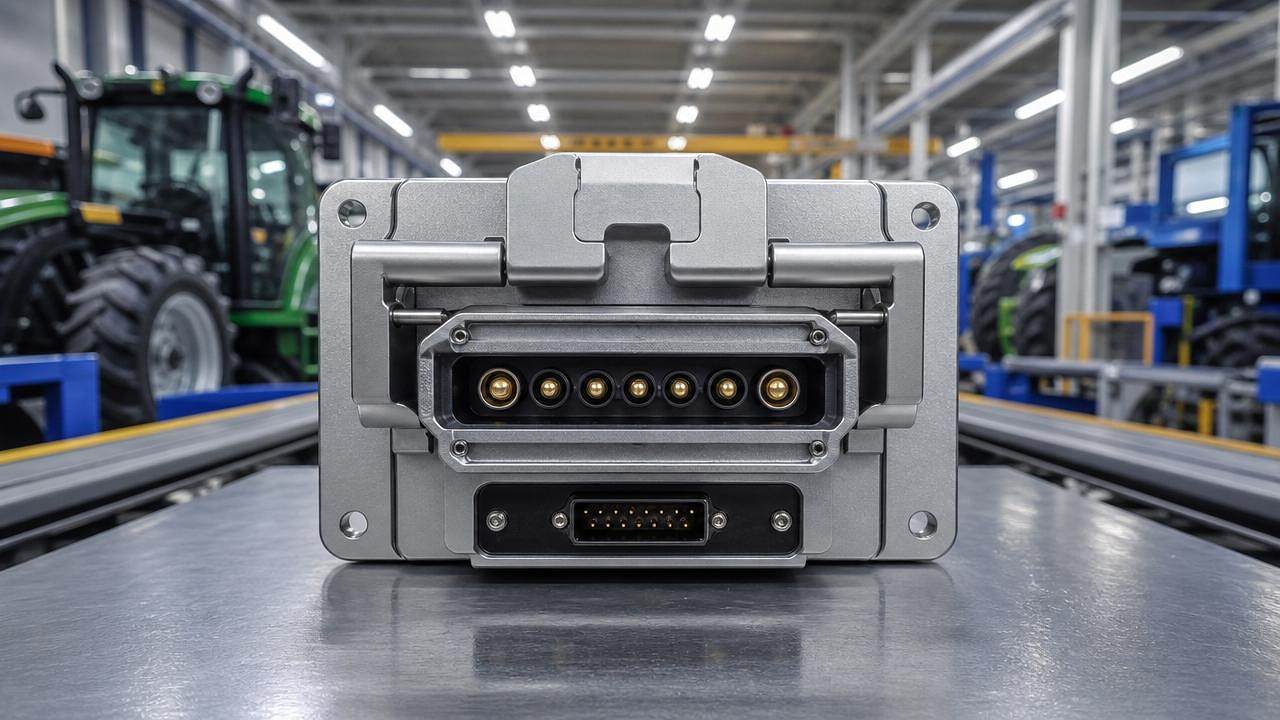




On May 6, 2026, the 18th Shenzhen International Battery Fair (CIBF2026) opened with a landmark regulatory development: the global debut of the General Specification for Fast-Swap Interfaces of Power Batteries for Agricultural Electric Machinery (T/CIAPS0018–2026). Jointly released by the China Chemical and Physical Power Source Industry Association and ISO/TC 22/SC 37, this standard marks the first internationally aligned technical framework governing physical dimensions, communication protocols, and safety interlock mechanisms for battery modules used in agricultural electric vehicles—including CVT transmissions and autonomous field robots. Its release signals a pivotal step toward interoperability, safety harmonization, and cross-border scalability in the rapidly electrifying agricultural machinery sector.
Event Overview
On May 6, 2026, the 18th Shenzhen International Battery Fair (CIBF2026) commenced. At the event, the China Chemical and Physical Power Source Industry Association and ISO/TC 22/SC 37 jointly published T/CIAPS0018–2026—the General Specification for Fast-Swap Interfaces of Power Batteries for Agricultural Electric Machinery. The standard specifies mechanical interface dimensions, CAN-based communication protocols, and fail-safe mechanical/electrical lock engagement sequences for battery modules intended for agricultural electric machinery, including continuously variable transmission (CVT) systems and autonomous robotic platforms.
Industries Affected
Direct trading enterprises — These firms—especially those exporting or importing agricultural EVs, battery packs, or modular powertrain components between China, ASEAN, EU, and LATAM markets—face immediate compliance implications. As T/CIAPS0018–2026 gains traction in ISO-aligned national adoption processes, product certifications, customs classifications, and warranty terms may increasingly reference its interface definitions. Non-conforming legacy designs risk market access delays or re-engineering costs in jurisdictions adopting derivative regulations.
Raw material procurement enterprises — Suppliers of aluminum alloys, high-strength polymers, contact-grade copper alloys, and thermal interface materials must now anticipate tighter dimensional tolerances and enhanced environmental resistance requirements. The standard’s specified mating cycle life (≥5,000 cycles) and IP67-rated sealing mandate shifts in material selection and supplier qualification criteria—notably for gasketing, corrosion-resistant plating, and low-resistance busbar compounds.
Manufacturing enterprises — OEMs and Tier-1 suppliers developing battery-integrated tractors, sprayers, harvesters, or robotic platforms must revise mechanical design workflows, PCB layout standards for interface controllers, and functional safety validation protocols. The mandatory dual-lock (mechanical + electrical) verification sequence introduces new test vectors in production line end-of-line (EOL) testing and requires firmware-level integration with vehicle control units (VCUs).
Supply chain service enterprises — Third-party logistics providers, battery-swapping station operators, and fleet maintenance networks must adapt infrastructure planning to accommodate standardized module footprints and connector pinouts. Interoperability assurance—particularly across OEMs—now hinges on adherence to the defined handshake protocol, affecting software update deployment models, remote diagnostics architecture, and spare parts inventory strategies.
Key Considerations and Recommended Actions
Review existing battery module designs against T/CIAPS0018–2026 mechanical envelope and pinout specifications
Manufacturers should conduct gap assessments within Q2 2026, focusing on flange geometry, thermal management interface alignment, and connector orientation—especially for modules intended for use in high-vibration, dust-prone field environments.
Update communication stack documentation to align with the mandatory CAN 2.0B message set and diagnostic service identifiers
Engineering teams must verify that their battery management system (BMS) firmware implements all required data frames—including State of Lock, Thermal Derating Status, and Module Authentication Handshake—and supports the defined timeout and retry logic per clause 7.4 of the standard.
Evaluate supply agreements for clauses referencing future compliance with emerging international interface standards
Procurement and legal departments should audit current contracts with battery cell suppliers, connector manufacturers, and enclosure fabricators to identify exposure points where non-compliance could trigger liability, warranty voidance, or delivery penalties post-2027.
Engage early with national standardization bodies in target export markets
Enterprises targeting EU, Japan, or Brazil should proactively participate in national mirror committee consultations—e.g., DIN/NAS, JISC, or ABNT—to influence adaptation pathways and avoid fragmented regional variants that undermine economies of scale.
Editorial Perspective / Industry Observation
Observably, T/CIAPS0018–2026 is less a standalone technical document than a strategic interoperability anchor. Its value lies not only in specification rigor but in its deliberate alignment with ISO/TC 22/SC 37—a move that significantly raises the likelihood of downstream adoption as an international reference. Analysis shows that unlike prior national battery standards focused on safety or chemistry, this one targets *system-level replaceability*, suggesting a broader industry shift from component-centric to service-model thinking in agri-electrification. From an industry perspective, this reflects growing recognition that battery swap viability depends more on mechanical and digital handshake consistency than on raw energy density alone. Current more relevant interpretation: this standard may accelerate consolidation among mid-tier agricultural EV startups unable to absorb rapid interface redesign costs—while strengthening incumbents with vertically integrated battery and chassis engineering capabilities.
Conclusion
The launch of T/CIAPS0018–2026 at CIBF2026 represents more than a technical milestone—it is an institutional signal that agricultural electrification is entering a phase where interoperability, not just innovation, defines competitiveness. While full global harmonization remains years away, the standard establishes a credible, testable, and export-ready foundation. A rational observation is that its real-world impact will be measured not in immediate adoption rates, but in how effectively it reshapes R&D roadmaps, procurement KPIs, and cross-border certification strategies across the agri-machinery value chain.
Source Attribution
Official publication: China Chemical and Physical Power Source Industry Association (CIAPS), Standard No. T/CIAPS0018–2026, issued May 6, 2026. Co-published with ISO/TC 22/SC 37 (Road Vehicles – Electric Power Train – Rechargeable Energy Storage Systems). Full text available via CIAPS official portal (www.ciaps.org.cn) and ISO Standards Catalogue (under pending registration ID ISO/WD 22917). Note: Adoption status in national standards bodies (e.g., DIN, JISC, ANSI) remains under active review and is subject to change through 2027.
Related News
When Does Agricultural Machinery Leasing Cost Less Than Owning Equipment?
Agricultural machinery leasing can lower farm costs when use is seasonal or uncertain. Compare utilization, maintenance, cash flow, and risk to make a smarter equipment decision.
How to Evaluate Precision Fertilization System Suppliers for Farm-Scale Deployment
Precision fertilization systems suppliers: learn how to compare accuracy, integration, uptime, service, and total cost for confident farm-scale deployment.
ISOBUS for Smart Agriculture: How It Connects Tractors, Implements, and Farm Data
ISOBUS for smart agriculture connects tractors, implements, terminals, and farm data—helping growers improve precision, documentation, and smarter field decisions.
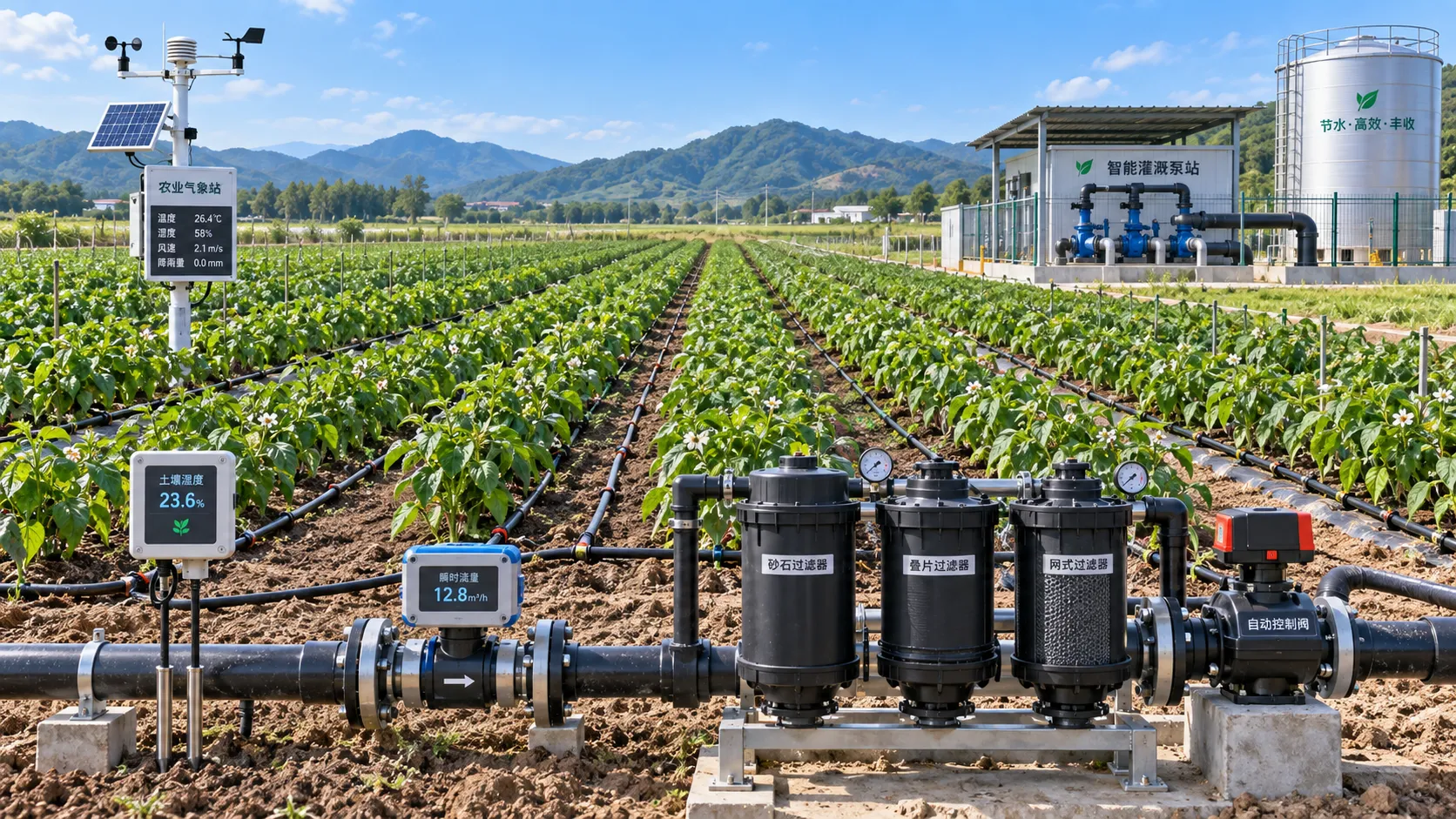
Automated Water-Saving Irrigation: How to Cut Water Use Without Reducing Crop Yields
Automated water-saving irrigation helps farms cut water use, protect crop yields, improve scheduling, and gain reliable control with sensors, flow monitoring, and smart zones.
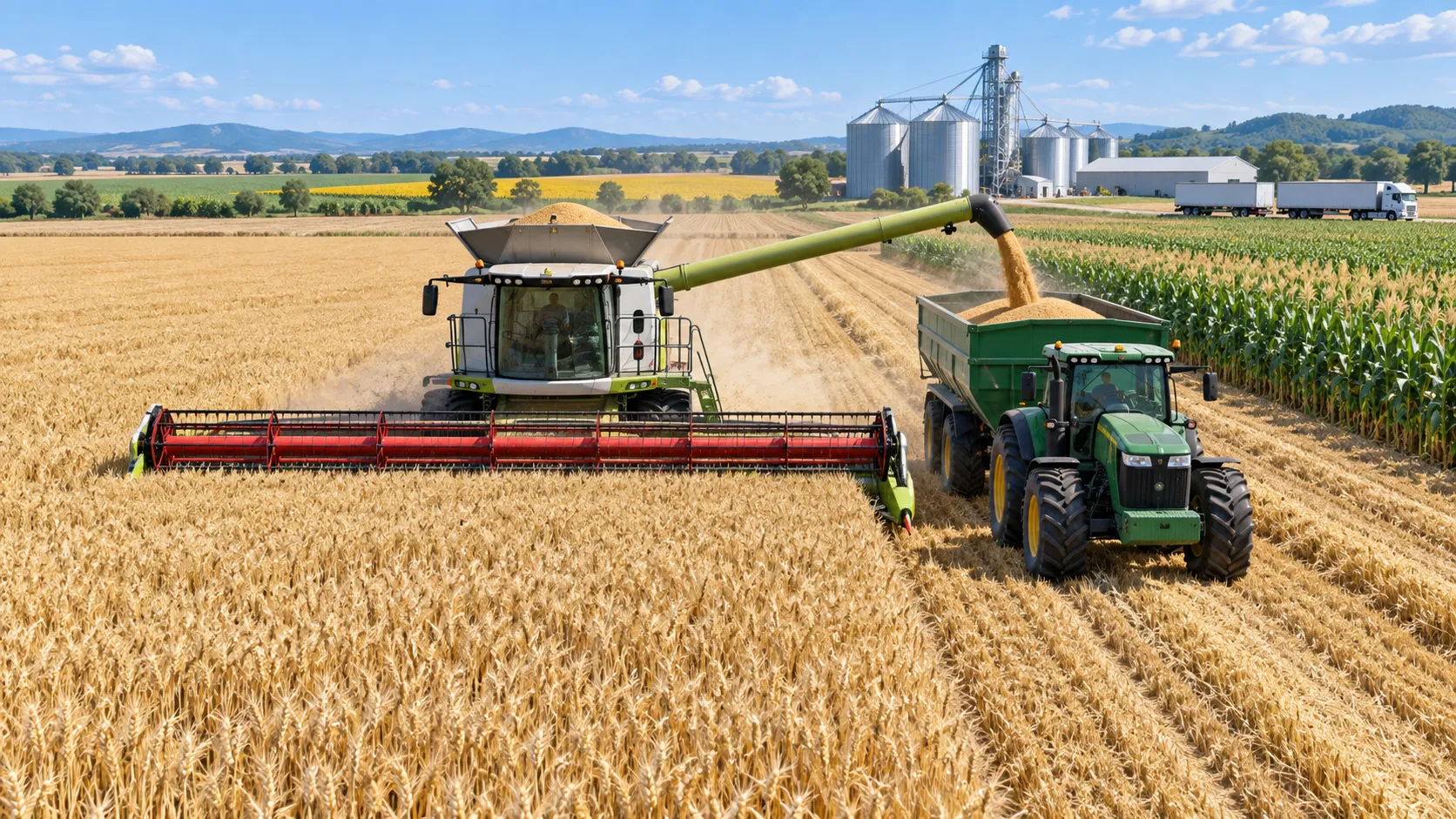
Selecting Grain Farm Equipment by Acreage, Crop Mix, and Harvest Window
Agricultural equipment selection for grain farming: match machinery to acreage, crop mix, and harvest windows to improve uptime, efficiency, and returns.
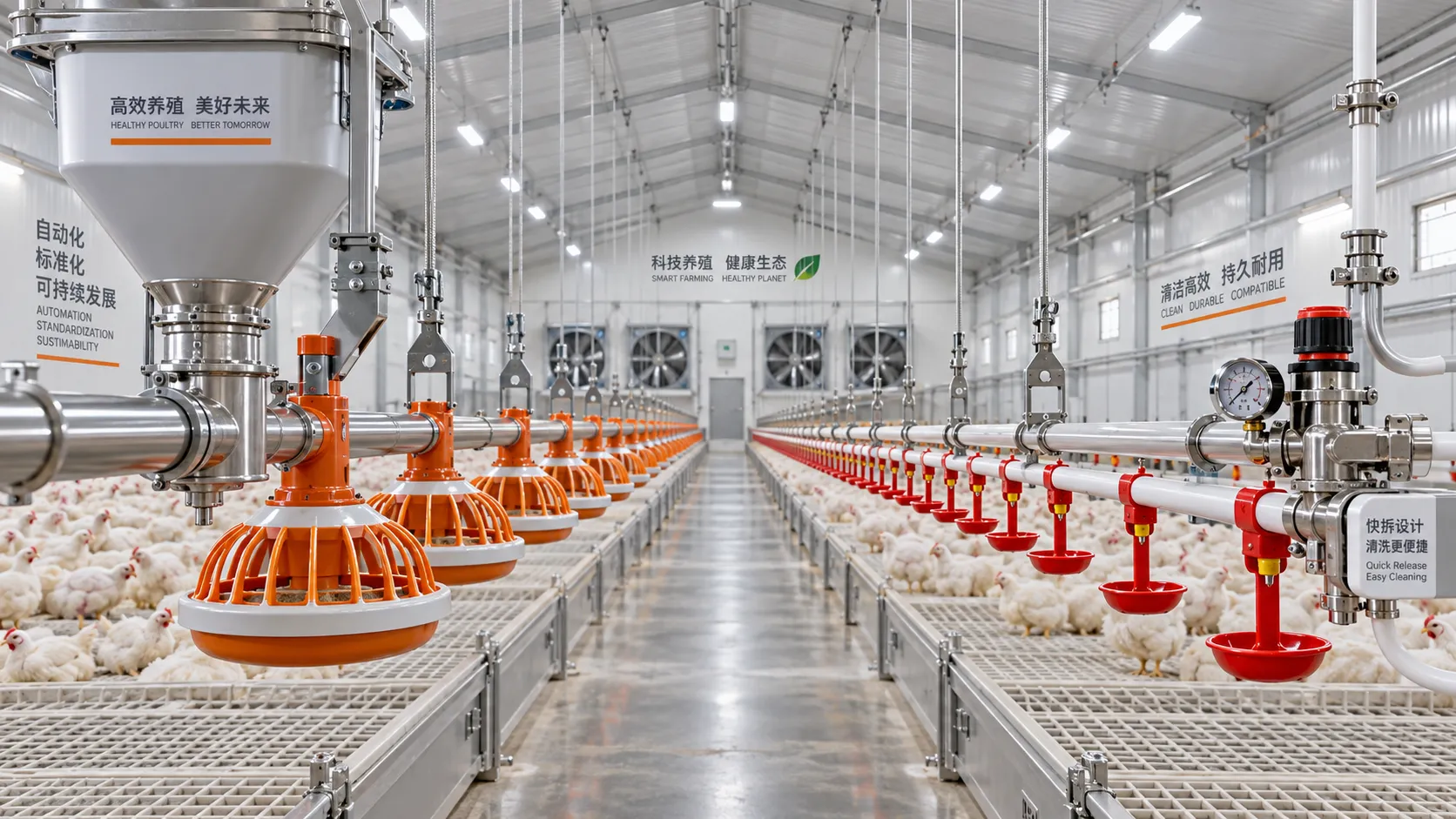
Poultry Equipment Selection: Evaluating Durability, Cleaning, and Compatibility
Poultry equipments selection guide: evaluate durability, cleaning access, and system compatibility to improve hygiene, reduce downtime, and support efficient flock management.
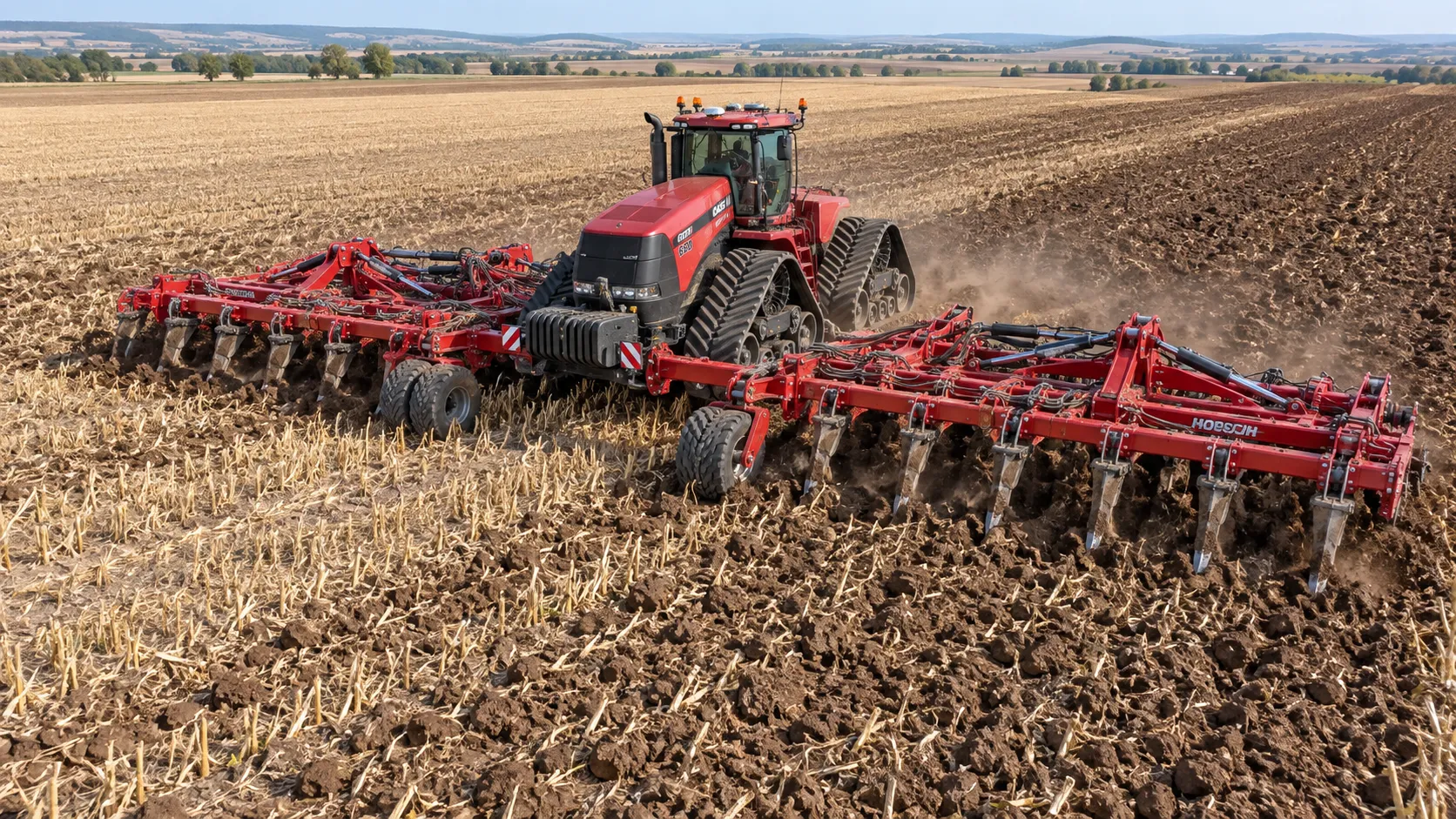
How to Select Heavy-Duty Farm Implements for High-Acreage, High-Horsepower Operations
Heavy duty farm implements: learn how to match draft, hydraulics, hitch capacity, frame strength, and field conditions for reliable high-acreage performance.
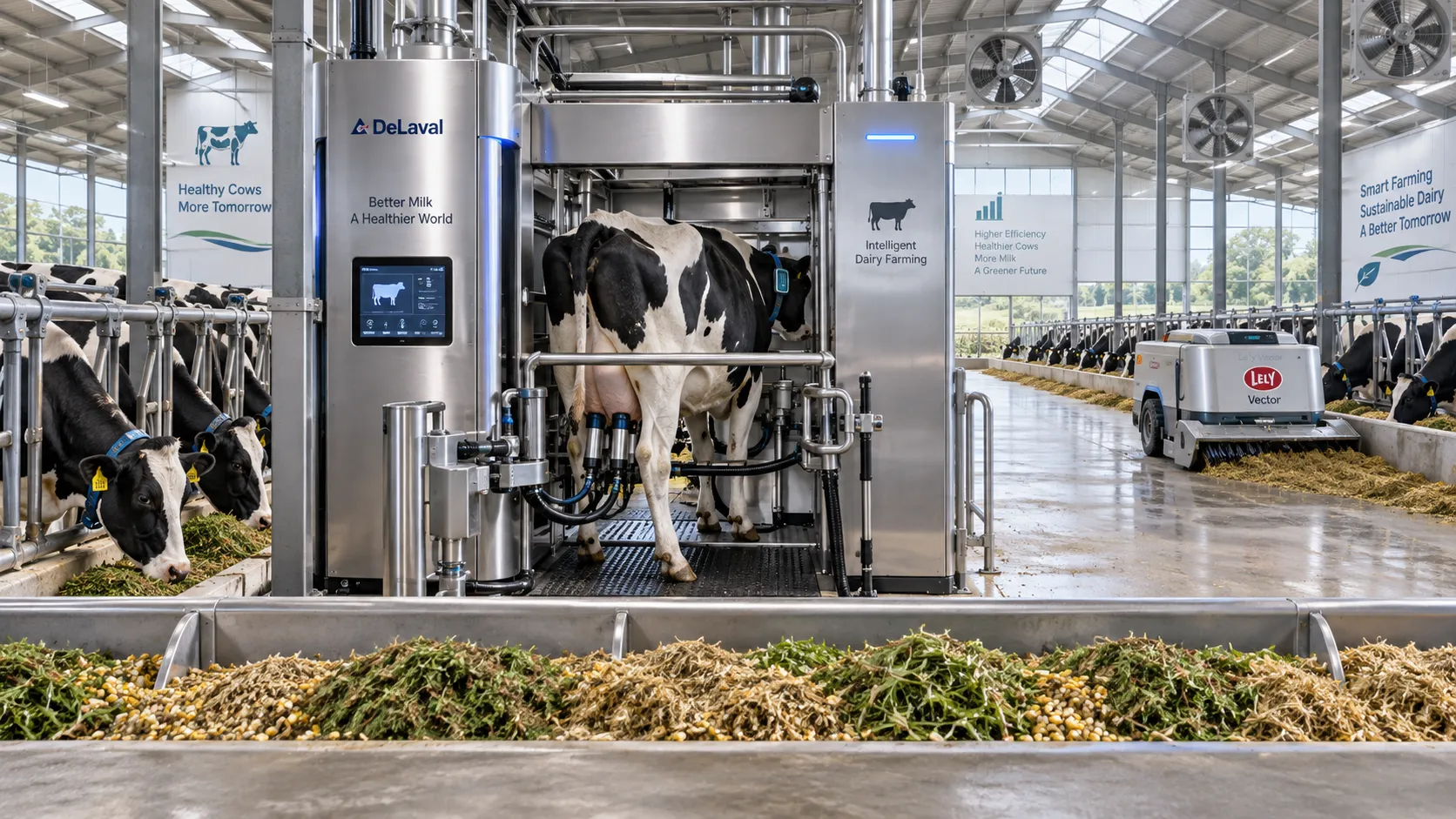
Smart Farming Technology for Dairy Farms: Where Automation Delivers Measurable ROI
Smart farming technology for dairy farms delivers measurable ROI through automation, precision feeding, health monitoring, and data-driven cost control.
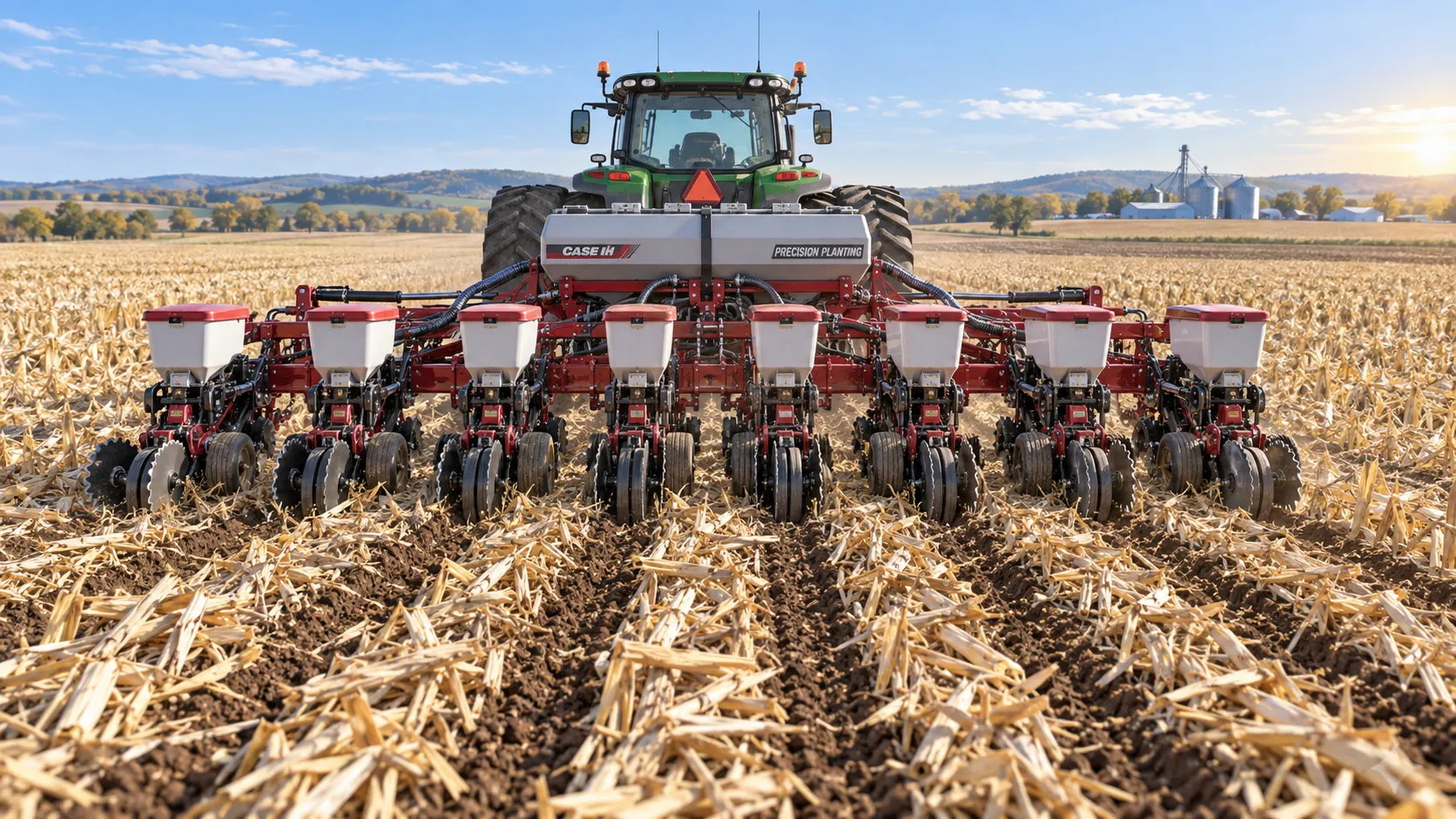
How to Select a Heavy-Duty Seeder for Large Acreage and High-Residue Fields
Heavy duty seeders for large acreage: compare residue handling, depth control, downforce, metering accuracy, and precision features to select the right model.
Related News
- 00
0000-00
Fuel-Efficient Tractor Powertrain: Which Specs Matter Most for Total Operating Cost? - 00
0000-00
CVT Transmissions Price Explained: What Drives Cost in Agricultural Machinery? - 00
0000-00
Dedicated CVT Rail Link Signals New Export Execution Standard - 00
0000-00
TUV Rheinland Sets New ASIL-B Rule for CVT Systems - 00
0000-00
ANVISA Clears First China-Made Bio-Based CVT Fluid for Brazil
Popular Tags
Tractor Power Architect
Weekly Insights
Stay ahead with our curated technology reports delivered every Monday.