
World's First CVT-Electric Hybrid Combine Harvester Enters Mass Production
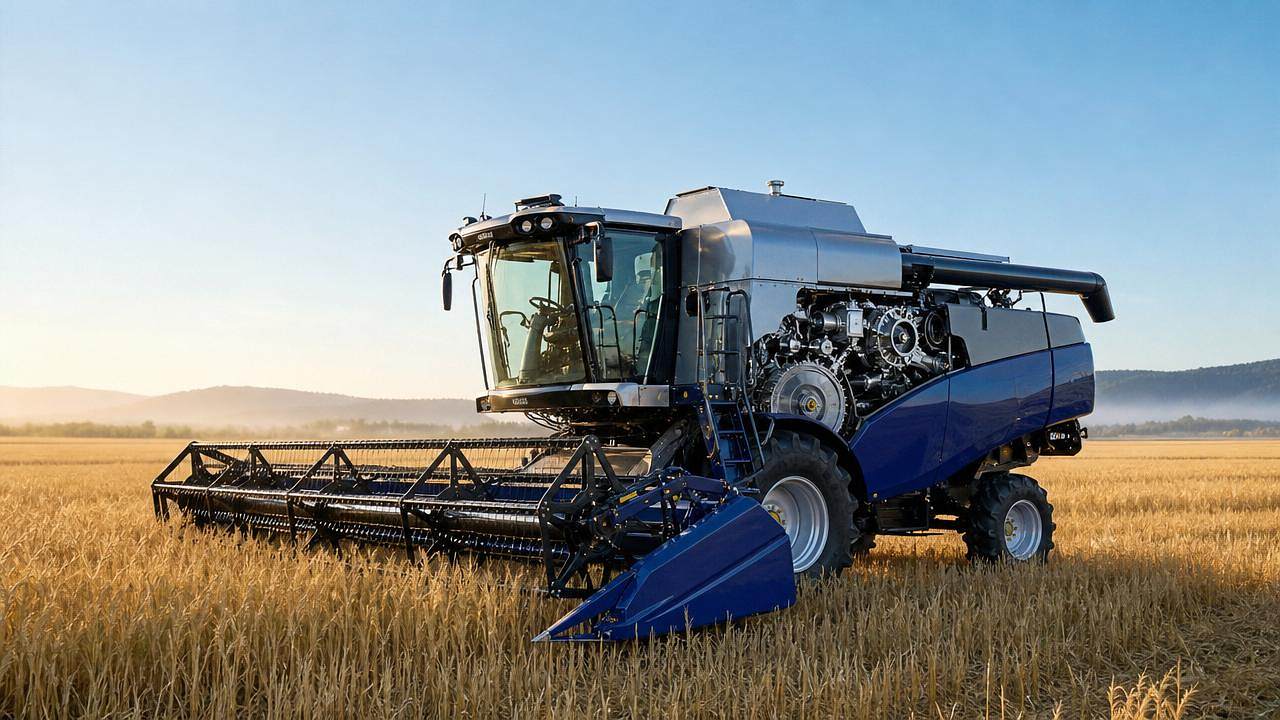




On May 9, 2026, Lovol Heavy Industry announced the batch delivery of its FR6000E hybrid threshing system—equipped with a domestically developed Continuously Variable Transmission (CVT)—to Heilongjiang Farm Reclamation Group. This milestone marks the first commercial deployment of a China-made CVT in large-scale grain harvesting machinery under high-load, low-temperature operational conditions. Agricultural machinery manufacturers, cold-climate equipment exporters, and powertrain supply chain stakeholders should closely monitor this development, as it signals a functional shift in core transmission sourcing for high-end harvesting systems in sub-zero environments.
Event Overview
On May 9, 2026, Lovol Heavy Industry commenced mass delivery of the FR6000E hybrid grain combine harvester to Heilongjiang Farm Reclamation Group. The machine integrates a domestically engineered CVT transmission capable of sustained 1200 N·m torque output and reliable cold-start operation at −30 °C. According to official statements, the domestic CVT solution carries a 28% lower cost than comparable imported alternatives. This represents the first verified integration of a China-developed CVT into the main drivetrain of large-scale threshing systems.
Impact on Specific Industry Segments
Direct Exporters to Cold-Climate Markets: Exporters targeting Russia, Kazakhstan, and similar high-latitude regions may face revised competitive dynamics. The availability of a lower-cost, cold-rated CVT option could compress pricing expectations for hybrid or high-efficiency harvesting platforms—particularly where thermal reliability has historically required premium imported components.
Powertrain Component Suppliers: Tier-2 and Tier-3 suppliers engaged in hydraulic control units, clutch actuation systems, or CVT-specific sensors may see increased demand for compatibility validation and localized calibration support. Domestic CVT adoption shifts technical interface requirements from foreign OEM specifications toward Chinese engineering standards.
Large-Scale Farming Cooperatives & Agri-Service Providers: Entities operating fleets in sub-zero environments now have access to a new class of hybrid harvesters with documented cold-start performance and reduced total cost of ownership. Procurement cycles may begin incorporating CVT durability metrics—such as sustained torque envelope and thermal hysteresis—alongside traditional yield and throughput benchmarks.
Aftermarket Service Networks: Maintenance and repair providers must assess training and diagnostic tool readiness for CVT-integrated harvesting systems. Unlike conventional gearboxes, CVT-based drivetrains require specialized software interfaces, fluid specifications, and failure-mode diagnostics not yet standardized across regional service centers.
What Relevant Enterprises or Practitioners Should Focus On Now
Monitor official technical documentation releases
Current public disclosures confirm performance thresholds but do not yet detail maintenance intervals, fluid change protocols, or diagnostic fault-code mapping. These documents—when published—will define serviceability boundaries and warranty scope for end users and distributors.
Track initial field deployment data in Heilongjiang
The Heilongjiang Farm Reclamation Group deployment serves as the first real-world validation environment. Observably, uptime rates, cold-start success frequency over multiple freeze-thaw cycles, and operator-reported drivetrain responsiveness will inform broader market confidence—not just in the FR6000E, but in future CVT-integrated models across brands.
Assess supply chain readiness for CVT-specific spare parts
Unlike legacy transmissions, CVTs rely on precision-machined variator components, specialized belts/chains, and closed-loop hydraulic controls. Distributors and service hubs should verify local inventory levels and lead times for these items before scaling support commitments.
Evaluate procurement timelines against upcoming harvest windows
Given the May 2026 launch timing, early adopters in Northern Hemisphere autumn harvest zones (e.g., Kazakhstan, Siberia) may consider pilot procurement ahead of the 2026/27 harvest season. However, analysis shows that full production ramp-up and certification for export markets beyond China remain unconfirmed—and therefore, advance orders should be contingent on verified delivery and commissioning milestones.
Editorial Perspective / Industry Observation
This event is best understood not as an immediate technology displacement, but as a validated entry point for domestic CVT systems into a previously inaccessible segment: high-torque, thermally stressed agricultural drivetrains. Observably, the −30 °C cold-start capability and 1200 N·m rating meet minimum thresholds for mainstream use in boreal farming regions—yet widespread adoption still hinges on long-term reliability data, service infrastructure maturity, and cross-border certification progress. From an industry perspective, the FR6000E rollout functions more as a technical proof point than a market inflection; its significance lies in demonstrating feasibility—not dominance. Continued attention is warranted not for what has been achieved, but for how quickly supporting capabilities (e.g., calibration standards, technician training, export homologation) follow.
In summary, this development confirms that China’s CVT engineering capacity has progressed beyond light-duty or controlled-environment applications into mission-critical agricultural powertrains. However, it remains a nascent capability—validated in one configuration, under one customer’s operational regime, with no publicly disclosed multi-season durability data. Current understanding should emphasize measured evaluation rather than rapid strategic pivoting.
Source: Lovol Heavy Industry official announcement, May 9, 2026. Note: Long-term field performance metrics, export certification status, and third-party validation reports are not yet publicly available and remain subject to ongoing observation.
Related News
When Does Agricultural Machinery Leasing Cost Less Than Owning Equipment?
Agricultural machinery leasing can lower farm costs when use is seasonal or uncertain. Compare utilization, maintenance, cash flow, and risk to make a smarter equipment decision.
How to Evaluate Precision Fertilization System Suppliers for Farm-Scale Deployment
Precision fertilization systems suppliers: learn how to compare accuracy, integration, uptime, service, and total cost for confident farm-scale deployment.
ISOBUS for Smart Agriculture: How It Connects Tractors, Implements, and Farm Data
ISOBUS for smart agriculture connects tractors, implements, terminals, and farm data—helping growers improve precision, documentation, and smarter field decisions.
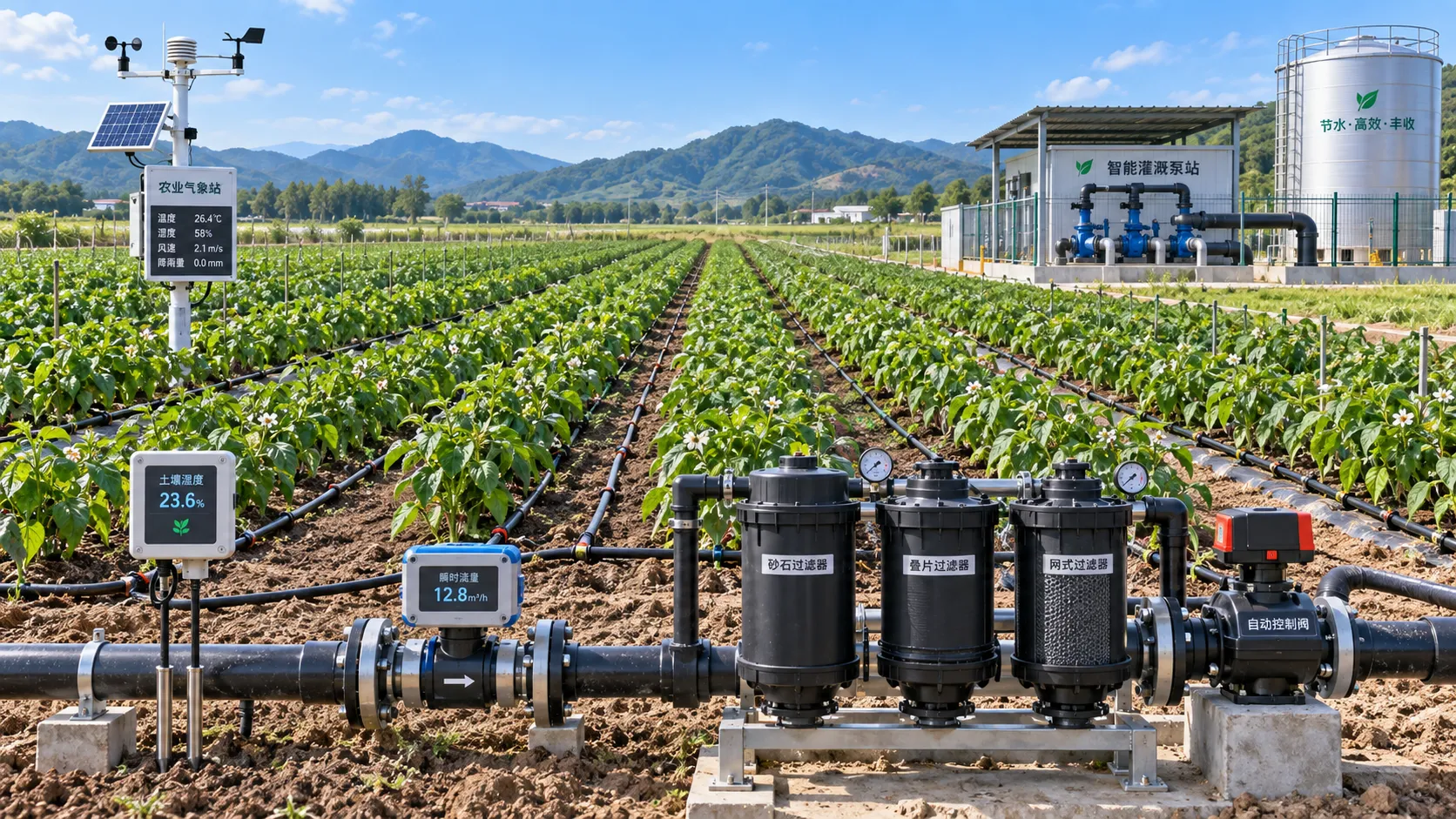
Automated Water-Saving Irrigation: How to Cut Water Use Without Reducing Crop Yields
Automated water-saving irrigation helps farms cut water use, protect crop yields, improve scheduling, and gain reliable control with sensors, flow monitoring, and smart zones.
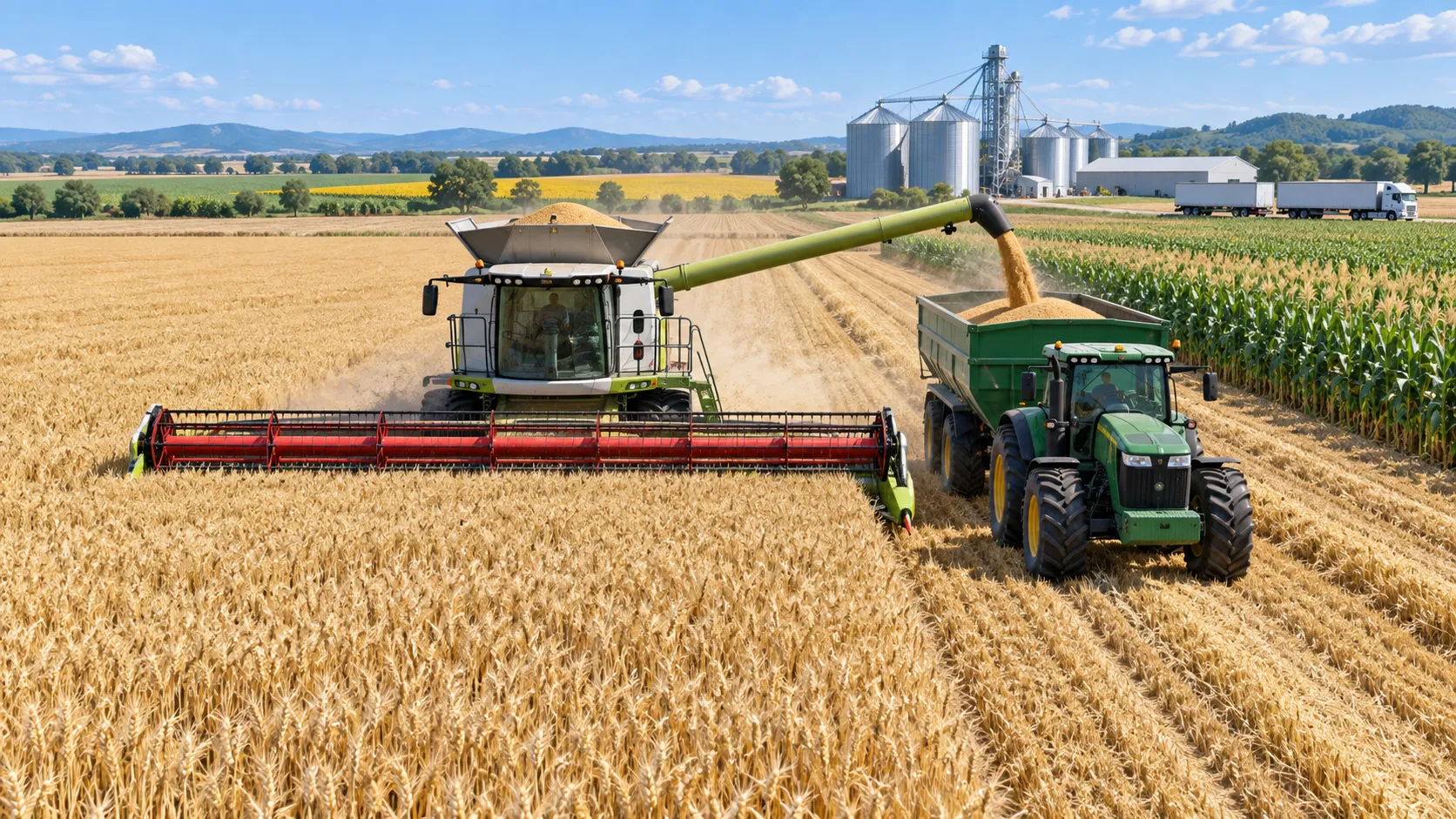
Selecting Grain Farm Equipment by Acreage, Crop Mix, and Harvest Window
Agricultural equipment selection for grain farming: match machinery to acreage, crop mix, and harvest windows to improve uptime, efficiency, and returns.
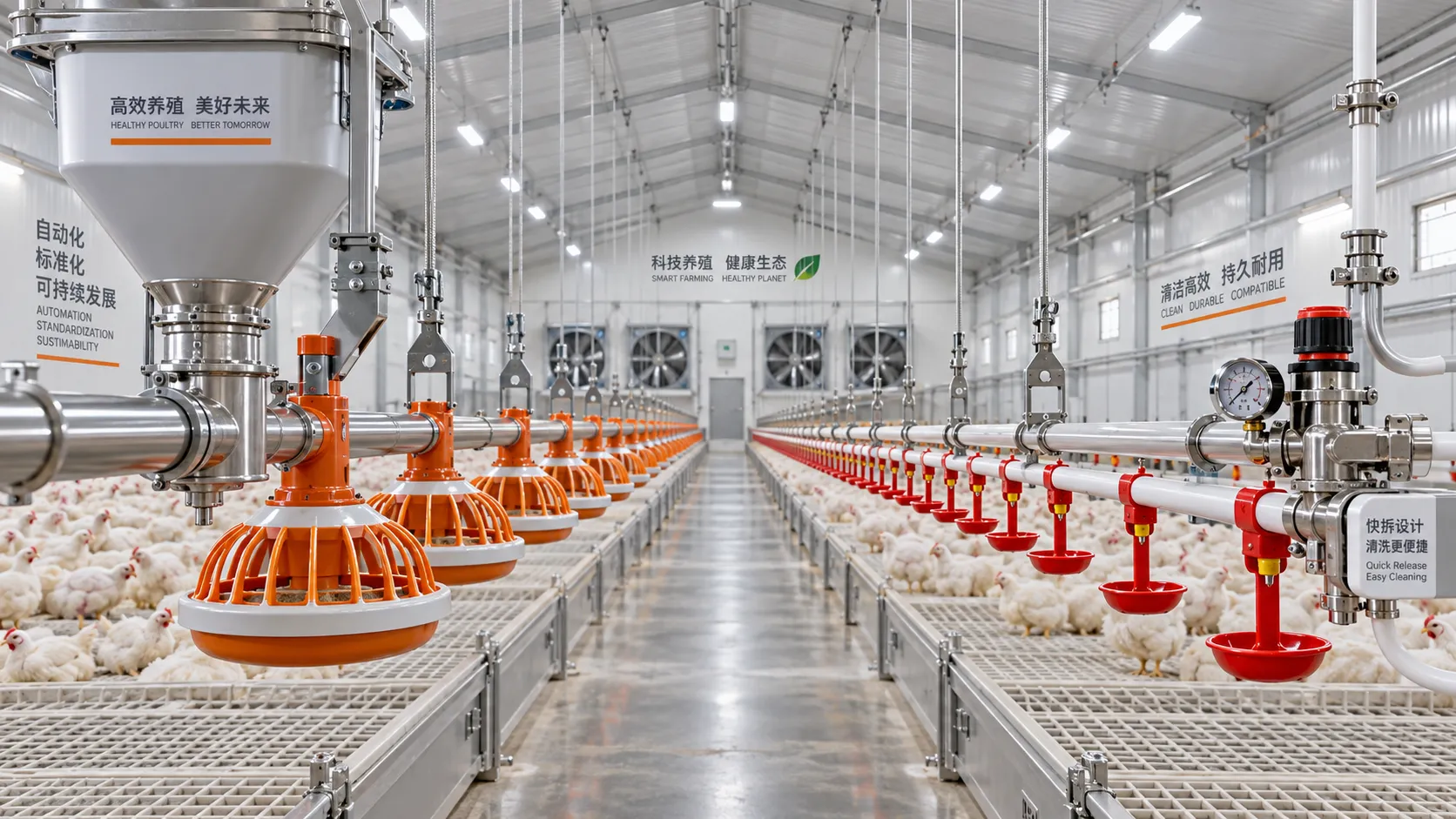
Poultry Equipment Selection: Evaluating Durability, Cleaning, and Compatibility
Poultry equipments selection guide: evaluate durability, cleaning access, and system compatibility to improve hygiene, reduce downtime, and support efficient flock management.
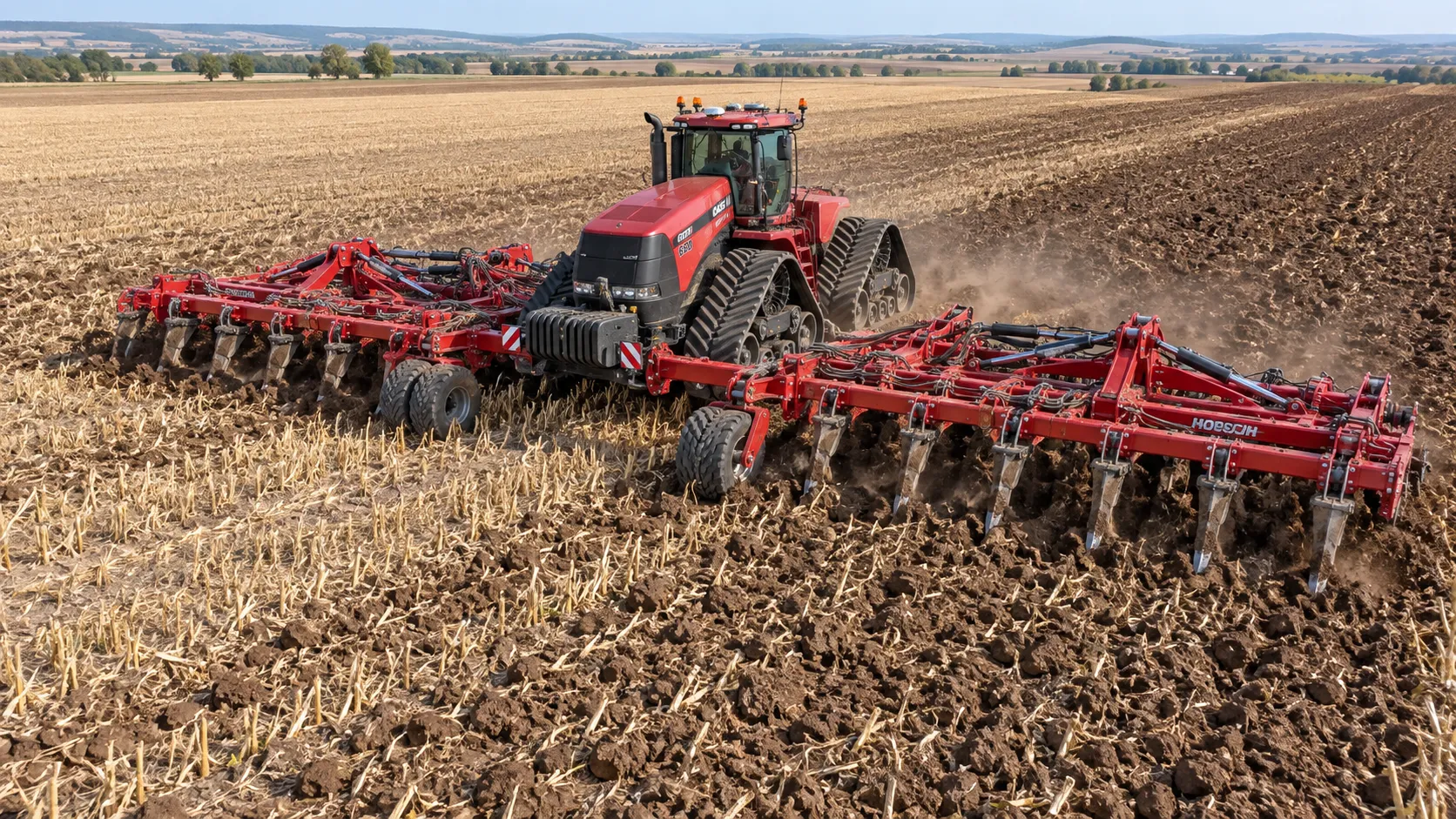
How to Select Heavy-Duty Farm Implements for High-Acreage, High-Horsepower Operations
Heavy duty farm implements: learn how to match draft, hydraulics, hitch capacity, frame strength, and field conditions for reliable high-acreage performance.
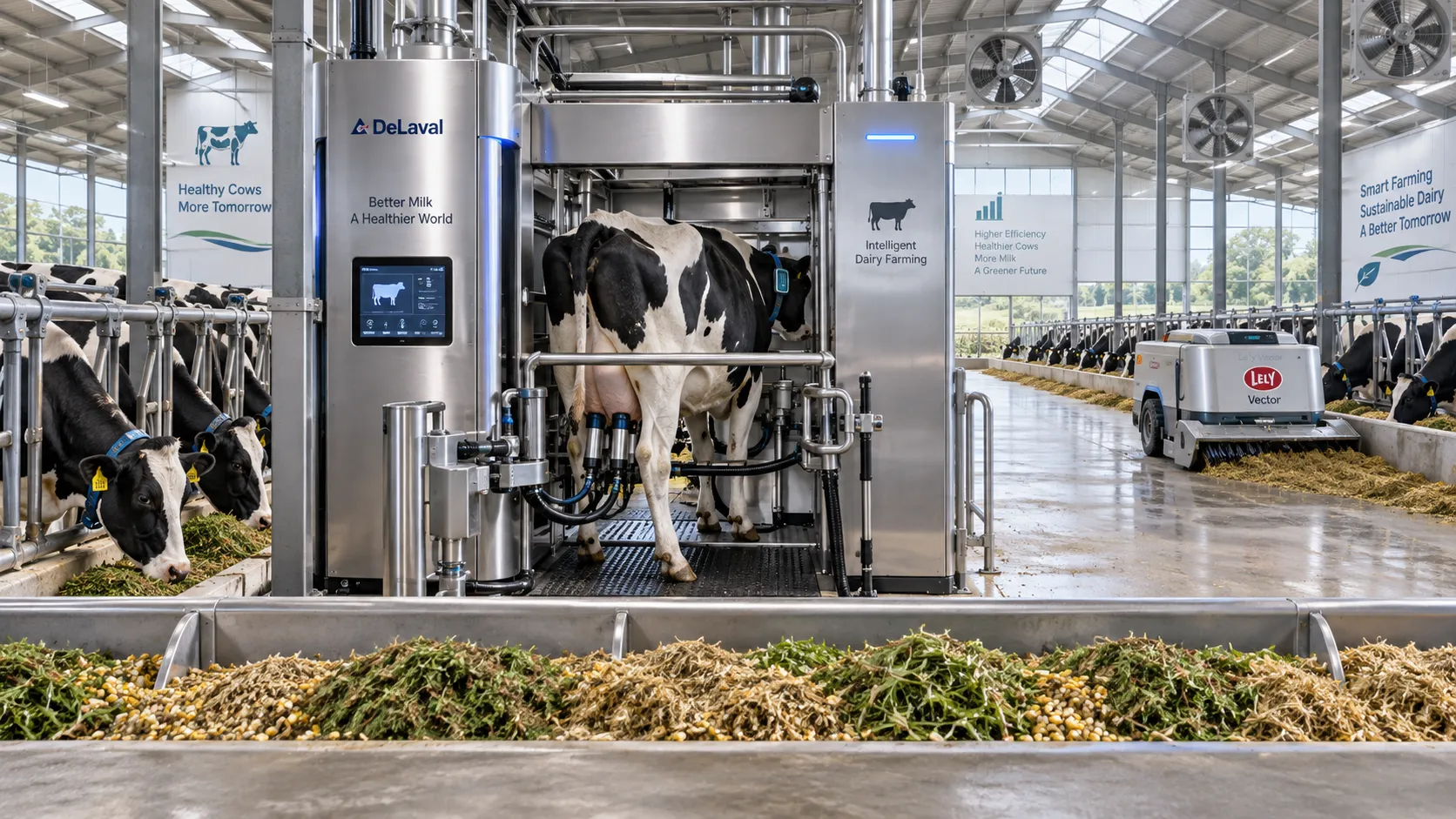
Smart Farming Technology for Dairy Farms: Where Automation Delivers Measurable ROI
Smart farming technology for dairy farms delivers measurable ROI through automation, precision feeding, health monitoring, and data-driven cost control.
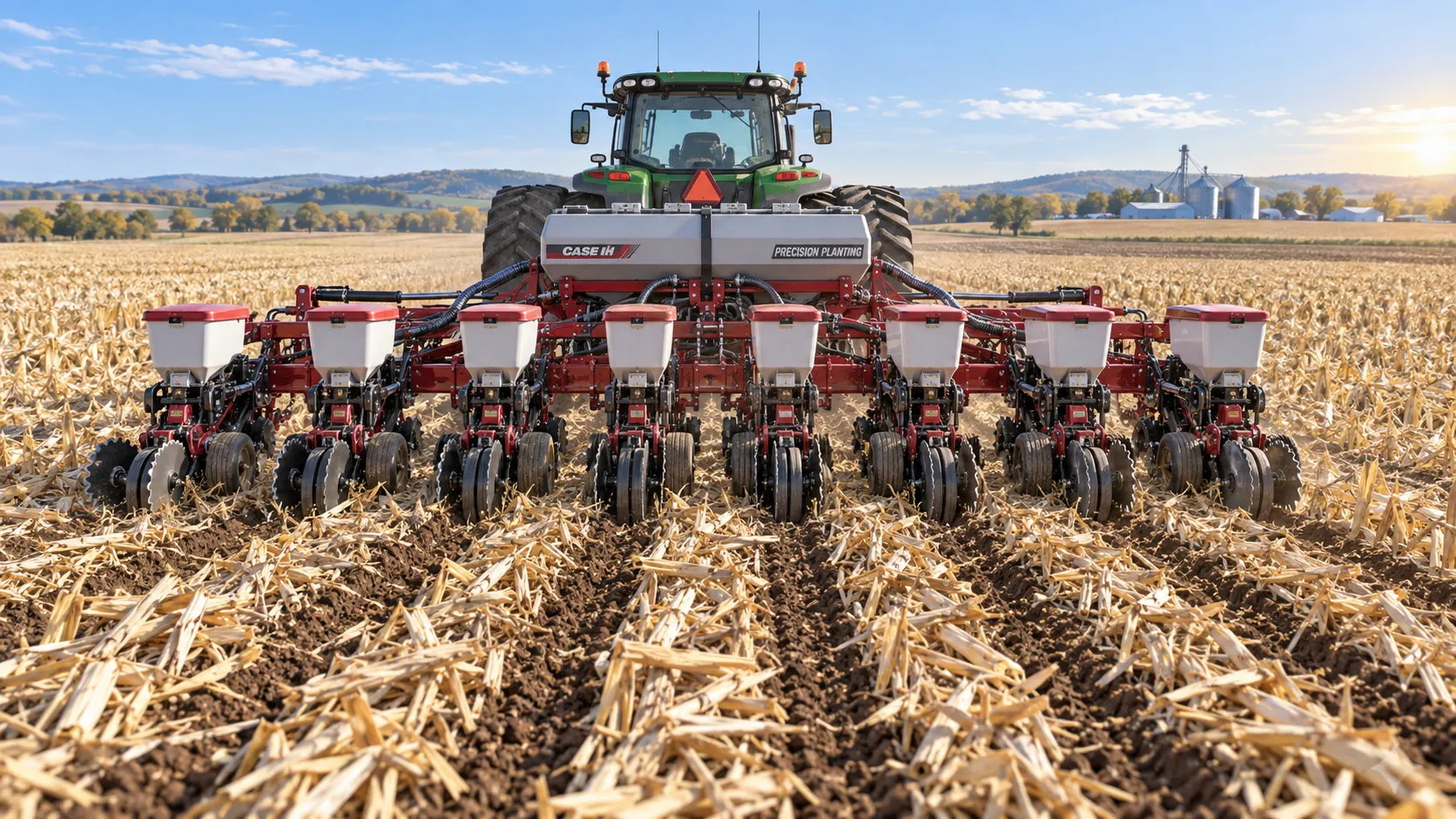
How to Select a Heavy-Duty Seeder for Large Acreage and High-Residue Fields
Heavy duty seeders for large acreage: compare residue handling, depth control, downforce, metering accuracy, and precision features to select the right model.
Related News
- 00
0000-00
Fuel-Efficient Tractor Powertrain: Which Specs Matter Most for Total Operating Cost? - 00
0000-00
CVT Transmissions Price Explained: What Drives Cost in Agricultural Machinery? - 00
0000-00
Dedicated CVT Rail Link Signals New Export Execution Standard - 00
0000-00
TUV Rheinland Sets New ASIL-B Rule for CVT Systems - 00
0000-00
ANVISA Clears First China-Made Bio-Based CVT Fluid for Brazil
Popular Tags
Tractor Power Architect
Weekly Insights
Stay ahead with our curated technology reports delivered every Monday.