
Penglai 4,000 t/d Cement Line Demolished; Pressure on High-End Agricultural Machinery Castings Supply Chain
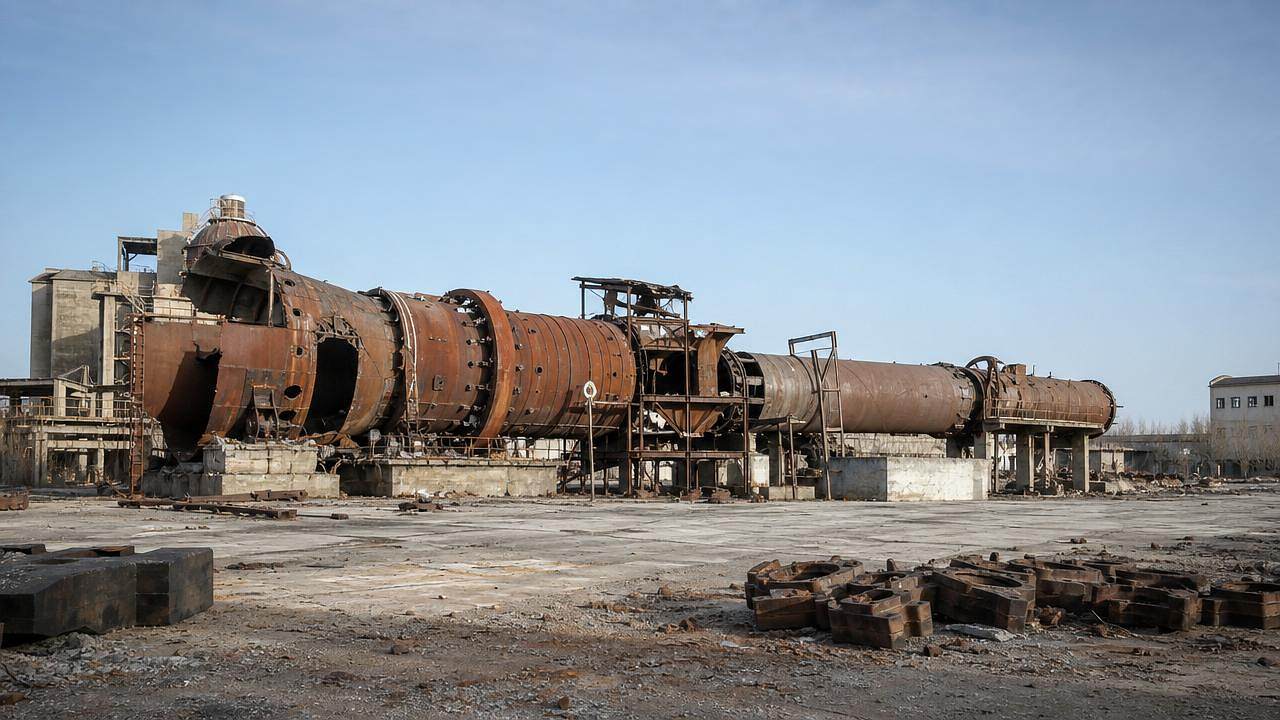




On May 7, 2026, the 4,000 t/d clinker production line—including its rotary kiln—at Weiyang Cement in Penglai, Shandong, was fully demolished. A joint on-site verification by five government departments confirmed the facility is no longer fit for resumption of operations. This development directly affects domestic manufacturers of medium- and large-scale tractors, CVT transmission housings, and hydraulic lift systems—sectors reliant on high-grade heat-resistant casting blanks historically supplied by this line.
Event Overview
The 4,000 t/d clinker production line operated by Weiyang Cement in Penglai, Shandong, was dismantled on May 7, 2026. Following a coordinated inspection by five regulatory departments, authorities confirmed the site lacks conditions for resuming production. No further operational or restart plans have been announced.
Impact on Specific Industry Segments
Raw Material Procurement Enterprises
This line served as a long-standing source of high-specification refractory cast iron billets—critical for machining durable components such as tractor undercarriages and hydraulic system housings. Its removal eliminates a verified domestic supply channel for heat-resistant casting base material, narrowing sourcing options for procurement teams focused on consistent metallurgical properties and traceability.
Component Manufacturing Enterprises
Manufacturers producing castings for CVT transmission casings, heavy-duty tractor frames, and hydraulic lift assemblies face tighter raw material availability. The loss of this dedicated feedstock source may trigger delays in blank delivery, affecting downstream machining schedules and quality control consistency—particularly where alloy composition and thermal stability are tightly specified.
Export-Oriented Equipment Assemblers
For OEMs fulfilling export orders—especially those with fixed-price contracts or tight delivery windows—the impact manifests in two ways: extended lead times (projected +7–10 days in Q2) and cost pressure, with reported quotation adjustments of 3%–5% for affected cast parts. These shifts affect margin planning and contract renegotiation readiness.
What Relevant Enterprises or Practitioners Should Monitor and Act On
Track official notifications on alternative material qualification pathways
Given the verified discontinuation of this specific feedstock source, procurement and quality engineering teams should monitor whether local or provincial industrial authorities issue technical guidance—or fast-track approval protocols—for substituting equivalent cast iron grades from other domestic producers. Such guidance would signal formal recognition of supply adaptation needs.
Reassess lead-time buffers for critical casting-dependent subassemblies
Manufacturers should immediately audit current safety stock levels and scheduled deliveries for CVT housings, rear axle carriers, and hydraulic valve blocks. A 7–10 day extension in blank availability implies potential cascading delays; revising internal MRP parameters and communicating revised timelines to Tier-2 suppliers is operationally urgent.
Review contractual clauses related to material cost pass-through
Export-oriented assemblers should examine existing customer agreements—particularly those covering agricultural machinery exports—to determine whether price adjustment mechanisms (e.g., raw material indexation clauses) are activated by this supply shift. Proactive documentation of the Penglai line’s decommissioning may support justified pricing revisions where permitted.
Validate metallurgical equivalency of alternate casting sources before volume ramp-up
Any new supplier substitution must undergo full validation—not just dimensional or tensile testing—but also thermal cycling performance and microstructure stability under prolonged high-temperature service. Rushing into alternative sourcing without full qualification risks field reliability issues, especially in CVT and hydraulic applications.
Editorial Observation / Industry Perspective
Observably, this event is less a sudden disruption and more a structural signal: the withdrawal of a specialized industrial asset that had quietly anchored part of China’s high-end agricultural machinery casting supply chain. Analysis shows the impact is concentrated—not systemic—but highly consequential for segments requiring certified heat-resistant ferrous castings with narrow property tolerances. It does not indicate broad refractory material scarcity, but rather a localized contraction in qualified, traceable, and logistically integrated feedstock capacity. From an industry perspective, this underscores growing interdependence between legacy heavy-industry infrastructure and precision agricultural equipment manufacturing—a linkage now exposed by asset retirement decisions made outside the farm machinery value chain.
Concluding, this demolition reflects a tightening node—not a breakdown—in the domestic castings supply network for advanced agricultural machinery. It is best understood not as an isolated incident, but as a tangible marker of shifting capacity alignment across China’s industrial base: as cement overcapacity remediation proceeds, secondary users of its byproduct materials face recalibration. For stakeholders, the priority remains operational responsiveness—not strategic alarm.
Source: Verified public notice of demolition and joint verification outcome issued by Penglai Municipal Department of Industry and Information Technology, Shandong Provincial Ecology and Environment Department, Shandong Provincial Emergency Management Department, Shandong Provincial Market Supervision Administration, and Yantai Municipal Natural Resources Bureau (May 7, 2026).
Note: Ongoing monitoring is recommended for any subsequent announcements regarding material substitution guidelines or regional casting capacity reallocation initiatives.
Related News

When Does Agricultural Machinery Leasing Cost Less Than Owning Equipment?
Agricultural machinery leasing can lower farm costs when use is seasonal or uncertain. Compare utilization, maintenance, cash flow, and risk to make a smarter equipment decision.
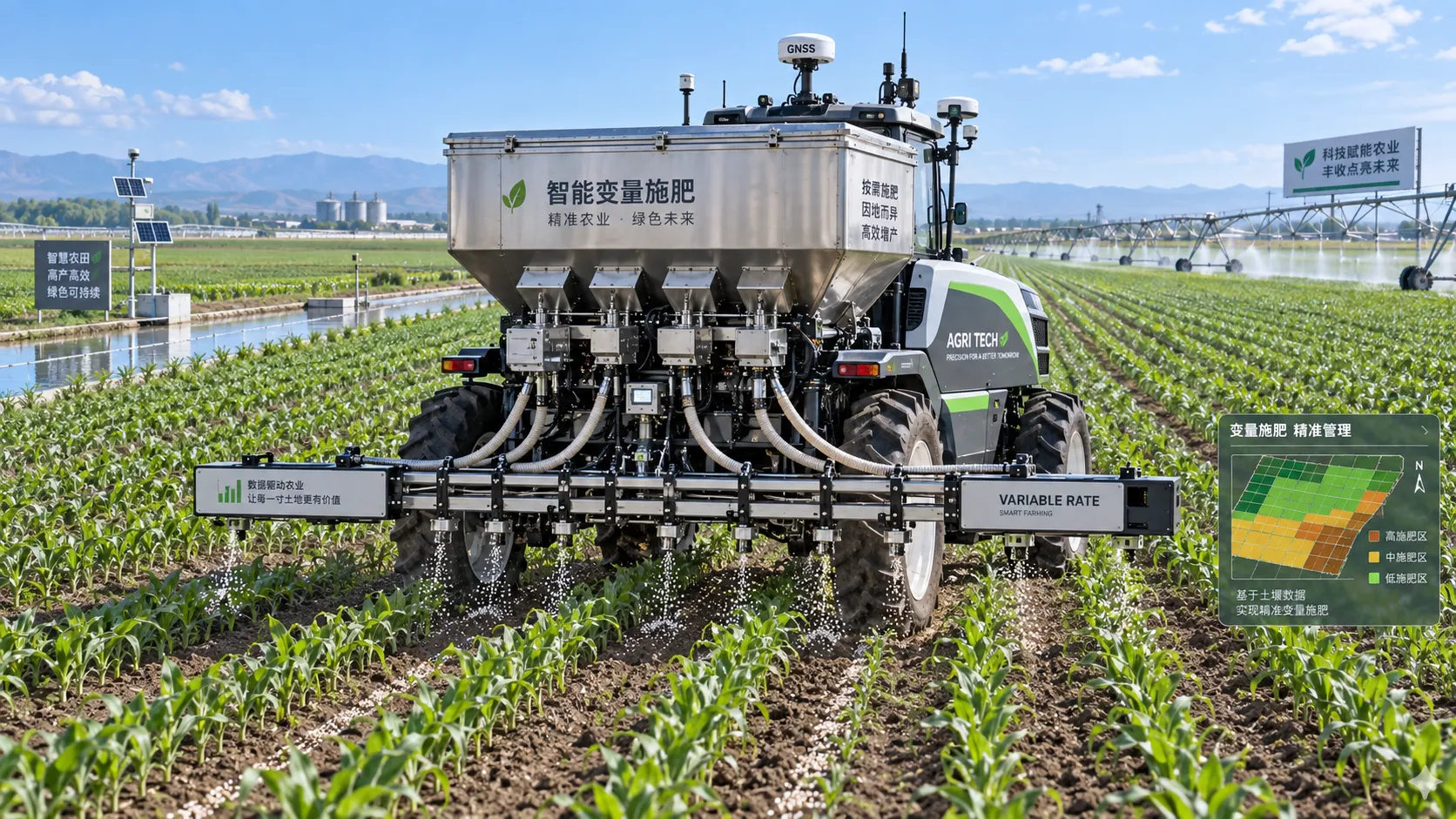
How to Evaluate Precision Fertilization System Suppliers for Farm-Scale Deployment
Precision fertilization systems suppliers: learn how to compare accuracy, integration, uptime, service, and total cost for confident farm-scale deployment.
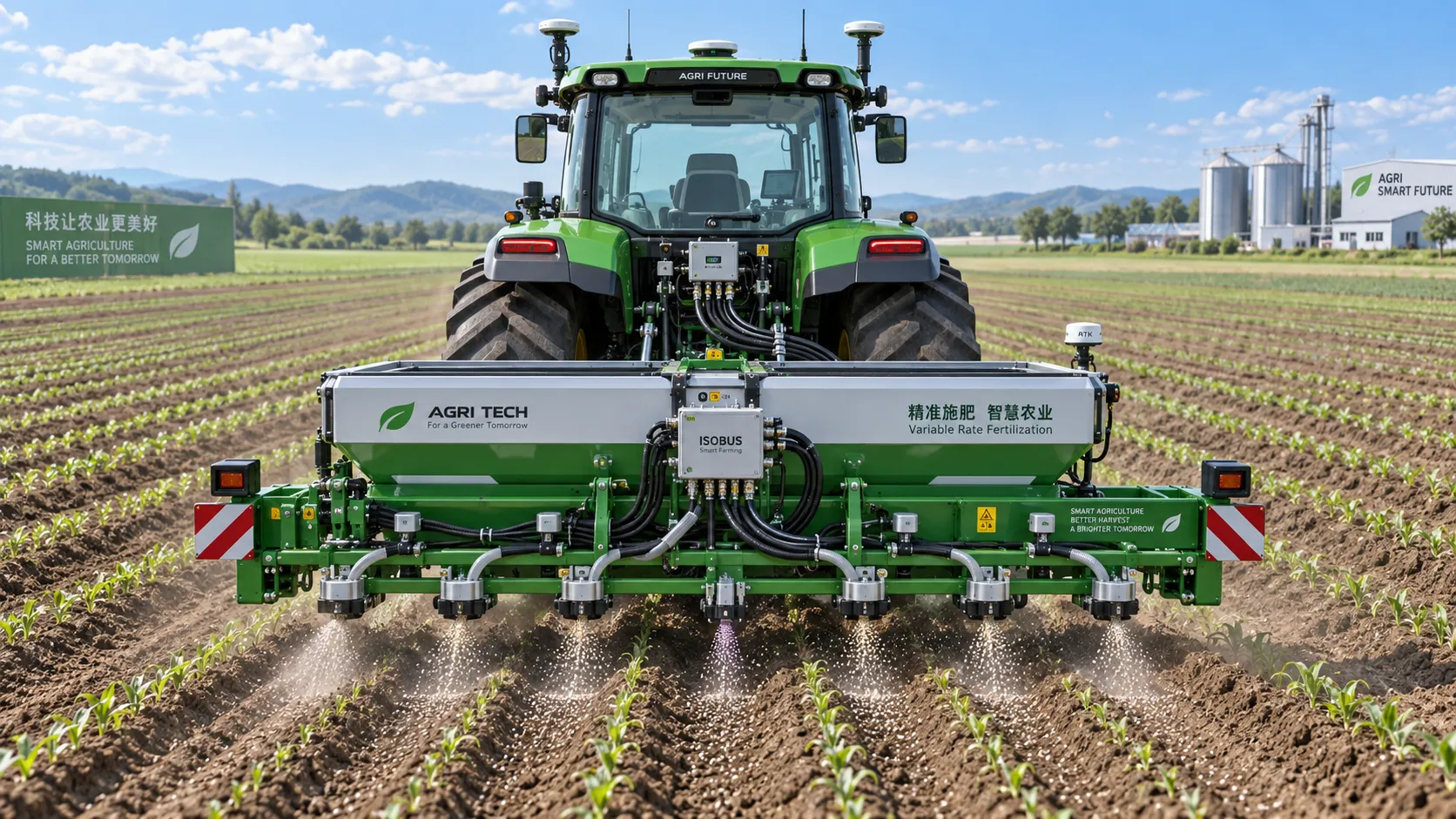
ISOBUS for Smart Agriculture: How It Connects Tractors, Implements, and Farm Data
ISOBUS for smart agriculture connects tractors, implements, terminals, and farm data—helping growers improve precision, documentation, and smarter field decisions.
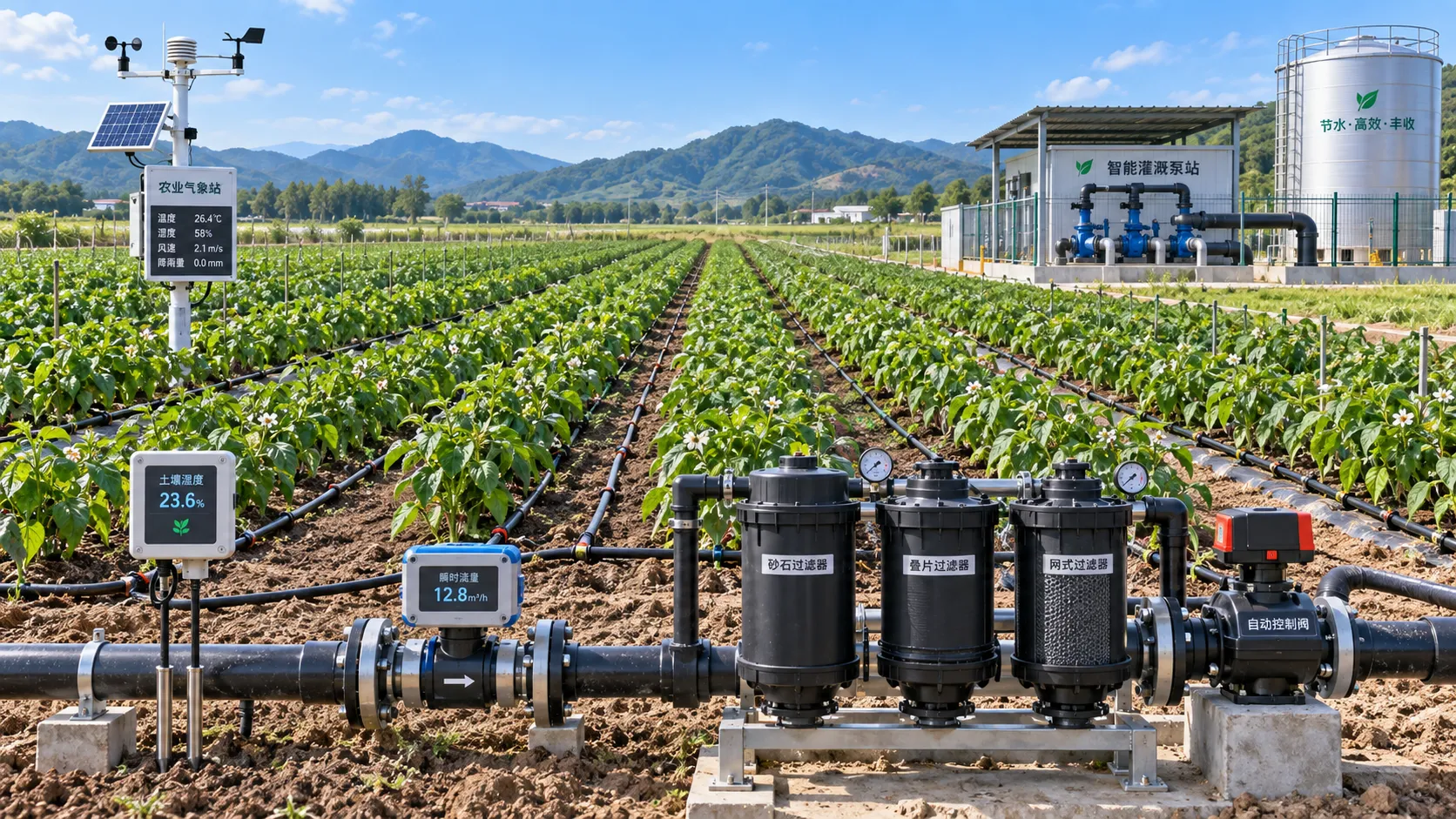
Automated Water-Saving Irrigation: How to Cut Water Use Without Reducing Crop Yields
Automated water-saving irrigation helps farms cut water use, protect crop yields, improve scheduling, and gain reliable control with sensors, flow monitoring, and smart zones.
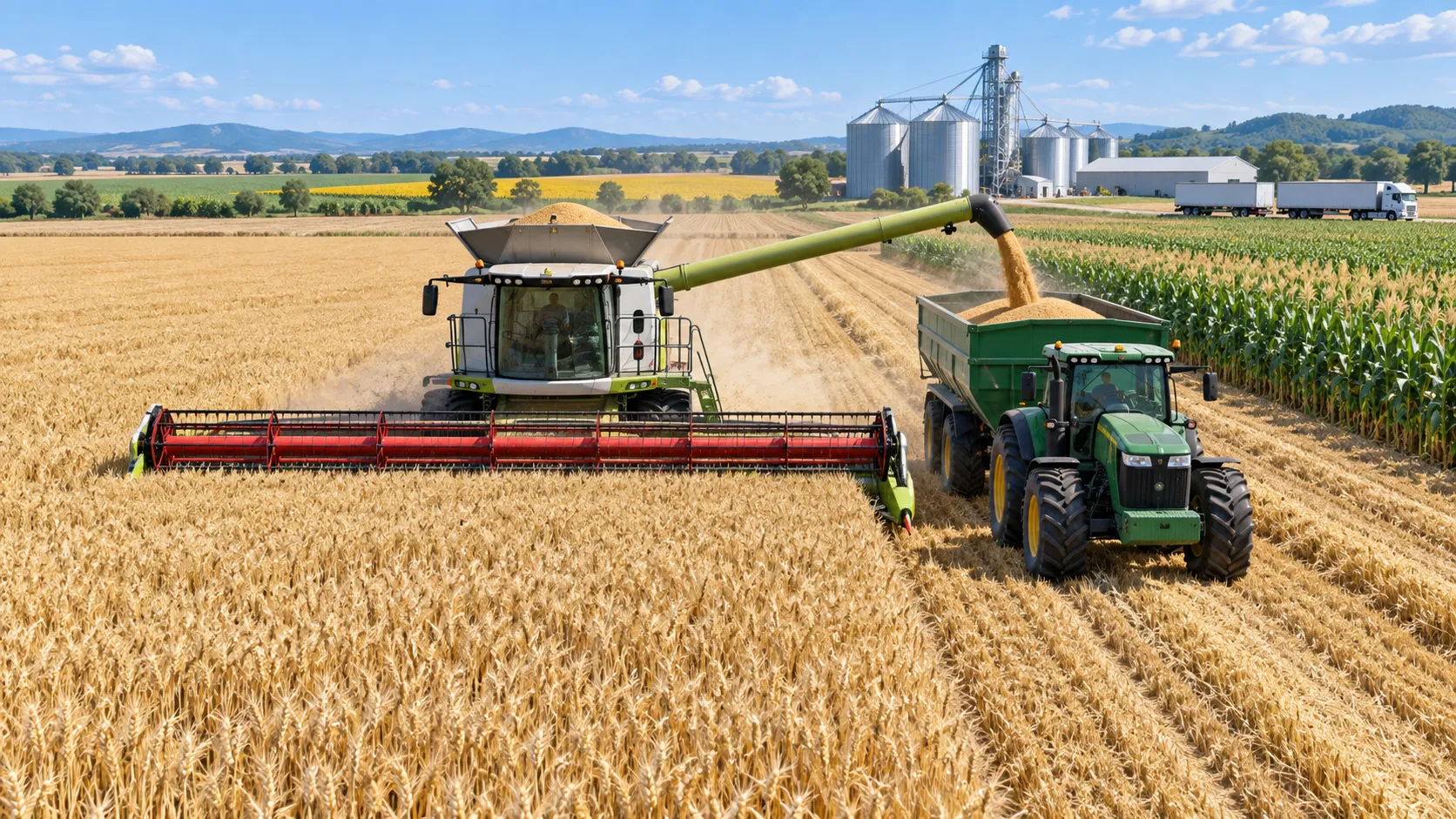
Selecting Grain Farm Equipment by Acreage, Crop Mix, and Harvest Window
Agricultural equipment selection for grain farming: match machinery to acreage, crop mix, and harvest windows to improve uptime, efficiency, and returns.
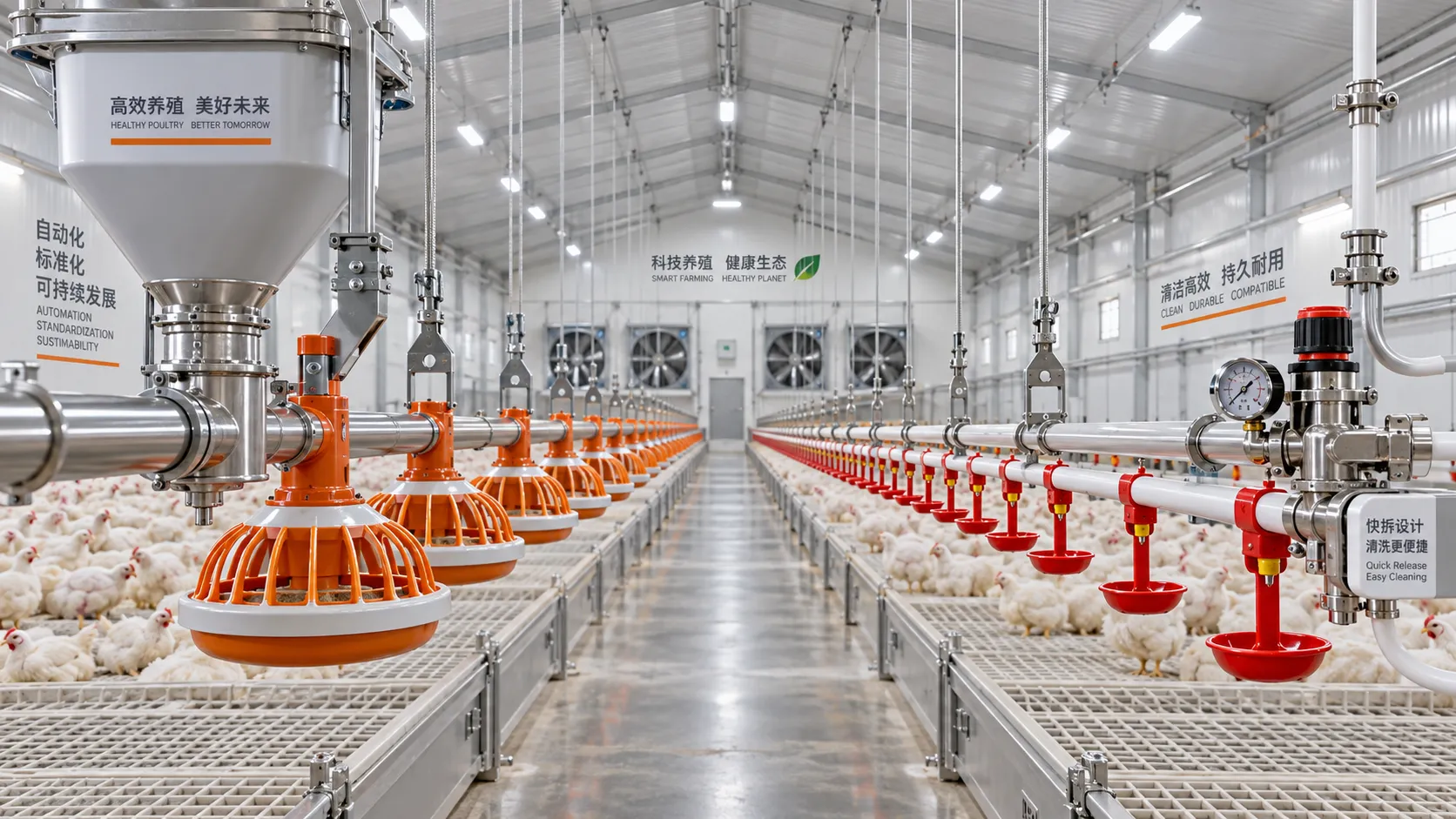
Poultry Equipment Selection: Evaluating Durability, Cleaning, and Compatibility
Poultry equipments selection guide: evaluate durability, cleaning access, and system compatibility to improve hygiene, reduce downtime, and support efficient flock management.
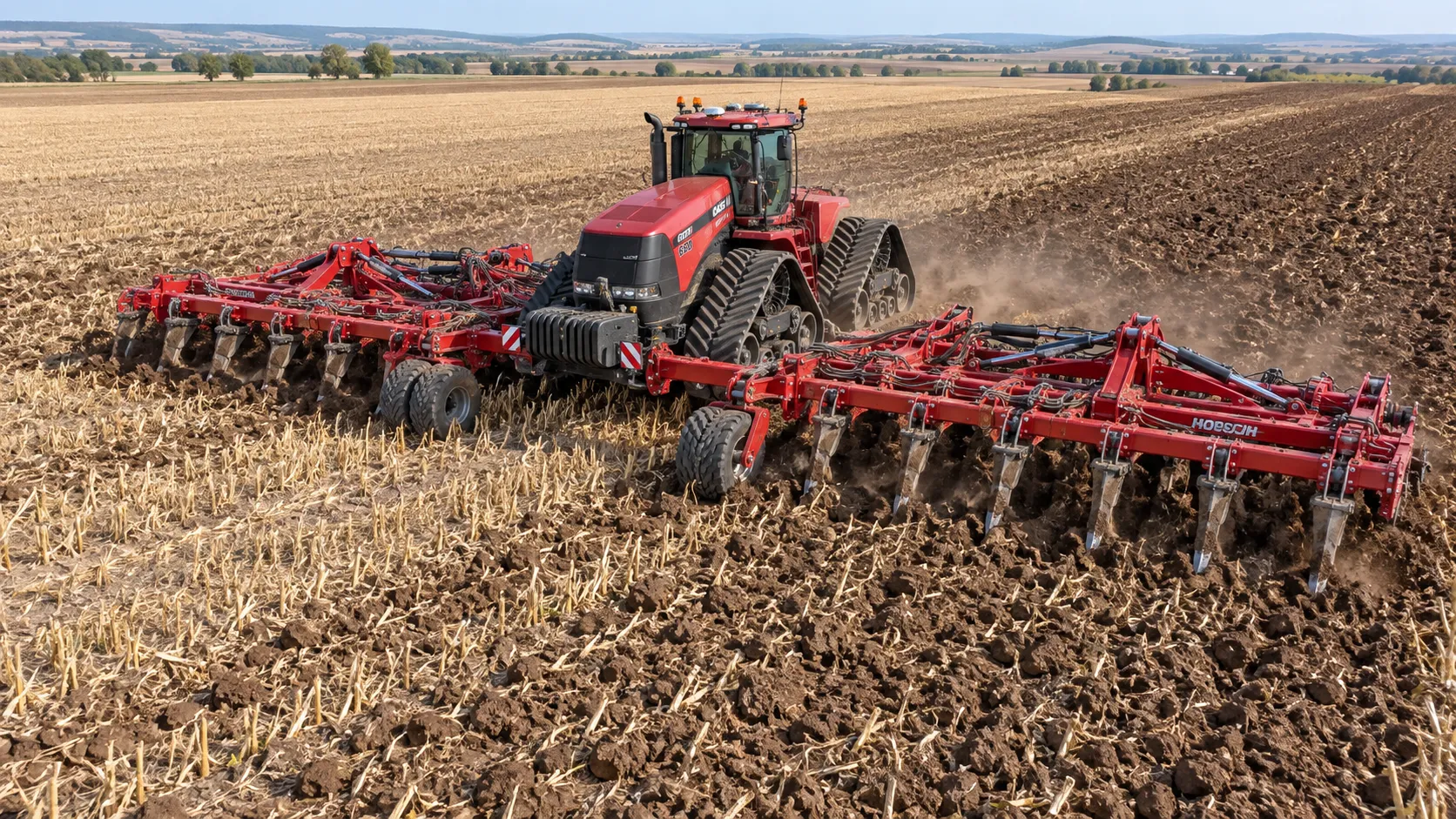
How to Select Heavy-Duty Farm Implements for High-Acreage, High-Horsepower Operations
Heavy duty farm implements: learn how to match draft, hydraulics, hitch capacity, frame strength, and field conditions for reliable high-acreage performance.
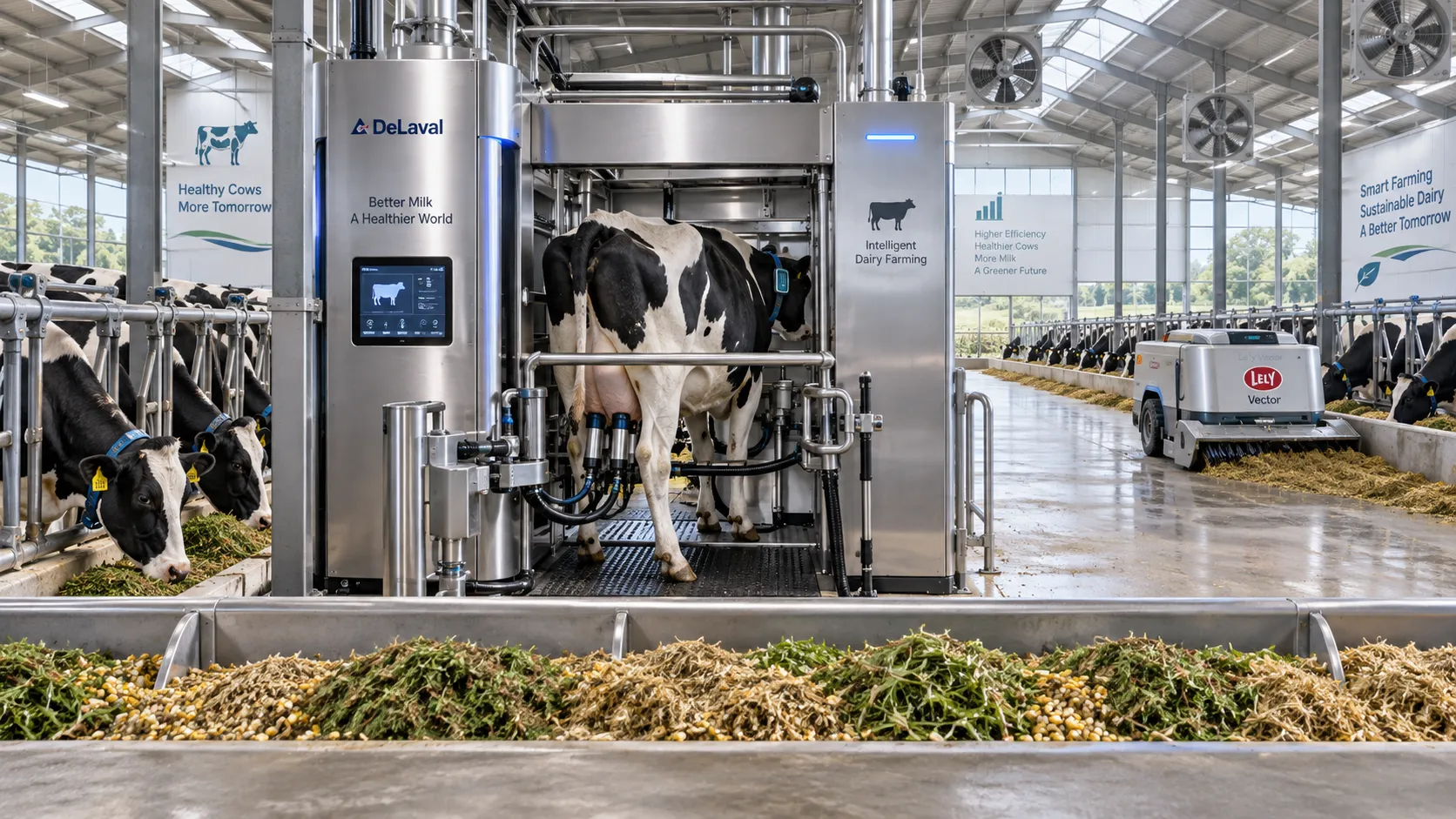
Smart Farming Technology for Dairy Farms: Where Automation Delivers Measurable ROI
Smart farming technology for dairy farms delivers measurable ROI through automation, precision feeding, health monitoring, and data-driven cost control.
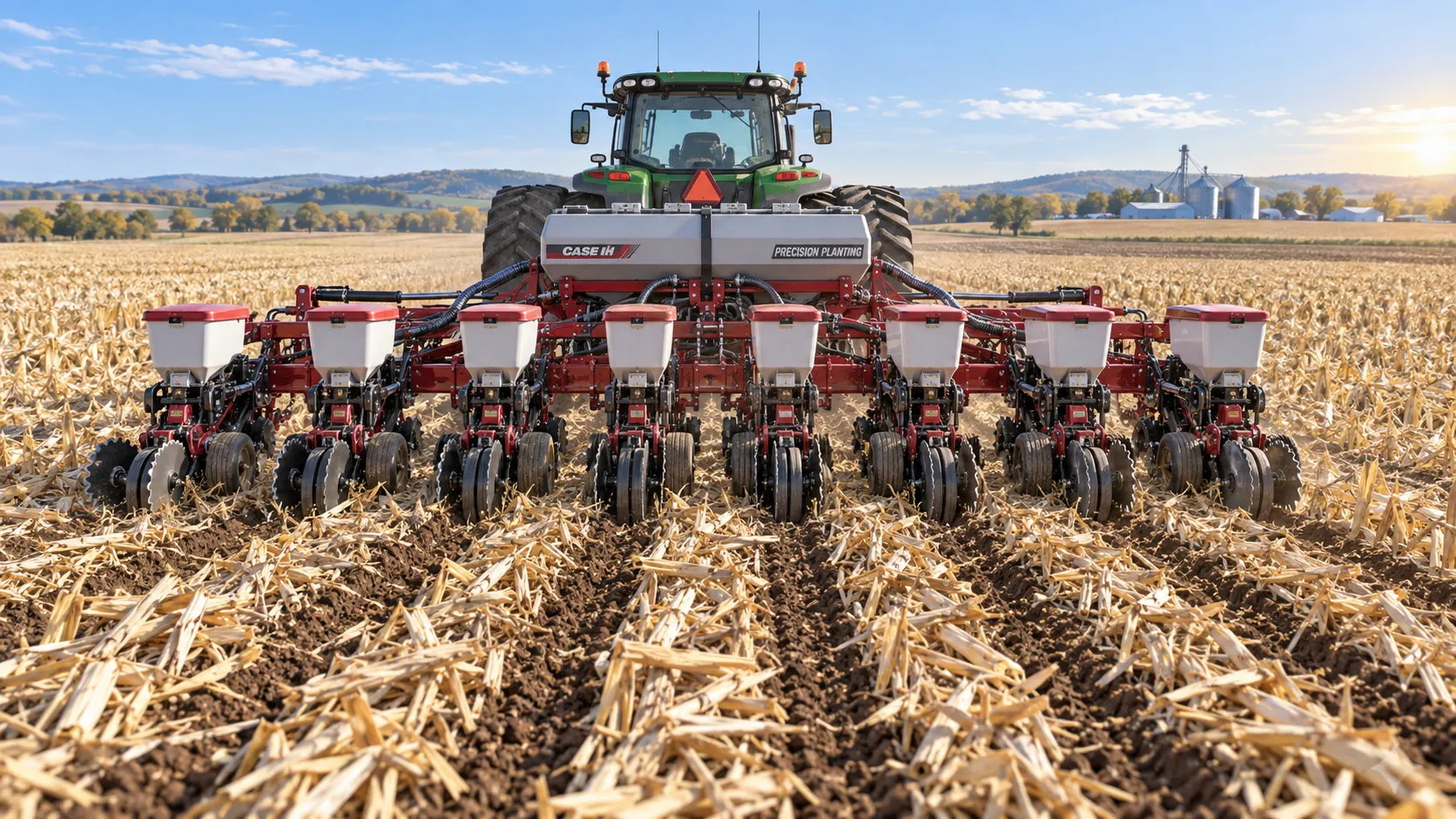
How to Select a Heavy-Duty Seeder for Large Acreage and High-Residue Fields
Heavy duty seeders for large acreage: compare residue handling, depth control, downforce, metering accuracy, and precision features to select the right model.
Related News
- 00
0000-00
Fuel-Efficient Tractor Powertrain: Which Specs Matter Most for Total Operating Cost? - 00
0000-00
CVT Transmissions Price Explained: What Drives Cost in Agricultural Machinery? - 00
0000-00
Dedicated CVT Rail Link Signals New Export Execution Standard - 00
0000-00
TUV Rheinland Sets New ASIL-B Rule for CVT Systems - 00
0000-00
ANVISA Clears First China-Made Bio-Based CVT Fluid for Brazil
Popular Tags
Tractor Power Architect
Weekly Insights
Stay ahead with our curated technology reports delivered every Monday.