
World's First CVT + Electric Hybrid Grain Combine Enters Mass Production
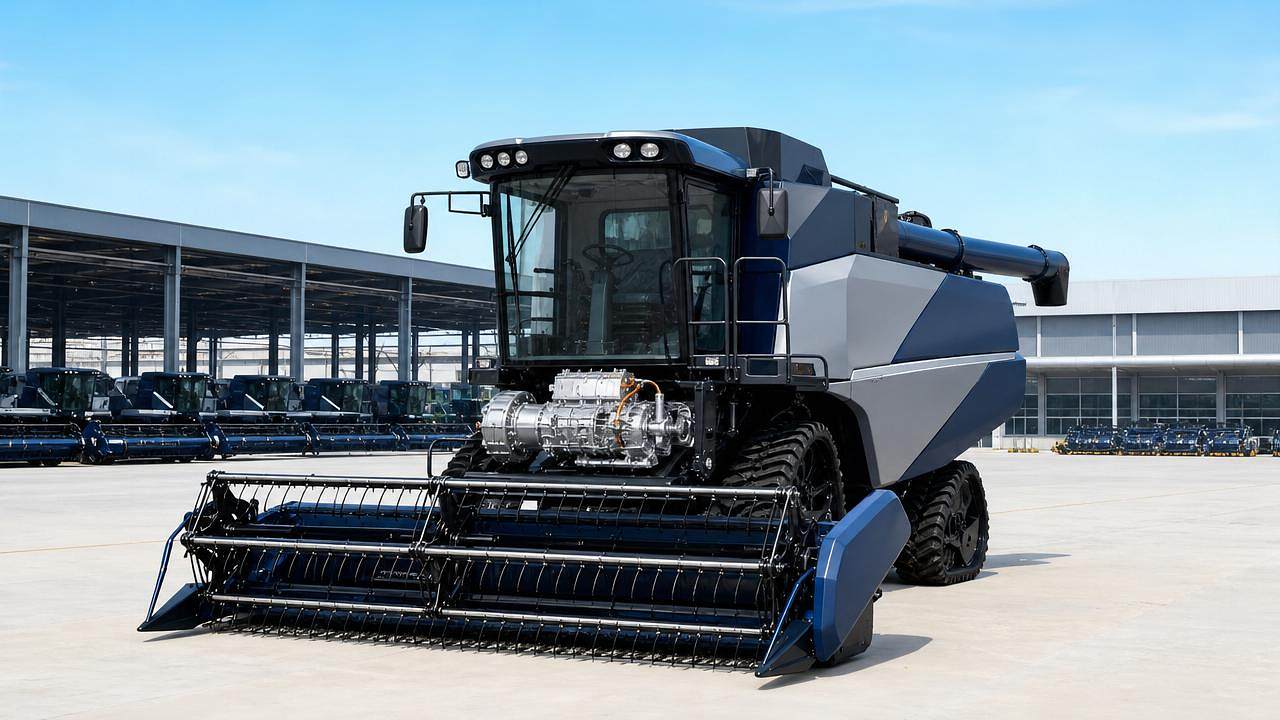




On May 9, 2026, Lovol Heavy Industry announced the mass production launch of the world’s first CVT + electric hybrid grain combine harvester at its Weifang base. This milestone signals a critical shift for global agricultural machinery supply chains—particularly for manufacturers and operators in high-yield cereal regions such as Australia and Canada, where transmission reliability under sustained high-load conditions is a decisive operational factor.
Event Overview
On May 9, 2026, Lovol Heavy Industry confirmed the start of mass production for its CVT + electric hybrid grain combine harvester at its Weifang manufacturing facility. The machine integrates a domestically developed CVT transmission that has passed ISO 50097:2025 high-load durability testing—200 consecutive hours under full-load threshing conditions. The transmission is now qualified for use in large-feed-capacity, long-duration harvesting applications. Overseas OEMs are invited to evaluate this CVT module for localized machine upgrades.
Industries Affected by This Development
Original Equipment Manufacturers (OEMs) Outside China
OEMs in major grain-producing markets—including Australia, Canada, and parts of Eastern Europe—are directly affected because the CVT module is now available for technical evaluation and integration into existing or next-generation harvester platforms. Its qualification under ISO 50097:2025 means it meets internationally recognized benchmarks for durability in high-throughput cereal harvesting, reducing reliance on imported CVT systems previously sourced from European or Japanese suppliers.
Agricultural Machinery Component Suppliers
Suppliers engaged in transmission sub-systems, powertrain integration, or hybrid control units may face intensified competitive pressure—or new collaboration opportunities—as Chinese CVT technology enters the global validation phase. The availability of a certified, high-load-capable CVT module shifts procurement dynamics, particularly for firms supplying tier-2 or tier-3 components aligned with modular powertrain architectures.
Aftermarket Service Providers and Distributors
Distributors and service networks supporting high-horsepower combines in export markets may need to adapt technical training, spare parts inventory, and diagnostic protocols. Unlike conventional hydro-mechanical or dual-clutch transmissions, CVT + electric hybrid systems require specialized calibration tools and firmware update capabilities—capabilities not yet standardized across all regional service channels.
What Relevant Enterprises or Practitioners Should Monitor and Act On
Track OEM Evaluation Timelines and Technical Integration Reports
Current status is limited to module-level evaluation—not full machine certification or field deployment. Enterprises should monitor official announcements from overseas OEMs regarding pilot integration timelines, performance validation results, and any publicly disclosed technical constraints (e.g., thermal management in ambient temperatures above 40°C).
Assess Compatibility with Existing Machine Platforms and Regional Duty Cycles
The ISO 50097:2025 test was conducted under continuous full-load threshing—a specific duty cycle common in Australian wheat belts but less representative of mixed-crop or variable-harvest-intensity environments (e.g., Canadian canola + barley rotations). Firms evaluating adoption should prioritize compatibility analysis against their actual regional workload profiles, not just certification scope.
Prepare for Potential Shifts in Transmission Sourcing Strategy
Procurement teams should review current CVT supply contracts for notice periods, minimum order volumes, and technology lock-in clauses. Early engagement with Lovol’s international business unit may clarify lead times, warranty terms, and software update support models—factors that influence total cost of ownership more than upfront hardware pricing.
Update Technical Documentation and Field Support Protocols
Service organizations should begin reviewing available technical documentation (e.g., interface specifications, CAN bus message definitions, fault code mapping) and assess whether existing diagnostic hardware supports firmware updates and real-time parameter logging required for CVT + electric hybrid systems.
Editorial Perspective / Industry Observation
Observably, this development represents an early-stage inflection point—not a mature market replacement. The successful ISO 50097:2025 validation confirms functional readiness under one defined high-stress condition, but widespread OEM adoption hinges on broader system integration outcomes: thermal stability across diverse climates, long-term field reliability beyond 200-hour lab tests, and interoperability with third-party telematics or autonomous operation modules. Analysis shows the significance lies less in immediate displacement of incumbent CVT suppliers and more in shifting the baseline expectation for what constitutes a viable domestic alternative in high-load agricultural drivetrains. The industry should therefore treat this as a signal of accelerating capability convergence—not yet a settled supply chain outcome.
This milestone does not indicate immediate substitution across all harvesting applications. Instead, it marks the first verifiable instance where a Chinese-developed CVT transmission meets an internationally accepted benchmark for sustained high-load agricultural use. Its relevance is strongest for OEMs seeking modular, scalable drivetrain options in mid-to-high horsepower segments—and for supply chain actors preparing for potential diversification beyond traditional transmission sourcing geographies.
Conclusion
The mass production launch of the CVT + electric hybrid grain combine reflects a concrete step in the maturation of domestic high-load transmission capability—not a broad industry transformation. It is best understood as a capability validation event with targeted implications for OEM integration pathways, component sourcing strategies, and service infrastructure readiness. Stakeholders should prioritize contextual assessment over generalization: evaluate applicability against specific machine architectures, regional operating conditions, and contractual obligations—not against headline claims alone.
Source Attribution
Main source: Official announcement by Lovol Heavy Industry, dated May 9, 2026. No additional data sources were used. Ongoing evaluation by overseas OEMs remains unconfirmed and is noted as a point requiring continued observation.
Related News
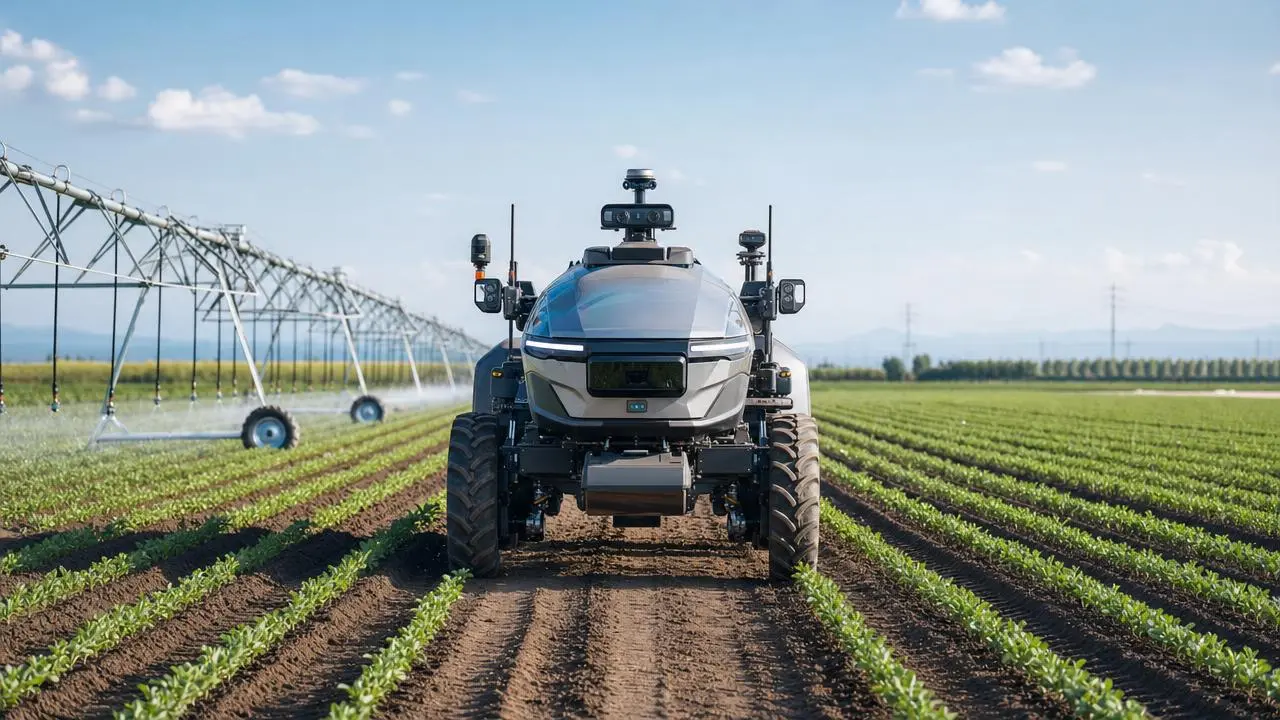
How to Compare Agricultural Automation Solutions Beyond Price
Agricultural automation solutions should be compared beyond price. Learn how to assess fit, uptime, integration, hidden costs, and ROI to choose smarter, higher-performing farm technology.
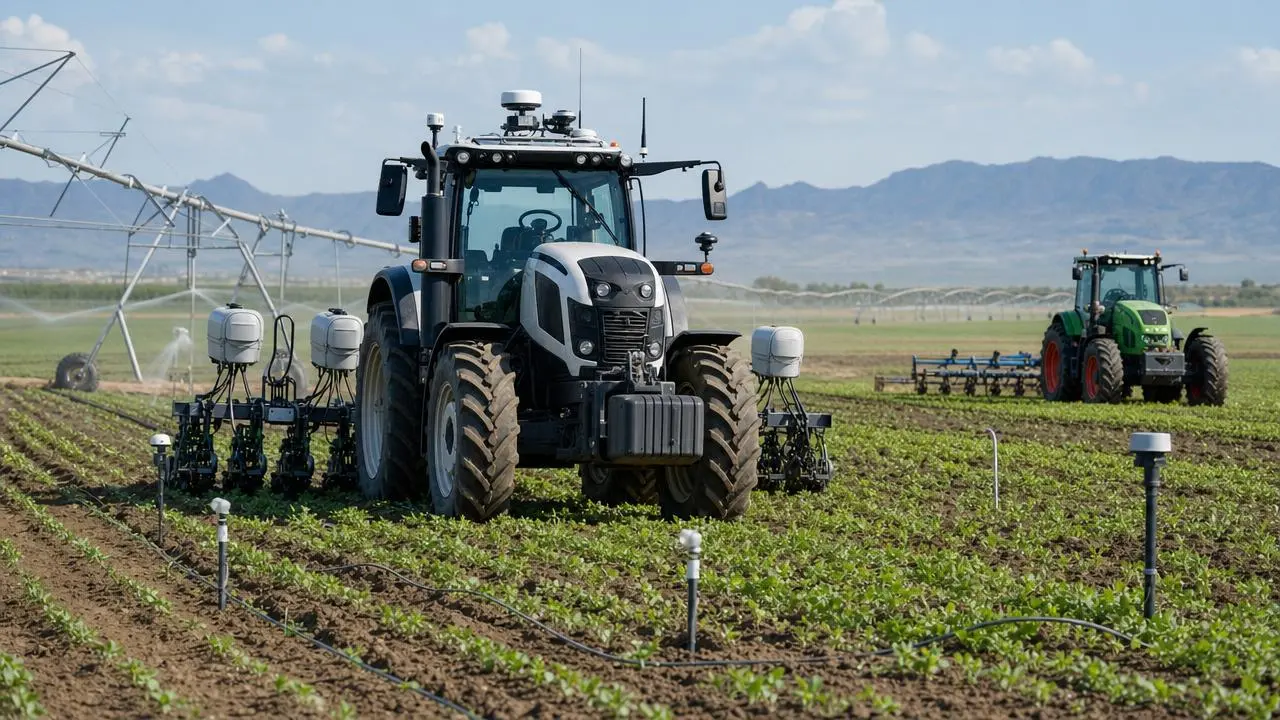
When Agricultural Automation Tools Add Complexity to Field Work
Agricultural automation tools can boost precision, but they may also add hidden field complexity. Learn the warning signs, integration risks, and smarter evaluation steps to protect productivity.
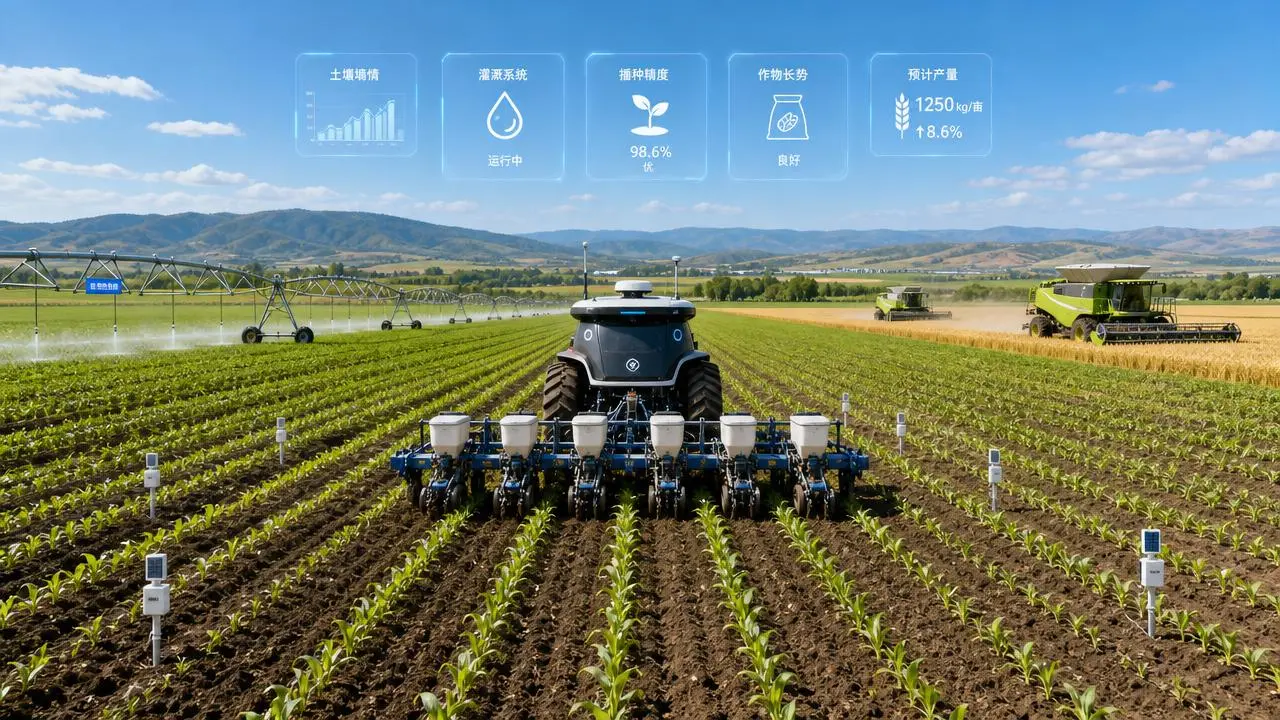
Smart Farming Technology Trends That Actually Affect Yield
Smart farming technology trends that truly impact yield: explore precision guidance, variable-rate inputs, sensor monitoring, smart irrigation, and harvest analytics to boost output and cut losses.
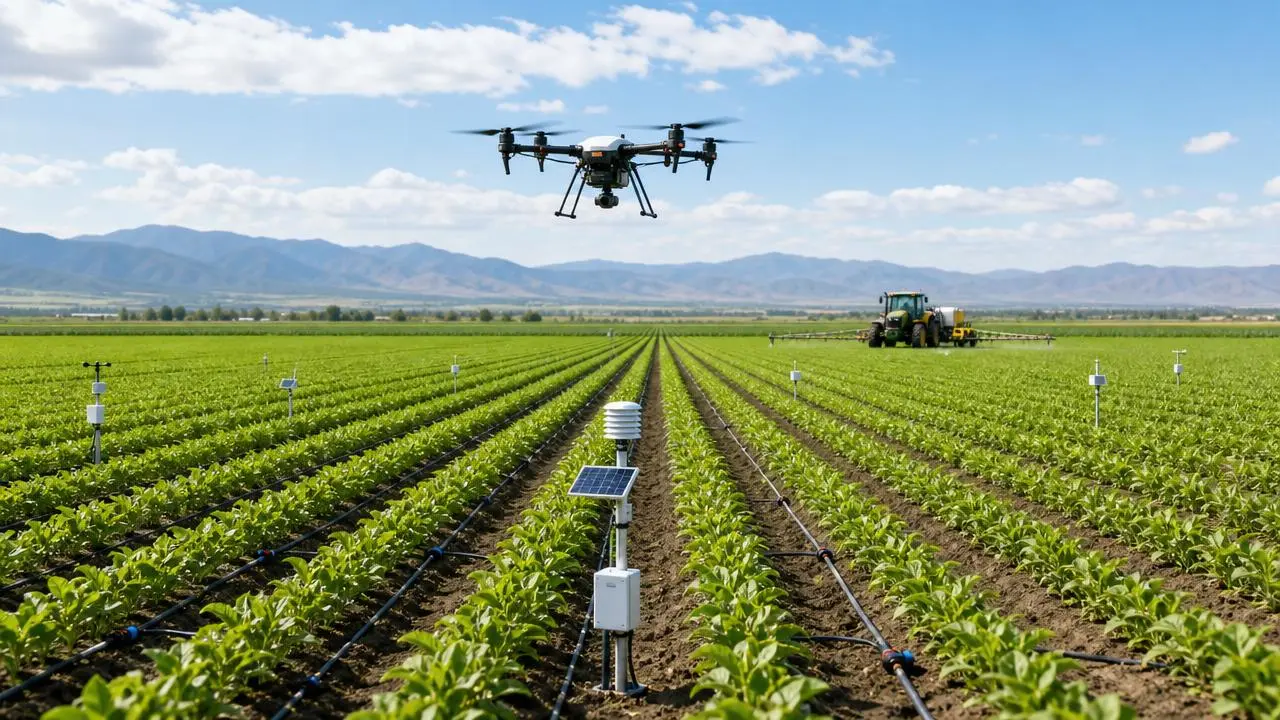
Crop Monitoring Technology Can Miss Early Stress Signals
Crop monitoring technology can miss early stress signals that impact yield, quality, and efficiency. Learn the hidden blind spots and smarter ways to act sooner.
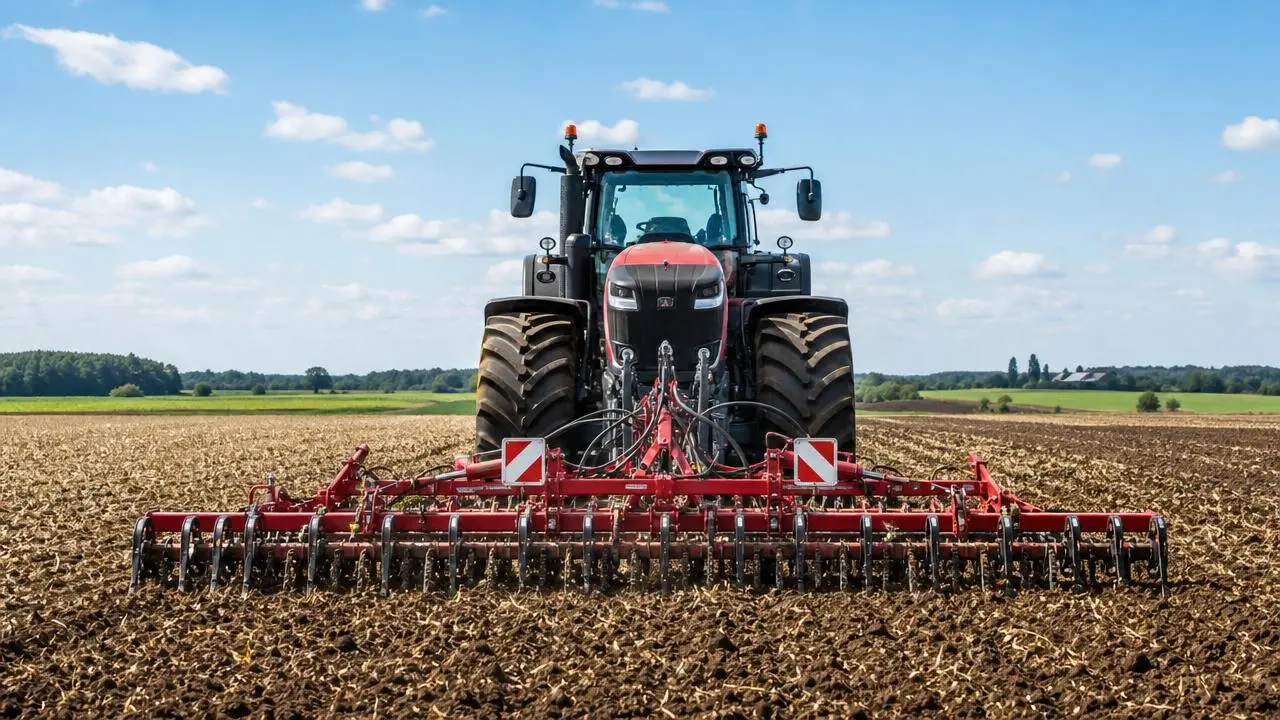
Heavy-Duty Farm Machinery: Which Specs Matter in Daily Use?
Heavy-duty farm machinery specs shape fuel efficiency, traction, hydraulics, uptime, and comfort. Learn which daily-use indicators truly matter before you invest.
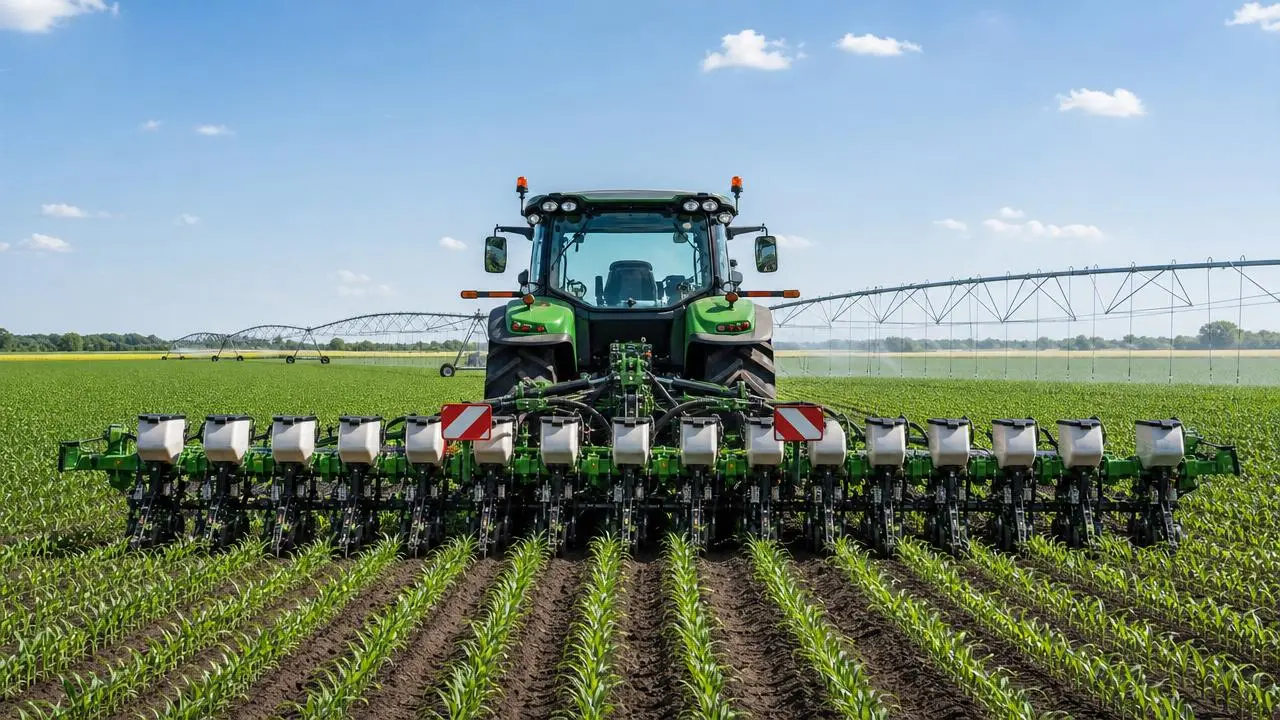
Sustainable Farming Equipment Costs More Up Front, Then What?
Sustainable farming equipment costs more upfront, but can lower fuel, inputs, downtime, and compliance risk. See how lifetime value can improve farm margins and resilience.
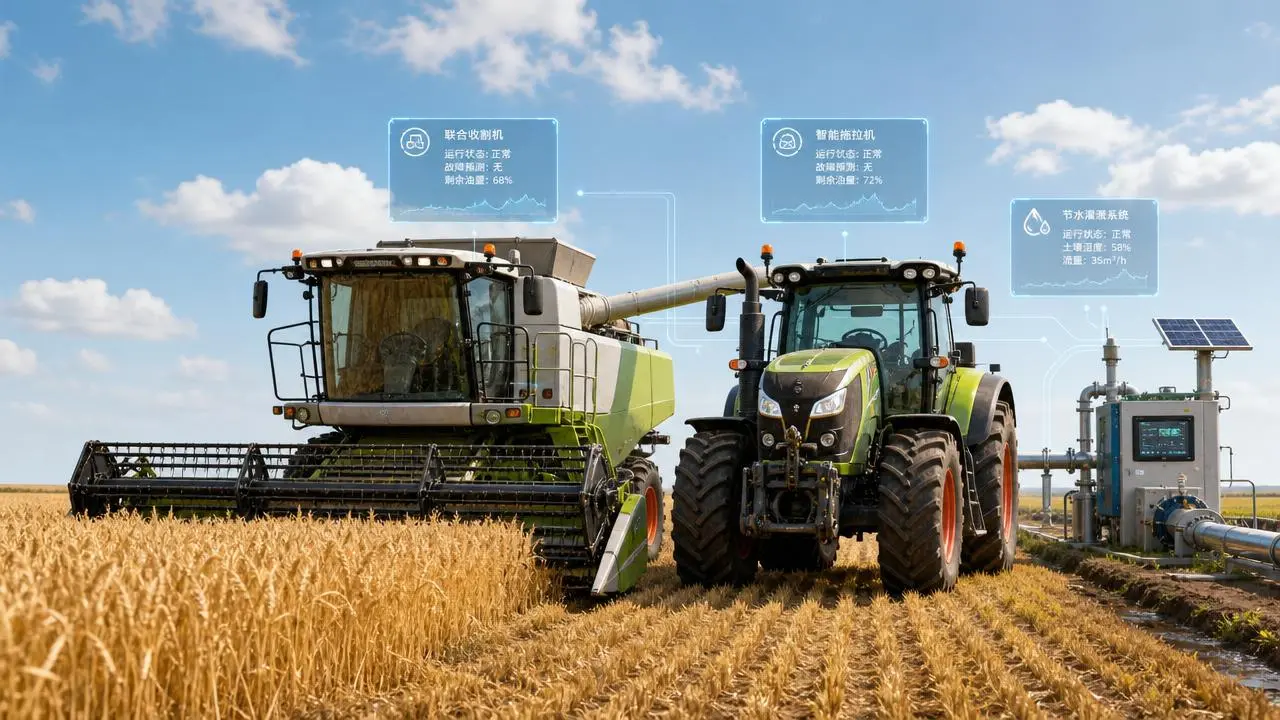
Agri-Machinery Intelligence Is Changing Maintenance Timing
Agri-machinery intelligence helps after-sales teams predict wear, schedule maintenance earlier, cut downtime, and protect uptime during critical farming seasons.
Are Food Security Solutions for Sustainable Farming Scalable?
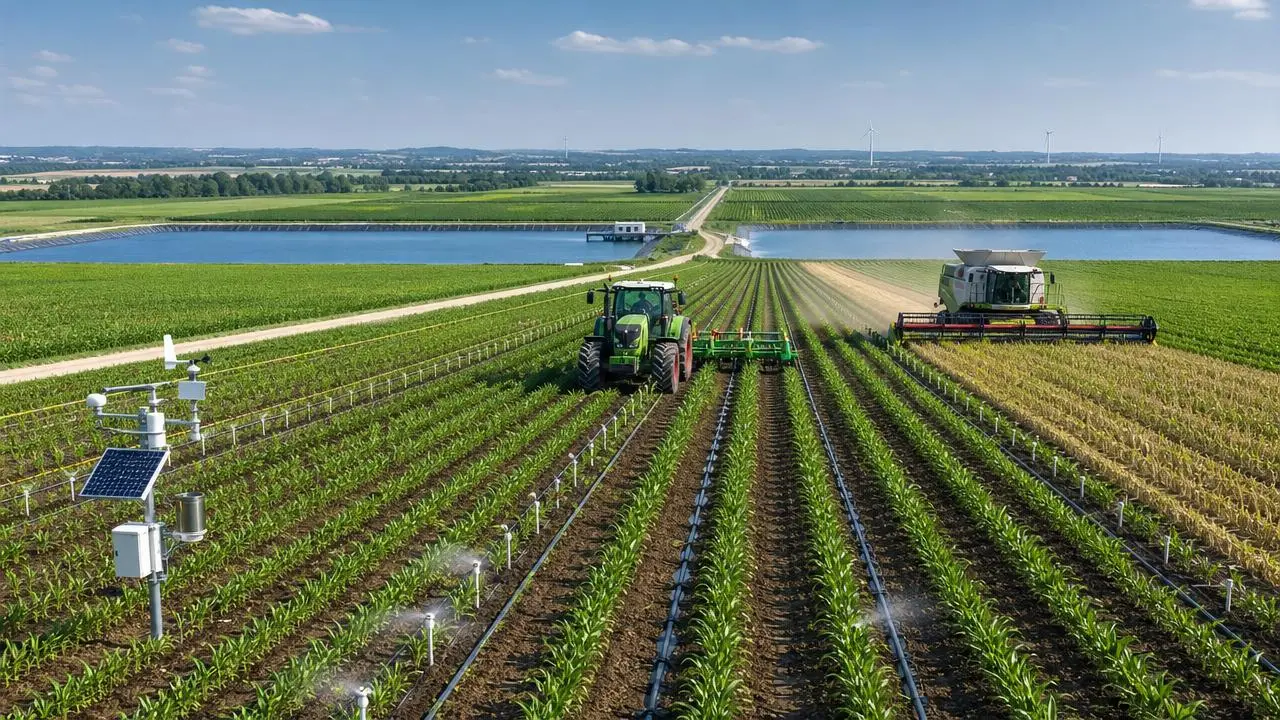
Food security solutions for sustainable farming can scale with smart irrigation, resilient machinery, and data-driven planning. Learn what makes large-scale deployment practical and investment-ready.
Climate-Smart Farming: Where Savings End and Risk Begins
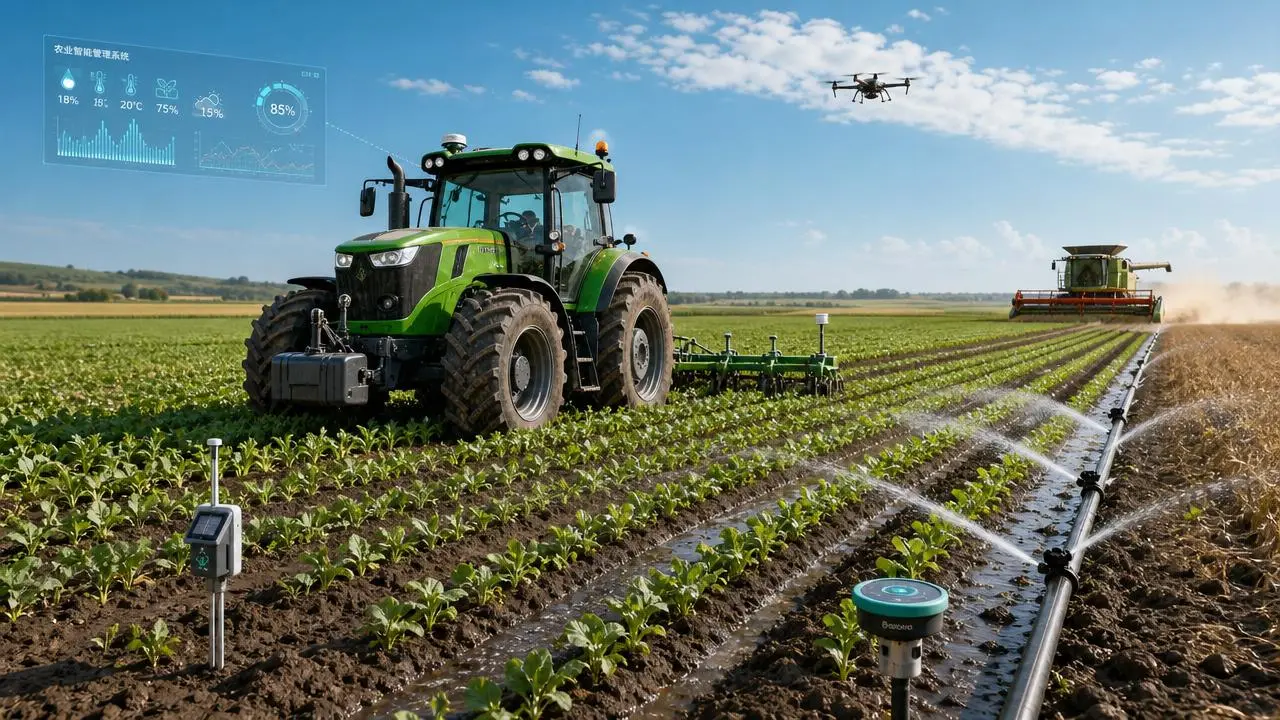
Climate-smart farming is reshaping agriculture. Discover where real savings end, hidden risks begin, and how to build resilience with smarter, lower-risk investment decisions.
Related News
- 00
0000-00
World's First CVT + Electric Hybrid Grain Combine Enters Mass Production - 00
0000-00
World's First CVT+Electric Hybrid Combine Harvester Enters Mass Production - 00
0000-00
CIBF2026 Launches Global First Standard for Agricultural Battery Swap Interfaces - 00
0000-00
World's First CVT + Electric Hybrid Grain Combine Enters Mass Production - 00
0000-00
World's First CVT-Electric Hybrid Combine Harvester Enters Mass Production
Popular Tags
Tractor Power Architect
Weekly Insights
Stay ahead with our curated technology reports delivered every Monday.