
New Thermal Interface Material Standard Affects Agri-Machinery Exports





On May 6, 2026, a revised thermal resistance standard (≤0.15 K·cm²/W) for thermal conductive adhesives used in industrial robot controllers took effect. The regulation directly impacts exporters of high-end agricultural machinery—particularly those integrating CVT transmission control units and hydraulic lift system power modules—due to shared material specifications and certification requirements.
Event Overview
Effective May 2026, chromium-rare industrial materials supplier ChromaRite disclosed that thermal conductive adhesives for high-frequency industrial robot controllers must now meet a maximum thermal resistance of 0.15 K·cm²/W. This same material grade is applied in advanced tractor CVT gearbox control units and hydraulic lifting system power modules. As reported by overseas clients, only 28% of exported Chinese thermal interface materials currently comply with the new standard; average lead times have extended to 12 weeks. Buyers recommend prioritizing suppliers holding both UL 94 V-0 and RoHS 3.0 certifications.
Industries Affected
Direct Exporters of Agricultural Machinery Control Systems
These enterprises integrate imported or domestically sourced thermal interface materials into final control units shipped to EU, North America, and Japan. Because the adhesive is embedded within certified subsystems (e.g., CVT control units), non-compliant materials risk rejection during post-market conformity assessments—even if the end product itself carries CE or UL marks.
Raw Material Procurement Units (OEM Tier-2 Suppliers)
Companies sourcing thermal gels, pastes, or pads for assembly into power modules face tightened qualification windows. The 0.15 K·cm²/W threshold requires batch-level validation—not just datasheet claims—and mandates traceable test reports aligned with ASTM D5470 or IEC 62209-2 protocols. Absence of dual certification (UL 94 V-0 + RoHS 3.0) blocks qualification at major Tier-1 agri-machinery OEMs.
Contract Manufacturers of Hydraulic & Power Electronics Modules
Firms producing hydraulic lift controllers or CVT ECU assemblies must now verify thermal interface material compliance upstream—before PCB lamination or module potting. Requalification cycles may delay production ramp-up, especially where legacy formulations (e.g., silicone-based gels with >0.18 K·cm²/W) were previously accepted under older internal specs.
Supply Chain & Certification Support Providers
Third-party testing labs, certification consultants, and logistics coordinators handling export documentation are observing increased demand for thermal resistance verification reports, UL file number cross-checks, and RoHS 3.0 substance declarations (including SVHC screening per Annex XIV). Delays arise when test reports lack full traceability to lot numbers or fail to specify test conditions (e.g., 50 psi clamping pressure, 25 °C ambient).
What Enterprises and Practitioners Should Monitor and Do Now
Track official updates from national standardization bodies on implementation timelines
While ChromaRite’s announcement references May 2026 enforcement, no formal GB or SJ/T standard number has been published. Enterprises should monitor releases from SAC/TC 124 (Industrial Process Measurement and Control Standardization Technical Committee) for potential alignment with IEC 61800-5-1 or ISO 13849-1 annexes.
Prioritize dual-certified thermal interface materials for high-risk export destinations
Markets enforcing strict conformity assessment—including the EU (under Machinery Regulation 2023/1230), South Korea (KC Mark), and Canada (CSA C22.2 No. 0.3) — require documented fire safety (UL 94 V-0) and chemical compliance (RoHS 3.0). Current export share data (28%) signals a supply gap; procurement teams should map existing vendor certifications against destination-specific regulatory gateways.
Distinguish between regulatory signal and operational impact
The May 2026 date reflects a commercial adoption milestone—not a statutory deadline. However, leading OEMs (e.g., AGCO, CLAAS, and John Deere tier-1 suppliers) have already incorporated the 0.15 K·cm²/W threshold into RFQs issued since Q4 2025. Therefore, the requirement functions as a de facto market access condition, not merely a future policy signal.
Secure qualified material inventory and validate test reports before Q3 2026
With lead times stretched to 12 weeks, firms preparing for autumn 2026 model-year launches (e.g., new-generation autonomous tractors) should complete vendor qualification and place initial orders by July 2026. All test reports must explicitly state: (i) measured thermal resistance value, (ii) test method and parameters, (iii) UL file number and RoHS 3.0 declaration reference, and (iv) lot-specific validity.
Editorial Perspective / Industry Observation
Observably, this development is less a sudden regulatory shift and more a formalization of an emerging technical benchmark already embedded in high-reliability motion control applications. Analysis shows the 0.15 K·cm²/W threshold aligns closely with thermal interface performance required for SiC-based power modules operating at >10 kHz switching frequencies—common in next-gen CVT and electro-hydraulic actuators. From an industry perspective, it functions primarily as a supply chain maturity filter: it exposes gaps in domestic thermal material traceability, certification agility, and application-level validation—not just raw material capability. It is currently best understood as a market-driven technical gate, not a government-imposed compliance barrier. Sustained attention is warranted because downstream harmonization (e.g., inclusion in upcoming ISO 25138-2 for agricultural electronics) could elevate it to a mandatory requirement within 12–18 months.
In summary, the new thermal interface material specification does not introduce a novel safety or environmental hazard—but rather raises the baseline for thermal reliability in digitally controlled agricultural hydraulics. Its significance lies in exposing latent dependencies across the thermal management supply chain. For stakeholders, it is more accurately interpreted as an early indicator of tightening integration standards between robotics-grade electronics and off-road mobile machinery—not as an isolated materials regulation.
Source: ChromaRite Industrial Materials Co., Ltd. public disclosure, May 2026. Note: Formal standard number, scope of applicability beyond robot controllers, and enforcement mechanisms remain pending official publication and are subject to ongoing observation.
Related News

When Does Agricultural Machinery Leasing Cost Less Than Owning Equipment?
Agricultural machinery leasing can lower farm costs when use is seasonal or uncertain. Compare utilization, maintenance, cash flow, and risk to make a smarter equipment decision.
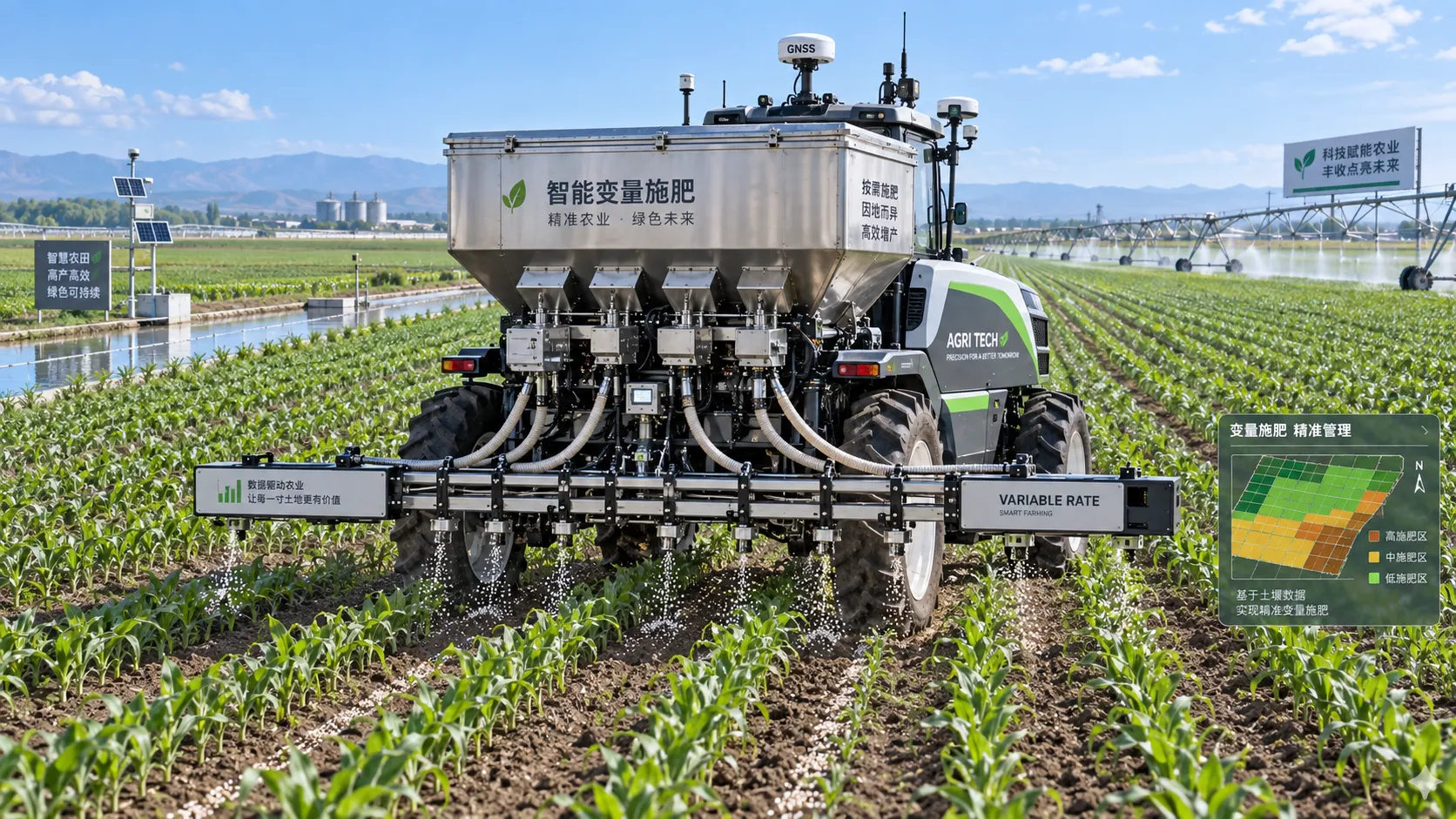
How to Evaluate Precision Fertilization System Suppliers for Farm-Scale Deployment
Precision fertilization systems suppliers: learn how to compare accuracy, integration, uptime, service, and total cost for confident farm-scale deployment.
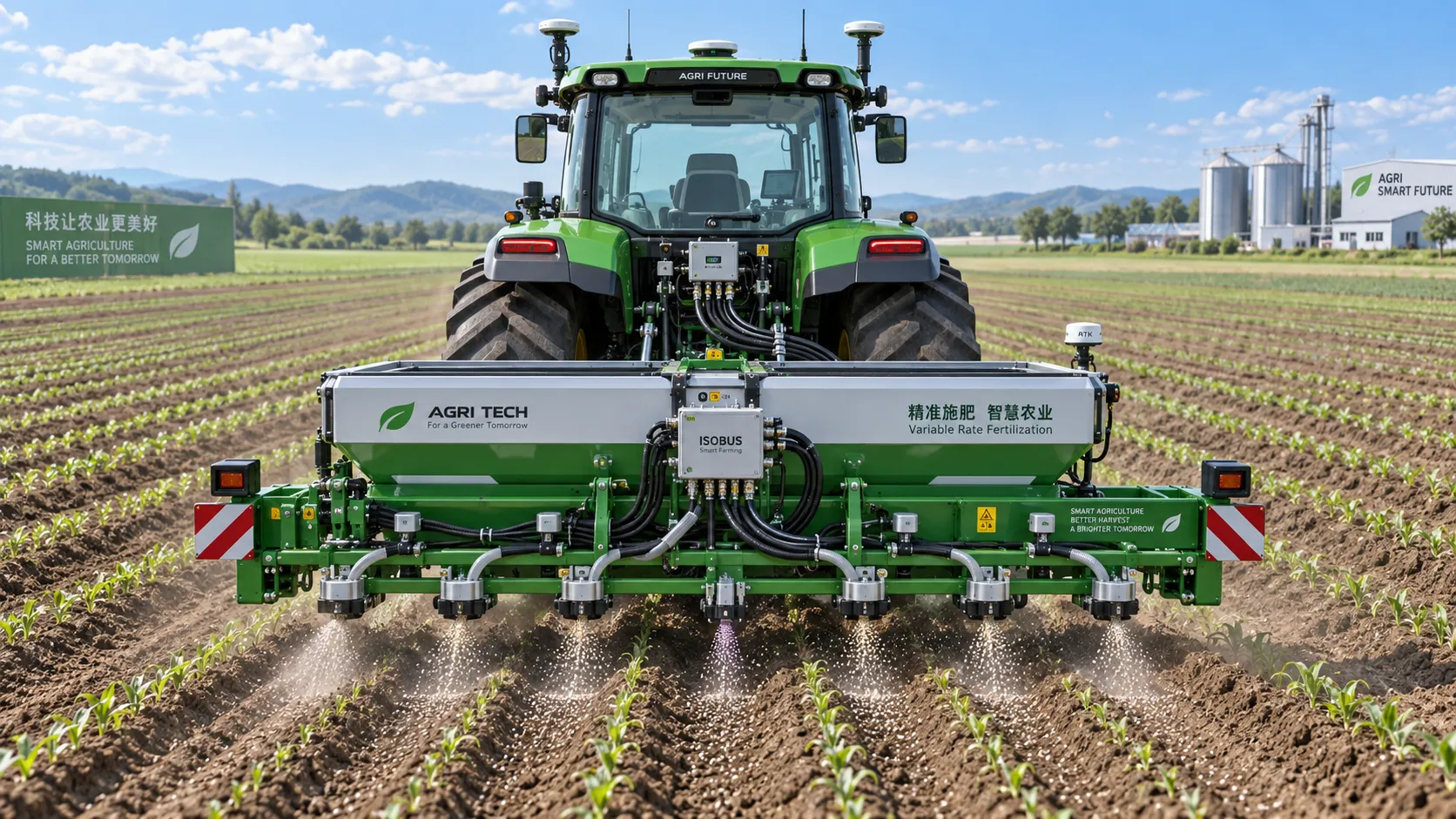
ISOBUS for Smart Agriculture: How It Connects Tractors, Implements, and Farm Data
ISOBUS for smart agriculture connects tractors, implements, terminals, and farm data—helping growers improve precision, documentation, and smarter field decisions.
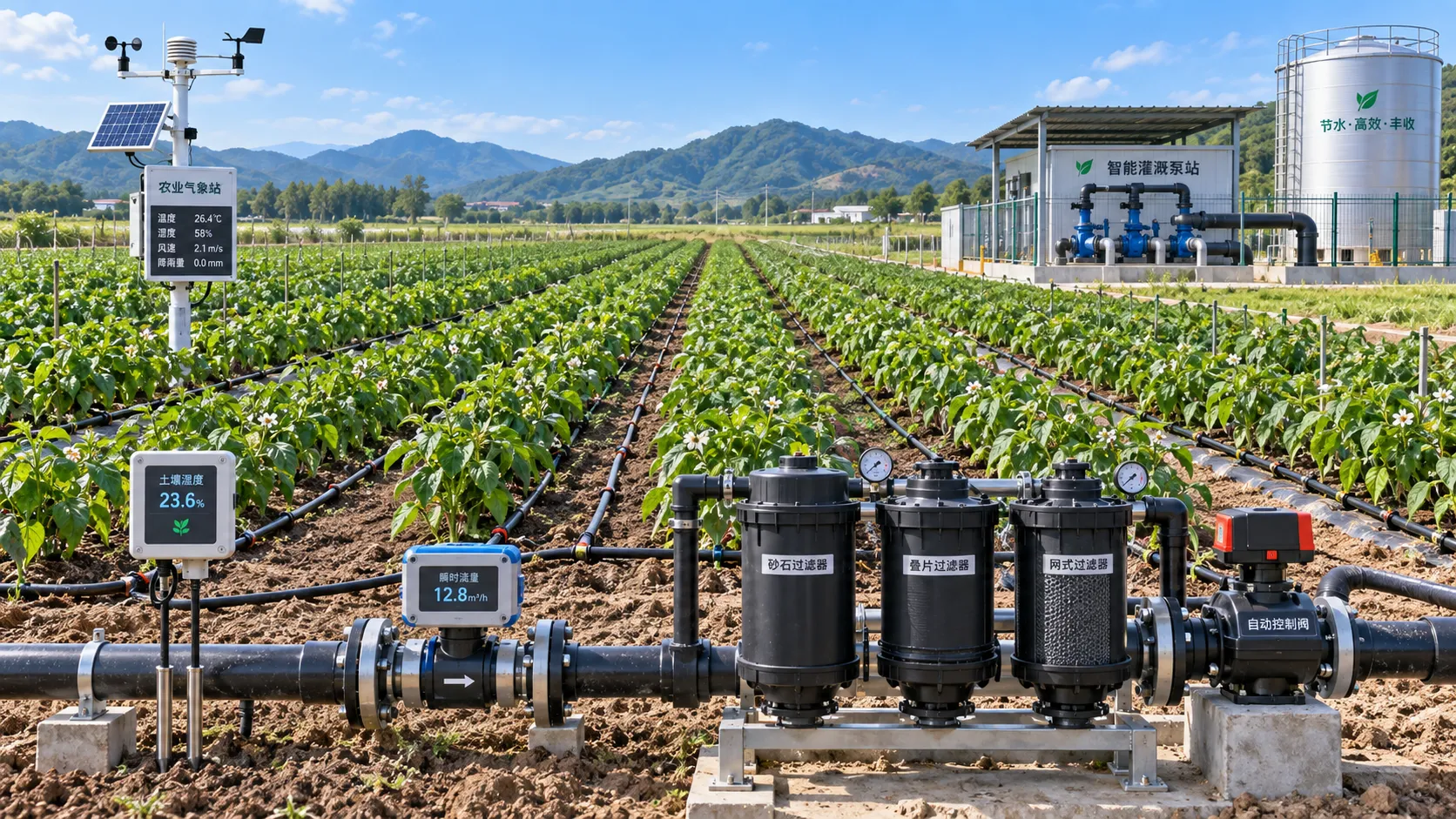
Automated Water-Saving Irrigation: How to Cut Water Use Without Reducing Crop Yields
Automated water-saving irrigation helps farms cut water use, protect crop yields, improve scheduling, and gain reliable control with sensors, flow monitoring, and smart zones.

Selecting Grain Farm Equipment by Acreage, Crop Mix, and Harvest Window
Agricultural equipment selection for grain farming: match machinery to acreage, crop mix, and harvest windows to improve uptime, efficiency, and returns.
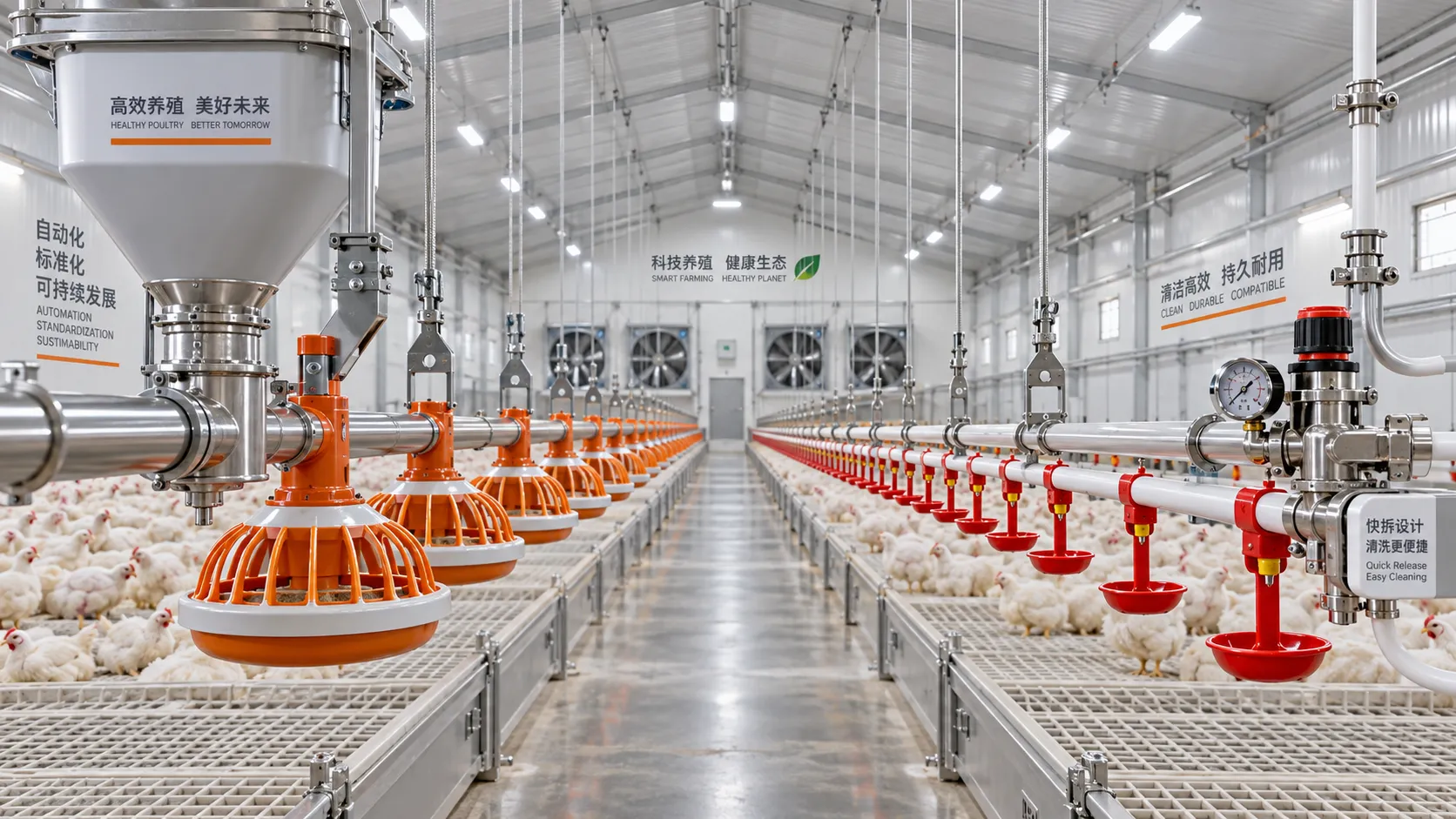
Poultry Equipment Selection: Evaluating Durability, Cleaning, and Compatibility
Poultry equipments selection guide: evaluate durability, cleaning access, and system compatibility to improve hygiene, reduce downtime, and support efficient flock management.
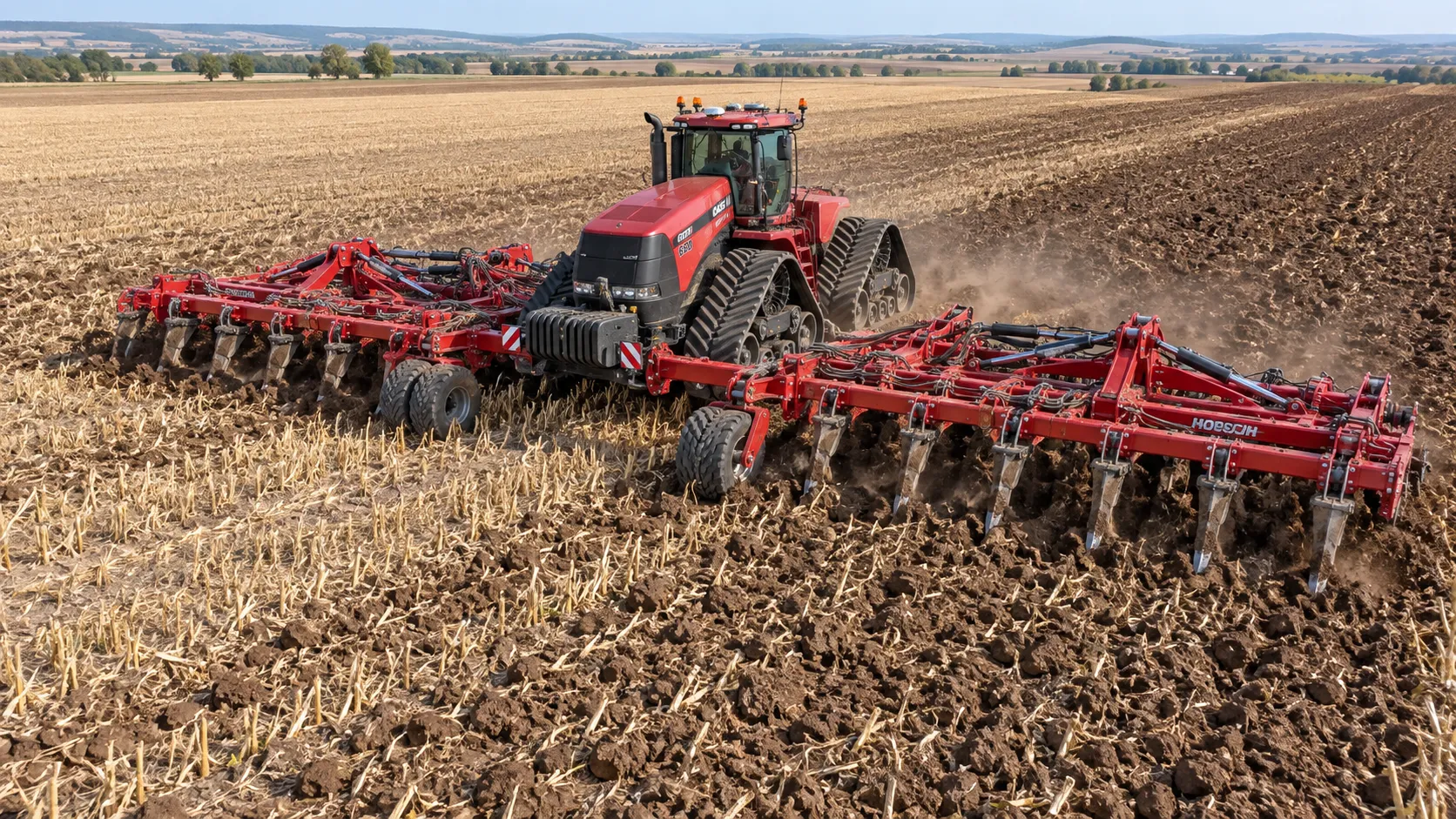
How to Select Heavy-Duty Farm Implements for High-Acreage, High-Horsepower Operations
Heavy duty farm implements: learn how to match draft, hydraulics, hitch capacity, frame strength, and field conditions for reliable high-acreage performance.
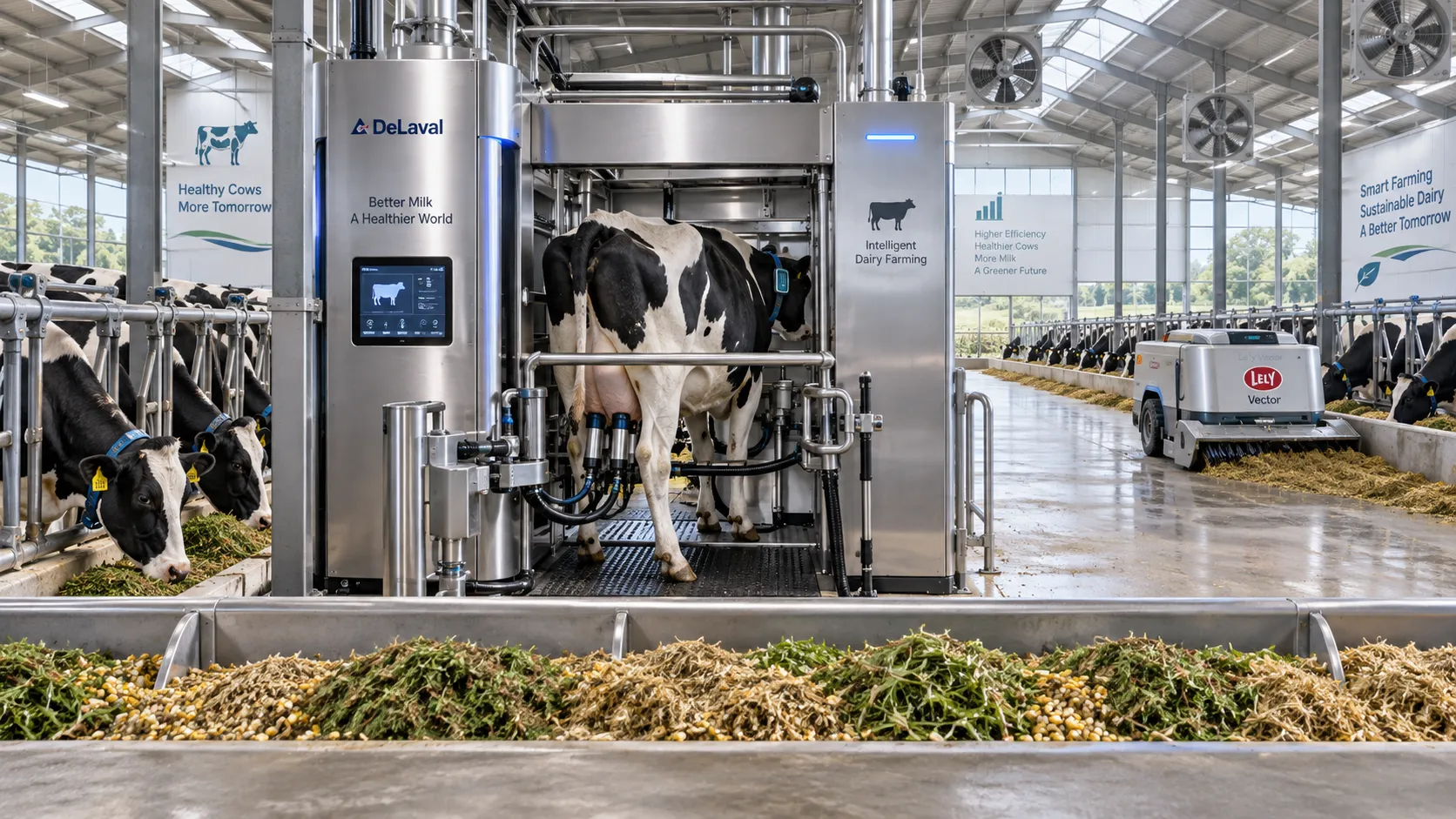
Smart Farming Technology for Dairy Farms: Where Automation Delivers Measurable ROI
Smart farming technology for dairy farms delivers measurable ROI through automation, precision feeding, health monitoring, and data-driven cost control.
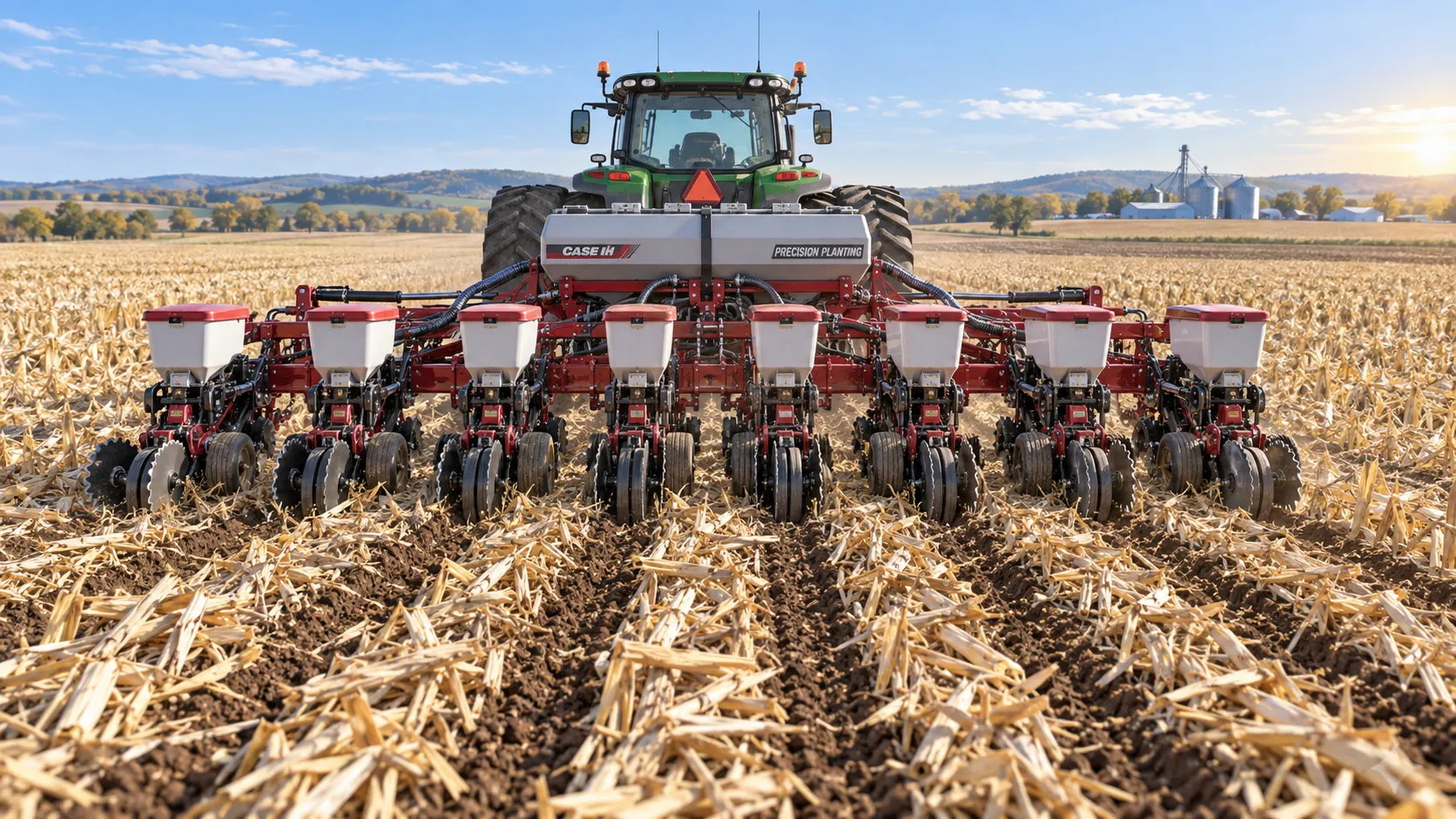
How to Select a Heavy-Duty Seeder for Large Acreage and High-Residue Fields
Heavy duty seeders for large acreage: compare residue handling, depth control, downforce, metering accuracy, and precision features to select the right model.
Related News
- 00
0000-00
Fuel-Efficient Tractor Powertrain: Which Specs Matter Most for Total Operating Cost? - 00
0000-00
CVT Transmissions Price Explained: What Drives Cost in Agricultural Machinery? - 00
0000-00
Dedicated CVT Rail Link Signals New Export Execution Standard - 00
0000-00
TUV Rheinland Sets New ASIL-B Rule for CVT Systems - 00
0000-00
ANVISA Clears First China-Made Bio-Based CVT Fluid for Brazil
Popular Tags
Tractor Power Architect
Weekly Insights
Stay ahead with our curated technology reports delivered every Monday.