
WITC 2026 Highlights $212M in Soil Moisture Sensor Buying Intent
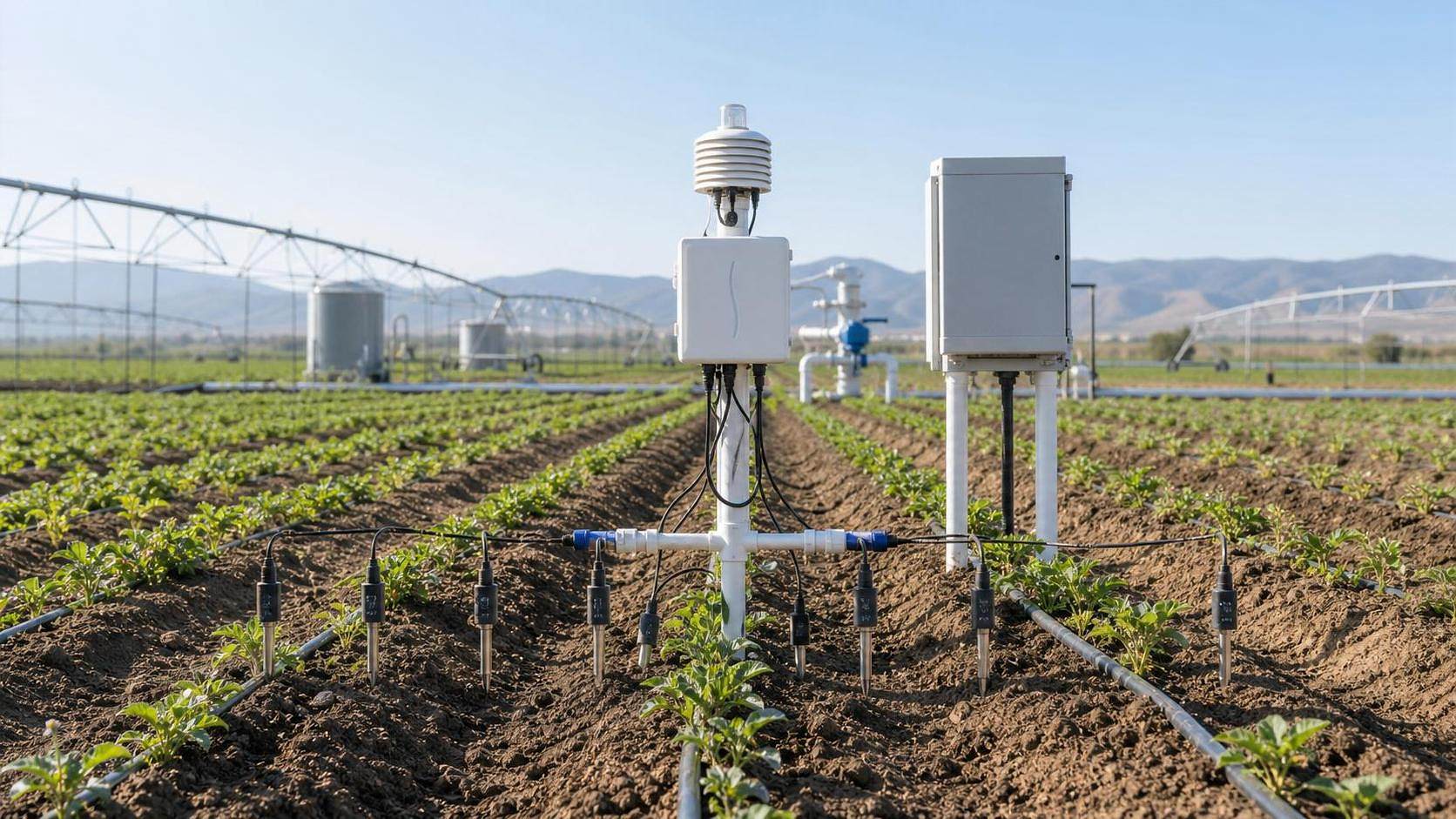




From June 22 to 24, 2026, the fourth World Irrigation Technology Conference (WITC 2026) concluded in Beijing with on-site purchase intention agreements for Soil Moisture Sensors totaling US$212 million. The signings involved irrigation system integrators, water utilities, and agricultural cooperatives from 42 countries, with buyers from the Middle East and Southeast Asia accounting for more than 63%. For companies across irrigation equipment, sensor manufacturing, integration, and cross-border supply services, the development is worth watching because it combines near-term procurement demand with a parallel push toward easier device connectivity with major global IoT platforms.
What Was Confirmed at the Beijing Conference
According to the event information provided, WITC 2026 was held in Beijing from June 22 to 24, 2026. During the conference, irrigation system integrators, water companies, and agricultural cooperatives from 42 countries signed purchase intention agreements for Soil Moisture Sensors with a combined value of US$212 million.
The same event also released a white paper on cross-border data interfaces for smart irrigation sensing equipment. The stated purpose was to support plug-and-play integration between products from Chinese manufacturers and major global IoT platforms, including Rain Bird Connect and Netafim FieldNet.
Where the Immediate Industry Relevance Sits
Demand signals for sensor manufacturers and exporters
From an industry perspective, the most direct impact falls on companies producing and exporting Soil Moisture Sensors. The reason is straightforward: the conference outcome points to identifiable international buying interest rather than only technical discussion. The business areas most likely to be affected are quotation management, production planning, export documentation, and follow-up customer engagement. What deserves closer attention is whether this buying intent progresses into executable orders and how supplier readiness aligns with the geographic concentration of demand in the Middle East and Southeast Asia.
System integration becomes more commercially important
For irrigation system integrators and related service providers, the release of the data interface white paper matters because compatibility is often tied to project delivery efficiency. Analysis shows that interoperability with platforms such as Rain Bird Connect and Netafim FieldNet could become a more visible factor in buyer evaluation, especially where customers are not purchasing standalone devices but integrating sensors into broader irrigation management systems. The practical impact is likely to center on product matching, deployment workflows, and post-sale technical coordination.
Procurement and project operators may shift evaluation criteria
For water utilities, agricultural cooperatives, and other procurement-side organizations named in the event summary, the development may affect how products are screened. Observably, the news is not only about volume; it also points to interface compatibility as a procurement consideration. The business steps most exposed are supplier comparison, technical due diligence, and implementation planning. Buyers and project operators may therefore pay closer attention to whether a device can connect with existing digital irrigation environments without additional adaptation work.
Cross-border supply and delivery teams need closer coordination
Supply chain service providers and channel participants may also feel the effect if intent agreements convert into deliveries. Analysis shows that concentrated demand from specific overseas regions can tighten requirements around delivery scheduling, technical paperwork, and communication between manufacturers, integrators, and end users. Even without assuming order conversion outcomes, the event raises the importance of coordination across export handling and project execution stages.
What Companies Should Track Next
Differentiate buying intent from confirmed orders
What deserves closer attention is the distinction between purchase intention agreements and completed transactions. Companies should avoid treating the announced figure as guaranteed shipment volume. In practical terms, sales, operations, and finance teams should track whether follow-up negotiations produce firm delivery terms, product specifications, and execution schedules.
Prepare for interface-related customer questions
The white paper release suggests that cross-border data connectivity will become a more frequent discussion point in commercial and technical communication. Manufacturers and integrators should be ready to explain how their products align with mainstream IoT platforms referenced in the event information, and where plug-and-play claims depend on specific integration conditions rather than broad assumptions.
Watch regional demand concentration carefully
Because more than 63% of the buyers were reported to come from the Middle East and Southeast Asia, companies involved in export, channel management, and after-sales coordination should pay attention to how these two regional markets shape product mix, communication priorities, and delivery planning. Analysis shows that regional concentration can influence customer response speed and operational sequencing even before orders are finalized.
Follow whether white paper language leads to operational rules
It is also important to separate conference signaling from enforceable business requirements. The white paper is a notable industry document in the context provided, but companies still need to watch whether its language is later reflected in procurement specifications, platform integration practices, or formal compliance expectations in actual projects.
How This News Should Be Interpreted for Now
Analysis shows that this development carries two layers of meaning. The first is a visible commercial signal: international interest in Soil Moisture Sensors is active enough to generate substantial on-site purchase intentions. The second is a technical signal: device interoperability is moving closer to the center of cross-border irrigation equipment discussions.
At the same time, it is more appropriate to understand this as a strong market indicator rather than a completed market outcome. The announced amount reflects intent agreements, and the white paper points to a direction of coordination, not a fully measured implementation result. For that reason, the industry still needs to watch follow-through in order conversion, technical adaptation, and project delivery execution.
A Near-Term Demand Signal with Longer-Term Standardization Implications
In summary, the WITC 2026 outcome matters because it links immediate procurement interest in Soil Moisture Sensors with a parallel push toward easier integration into global irrigation IoT ecosystems. For manufacturers, integrators, buyers, and supply chain teams, the key takeaway is not simply the headline value of the signings, but the combination of demand concentration and interface compatibility now entering the same discussion.
A neutral reading is that this is best understood as a meaningful industry signal with practical follow-up value, rather than a final conclusion about market conversion or platform standardization. The next stage worth watching is whether conference-level intent and white paper guidance translate into sustained execution across contracts, connectivity, and delivery.
Basis of This Article
This article is generated based on the user-provided news title, event date, and event summary. The confirmed facts used here are limited to the information provided about WITC 2026, the reported US$212 million in Soil Moisture Sensors purchase intention agreements, the buyer share from the Middle East and Southeast Asia, and the release of the cross-border data interface white paper.
For this type of industry update, commonly relevant source categories may include official conference announcements, company statements, industry association releases, authoritative media coverage, and documents issued by standards-related organizations. A specific official source link was not provided in the input, so continued verification is still necessary. The main points to monitor next are order follow-through, practical adoption of interface recommendations, and how procurement-side requirements develop after the conference.
Related News

How to Select Precision Crop Protection Equipment for Variable Field Conditions
Precision crop protection equipment selection made simple: compare terrain, canopy, weather, control accuracy, and data workflows for reliable applications.

When Does Agricultural Machinery Leasing Cost Less Than Owning Equipment?
Agricultural machinery leasing can lower farm costs when use is seasonal or uncertain. Compare utilization, maintenance, cash flow, and risk to make a smarter equipment decision.
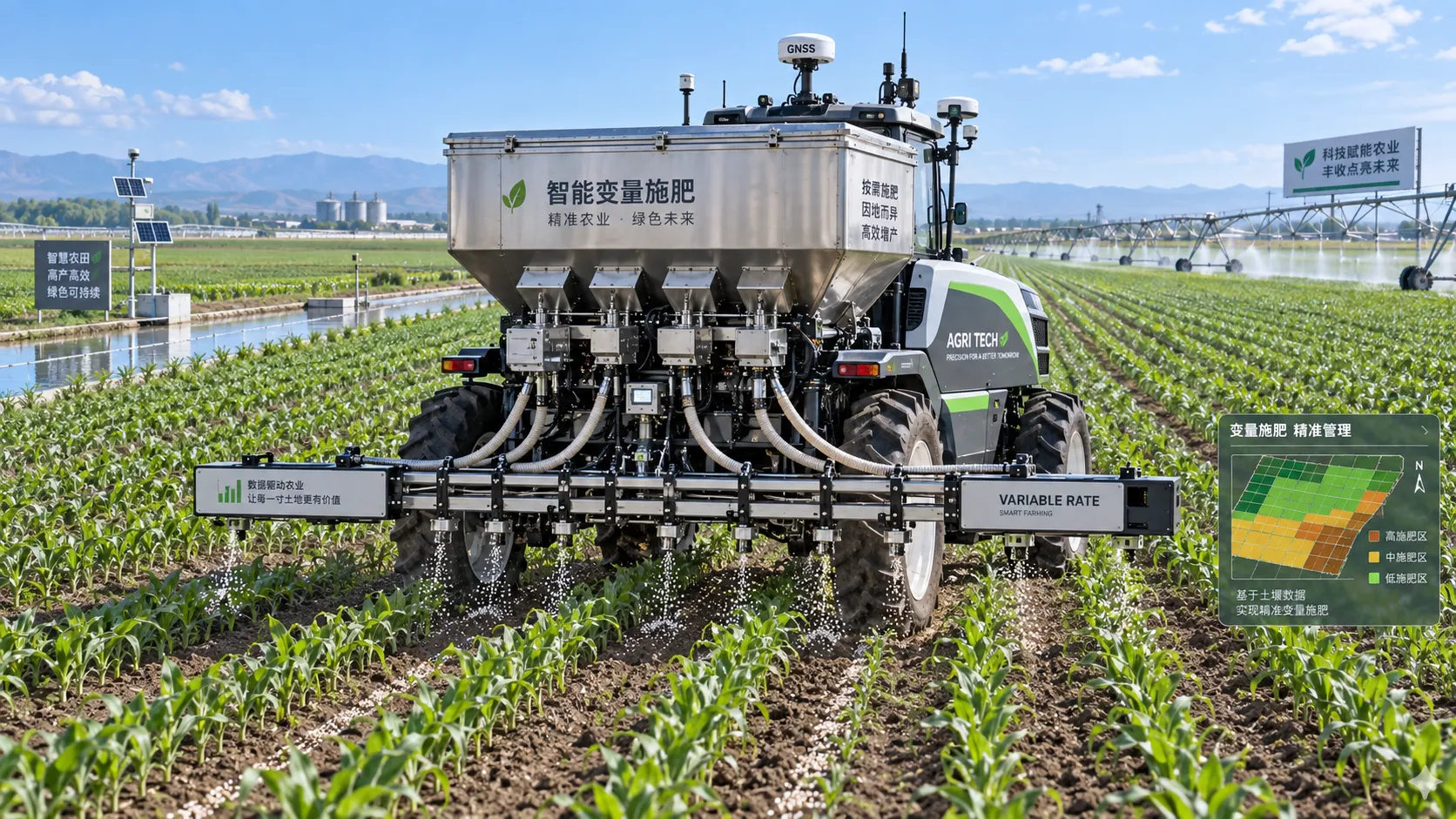
How to Evaluate Precision Fertilization System Suppliers for Farm-Scale Deployment
Precision fertilization systems suppliers: learn how to compare accuracy, integration, uptime, service, and total cost for confident farm-scale deployment.
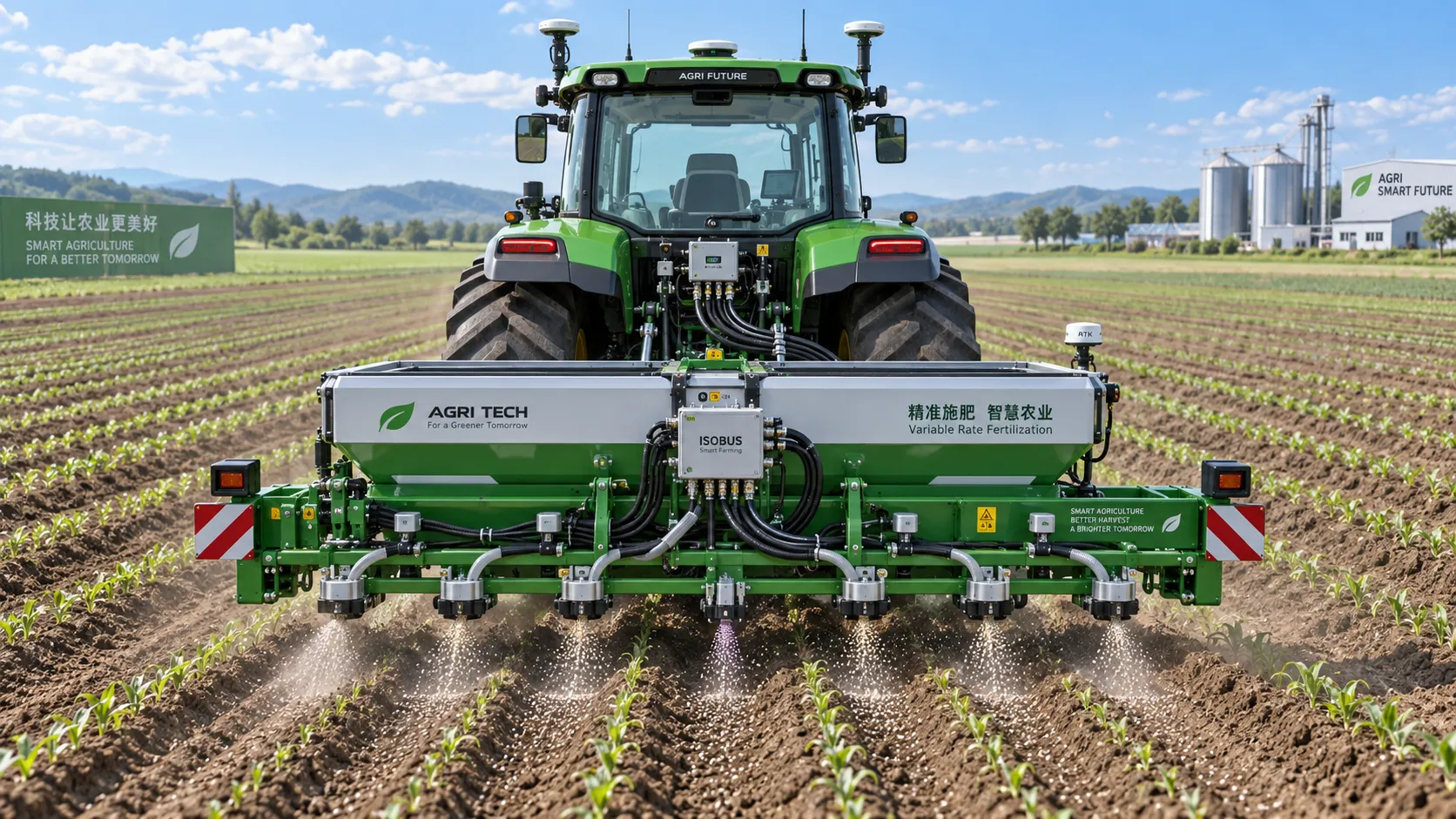
ISOBUS for Smart Agriculture: How It Connects Tractors, Implements, and Farm Data
ISOBUS for smart agriculture connects tractors, implements, terminals, and farm data—helping growers improve precision, documentation, and smarter field decisions.
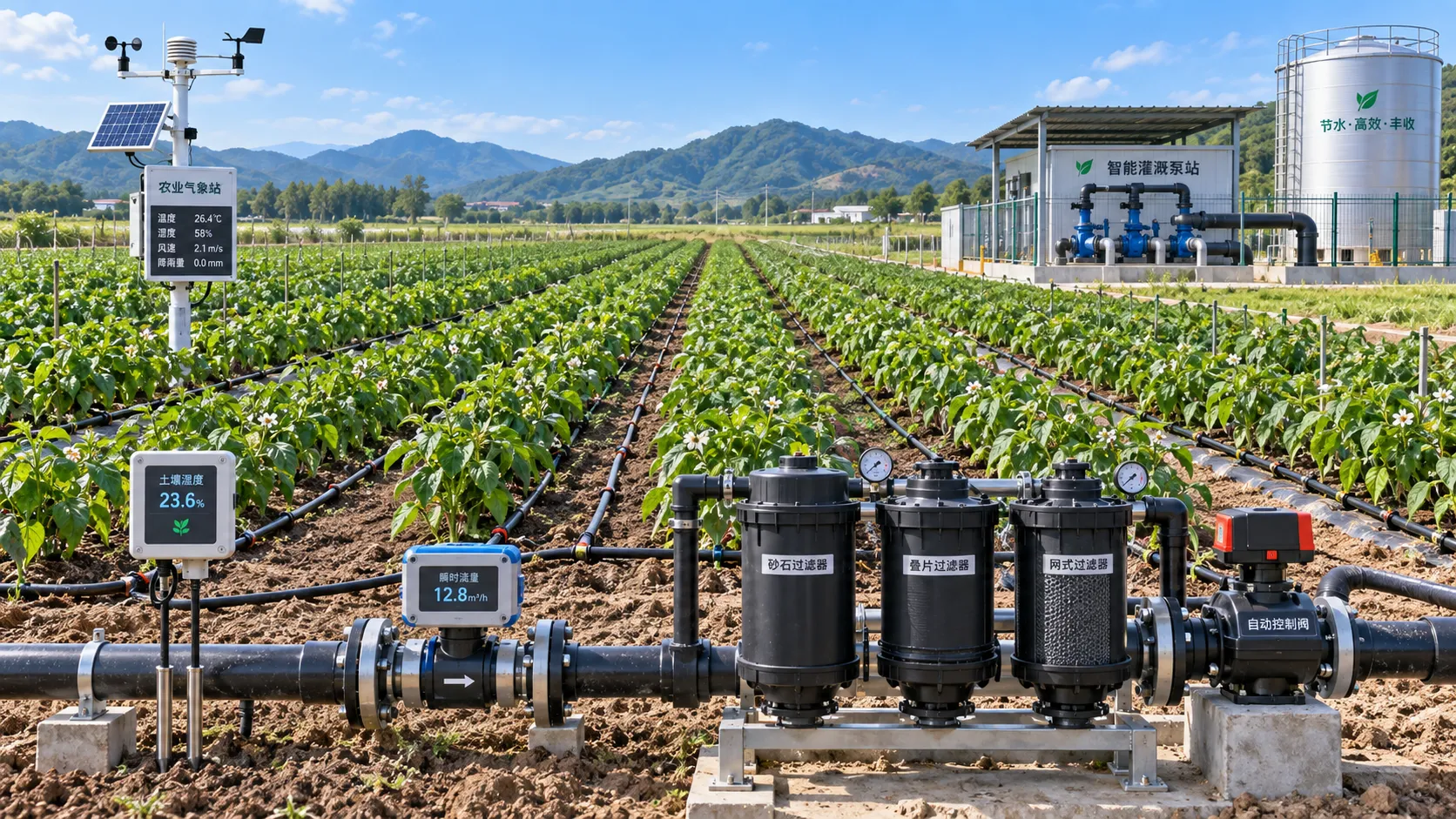
Automated Water-Saving Irrigation: How to Cut Water Use Without Reducing Crop Yields
Automated water-saving irrigation helps farms cut water use, protect crop yields, improve scheduling, and gain reliable control with sensors, flow monitoring, and smart zones.

Selecting Grain Farm Equipment by Acreage, Crop Mix, and Harvest Window
Agricultural equipment selection for grain farming: match machinery to acreage, crop mix, and harvest windows to improve uptime, efficiency, and returns.
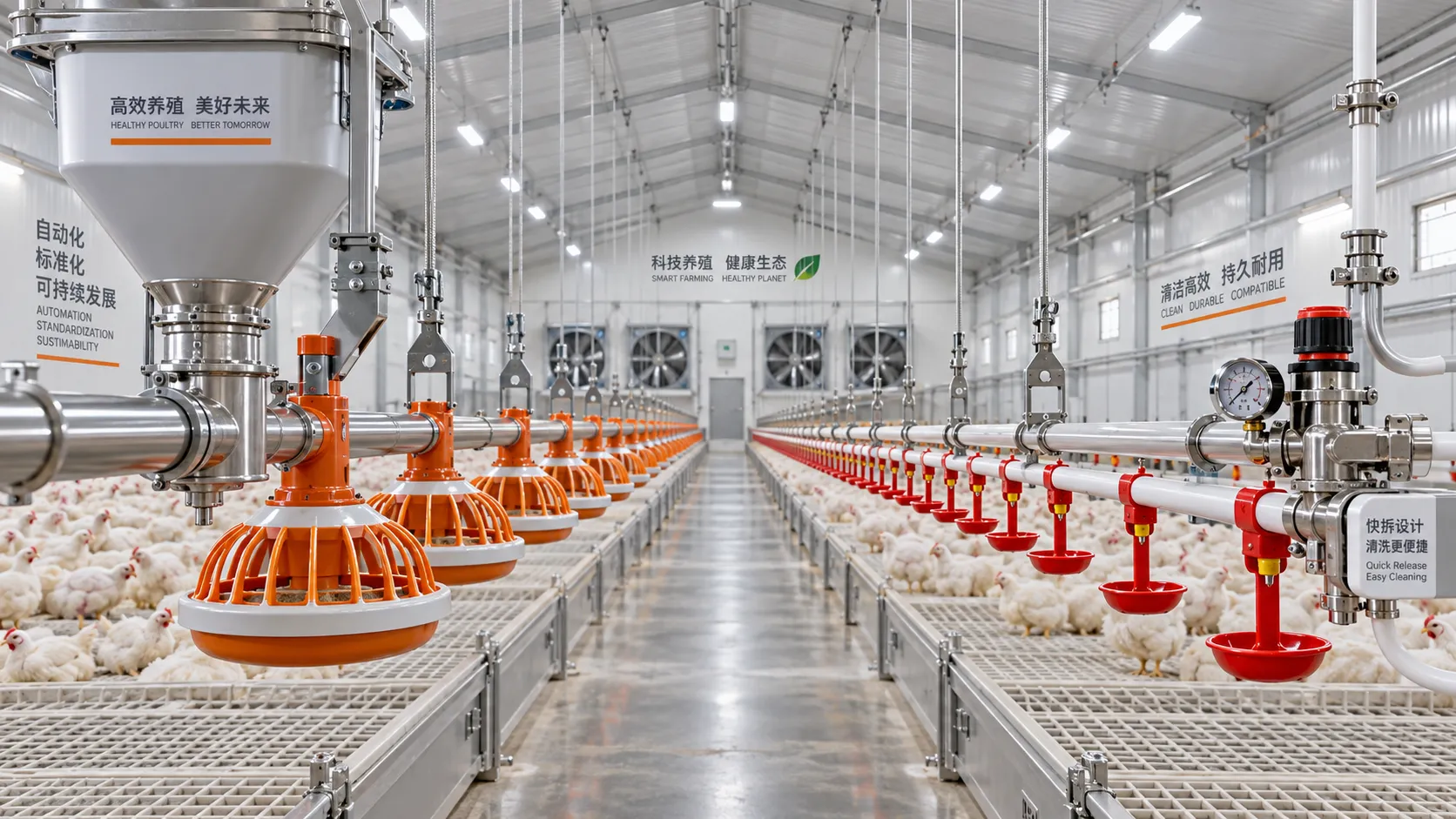
Poultry Equipment Selection: Evaluating Durability, Cleaning, and Compatibility
Poultry equipments selection guide: evaluate durability, cleaning access, and system compatibility to improve hygiene, reduce downtime, and support efficient flock management.
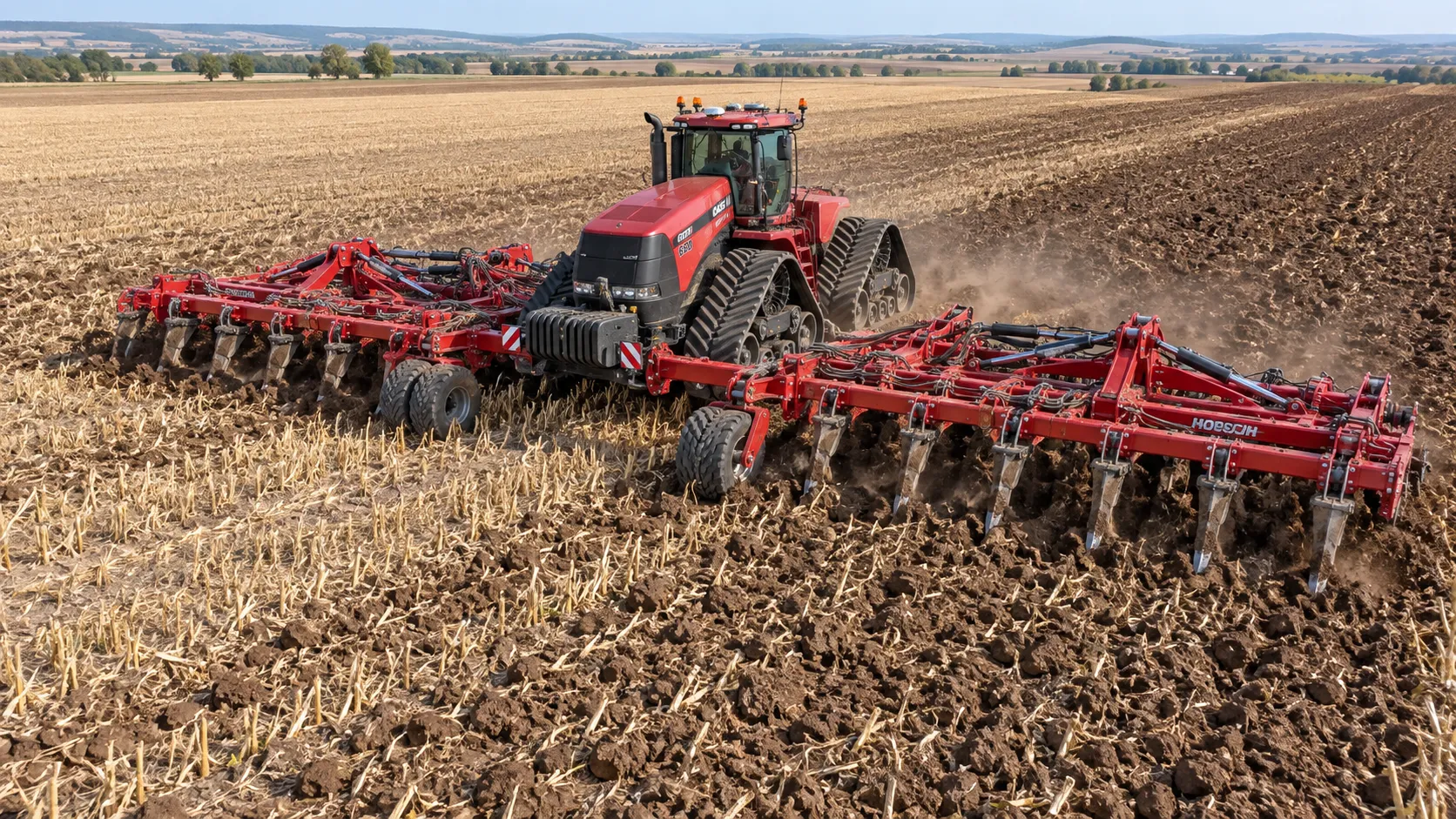
How to Select Heavy-Duty Farm Implements for High-Acreage, High-Horsepower Operations
Heavy duty farm implements: learn how to match draft, hydraulics, hitch capacity, frame strength, and field conditions for reliable high-acreage performance.
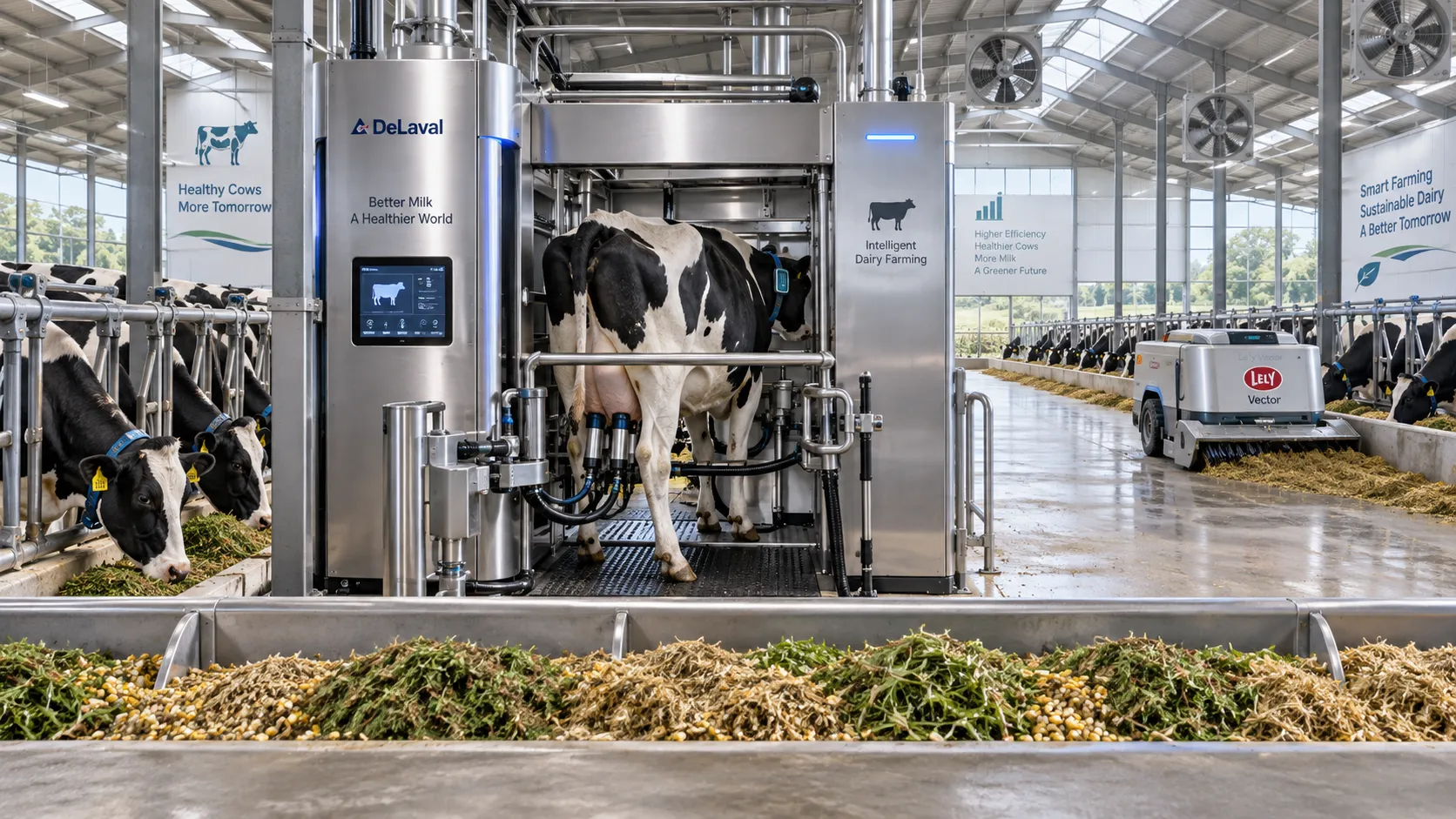
Smart Farming Technology for Dairy Farms: Where Automation Delivers Measurable ROI
Smart farming technology for dairy farms delivers measurable ROI through automation, precision feeding, health monitoring, and data-driven cost control.
Related News
- 00
0000-00
Selecting Real-Time Soil Moisture Sensors for Irrigation Zone Control - 00
0000-00
How Does Climate-Smart Farming Reduce Water Use in Semi-Arid Areas? - 00
0000-00
USDA Rule Takes Effect: Dual FCC and NRCS Approval for Soil Moisture Sensors - 00
0000-00
EU Rule Takes Effect: Soil Moisture Sensors Need Revised CE-EMC Certification - 00
0000-00
How to Choose Wireless Smart Irrigation Systems for Better Water Control
Popular Tags
Hydrological Resource Strategist
Weekly Insights
Stay ahead with our curated technology reports delivered every Monday.