
Agri-tech Innovations in Irrigation and Sensing: Where Dealers Are Seeing New Demand
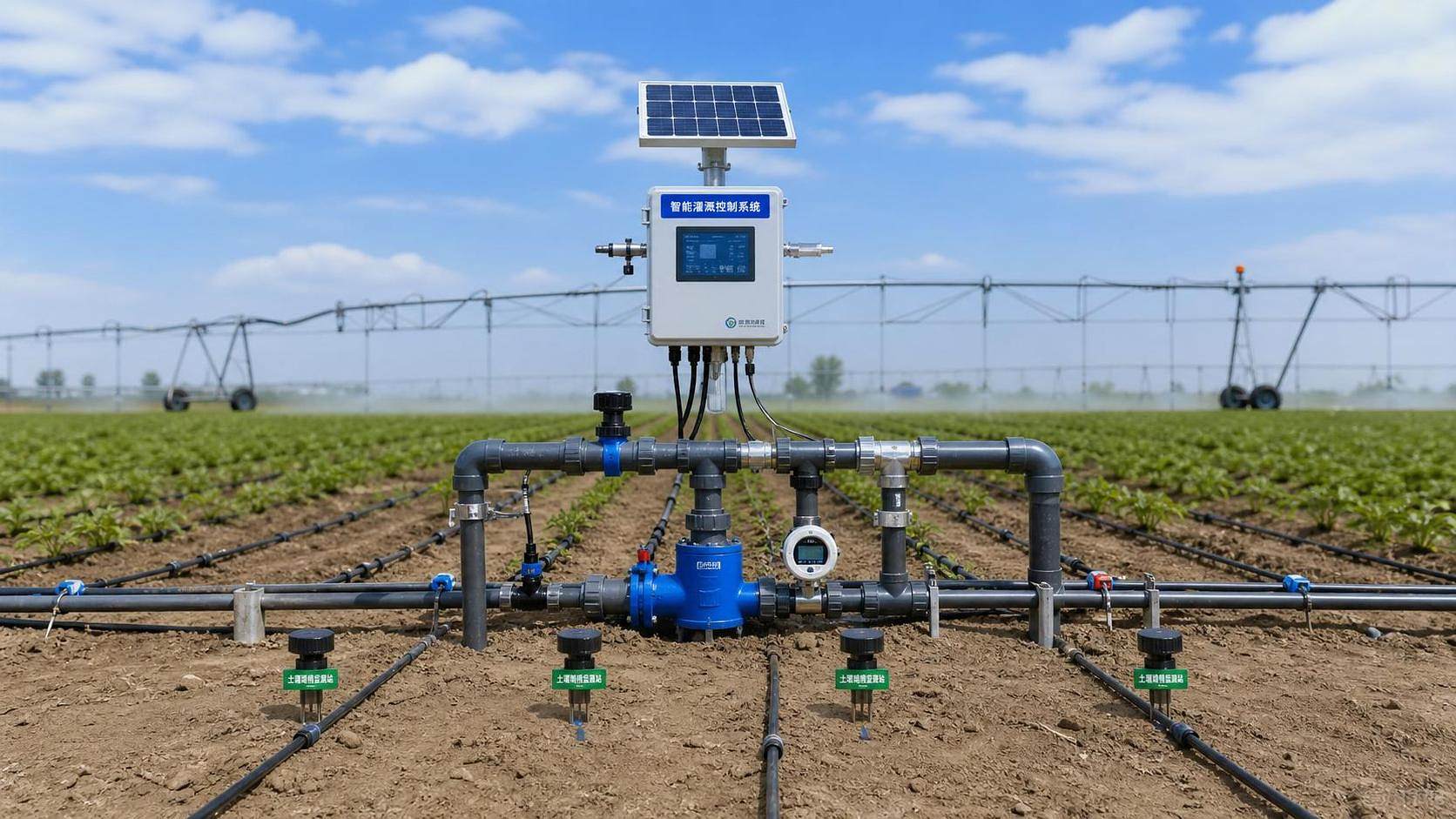




Agri-tech innovations in irrigation and sensing are moving from pilot projects into everyday farm decisions. Demand is rising because water pressure, input costs, and yield expectations now meet in the same place: field-level data.
For businesses tracking farm equipment and intelligent irrigation, this shift is not a side story. It connects machinery performance, sensor feedback, and sustainability targets in ways that directly influence stocking, solution design, and after-sales strategy.
That is why the current wave of agri-tech innovations matters. Buyers are no longer asking only for hardware. They are asking how drip lines, pumps, valves, probes, and software can work together under real operating conditions.
Why irrigation and sensing are drawing new attention
The pressure on irrigation is practical, not abstract. Water costs are changing. Weather patterns are less stable. Labor is tighter. At the same time, growers need clearer evidence that every irrigation cycle supports crop performance.
Sensing technology answers part of that need. Soil-moisture probes, weather stations, pressure monitors, and remote controllers turn irrigation from a fixed schedule into a managed response. That reduces guesswork and improves timing.
More importantly, agri-tech innovations now fit a broader Agriculture 4.0 pattern. Farms already use guidance systems, telematics, yield data, and machine monitoring. Irrigation is becoming part of the same connected operating environment.
This is where AP-Strategy’s market view is useful. Irrigation demand can no longer be read separately from large-scale machinery, intelligent farm tools, and resource-saving standards. The field is becoming one coordinated system.
What these agri-tech innovations actually include
The term covers more than a single sensor or smart valve. In practice, irrigation and sensing innovations usually combine physical equipment, measurement devices, data logic, and operating interfaces.
Core components appearing in current demand
- Drip and micro-irrigation systems designed for precise water delivery and lower evaporation loss.
- Soil-moisture sensors that track conditions across root zones rather than relying on visual inspection.
- Flow meters and pressure sensors that reveal leaks, uneven delivery, or poor system balance.
- Connected controllers that automate timing based on thresholds, schedules, or weather data.
- Cloud dashboards and mobile interfaces that consolidate alerts, irrigation history, and performance records.
Simple systems still sell, but interest is shifting toward integrated packages. Buyers want evidence that the sensing layer can support water-saving decisions, not just collect numbers that sit unused.
Where demand is rising fastest
Demand is strongest where irrigation efficiency directly affects margins or compliance. High-value crops remain important, but row-crop operations and mixed farm enterprises are also moving closer to monitored irrigation.
A key signal is that demand no longer depends only on drought conditions. Many operations now adopt agri-tech innovations because better irrigation data improves planning, labor deployment, and yield consistency.
What features matter more than headline technology
In real buying decisions, advanced technology alone does not close the gap. What matters is whether a system can survive field conditions, integrate with existing infrastructure, and show value within one or two seasons.
High-interest buying criteria
- Reliable sensing under heat, dust, salinity, and uneven soil conditions.
- Clear installation logic that does not require excessive field redesign.
- Interoperability with pumps, fertigation units, and digital farm platforms.
- Actionable alerts instead of raw data overload.
- Easy maintenance, spare-part availability, and remote diagnostics.
This is where many agri-tech innovations are judged very quickly. A system that saves water on paper but creates service headaches in the field will struggle to keep demand.
By contrast, solutions that connect sensor readings to irrigation actions tend to gain traction. Buyers want fewer manual checks, fewer missed irrigation windows, and better confidence in crop-zone decisions.
How irrigation data is linking to the wider equipment landscape
One important change is that irrigation is no longer treated as a stand-alone utility. It is becoming part of the same decision framework used for machinery, input timing, and field productivity.
That broader view matches AP-Strategy’s focus on large-scale agri-machinery, combine systems, tractor chassis, intelligent farm tools, and water-saving irrigation networks. The commercial value lies in the links between them.
For example, sensor-informed irrigation can affect planting uniformity, crop stress, and harvest consistency. Those outcomes eventually shape machinery efficiency, fuel use, harvest loss profiles, and post-season equipment planning.
In that sense, agri-tech innovations in irrigation are not only about water. They influence the full operating rhythm of modern farming, especially where field operations are increasingly mechanized and data-driven.
Practical ways to assess portfolio fit
A useful starting point is to assess solutions by field reality rather than by product category. Smart irrigation demand looks very different in orchards, greenhouses, broadacre systems, and mixed operations.
Questions that sharpen evaluation
- Does the sensing package match the crop root depth and irrigation method?
- Can the control platform scale from one block to multiple farms?
- How quickly can users understand the dashboard and respond to alerts?
- Is there a local service path for calibration, replacement, and troubleshooting?
- Can the value proposition be shown through water use, labor savings, or crop stability?
It also helps to separate novelty from usable innovation. Some agri-tech innovations are impressive demonstrations. Others are operational tools that fit current farm routines. The second group usually creates more durable demand.
Where the next decisions are likely to go
The next stage will likely focus less on isolated devices and more on coordinated systems. Buyers will compare not only hardware specifications, but also data quality, automation logic, and long-term operating support.
Transpiration models, predictive irrigation scheduling, and feedback-driven control are gaining attention because they move beyond monitoring. They help turn field signals into measurable operational decisions.
That direction fits the intelligence-led approach promoted by AP-Strategy. In a market shaped by food security concerns and sustainability pressure, the strongest opportunities often sit where equipment capability and decision intelligence meet.
For anyone reviewing irrigation and sensing opportunities now, the best next step is to map demand by crop system, water constraint, and service capacity. From there, agri-tech innovations become easier to judge by business value rather than by hype.
A clear framework helps: compare sensing accuracy, integration depth, maintenance burden, and seasonal return. That kind of disciplined review usually reveals where new demand is real, where it is emerging, and where patience makes more sense.
Related News
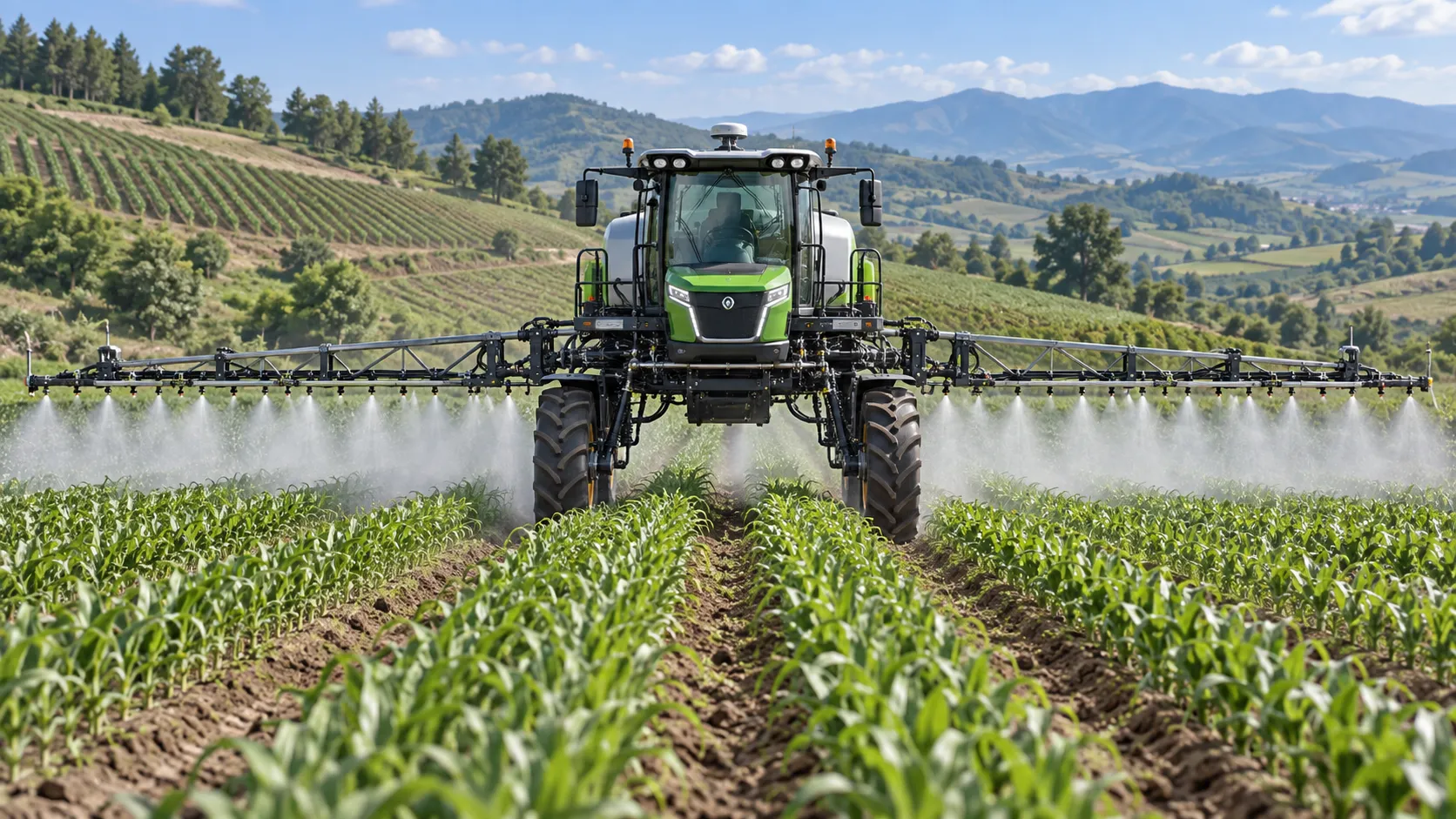
How to Select Precision Crop Protection Equipment for Variable Field Conditions
Precision crop protection equipment selection made simple: compare terrain, canopy, weather, control accuracy, and data workflows for reliable applications.

When Does Agricultural Machinery Leasing Cost Less Than Owning Equipment?
Agricultural machinery leasing can lower farm costs when use is seasonal or uncertain. Compare utilization, maintenance, cash flow, and risk to make a smarter equipment decision.
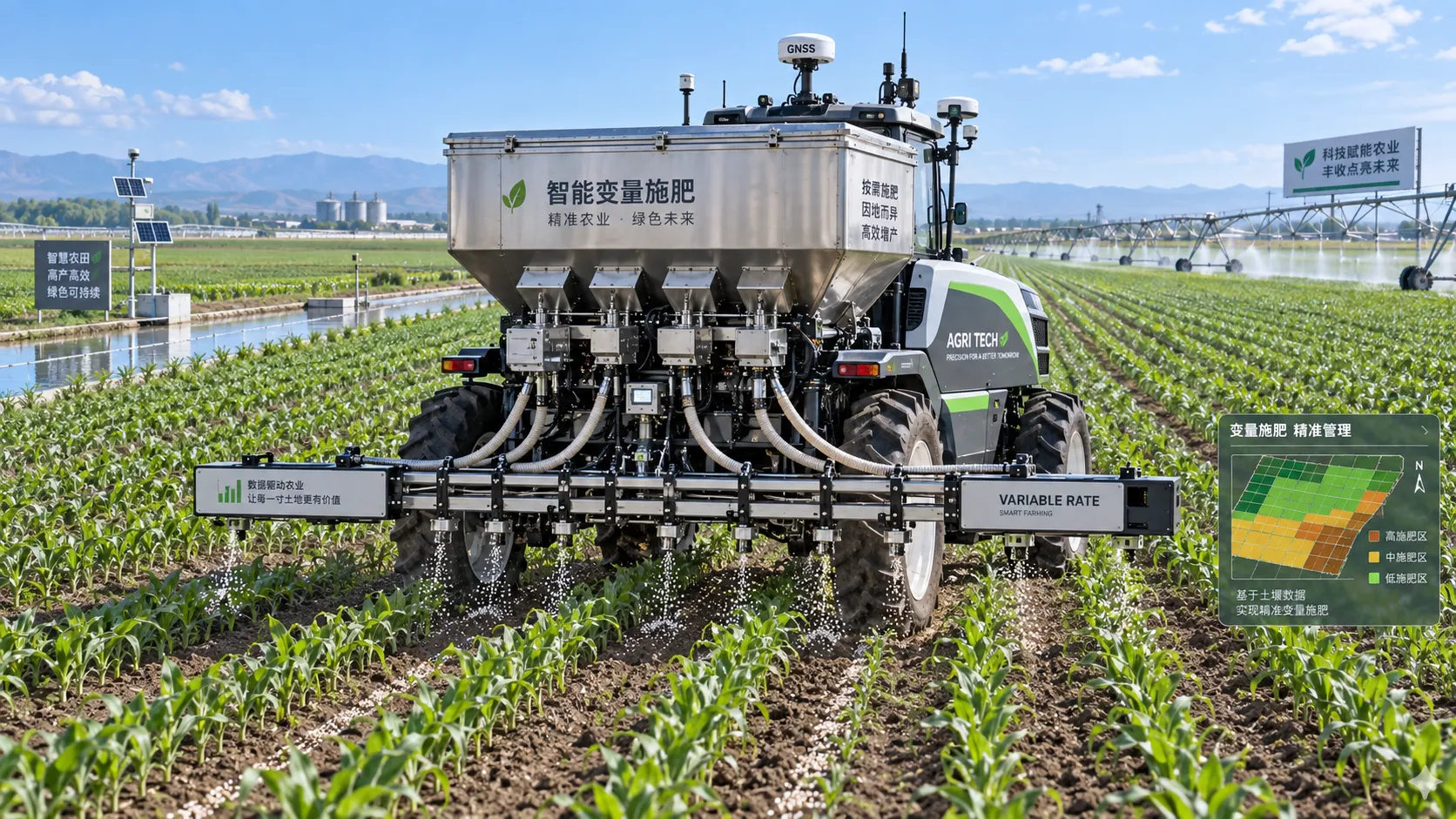
How to Evaluate Precision Fertilization System Suppliers for Farm-Scale Deployment
Precision fertilization systems suppliers: learn how to compare accuracy, integration, uptime, service, and total cost for confident farm-scale deployment.
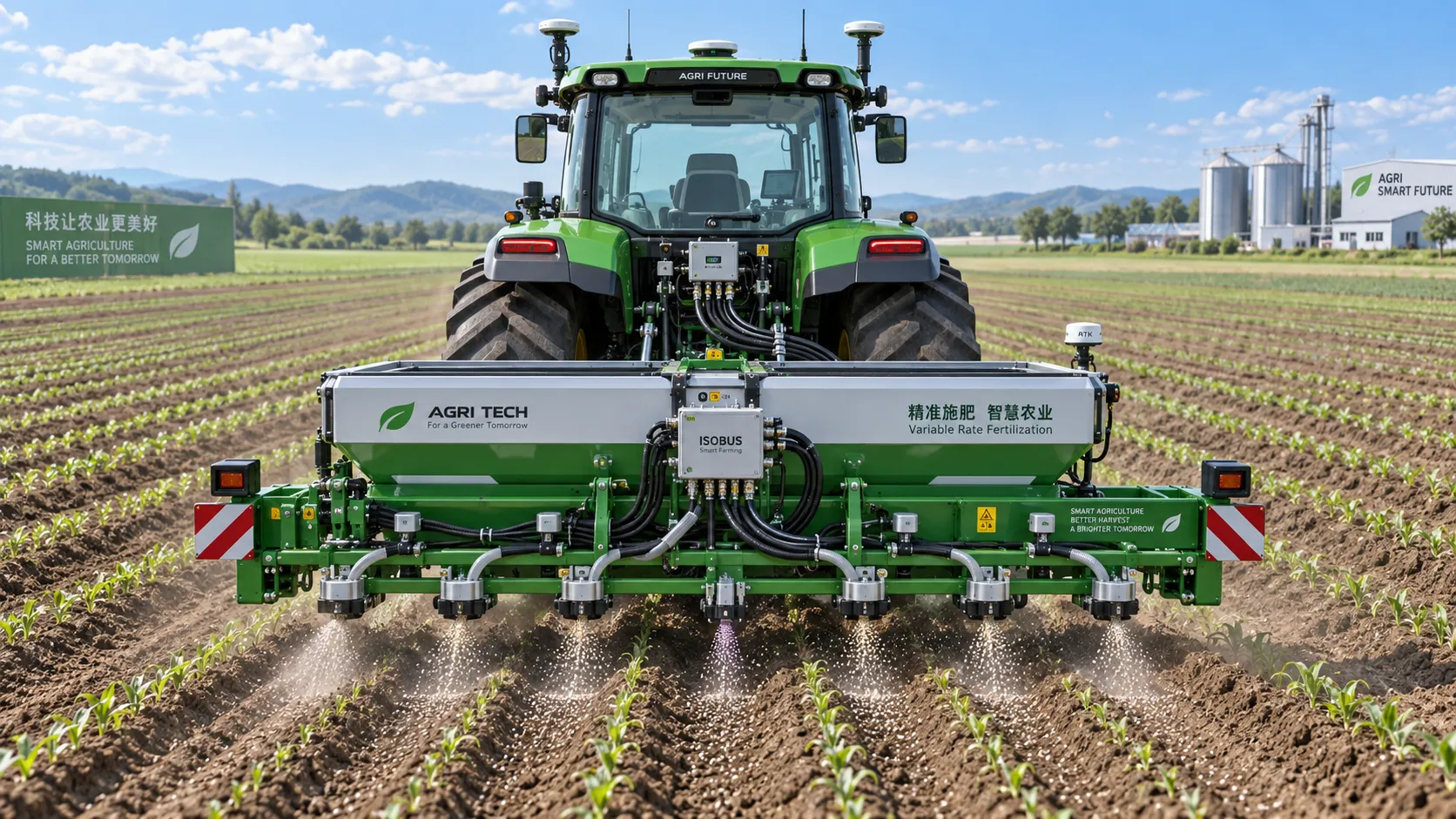
ISOBUS for Smart Agriculture: How It Connects Tractors, Implements, and Farm Data
ISOBUS for smart agriculture connects tractors, implements, terminals, and farm data—helping growers improve precision, documentation, and smarter field decisions.
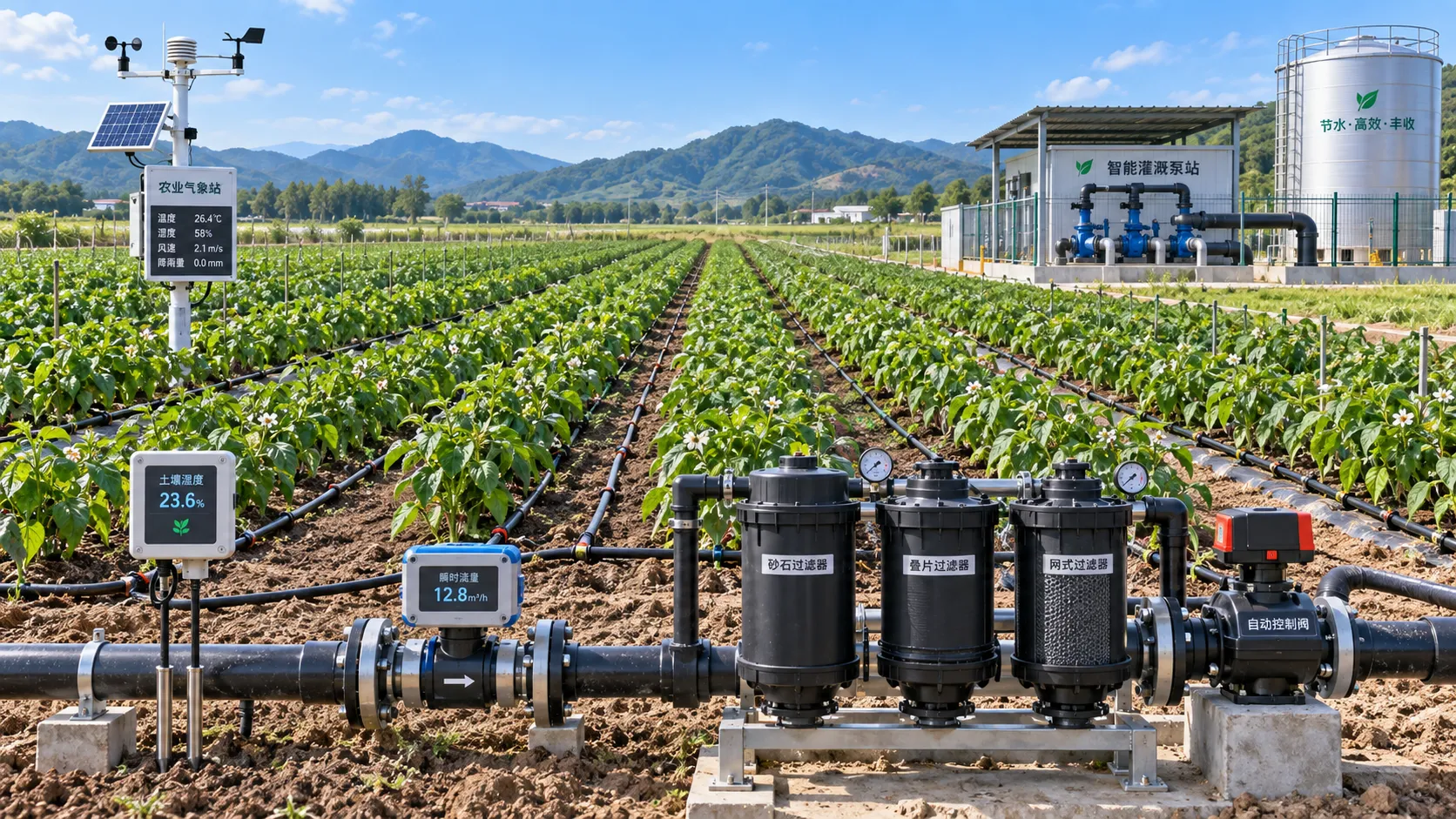
Automated Water-Saving Irrigation: How to Cut Water Use Without Reducing Crop Yields
Automated water-saving irrigation helps farms cut water use, protect crop yields, improve scheduling, and gain reliable control with sensors, flow monitoring, and smart zones.
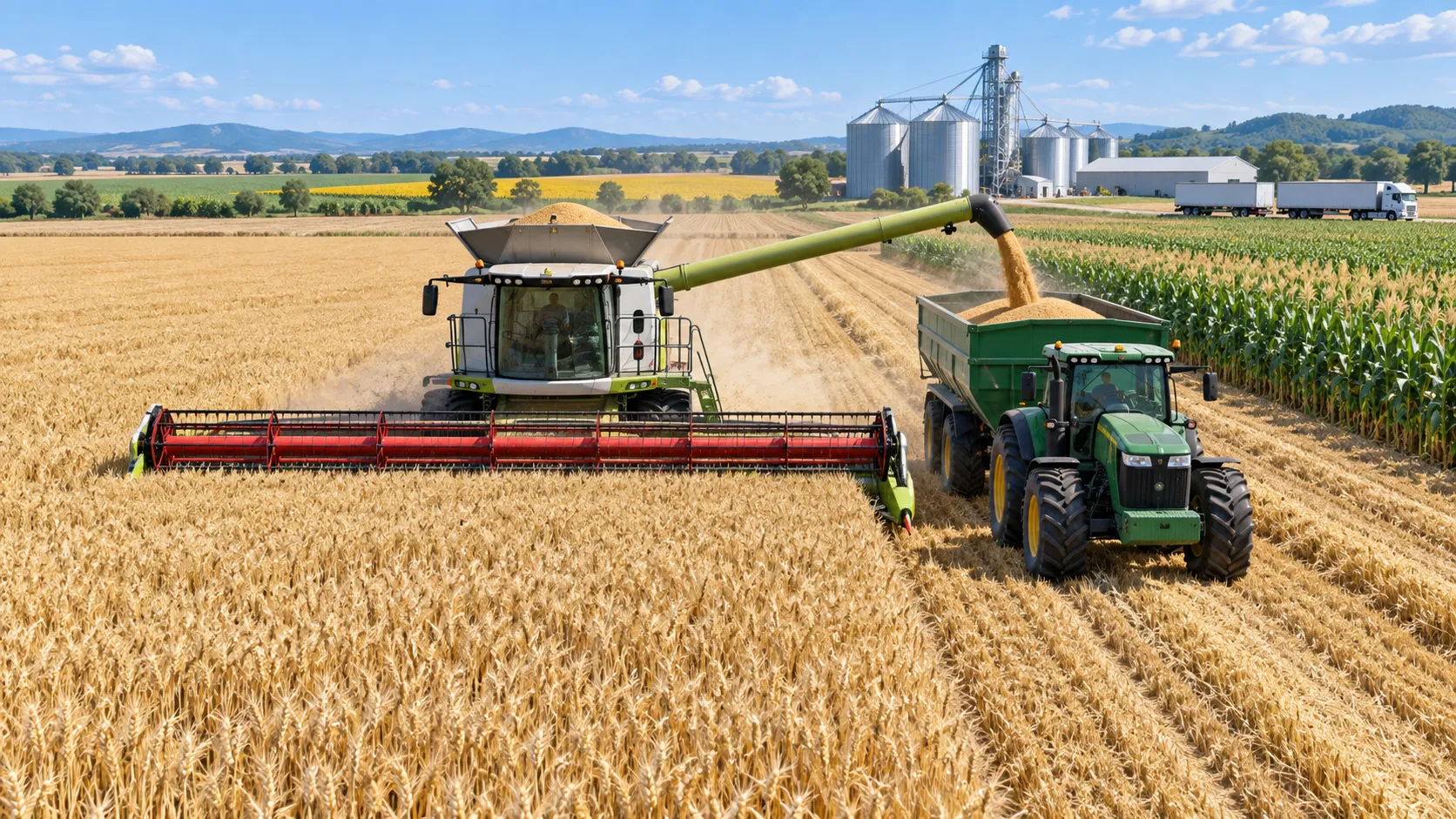
Selecting Grain Farm Equipment by Acreage, Crop Mix, and Harvest Window
Agricultural equipment selection for grain farming: match machinery to acreage, crop mix, and harvest windows to improve uptime, efficiency, and returns.
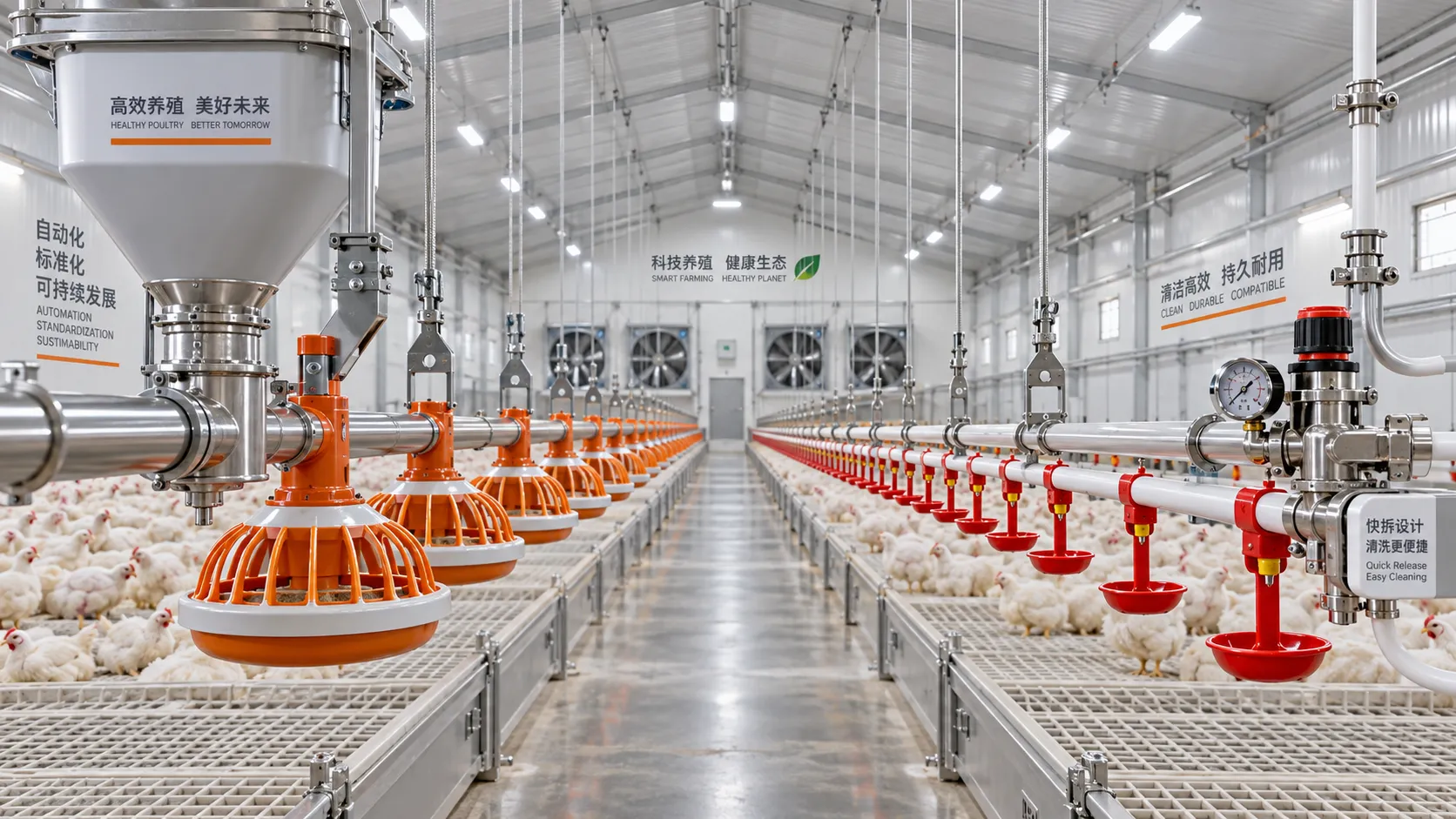
Poultry Equipment Selection: Evaluating Durability, Cleaning, and Compatibility
Poultry equipments selection guide: evaluate durability, cleaning access, and system compatibility to improve hygiene, reduce downtime, and support efficient flock management.
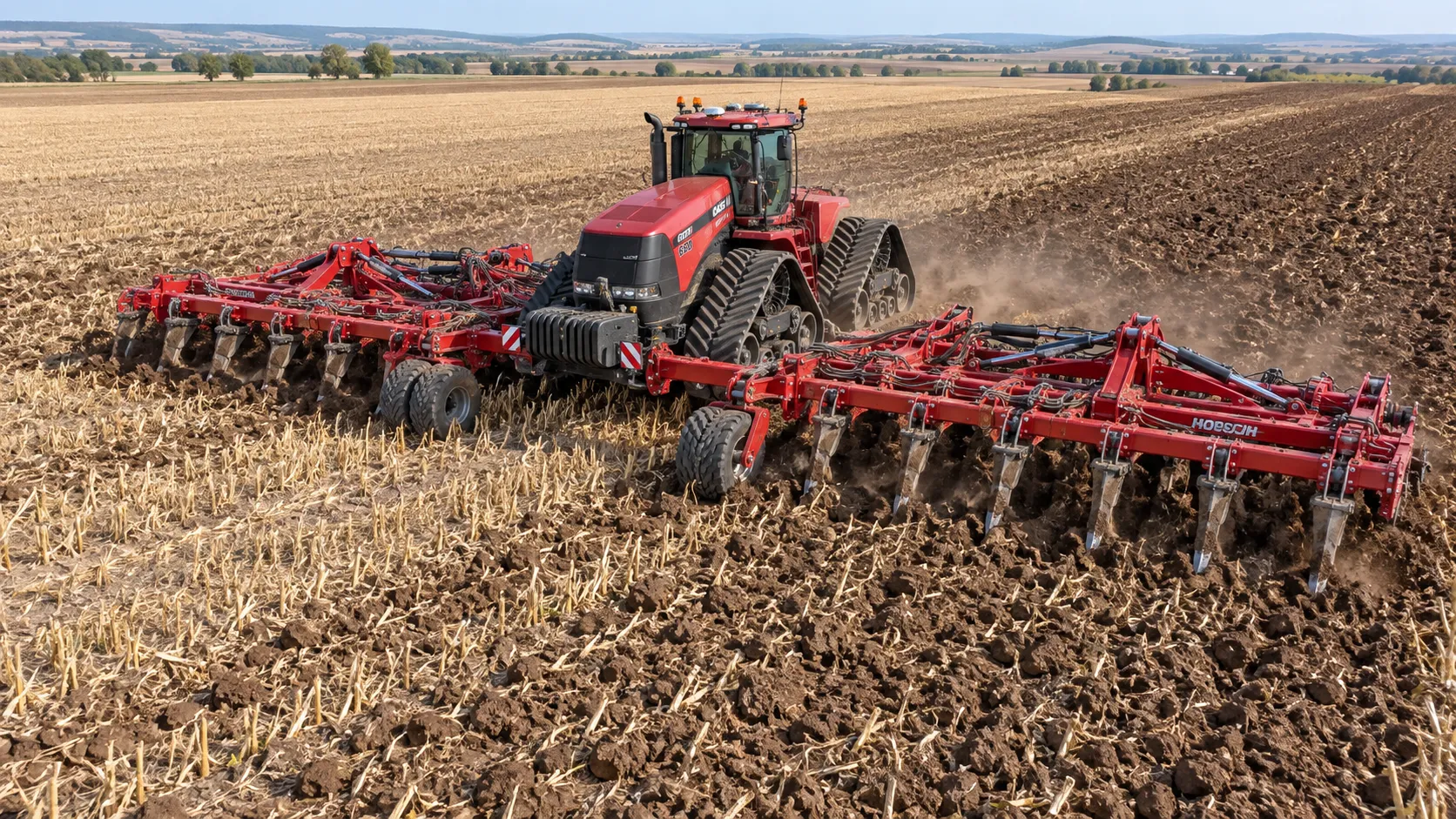
How to Select Heavy-Duty Farm Implements for High-Acreage, High-Horsepower Operations
Heavy duty farm implements: learn how to match draft, hydraulics, hitch capacity, frame strength, and field conditions for reliable high-acreage performance.
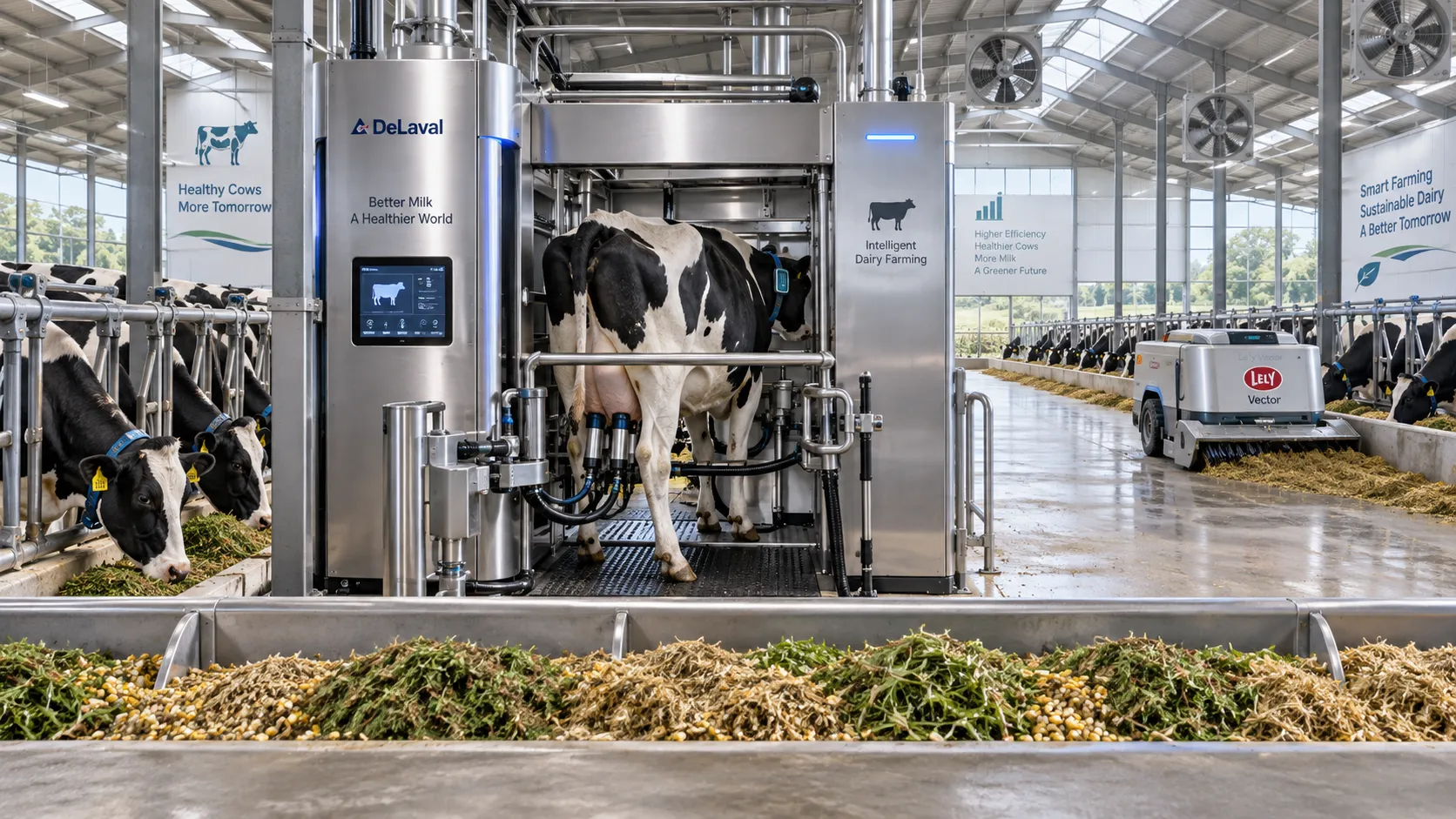
Smart Farming Technology for Dairy Farms: Where Automation Delivers Measurable ROI
Smart farming technology for dairy farms delivers measurable ROI through automation, precision feeding, health monitoring, and data-driven cost control.
Related News
- 00
0000-00
Selecting Real-Time Soil Moisture Sensors for Irrigation Zone Control - 00
0000-00
How Does Climate-Smart Farming Reduce Water Use in Semi-Arid Areas? - 00
0000-00
USDA Rule Takes Effect: Dual FCC and NRCS Approval for Soil Moisture Sensors - 00
0000-00
EU Rule Takes Effect: Soil Moisture Sensors Need Revised CE-EMC Certification - 00
0000-00
How to Choose Wireless Smart Irrigation Systems for Better Water Control
Popular Tags
Hydrological Resource Strategist
Weekly Insights
Stay ahead with our curated technology reports delivered every Monday.