
Irrigation Expo Signals New Buying Rules for Soil Moisture Sensors
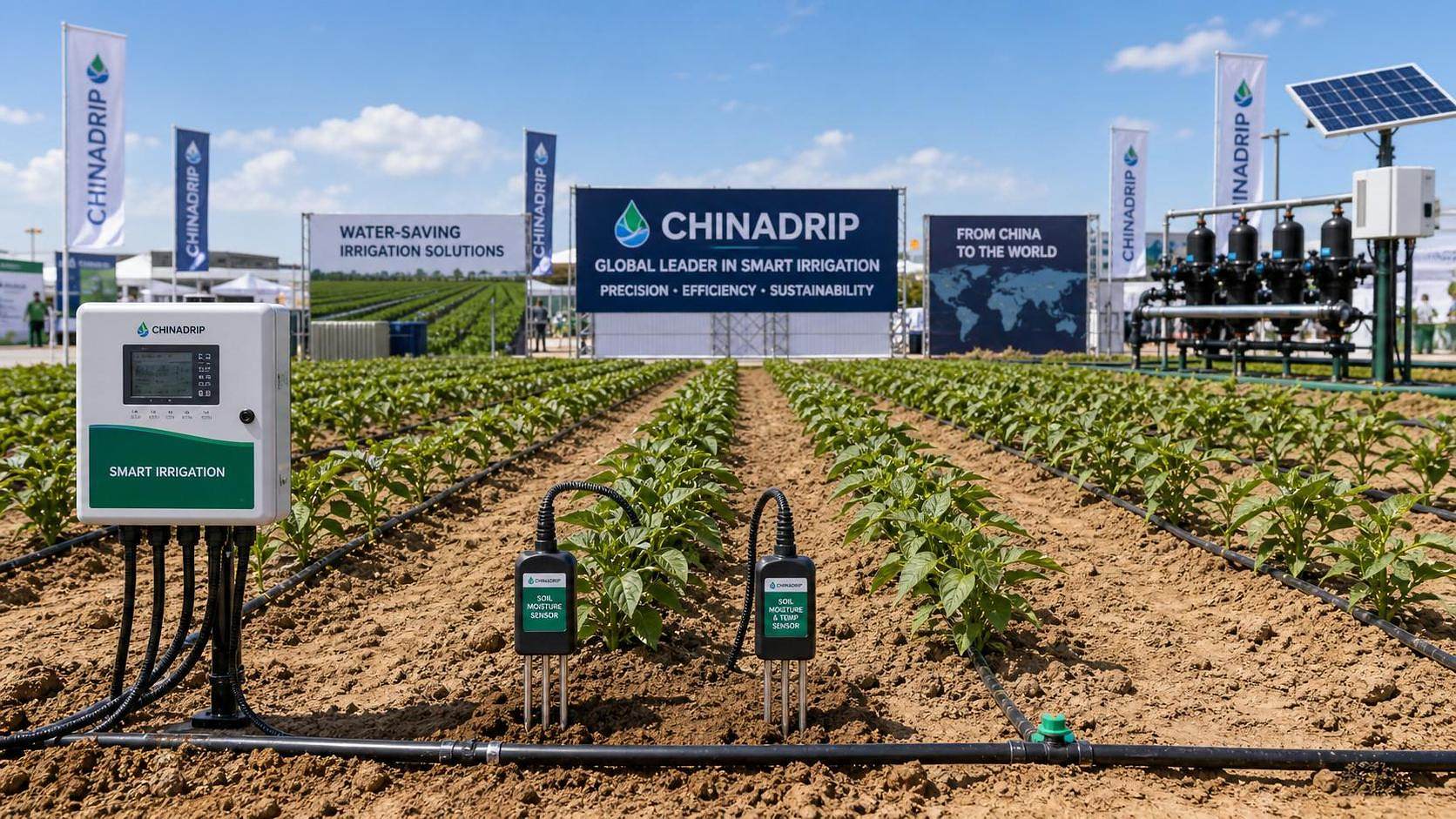




At the close of the World Irrigation Technology Conference and International Irrigation Expo on April 1, 2026, the headline was not only the reported US$212 million in international purchase intentions for Soil Moisture Sensors, but also the clearer signal that cross-border irrigation equipment deals are increasingly being judged on proof of field reliability, service responsiveness, and bid-readiness. For manufacturers, exporters, procurement teams, and after-sales providers, this matters because purchasing decisions in this segment appear to be moving beyond price alone toward delivery, technical documentation, and localized execution capacity.
What the event confirmed
According to the information provided, the conference and expo were held in Beijing from March 30 to April 1, 2026 and then concluded on April 1. During the event, international purchase intentions for Soil Moisture Sensors reached US$212 million.
The reported buying interest involved procurement groups from 17 countries, including Brazil, Kazakhstan, and Uzbekistan. The same input also states that companies including Runxin and Xinglian Yunkex disclosed that projects had already been implemented in irrigation areas across multiple countries, and that these deployments verified product data reliability in arid regions as well as localized service response capability.
Why procurement and compliance teams may read this differently
Export transactions are likely to face more technical scrutiny
From an industry perspective, a large volume of international purchase intentions around Soil Moisture Sensors suggests that exporters may increasingly need to support sales with clearer technical files, performance descriptions, and delivery documentation. The event itself does not define a new regulation, but it does point to a market environment in which procurement review may place greater weight on whether products can demonstrate suitability for demanding irrigation conditions.
Project delivery is becoming part of the trade discussion
Analysis shows that the disclosed project experience in multiple overseas irrigation zones shifts attention from simple equipment supply to implementation capability. For supply chain service providers and after-sales teams, the relevant issue is not only shipment completion, but also whether installation support, service response, and traceable performance records can support contract execution and acceptance in destination markets.
Procurement decisions may increasingly depend on verifiable operating results
What deserves closer attention is the reference to data reliability in arid regions. For buyers, integrators, and tender participants, that kind of proof can influence technical bid alignment, product screening, and supplier qualification. In practice, this may lead market participants to pay closer attention to test records, application evidence, and consistency between bidding documents and actual service capability.
Where companies should focus next
Prepare certification and technical review materials early
Observably, companies involved in Soil Moisture Sensors should be ready for deeper document review in cross-border discussions. Even where no specific certification change is stated in the event information, exporters and manufacturers should closely watch whether future tenders, import procedures, or customer qualification steps ask for more complete test reports, technical specifications, or product compliance files.
Track how purchase intentions turn into executable requirements
The reported purchase intentions are commercially meaningful, but they should not automatically be treated as completed orders or finalized rule changes. Companies should therefore follow how these intentions develop into formal procurement terms, including specification wording, supplier qualification thresholds, delivery schedules, and service obligations.
Strengthen local service commitments in parallel with sales efforts
The reference to localized service response deserves practical attention. For firms pursuing overseas irrigation projects, after-sales arrangements, maintenance response, and coordination capacity may increasingly affect procurement confidence and contract performance, especially where buyers compare suppliers on implementation readiness rather than hardware alone.
Review tender and delivery risk before scaling export plans
Analysis shows that a broader buyer base across 17 countries may bring different documentation expectations, acceptance standards, and service requirements. That means exporters, distributors, and project suppliers should pay attention to contract wording, quality traceability, shipping documentation, and post-delivery responsibilities as commercial discussions advance.
How to interpret the signal at this stage
It is more appropriate to understand this development as an execution signal rather than a fully defined regulatory shift. The event does not, based on the provided information, establish a new law, standard, or certification rule. However, it does indicate that international buyers in irrigation technology may be rewarding suppliers that can connect product performance, local service capability, and delivery credibility in a more concrete way.
From an industry perspective, this is also a reminder that market access in practice is often shaped by procurement rules, bid language, and acceptance requirements before any formal policy text changes. That is why continued attention to tender documents, customer-side qualification criteria, and market feedback remains necessary.
What this means for the market now
In summary, the close of the Beijing irrigation event and the disclosed US$212 million in purchase intentions for Soil Moisture Sensors point to a more execution-oriented international buying environment. The most relevant takeaway is not simply demand visibility, but the growing importance of demonstrable reliability in arid conditions and localized support capacity.
At the current stage, this is best read as a practical market signal with possible compliance, procurement, and delivery implications, rather than as confirmed evidence of a finalized new rule set. Businesses linked to exports, project delivery, technical bidding, and after-sales support have reason to monitor how this signal is translated into formal purchasing terms and operating requirements.
Basis of this article
This article is generated from the user-provided news title, event date, and event summary. For this type of development, relevant source categories would usually include official announcements, regulator releases, customs or trade authority information, industry association updates, standards documents, and reporting by established media. A specific official source link was not provided in the input, so further verification remains necessary.
What still requires continued observation includes any later policy detail, certification interpretation, tender document changes, industry feedback, and how participating companies translate announced interest into actual execution, delivery, and service performance.
Related News

How to Select Precision Crop Protection Equipment for Variable Field Conditions
Precision crop protection equipment selection made simple: compare terrain, canopy, weather, control accuracy, and data workflows for reliable applications.

When Does Agricultural Machinery Leasing Cost Less Than Owning Equipment?
Agricultural machinery leasing can lower farm costs when use is seasonal or uncertain. Compare utilization, maintenance, cash flow, and risk to make a smarter equipment decision.
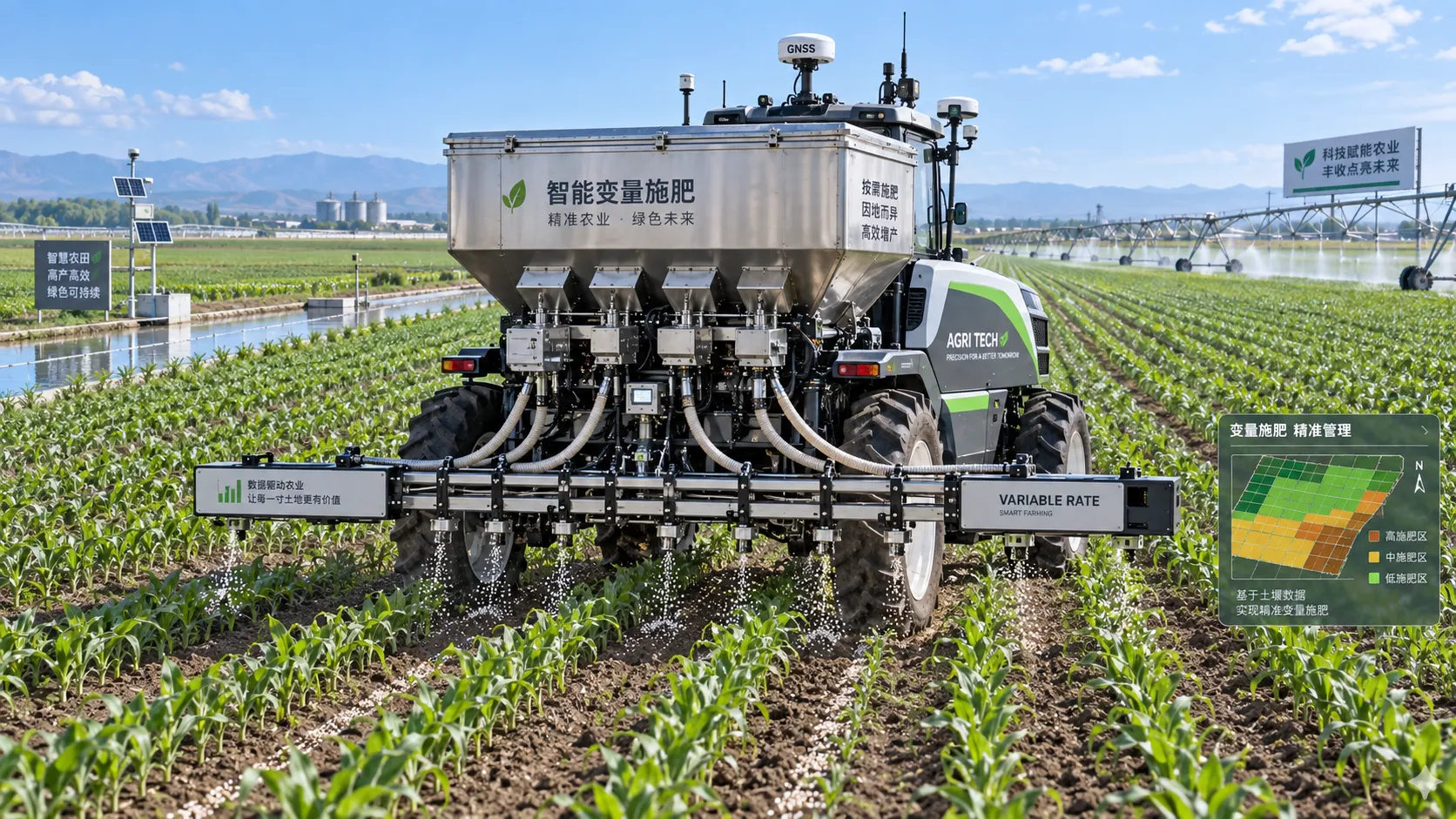
How to Evaluate Precision Fertilization System Suppliers for Farm-Scale Deployment
Precision fertilization systems suppliers: learn how to compare accuracy, integration, uptime, service, and total cost for confident farm-scale deployment.
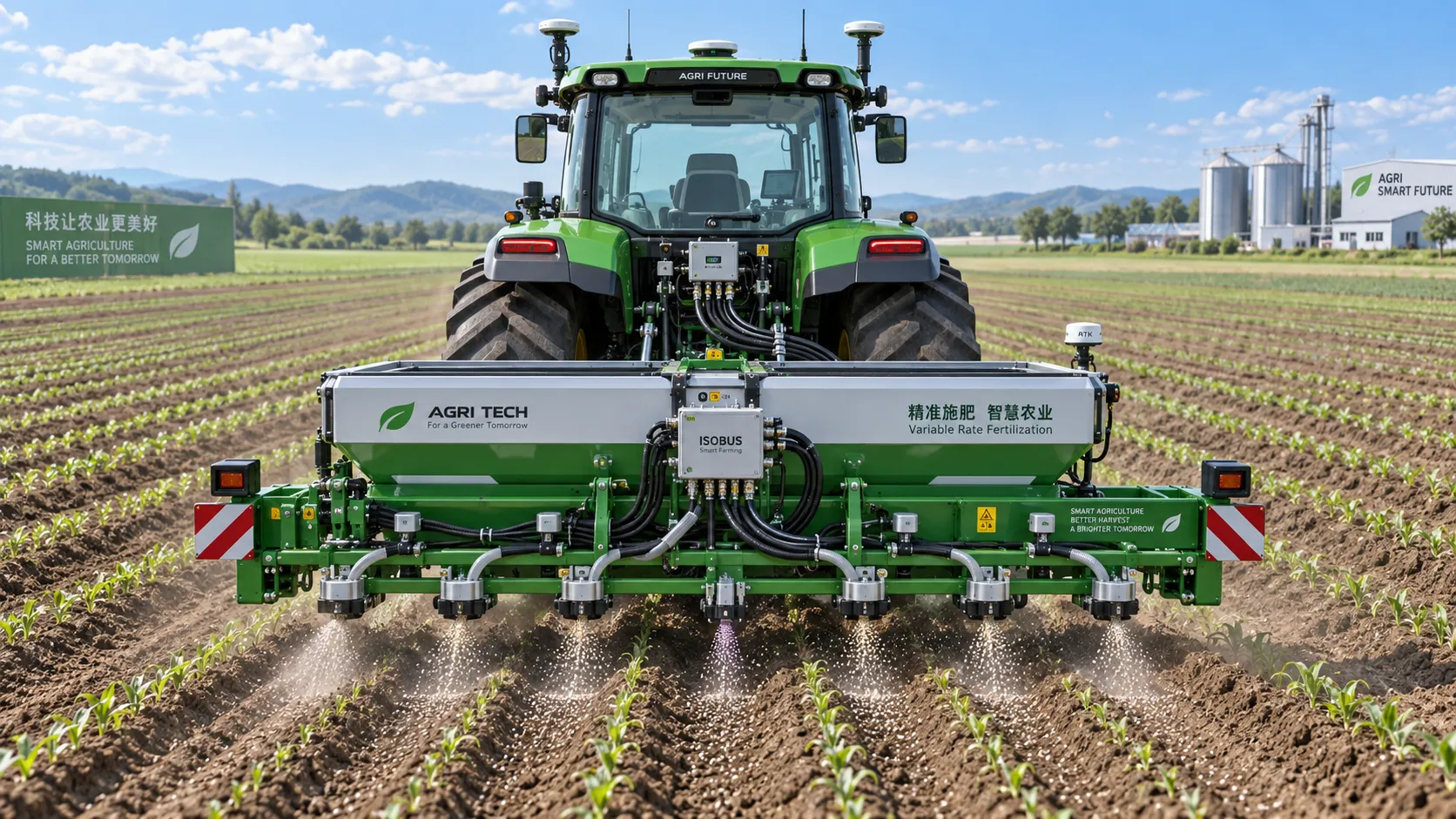
ISOBUS for Smart Agriculture: How It Connects Tractors, Implements, and Farm Data
ISOBUS for smart agriculture connects tractors, implements, terminals, and farm data—helping growers improve precision, documentation, and smarter field decisions.
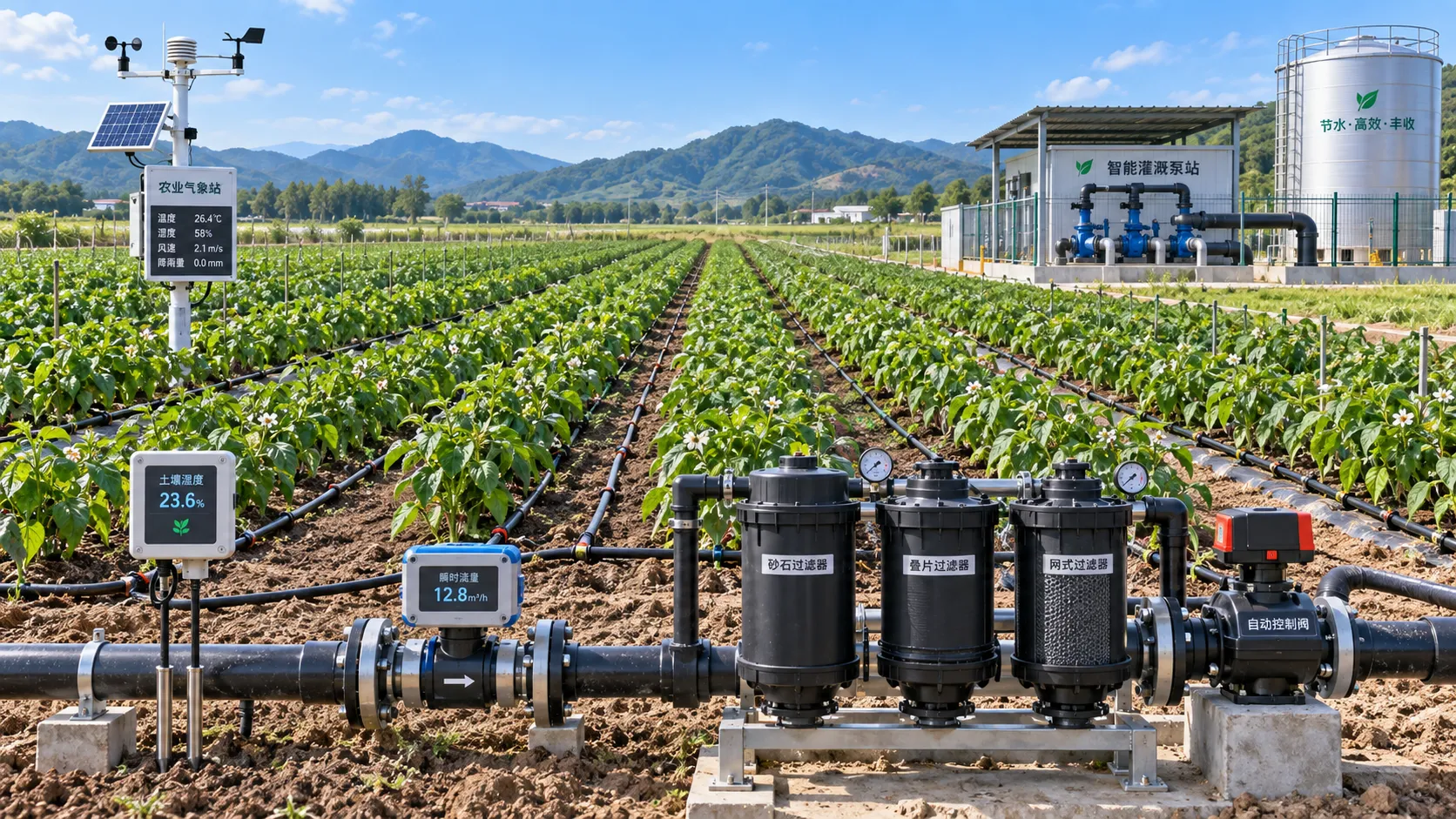
Automated Water-Saving Irrigation: How to Cut Water Use Without Reducing Crop Yields
Automated water-saving irrigation helps farms cut water use, protect crop yields, improve scheduling, and gain reliable control with sensors, flow monitoring, and smart zones.

Selecting Grain Farm Equipment by Acreage, Crop Mix, and Harvest Window
Agricultural equipment selection for grain farming: match machinery to acreage, crop mix, and harvest windows to improve uptime, efficiency, and returns.
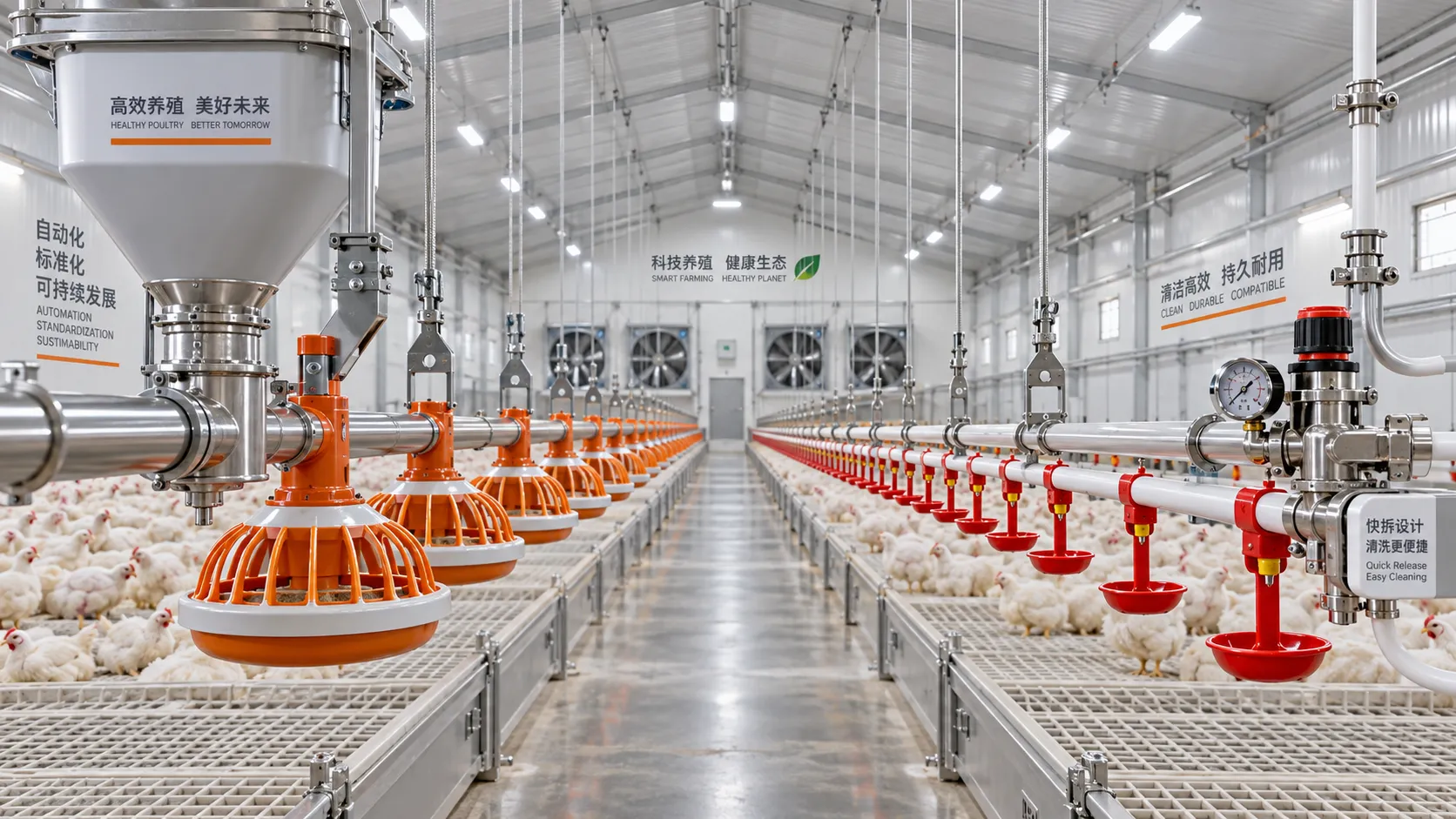
Poultry Equipment Selection: Evaluating Durability, Cleaning, and Compatibility
Poultry equipments selection guide: evaluate durability, cleaning access, and system compatibility to improve hygiene, reduce downtime, and support efficient flock management.
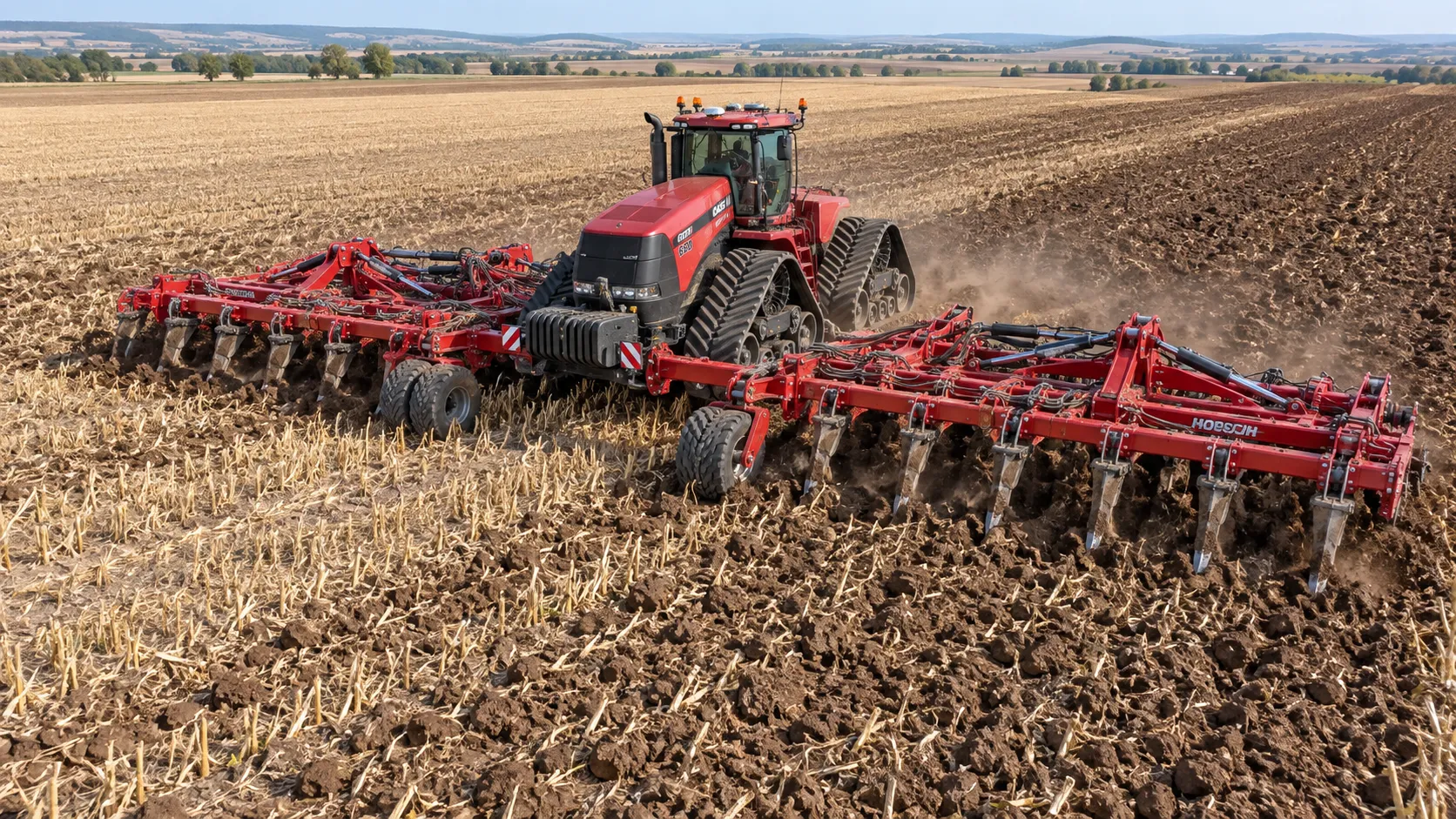
How to Select Heavy-Duty Farm Implements for High-Acreage, High-Horsepower Operations
Heavy duty farm implements: learn how to match draft, hydraulics, hitch capacity, frame strength, and field conditions for reliable high-acreage performance.
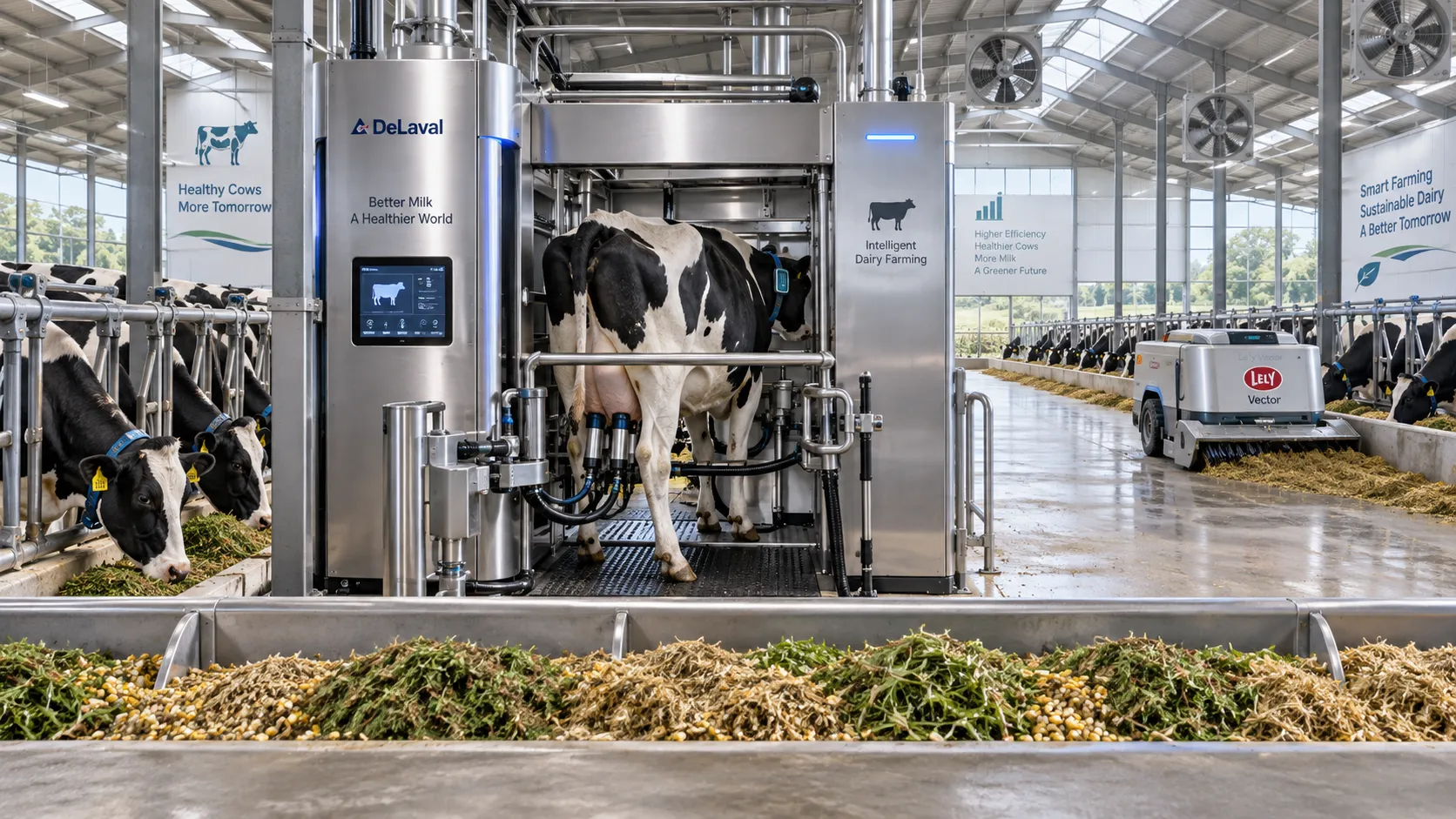
Smart Farming Technology for Dairy Farms: Where Automation Delivers Measurable ROI
Smart farming technology for dairy farms delivers measurable ROI through automation, precision feeding, health monitoring, and data-driven cost control.
Related News
- 00
0000-00
Selecting Real-Time Soil Moisture Sensors for Irrigation Zone Control - 00
0000-00
How Does Climate-Smart Farming Reduce Water Use in Semi-Arid Areas? - 00
0000-00
USDA Rule Takes Effect: Dual FCC and NRCS Approval for Soil Moisture Sensors - 00
0000-00
EU Rule Takes Effect: Soil Moisture Sensors Need Revised CE-EMC Certification - 00
0000-00
How to Choose Wireless Smart Irrigation Systems for Better Water Control
Popular Tags
Hydrological Resource Strategist
Weekly Insights
Stay ahead with our curated technology reports delivered every Monday.