
Smart Irrigation Networks: How Sensors and Pivots Cut Water Waste




Smart Irrigation Networks: How Sensors and Pivots Cut Water Waste
For large-scale agricultural upgrades, smart irrigation networks are becoming a practical lever for reducing water waste, stabilizing yields, and proving sustainability ROI.
By linking field sensors, center pivots, weather data, and control algorithms, irrigation moves from fixed schedules to responsive, evidence-based decisions.
This shift matters across Agriculture 4.0, where water-saving irrigation systems must work with machinery, crop planning, and sustainability reporting.
Foundation of Smart Irrigation Networks
Smart irrigation networks are connected systems that measure field conditions, interpret crop water demand, and control irrigation equipment with greater precision.
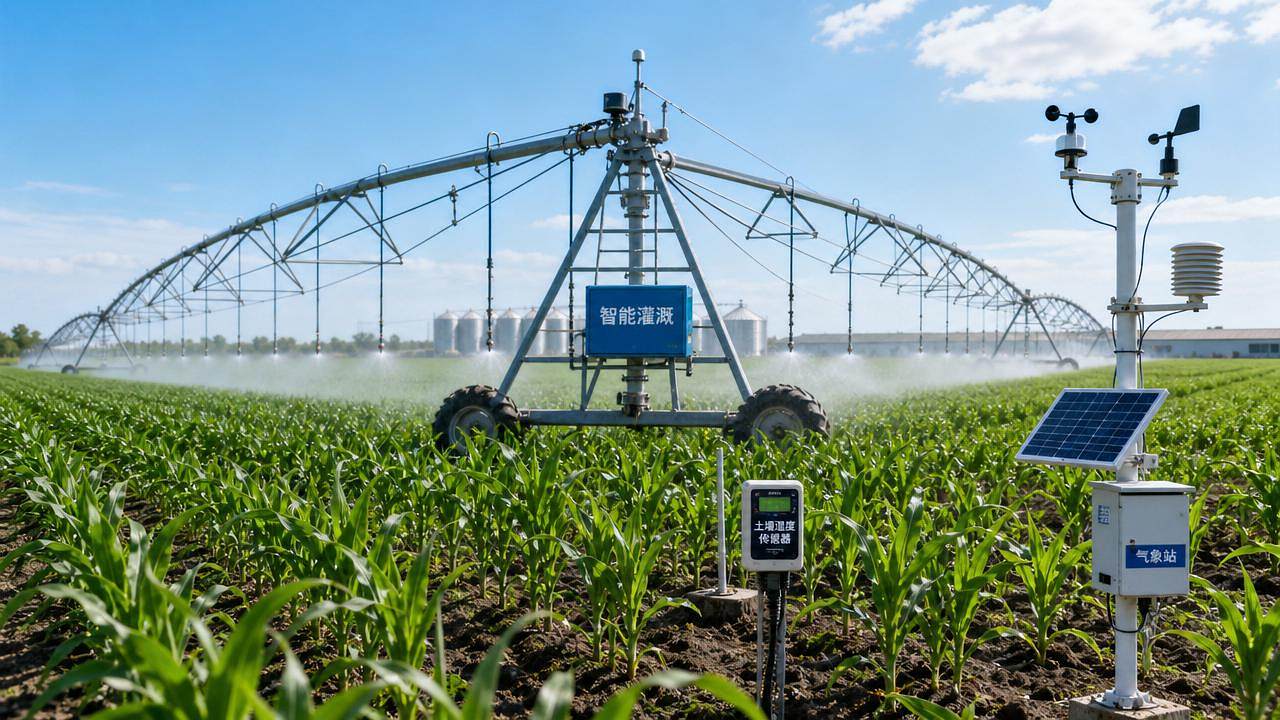
A typical network includes soil moisture probes, pressure sensors, flow meters, weather stations, pivot controllers, valves, pumps, and cloud-based dashboards.
The core purpose is simple: apply the right amount of water, at the right time, in the right field zone.
Unlike traditional irrigation, smart irrigation networks use feedback loops instead of assumptions based only on calendars or visual crop stress.
Sensors detect what is happening below the surface, while pivots translate decisions into controlled water application across large areas.
When these elements are integrated, smart irrigation networks reduce overwatering, limit runoff, and prevent energy waste from unnecessary pumping.
They also provide traceable data, which supports farm audits, environmental compliance, and investment decisions for future equipment upgrades.
Industry Signals Driving Adoption
Water scarcity, climate volatility, and rising energy costs are accelerating interest in smart irrigation networks across many agricultural regions.
The issue is no longer only water availability. It is also about reliable allocation, crop resilience, and operational accountability.
AP-Strategy observes that irrigation intelligence now sits beside tractors, harvesters, and precision tools in the wider equipment investment cycle.
These signals explain why smart irrigation networks are now evaluated as infrastructure, not just farm convenience technology.
How Sensors Improve Irrigation Decisions
Sensors are the field intelligence layer inside smart irrigation networks. They replace guesswork with continuous measurements from soil, water, and equipment.
Soil moisture sensors show how much water is available to roots at different depths. This helps avoid shallow or excessive irrigation.
Temperature, humidity, wind, and solar radiation data support evapotranspiration estimates, which clarify how quickly crops are losing water.
Pressure and flow sensors reveal whether pumps, pipes, and nozzles are performing as expected during each irrigation event.
In mature smart irrigation networks, alerts can identify blocked emitters, pressure drops, pipe leaks, or abnormal pivot movement.
This early detection protects water, reduces downtime, and prevents uneven crop development before yield loss becomes visible.
- Soil probes guide timing and depth-based irrigation strategy.
- Weather stations adjust plans around rainfall, heat, and wind.
- Flow meters expose leakage, imbalance, and delivery losses.
- Pressure sensors protect uniformity across pivot spans.
- Remote dashboards turn sensor readings into field actions.
The value is strongest when sensor data is calibrated, interpreted locally, and connected directly to irrigation control logic.
Why Center Pivots Fit Connected Irrigation
Center pivots are well suited to smart irrigation networks because they cover large fields with repeatable, mechanized water application.
Modern pivots can be fitted with variable rate irrigation, GPS positioning, remote control panels, and nozzle packages matched to soil zones.
This makes them powerful execution tools for sensor-based decisions, especially in broadacre grains, forage crops, and large commercial farms.
Instead of applying one uniform depth everywhere, pivot systems can adjust speed or flow according to field prescriptions.
Low areas, sandy soils, compacted zones, and high-yield sections can each receive different treatment within smart irrigation networks.
The result is not only water savings. It is better crop uniformity and improved use of fertilizers carried through irrigation water.
Pivot telemetry also supports remote supervision, reducing unnecessary field visits and improving response when faults occur.
Business Value of Smart Irrigation Networks
The business case for smart irrigation networks combines water savings, energy efficiency, yield stability, and better equipment utilization.
Water savings come from avoiding irrigation when soil reserves are already sufficient or when rainfall is likely.
Energy savings follow naturally, because pumps run fewer hours and operate closer to planned pressure and flow conditions.
Yield protection comes from reducing both water stress and waterlogging, two problems often caused by poorly timed irrigation.
Smart irrigation networks also improve planning visibility. Irrigation events can be coordinated with spraying, harvesting, and machinery traffic.
For sustainability programs, recorded water use can support compliance evidence, carbon discussions, and responsible sourcing requirements.
These gains are most durable when smart irrigation networks are designed around agronomy, not only hardware installation.
Typical Application Scenarios
Smart irrigation networks can be adapted to different crops, water sources, field sizes, and operating models.
The design should reflect the crop’s rooting depth, economic value, local climate, and available irrigation infrastructure.
In each case, smart irrigation networks should connect field variability with practical control actions that equipment can execute reliably.
Integration with Agriculture 4.0 Infrastructure
Smart irrigation networks are strongest when connected to broader farm data ecosystems, including machinery telemetry and crop management platforms.
Satellite imagery can identify crop stress patterns. Yield maps can reveal zones where water response is consistently higher or lower.
Tractor guidance data, soil surveys, and harvest results can refine irrigation zones over multiple seasons.
This creates a strategic feedback loop between irrigation, mechanization, and agronomic planning.
AP-Strategy frames this convergence as a key pillar of food security, alongside combine harvesting and intelligent farm tools.
The goal is not data collection for its own sake. The goal is better field decisions with measurable operational outcomes.
When dashboards become too complex, smart irrigation networks risk being underused. Clear alerts and simple priorities are essential.
Implementation Priorities and Risk Control
Successful smart irrigation networks start with a field audit before sensors, software, or pivot upgrades are selected.
The audit should map water sources, pumping capacity, pipeline condition, pressure variation, soil zones, crop plans, and connectivity limits.
Poor installation can distort data. Soil sensors must be placed at representative depths and locations, not only convenient access points.
Calibration is equally important. Without local validation, sensor values may look precise while supporting weak irrigation decisions.
- Start with fields where water waste is visible or costly.
- Define water-saving and yield-stability targets before deployment.
- Choose sensors compatible with soil type and crop rooting depth.
- Check pivot uniformity before adding advanced controls.
- Train operators to interpret alerts and override safely.
- Review irrigation records after each major growth stage.
Cybersecurity also deserves attention, especially when smart irrigation networks connect pumps, remote controllers, and cloud platforms.
Access permissions, backup controls, and manual operating procedures should be documented before full automation begins.
Metrics That Prove Water-Saving Performance
Performance measurement keeps smart irrigation networks aligned with business and sustainability goals.
Useful metrics include water applied per hectare, energy used per irrigation event, crop yield per unit of water, and system downtime.
Uniformity tests remain valuable, because even advanced control cannot compensate for damaged nozzles or poor pressure balance.
Seasonal comparison should account for rainfall, crop type, planting date, and heat stress, not just total water use.
A practical scorecard can link irrigation performance with operating costs and agronomic results.
- Water productivity: yield divided by total water supplied.
- Application efficiency: useful root-zone water versus applied water.
- Pump efficiency: energy consumed per delivered water volume.
- Response time: delay between alert and field correction.
- Downtime rate: hours lost from equipment or connectivity failures.
These indicators help separate genuine efficiency gains from short-term water cuts that may harm crop performance.
Practical Next Steps for Deployment
A phased approach lowers risk when building smart irrigation networks across multiple fields or farms.
Begin with one representative pivot or irrigated block, then test sensor placement, dashboard usability, and control response.
After one season, compare water use, energy cost, crop uniformity, and operating workload against the baseline.
If results are strong, extend smart irrigation networks to fields with similar soil, crop, and equipment conditions.
For long-term value, keep improving prescriptions with yield maps, weather history, and maintenance records.
AP-Strategy’s intelligence perspective supports this structured pathway by connecting irrigation technology with equipment economics and sustainability priorities.
Smart irrigation networks are not only a conservation tool. They are an operating system for resilient, data-driven cultivation.
The immediate action is clear: audit field variability, verify pivot performance, install trusted sensors, and track water productivity from the first season.
Related News
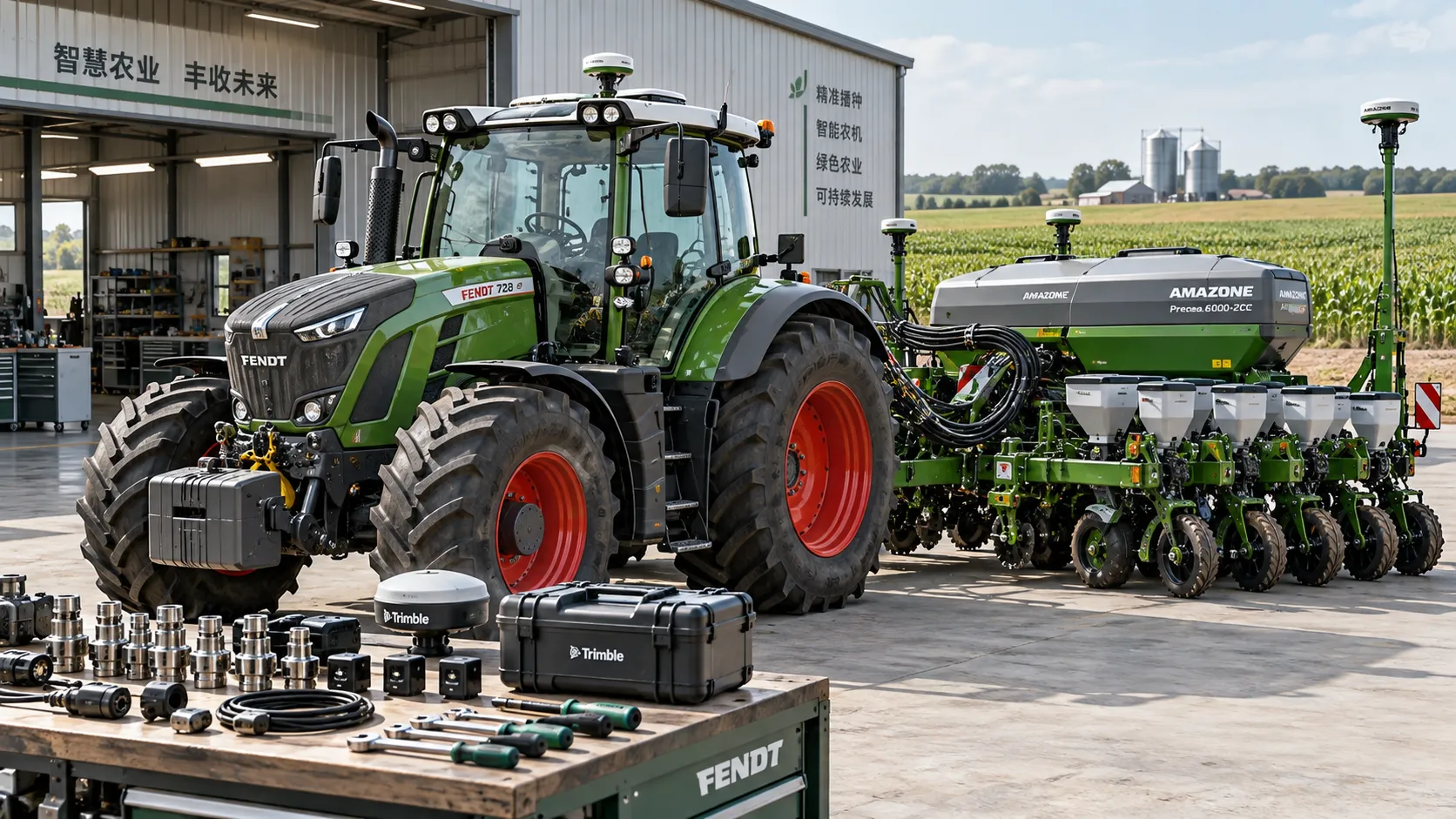
Choosing an Agriculture 4.0 Supplier: Compatibility, Support, and Total Cost
Choose an Agriculture 4.0 supplier with confidence. Learn how to verify compatibility, assess support, and compare total ownership costs to avoid hidden fees and costly downtime.
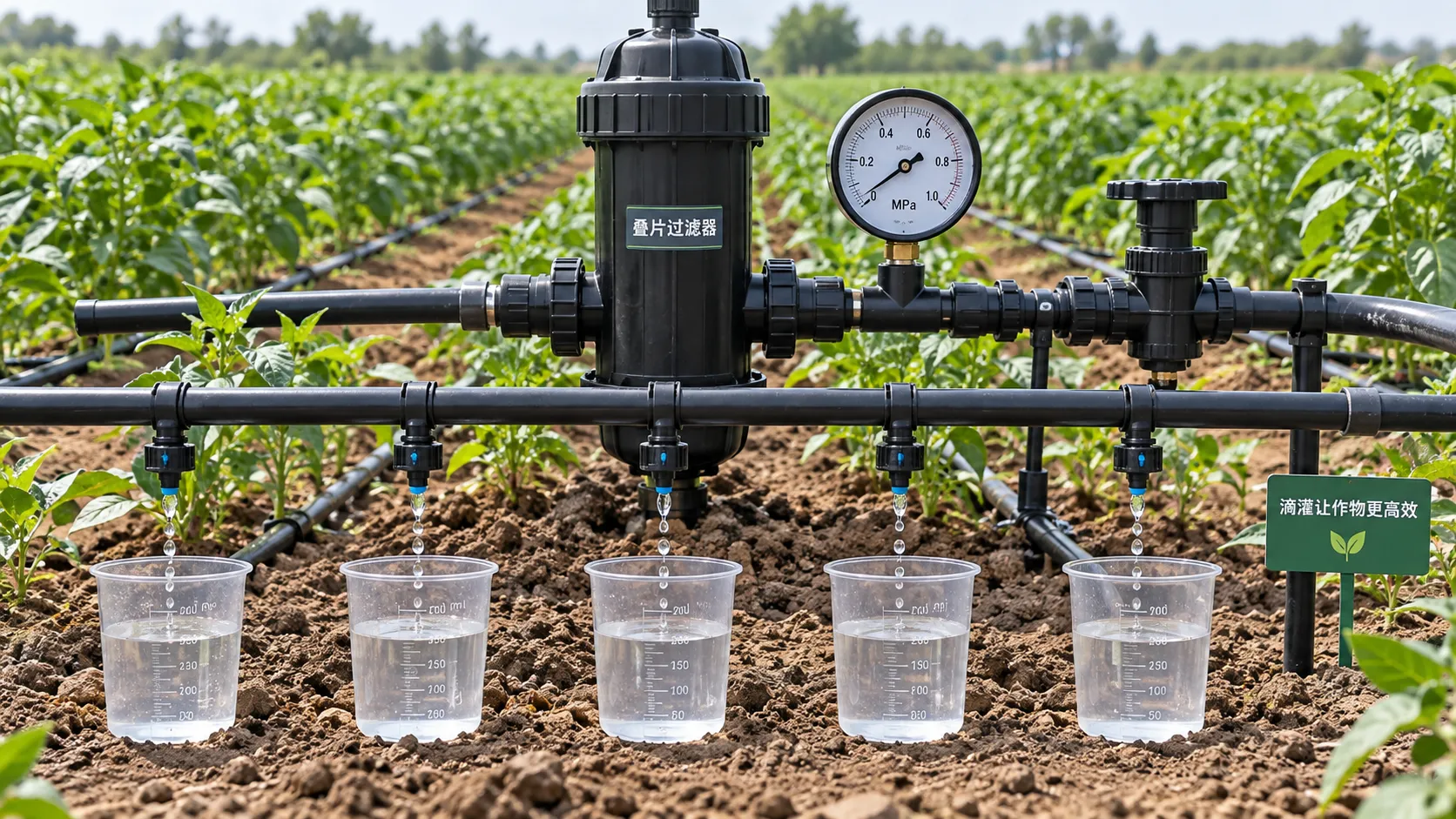
Low-Pressure Drip Irrigation: How to Fix Uneven Watering Without Raising Pressure
Optimize low pressure water-saving irrigation systems: discover how to fix uneven watering, clear blockages, and reduce hydraulic losses without raising supply pressure.
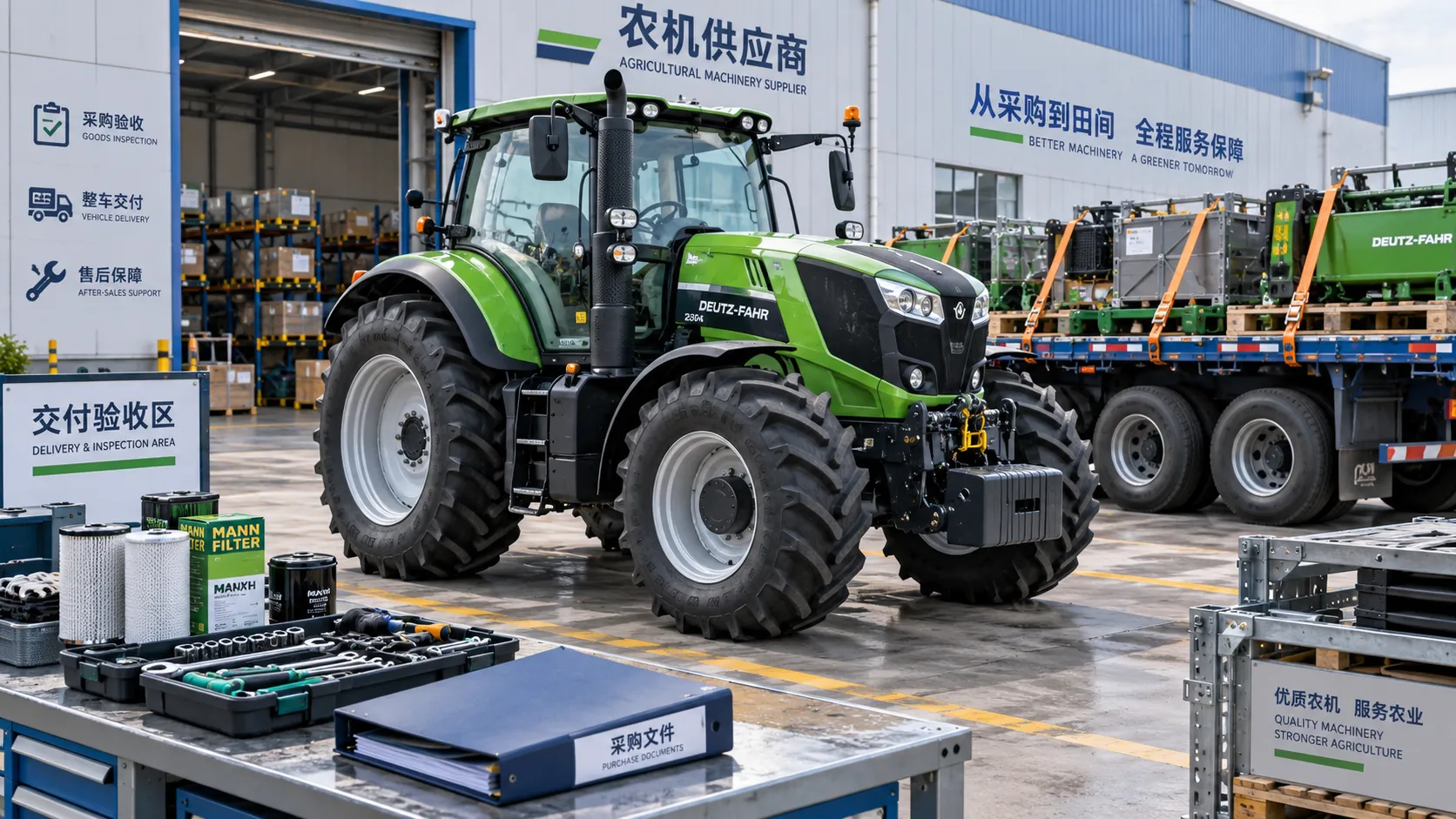
Comparing Farm Equipment Supplier Quotes: Price, Freight, and Warranty
Simplify supplier comparison for farm equipment price: assess freight, field-ready costs, and warranty coverage. Learn how to avoid hidden charges and choose a reliable supplier.
Choosing a Digital Farming Platform Provider: Compatibility and Data Ownership
Compare digital farming platforms providers on equipment compatibility, data ownership, and export rights. Discover practical checks to avoid lock-in and choose with confidence.
How Large-Scale Farm Telematics Cuts Downtime Across Mixed Fleets
Large-scale farm equipment telematics cuts mixed-fleet downtime with real-time alerts, smarter maintenance, and stronger operational control. Learn how to protect critical farm workflows.
How to Size Low-Pressure Water-Saving Irrigation Systems for Uneven Fields
Low pressure water-saving irrigation systems for uneven fields: learn zoning, pressure mapping, pipe sizing, and pump selection to improve uniformity and reduce water waste.
Farm Machinery Sourcing: How to Vet Suppliers, Specs, and Lifecycle Costs
Farm machinery information for sourcing: learn to vet suppliers, compare specifications, control lifecycle costs, and secure reliable uptime for smarter equipment purchases.
How telemetry for agriculture helps identify equipment downtime
Telemetry for agriculture helps detect early warning signs, prioritize maintenance, and reduce costly equipment downtime before field operations are disrupted.
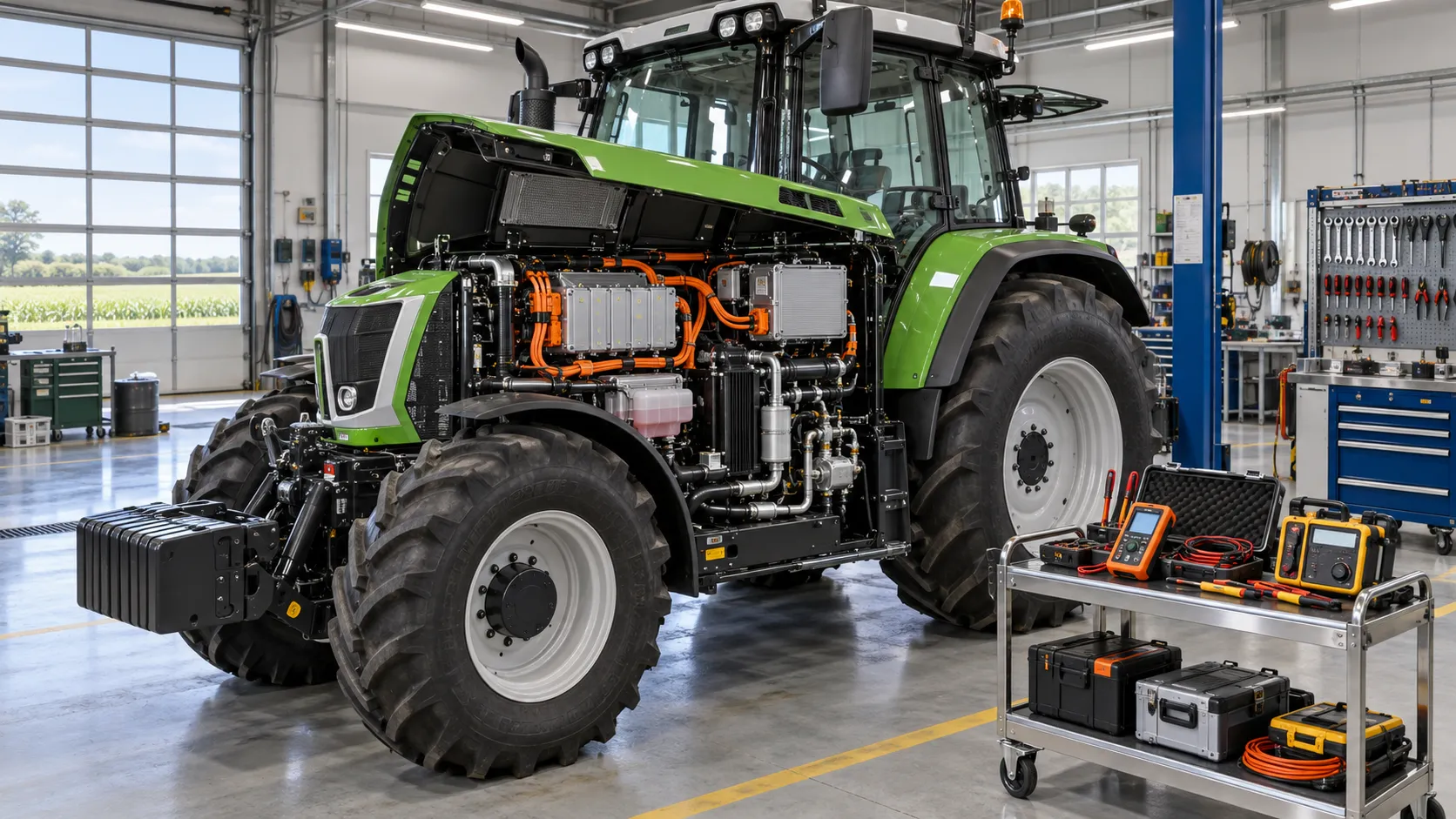
What maintenance challenges come with hybrid agricultural machines?
Hybrid agricultural machines demand smarter maintenance. Discover key challenges in high-voltage safety, batteries, software diagnostics, cooling, and parts planning.
Related News
- 00
0000-00
Orchard Water Management: Using Soil Moisture Data to Schedule Irrigation - 00
0000-00
Climate-Smart Farming for Drought: A Practical Plan for Protecting Yields - 00
0000-00
Selecting Real-Time Soil Moisture Sensors for Irrigation Zone Control - 00
0000-00
How Does Climate-Smart Farming Reduce Water Use in Semi-Arid Areas? - 00
0000-00
USDA Rule Takes Effect: Dual FCC and NRCS Approval for Soil Moisture Sensors
Popular Tags
Hydrological Resource Strategist
Weekly Insights
Stay ahead with our curated technology reports delivered every Monday.