
China Import Rule Affects Soil Moisture Sensors
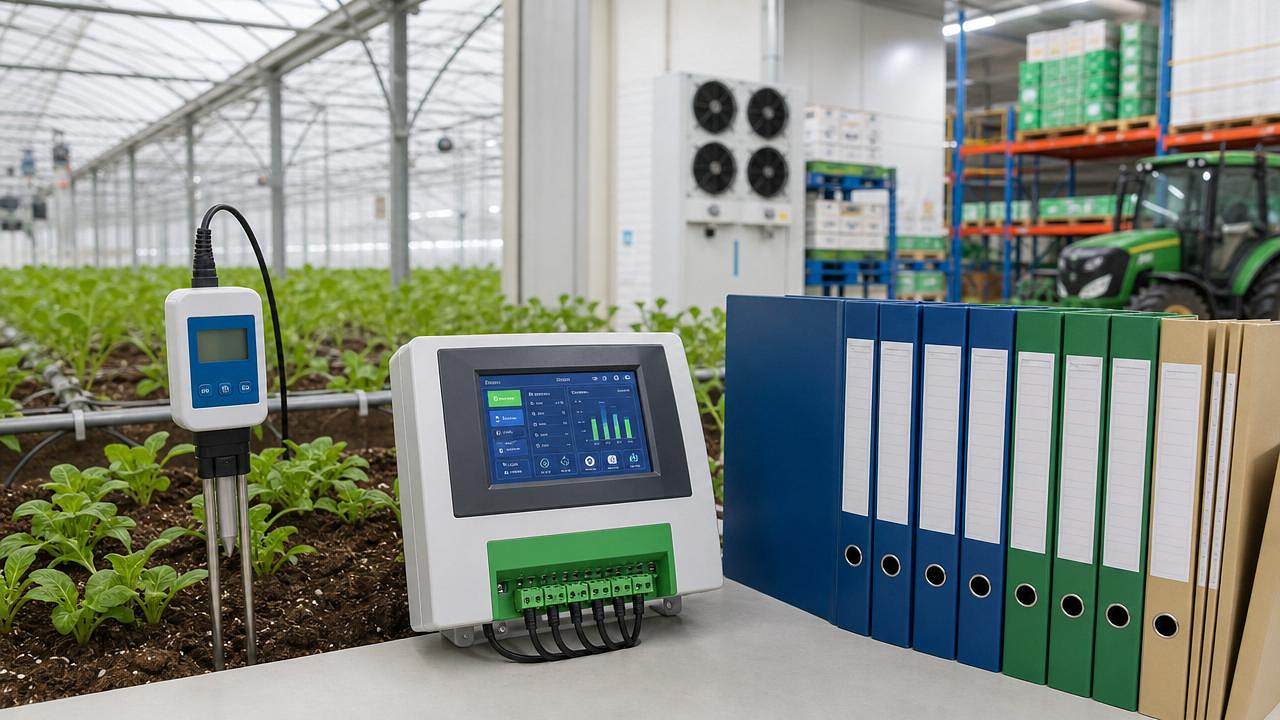




Image Distribution Plan
No image placeholders are scheduled for this article because the required image placeholder count is zero.
On June 1, 2026, a new China customs rule for overseas manufacturers of imported food takes effect, extending compliance attention beyond high-risk food categories to supporting cold storage and data collection terminals. The change may also affect some smart irrigation systems exported to China, including Soil Moisture Sensors, when they form part of a closed-loop monitoring and irrigation control system connected directly to domestic agricultural management platforms.
Confirmed Regulatory Scope and Trigger Conditions
According to the provided event summary, General Administration of Customs Order No. 280 takes effect on June 1, 2026. The rule applies classified registration management to 20 high-risk food categories, including meat and dairy products.
The summary also states that supporting cold storage facilities and data collection terminals are included within the regulatory scope. In addition, some smart irrigation systems exported to China, including Soil Moisture Sensors, may be required to submit supplementary network security classified protection filing materials by reference to agricultural Internet of Things data collection equipment.
This additional requirement is described as applying when the system integrates a closed-loop module covering soil moisture status, crop water demand, and irrigation instructions, and when its data are directly connected to domestic agricultural management platforms. If the supplementary filing is not provided where required, the import permit for the complete equipment may be affected.
How the Rule May Reshape Industry Workflows
Direct trade companies face broader import documentation checks
Direct trade companies may be affected because the import review is not limited to food products themselves. Where a shipment involves intelligent agricultural equipment or monitoring terminals linked to regulated food production, traders may need to confirm whether the product configuration falls within the data collection equipment reference scope.
The impact is most likely to appear in import permit preparation, customs documentation, product description review, and coordination with overseas suppliers. Companies should pay closer attention to whether Soil Moisture Sensors are sold as standalone components or as part of a closed-loop smart irrigation system connected to a domestic platform.
Raw material procurement companies need clearer supplier compliance screening
Raw material procurement companies in food-related supply chains may be affected when their procurement activities involve upstream production monitoring, cold storage, or data acquisition systems. Although the confirmed rule concerns imported food enterprise registration and related equipment supervision, procurement teams may need to verify whether supporting equipment used by suppliers introduces additional compliance documentation needs.
Key business links include supplier onboarding, purchase specifications, equipment sourcing requirements, and contract clauses covering data transmission and compliance responsibility. The main change to watch is whether suppliers can provide documentation for equipment that collects or transmits agricultural production data.
Processing manufacturers may need to align equipment and traceability systems
Processing manufacturers may be affected because the rule places attention on supporting cold storage and data collection terminals. Where manufacturers rely on imported monitoring systems, cold-chain data terminals, or smart irrigation systems linked to crop production and traceability, the equipment compliance status may influence production planning and import timing.
The impact may appear in equipment selection, technical specification review, production data integration, and quality traceability workflows. Manufacturers should distinguish between ordinary sensing hardware and systems that integrate soil moisture, crop water demand, irrigation commands, and direct platform connectivity.
Supply-chain service providers must track both logistics and data compliance
Supply-chain service providers, including logistics coordinators, customs service providers, and technical documentation support teams, may be affected because the rule links import permission with registration and filing documentation. Their role may expand from shipment coordination to checking whether the product package includes regulated data collection terminals or platform-connected modules.
Relevant business links include pre-shipment document review, customs declaration support, cold-chain service coordination, after-sales traceability documentation, and communication between overseas manufacturers and domestic importers. Service providers should monitor whether implementation practice requires additional proof for network security classified protection filing in specific product configurations.
Compliance Actions Companies Should Review Now
Map whether the system is only sensing or fully closed-loop
Companies should first identify whether the exported product is a standalone Soil Moisture Sensor, a monitoring terminal, or a complete smart irrigation system. The provided summary highlights a specific trigger: integration of soil moisture status, crop water demand, and irrigation instructions into a closed-loop module, together with direct connection to domestic agricultural management platforms.
This distinction matters because a simple hardware component and a platform-connected data acquisition system may face different documentation expectations. Product descriptions, user manuals, and import declarations should therefore avoid ambiguity.
Prepare documentation for network security filing where applicable
Where the trigger conditions apply, companies should review whether supplementary network security classified protection filing materials are required by reference to agricultural Internet of Things data collection equipment. The provided event summary indicates that failure to submit such materials may affect the import permit for the complete equipment.
Practical preparation may include collecting technical architecture documents, data transmission descriptions, platform connection explanations, and system boundary information. These materials should be consistent across customs documents, technical files, sales contracts, and after-sales service documents.
Recheck tender specifications and technical bid alignment
For projects involving smart irrigation, agricultural monitoring, cold storage, or food supply-chain data systems, companies should review tender documents and technical specifications against the new compliance context. If a tender requires direct data connection to a domestic agricultural management platform, the compliance burden may be higher than for equipment that operates locally without direct platform integration.
Technical bid alignment should therefore include product function boundaries, data collection scope, cybersecurity filing responsibility, and import permit dependencies. This can reduce the risk of winning a project but failing to complete import procedures on schedule.
Build import timing into procurement and delivery plans
Because the rule takes effect on June 1, 2026, companies should consider the compliance review timeline when arranging procurement, shipping, and installation. This is especially relevant for complete systems that combine sensors, controllers, software modules, and platform connectivity.
Procurement teams should verify supplier qualifications, confirm whether the product is within the affected configuration, and reserve time for supplementary filing if needed. After-sales teams should also maintain traceable records for equipment configuration, software versions, and data connection changes.
Industry Reading: A Shift From Product Entry to Data-System Oversight
From an industry perspective, this event is more appropriate to understand as a compliance boundary expansion rather than a rule aimed only at one product category. The confirmed information starts from imported food enterprise registration, but the impact extends to supporting cold storage and data collection terminals when they are part of regulated food and agricultural management workflows.
Analysis shows that Soil Moisture Sensors may attract additional scrutiny not because of the sensor element alone, but because of how the system is configured and connected. A sensor embedded in a closed-loop irrigation system with direct platform data transmission may be treated differently from a non-networked component.
What deserves closer attention is the possible convergence of food import regulation, agricultural Internet of Things equipment management, and network security filing requirements. This does not mean every smart irrigation product will face the same process, but it suggests that product architecture, data flow, and platform connectivity may become more important in import compliance assessment.
Observably, manufacturers with stronger technical documentation, clearer system boundary definitions, and better supplier qualification management may be better positioned to respond. However, the exact implementation approach still needs to be verified through follow-up guidance and actual regulatory practice.
A Measured Conclusion for Market Participants
The June 1, 2026 implementation of General Administration of Customs Order No. 280 introduces a compliance development that food importers, agricultural technology suppliers, and smart irrigation equipment exporters should not overlook. The confirmed impact centers on classified registration for 20 high-risk food categories, supervision of supporting cold storage and data collection terminals, and possible supplementary network security filing for certain platform-connected smart irrigation systems.
The industry significance lies in the closer link between physical imported equipment and data compliance. Companies should respond with careful product classification, documentation review, supplier coordination, and realistic delivery planning. At the same time, the effect should not be overstated: the key issue is whether the specific system configuration meets the stated trigger conditions.
Information Basis and Items to Monitor
This article is based on the user-provided news title, event date, and event summary. Specific official source links were not provided in the input and should be verified continuously.
For this type of regulatory development, companies should continue monitoring official customs notices, implementation guidance, registration and filing requirements, certification execution practices, changes in tender documents, and industry feedback. Further attention should also be given to how authorities interpret agricultural Internet of Things data collection equipment, how network security classified protection filing is reviewed, and how import permit procedures are applied to complete smart irrigation systems.
Related News
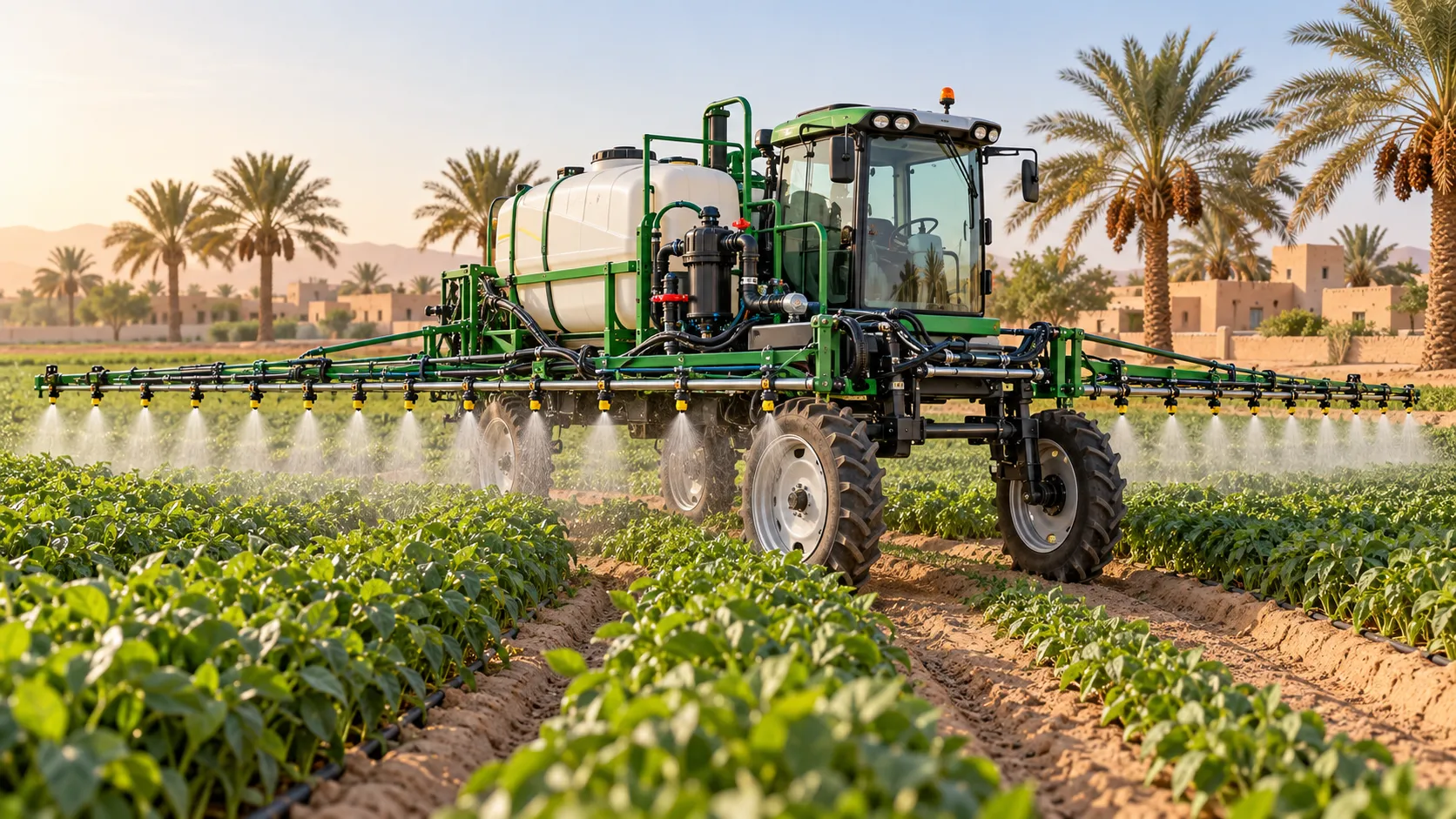
Choosing Crop Protection Equipment for Hot, Windy Middle Eastern Farms
Compare crop protection equipment Middle East farms need for hot, windy conditions. Discover key nozzle, drift-control, and durability checks to choose the right sprayer.
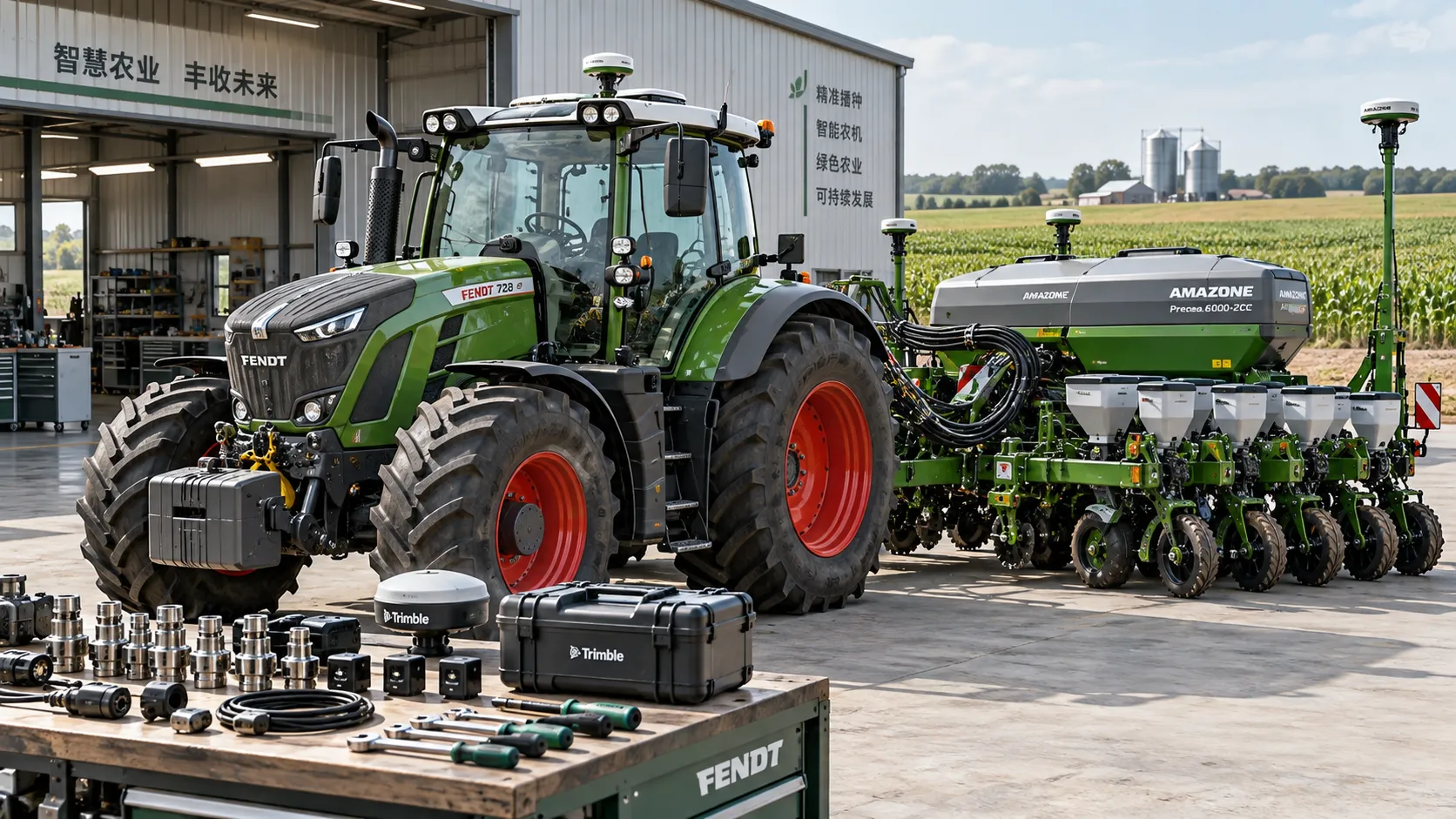
Choosing an Agriculture 4.0 Supplier: Compatibility, Support, and Total Cost
Choose an Agriculture 4.0 supplier with confidence. Learn how to verify compatibility, assess support, and compare total ownership costs to avoid hidden fees and costly downtime.
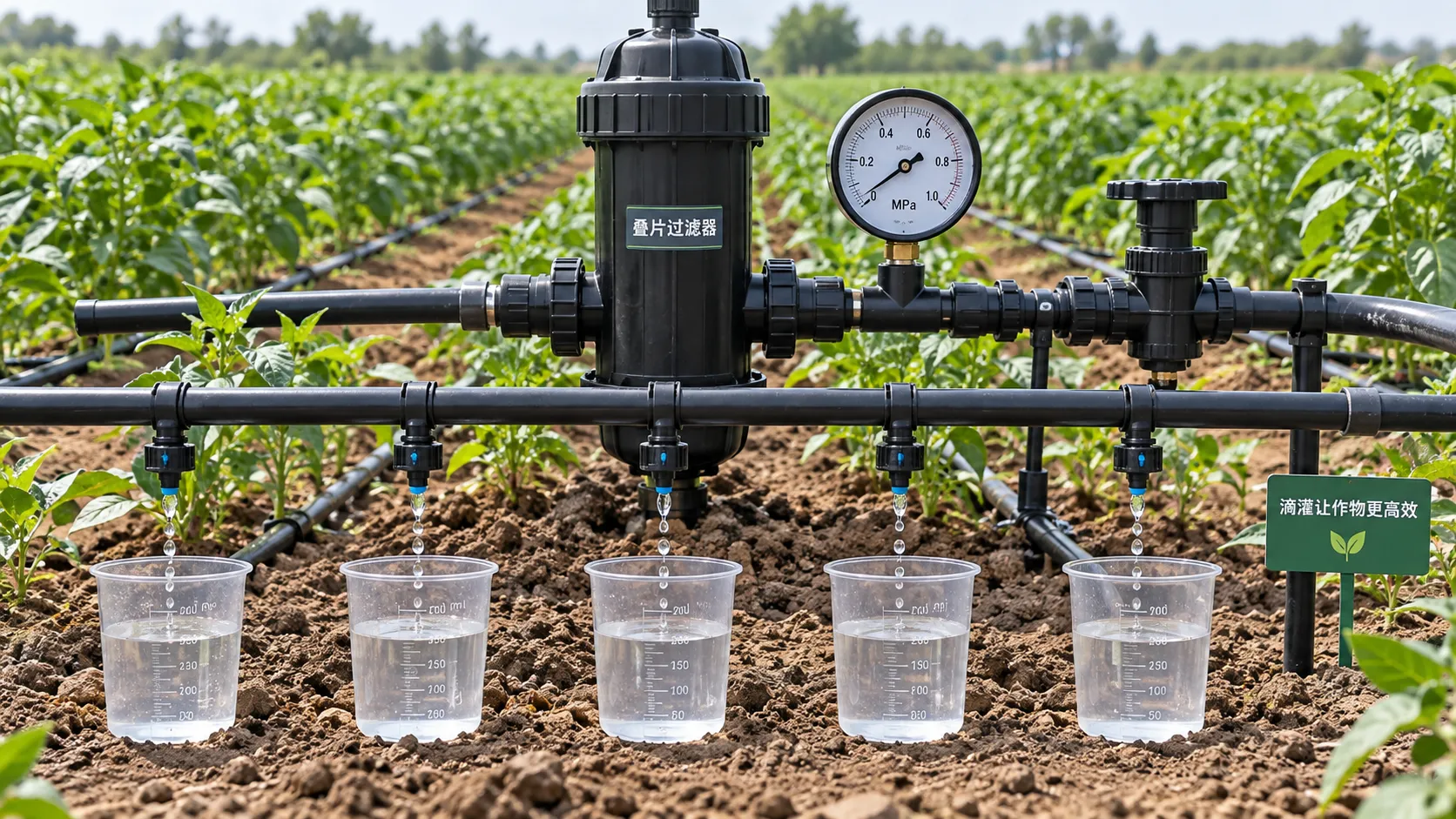
Low-Pressure Drip Irrigation: How to Fix Uneven Watering Without Raising Pressure
Optimize low pressure water-saving irrigation systems: discover how to fix uneven watering, clear blockages, and reduce hydraulic losses without raising supply pressure.
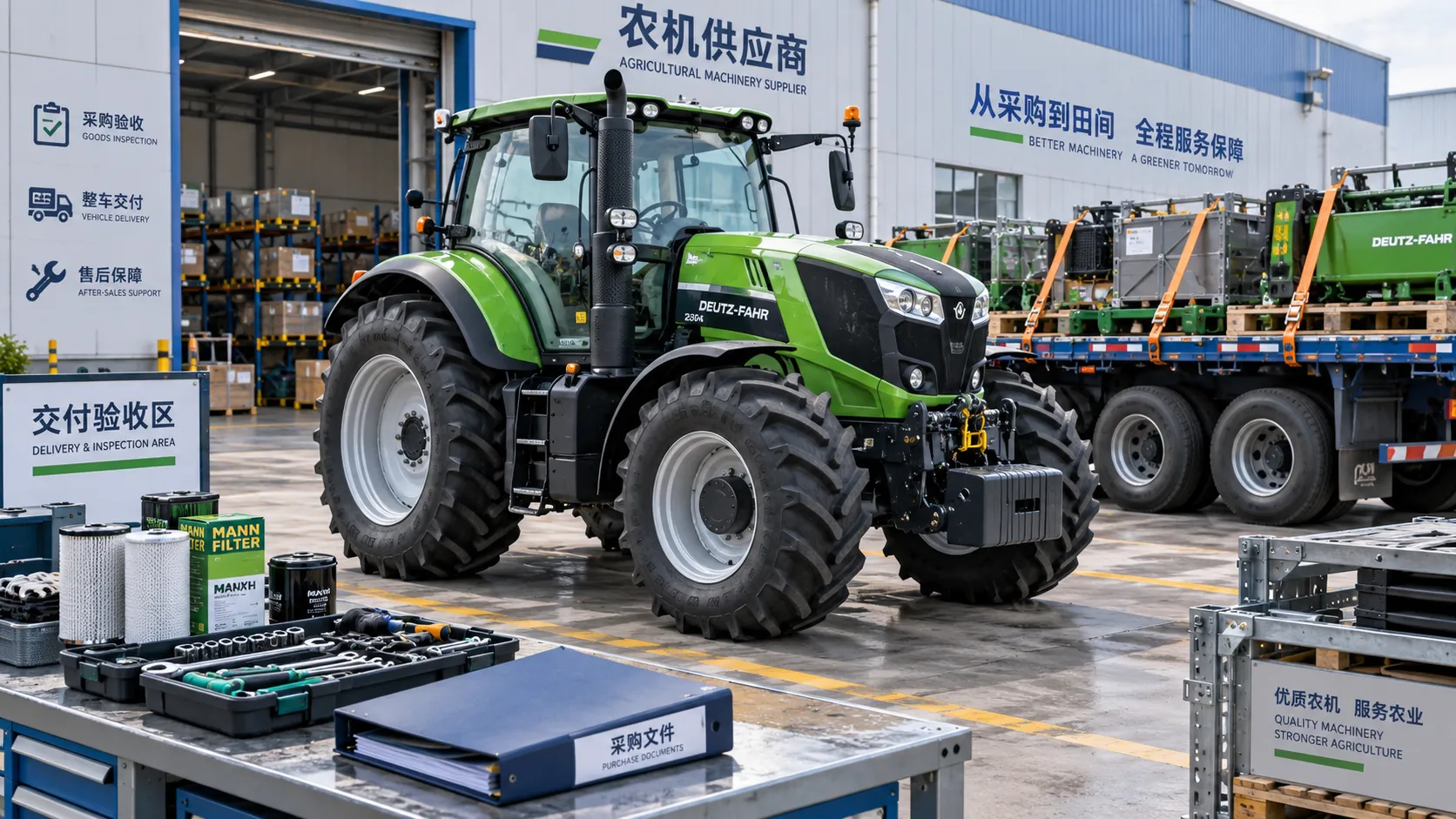
Comparing Farm Equipment Supplier Quotes: Price, Freight, and Warranty
Simplify supplier comparison for farm equipment price: assess freight, field-ready costs, and warranty coverage. Learn how to avoid hidden charges and choose a reliable supplier.
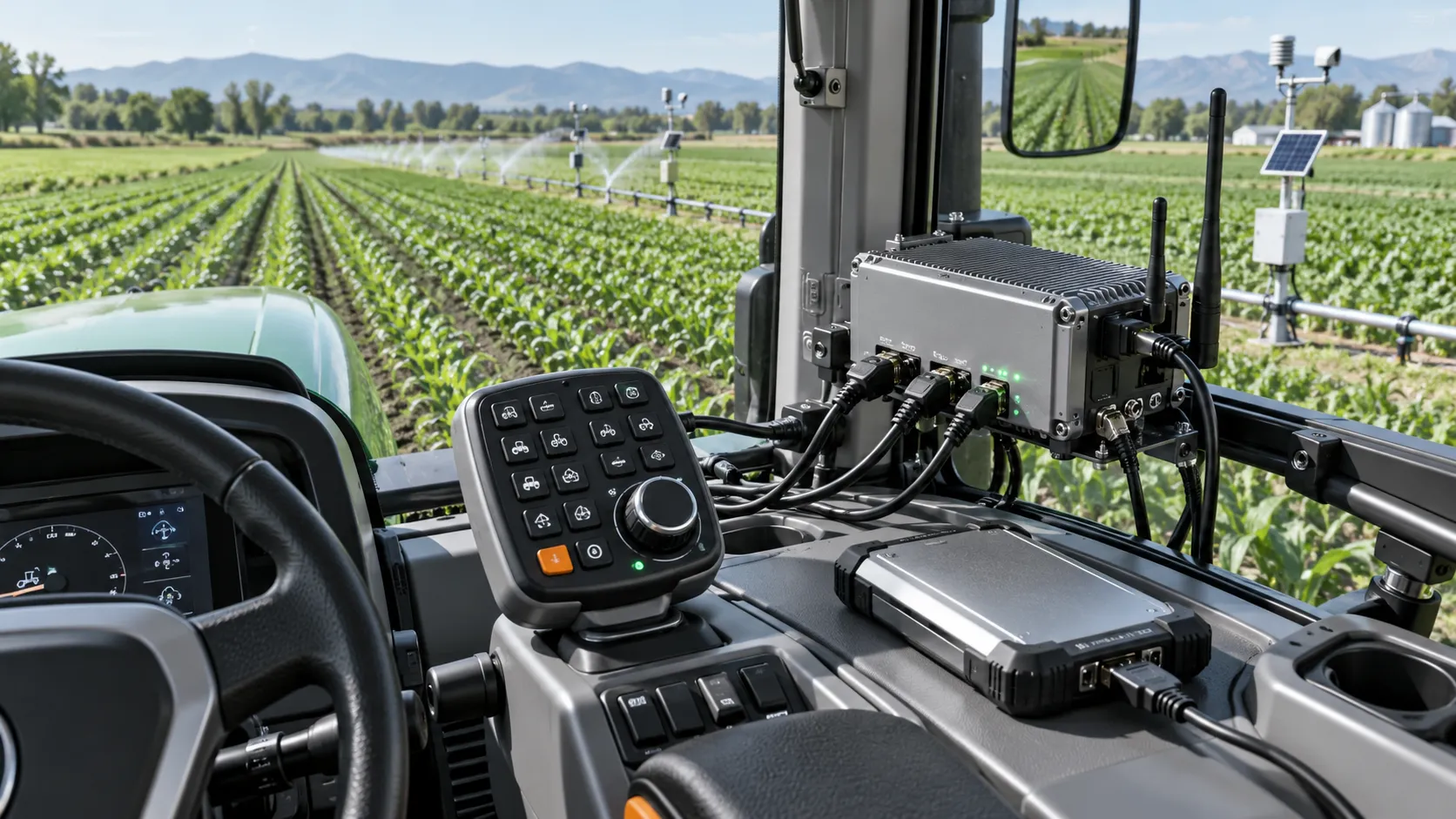
Choosing a Digital Farming Platform Provider: Compatibility and Data Ownership
Compare digital farming platforms providers on equipment compatibility, data ownership, and export rights. Discover practical checks to avoid lock-in and choose with confidence.
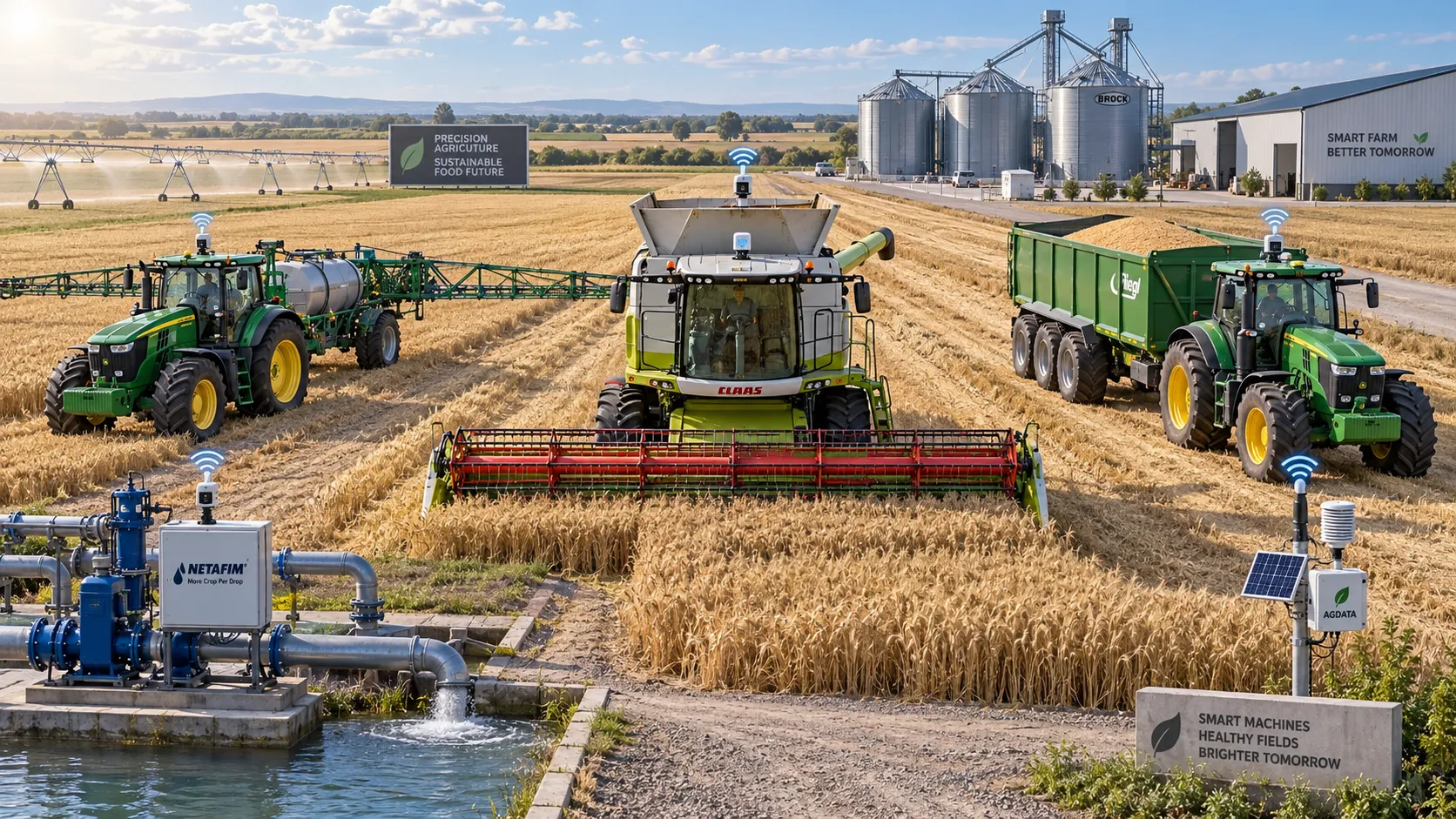
How Large-Scale Farm Telematics Cuts Downtime Across Mixed Fleets
Large-scale farm equipment telematics cuts mixed-fleet downtime with real-time alerts, smarter maintenance, and stronger operational control. Learn how to protect critical farm workflows.
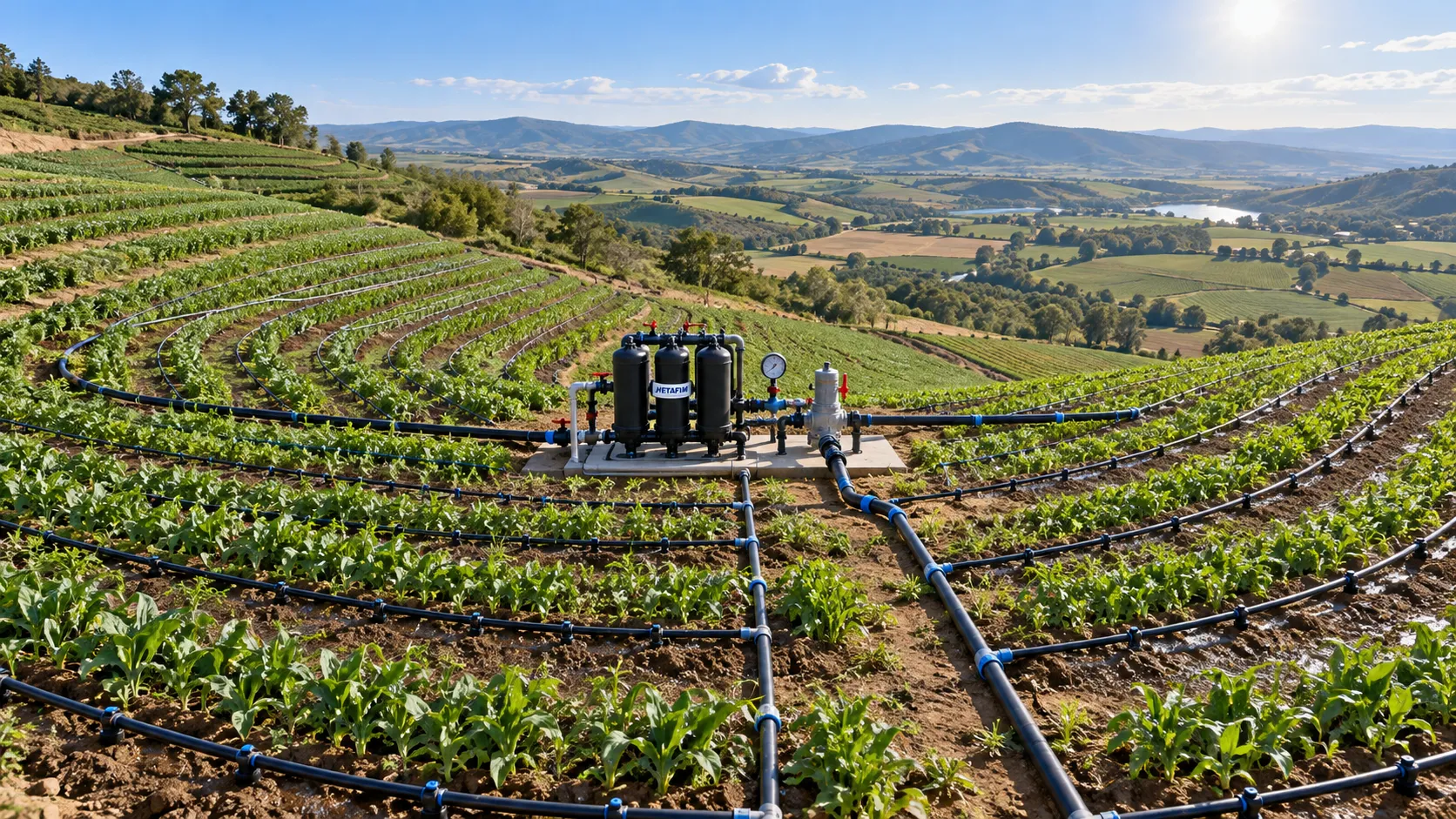
How to Size Low-Pressure Water-Saving Irrigation Systems for Uneven Fields
Low pressure water-saving irrigation systems for uneven fields: learn zoning, pressure mapping, pipe sizing, and pump selection to improve uniformity and reduce water waste.
Farm Machinery Sourcing: How to Vet Suppliers, Specs, and Lifecycle Costs
Farm machinery information for sourcing: learn to vet suppliers, compare specifications, control lifecycle costs, and secure reliable uptime for smarter equipment purchases.
How telemetry for agriculture helps identify equipment downtime
Telemetry for agriculture helps detect early warning signs, prioritize maintenance, and reduce costly equipment downtime before field operations are disrupted.
Related News
- 00
0000-00
Orchard Water Management: Using Soil Moisture Data to Schedule Irrigation - 00
0000-00
Climate-Smart Farming for Drought: A Practical Plan for Protecting Yields - 00
0000-00
Selecting Real-Time Soil Moisture Sensors for Irrigation Zone Control - 00
0000-00
How Does Climate-Smart Farming Reduce Water Use in Semi-Arid Areas? - 00
0000-00
USDA Rule Takes Effect: Dual FCC and NRCS Approval for Soil Moisture Sensors
Popular Tags
Hydrological Resource Strategist
Weekly Insights
Stay ahead with our curated technology reports delivered every Monday.