
Guangdong-Hong Kong Standards Pact Affects Smart Irrigation





On June 2, 2026, Hong Kong’s Development Bureau and Guangdong Province signed a memorandum of cooperation on mutual recognition of engineering construction standards. The first batch covers smart irrigation pipeline design, soil sensor installation specifications, and remote control interface protocols. For the smart irrigation system, agricultural infrastructure, and cross-border equipment delivery sectors, this matters because it directly relates to local acceptance timelines, repeat testing costs, and the practical conditions for moving imported smart irrigation equipment across projects in the Guangdong-Hong Kong-Macao Greater Bay Area.
Event Overview
According to the disclosed information, the cooperation memorandum was signed on June 2, 2026, by Hong Kong’s Development Bureau and Guangdong Province. The initial scope of mutual recognition covers three technical areas: smart irrigation pipe network design, installation specifications for soil sensors, and remote control interface protocols.
The public summary also states that this move is expected to shorten the local acceptance cycle for imported smart irrigation equipment used in agricultural infrastructure projects in the Guangdong-Hong Kong-Macao Greater Bay Area, reduce the cost of repeated testing, and provide a reusable example of “China-international dual-standard alignment” for buyers in Southeast Asia and the Middle East.
At the current stage, these are the confirmed points disclosed in the event summary. No further implementation details, timelines, or additional covered categories have been confirmed in the provided information.
Which Industry Segments Are Affected
Smart irrigation equipment traders and cross-border delivery firms
These businesses are directly affected because the memorandum specifically touches the standards that influence whether imported smart irrigation systems can move through local project acceptance more efficiently. The main impact is likely to appear in cross-border delivery coordination, project documentation preparation, and acceptance-related communication between suppliers and project owners.
From an industry perspective, the practical significance is not only faster movement of goods, but potentially smoother handover at the project stage if technical documents and interfaces align with mutually recognized standards.
Manufacturers of irrigation pipeline systems, soil sensors, and control components
Manufacturers are affected because the first batch of recognized areas maps closely to product design and installation requirements. Smart irrigation pipeline design affects system layout and engineering compatibility; soil sensor installation specifications affect field deployment standards; and remote control interface protocols influence system connectivity and interoperability.
Analysis shows that the impact is most visible in product compliance preparation, technical file organization, and the need to check whether existing product specifications match the newly recognized standards framework used in cross-border projects.
Agricultural infrastructure project contractors and engineering service providers
Engineering contractors and service providers are affected because acceptance cycles and repeat testing costs are core project execution issues. If local acceptance can be shortened, project scheduling, commissioning plans, and handover workflows may become easier to manage in relevant Greater Bay Area projects.
Current more worth noting is that the value for this segment lies less in headline policy language and more in whether engineering teams can use the recognized standards to reduce rework, duplicate review, or repeated on-site verification during delivery.
Procurement teams serving Southeast Asia and Middle East buyers
The event summary explicitly mentions buyers in Southeast Asia and the Middle East. That means procurement intermediaries, sourcing teams, and exporters serving those markets should pay attention to how this case may be used as a reference model in future tender communication or technical qualification discussions.
Observably, the impact here is not that external market rules have already changed, but that a practical example of aligning Chinese and international-facing standards is being highlighted. This may influence how suppliers present compliance readiness in cross-border procurement discussions.
What Companies and Practitioners Should Watch and How to Respond
Track official follow-up language and implementation scope
Companies should closely monitor future official statements on how the memorandum will be implemented, especially whether more categories of smart agricultural infrastructure equipment will be added beyond pipeline design, soil sensors, and remote control interfaces. This matters because actual business impact depends on operational rules, not only on the initial signing.
Review technical documents against the three confirmed covered areas
Manufacturers, traders, and engineering teams should start by checking product drawings, installation manuals, interface descriptions, and acceptance files against the three areas already disclosed. More suitable to understand this as a document-readiness issue first: firms that can map their products and systems clearly to the covered standards areas may be better positioned when project-level acceptance requirements are clarified.
Separate policy signal from project-level execution
Businesses should avoid assuming that every cross-border project will immediately benefit in the same way. Analysis shows that the memorandum is an important coordination signal, but actual savings in time and repeat testing will depend on how project owners, acceptance bodies, and contractors apply the recognized standards in practice.
For this reason, sales, compliance, and project delivery teams should prepare internal checklists that distinguish between confirmed policy content and project-specific acceptance requirements.
Prepare cross-border communication and supply chain contingencies
Firms involved in Greater Bay Area delivery should be ready to adjust timelines, supplier communication, and testing arrangements if local acceptance processes begin to change. Current more worth noting is that even a reduction in duplicate testing can affect planning for shipments, field installation scheduling, and technical support deployment.
For teams serving Southeast Asia or Middle East buyers, it is practical to organize existing compliance materials in a way that shows how products relate to both Chinese technical requirements and internationally understandable interface or installation standards.
Editorial View / Industry Observation
Observably, this event currently means more than a simple administrative memorandum for the smart irrigation system supply chain. Because the first covered items are highly specific technical links in product design, installation, and control integration, the signal is relevant to real project delivery rather than only to policy framing.
Analysis shows that it is more suitable to understand this as an early but concrete coordination signal, rather than as a fully completed market outcome. The disclosed benefits—shorter local acceptance cycles and lower repeat testing costs—indicate the direction of change, but the extent of impact will still depend on execution at the project level.
From an industry perspective, continued attention is necessary because standard mutual recognition can affect not only compliance cost, but also how suppliers compete in cross-border agricultural infrastructure projects. It may also shape how Chinese suppliers present standard alignment to overseas buyers looking for repeatable delivery models.
Conclusion
The June 2 memorandum between Hong Kong’s Development Bureau and Guangdong Province gives the smart irrigation and agricultural infrastructure sectors a concrete policy development to watch. Its importance lies in the fact that the first recognized areas directly touch design, installation, and control interfaces that influence cross-border project delivery.
At this stage, a neutral reading is more appropriate: this is a meaningful implementation signal with potential operational benefits, but not yet a complete result across all projects or product categories. More suitable to understand this as the start of a standards-coordination pathway that companies should follow closely, especially if they are involved in Greater Bay Area project delivery or overseas procurement discussions tied to dual-standard alignment.
Source Note
Main sources: the provided event summary; public disclosure referenced in the summary regarding Hong Kong’s Development Bureau and Guangdong Province.
Items requiring continued observation: detailed implementation rules, any expansion beyond the first covered technical areas, and how local acceptance and repeat testing practices change in actual Guangdong-Hong Kong-Macao Greater Bay Area agricultural infrastructure projects.
Related News
How Tractor Intelligence Systems Improve Field Efficiency and Input Accuracy
Agricultural machinery intelligence for tractors improves field efficiency, input accuracy, data traceability, and implement control. Explore smarter evaluation strategies.
How to Evaluate Crop Monitoring System Manufacturers for Large-Scale Farms
Compare crop monitoring systems manufacturers for large-scale farms. Evaluate data quality, integration, durability, lifecycle costs, support, and pilots for smarter decisions.
Wireless Agricultural Automation for Remote Irrigation and Field Monitoring
Agricultural automation wireless solutions improve remote irrigation with reliable field data, local control, flow verification, and smarter monitoring. Explore resilient deployment strategies.
Agricultural Product Information Market Guide: Key Data for Sourcing Decisions
Agricultural product information market guide for smarter sourcing—compare machinery, irrigation, precision tools, lifecycle costs, and supplier risk.
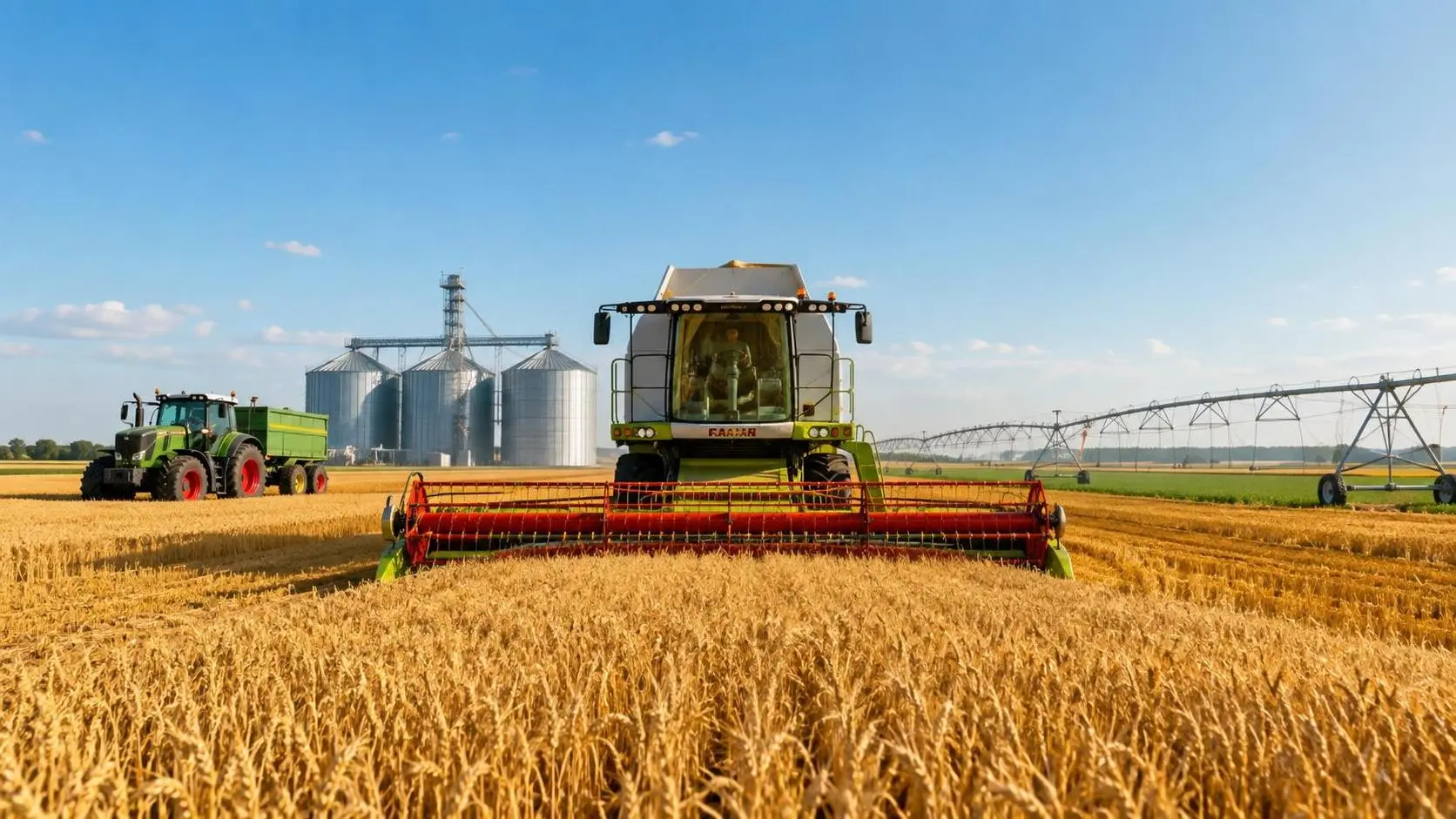
Large-Scale Farm Equipment Cost Comparison: Price, Fuel, and Lifecycle Value
Large-scale farm equipment cost comparison: evaluate price, fuel, maintenance, downtime, and lifecycle value to choose tractors, combines, irrigation, and smart tools with confidence.

A Procurement Specification Preparation Example for Buying Farm Equipment
Procurement specification preparation example for farm equipment: learn to define requirements, compare suppliers, control lifecycle costs, and buy with confidence.

What Tractor Horsepower Is Needed for a Three-Bottom Moldboard Plow?
What tractor horsepower is needed for three-bottom moldboard plow? Compare 60–100 hp needs by soil, depth, traction, and plow width for a confident equipment match.
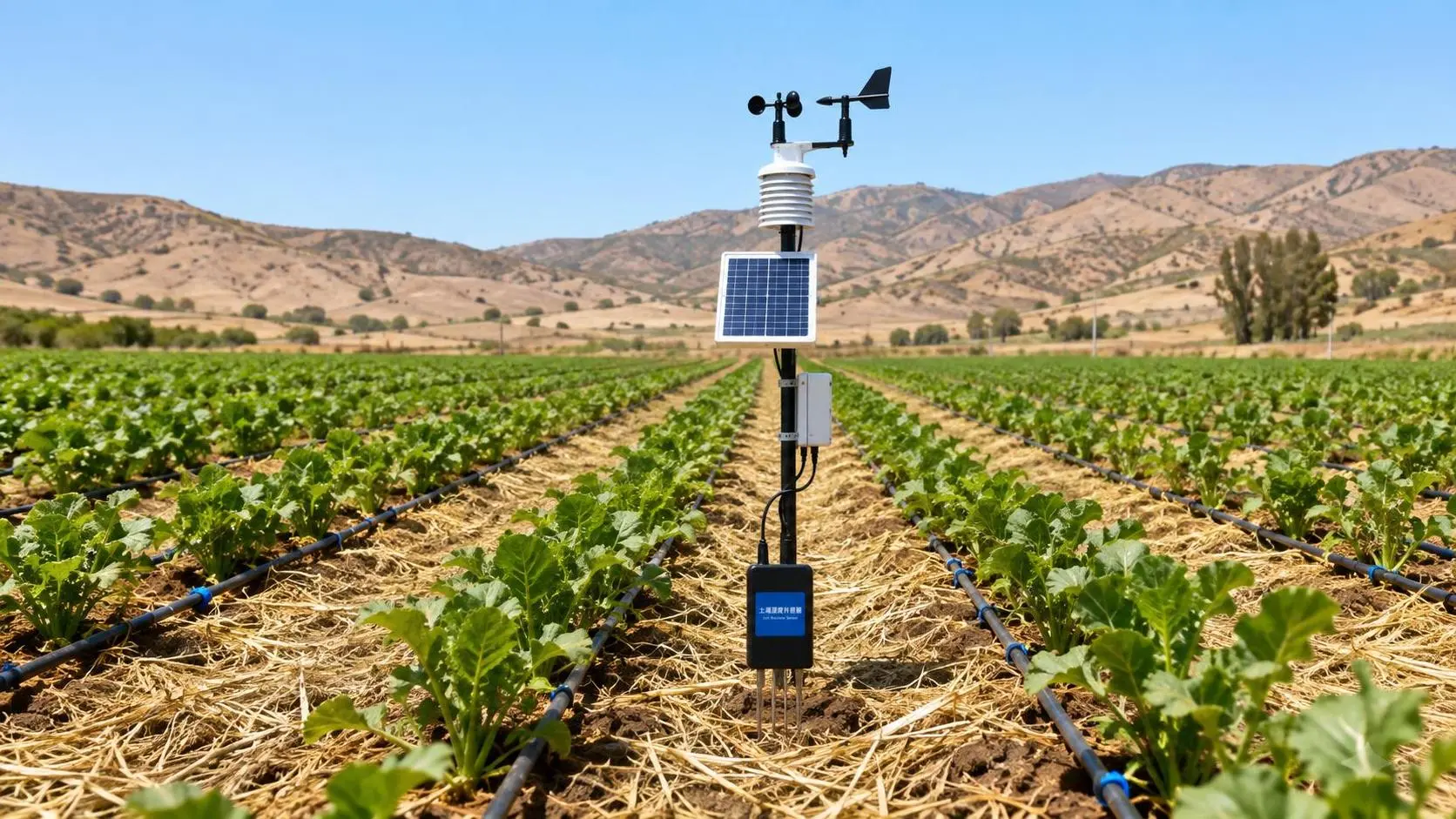
How Does Climate-Smart Farming Reduce Water Use in Semi-Arid Areas?
How does climate-smart farming reduce water use in semi-arid zones? Discover precision irrigation, soil monitoring, and smarter crop planning for resilient yields.
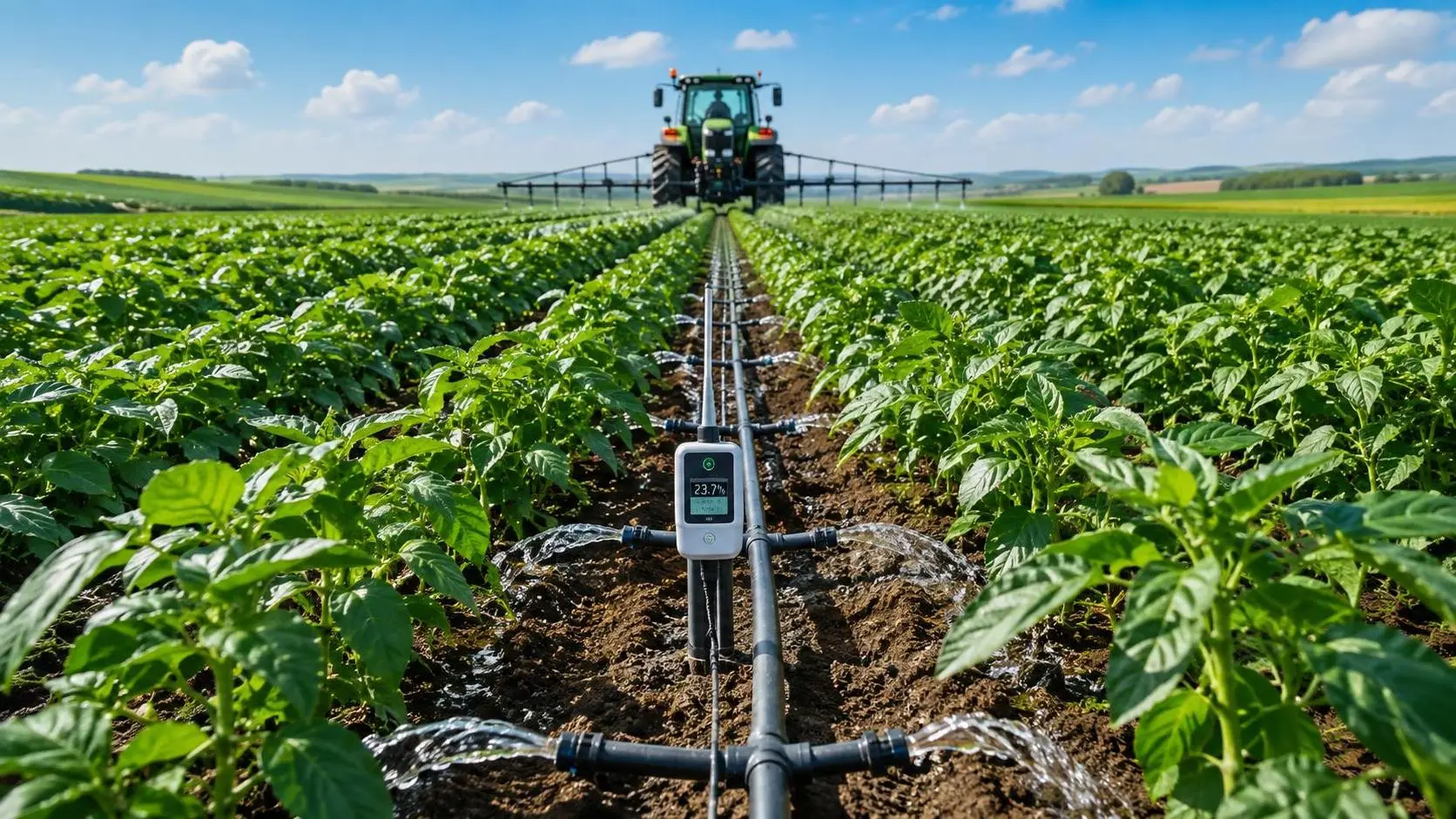
Can Sustainable Farming Be Profitable Without Reducing Yields?
Are sustainable farming practices profitable without yield loss? Discover precision strategies that cut waste, protect yields, and improve farm margins.
Related News
- 00
0000-00
How Does Climate-Smart Farming Reduce Water Use in Semi-Arid Areas? - 00
0000-00
USDA Rule Takes Effect: Dual FCC and NRCS Approval for Soil Moisture Sensors - 00
0000-00
EU Rule Takes Effect: Soil Moisture Sensors Need Revised CE-EMC Certification - 00
0000-00
How to Choose Wireless Smart Irrigation Systems for Better Water Control - 00
0000-00
How to Choose Wireless Soil Moisture Sensors for Irrigation and Field Monitoring
Popular Tags
Hydrological Resource Strategist
Weekly Insights
Stay ahead with our curated technology reports delivered every Monday.