
How Crop Monitoring Technology Helps Detect Stress, Pests, and Irrigation Gaps Early





In modern farming, crop monitoring technology gives operators an earlier, clearer view of field conditions before small issues become costly losses. By tracking plant stress, pest activity, and irrigation gaps in real time, it helps improve response speed, protect yields, and support more precise daily decisions. For farms aiming to strengthen efficiency and resilience, this technology is becoming an essential part of smart field management.
For equipment operators, irrigation managers, and field supervisors, the challenge is rarely a total lack of data. The real problem is delayed visibility. A 3-day delay in spotting leaf stress, a 7-day delay in identifying a pest hotspot, or one uneven irrigation cycle can turn a manageable issue into a yield penalty, quality downgrade, or unnecessary input cost.
This is where crop monitoring technology matters most. It connects field scouting, sensor feedback, drone imaging, satellite observation, and machine-linked decision support into a practical workflow. For operations focused on large-scale machinery, combine performance, and intelligent irrigation, early detection is not just an agronomy benefit. It is an operational advantage that improves timing, labor use, and equipment efficiency across the season.
Why Early Detection Changes Daily Farm Operations
On large farms, operators often manage dozens or hundreds of hectares at once. Under those conditions, visual checks alone are rarely enough. Crop monitoring technology reduces blind spots by turning scattered observations into mapped, repeatable field intelligence. That means issues can be ranked by severity, location, and urgency instead of being handled only after visible crop decline.
In practical terms, early detection supports 3 critical decisions: where to inspect first, when to irrigate next, and whether the problem is abiotic stress, pest pressure, or nutrient-related decline. Even a 24- to 48-hour improvement in response timing can make a noticeable difference when temperatures are high, evapotranspiration is rising, or pest populations are moving rapidly across a block.
What operators can identify earlier
- Localized water stress before widespread wilting appears
- Canopy temperature changes linked to blocked emitters or uneven irrigation
- Patchy pest activity across 5% to 15% of a field before full infestation develops
- Emergence gaps, compaction zones, or drainage issues affecting uniformity
- Pre-harvest variability that can later influence combine settings and grain losses
Why this matters in an Agriculture 4.0 workflow
AP-Strategy’s focus on machinery, intelligent tools, and water-saving irrigation reflects how field intelligence now influences more than crop health alone. If a stress zone is detected early, irrigation crews can check laterals, pressure consistency, or filtration performance before applying more water. If pest hotspots are mapped accurately, sprayer passes can be adjusted more precisely, reducing unnecessary overlap across unaffected rows.
That same logic extends to harvest planning. A field with uneven moisture, disease pockets, or late-season stress often requires different timing and machine settings. By detecting problems 1 to 3 weeks earlier, operators can plan labor, maintenance windows, and equipment movement with fewer last-minute disruptions.
Typical warning signs captured by monitoring systems
Different platforms detect different signals. Multispectral imagery highlights vigor variation. Thermal sensing helps identify heat stress and irrigation inconsistency. In-field probes show root-zone moisture trends at 20 cm, 40 cm, or deeper depending on crop and soil profile. When these layers are combined, the operator gets a clearer explanation of why performance is changing, not just where it is changing.
How Crop Monitoring Technology Detects Stress, Pests, and Irrigation Gaps
The value of crop monitoring technology comes from combining multiple observation methods rather than relying on one device alone. In most commercial settings, the most useful setup includes 4 layers: remote imagery, ground sensors, machine data, and field verification. Each layer fills a different gap in timing, scale, and accuracy.
The table below outlines how common monitoring tools support early diagnosis in real farm conditions.
The key takeaway is that no single tool explains every issue. Satellite data may show a weak area, but a thermal drone flight and a moisture probe often reveal whether the cause is blocked irrigation, compaction, or pest-driven canopy damage. That layered approach reduces misdiagnosis and unnecessary field interventions.
Detecting plant stress before visible damage spreads
Plant stress usually appears in data before it becomes obvious to the eye. A mild canopy temperature increase, a drop in vegetative index, or a falling moisture curve over 2 to 5 days can indicate trouble early. For operators, this provides a window to inspect irrigation pressure, confirm disease risk, or adjust schedules before yield potential declines across the full block.
Finding pest activity at the hotspot stage
Pest outbreaks rarely begin everywhere at once. They often start along borders, low-vigor zones, or areas with favorable humidity. Crop monitoring technology helps identify those clusters when they are still limited to small sections. If only 8% to 12% of a field shows abnormal signatures, the response can be more targeted and usually more economical than a full-area reactive treatment.
Revealing irrigation gaps that manual checks miss
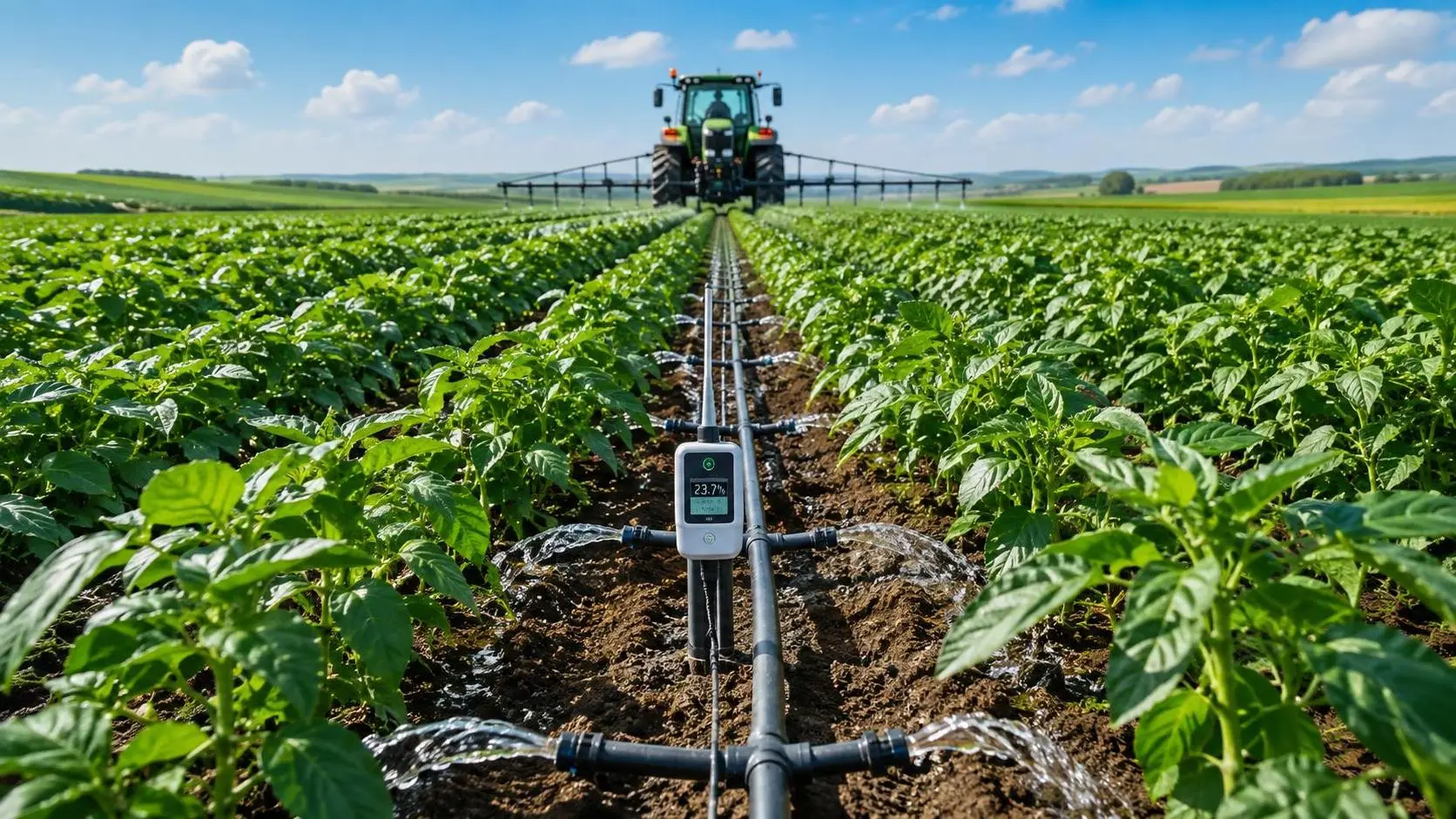
Irrigation systems can appear functional while still applying water unevenly. Pressure loss, emitter clogging, nozzle wear, valve timing errors, and elevation differences can all create hidden variability. Monitoring systems reveal these issues through thermal contrast, moisture imbalance, and repeated low-vigor patterns. On drip or pivot systems, catching a distribution problem within one irrigation cycle is far better than discovering it after 10 to 14 days of stress accumulation.
Key Selection Criteria for Operators and Farm Managers
Not every farm needs the same monitoring stack. The right choice depends on crop type, field size, irrigation complexity, labor availability, and how quickly teams can act on alerts. For operators, the best system is not the one with the most features. It is the one that converts data into useful action within the same day or the next working shift.
Five evaluation points before purchase
- Coverage frequency: Can the platform update every day, every 3 days, or only after manual flights?
- Resolution level: Is detail sufficient to detect row-level problems or only broad field trends?
- Alert quality: Are warnings tied to thresholds such as soil moisture decline, canopy temperature, or vigor change?
- Integration: Can it connect with irrigation controls, sprayer planning, tractor displays, or harvest records?
- Usability: Can field operators understand the dashboard in less than 30 minutes of training?
To make comparison easier, the following table summarizes common selection priorities by operational need.
The strongest buying decision usually comes from matching the platform to one operational bottleneck first. For one farm that may be irrigation uniformity. For another it may be delayed pest discovery or inconsistent harvesting zones. Starting with one measurable problem often produces clearer returns within a single season.
Common mistakes during technology selection
- Choosing high-resolution imagery without a field response process
- Installing sensors at only one depth when crop roots extend much deeper
- Ignoring connectivity limits in remote areas
- Buying a platform that exports data but does not support operator decisions in real time
Implementation Steps That Turn Data into Action
Crop monitoring technology delivers value only when teams know what to do after an alert appears. A practical implementation plan should be simple, repeatable, and linked to existing field routines. For most farms, a 5-step operating framework is more effective than a highly complex digital rollout.
A workable 5-step field process
- Define zones by field history, irrigation layout, soil type, and known weak areas.
- Set alert thresholds, such as moisture depletion, canopy heat rise, or repeated low-vigor signatures.
- Assign verification responsibility within 12 to 24 hours after a priority alert.
- Record corrective action, including irrigation repair, scouting results, or spray adjustment.
- Review results every 7 to 14 days to confirm whether the issue is resolved or recurring.
This structure is especially useful on larger farms where irrigation, machinery, and crop protection are handled by different teams. A shared alert-to-action routine reduces communication loss and improves accountability. If one moisture anomaly appears three times in the same zone over a 2-week period, it likely points to a system issue rather than a one-time weather event.
How monitoring supports machinery and irrigation decisions
For irrigated operations, monitoring data can guide valve sequencing, pressure checks, filtration maintenance, and runtime adjustments. For mechanized farms, it can support variable treatment planning, route efficiency, and later harvest scheduling. A mapped stress pattern today can influence where crews inspect tomorrow and which blocks receive equipment priority next week.
Service and maintenance points operators should not ignore
Even the best platform loses value if sensors drift, batteries fail, drone capture is inconsistent, or irrigation logs are incomplete. A practical maintenance routine should include at least 6 checks: sensor calibration review, power status, data transmission quality, map alignment, irrigation event verification, and alert-response logging. Monthly review is typical, while critical growth stages may require weekly checks.
Where AP-Strategy’s Intelligence Perspective Adds Value
For users and operators, technology choices should not be viewed in isolation. Crop monitoring works best when linked to the broader performance chain of tractors, intelligent tools, combine harvesters, and water-saving irrigation systems. That is why AP-Strategy’s intelligence model is relevant. It examines how field signals affect machinery scheduling, irrigation efficiency, harvest outcomes, and long-cycle equipment decisions.
A stress map is not only a crop image. It may indicate hydraulic timing issues, poor application uniformity, blocked emitters, or later harvesting inconsistency. An operator who understands those links can move faster from observation to correction. That is the real advantage of crop monitoring technology in modern commercial agriculture: not more screens, but better field decisions with fewer costly delays.
Best-fit operations for this technology
- Large farms managing multiple blocks or irrigation zones
- Operations with limited scouting labor across peak growth periods
- Farms seeking tighter water-use control under climate pressure
- Mechanized operations that want better alignment between field conditions and machine performance
Early detection is becoming a baseline capability rather than an optional upgrade. When crop monitoring technology is chosen carefully and integrated into daily routines, it helps operators detect stress, pests, and irrigation gaps before they escalate into avoidable losses. For farms seeking stronger resilience, better equipment coordination, and more precise water management, the next step is to evaluate a monitoring setup that matches real field conditions and response capacity. Contact AP-Strategy to discuss your operating scenario, request a tailored solution path, or explore more intelligent agriculture solutions.
Related News
How Tractor Intelligence Systems Improve Field Efficiency and Input Accuracy
Agricultural machinery intelligence for tractors improves field efficiency, input accuracy, data traceability, and implement control. Explore smarter evaluation strategies.
How to Evaluate Crop Monitoring System Manufacturers for Large-Scale Farms
Compare crop monitoring systems manufacturers for large-scale farms. Evaluate data quality, integration, durability, lifecycle costs, support, and pilots for smarter decisions.
Wireless Agricultural Automation for Remote Irrigation and Field Monitoring
Agricultural automation wireless solutions improve remote irrigation with reliable field data, local control, flow verification, and smarter monitoring. Explore resilient deployment strategies.
Agricultural Product Information Market Guide: Key Data for Sourcing Decisions
Agricultural product information market guide for smarter sourcing—compare machinery, irrigation, precision tools, lifecycle costs, and supplier risk.
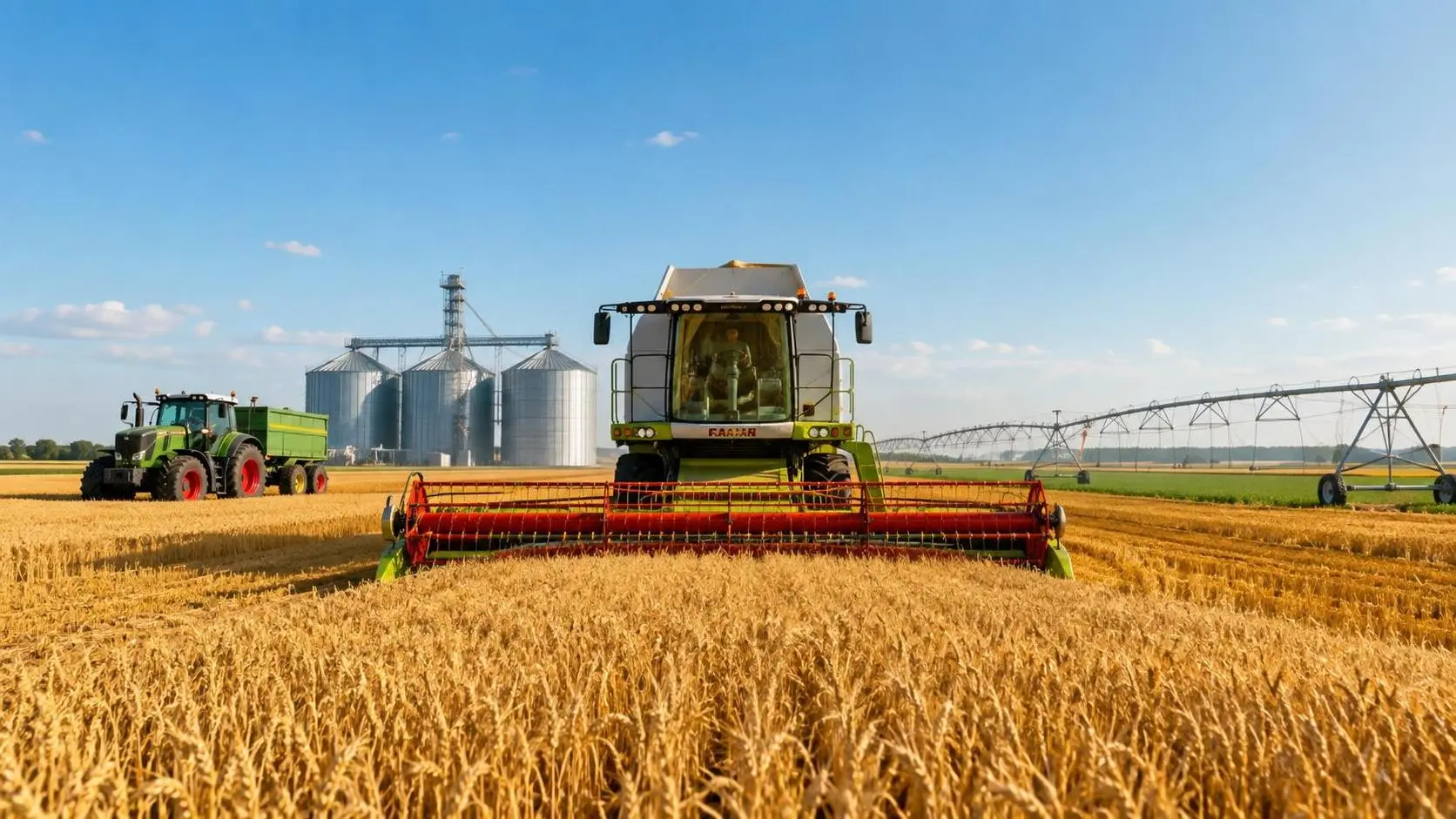
Large-Scale Farm Equipment Cost Comparison: Price, Fuel, and Lifecycle Value
Large-scale farm equipment cost comparison: evaluate price, fuel, maintenance, downtime, and lifecycle value to choose tractors, combines, irrigation, and smart tools with confidence.
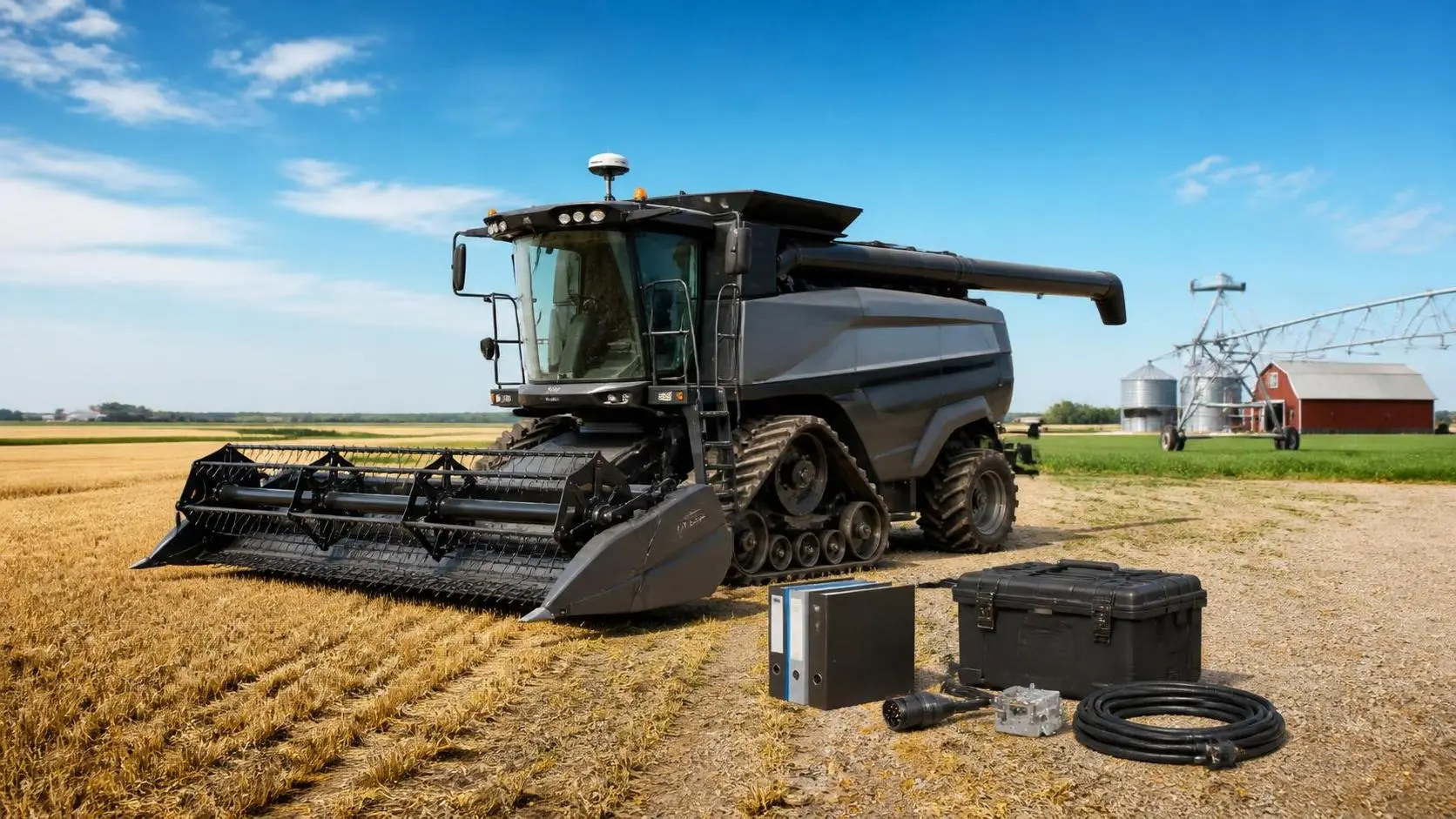
A Procurement Specification Preparation Example for Buying Farm Equipment
Procurement specification preparation example for farm equipment: learn to define requirements, compare suppliers, control lifecycle costs, and buy with confidence.
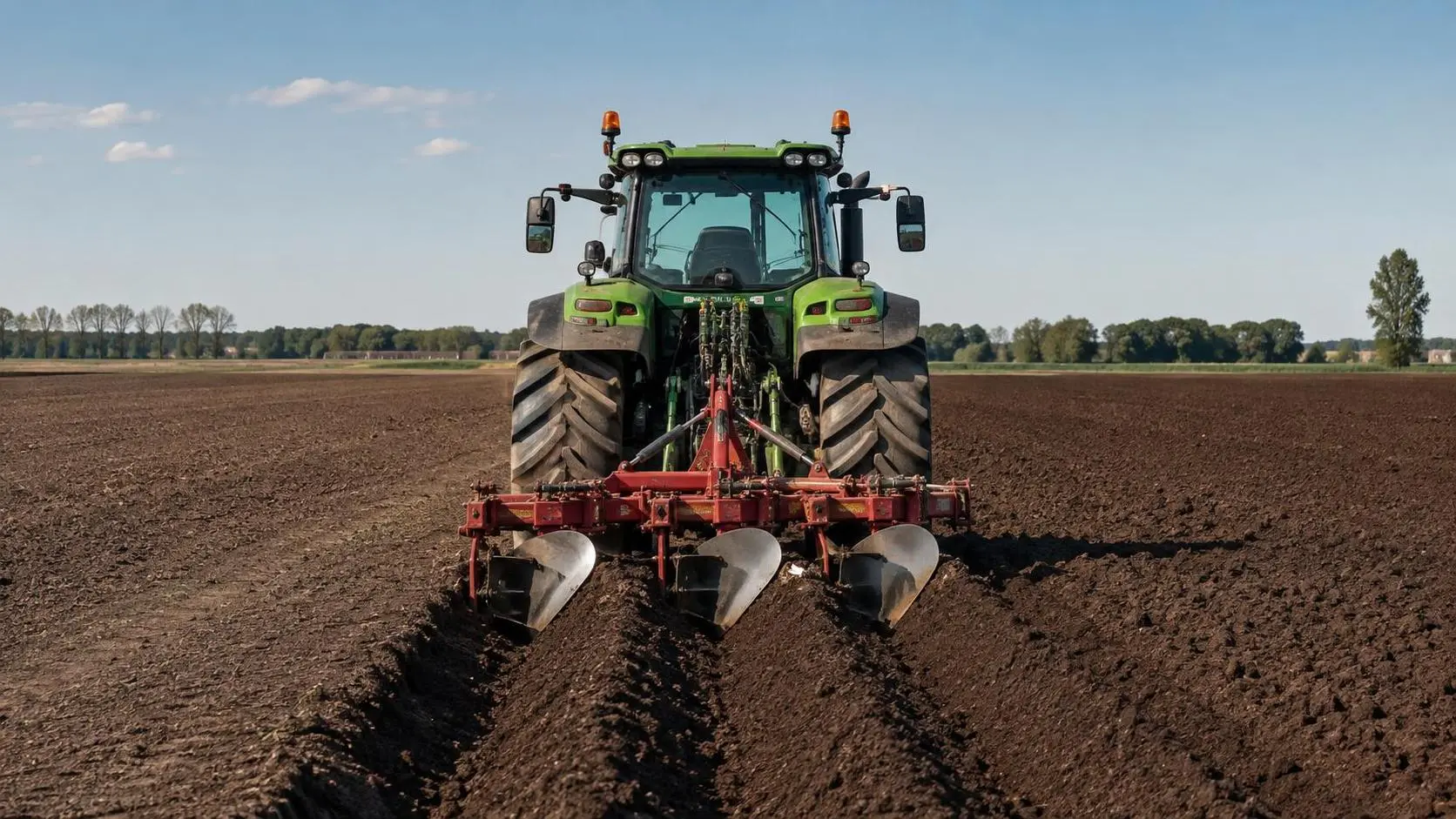
What Tractor Horsepower Is Needed for a Three-Bottom Moldboard Plow?
What tractor horsepower is needed for three-bottom moldboard plow? Compare 60–100 hp needs by soil, depth, traction, and plow width for a confident equipment match.
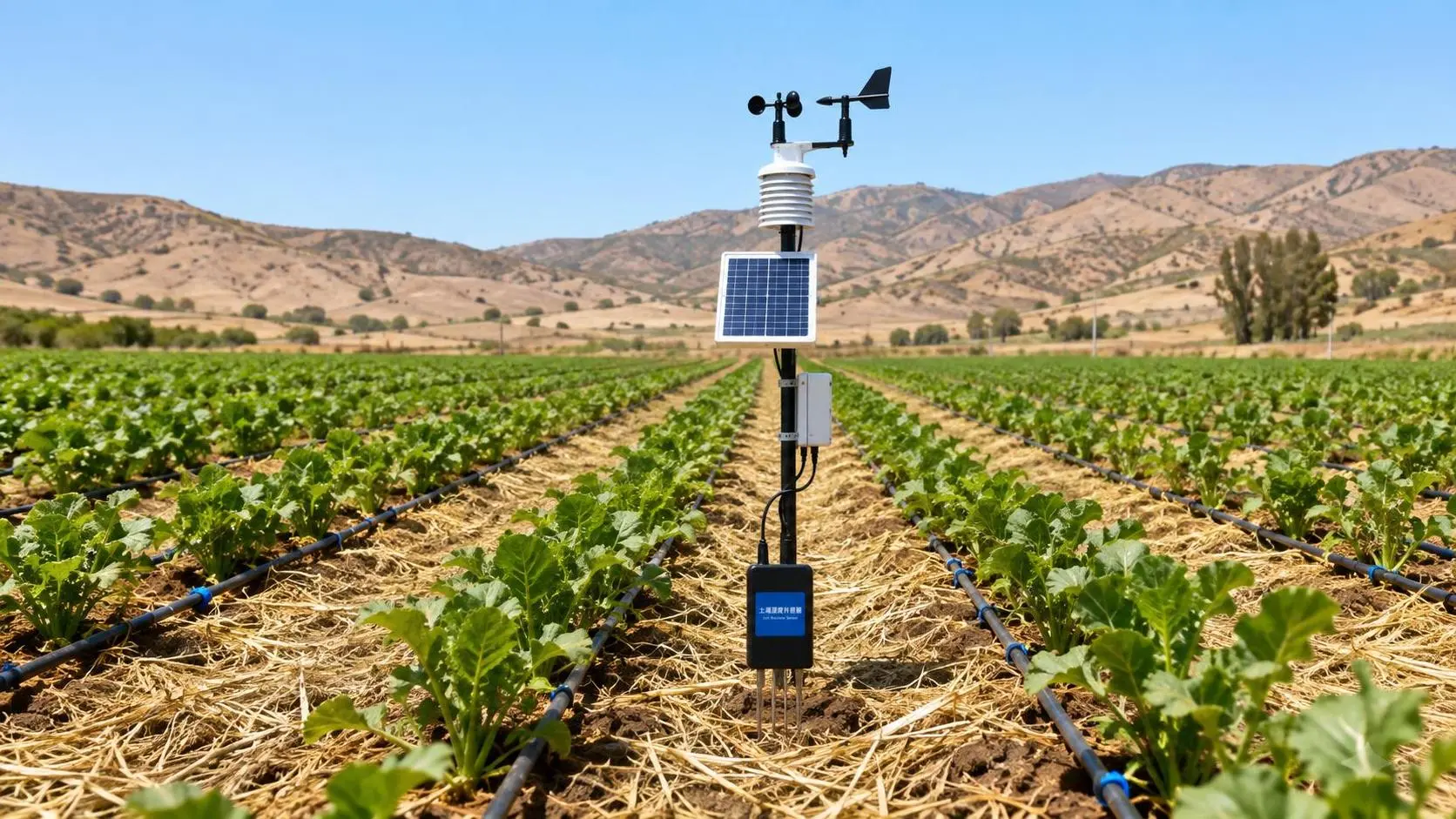
How Does Climate-Smart Farming Reduce Water Use in Semi-Arid Areas?
How does climate-smart farming reduce water use in semi-arid zones? Discover precision irrigation, soil monitoring, and smarter crop planning for resilient yields.
Can Sustainable Farming Be Profitable Without Reducing Yields?
Are sustainable farming practices profitable without yield loss? Discover precision strategies that cut waste, protect yields, and improve farm margins.
Related News
- 00
0000-00
How Does Climate-Smart Farming Reduce Water Use in Semi-Arid Areas? - 00
0000-00
USDA Rule Takes Effect: Dual FCC and NRCS Approval for Soil Moisture Sensors - 00
0000-00
EU Rule Takes Effect: Soil Moisture Sensors Need Revised CE-EMC Certification - 00
0000-00
How to Choose Wireless Smart Irrigation Systems for Better Water Control - 00
0000-00
How to Choose Wireless Soil Moisture Sensors for Irrigation and Field Monitoring
Popular Tags
Hydrological Resource Strategist
Weekly Insights
Stay ahead with our curated technology reports delivered every Monday.