
Smart Irrigation Networks Explained: How They Connect Sensors, Valves, and Field Data
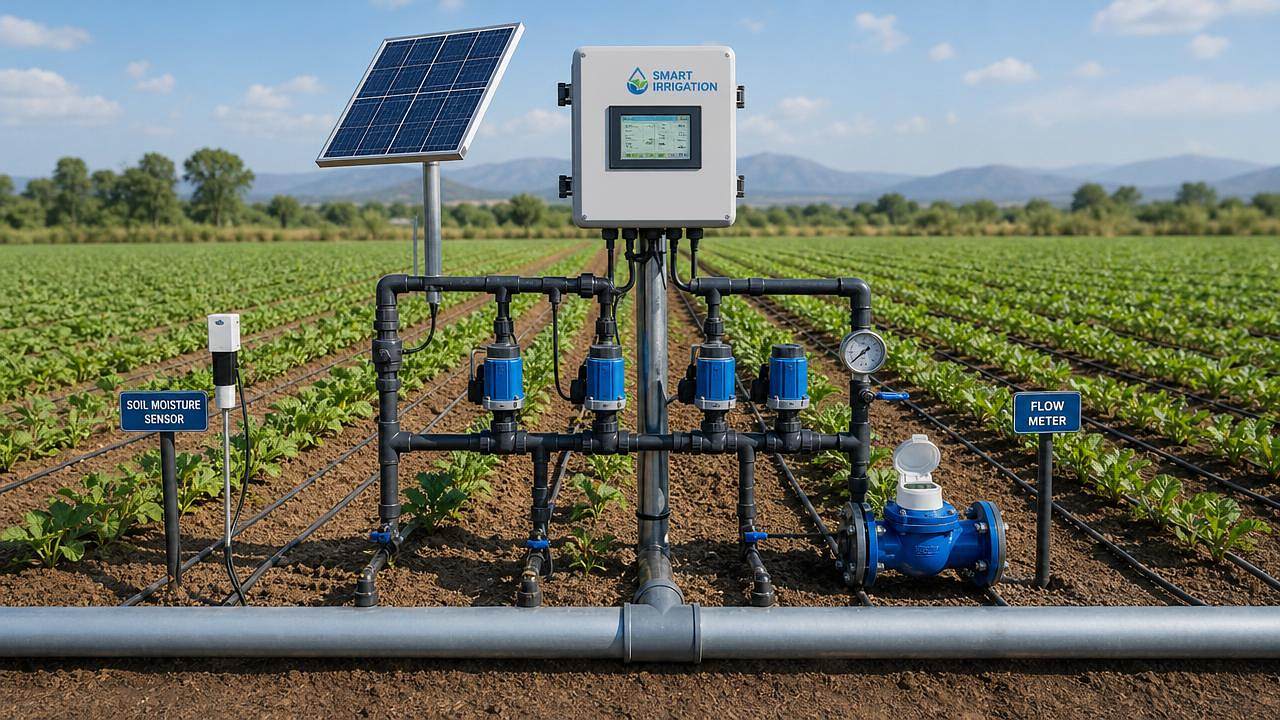




Smart irrigation networks are transforming how farms manage water, linking sensors, valves, and field data into one responsive system. For information-driven readers exploring Agriculture 4.0, this article explains how these connected irrigation architectures improve efficiency, support precision decisions, and help large-scale operations respond to climate pressure, resource constraints, and sustainability goals.
For large farms, irrigation is no longer just about pumps, pipes, and schedules set once a week. It is becoming a connected operational layer where soil measurements, weather inputs, controller logic, and hydraulic actions work in near real time. That shift matters because water cost, labor availability, and yield risk now intersect more tightly than they did even 5–10 years ago.
At a strategic level, smart irrigation networks help decision-makers move from reactive watering to managed water delivery. For growers, distributors, integrators, and agricultural intelligence teams, understanding how sensors, valves, and field data interact is essential when evaluating water-saving irrigation systems for broad-acre crops, orchards, and high-value field operations.
What Smart Irrigation Networks Actually Connect
A smart irrigation network is a coordinated system that combines field sensing, communication hardware, control logic, and actuation devices. In practical terms, it links what the field is experiencing, what the software recommends, and what the irrigation hardware executes across 3 core layers: sensing, decision, and delivery.
The 3 operational layers
The sensing layer gathers inputs such as soil moisture, pressure, flow rate, temperature, and in some cases electrical conductivity. A typical large-scale block may use 1–3 soil probes per zone, flow meters on mainlines, and pressure sensors at critical points to detect both agronomic need and hydraulic performance.
The decision layer turns raw values into irrigation actions. This may include threshold rules, evapotranspiration-based scheduling, weather forecasts for the next 24–72 hours, or crop-stage models that adjust water targets during establishment, vegetative growth, and pre-harvest periods.
The delivery layer includes controllers, solenoid valves, pumps, variable frequency drives, and filtration units. Once the system determines that a block requires water, it opens the correct valve sequence, checks line pressure, and delivers irrigation for a defined duration, often in cycles of 10–60 minutes depending on soil type and emitter rate.
Why valves matter as much as sensors
Many discussions focus heavily on sensors, but valves are where data becomes action. Without reliable zone control, sensor data remains advisory rather than operational. A smart irrigation network must therefore maintain stable actuation, with open-close response consistency, pressure tolerance, and compatibility with remote commands across dozens or even hundreds of field sections.
The table below shows how the main components interact in a typical connected irrigation architecture used in medium to large agricultural operations.
The key takeaway is that smart irrigation networks are not a single device purchase. They are a coordinated infrastructure stack. The value appears when component data is validated, transmitted reliably, and tied directly to field execution with minimal delay.
Common communication paths in the field
Communication can be wired or wireless, depending on field size, terrain, and power availability. Short-distance links may use cable runs to fixed controllers, while distributed networks often rely on radio, cellular, or low-power wide-area communication for stations placed several hundred meters to several kilometers apart.
- Wired links: stable for permanent blocks and pump rooms
- Cellular gateways: practical where coverage is consistent and remote access is required
- Radio or LPWAN nodes: suitable for lower-power field devices over wide areas
- Hybrid architecture: often used when one farm includes both intensive zones and remote parcels
For information researchers, this matters because communication design affects maintenance burden, data continuity, and scaling cost. A network serving 20 zones behaves very differently from one serving 120 zones across fragmented geography.
Why Smart Irrigation Networks Matter in Agriculture 4.0
In Agriculture 4.0, irrigation data is no longer isolated from the broader production system. It increasingly connects with weather analytics, machine operations, fertigation planning, and crop stress monitoring. This allows water use decisions to align with both field performance and business risk management.
Operational pressures driving adoption
Three pressures are pushing adoption. First, water availability is less predictable across seasons, and irrigation windows may tighten sharply during peak demand. Second, labor teams cannot always inspect every zone daily, especially across operations spread over 500–5,000 hectares. Third, energy and pumping costs reward better timing and reduced over-application.
Even modest improvements can matter. If one block avoids 2 unnecessary irrigation cycles per week during a 12-week period, the system may reduce pumping hours, stabilize nutrient movement, and lower runoff risk without sacrificing crop performance. On larger acreages, those savings compound across multiple zones and seasons.
Decision speed and response quality
A conventional schedule may be revised every 3–7 days. A connected network can evaluate conditions several times per day and trigger alerts within minutes when flow deviates from baseline or pressure falls outside a defined band. Faster detection does not just save water; it reduces the time that crops spend under hidden stress.
Where efficiency gains usually come from
Efficiency gains rarely come from one sensor alone. They usually come from four combined improvements: better zone timing, better duration control, leak or blockage detection, and clearer visibility into field variability. In practice, smart irrigation networks help managers stop treating every block as if it has the same soil, infiltration rate, and crop water demand.
- Match irrigation start times to actual soil depletion
- Adjust runtime by field zone rather than by whole-farm average
- Flag pressure or flow anomalies before they become yield issues
- Build historical datasets for the next season’s planning cycle
For B2B buyers, this is why system architecture matters more than isolated hardware pricing. A lower-cost device can become expensive if it creates blind spots, unstable communication, or limited integration with pumps, valves, and reporting tools.
How Field Data Moves from Measurement to Water Delivery
Understanding data flow is essential when evaluating smart irrigation networks. The process is usually not mysterious, but it involves several checkpoints that affect accuracy, reliability, and response time. In most large-farm deployments, data passes through 5 practical stages before water reaches the crop.
A 5-step workflow
Step 1 is measurement. Sensors record values at intervals such as every 15 minutes, every hour, or on event triggers. Step 2 is transmission. Data moves to a field controller, gateway, or cloud dashboard. Step 3 is validation, where missing values, outliers, or stale readings are flagged.
Step 4 is decision logic. The system compares current values against thresholds, irrigation recipes, or predicted crop demand. Step 5 is actuation. Valves open in the correct sequence, pumps ramp as needed, and the system confirms delivery using pressure and flow feedback rather than assuming the command succeeded.
Why feedback loops are critical
A strong smart irrigation network is closed-loop, not one-way. It does not simply send a command and stop there. It checks whether the valve opened, whether line pressure stabilized within a target range, and whether actual flow matches expected delivery. This feedback loop can identify clogged filters, broken laterals, or electrical faults early.
The table below outlines a practical view of the data-to-action chain and the operational questions buyers should ask during evaluation.
This workflow shows why field data should not be judged only by dashboard appearance. The real value of smart irrigation networks lies in whether data moves into repeatable hydraulic action and whether the system verifies results block by block.
Integration with wider farm intelligence
Advanced operations increasingly connect irrigation data with satellite imagery, fertigation schedules, and machine activity logs. For example, if a field operation compacts a zone or if a heat event is forecast within 48 hours, irrigation plans may need adjustment. This is where intelligent irrigation systems start to act as part of a broader farm operating system rather than a standalone utility.
How to Evaluate and Implement Smart Irrigation Networks
For researchers and procurement teams, selection should begin with use-case clarity rather than feature accumulation. A vineyard with tight block control needs a different network design than a broad-acre farm with long transmission distances and fewer control points. The right architecture depends on hydraulic layout, agronomic variability, staffing model, and reporting needs.
Four practical selection criteria
- Zone scalability: Can the platform expand from 8 zones to 40 or 100 without full redesign?
- Data reliability: Does it store readings during signal loss and resync later?
- Control compatibility: Can it operate existing valves, pumps, and filtration equipment?
- Serviceability: Are calibration, troubleshooting, and spare parts manageable within 24–72 hours?
These criteria matter because deployment failure often comes from integration gaps, not from sensor theory. A technically capable system may underperform if local maintenance teams cannot test valve signals, replace field nodes, or interpret pressure anomalies during peak irrigation windows.
Typical implementation phases
Implementation usually follows 3 phases. Phase 1 is assessment, often lasting 1–3 weeks, covering water source, network map, power access, and zone priorities. Phase 2 is pilot deployment, commonly 1 season or 1 representative block. Phase 3 is scaling, where performance baselines are refined before extending to the full irrigation footprint.
A pilot is especially useful when the farm contains mixed irrigation methods such as drip, pivot, or sprinkler systems. It helps operators test whether threshold settings, communication stability, and maintenance routines fit real field conditions before capital is committed at full scale.
Common mistakes to avoid
- Installing too few sensors in highly variable soils
- Ignoring pressure verification after valve commands
- Assuming cloud visibility equals agronomic usefulness
- Choosing hardware without confirming spare parts and field support
Another frequent mistake is measuring success only by water reduction. In many operations, the better metric is control quality across 4 dimensions: timing accuracy, uniformity, labor hours saved, and response speed to faults. Water savings may follow, but decision quality should lead the evaluation.
Who benefits most from connected irrigation architecture
Smart irrigation networks are especially relevant for large farms, contract growers, irrigation project developers, and distributors serving clients under tighter water governance. They also matter for intelligence-led organizations tracking how equipment, agronomy, and sustainability metrics increasingly converge in agriculture investment decisions.
For AP-Strategy audiences, the larger significance is strategic. Intelligent irrigation systems are becoming part of the same modernization path that includes precision farm tools, advanced tractor hydraulics, and data-led harvest management. Water delivery is no longer separate from farm intelligence; it is one of its most measurable operational expressions.
Final Considerations for Decision-Makers
Smart irrigation networks connect sensors, valves, and field data into a practical control system that can improve timing, visibility, and water-use discipline across modern farms. Their real value lies in turning measurement into verified action, especially where climate variability, labor constraints, and large-field complexity make manual irrigation management increasingly inefficient.
For information researchers, the most useful approach is to assess architecture before branding: sensor placement, valve responsiveness, communication stability, data logic, and maintenance workflow. Those 5 areas usually determine whether a connected irrigation investment becomes a daily management asset or just another disconnected dashboard.
If you are evaluating intelligent irrigation systems, planning a pilot network, or comparing water-saving infrastructure for large-scale operations, AP-Strategy can help you interpret the technology with stronger commercial and operational clarity. Contact us to explore tailored insights, discuss implementation priorities, or learn more solutions for connected agricultural water management.
Related News
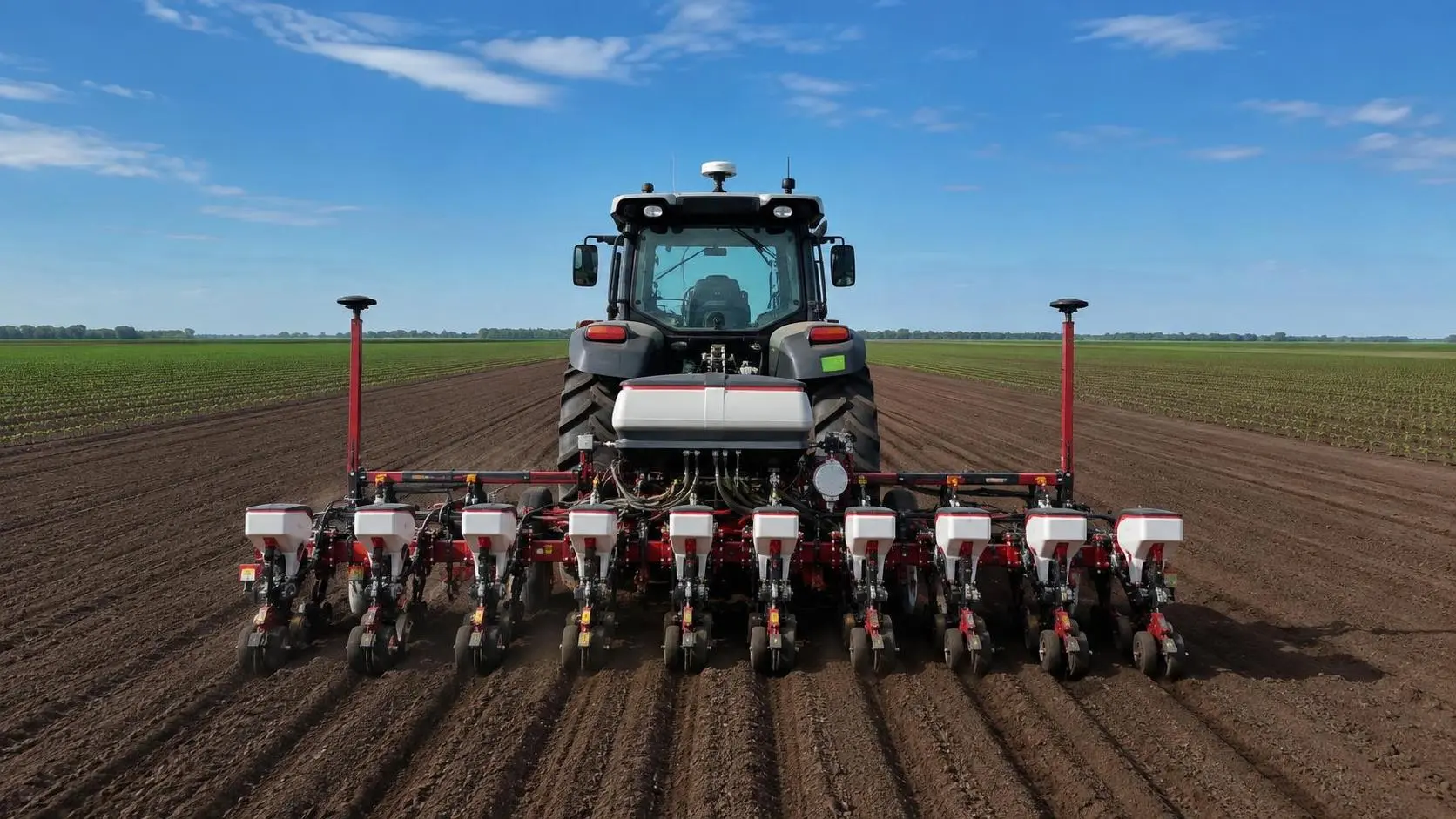
How Tractor Intelligence Systems Improve Field Efficiency and Input Accuracy
Agricultural machinery intelligence for tractors improves field efficiency, input accuracy, data traceability, and implement control. Explore smarter evaluation strategies.
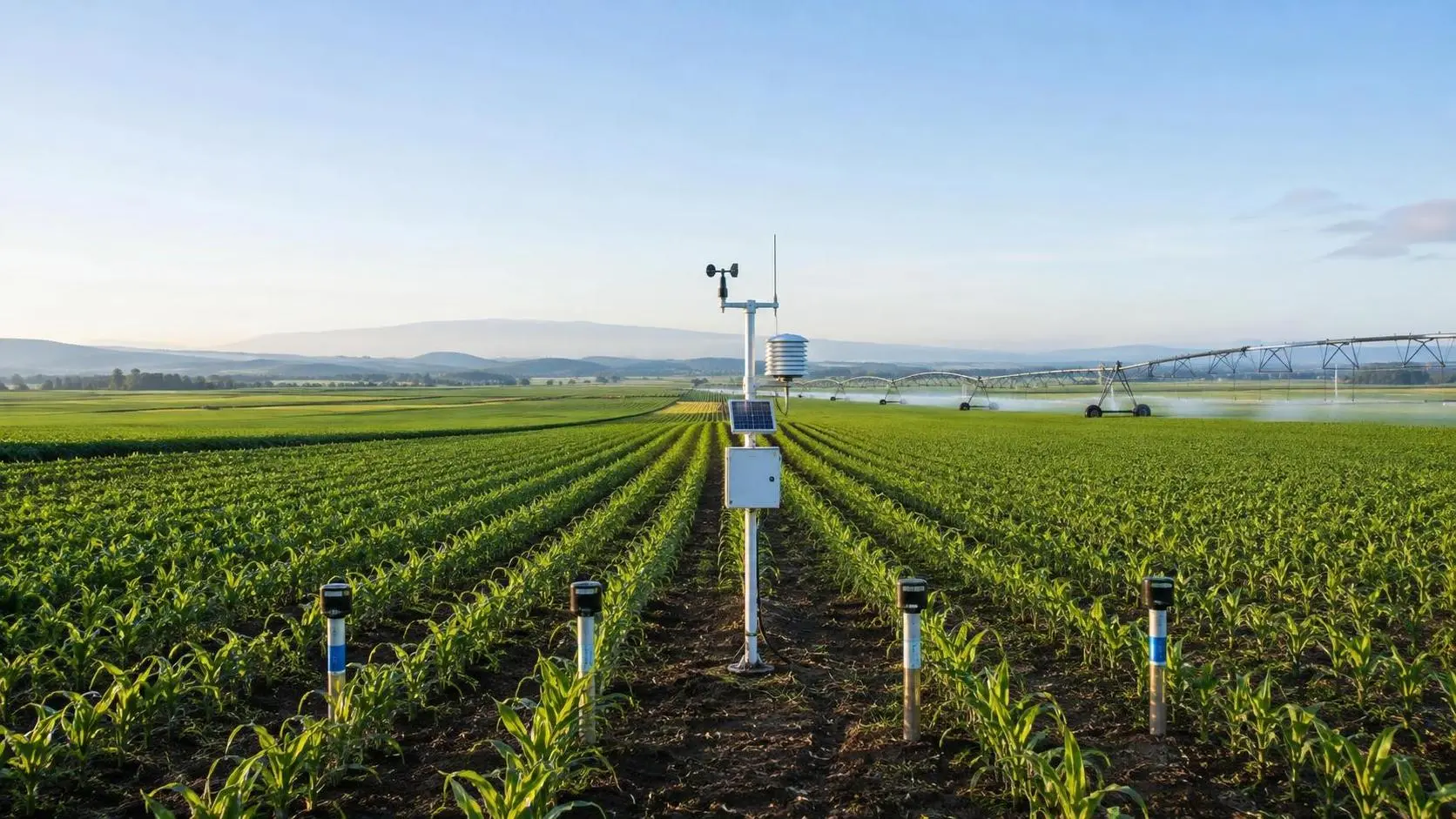
How to Evaluate Crop Monitoring System Manufacturers for Large-Scale Farms
Compare crop monitoring systems manufacturers for large-scale farms. Evaluate data quality, integration, durability, lifecycle costs, support, and pilots for smarter decisions.
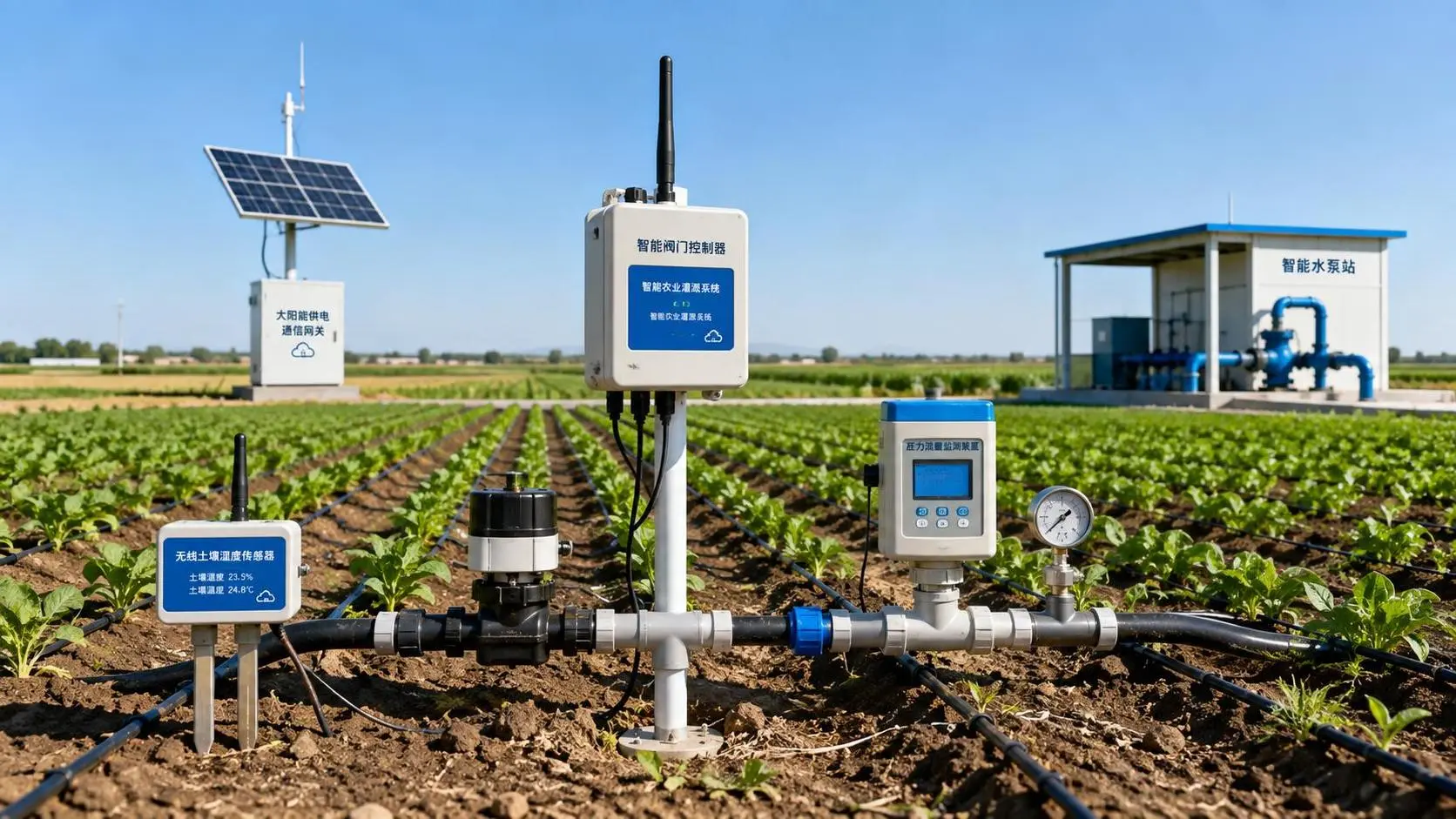
Wireless Agricultural Automation for Remote Irrigation and Field Monitoring
Agricultural automation wireless solutions improve remote irrigation with reliable field data, local control, flow verification, and smarter monitoring. Explore resilient deployment strategies.
Agricultural Product Information Market Guide: Key Data for Sourcing Decisions
Agricultural product information market guide for smarter sourcing—compare machinery, irrigation, precision tools, lifecycle costs, and supplier risk.
Large-Scale Farm Equipment Cost Comparison: Price, Fuel, and Lifecycle Value
Large-scale farm equipment cost comparison: evaluate price, fuel, maintenance, downtime, and lifecycle value to choose tractors, combines, irrigation, and smart tools with confidence.
A Procurement Specification Preparation Example for Buying Farm Equipment
Procurement specification preparation example for farm equipment: learn to define requirements, compare suppliers, control lifecycle costs, and buy with confidence.
What Tractor Horsepower Is Needed for a Three-Bottom Moldboard Plow?
What tractor horsepower is needed for three-bottom moldboard plow? Compare 60–100 hp needs by soil, depth, traction, and plow width for a confident equipment match.
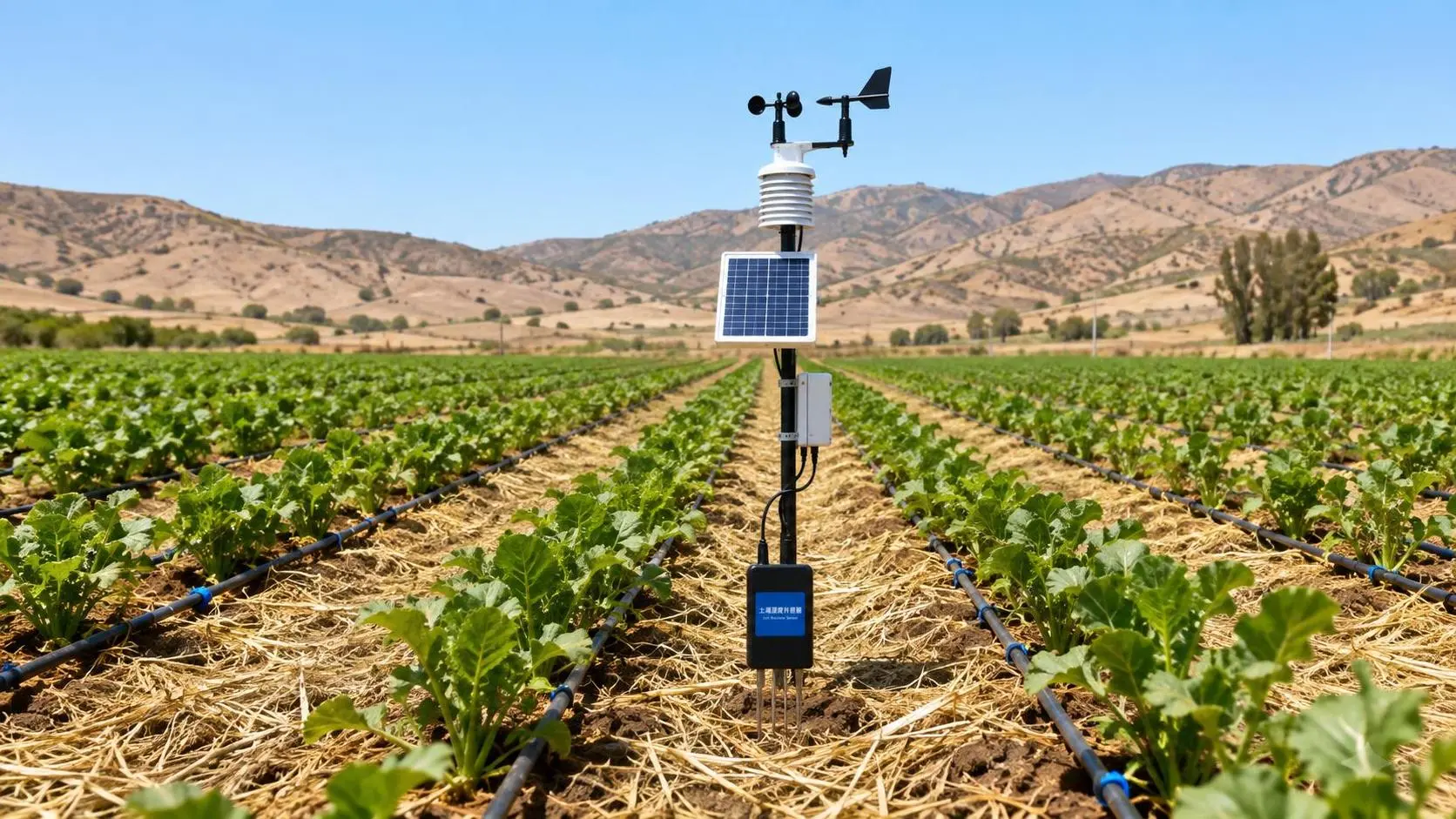
How Does Climate-Smart Farming Reduce Water Use in Semi-Arid Areas?
How does climate-smart farming reduce water use in semi-arid zones? Discover precision irrigation, soil monitoring, and smarter crop planning for resilient yields.
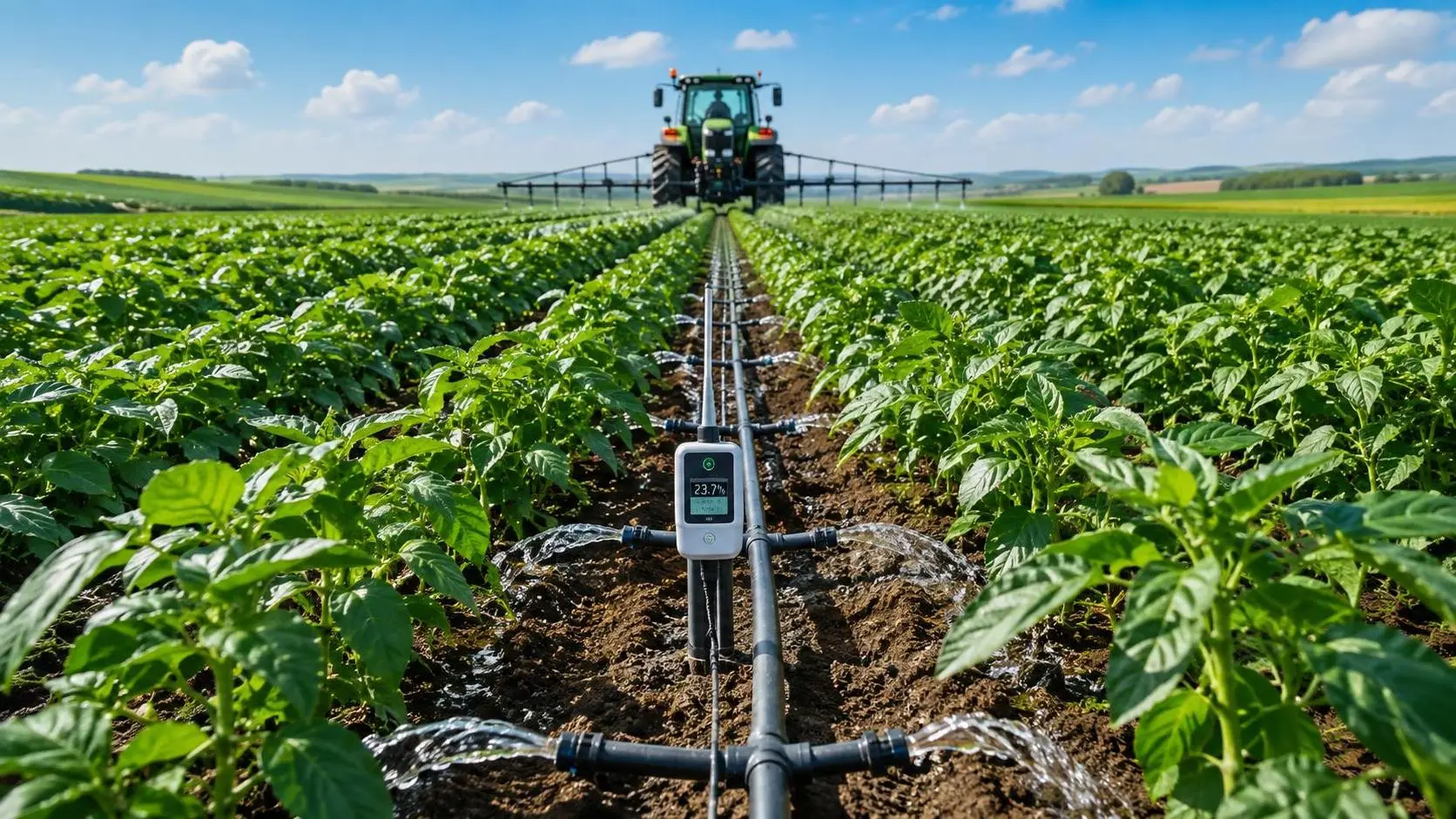
Can Sustainable Farming Be Profitable Without Reducing Yields?
Are sustainable farming practices profitable without yield loss? Discover precision strategies that cut waste, protect yields, and improve farm margins.
Related News
- 00
0000-00
How Does Climate-Smart Farming Reduce Water Use in Semi-Arid Areas? - 00
0000-00
USDA Rule Takes Effect: Dual FCC and NRCS Approval for Soil Moisture Sensors - 00
0000-00
EU Rule Takes Effect: Soil Moisture Sensors Need Revised CE-EMC Certification - 00
0000-00
How to Choose Wireless Smart Irrigation Systems for Better Water Control - 00
0000-00
How to Choose Wireless Soil Moisture Sensors for Irrigation and Field Monitoring
Popular Tags
Hydrological Resource Strategist
Weekly Insights
Stay ahead with our curated technology reports delivered every Monday.