
Brazil Ends Federal Tax on Imports Under $50
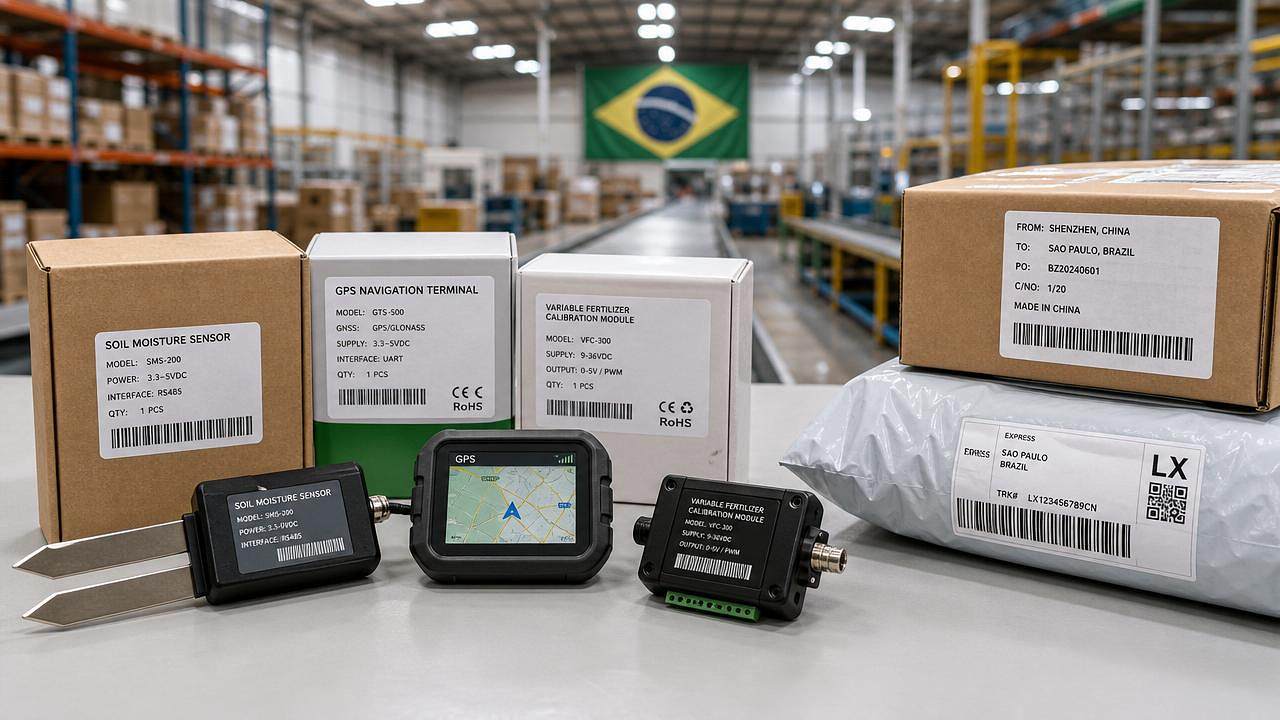




Starting on May 11, 2026, Brazil has removed the federal import tax (II) on imported goods priced at $50 or below, covering lightweight agricultural electronic components such as soil moisture sensors, small GPS guidance terminals, and Variable Rate Tech calibration modules. For the agricultural electronics trade, this is worth watching not only as a tax adjustment, but as a change that may lower trial-order barriers for small and mid-sized distributors in South America and speed up a direct-shipping path from samples to small batches and then to local inventory preparation.
What the policy change covers
Based on the information provided, Brazil's measure took effect on 2026-05-11 and applies to imported goods valued at $50 or less. The policy removes the federal import tax (II) for that price band. The stated product coverage includes lightweight agricultural electronic parts such as soil moisture sensors, compact GPS guidance terminals, and Variable Rate Tech calibration modules.
The information provided also indicates that the change lowers the threshold for small distributors in South America to place trial orders and supports a purchasing path that moves from sample orders to small-batch procurement and then to stocking in local warehouses.
Where the impact may appear first
Smaller distributors testing demand
From an industry perspective, smaller distributors are among the first groups likely to feel the effect. The reason is straightforward: if low-value imported units become easier to bring in, the initial cost of testing product fit, customer interest, and after-sales workflow may fall. The business link most affected is early-stage procurement, especially sample evaluation and first-round replenishment. What deserves closer attention is whether this translates into faster order cycles rather than just lower landed cost on paper.
Manufacturers of compact ag-electronics components
For manufacturers of small agricultural electronic parts, the relevance lies in product types that can be shipped directly in low-value consignments. Analysis shows that product design, order structure, and packaging strategy may matter more when the policy advantage is tied to a sub-$50 threshold. The impact is likely to show up in export planning, SKU selection, and how suppliers support customers moving from pilot orders to repeat purchases.
Cross-border fulfillment and local stocking services
Supply chain and fulfillment service providers may also need to watch this development closely. Observably, the policy points to a faster transition from direct sample shipment to small-batch trade and then to local warehouse preparation. That means execution may depend less on a single shipment and more on whether logistics, documentation, and replenishment planning can support a more frequent, lower-value order structure.
Buyers exploring B2B2C routes
For buyers and channel operators, the significance is not limited to tax savings. The information provided suggests a clearer route for B2B2C activity, especially where a distributor first validates demand with direct imports before deciding on local stock. The key business links to watch are product testing, channel feedback, and the handoff from direct shipping to localized inventory preparation.
What companies should track now
Whether product positioning fits the under-$50 threshold
Companies should first review which items genuinely fit this policy window. The measure is directly relevant to lightweight, lower-ticket agricultural electronic components, so firms should distinguish between products suited for sample-led direct shipping and products that remain better matched to conventional bulk trade.
The gap between policy signal and operating reality
Analysis shows that a tax change and a workable shipment model are not the same thing. Businesses should pay attention to how the stated exemption aligns with actual order execution, including product classification, shipment documentation, and customer-side acceptance for trial orders. This is especially important for suppliers that want to convert one-off samples into repeat orders.
How to support the shift from sample to small batch
What deserves closer attention is the transition path highlighted in the information provided: sample, then small batch, then local warehouse stocking. Companies should therefore prepare not only pricing for initial orders, but also communication, delivery timing, and follow-up arrangements that help distributors move smoothly to the next stage.
Ongoing wording and rule verification
Because policy interpretation can affect execution, firms should continue checking for official wording, category applicability, and any rule clarifications related to the exemption. For teams handling Brazil-bound shipments, this is less about broad market narratives and more about reducing uncertainty in quoting, fulfillment, and customer communication.
How this should be read at this stage
Observably, this development is best understood as both an immediate operating change and a broader channel signal. The immediate part is the removal of the federal import tax (II) for goods at or below the stated value threshold. The broader signal is that low-value, lightweight ag-electronics products may now have a more practical path into South American distribution testing.
At the same time, it is more appropriate to understand this as a channel-enabling policy signal rather than a confirmed market outcome. The information provided points to lower trial-order barriers and a faster procurement path, but whether that becomes stable repeat business still depends on execution across product selection, shipment handling, and downstream stocking decisions.
A practical reading for the sector
For the agricultural electronics trade, the most relevant takeaway is that Brazil's tax move may improve the feasibility of cross-border direct shipping for small, low-value components and make it easier for distributors to test products before committing to local inventory. The policy is therefore significant not because it guarantees volume growth, but because it may reduce friction at the earliest stage of market entry and channel development.
At present, it is more appropriate to read this as a meaningful operational opening for lightweight ag-electronics components, especially in sample-led and small-batch trade, while continuing to watch how the policy works in actual business practice.
Basis of this article and what still needs verification
This article is based on the user-provided news title, event date, and event summary. No additional figures, institutions, policy codes, company cases, or market data beyond the provided information have been introduced.
For this type of development, source categories that are typically relevant include official policy announcements, company notices, industry association updates, authoritative media coverage, and related trade or standards documents. However, no specific official source link was provided in the input, so the exact official source still needs continued verification. Follow-up attention should focus on any further official clarification of rule wording, product applicability, and how the policy is reflected in practical import operations.
Related News
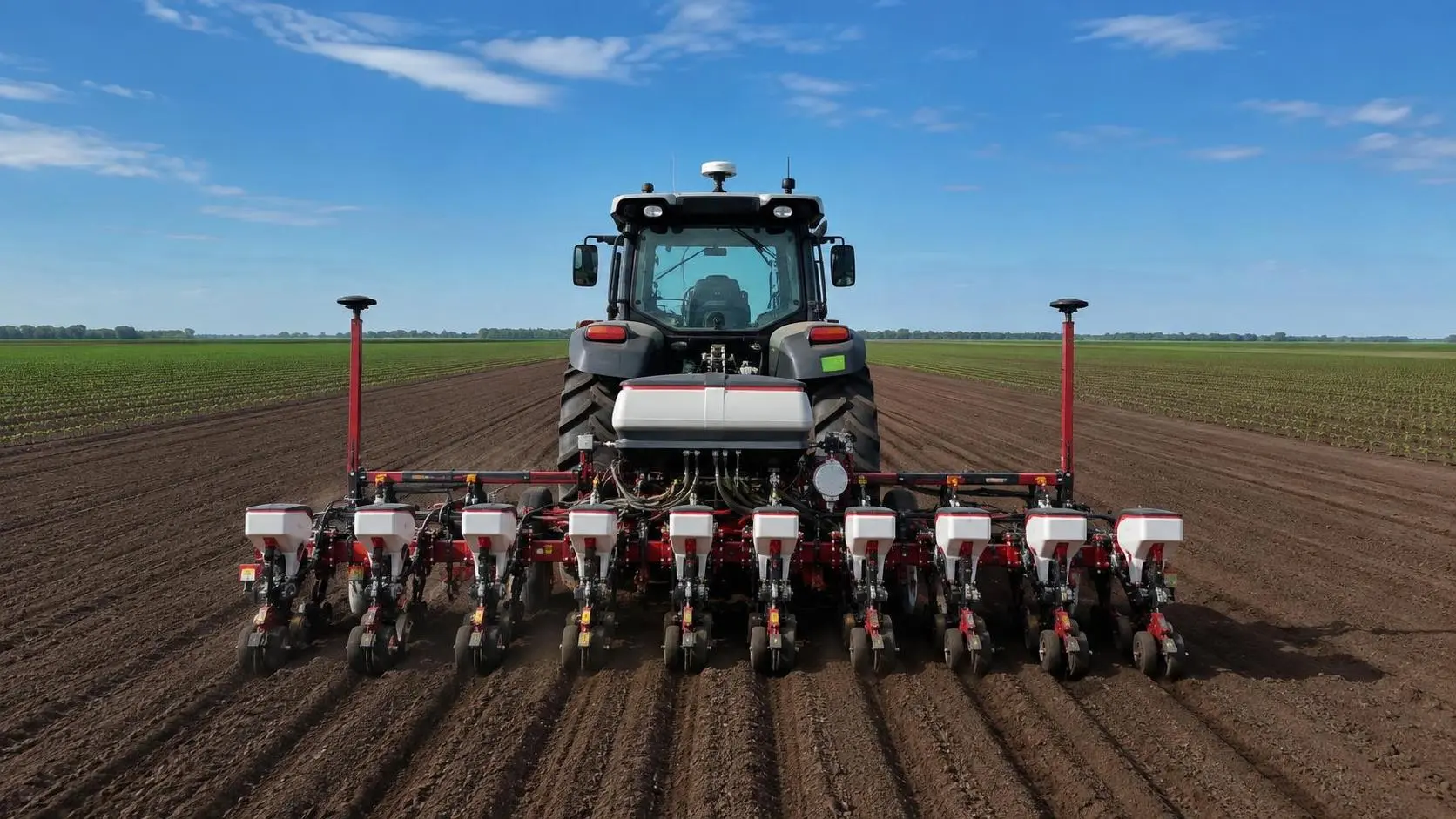
How Tractor Intelligence Systems Improve Field Efficiency and Input Accuracy
Agricultural machinery intelligence for tractors improves field efficiency, input accuracy, data traceability, and implement control. Explore smarter evaluation strategies.
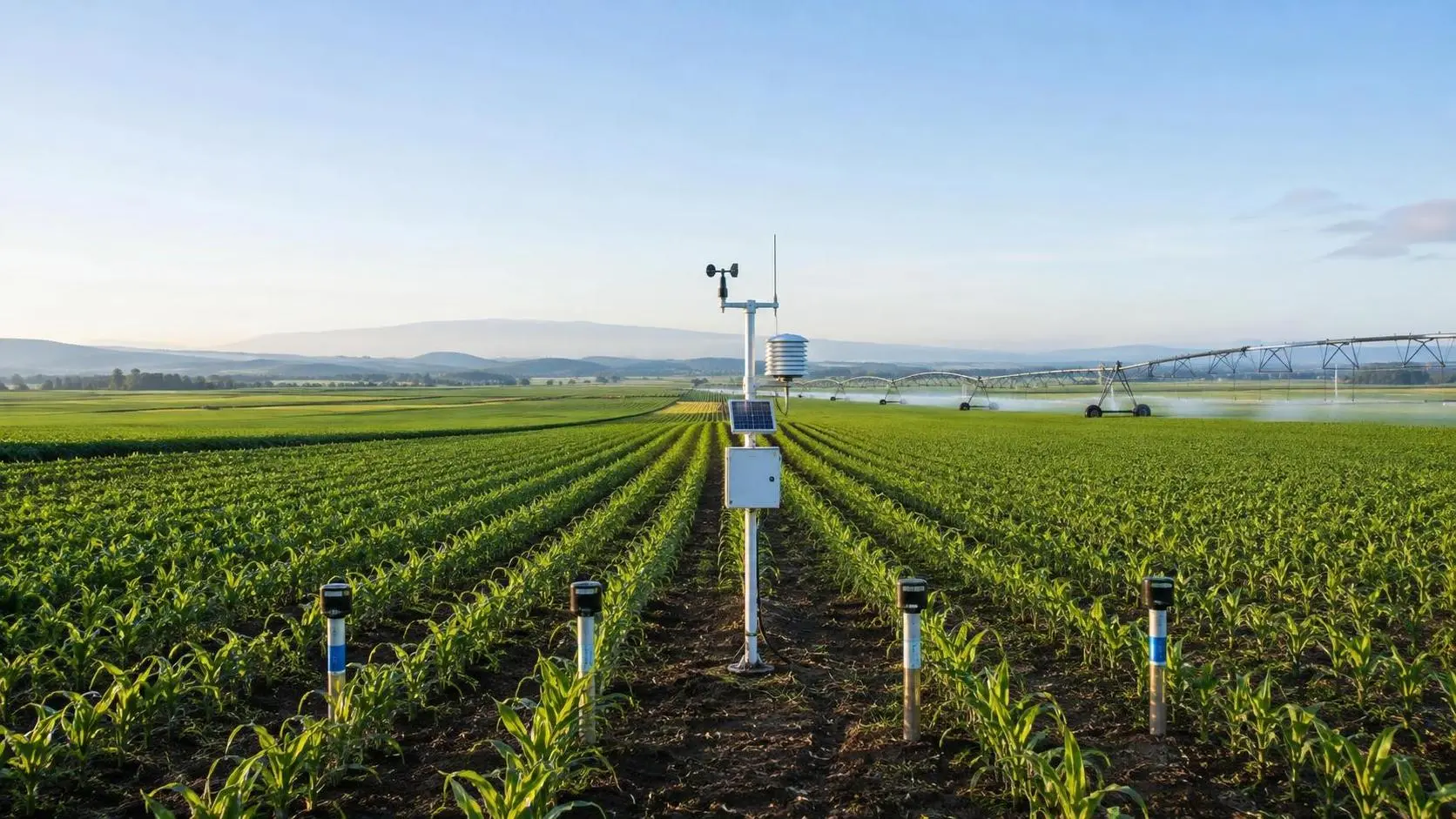
How to Evaluate Crop Monitoring System Manufacturers for Large-Scale Farms
Compare crop monitoring systems manufacturers for large-scale farms. Evaluate data quality, integration, durability, lifecycle costs, support, and pilots for smarter decisions.
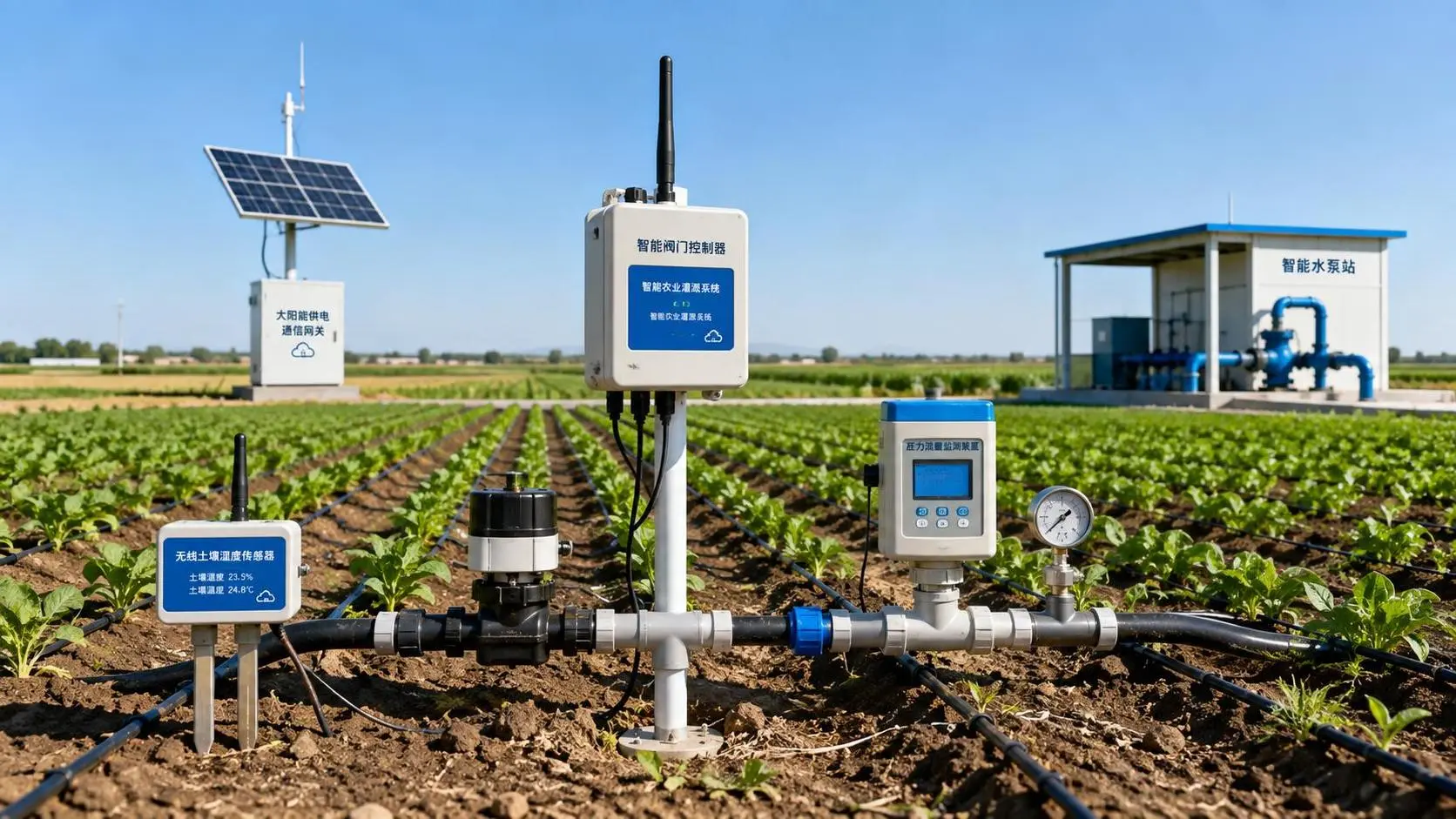
Wireless Agricultural Automation for Remote Irrigation and Field Monitoring
Agricultural automation wireless solutions improve remote irrigation with reliable field data, local control, flow verification, and smarter monitoring. Explore resilient deployment strategies.

Agricultural Product Information Market Guide: Key Data for Sourcing Decisions
Agricultural product information market guide for smarter sourcing—compare machinery, irrigation, precision tools, lifecycle costs, and supplier risk.

Large-Scale Farm Equipment Cost Comparison: Price, Fuel, and Lifecycle Value
Large-scale farm equipment cost comparison: evaluate price, fuel, maintenance, downtime, and lifecycle value to choose tractors, combines, irrigation, and smart tools with confidence.
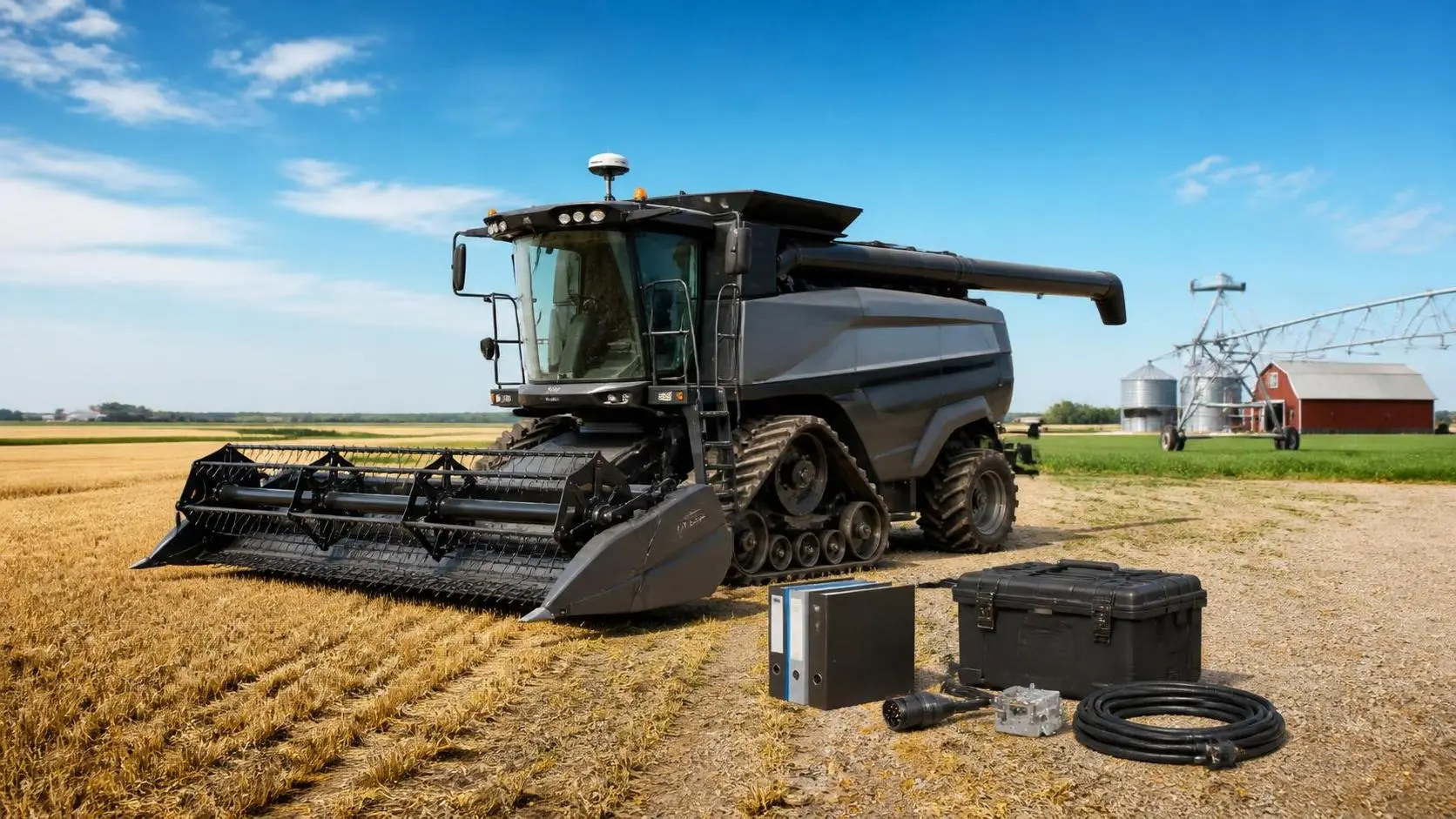
A Procurement Specification Preparation Example for Buying Farm Equipment
Procurement specification preparation example for farm equipment: learn to define requirements, compare suppliers, control lifecycle costs, and buy with confidence.

What Tractor Horsepower Is Needed for a Three-Bottom Moldboard Plow?
What tractor horsepower is needed for three-bottom moldboard plow? Compare 60–100 hp needs by soil, depth, traction, and plow width for a confident equipment match.
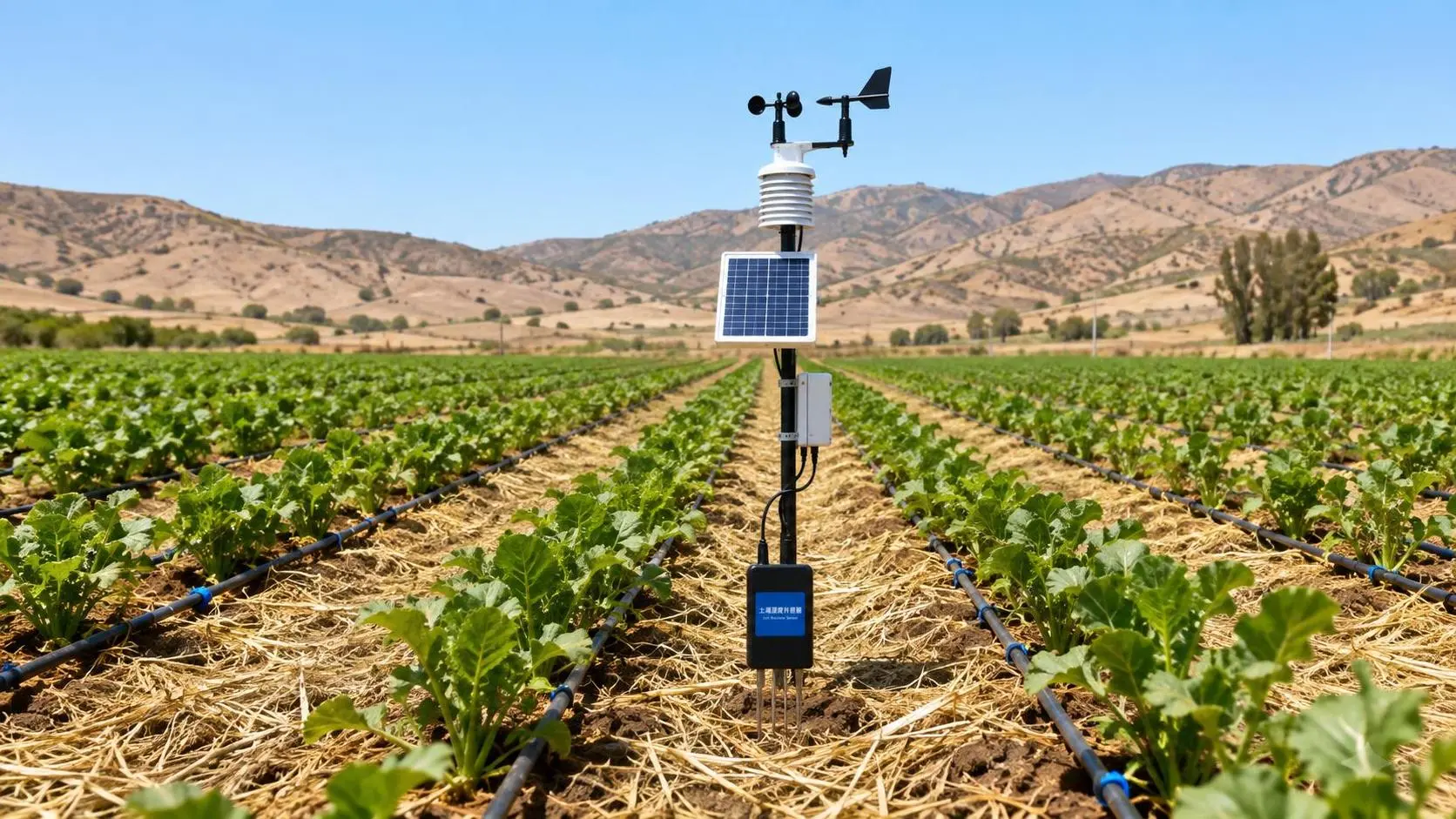
How Does Climate-Smart Farming Reduce Water Use in Semi-Arid Areas?
How does climate-smart farming reduce water use in semi-arid zones? Discover precision irrigation, soil monitoring, and smarter crop planning for resilient yields.
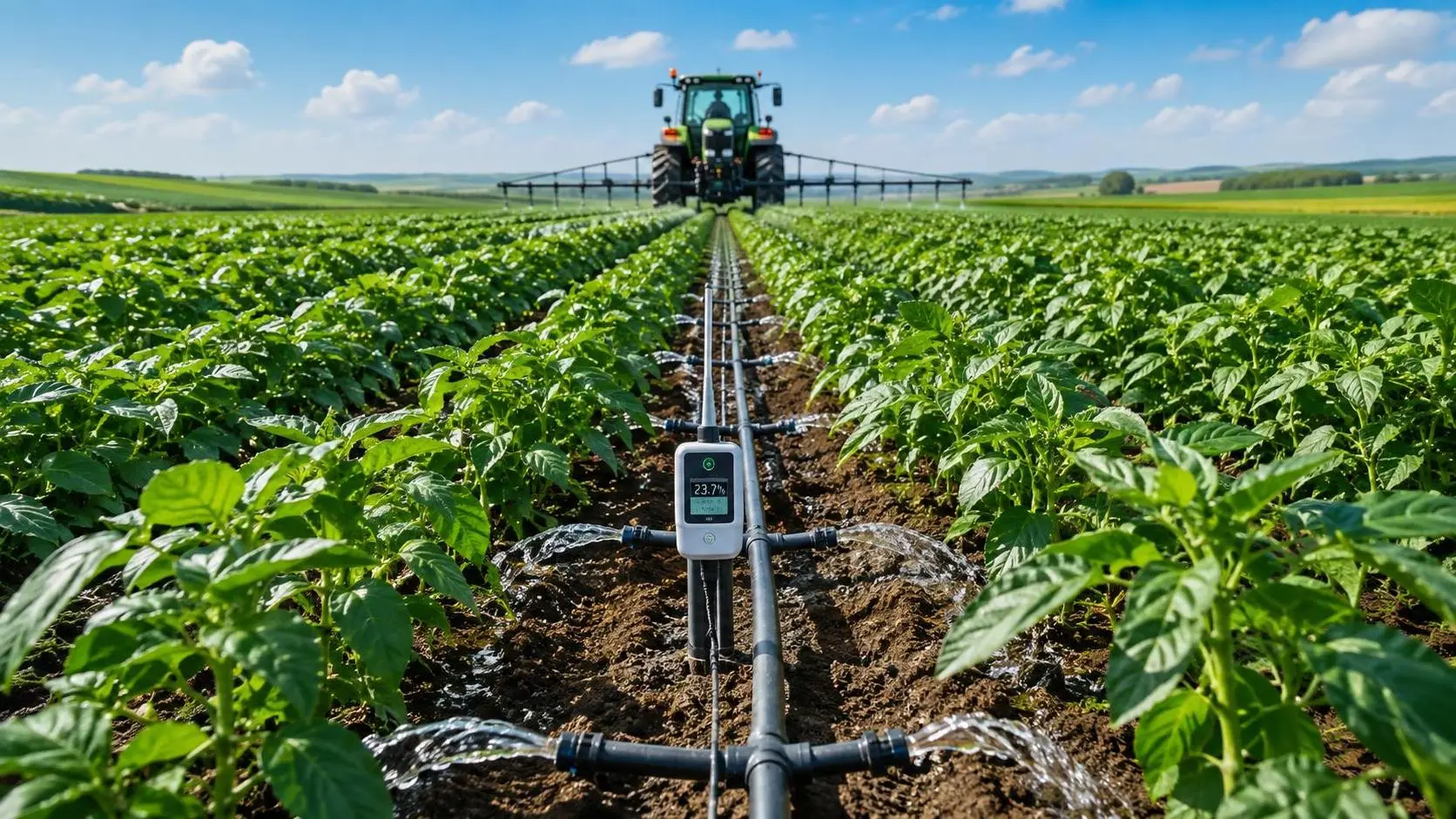
Can Sustainable Farming Be Profitable Without Reducing Yields?
Are sustainable farming practices profitable without yield loss? Discover precision strategies that cut waste, protect yields, and improve farm margins.
Related News
- 00
0000-00
How Does Climate-Smart Farming Reduce Water Use in Semi-Arid Areas? - 00
0000-00
USDA Rule Takes Effect: Dual FCC and NRCS Approval for Soil Moisture Sensors - 00
0000-00
EU Rule Takes Effect: Soil Moisture Sensors Need Revised CE-EMC Certification - 00
0000-00
How to Choose Wireless Smart Irrigation Systems for Better Water Control - 00
0000-00
How to Choose Wireless Soil Moisture Sensors for Irrigation and Field Monitoring
Popular Tags
Hydrological Resource Strategist
Weekly Insights
Stay ahead with our curated technology reports delivered every Monday.