
Crop Monitoring Systems: Which Data Points Matter Most for Irrigation Decisions?
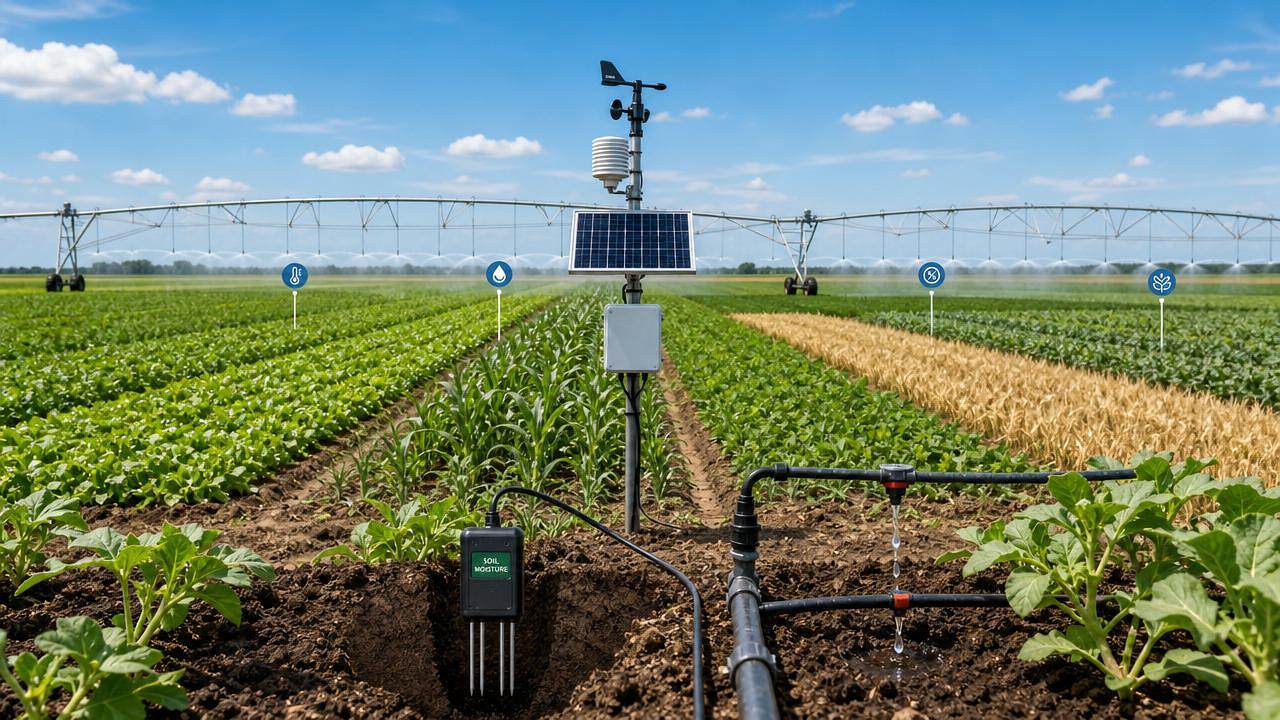




Why crop monitoring systems matter for irrigation accuracy
For technical evaluation, the hardest part is rarely data collection. It is deciding which signals from crop monitoring systems actually improve irrigation timing, application depth, and operational consistency.
That distinction matters more now because irrigation decisions sit at the center of yield stability, energy use, labor planning, and water compliance across modern agricultural operations.
At AP-Strategy, this question fits directly into the wider Agriculture 4.0 picture. Smart irrigation does not stand alone. It connects with machine scheduling, field trafficability, sensor feedback, and sustainability targets.
The best crop monitoring systems do not win because they display more dashboards. They win because they turn a short list of reliable data points into repeatable irrigation decisions under changing field conditions.
The data points that usually deserve top priority
When comparing crop monitoring systems, start with the data that directly answers one practical question: should water be applied now, how much, and to which zone first?
- Soil moisture at multiple depths matters most when root activity changes through the season. Surface-only readings often look fine while deeper layers already show irrigation stress.
- Canopy temperature is a strong early stress indicator. In many crop monitoring systems, it helps reveal plant water tension before visual wilting appears in field scouting.
- Evapotranspiration is essential for estimating daily water use. It becomes more useful when crop monitoring systems combine local weather, crop stage, and field-specific coefficients.
- Weather variability should never be treated as background noise. Wind, humidity, radiation, and forecast rainfall all change irrigation timing, infiltration performance, and application efficiency.
- Root-zone refill status gives better guidance than raw moisture values alone. Good crop monitoring systems show whether water deficits are approaching the operational trigger threshold.
- Spatial variability across management zones helps avoid over-irrigating uniform prescriptions. Sensor averages can hide serious dry pockets, especially in large fields with mixed soil texture.
This is where many evaluations drift off track. A platform may capture leaf color, satellite imagery, or machine telemetry, but those layers only add value if they improve irrigation action.
A quick decision view
What strong crop monitoring systems should prove in real conditions
A technical review should move beyond feature lists. The real test is whether crop monitoring systems hold up during uneven rainfall, variable soils, heat spikes, and changing irrigation capacity.
- Check whether sensor readings stay consistent after irrigation events. Some crop monitoring systems react fast on the surface but fail to track deeper infiltration or redistribution patterns.
- Review how the platform handles missing or delayed data. Irrigation decisions often happen under time pressure, so data gaps can cause costly overcorrection.
- Confirm that alert thresholds are adjustable by crop stage and soil type. Static thresholds usually create false alarms or miss meaningful stress periods.
- Test whether recommendations align with irrigation hardware limits. A useful system must reflect pump capacity, flow variability, emitter rate, and field application windows.
- Measure how easily the platform exports data into existing farm tools. Crop monitoring systems gain value when they support irrigation records, compliance logs, and machine planning.
In large-scale operations, this interoperability matters as much as sensing quality. AP-Strategy often frames intelligent irrigation as part of a connected equipment ecosystem, not an isolated software purchase.
Scenario: center pivot on variable soils
A center pivot field with sandy ridges and heavier lower zones can mislead simple averages. One sensor cluster may suggest adequate moisture while another area is already below refill threshold.
In that case, crop monitoring systems should clearly separate zone-level moisture, ET demand, and forecast rainfall. If the interface hides that variability, irrigation precision drops quickly.
The signals that are useful but often overrated
Not every field metric deserves equal weight. Some data looks impressive in demonstrations but contributes little to irrigation decisions unless paired with stronger agronomic context.
- NDVI and general vigor maps are helpful for trend monitoring, but alone they react too slowly for short irrigation intervals and early-stage stress detection.
- Single daily weather summaries can look clean yet miss the timing detail needed for irrigation scheduling during heat waves or high evaporative demand periods.
- Raw satellite imagery adds value only when revisit frequency, cloud interference, and resolution fit the irrigation window. Otherwise, the data arrives too late to act.
- Generic stress scores may simplify dashboards, but they often hide the cause of stress. That makes it harder to separate irrigation need from nutrient or disease issues.
This does not mean those signals should be ignored. It means technical evaluation should rank them behind the core indicators that directly influence water application.
Scenario: drip irrigation in high-value crops
Under drip irrigation, small timing errors can create large root-zone differences. Here, crop monitoring systems need strong depth-based moisture tracking and reliable pressure or flow context.
Canopy temperature becomes especially useful during hot afternoons, when plants may show stress even though surface moisture appears acceptable. That combination often exposes distribution problems early.
Common blind spots during technical evaluation
Some of the biggest irrigation mistakes come from evaluation gaps, not bad sensors. A platform can look strong in a pilot and still fail during full-season operation.
- Do not assess crop monitoring systems without checking sensor placement rules. Poor installation depth or weak zone selection can distort all downstream irrigation recommendations.
- Do not separate software review from hydraulic reality. If the platform ignores pump limitations or infiltration rates, recommendations may be correct on paper but impossible in practice.
- Do not rely only on seasonal averages. Irrigation value appears in critical stress windows, especially around flowering, grain fill, or rapid vegetative growth.
- Do not overlook maintenance burden. Crop monitoring systems with fragile calibration routines or frequent field servicing can erode operational value over time.
- Do not ignore compatibility with wider mechanized farming workflows. Data should support planning across tractors, intelligent tools, and harvest operations when field timing shifts.
That broader systems view is important in integrated operations. AP-Strategy consistently highlights that irrigation intelligence works best when aligned with machinery logistics and sustainability targets.
A practical way to compare crop monitoring systems
A simple evaluation method is to score each platform by decision usefulness instead of total features. That keeps the focus on irrigation outcomes rather than presentation quality.
- Start with three questions: when to irrigate, how much to apply, and where to prioritize. If crop monitoring systems cannot answer all three clearly, ranking should drop.
- Compare root-zone data against actual irrigation events for several cycles. Strong systems show believable cause-and-effect patterns, not random fluctuations or unexplained jumps.
- Review one stress period in detail, such as a hot week with uncertain rainfall. This reveals whether the platform supports calm, evidence-based irrigation decisions.
- Check if recommendations can be translated into field action within minutes. Decision speed matters because delayed interpretation often weakens the benefit of good data.
- Score long-term value, not just first-year setup. The best crop monitoring systems stay useful across crop rotations, hardware upgrades, and changing water restrictions.
One final benchmark
If a platform reduces unnecessary irrigation, protects yield during stress, and integrates with the broader precision agriculture stack, it is already delivering real technical value.
That is the benchmark worth keeping. In crop monitoring systems, the most important data points are the ones that consistently improve irrigation decisions under real operating pressure.
The next step is straightforward: rank candidate systems by soil moisture depth quality, canopy stress detection, ET reliability, weather integration, and zone-level actionability. Everything else should support those core irrigation decisions, not distract from them.
Related News
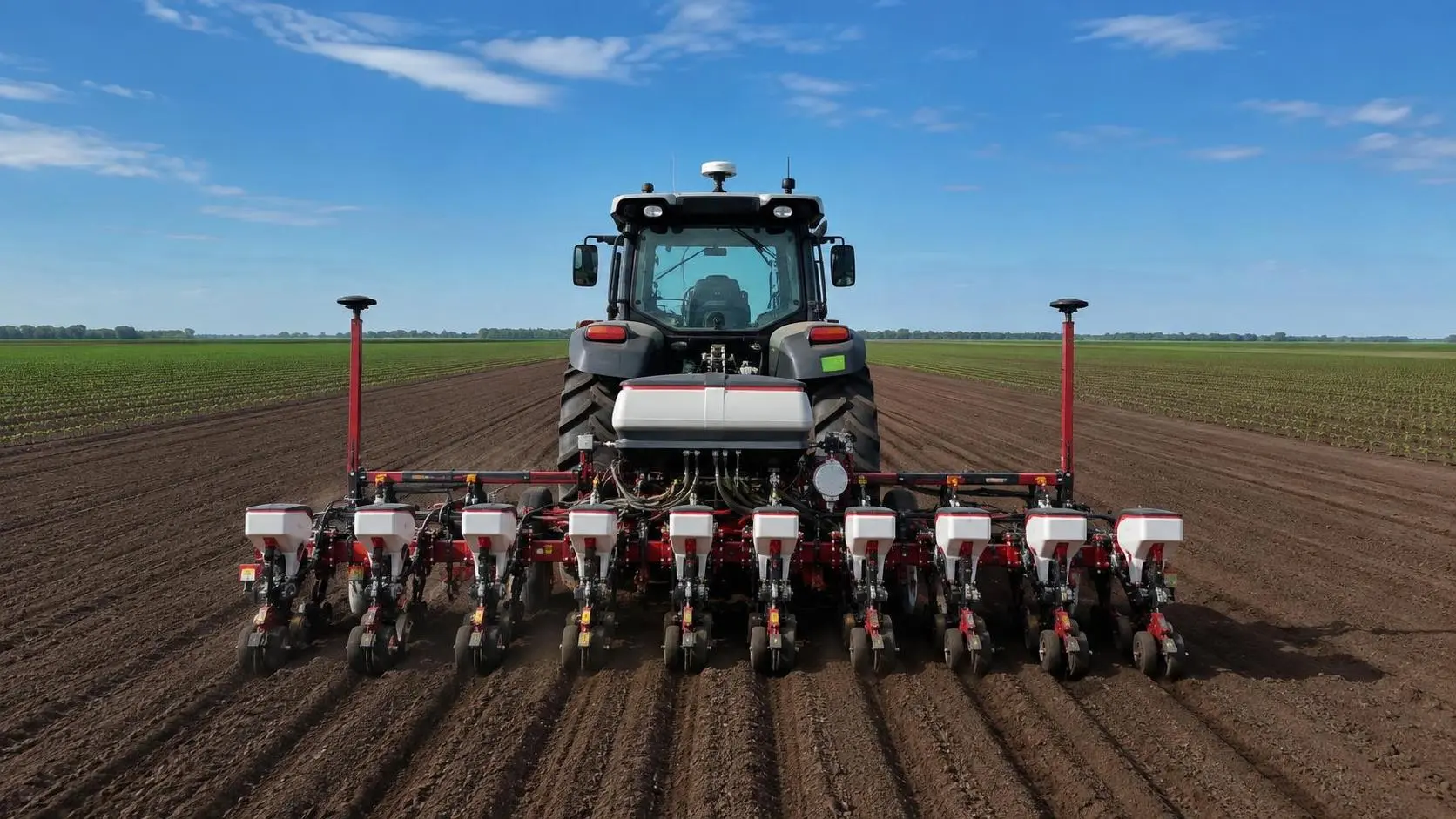
How Tractor Intelligence Systems Improve Field Efficiency and Input Accuracy
Agricultural machinery intelligence for tractors improves field efficiency, input accuracy, data traceability, and implement control. Explore smarter evaluation strategies.
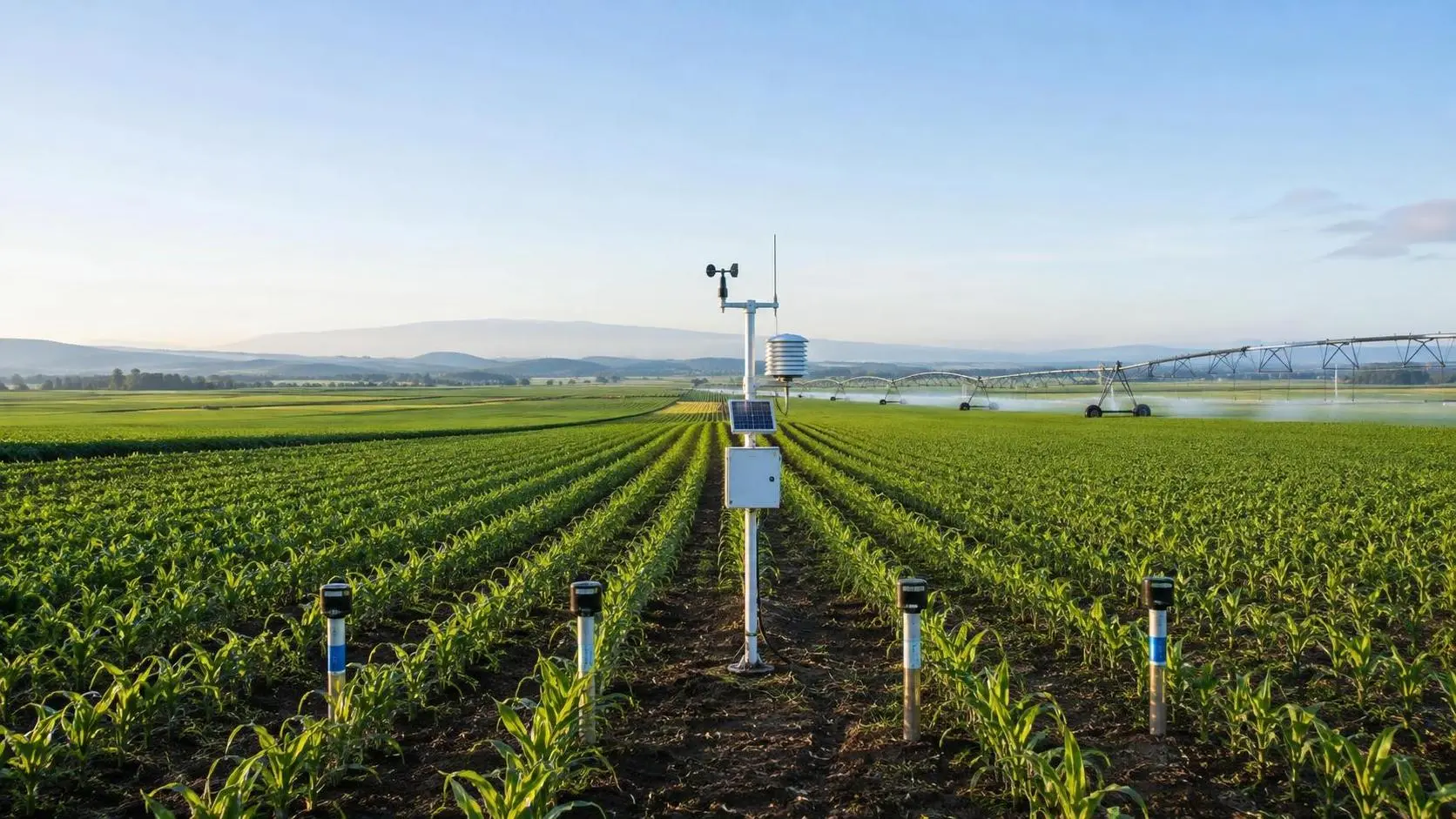
How to Evaluate Crop Monitoring System Manufacturers for Large-Scale Farms
Compare crop monitoring systems manufacturers for large-scale farms. Evaluate data quality, integration, durability, lifecycle costs, support, and pilots for smarter decisions.
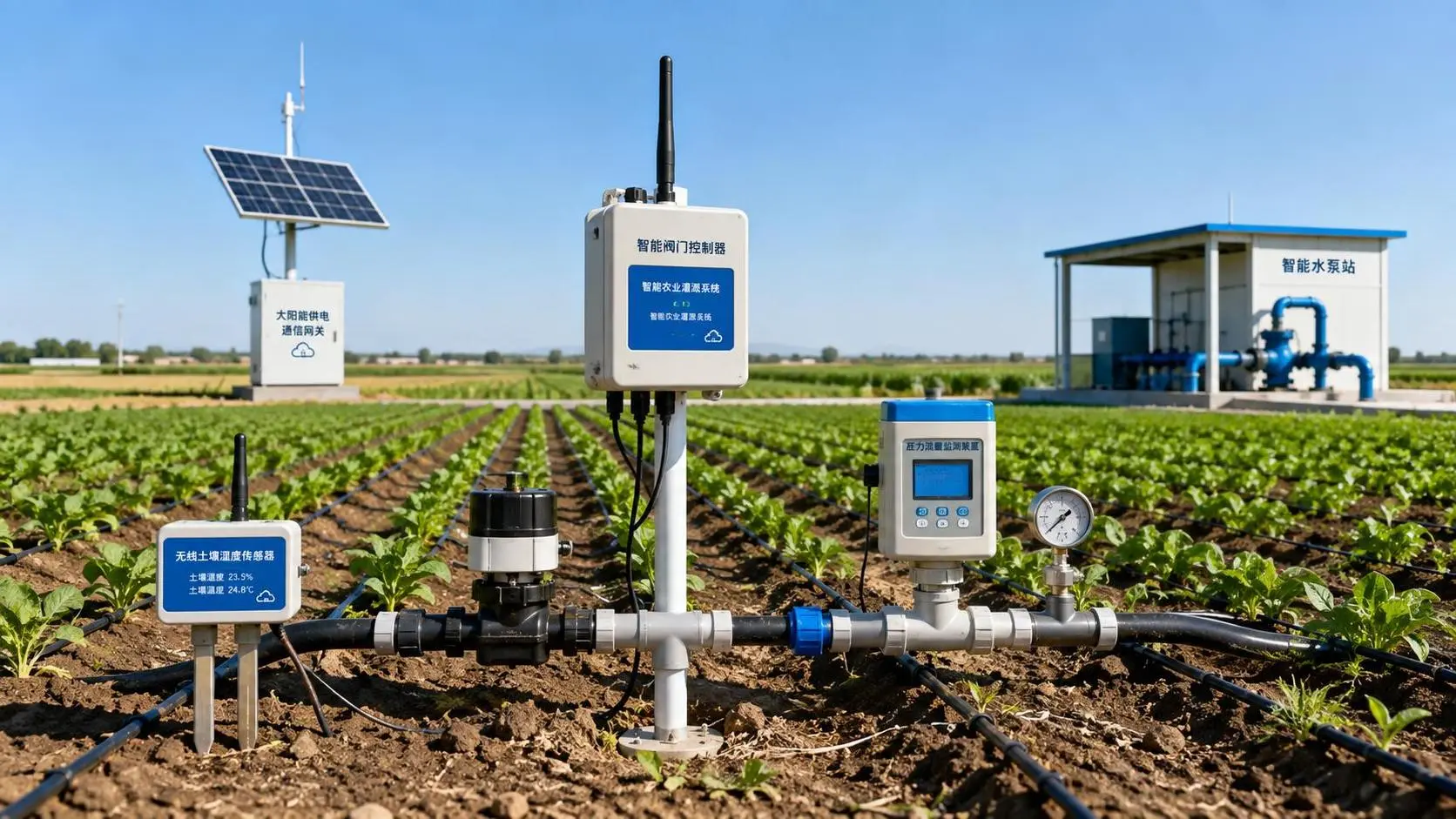
Wireless Agricultural Automation for Remote Irrigation and Field Monitoring
Agricultural automation wireless solutions improve remote irrigation with reliable field data, local control, flow verification, and smarter monitoring. Explore resilient deployment strategies.
Agricultural Product Information Market Guide: Key Data for Sourcing Decisions
Agricultural product information market guide for smarter sourcing—compare machinery, irrigation, precision tools, lifecycle costs, and supplier risk.
Large-Scale Farm Equipment Cost Comparison: Price, Fuel, and Lifecycle Value
Large-scale farm equipment cost comparison: evaluate price, fuel, maintenance, downtime, and lifecycle value to choose tractors, combines, irrigation, and smart tools with confidence.
A Procurement Specification Preparation Example for Buying Farm Equipment
Procurement specification preparation example for farm equipment: learn to define requirements, compare suppliers, control lifecycle costs, and buy with confidence.
What Tractor Horsepower Is Needed for a Three-Bottom Moldboard Plow?
What tractor horsepower is needed for three-bottom moldboard plow? Compare 60–100 hp needs by soil, depth, traction, and plow width for a confident equipment match.
How Does Climate-Smart Farming Reduce Water Use in Semi-Arid Areas?
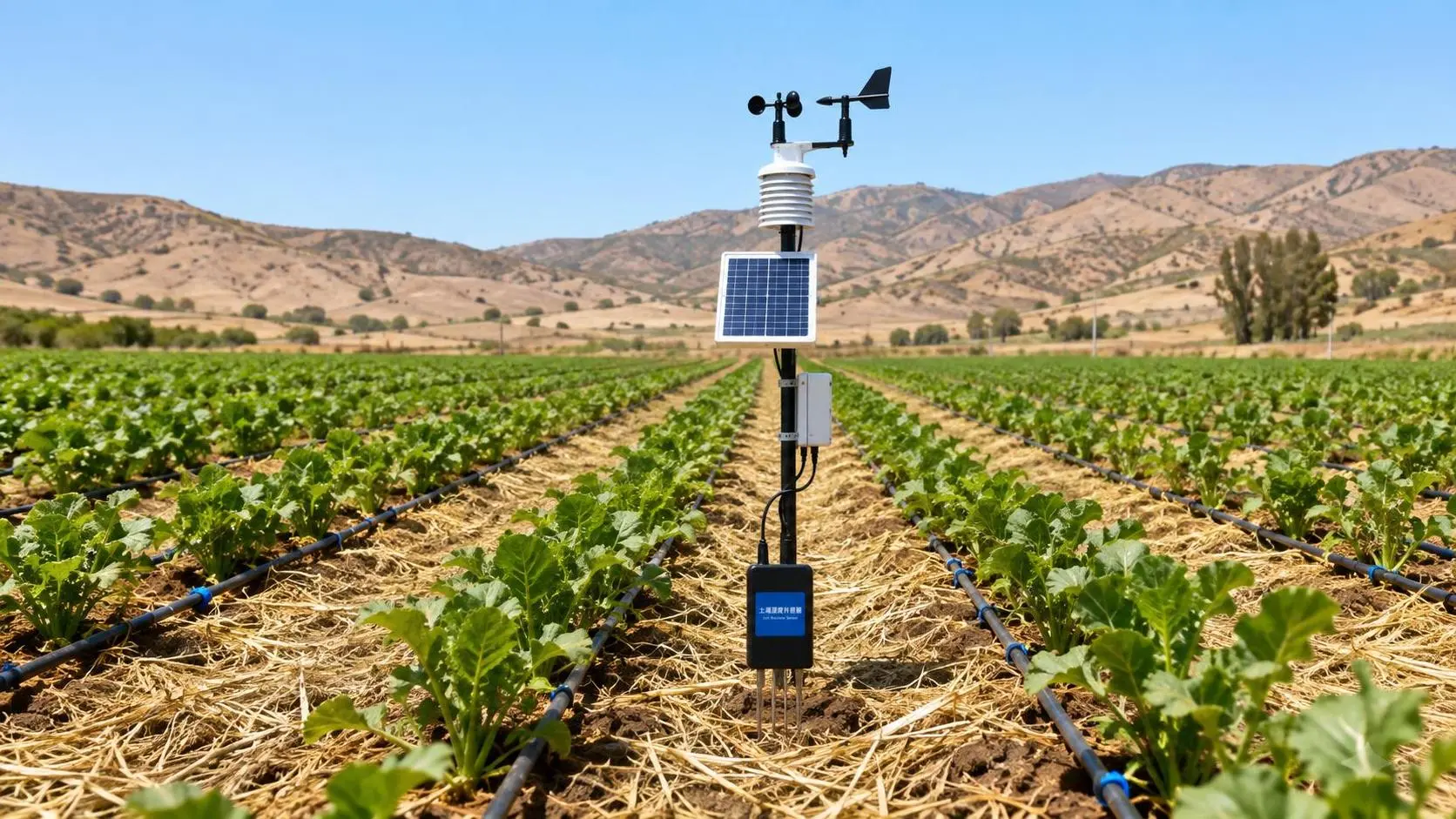
How does climate-smart farming reduce water use in semi-arid zones? Discover precision irrigation, soil monitoring, and smarter crop planning for resilient yields.
Can Sustainable Farming Be Profitable Without Reducing Yields?
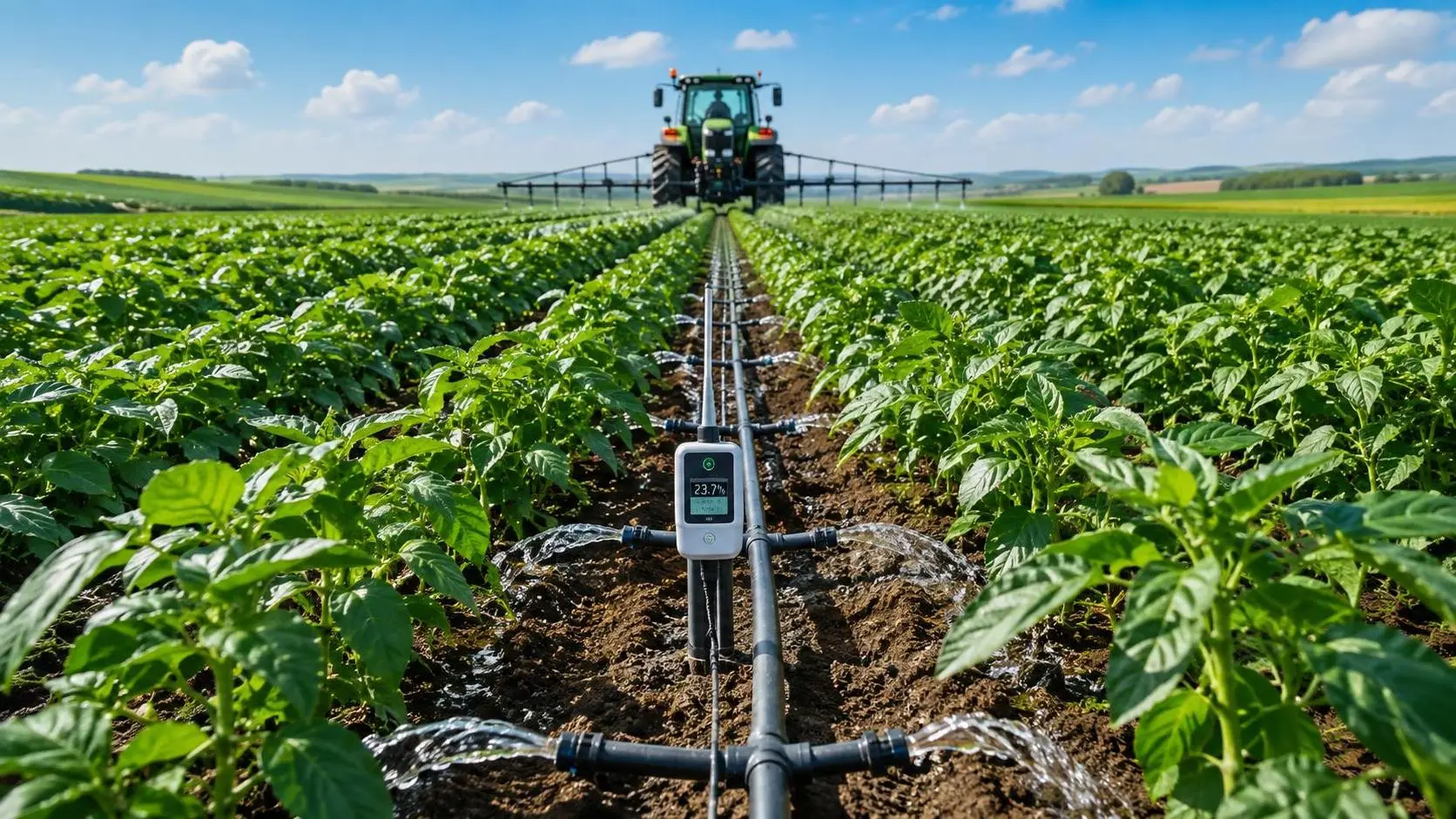
Are sustainable farming practices profitable without yield loss? Discover precision strategies that cut waste, protect yields, and improve farm margins.
Related News
- 00
0000-00
How Does Climate-Smart Farming Reduce Water Use in Semi-Arid Areas? - 00
0000-00
USDA Rule Takes Effect: Dual FCC and NRCS Approval for Soil Moisture Sensors - 00
0000-00
EU Rule Takes Effect: Soil Moisture Sensors Need Revised CE-EMC Certification - 00
0000-00
How to Choose Wireless Smart Irrigation Systems for Better Water Control - 00
0000-00
How to Choose Wireless Soil Moisture Sensors for Irrigation and Field Monitoring
Popular Tags
Hydrological Resource Strategist
Weekly Insights
Stay ahead with our curated technology reports delivered every Monday.