
Smart Farming Solutions for Mid-Size Farms: How to Choose Sensors, Software, and Equipment
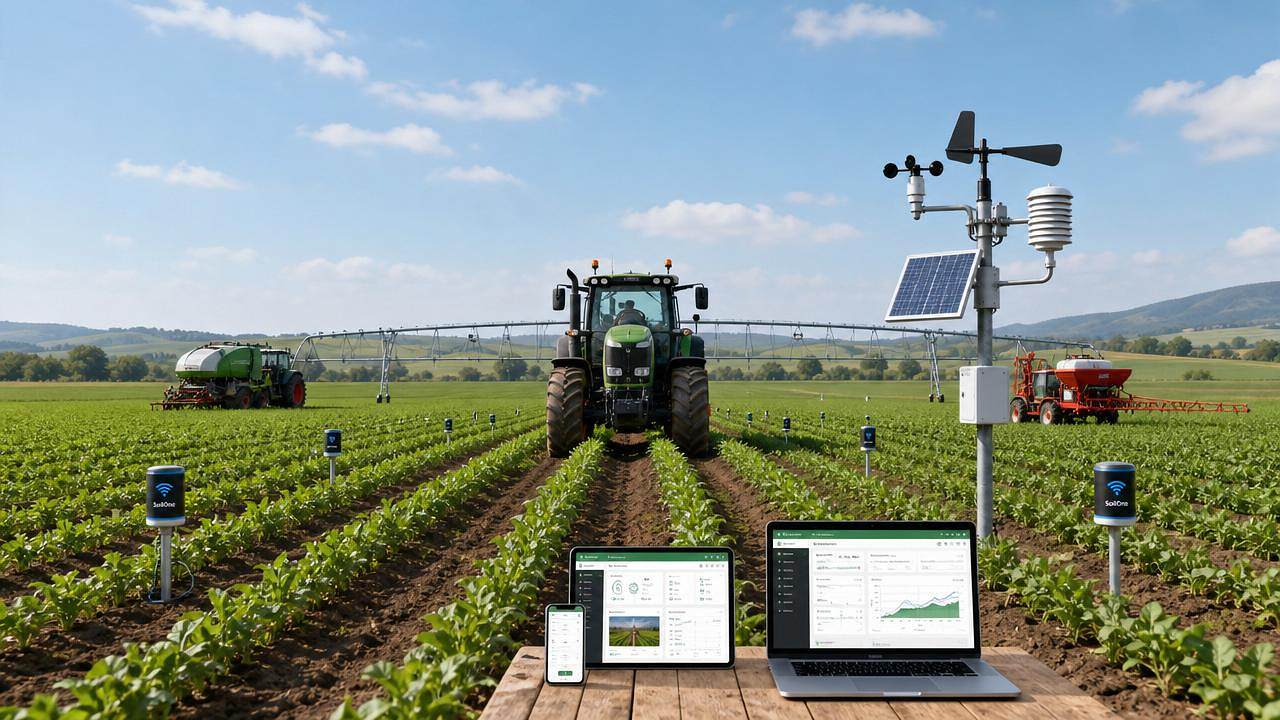




Smart Farming Solutions for Mid-Size Farms: How to Choose Sensors, Software, and Equipment
For mid-size farms, choosing smart farming solutions is rarely about buying the newest tool first.
The real task is matching field needs, data quality, machine compatibility, and return on investment.
That balance matters even more when operations sit between small family farms and large enterprise estates.
Budgets are tighter than industrial growers expect, yet system complexity is already high.
This is where practical smart farming solutions create value.
The best choices reduce decision risk, improve timing, and help teams scale precision agriculture without locking themselves into costly mistakes.
From AP-Strategy’s view of Agriculture 4.0, the strongest systems connect machinery performance, sensor feedback, software intelligence, and sustainability goals in one operating model.
Start with operational goals, not hardware lists
Many smart farming solutions fail because farms start with products instead of problems.
In practice, a better starting point is identifying the decisions that need better data.
Those decisions usually sit in irrigation timing, fertilizer placement, disease alerts, fuel use, labor planning, and harvest coordination.
Mid-size farms should define two or three measurable priorities for the first phase.
Examples include cutting water use by 12%, reducing overlap during spraying, or improving harvest loss visibility.
This step keeps smart farming solutions tied to business outcomes instead of vendor claims.
- Define the field problem first.
- Set a baseline with current costs and performance.
- Choose a pilot area before full deployment.
- Assign one owner for system adoption and review.
How to evaluate sensors for field-level accuracy
Sensors are often the first layer of smart farming solutions, but not all data is equally useful.
The right sensor package depends on crop type, field variability, irrigation method, and response speed.
For most mid-size farms, the core shortlist includes soil moisture sensors, weather stations, flow meters, tank or pump monitoring, and yield data inputs.
Some operations also benefit from canopy sensing, leaf wetness monitoring, or telemetry on irrigation assets.
Still, more sensors do not always mean better smart farming solutions.
A smaller network with strong calibration and stable connectivity usually outperforms an oversized system with weak maintenance.
What matters most in sensor selection
- Accuracy at relevant depth, range, or field condition.
- Reliable transmission through cellular, LoRaWAN, or gateway networks.
- Battery life and service intervals.
- Easy calibration and replacement procedures.
- Clean integration with farm management platforms.
From a project perspective, ask one simple question.
Will this sensor change a real operational decision within a useful timeframe?
Software is the control layer of smart farming solutions
Software often decides whether smart farming solutions stay useful after the pilot phase.
A platform may look impressive in demos, yet fail when crews need fast decisions during irrigation windows or harvest pressure.
Good agricultural software should turn scattered data into clear actions.
That includes alerts, dashboards, work orders, equipment status, and performance history.
For mid-size farms, usability matters as much as algorithm quality.
If field managers need constant vendor support, adoption will slow down quickly.
Key software questions before purchase
- Can it combine sensor, machine, and irrigation data in one view?
- Does it support mobile use in low-connectivity environments?
- Can it export data without vendor lock-in?
- Are alerts configurable by crop, zone, and season?
- Does it integrate with existing machinery brands and file formats?
The strongest smart farming solutions create one trusted version of field reality.
That reduces spreadsheet chaos and shortens the gap between observation and action.
Equipment compatibility is where many projects succeed or fail
This is the point many buying guides understate.
Smart farming solutions only create value when they connect to machines and field workflows already in use.
That means tractors, implements, irrigation pumps, variable-rate tools, and combine harvesters must exchange usable data.
For farms running mixed fleets, compatibility should be reviewed before any subscription is signed.
In AP-Strategy’s focus areas, chassis systems, hydraulic control, harvesting feedback, and irrigation automation all depend on reliable interoperability.
When evaluating smart farming solutions, compatibility costs are often more important than purchase price alone.
Build a phased selection model for lower risk
A phased model is usually the safest way to deploy smart farming solutions on mid-size farms.
Instead of a full digital overhaul, start with one operational loop.
A common first loop is sensor-driven irrigation scheduling.
Another is machine guidance plus field activity logging.
A third option is harvest data capture linked to yield analysis.
Each phase should produce one visible operational win.
- Assess current equipment, workflows, and data gaps.
- Shortlist smart farming solutions by operational priority.
- Run a seasonal pilot with clear success metrics.
- Review adoption, data quality, and maintenance burden.
- Scale only after integration proves stable.
This structure helps teams avoid overbuying and keeps each investment tied to field results.
How to compare total cost and return
The ROI of smart farming solutions should be measured beyond the initial quote.
A lower upfront price can hide weak service coverage, extra gateways, paid integrations, or frequent sensor replacement.
A better model compares total cost of ownership against operational impact.
Look at water savings, reduced overlap, fuel efficiency, better labor timing, input optimization, and avoided downtime.
In many cases, smart farming solutions deliver the strongest value through risk reduction rather than headline yield gains.
- Include subscriptions, maintenance, training, and connectivity fees.
- Estimate savings by season, not just by year.
- Model best case, expected case, and downside case.
- Track payback period for each module separately.
This gives decision-makers a more honest view of which smart farming solutions deserve expansion.
Common selection mistakes to avoid
Several mistakes appear again and again across smart farming solutions projects.
The first is buying disconnected tools from multiple vendors without a data strategy.
The second is underestimating training and change management.
The third is ignoring network coverage in remote fields.
Another frequent issue is selecting advanced analytics before data collection becomes reliable.
From recent market shifts, the clearer signal is that simple, connected systems often outperform ambitious but fragmented deployments.
That also means practical smart farming solutions should be judged by repeatable field performance, not presentation quality.
A practical decision framework for the next buying cycle
The most effective smart farming solutions are not necessarily the most complex.
They are the ones that fit the farm’s agronomic reality, mechanical base, and management capacity.
A strong decision framework should combine operational priorities, sensor relevance, software usability, equipment compatibility, and full-life cost.
That is where smart farming solutions become scalable instead of experimental.
For teams planning the next investment cycle, start small, validate quickly, and expand only where data leads to action.
In real operations, that approach delivers stronger adoption and cleaner returns.
It also supports the bigger shift shaping modern agriculture.
More productive farms now depend on better intelligence, not just bigger equipment.
Choose smart farming solutions that connect the field, the machine, and the decision, then scale with confidence.
Related News
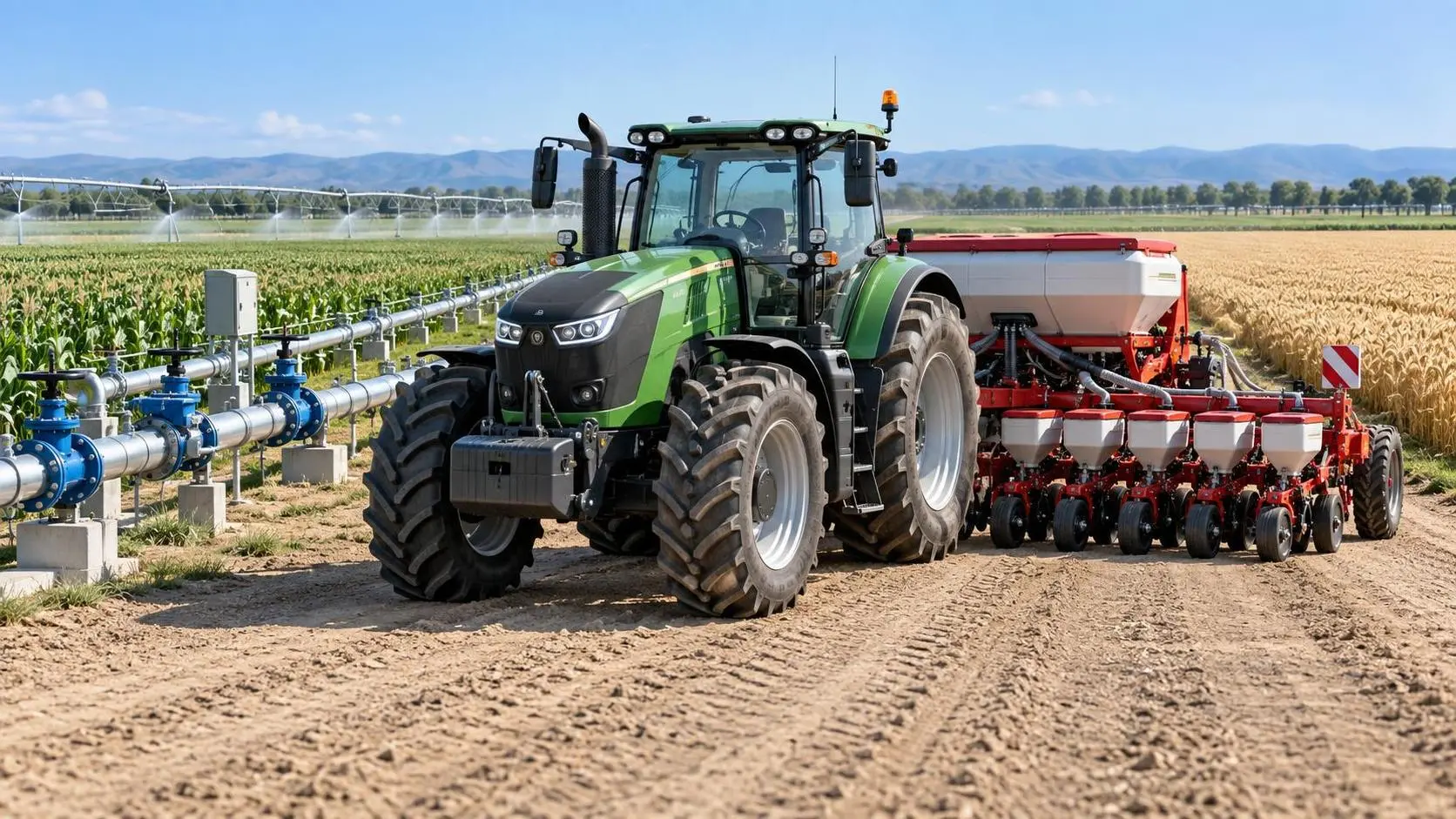
Specification Planning: A Practical Framework for Defining Equipment Requirements
Application guidance for specification planning: define measurable equipment requirements, prioritize performance, and avoid costly procurement mistakes.

How North American Farms Can Select Crop Monitoring Systems by Acreage and Connectivity
Crop monitoring systems North America: learn how to match acreage, connectivity, sensors, and data workflows for reliable, actionable farm decisions.

Where to Find Reliable Product Information for Comparing Farm Equipment
Product information resources agriculture buyers can trust: compare farm equipment with technical specs, manuals, field data, dealer support, and lifecycle insights.
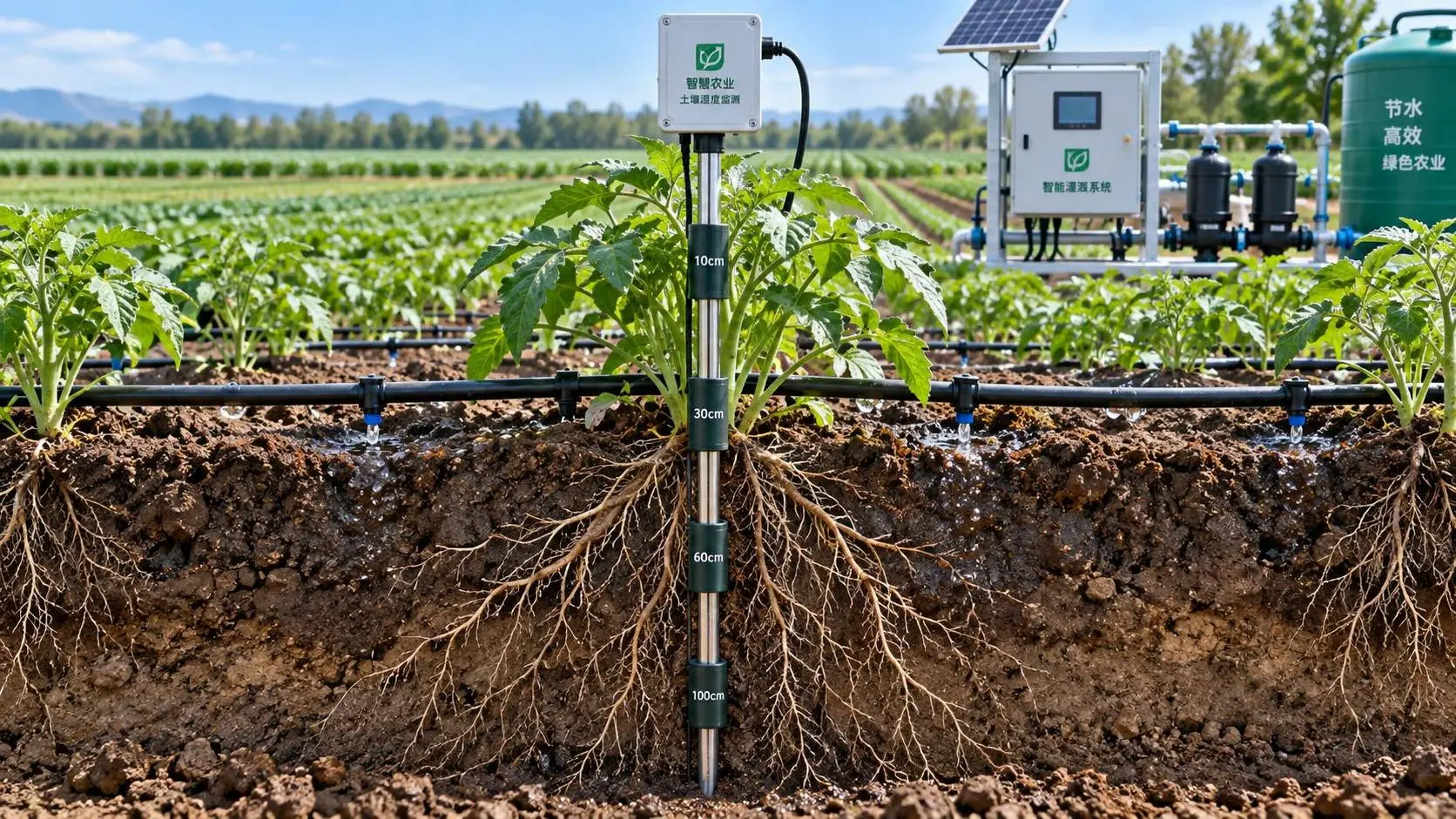
Selecting Real-Time Soil Moisture Sensors for Irrigation Zone Control
Soil moisture sensors real time: learn how to select reliable probes, optimize zone control, improve irrigation decisions, and scale precision water management.
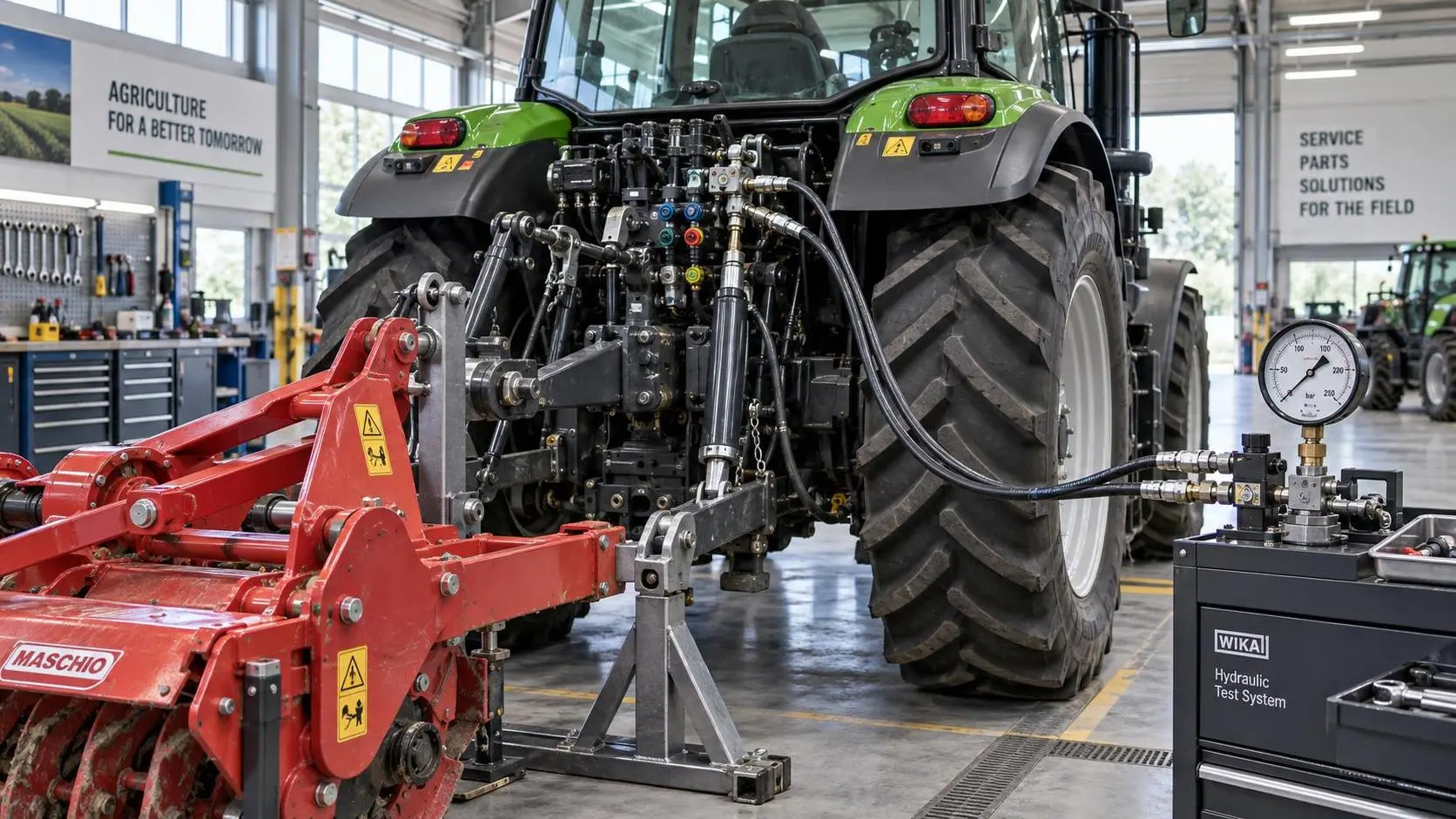
Tractor Hydraulic Systems Troubleshooting: Diagnosing Weak Lift and Slow Implements
Tractor hydraulic systems troubleshooting made practical: diagnose weak lifts and slow implements with proven pressure, flow, valve, and oil-supply checks.
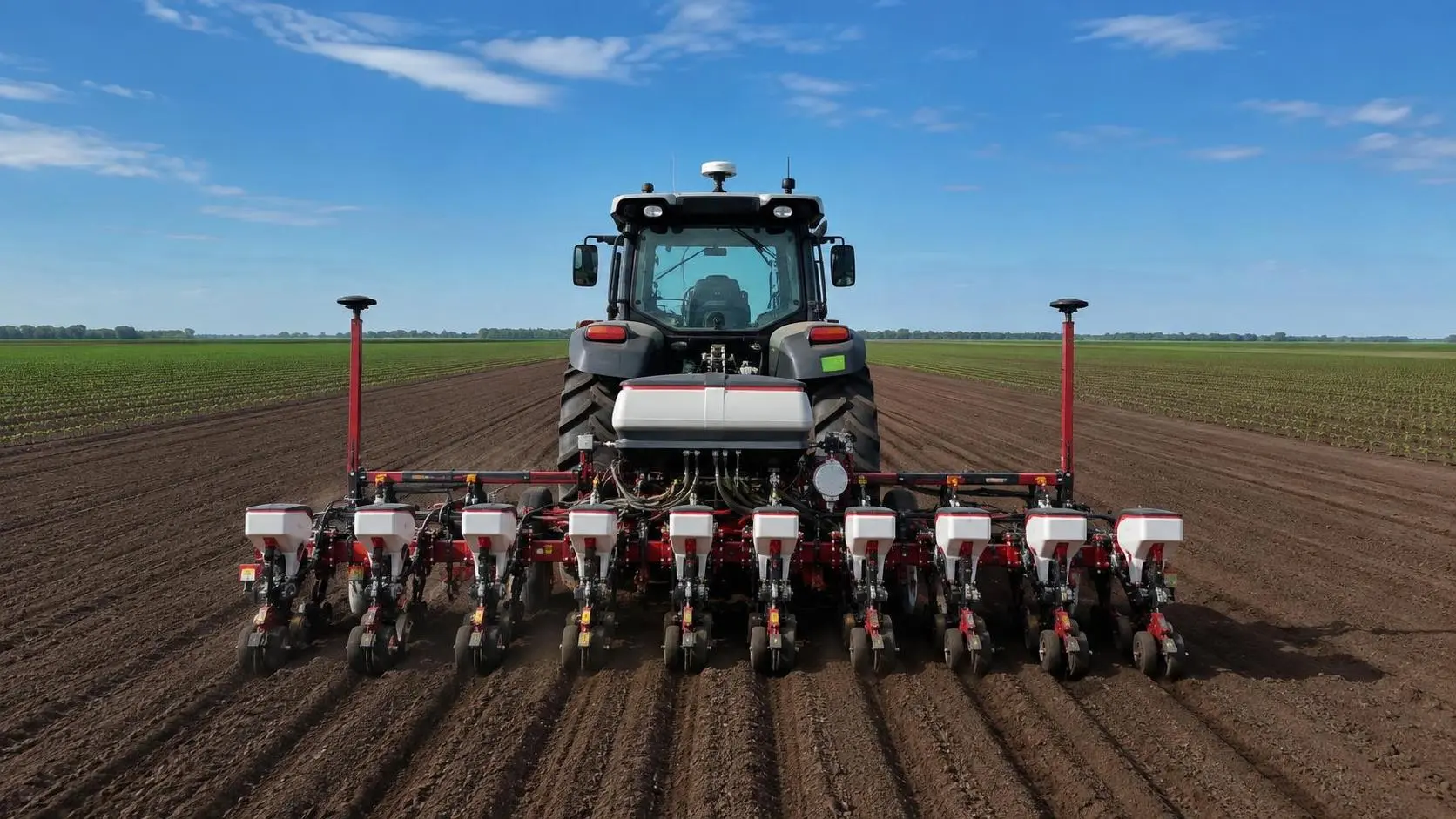
How Tractor Intelligence Systems Improve Field Efficiency and Input Accuracy
Agricultural machinery intelligence for tractors improves field efficiency, input accuracy, data traceability, and implement control. Explore smarter evaluation strategies.
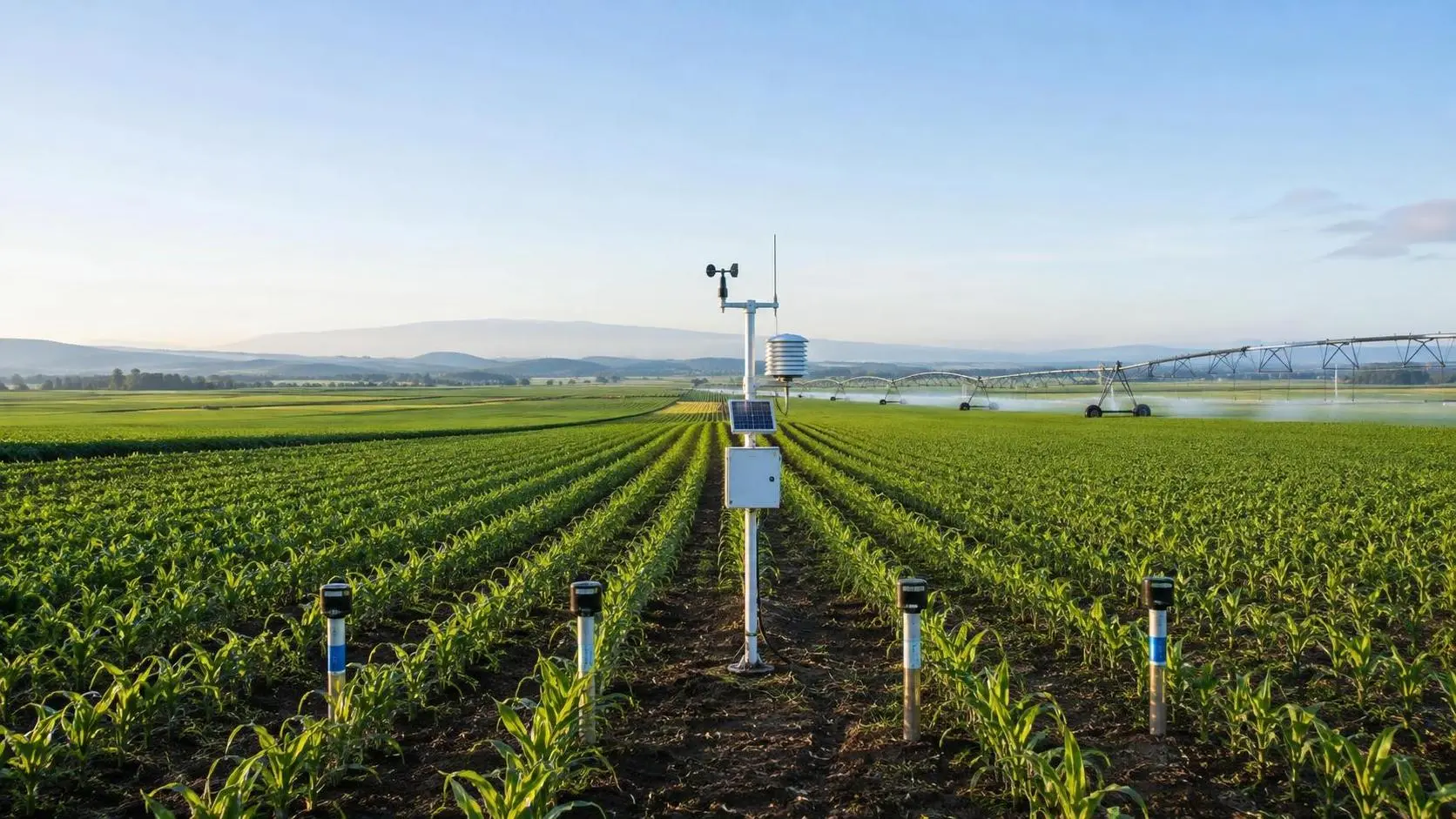
How to Evaluate Crop Monitoring System Manufacturers for Large-Scale Farms
Compare crop monitoring systems manufacturers for large-scale farms. Evaluate data quality, integration, durability, lifecycle costs, support, and pilots for smarter decisions.
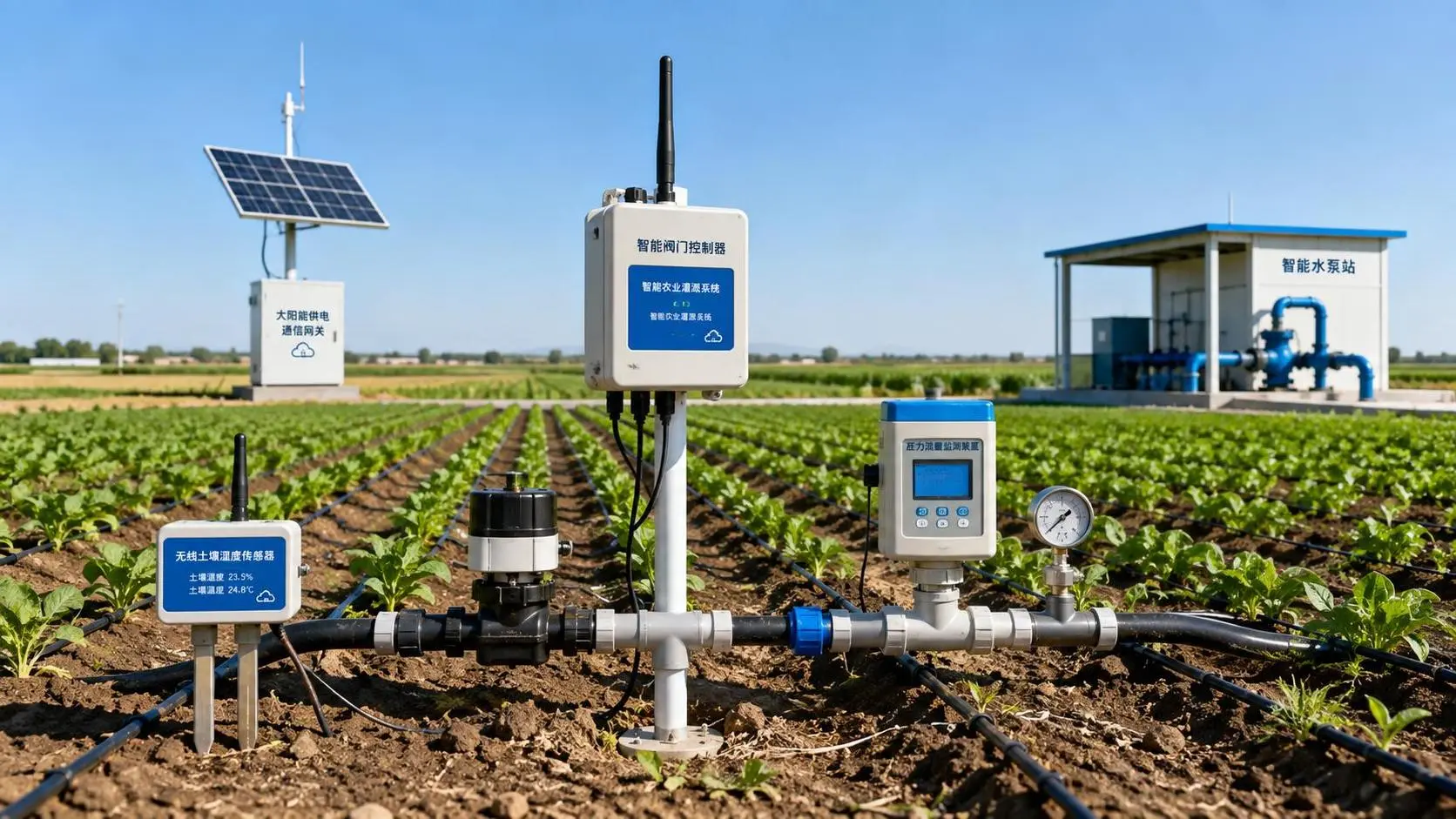
Wireless Agricultural Automation for Remote Irrigation and Field Monitoring
Agricultural automation wireless solutions improve remote irrigation with reliable field data, local control, flow verification, and smarter monitoring. Explore resilient deployment strategies.
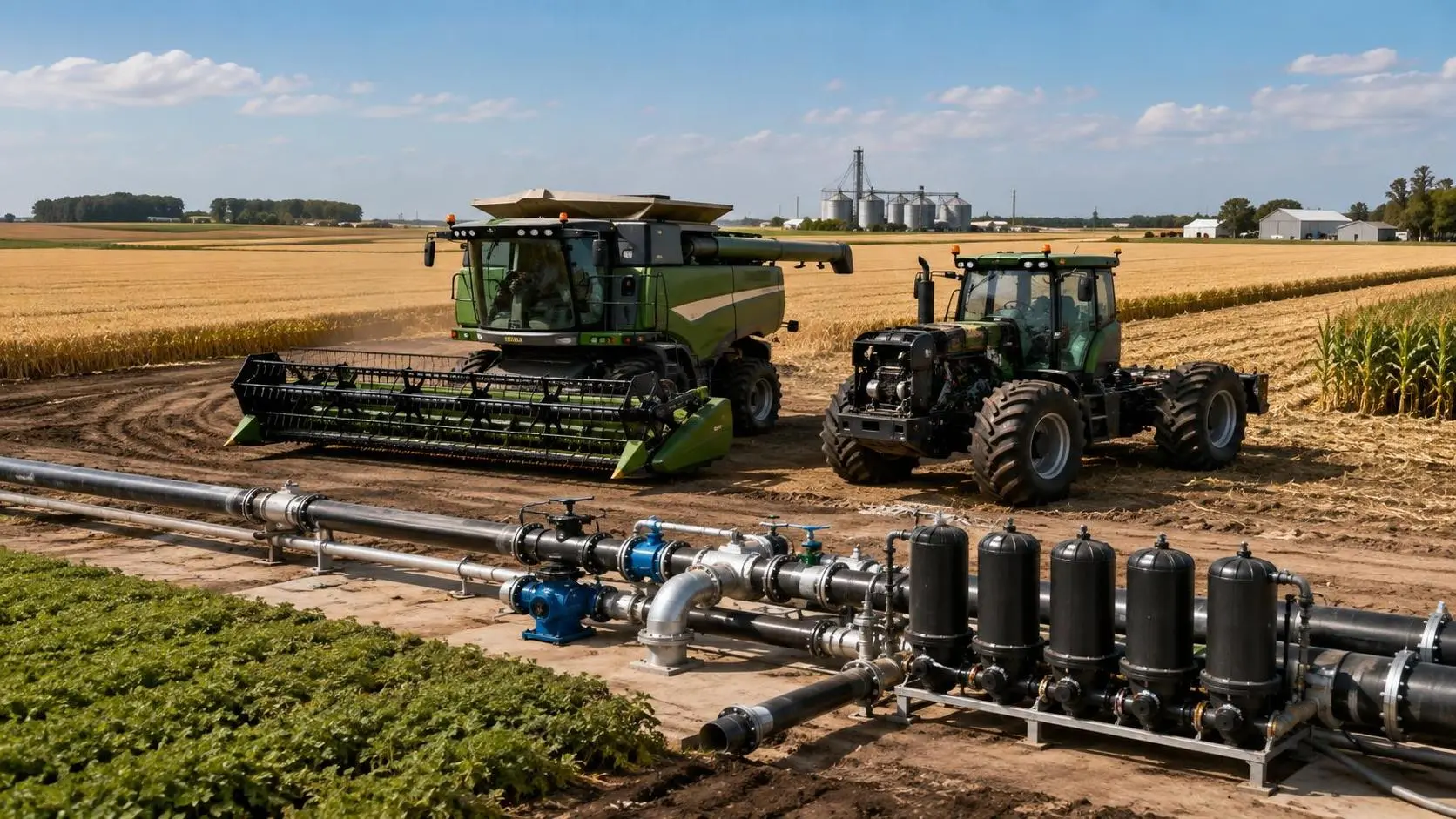
Agricultural Product Information Market Guide: Key Data for Sourcing Decisions
Agricultural product information market guide for smarter sourcing—compare machinery, irrigation, precision tools, lifecycle costs, and supplier risk.
Related News
- 00
0000-00
Selecting Real-Time Soil Moisture Sensors for Irrigation Zone Control - 00
0000-00
How Does Climate-Smart Farming Reduce Water Use in Semi-Arid Areas? - 00
0000-00
USDA Rule Takes Effect: Dual FCC and NRCS Approval for Soil Moisture Sensors - 00
0000-00
EU Rule Takes Effect: Soil Moisture Sensors Need Revised CE-EMC Certification - 00
0000-00
How to Choose Wireless Smart Irrigation Systems for Better Water Control
Popular Tags
Hydrological Resource Strategist
Weekly Insights
Stay ahead with our curated technology reports delivered every Monday.