
Brazil Enforces BEC Test for Soil Moisture Sensors
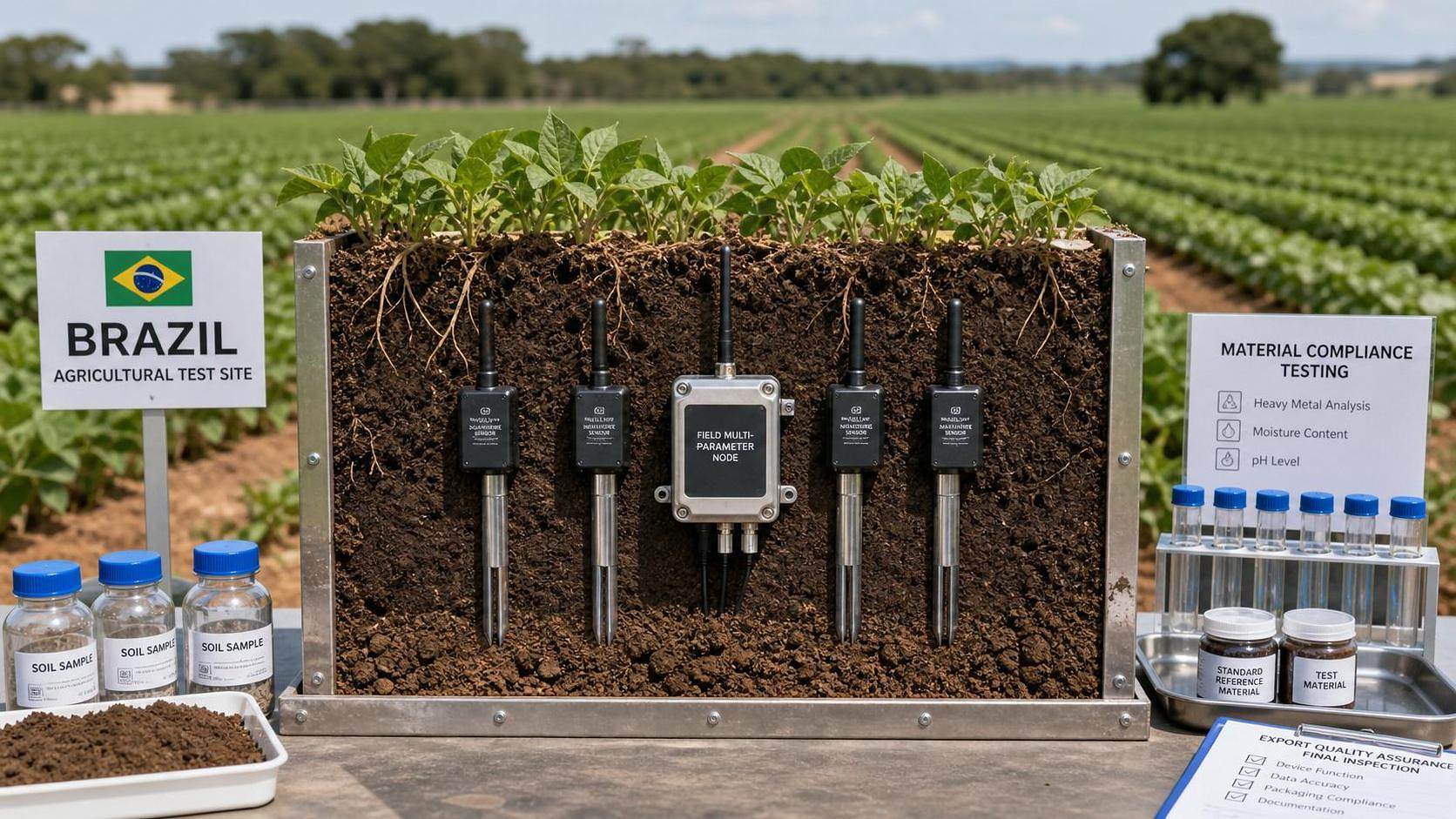




As of June 16, 2026, Brazil’s health regulator ANVISA has begun enforcing RDC No. 48/2026, making a Biological Environmental Compatibility assessment, or BEC Test, a pre-import requirement for sensor devices used in agricultural soil monitoring. The change directly affects wireless soil moisture probes and multi-parameter field nodes, and it deserves close attention from exporters, manufacturers, importers, testing-related service providers, and procurement teams because compliance now extends beyond device performance to the impact of long-term buried metal housings on soil microbial communities.
What the Rule Now Requires
According to the confirmed information provided, ANVISA started mandatory enforcement of RDC No. 48/2026 at 00:00 on June 16, 2026. The rule applies to sensor equipment used for agricultural soil monitoring, including wireless soil moisture probes and multi-parameter field nodes, and requires completion of a Biological Environmental Compatibility evaluation before import.
The stated focus of the BEC Test is the effect of leachates from metal enclosures on soil microbial communities under long-term buried conditions. The requirement applies to Chinese-made sensors using nickel- or copper-based packaging materials, and it is reported to affect about 67% of the main Chinese export models shipped to Brazil.
Where the Immediate Pressure Is Likely to Appear
Export transactions may face a new pre-shipment compliance checkpoint
From an industry perspective, exporters of agricultural soil monitoring sensors may be the first to feel the operational effect because the BEC Test is described as a pre-import requirement. That means shipment readiness may no longer depend only on product specifications and commercial documents, but also on whether the relevant assessment has been completed for covered models.
What deserves closer attention is the treatment of products with nickel- or copper-based packaging materials, since the supplied information identifies these products as being within scope. For export teams, the practical issue is likely to center on model screening, compliance file preparation, and whether order execution timelines need to be adjusted around testing and document review.
Manufacturers may need to review material choices and technical files
Manufacturing companies supplying Brazil may need to look closely at enclosure materials, especially where sensor products are designed for long-term burial in soil. Analysis shows that the regulatory emphasis is not limited to sensing accuracy or wireless function, but includes how packaging materials behave in the field environment over time.
For this group, the main business impact is likely to fall on product classification, material declarations, technical documentation, and coordination with testing-related parties. If a company exports multiple probe or node variants, distinguishing which models fall within the stated scope becomes a practical compliance task rather than a purely engineering question.
Importers and procurement teams may need stricter model validation
Importers, distributors, and procurement functions may also need to update their screening process. Observably, when a rule becomes mandatory before import, purchasing decisions can be affected by whether a supplier can present complete compliance support for the covered device types.
In practical terms, buyers may need to pay more attention to product material descriptions, test-related evidence, and the consistency between technical documents and shipment declarations. For procurement planning, the issue is less about immediate market conclusions and more about avoiding mismatches between ordered models and import eligibility requirements.
Testing and certification-related service providers may see a narrower but more technical demand
Testing service providers and compliance support firms may see increased demand tied specifically to biological environmental compatibility reviews for buried-use sensor products. The relevant business change is not confirmed market growth, but a likely increase in requests for assessment support, document interpretation, and product-scope confirmation for covered exports.
For these service roles, attention should remain on the exact testing scope described in the rule summary, especially the evaluation of metal enclosure leachates and their effects on soil microbial communities. Any service positioning beyond that would still require further verification against official implementation materials.
What Companies Should Track Now
Confirm which models are actually within scope
Companies involved in Brazil-bound shipments should first identify whether their products fall under agricultural soil monitoring sensor categories such as wireless soil moisture probes or multi-parameter field nodes. Special attention is warranted where products use nickel- or copper-based packaging materials, because the provided information explicitly identifies that material path as affected.
Prepare compliance documents around the BEC requirement
Analysis shows that documentation may become a key operational issue. Firms should closely review whether their existing technical files, material information, and test-related records are sufficient to support a BEC-related import review. Since the input does not provide detailed documentation rules, this should be understood as a compliance watchpoint rather than a confirmed filing checklist.
Reassess delivery schedules and purchase planning
Where shipments are time-sensitive, companies may need to consider whether the new import-side requirement could affect lead times or acceptance readiness. This is particularly relevant for suppliers and buyers handling high-volume models reportedly tied to the main China-to-Brazil export flow. The more prudent reading at this stage is that delivery planning may need a buffer until execution practices become clearer.
Watch for further clarification in enforcement language
The supplied information confirms mandatory enforcement and the broad testing focus, but it does not provide a full operational interpretation. What deserves closer attention is whether future official wording, procurement documents, or compliance instructions further define test evidence, model coverage, or review standards. Companies should therefore avoid assuming that all execution details are already settled.
Why This Looks Like an Execution Signal, Not Just a Policy Notice
Observably, this development is better understood as a rule that has already moved into enforcement rather than an early consultation-stage policy signal, because the input states that ANVISA began mandatory implementation from June 16, 2026. That matters for industry participants because the compliance question is no longer hypothetical for shipments entering Brazil under the covered categories.
At the same time, analysis shows that the market still needs to watch how the rule is applied in practice. The currently confirmed facts establish the existence of the pre-import BEC requirement, the relevant product scope, the testing focus, and the material categories affected. They do not by themselves resolve every operational detail around documentation pathways, review consistency, or downstream procurement responses.
How the Market May Best Read This Change
This ANVISA measure should be read as a concrete compliance threshold for covered soil monitoring sensors entering Brazil, especially where buried-use products rely on nickel- or copper-based packaging materials. Its significance lies in shifting part of market access review toward biological environmental compatibility rather than device function alone.
A neutral reading is more appropriate than a dramatic one. The confirmed information points to a real change in import compliance conditions and a meaningful exposure for major China-exported models, but the full commercial effect will still depend on how testing expectations, documentation practices, and procurement-side enforcement develop in the next stage.
Basis of This Article and What Still Needs Verification
This article is generated from the user-provided news title, event date, and event summary. The confirmed factual base used here is limited to the stated enforcement date of June 16, 2026, ANVISA’s mandatory enforcement of RDC No. 48/2026, the pre-import BEC Test requirement for agricultural soil monitoring sensor devices, the test focus on metal enclosure leachates and soil microbial communities under long-term buried conditions, and the stated applicability to Chinese-made sensors using nickel- or copper-based packaging materials.
For this type of development, source types that are typically relevant include official regulatory notices, releases from supervisory authorities, customs or trade-administration information, industry association updates, standard-setting documents, and reporting by authoritative media. No specific official source link was provided in the input, so the exact official publication path still needs to be verified on an ongoing basis. Further observation is also needed regarding implementation detail, certification practice, procurement document changes, industry feedback, and actual company-level execution.
Related News
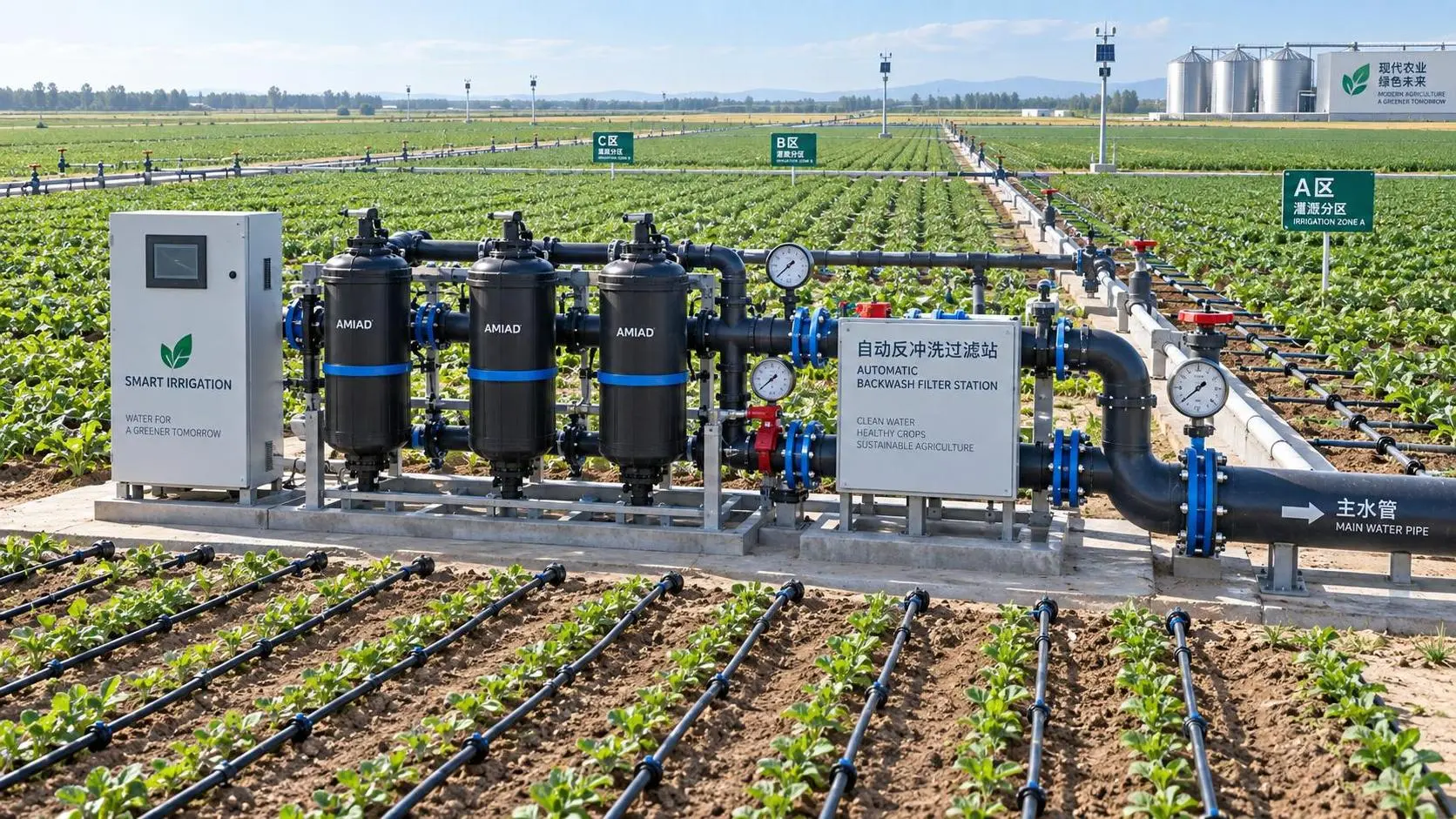
How to Evaluate Drip Irrigation System Manufacturers for Large Farm Projects
Drip irrigation systems manufacturer evaluation guide for large farms: compare hydraulic design, filtration, quality control, scalability, delivery, and support.
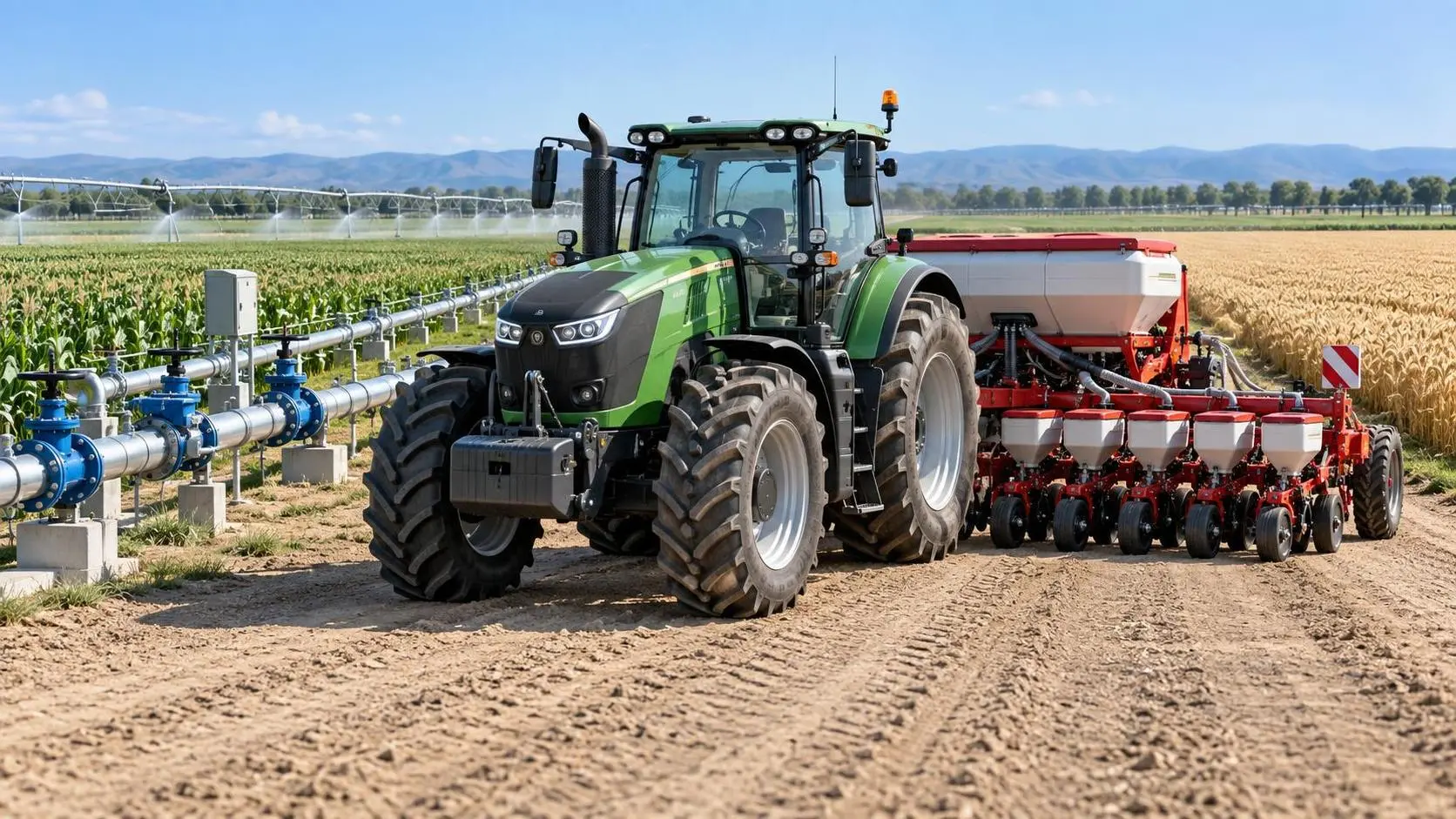
Specification Planning: A Practical Framework for Defining Equipment Requirements
Application guidance for specification planning: define measurable equipment requirements, prioritize performance, and avoid costly procurement mistakes.

How North American Farms Can Select Crop Monitoring Systems by Acreage and Connectivity
Crop monitoring systems North America: learn how to match acreage, connectivity, sensors, and data workflows for reliable, actionable farm decisions.

Where to Find Reliable Product Information for Comparing Farm Equipment
Product information resources agriculture buyers can trust: compare farm equipment with technical specs, manuals, field data, dealer support, and lifecycle insights.
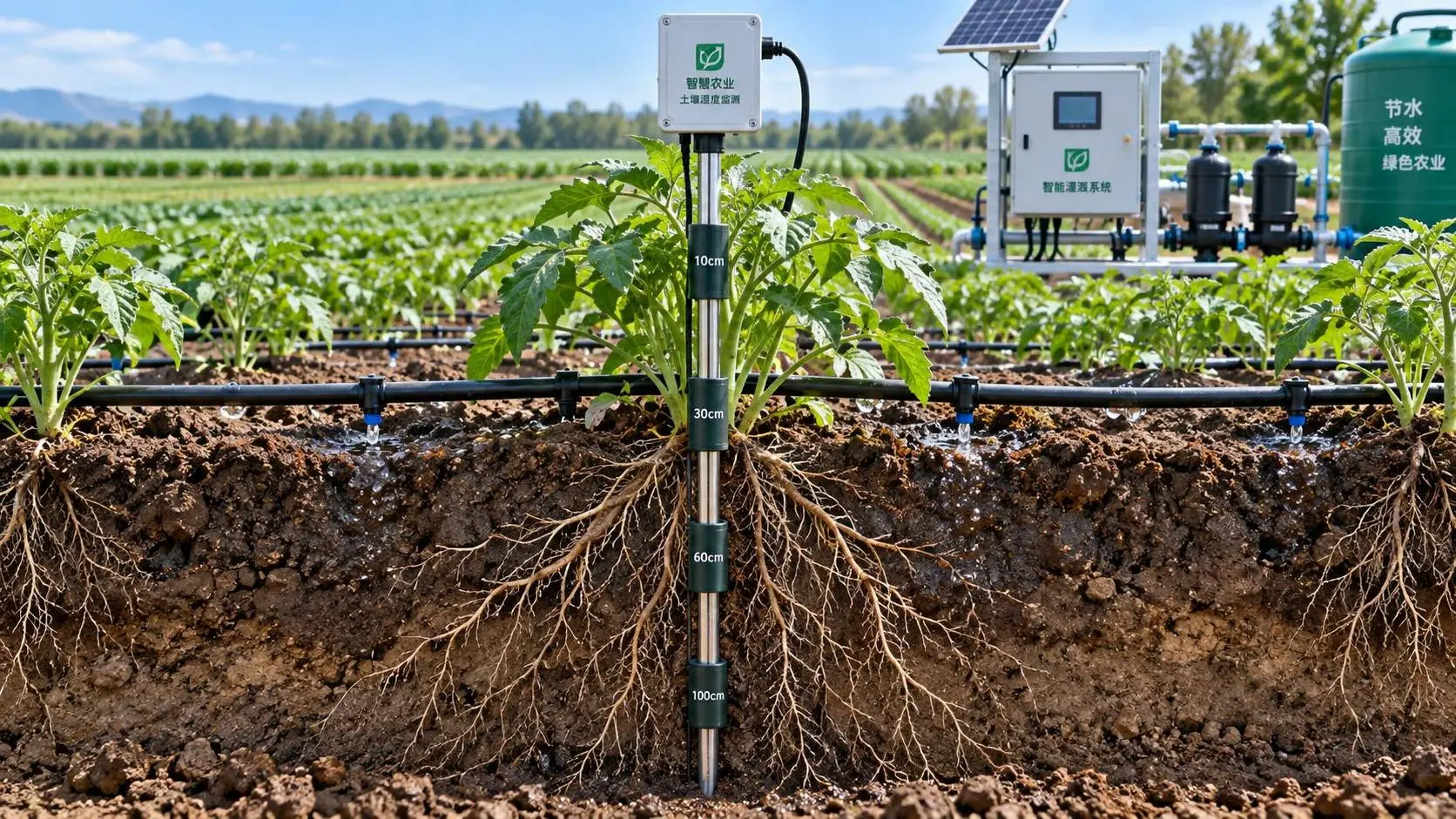
Selecting Real-Time Soil Moisture Sensors for Irrigation Zone Control
Soil moisture sensors real time: learn how to select reliable probes, optimize zone control, improve irrigation decisions, and scale precision water management.
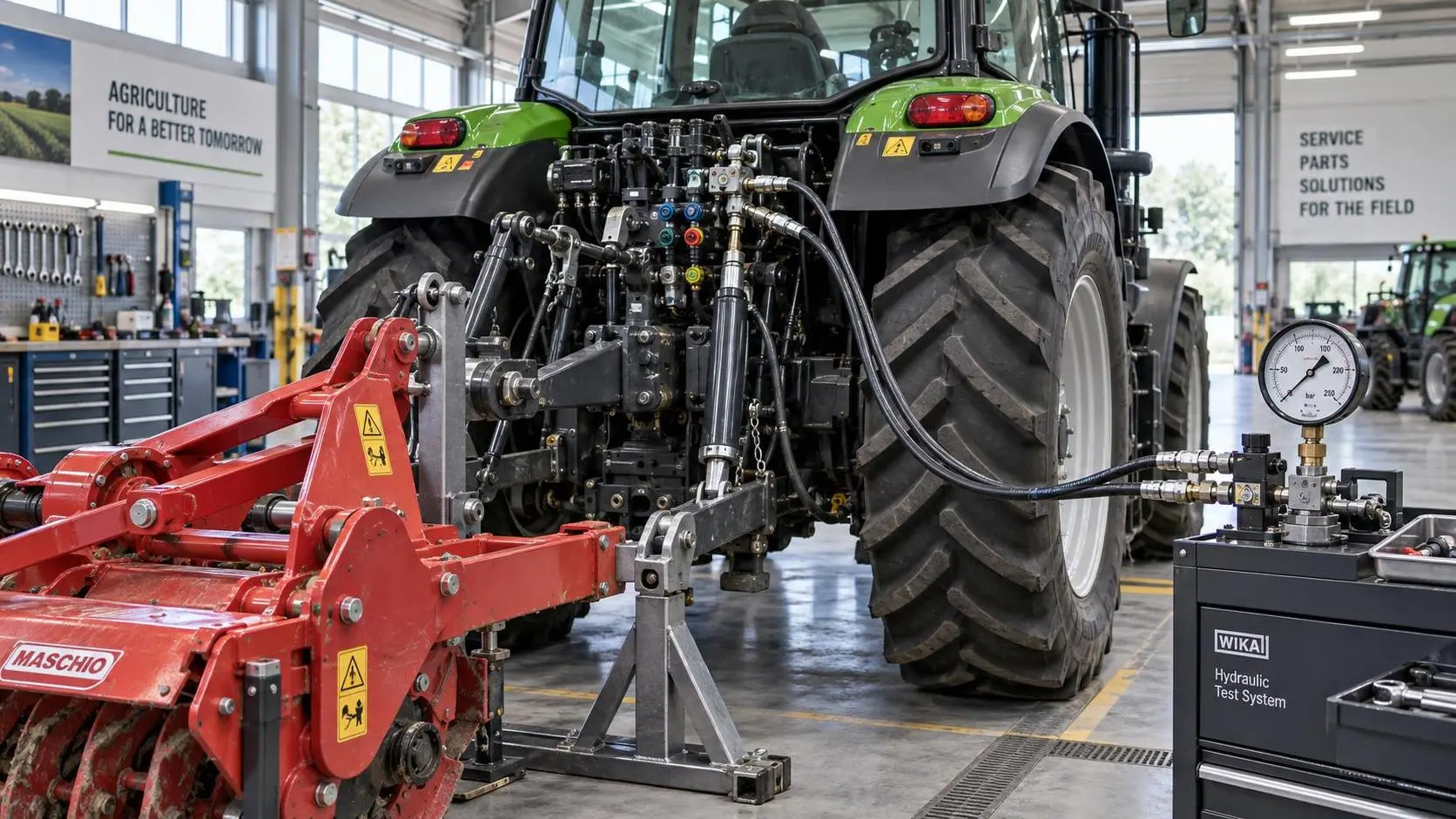
Tractor Hydraulic Systems Troubleshooting: Diagnosing Weak Lift and Slow Implements
Tractor hydraulic systems troubleshooting made practical: diagnose weak lifts and slow implements with proven pressure, flow, valve, and oil-supply checks.
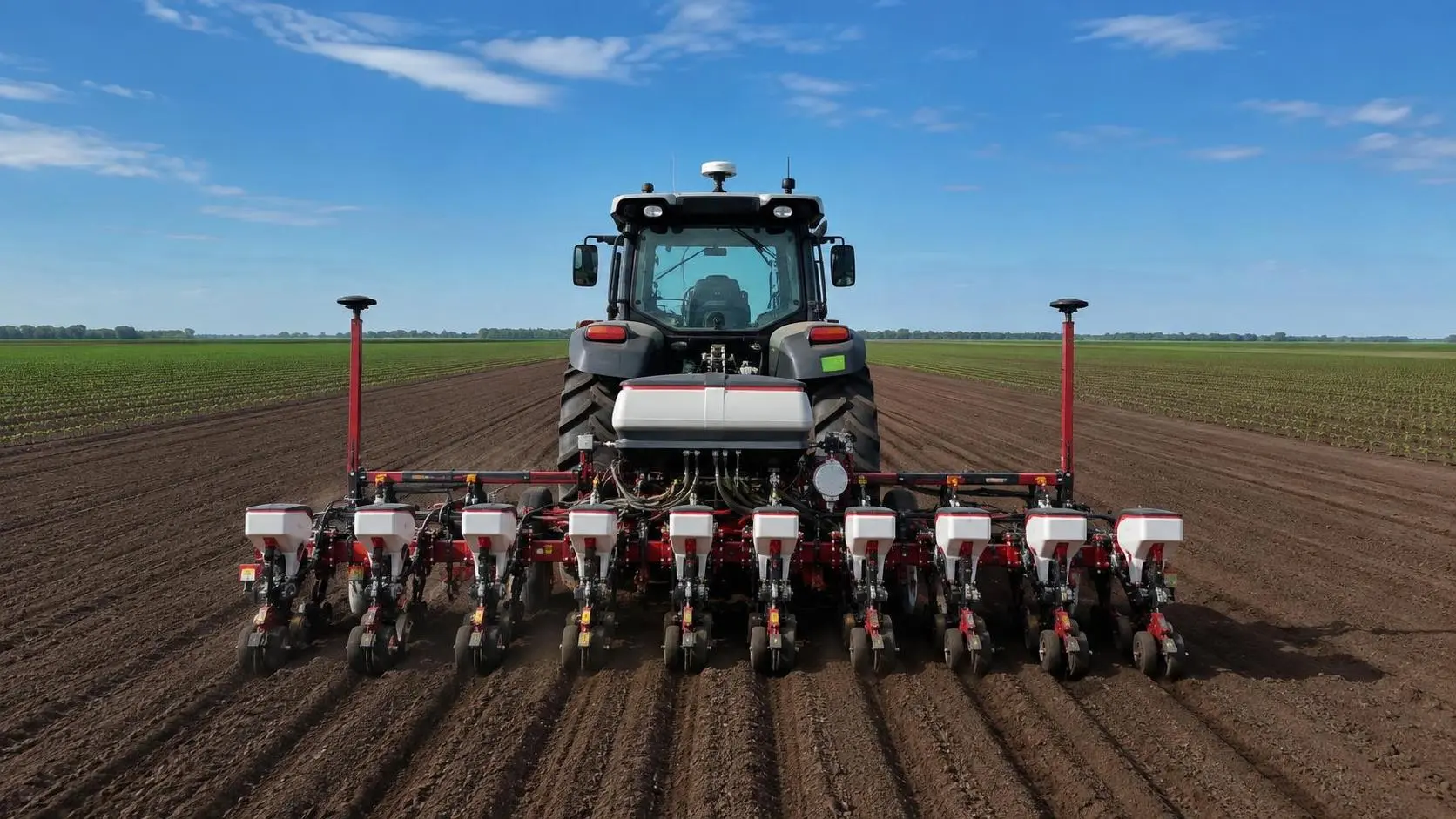
How Tractor Intelligence Systems Improve Field Efficiency and Input Accuracy
Agricultural machinery intelligence for tractors improves field efficiency, input accuracy, data traceability, and implement control. Explore smarter evaluation strategies.
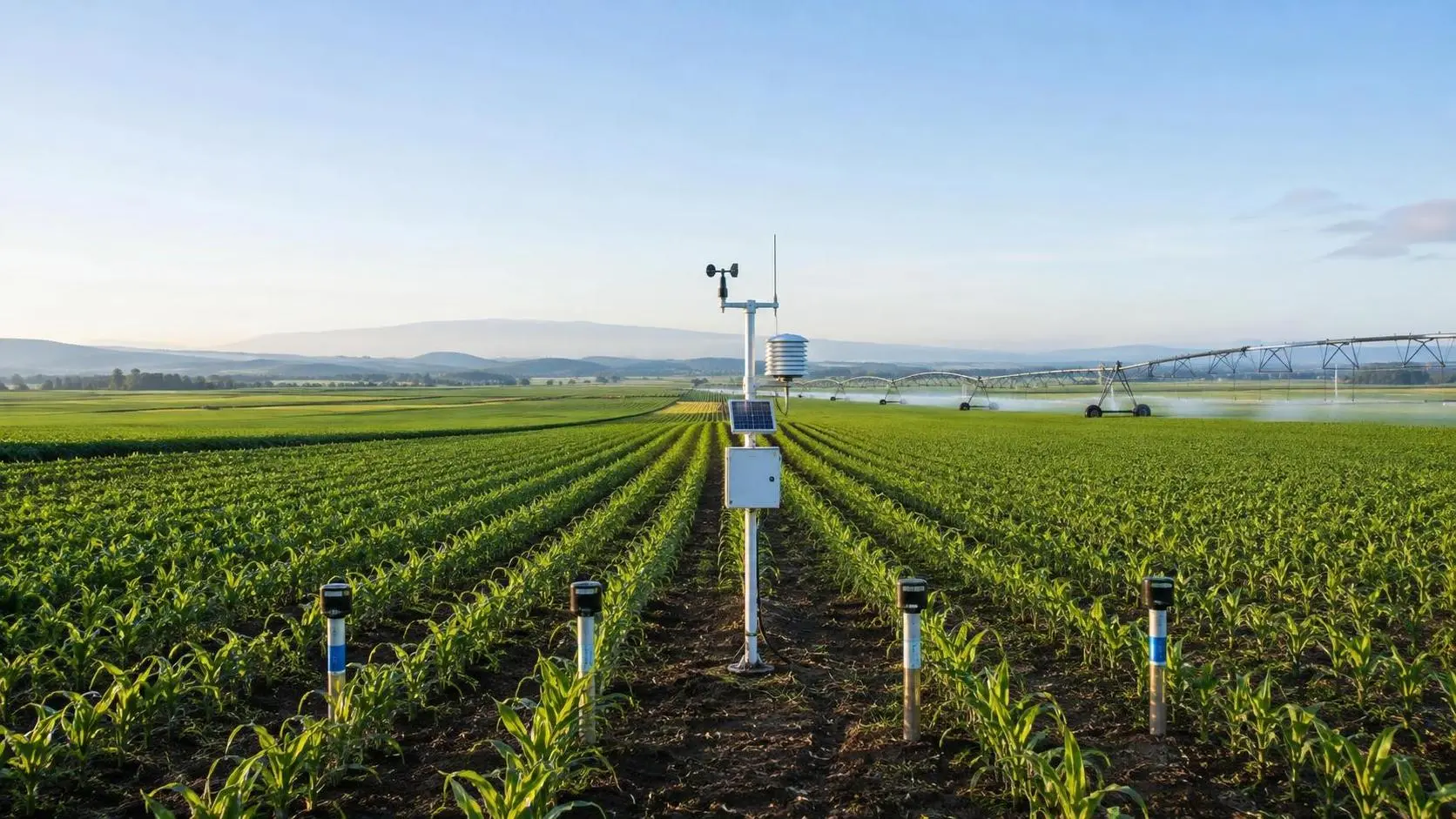
How to Evaluate Crop Monitoring System Manufacturers for Large-Scale Farms
Compare crop monitoring systems manufacturers for large-scale farms. Evaluate data quality, integration, durability, lifecycle costs, support, and pilots for smarter decisions.
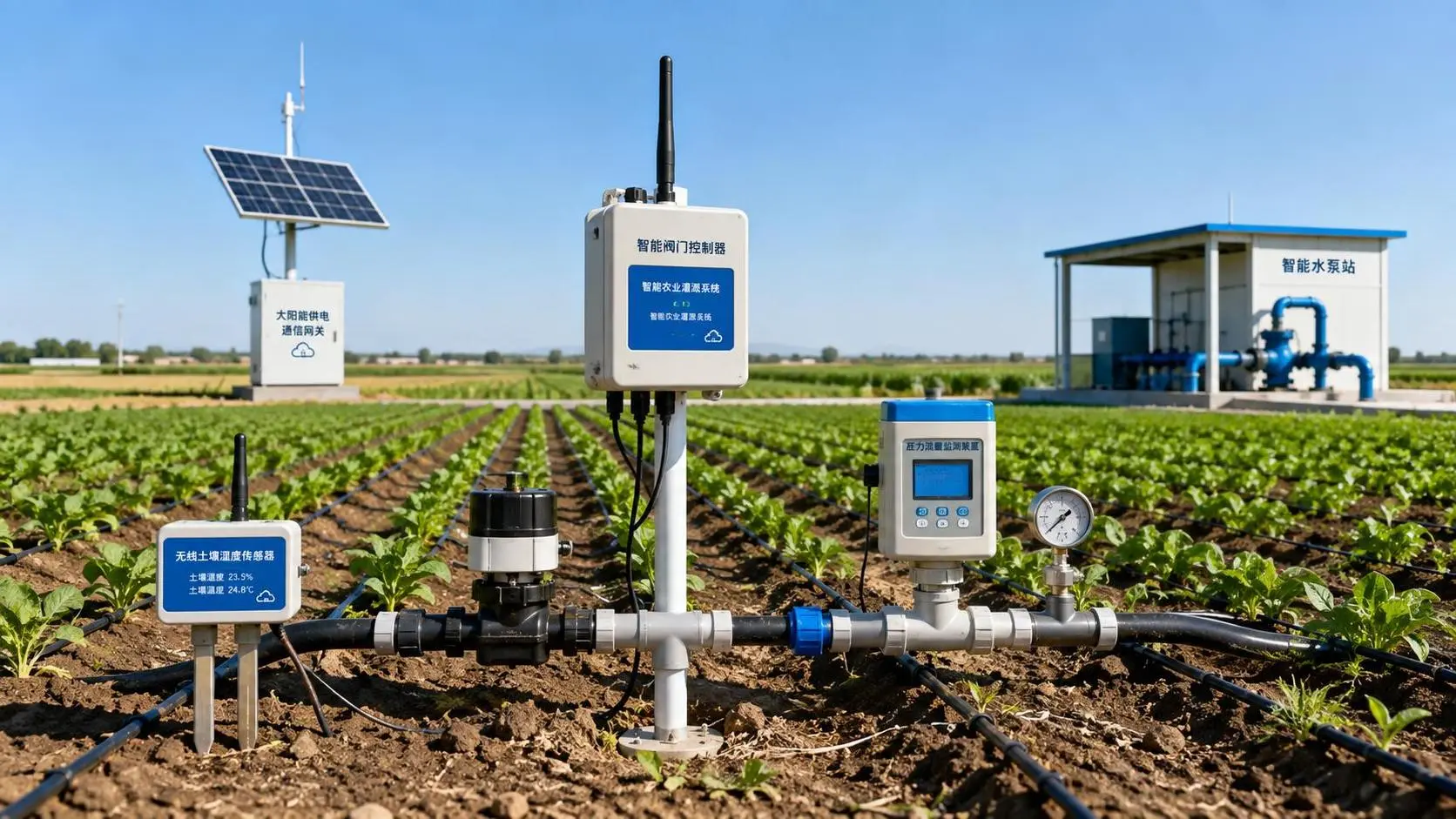
Wireless Agricultural Automation for Remote Irrigation and Field Monitoring
Agricultural automation wireless solutions improve remote irrigation with reliable field data, local control, flow verification, and smarter monitoring. Explore resilient deployment strategies.
Related News
- 00
0000-00
Selecting Real-Time Soil Moisture Sensors for Irrigation Zone Control - 00
0000-00
How Does Climate-Smart Farming Reduce Water Use in Semi-Arid Areas? - 00
0000-00
USDA Rule Takes Effect: Dual FCC and NRCS Approval for Soil Moisture Sensors - 00
0000-00
EU Rule Takes Effect: Soil Moisture Sensors Need Revised CE-EMC Certification - 00
0000-00
How to Choose Wireless Smart Irrigation Systems for Better Water Control
Popular Tags
Hydrological Resource Strategist
Weekly Insights
Stay ahead with our curated technology reports delivered every Monday.