
Crop Monitoring Technology in Practice: Sensors, Drones, and Data Use Cases




Crop Monitoring Technology in Practice: Sensors, Drones, and Data Use Cases
Crop monitoring technology is now part of daily farm operations, not a distant innovation story.
Across large fields, mixed climates, and tight input budgets, visibility has become a management requirement.
That is especially true when irrigation, machinery scheduling, and crop health decisions must stay aligned.
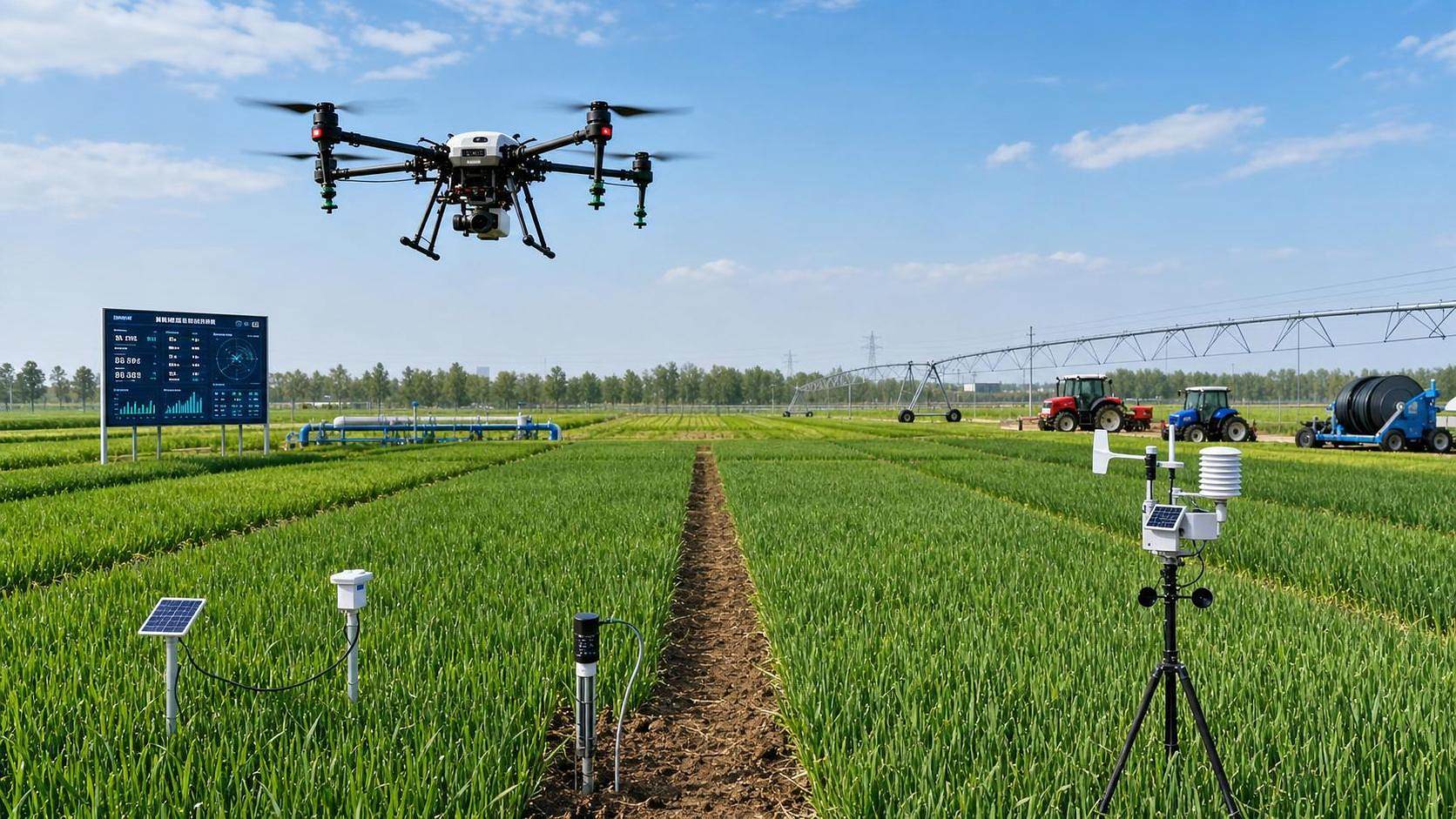
In practice, crop monitoring technology connects sensors, drones, machinery data, and software into one operating loop.
The value is not the hardware alone.
The value comes from faster detection, better task timing, and clearer decisions across the season.
For operations linked to Agriculture 4.0, this also means turning scattered field signals into scalable action.
Why Crop Monitoring Technology Matters in Field Operations
Traditional scouting still matters, but it struggles to keep pace with large operational footprints.
A field can look uniform from the road while showing very different moisture, vigor, or disease pressure inside.
Crop monitoring technology helps teams see those differences earlier.
That early signal supports smarter irrigation, more accurate input placement, and lower operational waste.
From a project delivery angle, the biggest gain is coordination.
A reliable monitoring system reduces guesswork between agronomy, machinery, and water management teams.
It also creates traceable records for performance reviews, supplier discussions, and seasonal planning.
Core Components of a Practical Monitoring Stack
1. In-field sensors
Sensors are often the first layer of crop monitoring technology in real deployments.
They measure soil moisture, temperature, salinity, leaf wetness, and local microclimate conditions.
This data helps teams identify stress before visible symptoms spread across the canopy.
2. Drones and aerial imaging
Drones add speed and coverage.
They capture RGB, multispectral, and thermal images that reveal plant variability across large blocks.
This layer is useful when the goal is to prioritize where ground teams should inspect first.
3. Data platforms and decision rules
Data without decisions rarely improves performance.
A strong crop monitoring technology stack includes dashboards, alert thresholds, and response workflows.
That is where raw readings become irrigation changes, scouting tasks, or machinery route adjustments.
Use Case 1: Irrigation Control Based on Real Conditions
One of the most direct applications of crop monitoring technology is water management.
In large farms, irrigation often follows fixed schedules longer than it should.
That can lead to overwatering in one zone and stress in another.
With soil sensors and weather-linked models, managers can adjust timing and duration with far more confidence.
Thermal drone flights can validate whether irrigation is truly reducing canopy heat stress.
This closes the loop between planned irrigation and actual plant response.
In water-scarce regions, that is more than efficiency.
It becomes a resilience strategy.
- Use moisture sensors to set zone-specific thresholds.
- Match irrigation events with evapotranspiration trends.
- Verify stressed areas with thermal drone maps.
- Feed results into smart irrigation scheduling logic.
Use Case 2: Detecting Crop Stress Before Yield Loss Expands
Another strong use case is early stress detection.
Stress may come from pests, nutrient imbalance, compaction, uneven emergence, or irrigation faults.
The challenge is that visible symptoms often appear after damage has already started.
Crop monitoring technology improves the reaction window.
Multispectral imagery can reveal weak vigor patterns before field teams notice them on foot.
When these patterns are cross-checked with sensor data, diagnosis becomes more reliable.
That matters when spray windows are short or labor is limited.
Practical workflow
- Run routine drone surveys on priority blocks.
- Flag abnormal vigor or heat signatures.
- Compare with weather, moisture, and irrigation records.
- Send field crews only to confirmed risk zones.
- Record action outcomes for future response rules.
Use Case 3: Supporting Machinery and Harvest Planning
Crop monitoring technology also supports machinery deployment, not just agronomy decisions.
This point is often underestimated.
Field variability affects harvester speed, cleaning settings, transport timing, and equipment wear.
When vegetation maps and maturity signals are available early, teams can stage machinery more effectively.
That reduces idle time and helps avoid rushed decisions during narrow harvest windows.
In broadacre settings, this can also improve trailer routing and fuel planning.
The same logic applies to spraying, fertilization, and targeted field passes.
What Makes Implementation Work
The biggest implementation mistake is buying tools before defining decisions.
Effective crop monitoring technology starts with a few operational questions.
Where are current visibility gaps?
Which decisions are most expensive when delayed?
Which teams need shared access to the same field picture?
From there, the system can be built in manageable layers.
- Start with one crop, one region, and one measurable pain point.
- Set alert rules before collecting large data volumes.
- Define who responds to each signal.
- Integrate machinery, irrigation, and agronomy records where possible.
- Review outcomes after each growth stage, not just after harvest.
Common Risks and How to Avoid Them
Even strong crop monitoring technology can underperform if the operating model is weak.
One common issue is data overload.
Too many dashboards can slow decisions rather than improve them.
Another issue is poor sensor placement.
If locations do not reflect field variability, the data may look precise but mislead action.
There is also the integration challenge.
When drone maps, irrigation logs, and machine data stay separate, response time suffers.
The practical answer is to simplify, validate, and standardize.
Risk control checklist
- Audit sensor placement by soil zone and irrigation layout.
- Limit KPIs to those tied to field action.
- Calibrate drone outputs with ground truth inspections.
- Create one reporting rhythm across all teams.
- Track financial impact, not only technical accuracy.
A Practical Direction for Scaling
The most successful crop monitoring technology programs usually scale from one clear win.
That win may be lower irrigation waste, faster disease scouting, or better harvest timing.
Once the response logic proves useful, expansion becomes easier to justify.
This is where strategic intelligence becomes valuable.
Organizations such as AP-Strategy look at the larger system, not only the device layer.
The real opportunity sits between machine performance, precision farming logic, and resource sustainability.
When those elements connect, crop monitoring technology becomes an operational advantage, not just a digital feature.
A smart next step is simple: define one field problem, match it with the right data source, and build a repeatable response process.
Related News
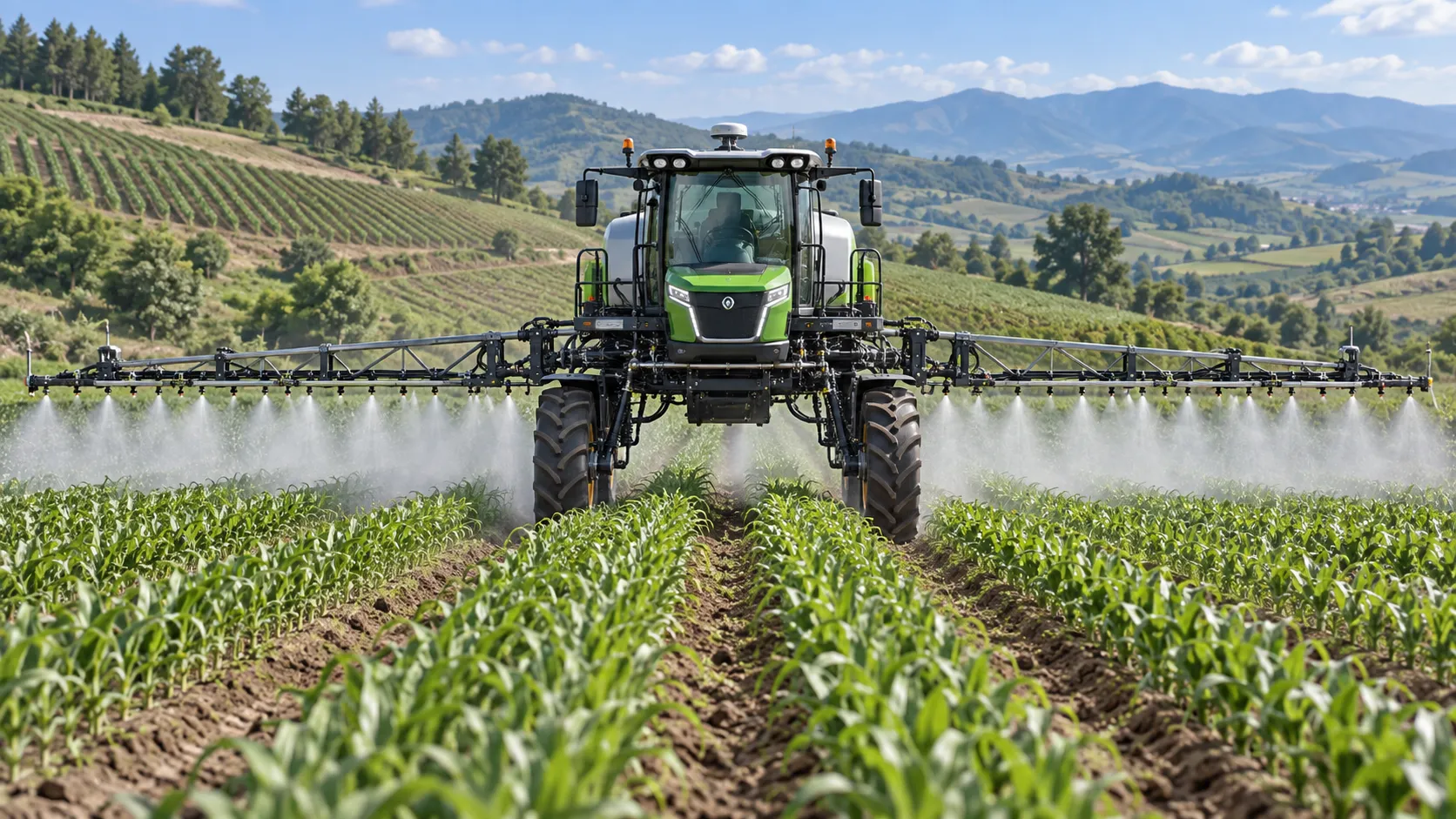
How to Select Precision Crop Protection Equipment for Variable Field Conditions
Precision crop protection equipment selection made simple: compare terrain, canopy, weather, control accuracy, and data workflows for reliable applications.
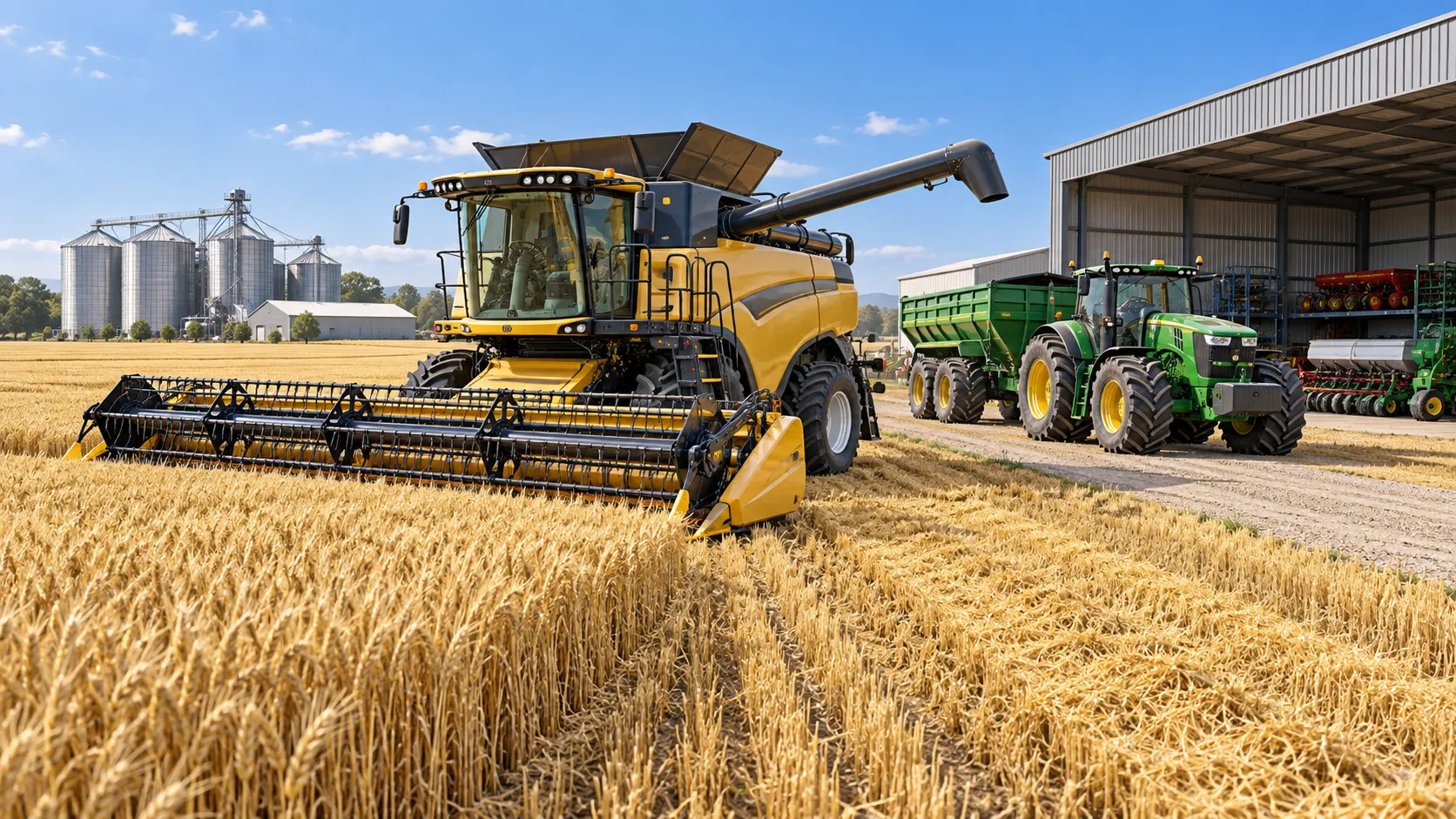
When Does Agricultural Machinery Leasing Cost Less Than Owning Equipment?
Agricultural machinery leasing can lower farm costs when use is seasonal or uncertain. Compare utilization, maintenance, cash flow, and risk to make a smarter equipment decision.
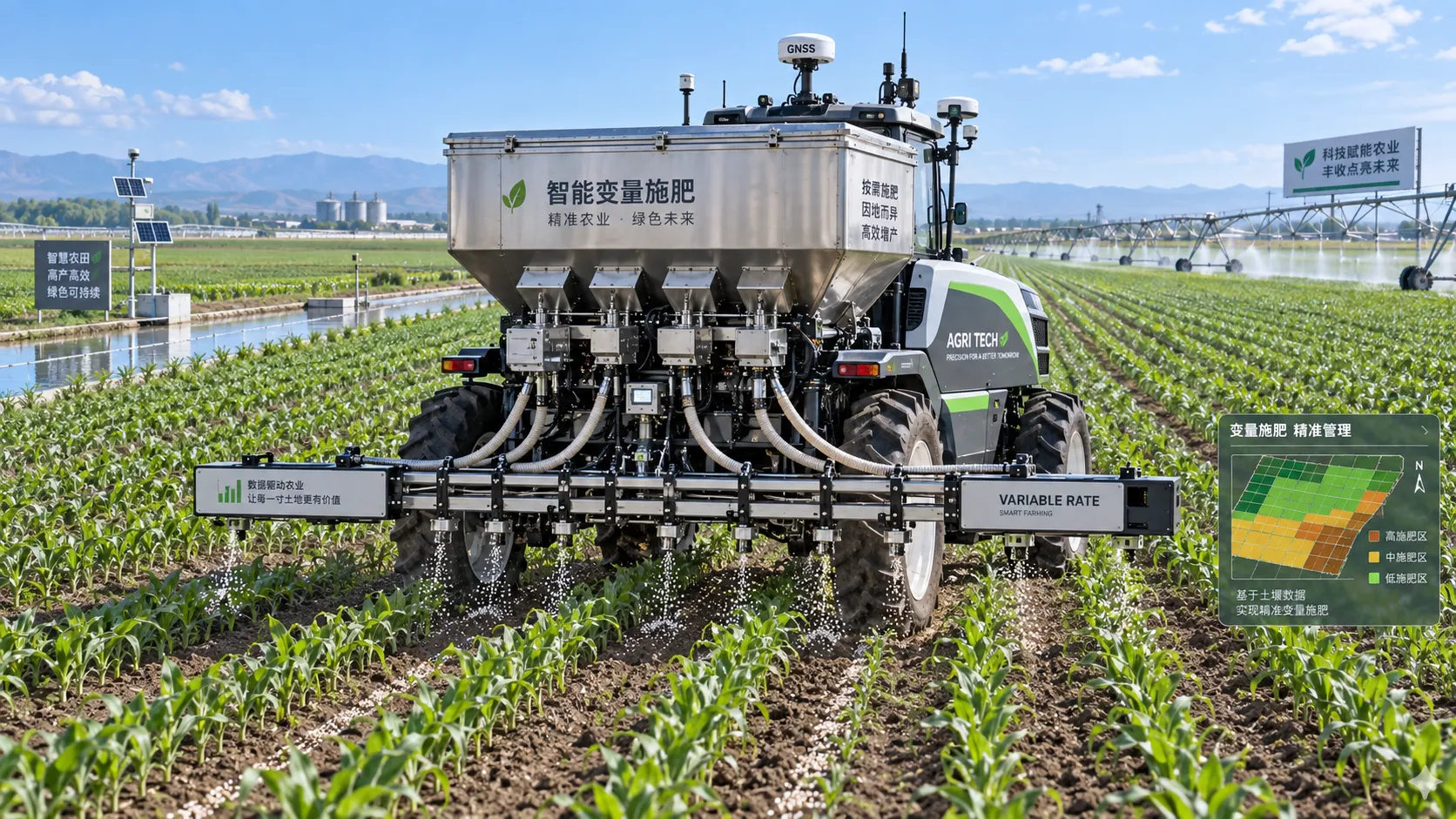
How to Evaluate Precision Fertilization System Suppliers for Farm-Scale Deployment
Precision fertilization systems suppliers: learn how to compare accuracy, integration, uptime, service, and total cost for confident farm-scale deployment.
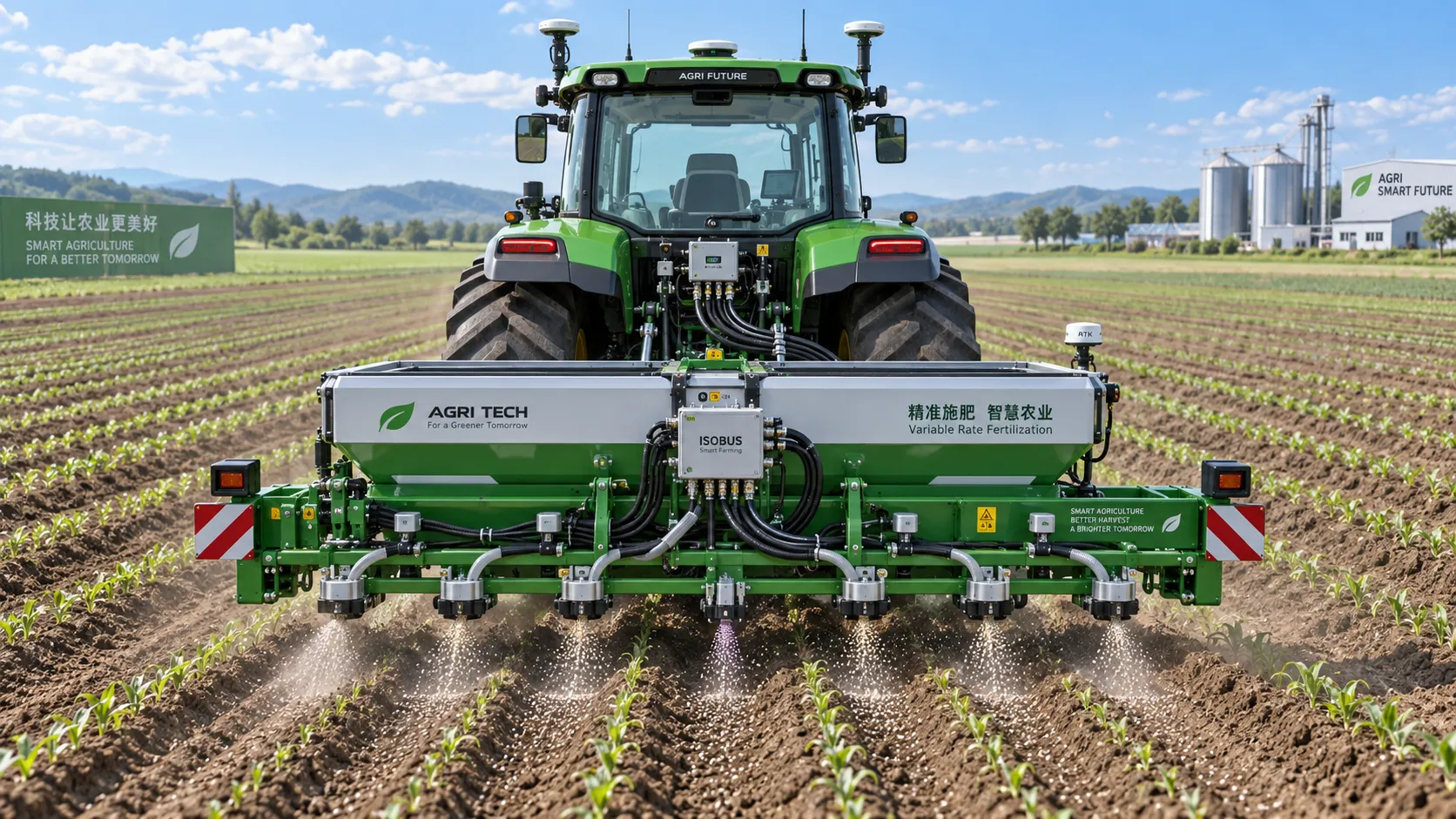
ISOBUS for Smart Agriculture: How It Connects Tractors, Implements, and Farm Data
ISOBUS for smart agriculture connects tractors, implements, terminals, and farm data—helping growers improve precision, documentation, and smarter field decisions.
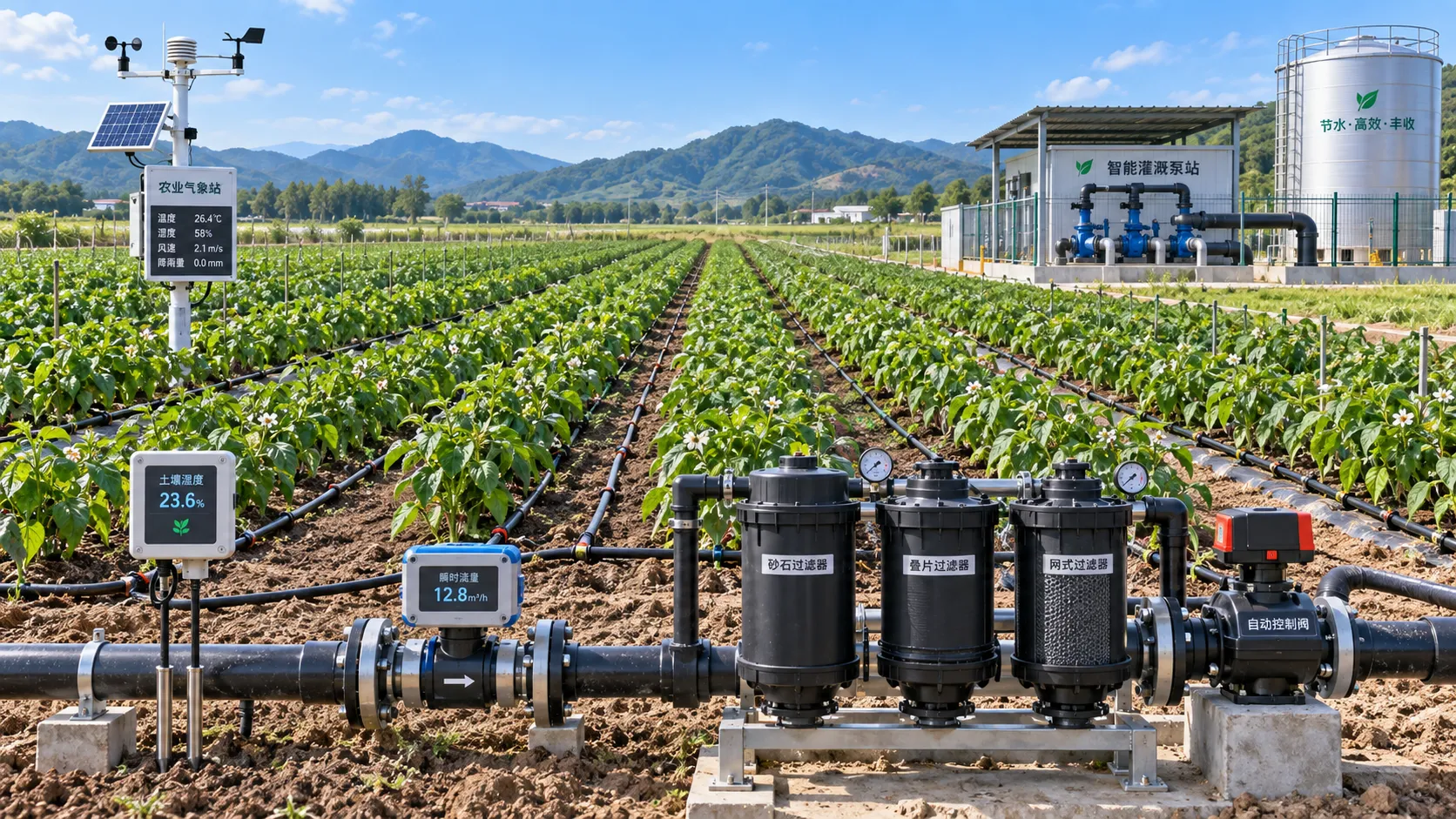
Automated Water-Saving Irrigation: How to Cut Water Use Without Reducing Crop Yields
Automated water-saving irrigation helps farms cut water use, protect crop yields, improve scheduling, and gain reliable control with sensors, flow monitoring, and smart zones.
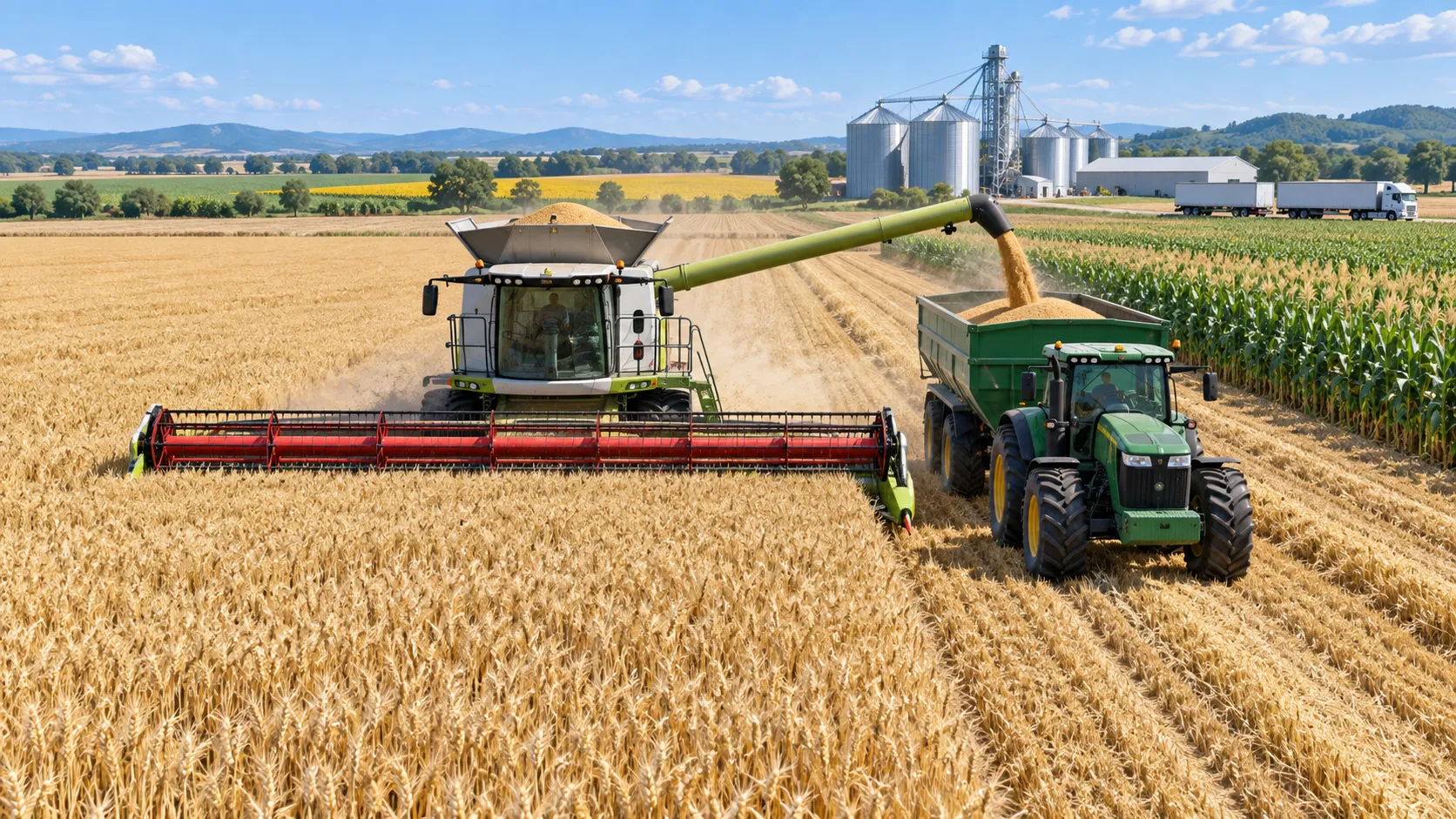
Selecting Grain Farm Equipment by Acreage, Crop Mix, and Harvest Window
Agricultural equipment selection for grain farming: match machinery to acreage, crop mix, and harvest windows to improve uptime, efficiency, and returns.
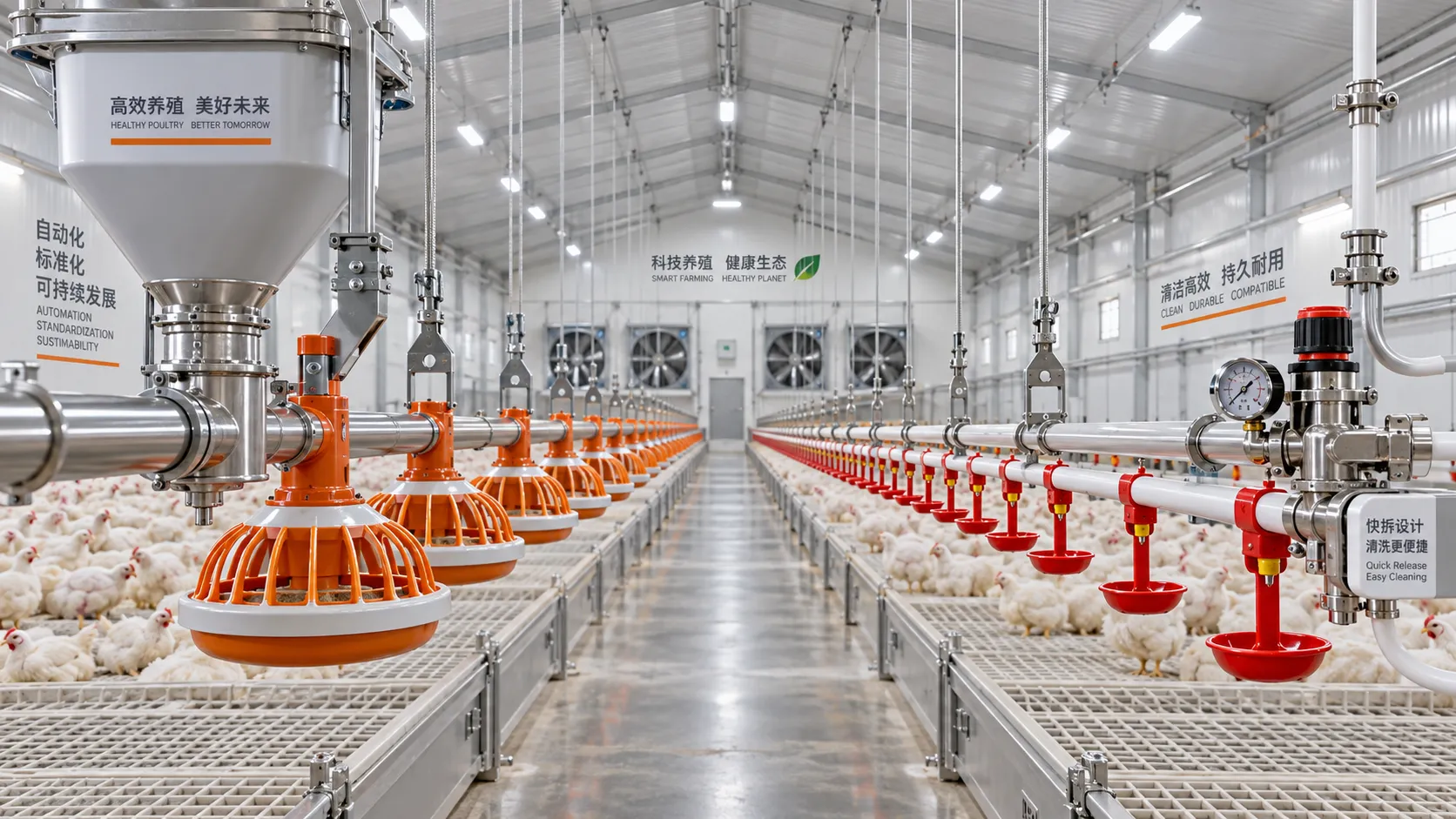
Poultry Equipment Selection: Evaluating Durability, Cleaning, and Compatibility
Poultry equipments selection guide: evaluate durability, cleaning access, and system compatibility to improve hygiene, reduce downtime, and support efficient flock management.
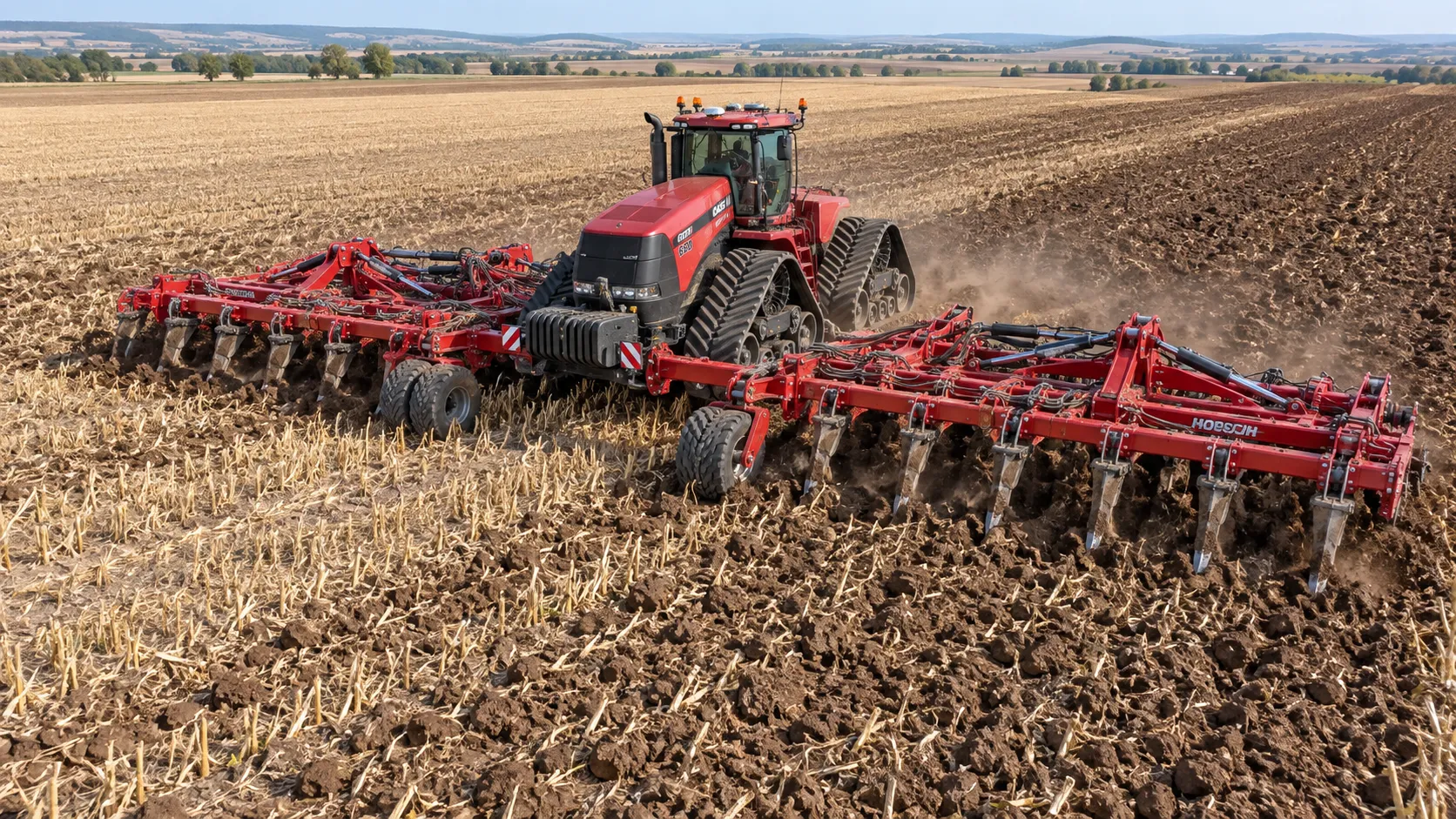
How to Select Heavy-Duty Farm Implements for High-Acreage, High-Horsepower Operations
Heavy duty farm implements: learn how to match draft, hydraulics, hitch capacity, frame strength, and field conditions for reliable high-acreage performance.
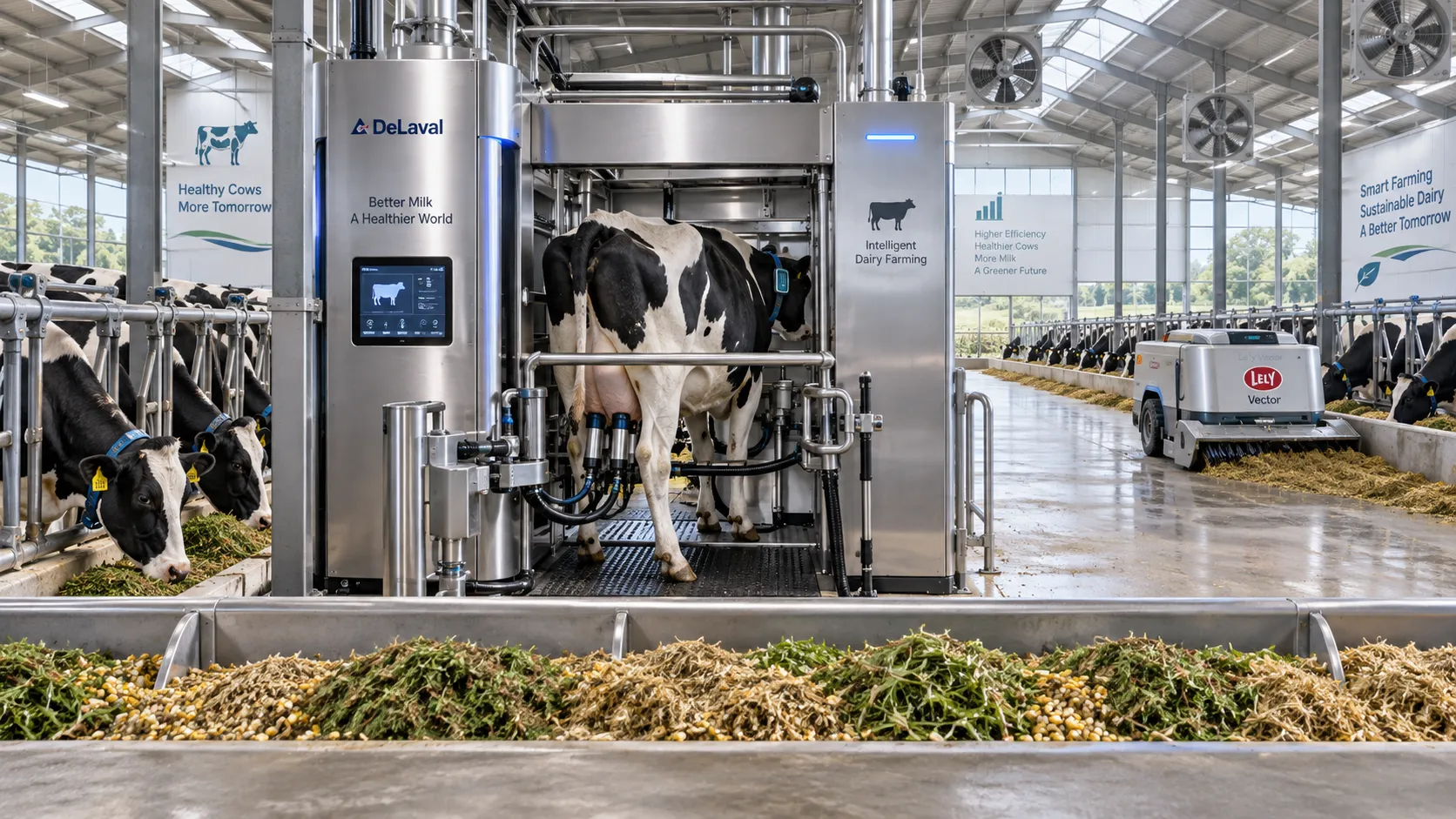
Smart Farming Technology for Dairy Farms: Where Automation Delivers Measurable ROI
Smart farming technology for dairy farms delivers measurable ROI through automation, precision feeding, health monitoring, and data-driven cost control.
Related News
- 00
0000-00
Selecting Real-Time Soil Moisture Sensors for Irrigation Zone Control - 00
0000-00
How Does Climate-Smart Farming Reduce Water Use in Semi-Arid Areas? - 00
0000-00
USDA Rule Takes Effect: Dual FCC and NRCS Approval for Soil Moisture Sensors - 00
0000-00
EU Rule Takes Effect: Soil Moisture Sensors Need Revised CE-EMC Certification - 00
0000-00
How to Choose Wireless Smart Irrigation Systems for Better Water Control
Popular Tags
Hydrological Resource Strategist
Weekly Insights
Stay ahead with our curated technology reports delivered every Monday.