
WICT 2026 Closes With $212M Soil Moisture Sensor Buying Interest
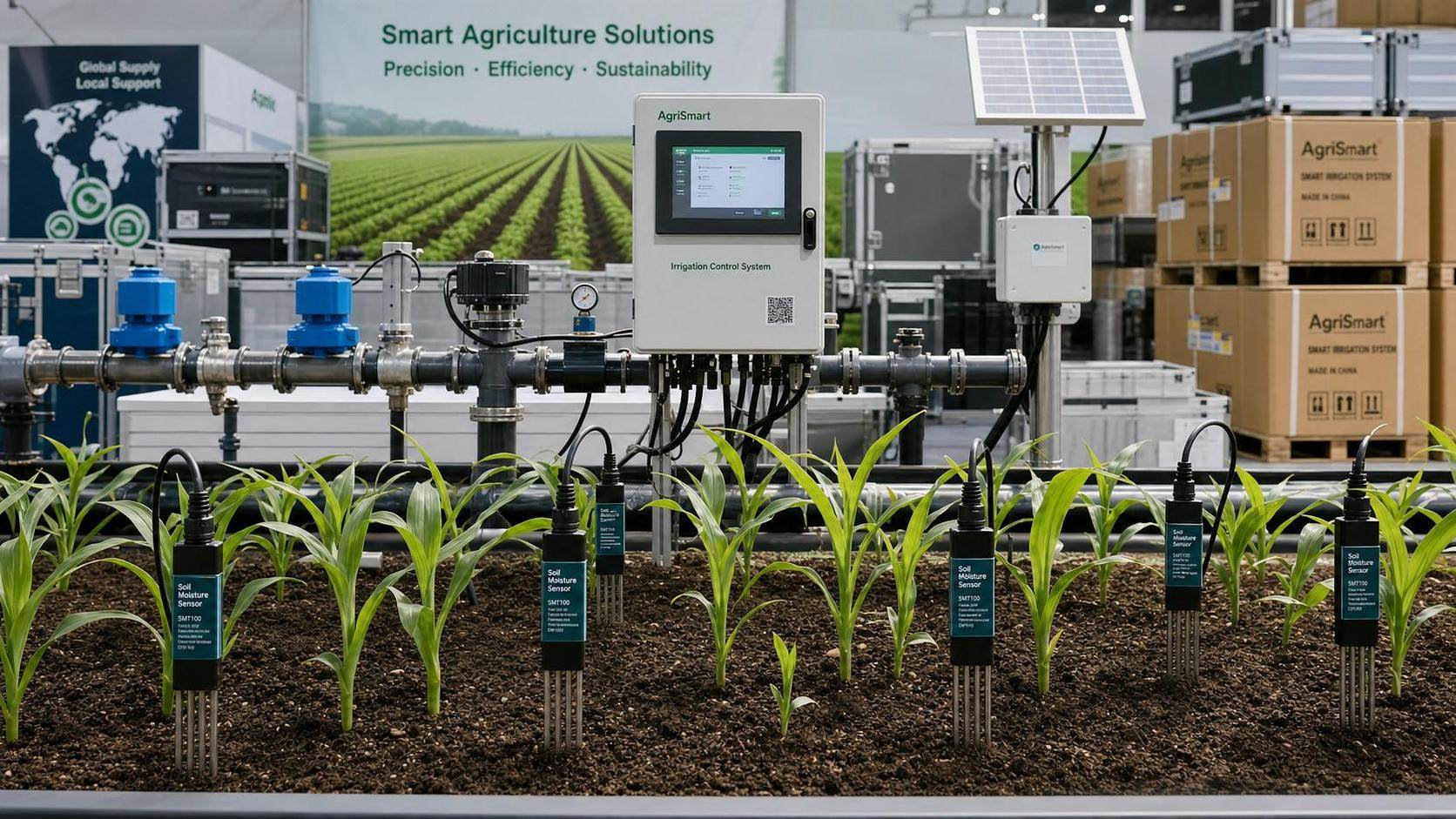




On June 21, 2026, the World Irrigation Technology Congress (WICT 2026) concluded in Beijing, bringing the soil moisture sensor segment into sharper focus for irrigation hardware makers, agricultural IoT suppliers, procurement teams, and cross-border supply chain participants. The disclosed international buying interest of US$212 million and the pre-certification progress tied to EU IoT-Agri interoperability suggest that this development deserves attention not only as an event outcome, but also as a practical signal for market access, product compatibility, and supplier readiness in precision agriculture.
What Was Confirmed at the Beijing Congress
According to the event information provided, WICT 2026 was jointly hosted by China’s Ministry of Agriculture and Rural Affairs and the FAO, and closed in Beijing on June 21, 2026. During the event, international procurement intentions for soil moisture sensor equipment reached US$212 million. The purchasing interest involved delegations from 17 countries, including Brazil, India, South Africa, and Vietnam. In addition, 32 Chinese sensor manufacturers obtained pre-certification status for the EU IoT-Agri interoperability whitelist. The event summary states that these outcomes indicate Chinese sensor-based irrigation hardware is accelerating its integration into the global precision agriculture supply chain.
Why Different Market Participants Are Paying Attention
Sensor manufacturers are looking beyond order volume
From an industry perspective, the disclosed buying interest matters to manufacturers not only because of potential demand, but because it points to where commercial discussions may move next: product compatibility, delivery preparation, and international market matching. What deserves closer attention is whether suppliers can translate event-level intent into business processes aligned with target market requirements.
Procurement teams may place more weight on interoperability
For overseas buyers and sourcing teams, the pre-certification of 32 Chinese manufacturers for the EU IoT-Agri interoperability whitelist is relevant because interoperability can affect equipment selection, system integration, and deployment planning. Analysis shows that procurement decisions in this category may increasingly be influenced not just by hardware availability, but by whether devices can fit into broader digital agriculture environments.
Channel and supply chain service providers face a coordination task
Distributors, export service firms, and supply chain coordinators may also be affected because interest spanning 17 countries implies a broader mix of commercial contexts and execution requirements. Observably, these participants need to watch how buyer discussions evolve by market, especially where documentation, compliance communication, and delivery coordination become central to order conversion.
Where Companies Should Focus Next
Separate procurement intent from finalized business execution
What deserves closer attention is the distinction between announced buying interest and completed transactions. Companies involved in sales, planning, or investor communication should avoid treating procurement intent as confirmed revenue and instead track follow-up signals tied to actual order progression, customer communication, and execution milestones.
Track interoperability-related qualification progress closely
For suppliers and service providers, the EU IoT-Agri interoperability whitelist pre-certification is a practical watchpoint. Analysis shows that firms should pay close attention to how pre-certification is described in future official or market-facing communication, and whether subsequent qualification steps affect product positioning, documentation, or customer discussions in export markets.
Prioritize country-specific follow-up with buyer groups
Because the procurement interest covered delegations from 17 countries, companies should pay attention to how engagement differs across markets such as Brazil, India, South Africa, and Vietnam. The immediate business impact may depend less on headline value alone and more on how suppliers prepare for market-specific communication, delivery expectations, and supporting materials.
Prepare internal alignment across sales, compliance, and fulfillment
From a business operations perspective, firms should watch for any gap between market visibility gained at the congress and actual fulfillment readiness. Supplier qualification records, product materials, customer-facing technical information, and delivery cycle planning are likely to become more important if discussions move from exhibition-floor interest to negotiated procurement.
How This Signal Should Be Read for Now
Analysis shows that this news is better understood as a strong directional signal rather than a fully settled market outcome. The combination of sizable procurement intent and interoperability-related pre-certification indicates that Chinese soil moisture sensor suppliers are gaining visibility in international precision agriculture discussions. At the same time, the available facts do not by themselves confirm completed export transactions, long-term procurement continuity, or final market share changes.
Observably, the most meaningful point is that market access and technical compatibility are now appearing together in the same event outcome. For industry participants, that makes this development relevant not only to manufacturing capacity, but also to commercial conversion, standards alignment, and supply chain execution.
What the Industry Can Conclude at This Stage
At this stage, it is more appropriate to understand the WICT 2026 outcome as an industry signal with practical follow-through implications. The event confirms international buying interest in soil moisture sensors and records pre-certification progress for a group of Chinese manufacturers, but the longer-term business effect still depends on how procurement discussions, qualification pathways, and delivery capabilities develop after the congress. For companies across the irrigation and agri-IoT chain, the current priority is careful follow-up rather than overstatement.
Basis of This Article
This article is based on the user-provided news title, event date, and event summary related to WICT 2026. For this type of industry update, commonly relevant source categories may include official event announcements, government releases, company disclosures, industry association updates, authoritative media reports, and standards organization materials. No specific official source link was provided in the input, so further verification remains necessary. Areas that still merit continued attention include any later official clarification on procurement progress, interoperability qualification status, and follow-up developments in the 17-country buyer engagement process.
Related News
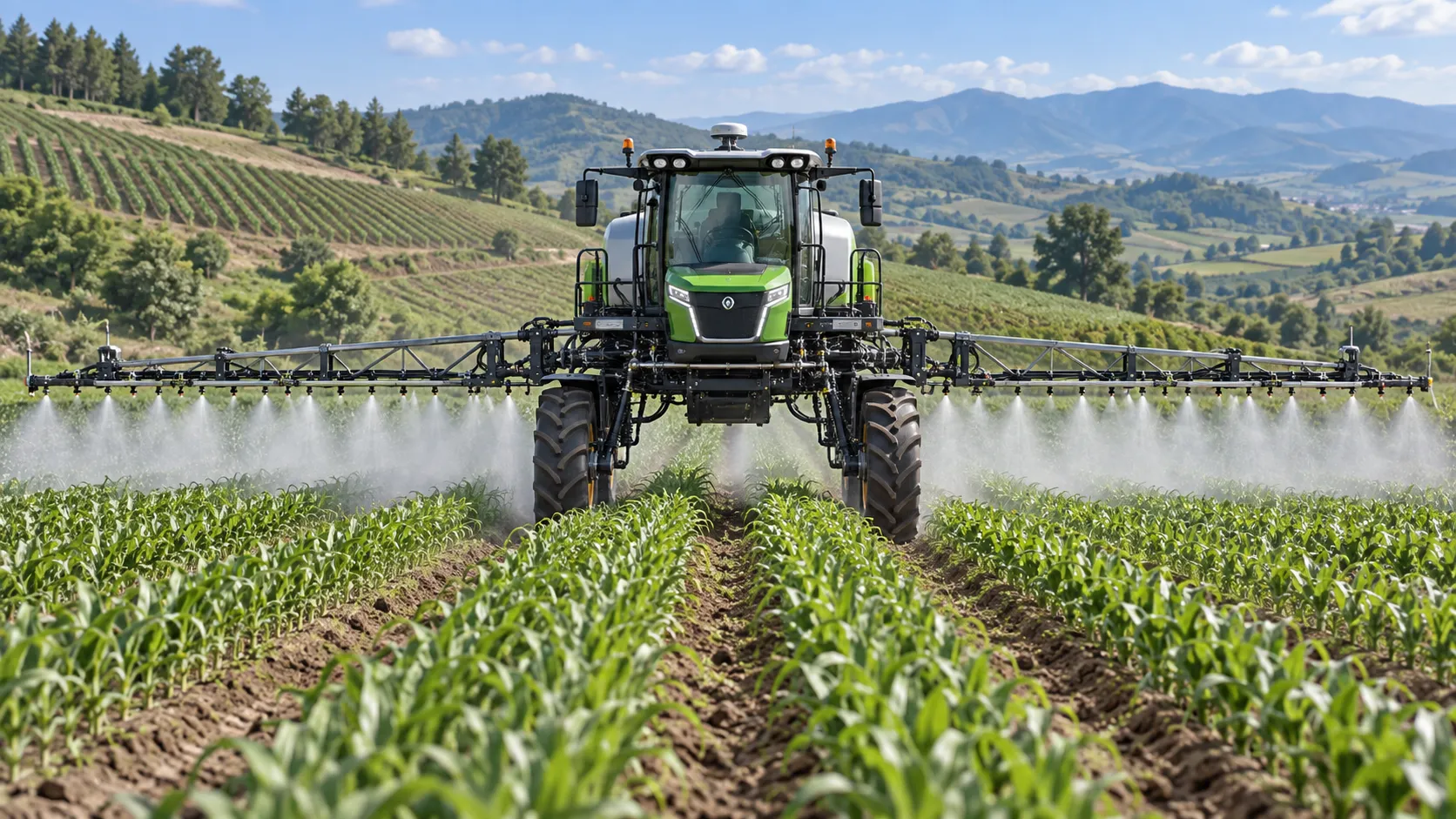
How to Select Precision Crop Protection Equipment for Variable Field Conditions
Precision crop protection equipment selection made simple: compare terrain, canopy, weather, control accuracy, and data workflows for reliable applications.
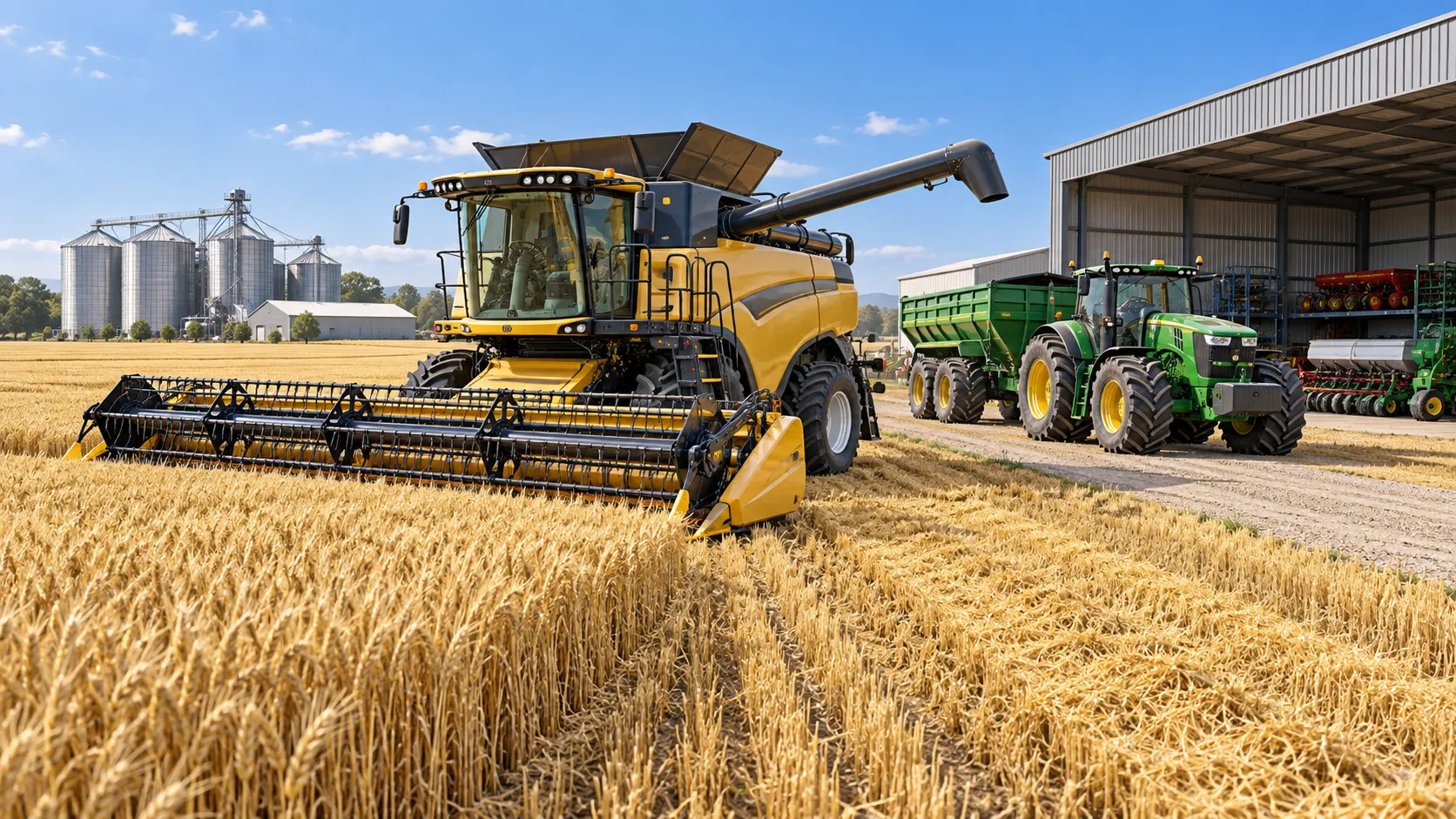
When Does Agricultural Machinery Leasing Cost Less Than Owning Equipment?
Agricultural machinery leasing can lower farm costs when use is seasonal or uncertain. Compare utilization, maintenance, cash flow, and risk to make a smarter equipment decision.
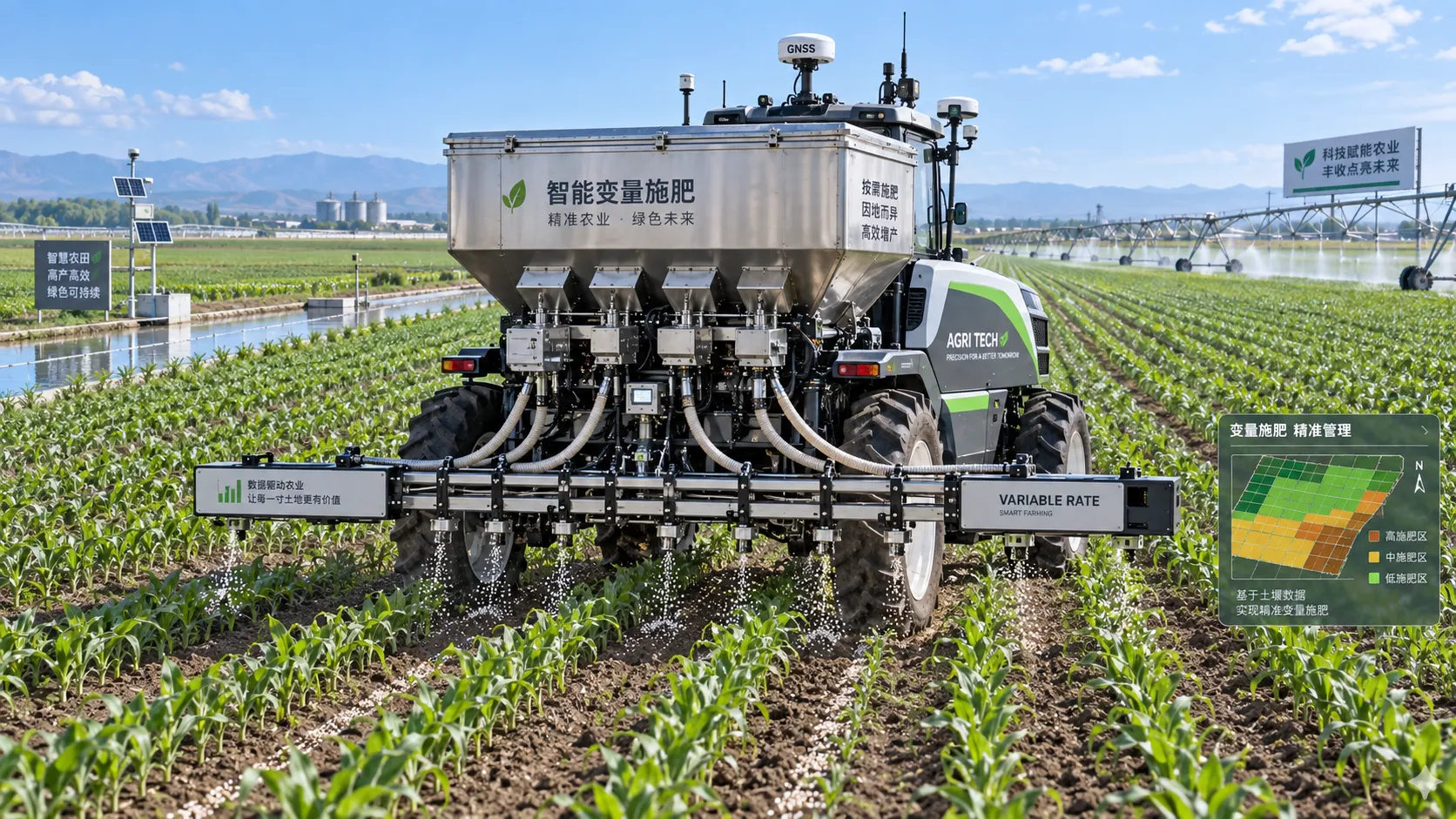
How to Evaluate Precision Fertilization System Suppliers for Farm-Scale Deployment
Precision fertilization systems suppliers: learn how to compare accuracy, integration, uptime, service, and total cost for confident farm-scale deployment.
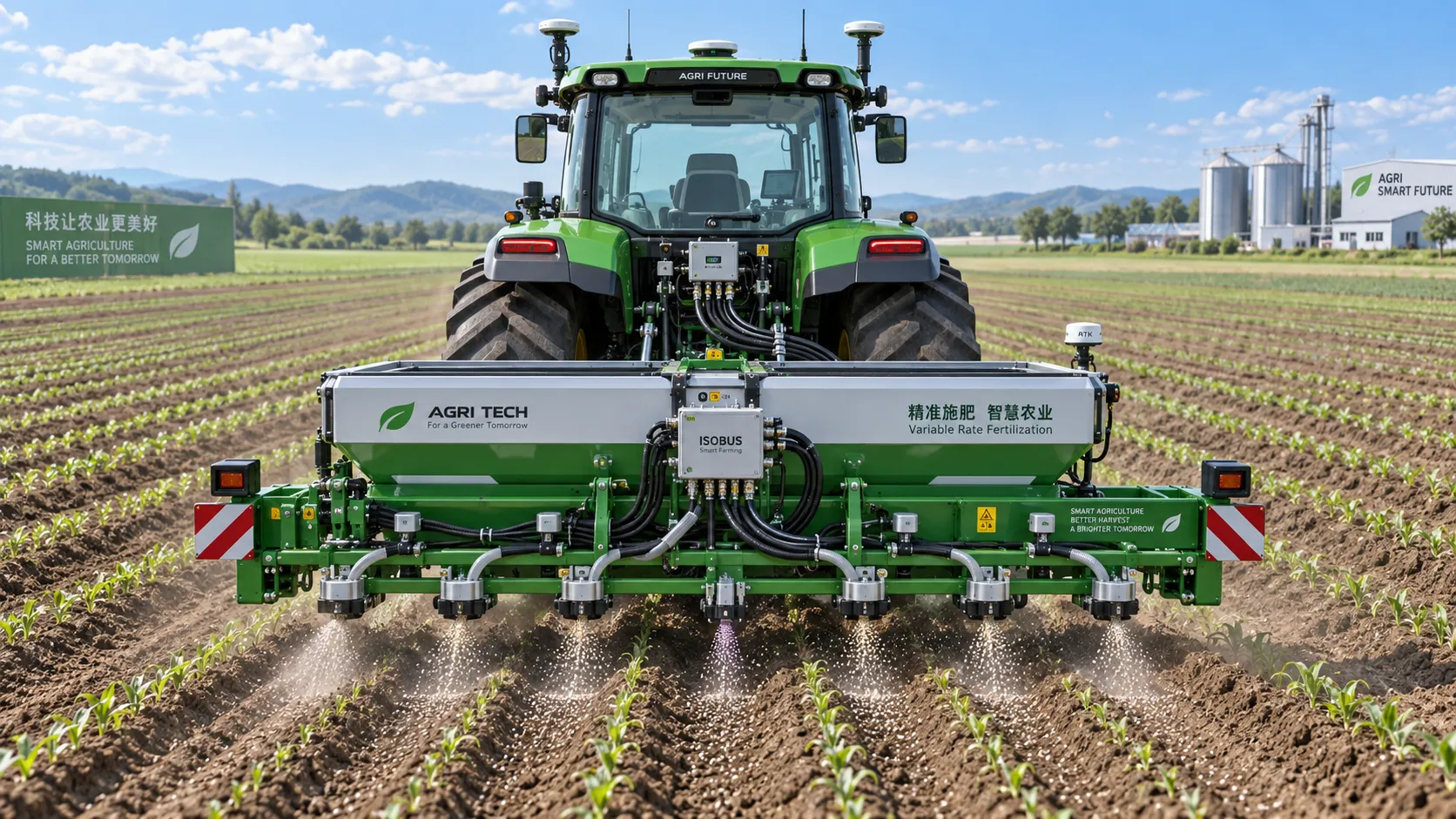
ISOBUS for Smart Agriculture: How It Connects Tractors, Implements, and Farm Data
ISOBUS for smart agriculture connects tractors, implements, terminals, and farm data—helping growers improve precision, documentation, and smarter field decisions.
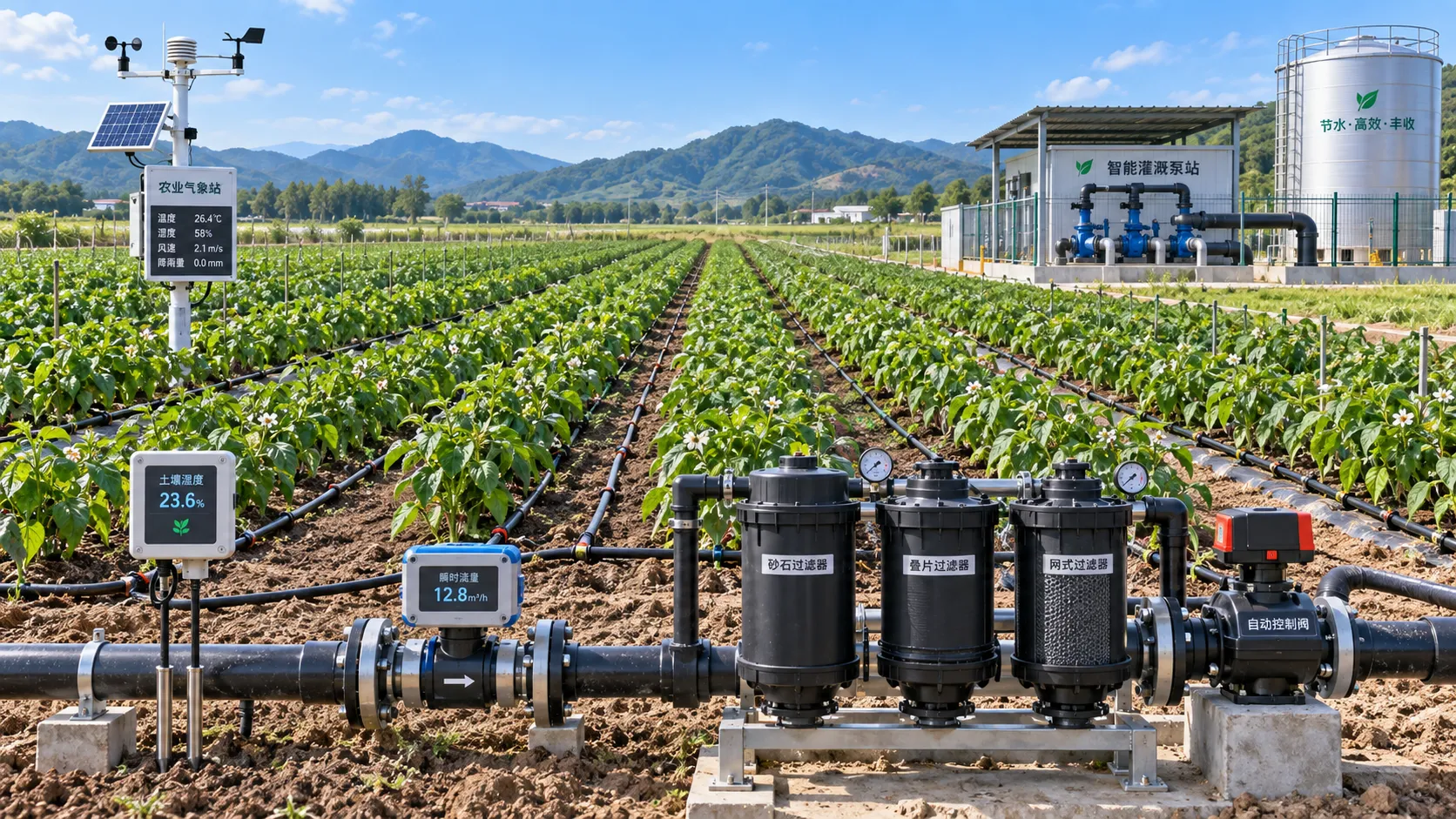
Automated Water-Saving Irrigation: How to Cut Water Use Without Reducing Crop Yields
Automated water-saving irrigation helps farms cut water use, protect crop yields, improve scheduling, and gain reliable control with sensors, flow monitoring, and smart zones.
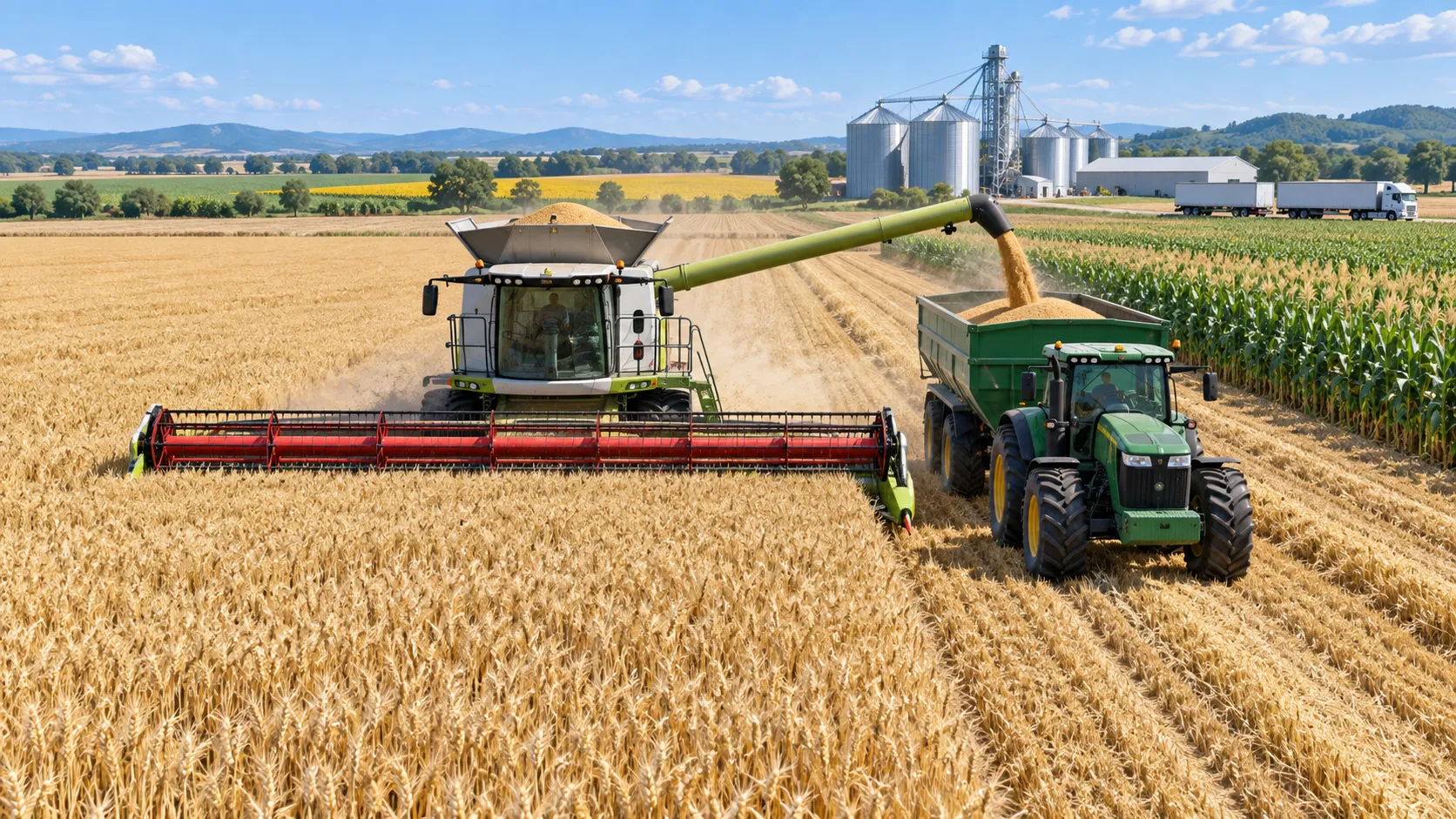
Selecting Grain Farm Equipment by Acreage, Crop Mix, and Harvest Window
Agricultural equipment selection for grain farming: match machinery to acreage, crop mix, and harvest windows to improve uptime, efficiency, and returns.
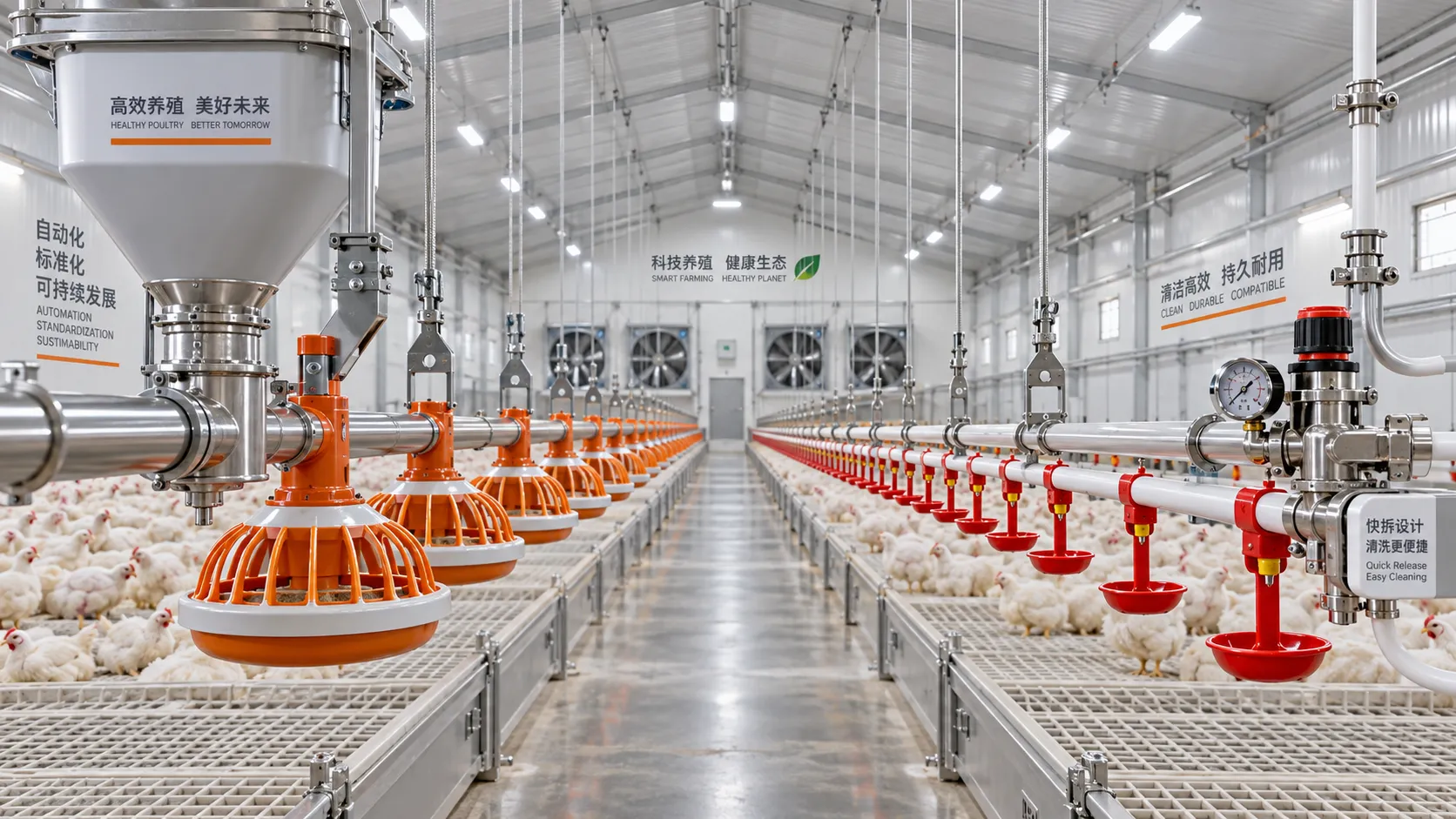
Poultry Equipment Selection: Evaluating Durability, Cleaning, and Compatibility
Poultry equipments selection guide: evaluate durability, cleaning access, and system compatibility to improve hygiene, reduce downtime, and support efficient flock management.
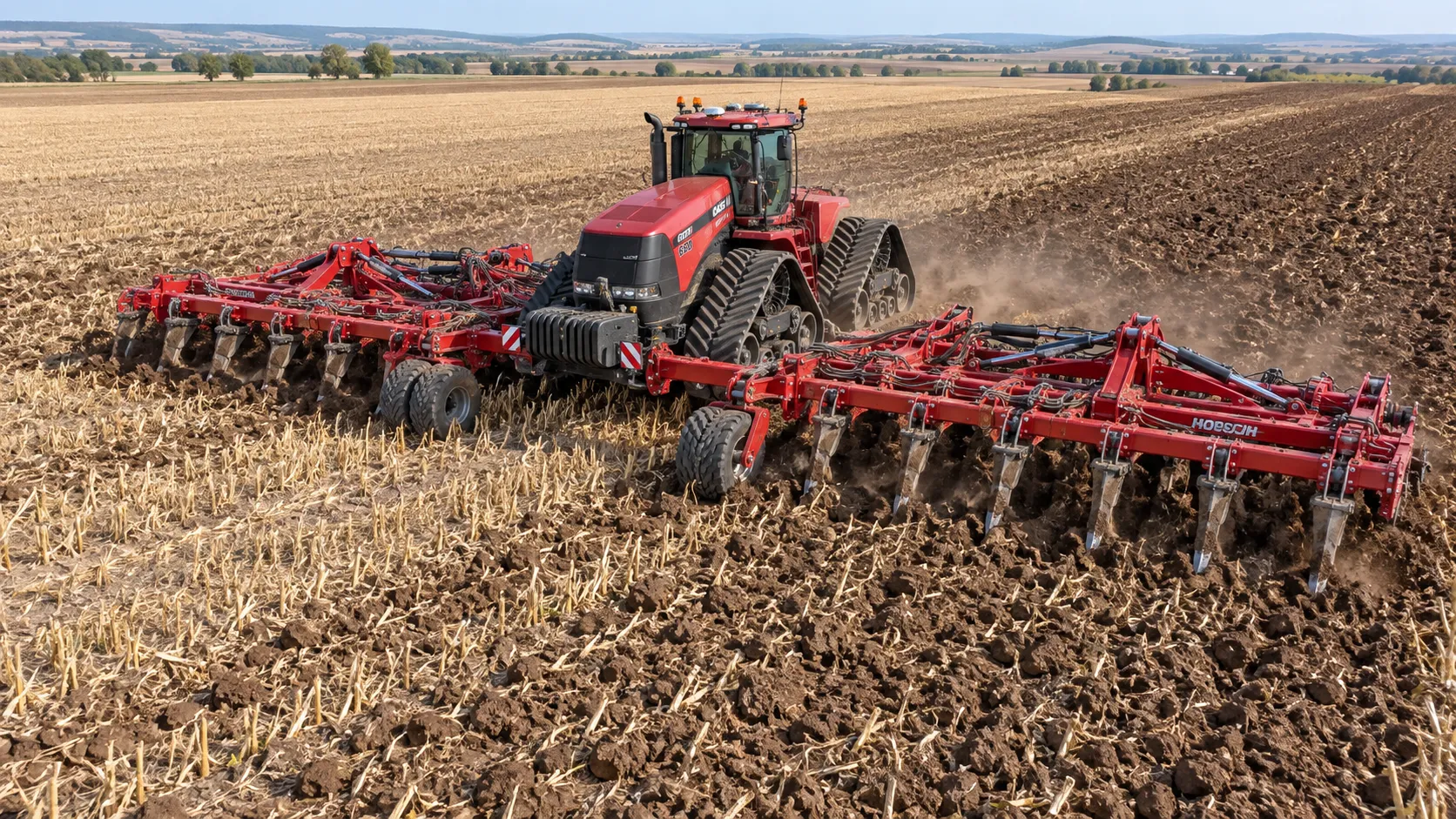
How to Select Heavy-Duty Farm Implements for High-Acreage, High-Horsepower Operations
Heavy duty farm implements: learn how to match draft, hydraulics, hitch capacity, frame strength, and field conditions for reliable high-acreage performance.
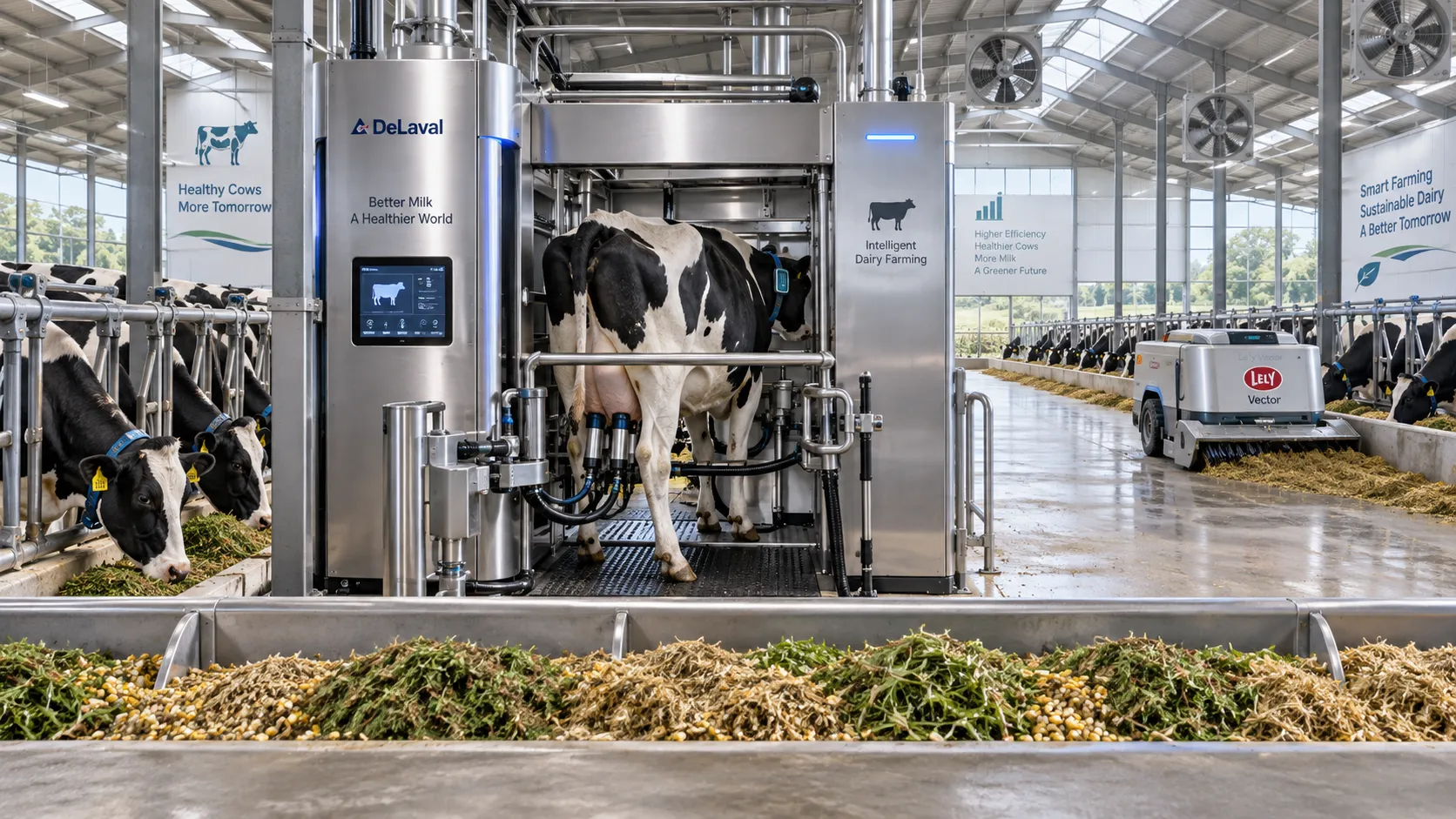
Smart Farming Technology for Dairy Farms: Where Automation Delivers Measurable ROI
Smart farming technology for dairy farms delivers measurable ROI through automation, precision feeding, health monitoring, and data-driven cost control.
Related News
- 00
0000-00
Selecting Real-Time Soil Moisture Sensors for Irrigation Zone Control - 00
0000-00
How Does Climate-Smart Farming Reduce Water Use in Semi-Arid Areas? - 00
0000-00
USDA Rule Takes Effect: Dual FCC and NRCS Approval for Soil Moisture Sensors - 00
0000-00
EU Rule Takes Effect: Soil Moisture Sensors Need Revised CE-EMC Certification - 00
0000-00
How to Choose Wireless Smart Irrigation Systems for Better Water Control
Popular Tags
Hydrological Resource Strategist
Weekly Insights
Stay ahead with our curated technology reports delivered every Monday.