
Irrigation Expo Closes With $212M Sensor Buying Interest
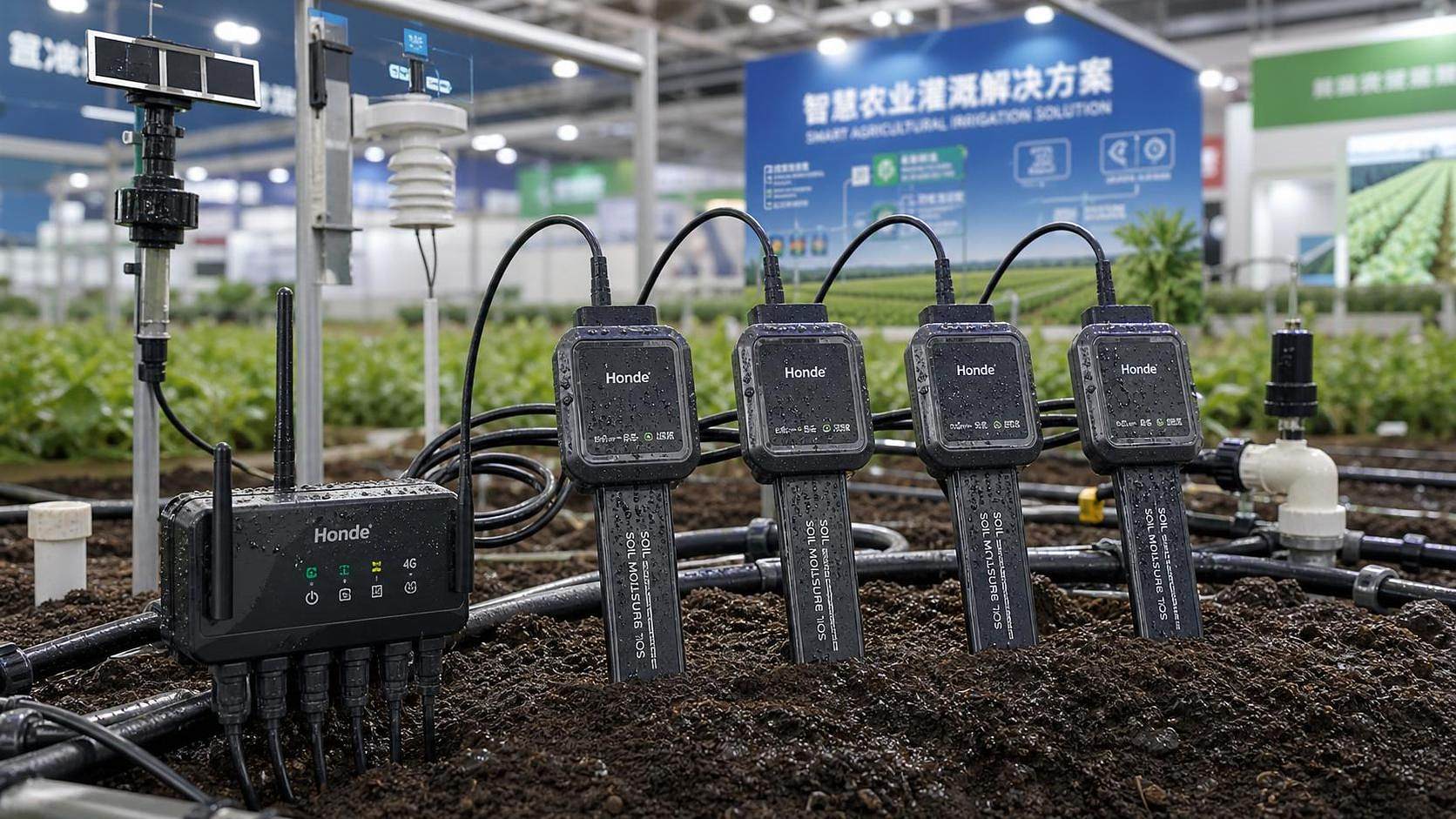




On April 1, 2026, final figures released at the close of the World Irrigation Technology Conference and the China International Irrigation Technology Expo showed that the Soil Moisture Sensors section recorded US$212 million in intended international purchases. For manufacturers, exporters, distributors, procurement teams, and connectivity-related service providers, the update is worth watching because it does not only reflect demand volume; it also highlights the product specifications buyers are prioritizing in cross-border procurement discussions.
What the closing data confirmed
The event disclosed that intended international procurement in the Soil Moisture Sensors section reached US$212 million.
Buyer delegations from Brazil, Australia, and Egypt accounted for 63% of the signed procurement intentions.
The disclosed areas of buyer focus were IP68 protection, volumetric accuracy of ±1.5%, and compatibility with the LoRaWAN 1.0.4 protocol.
The conference and expo referenced in the announcement closed on April 1, 2026, and the expo was identified as UFI-certified.
Why this matters across the value chain
Export-facing suppliers are seeing clearer screening criteria
From an industry perspective, suppliers engaged in overseas business may be affected first because the disclosed buyer focus points are highly specific. The immediate impact is likely to appear in product positioning, quotation preparation, and technical communication, where protection level, measurement accuracy, and protocol compatibility may move from supporting details to core decision factors.
Manufacturing and product teams may face tighter specification alignment
Analysis shows that sensor manufacturers and engineering teams should pay close attention to how product design and verification are presented in commercial discussions. When buyers emphasize IP68, ±1.5% volumetric accuracy, and LoRaWAN 1.0.4 compatibility, the operational effect is not limited to hardware performance; it also affects test documentation, interoperability claims, and the consistency between technical files and sales commitments.
Channels and procurement intermediaries need stronger technical filtering
Distributors, sourcing agents, and procurement service providers may be affected in customer screening and supplier matching. What deserves closer attention is whether a supplier can clearly document the specifications highlighted by buyers, because channel efficiency may increasingly depend on reducing mismatches between procurement requirements and actual product capability.
Connectivity and delivery support may gain importance in transactions
Observably, service providers involved in device integration, project delivery support, or cross-border fulfillment may also need to adjust their workflows. Even though the disclosed data refers to procurement intentions rather than completed deliveries, protocol compatibility and product durability requirements can shape how technical onboarding, after-sales coordination, and acceptance discussions are handled.
What companies should watch next
Keep technical claims consistent with verifiable product documents
Companies involved in Soil Moisture Sensors should pay close attention to how IP68, ±1.5% volumetric accuracy, and LoRaWAN 1.0.4 compatibility are described in quotations, datasheets, and buyer communications. Analysis shows that once procurement discussions center on these items, unclear or inconsistent wording can become a practical obstacle in negotiations.
Track demand signals from the three highlighted buyer markets
Brazil, Australia, and Egypt represented 63% of the signed procurement intentions disclosed at the event. This does not by itself confirm final shipment outcomes, but it does indicate where commercial follow-up, distributor outreach, and market-specific communication may deserve closer attention in the near term.
Separate procurement intention from confirmed execution
What deserves closer attention is the distinction between intended purchase value announced at an exhibition and finalized orders in actual business operations. Companies should therefore prepare for follow-up rounds involving specification confirmation, delivery discussion, compliance review, and timeline coordination rather than treating the disclosed figure as completed revenue.
Strengthen cross-team readiness before follow-up inquiries rise
For sales, operations, and supply chain teams, the practical issue is preparation. Observably, if buyer interest concentrates around clearly defined technical thresholds, internal coordination on product files, lead-time explanations, and customer response processes becomes more important than broad promotional messaging.
How this signal should be interpreted
Analysis shows that this development is more useful as a demand signal than as proof of completed market conversion. The disclosed amount suggests active international buying interest around Soil Moisture Sensors, while the specification focus offers a more concrete reading of how buyers are evaluating products at this stage.
It is more appropriate to understand this as a near-term market indicator with longer-term relevance. In the short term, it points to the product features currently shaping procurement conversations. In the longer term, it may indicate that international competition in this segment is being judged less by broad category presence and more by durability, measurement performance, and protocol compatibility. Even so, further observation is still needed because the input does not provide later contract execution, shipment, or deployment outcomes.
A measured takeaway for the market
For the irrigation technology sector, the main significance of this update lies in the combination of scale and specificity: the announced procurement intention is substantial, and the buyer priorities are unusually clear. That combination gives manufacturers, traders, and service providers a practical reference point for how current overseas demand is being framed.
At the same time, a neutral reading remains necessary. The announcement is best understood not as a final market conclusion, but as a structured signal about where attention is concentrating in the Soil Moisture Sensors segment and which technical requirements are carrying more weight in current international discussions.
Basis of this article and what still needs verification
This article is based on the user-provided news title, event date, and event summary. The writing also reflects the types of sources typically relevant to this kind of industry update, such as official event releases, company announcements, industry association disclosures, authoritative media coverage, and standard-organization documents.
No specific official source link was provided in the input, so the exact original release path still requires follow-up verification. Areas that remain worth monitoring include whether the disclosed procurement intentions translate into confirmed orders, whether buyer demand remains concentrated in the same markets, and whether the stated technical priorities continue to define subsequent procurement activity.
Related News

How to Select Precision Crop Protection Equipment for Variable Field Conditions
Precision crop protection equipment selection made simple: compare terrain, canopy, weather, control accuracy, and data workflows for reliable applications.

When Does Agricultural Machinery Leasing Cost Less Than Owning Equipment?
Agricultural machinery leasing can lower farm costs when use is seasonal or uncertain. Compare utilization, maintenance, cash flow, and risk to make a smarter equipment decision.
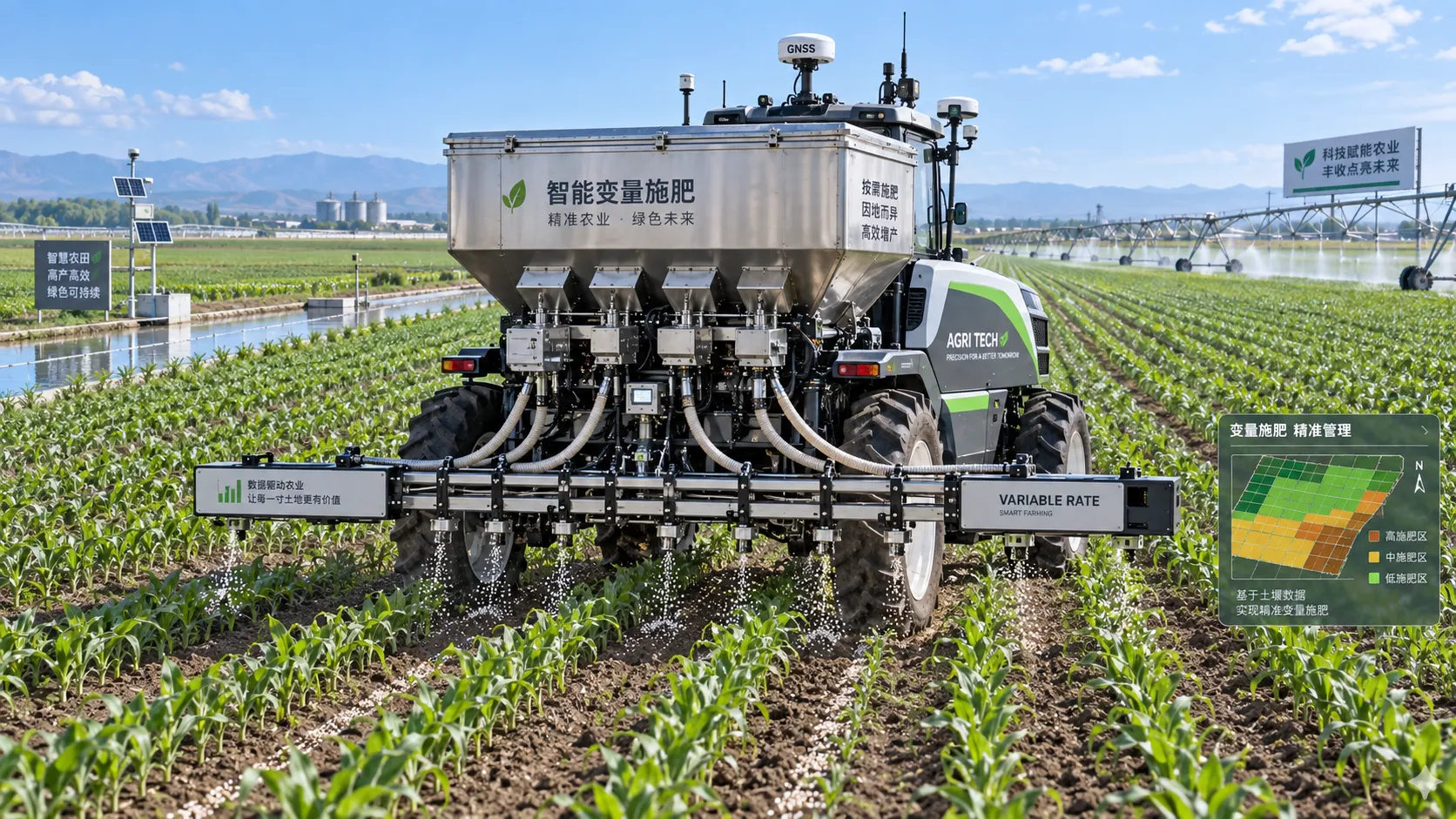
How to Evaluate Precision Fertilization System Suppliers for Farm-Scale Deployment
Precision fertilization systems suppliers: learn how to compare accuracy, integration, uptime, service, and total cost for confident farm-scale deployment.
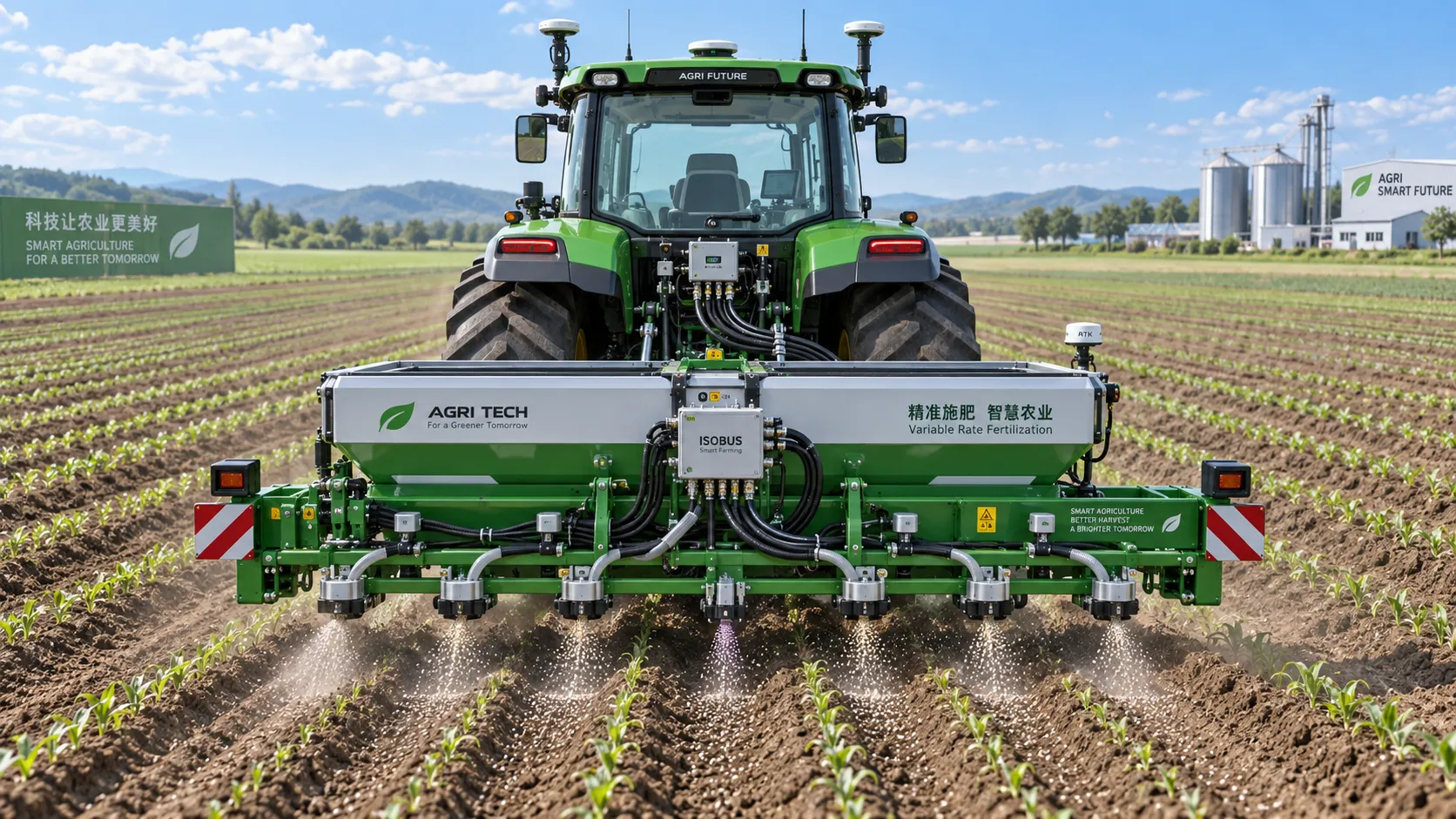
ISOBUS for Smart Agriculture: How It Connects Tractors, Implements, and Farm Data
ISOBUS for smart agriculture connects tractors, implements, terminals, and farm data—helping growers improve precision, documentation, and smarter field decisions.
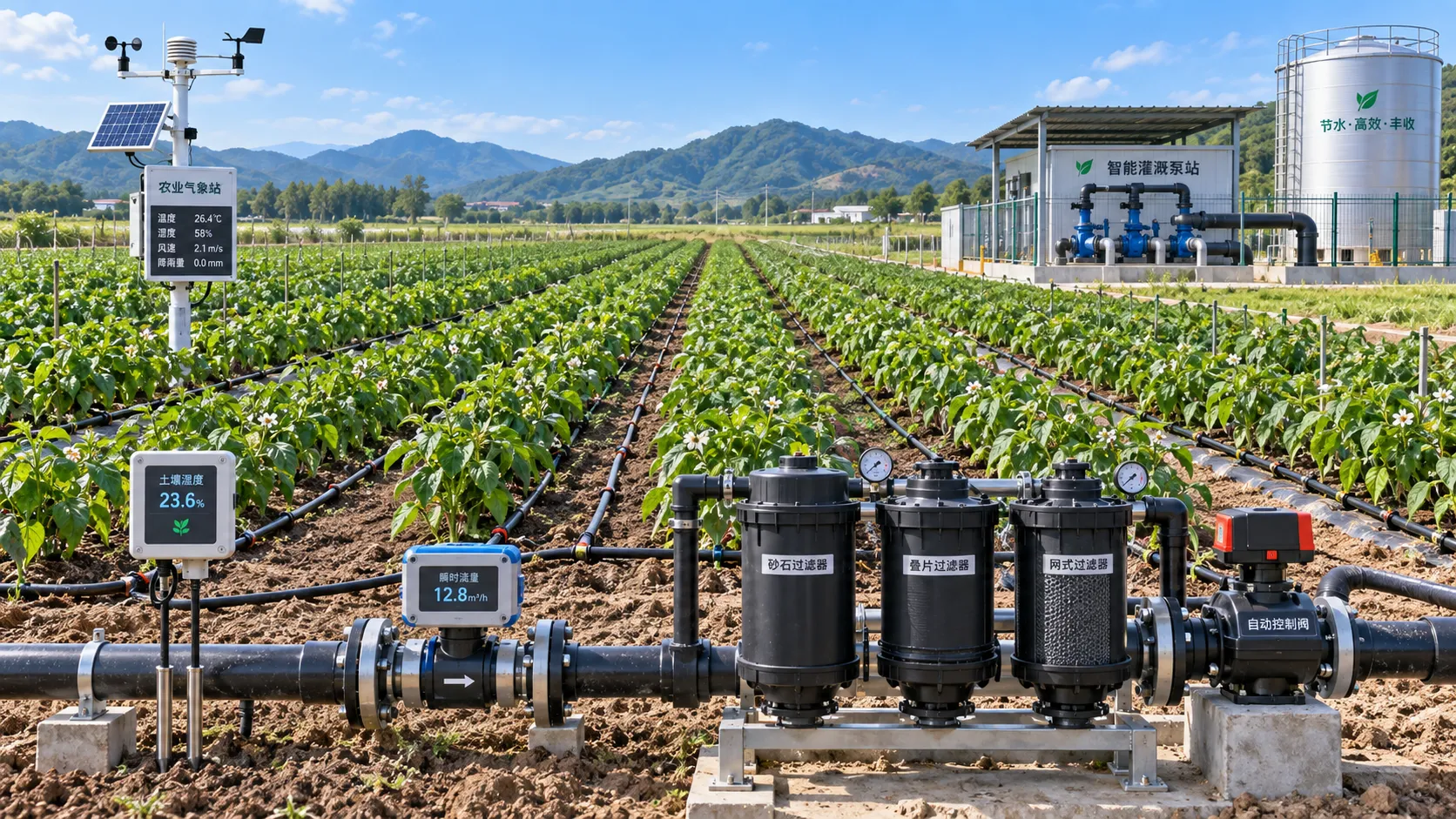
Automated Water-Saving Irrigation: How to Cut Water Use Without Reducing Crop Yields
Automated water-saving irrigation helps farms cut water use, protect crop yields, improve scheduling, and gain reliable control with sensors, flow monitoring, and smart zones.
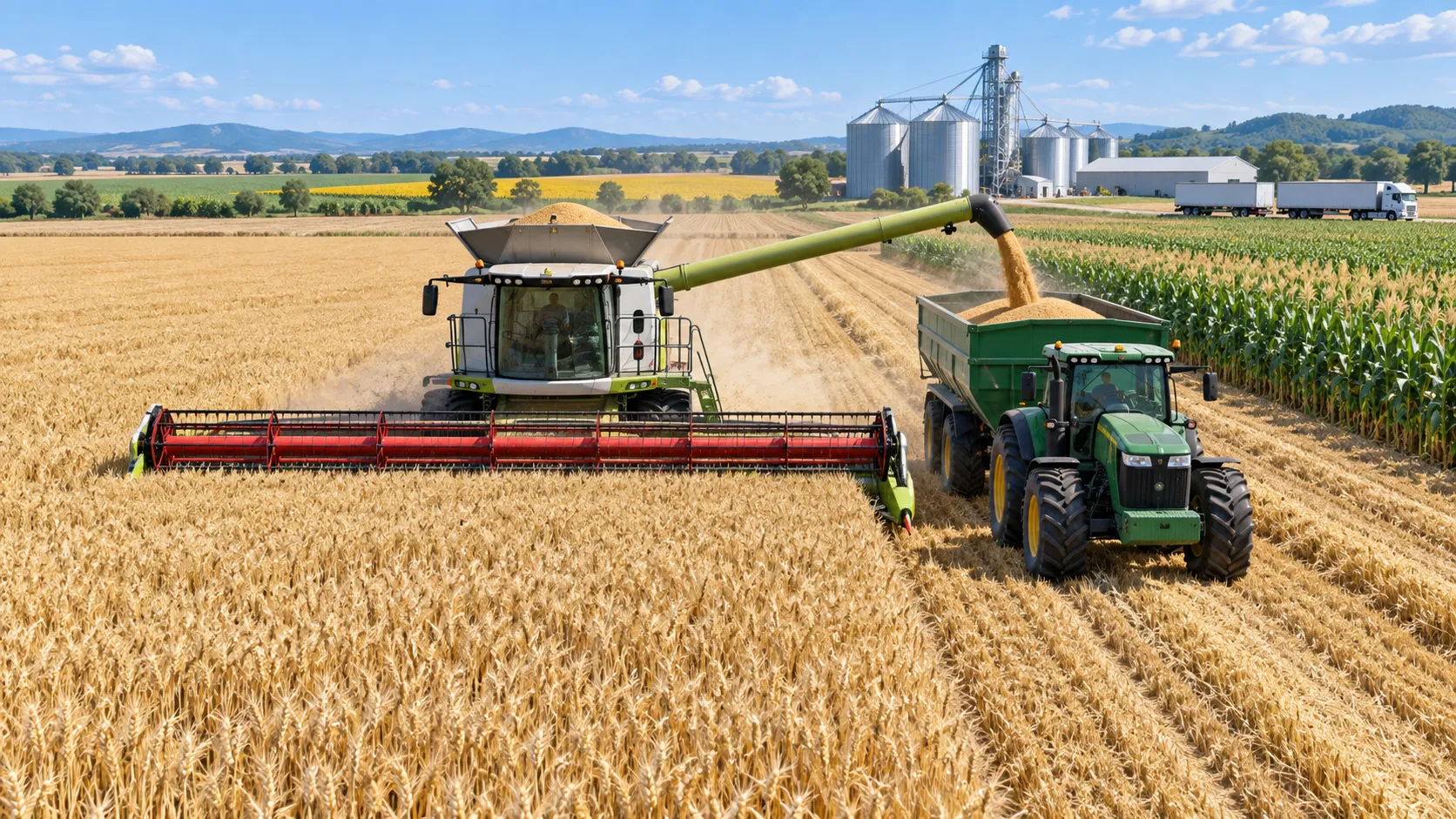
Selecting Grain Farm Equipment by Acreage, Crop Mix, and Harvest Window
Agricultural equipment selection for grain farming: match machinery to acreage, crop mix, and harvest windows to improve uptime, efficiency, and returns.
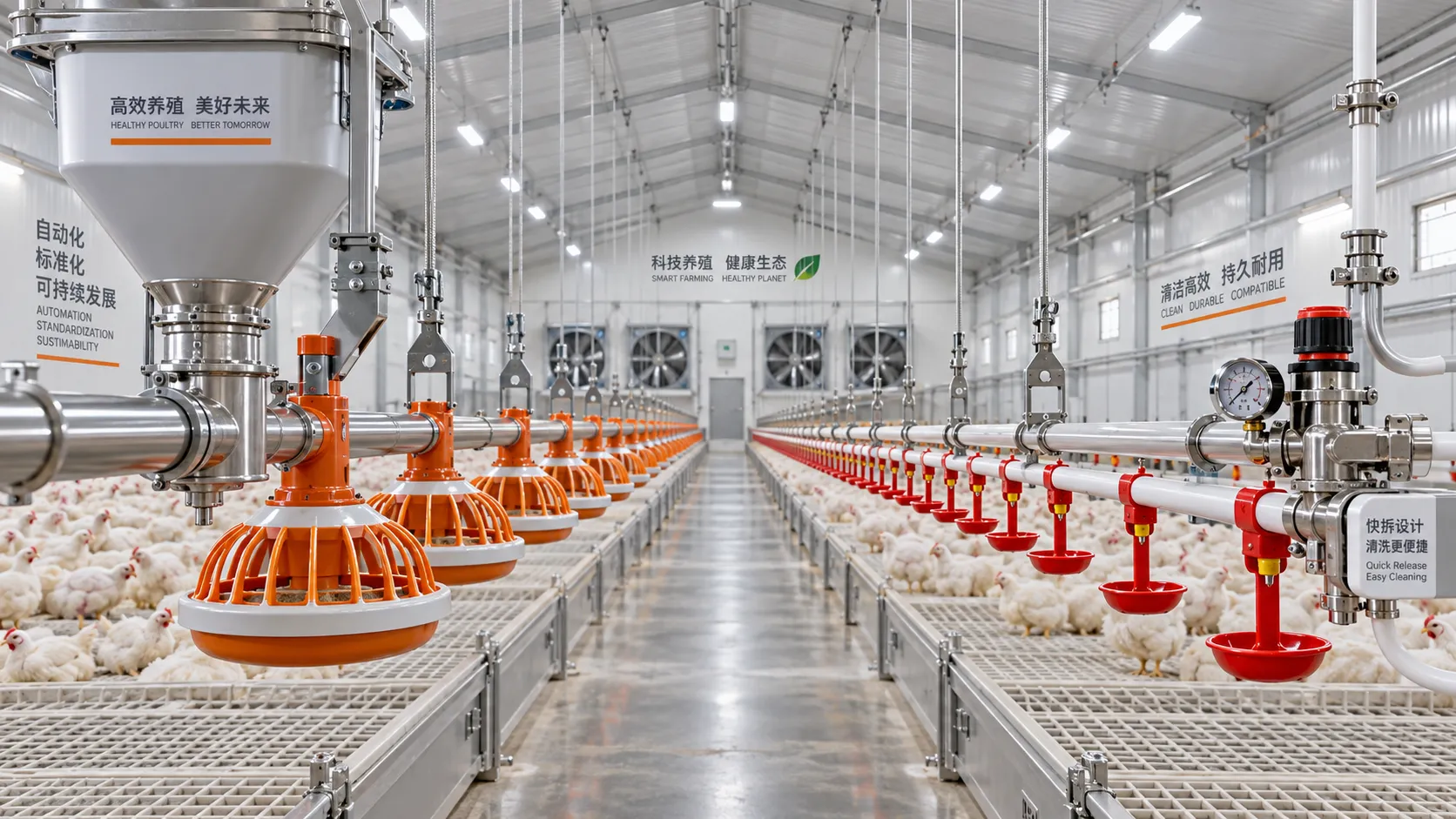
Poultry Equipment Selection: Evaluating Durability, Cleaning, and Compatibility
Poultry equipments selection guide: evaluate durability, cleaning access, and system compatibility to improve hygiene, reduce downtime, and support efficient flock management.
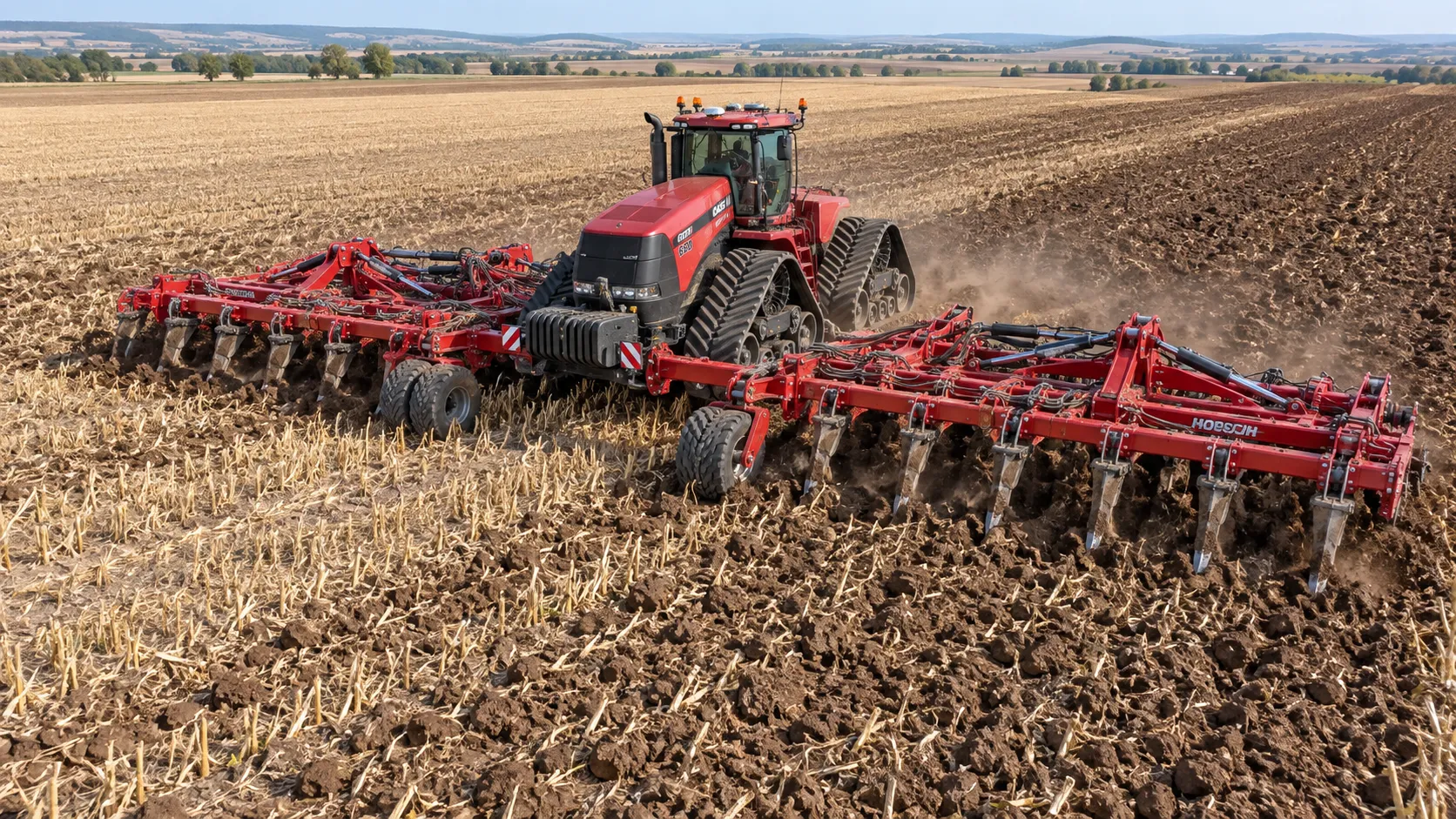
How to Select Heavy-Duty Farm Implements for High-Acreage, High-Horsepower Operations
Heavy duty farm implements: learn how to match draft, hydraulics, hitch capacity, frame strength, and field conditions for reliable high-acreage performance.
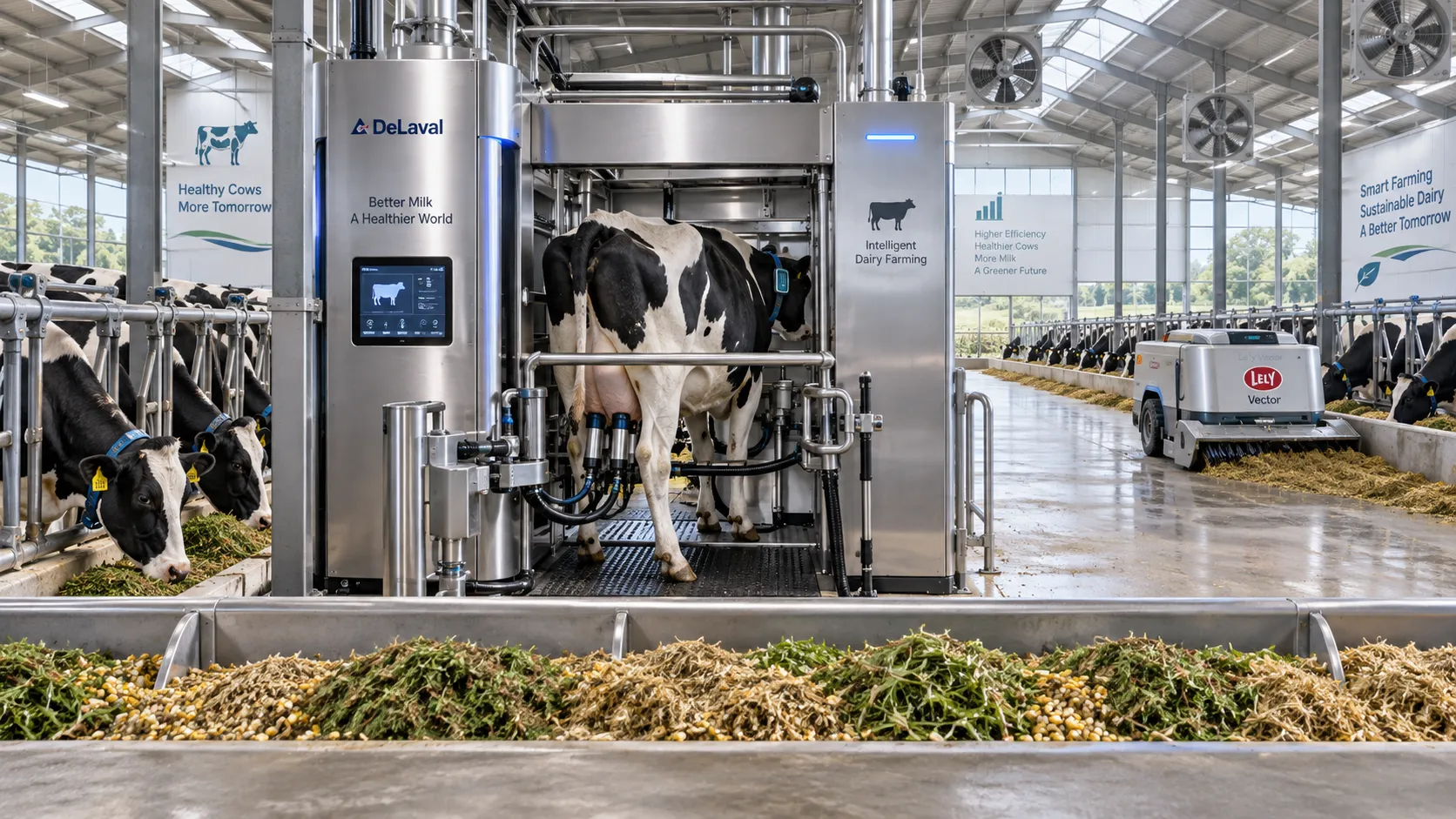
Smart Farming Technology for Dairy Farms: Where Automation Delivers Measurable ROI
Smart farming technology for dairy farms delivers measurable ROI through automation, precision feeding, health monitoring, and data-driven cost control.
Related News
- 00
0000-00
Selecting Real-Time Soil Moisture Sensors for Irrigation Zone Control - 00
0000-00
How Does Climate-Smart Farming Reduce Water Use in Semi-Arid Areas? - 00
0000-00
USDA Rule Takes Effect: Dual FCC and NRCS Approval for Soil Moisture Sensors - 00
0000-00
EU Rule Takes Effect: Soil Moisture Sensors Need Revised CE-EMC Certification - 00
0000-00
How to Choose Wireless Smart Irrigation Systems for Better Water Control
Popular Tags
Hydrological Resource Strategist
Weekly Insights
Stay ahead with our curated technology reports delivered every Monday.