
Agri-Tech Innovations for Water-Smart Farming: Which Solutions Fit Small and Large Farms?
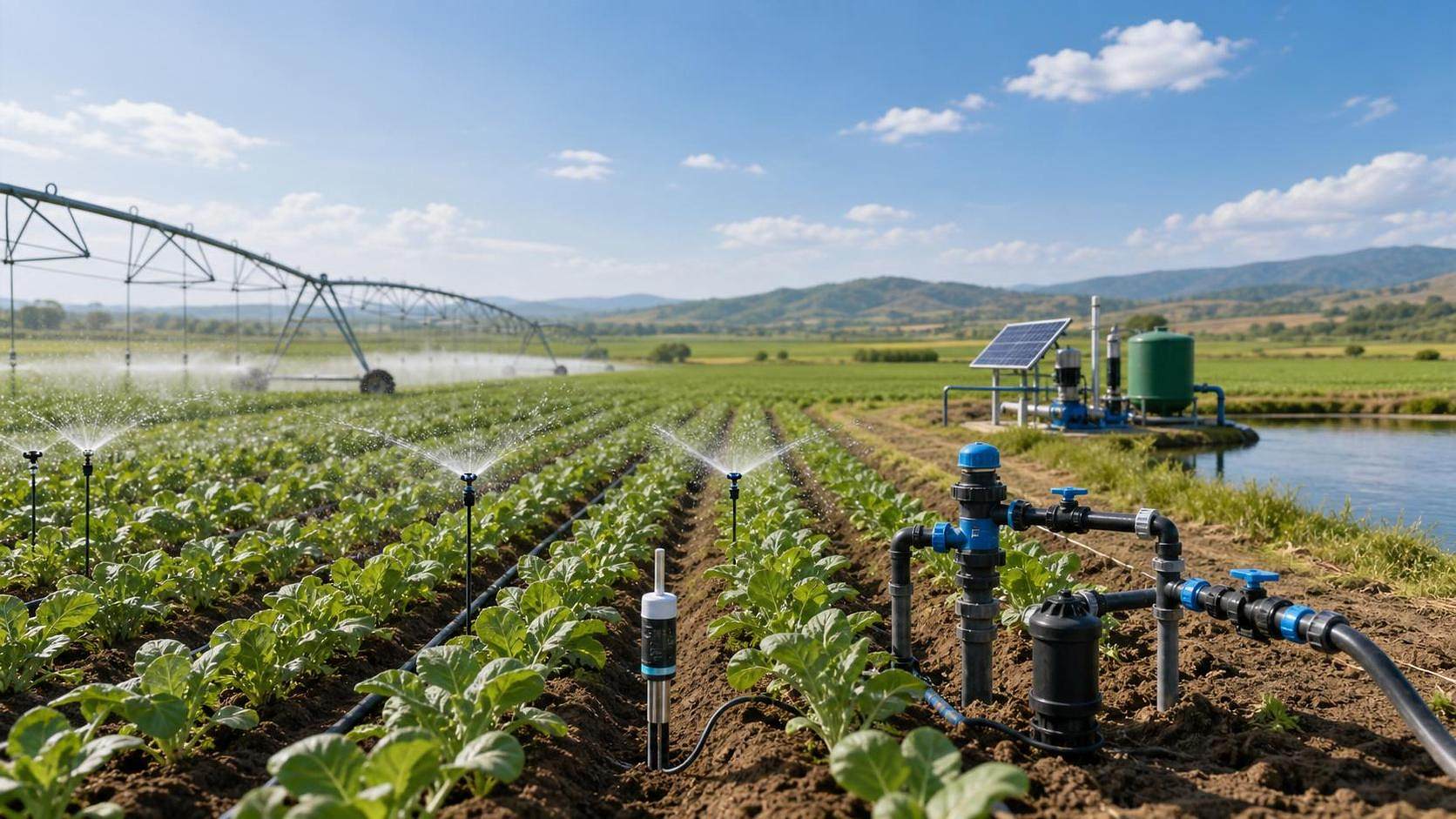




Agri-Tech Innovations for Water-Smart Farming: Which Solutions Fit Small and Large Farms?
From drought pressure to rising input costs, agri-tech innovations are changing water management fast.
The real issue is no longer adoption alone.
It is choosing the right water-smart system for the farm’s size, assets, and production targets.
That is where many investment decisions become difficult.
Some farms need quick payback and simple deployment.
Others need full-system visibility across irrigation, machinery, labor, and energy use.
In practical terms, agri-tech innovations work best when they solve operational bottlenecks, not when they add digital complexity.
This is especially true in water-smart farming, where every upgrade affects crop timing, input efficiency, and resilience.
The most effective path is usually phased, measurable, and closely tied to field conditions.
Why Water-Smart Farming Now Shapes Competitive Performance
Water is now a strategic production variable, not just a seasonal input.
Rainfall volatility, energy prices, and environmental rules are pushing farms toward better irrigation control.
More importantly, margins are under pressure.
Overwatering now means wasted pumping costs, nutrient losses, and uneven crop performance.
This is why agri-tech innovations are gaining attention across both compact operations and large enterprises.
The goal is not technology for its own sake.
The goal is better yield stability per unit of water, labor, and capital.
What decision-makers should evaluate first
- Current irrigation method and field uniformity
- Water source reliability and pumping costs
- Crop value, planting density, and sensitivity to stress
- Digital readiness of equipment and staff
- Expected payback period and expansion plans
These basics often matter more than buying the most advanced platform available.
Core Agri-Tech Innovations That Improve Water Efficiency
Not all agri-tech innovations deliver value in the same way.
Some reduce waste directly in the field.
Others improve decisions through better timing and data.
The strongest water-smart systems usually combine both.
1. Soil moisture sensing
These tools show what is happening below the surface, zone by zone.
They help prevent irrigation based only on habit or visual guesswork.
For many farms, this is the first practical step into agri-tech innovations.
2. Weather-linked irrigation scheduling
Scheduling platforms use evapotranspiration, rainfall forecasts, and crop stage data.
That leads to more accurate irrigation timing and fewer unnecessary cycles.
3. Variable rate irrigation
Large fields rarely behave as one uniform production unit.
Variable rate systems apply water according to soil type, slope, and crop variability.
This is one of the most valuable agri-tech innovations for enterprises managing mixed field conditions.
4. Drip and micro-irrigation upgrades
These systems deliver high control, especially in specialty crops and water-constrained regions.
When paired with sensors and automation, they become far more responsive and efficient.
5. Remote monitoring and automation
Remote valves, pump controls, and mobile dashboards reduce labor exposure and response delays.
This matters even more across dispersed assets or large irrigation networks.
Best-Fit Solutions for Small Farms
Small farms usually need affordable, low-friction upgrades.
The best agri-tech innovations here are simple to install, easy to train, and fast to measure.
In many cases, the biggest gains come from fixing timing and distribution first.
Recommended small-farm priorities
- Entry-level soil moisture probes for critical blocks
- Cloud-based irrigation alerts linked to local weather
- Pressure regulation and leak detection in existing lines
- Basic fertigation control for higher-value crops
- Mobile dashboards that avoid complicated desktop workflows
This approach keeps capital demands realistic.
It also helps managers build confidence with measurable water savings before broader investment.
For smaller operations, the best agri-tech innovations often support better routines rather than full automation from day one.
Where small farms should be cautious
- Overspending on complex platforms with unused features
- Adding sensors without clear irrigation response rules
- Ignoring maintenance needs for filters, emitters, and valves
- Chasing data volume instead of practical decision support
Best-Fit Solutions for Large Farms
Large farms face a different challenge.
They often manage scale, variability, and coordination across multiple fields, teams, and machine fleets.
That makes integration more important than any single device.
For these operations, agri-tech innovations should connect irrigation decisions with broader precision farming systems.
Recommended large-farm priorities
- Variable rate irrigation across mapped management zones
- Centralized platforms combining sensors, pumps, and weather feeds
- Remote automation for pivots, valves, and pumping schedules
- Analytics linking water use to yield maps and field profitability
- Interoperability with tractors, intelligent farm tools, and farm management software
This is where AP-Strategy’s view of Agriculture 4.0 becomes especially relevant.
Water-saving irrigation systems create more value when connected with machinery performance and field execution data.
In other words, the strongest agri-tech innovations do not operate in isolation.
Where large farms should be cautious
- Fragmented vendors with poor system compatibility
- Automation without local override protocols
- Weak data governance across field teams and partners
- Underestimating service support in peak irrigation periods
How to Compare Water-Smart Investments
The most useful investment reviews combine agronomic, technical, and financial metrics.
That sounds obvious, yet many projects are approved with incomplete assumptions.
A better method is to compare agri-tech innovations against a short list of business outcomes.
This kind of framework helps filter promising agri-tech innovations from expensive distractions.
A Practical Rollout Strategy
In real operations, phased deployment usually beats full-scale rollout.
It reduces risk, improves team adoption, and produces cleaner performance data.
- Benchmark current water use, pumping hours, and field variability.
- Start with one field, block, or irrigation zone.
- Define success metrics before installation begins.
- Train operators on response rules, not just software screens.
- Review data after one season and scale what performs.
This is also the best way to build an internal case for further investment.
When agri-tech innovations prove value in one zone, expansion decisions become far more confident.
Final Takeaway
The best water-smart strategy is rarely the most complex one.
It is the one that fits field conditions, operating scale, and performance goals.
For small farms, practical sensing, scheduling, and distribution upgrades often create the fastest return.
For large farms, integrated control, automation, and analytics usually deliver the strongest long-term value.
What matters most is fit, interoperability, and measurable outcomes.
That is why agri-tech innovations should be assessed as operational solutions, not trend-driven purchases.
A disciplined rollout, backed by solid intelligence, gives water-smart farming the resilience and ROI modern agriculture now demands.
Related News
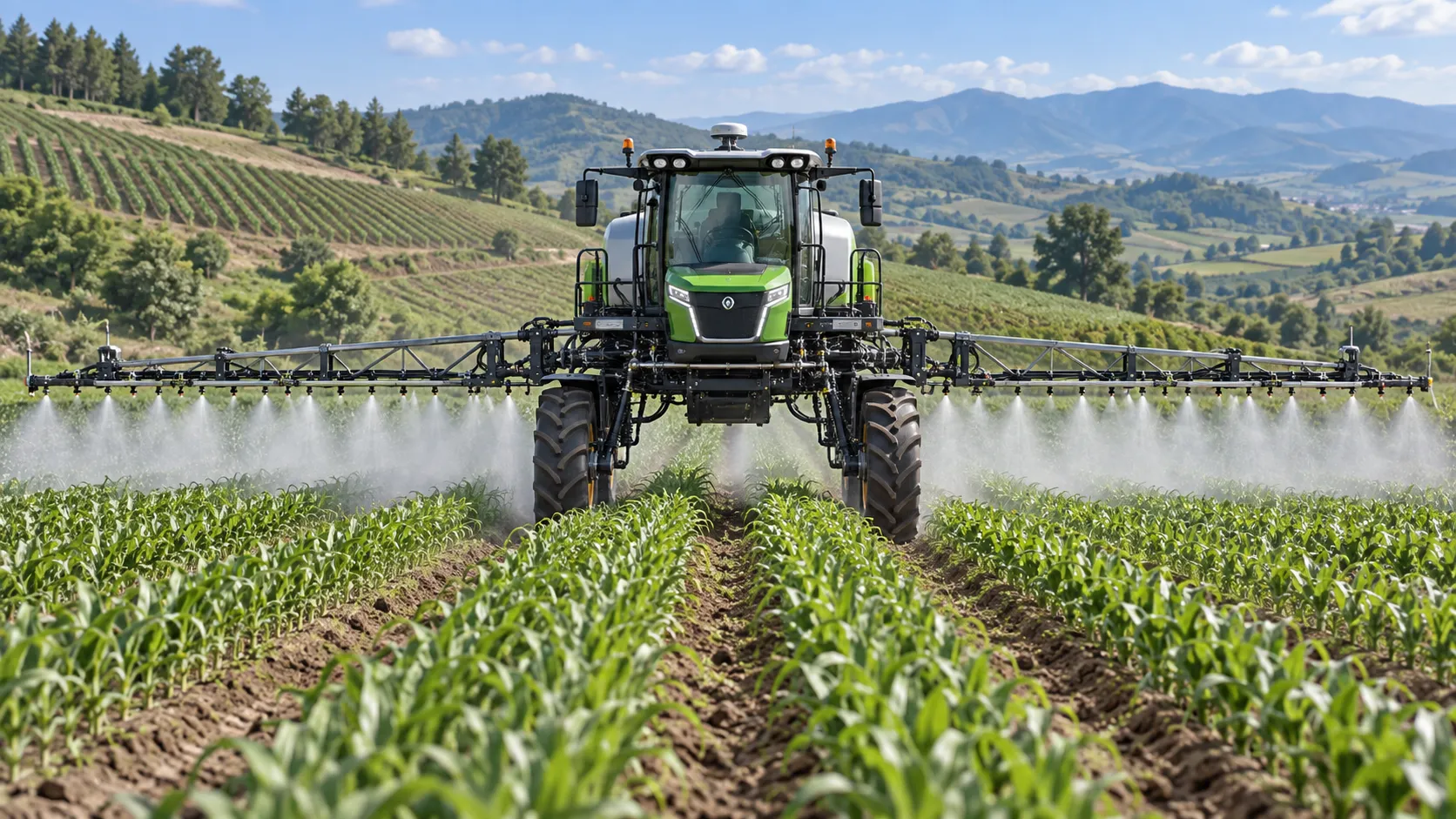
How to Select Precision Crop Protection Equipment for Variable Field Conditions
Precision crop protection equipment selection made simple: compare terrain, canopy, weather, control accuracy, and data workflows for reliable applications.
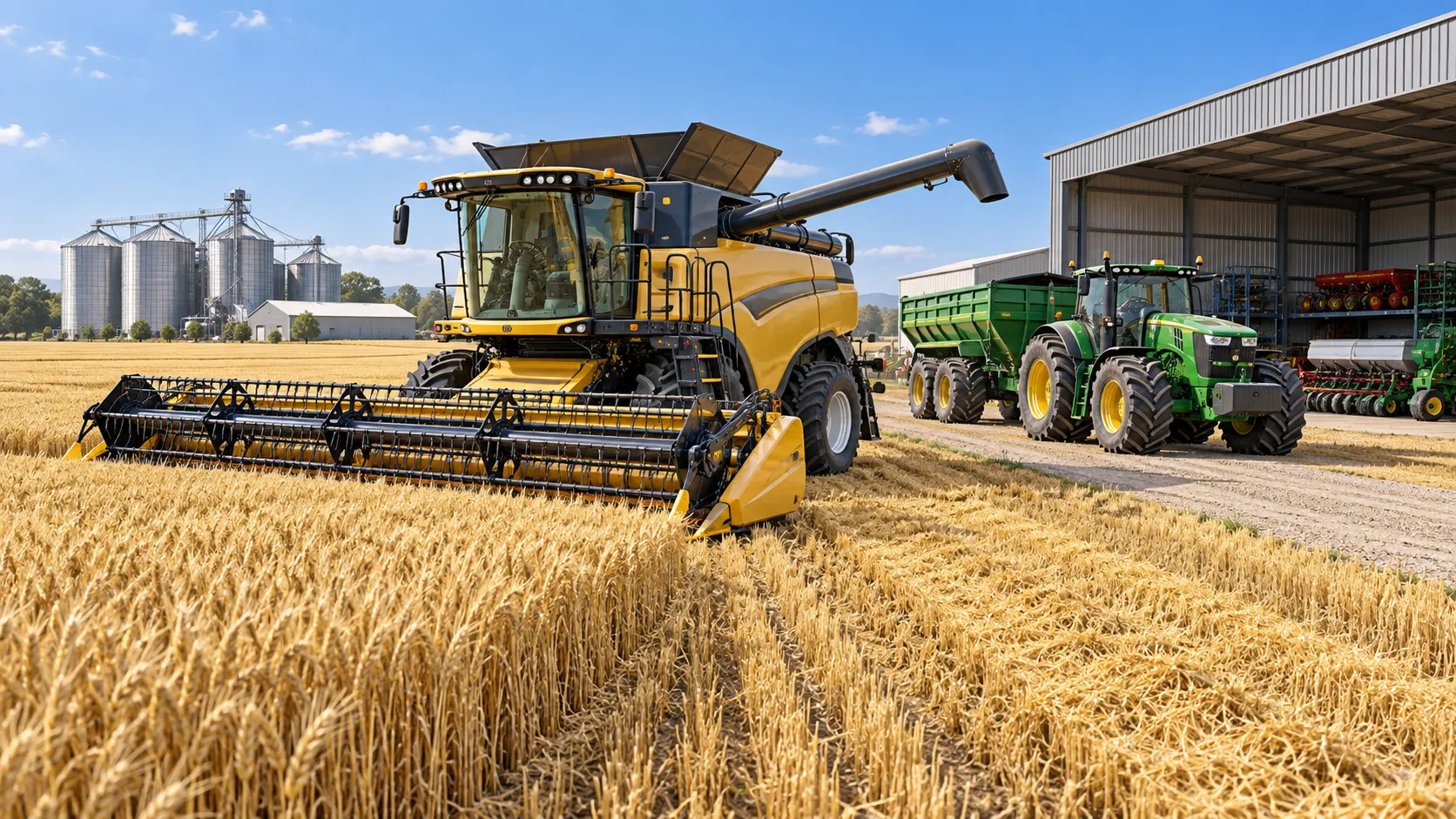
When Does Agricultural Machinery Leasing Cost Less Than Owning Equipment?
Agricultural machinery leasing can lower farm costs when use is seasonal or uncertain. Compare utilization, maintenance, cash flow, and risk to make a smarter equipment decision.
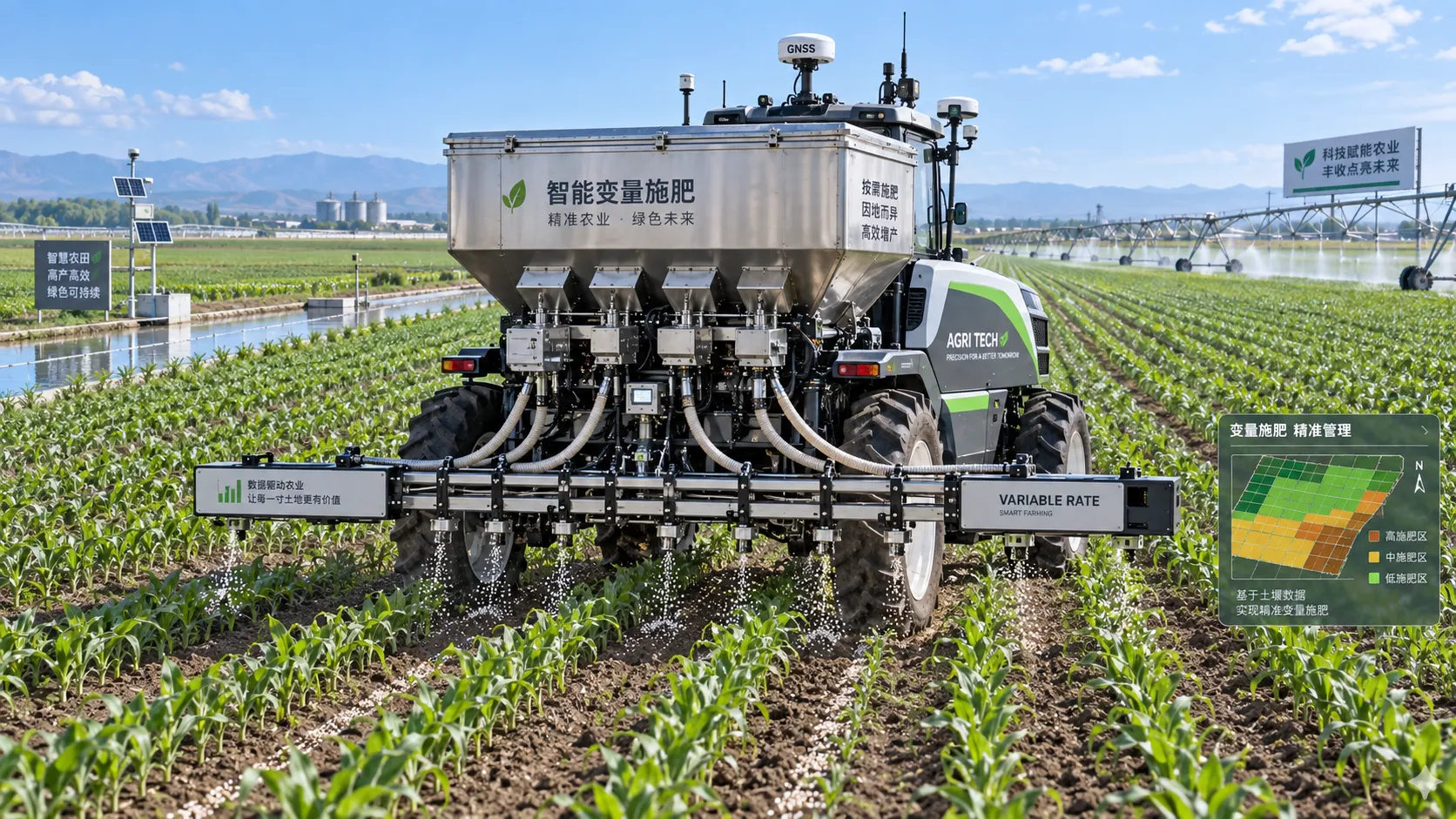
How to Evaluate Precision Fertilization System Suppliers for Farm-Scale Deployment
Precision fertilization systems suppliers: learn how to compare accuracy, integration, uptime, service, and total cost for confident farm-scale deployment.
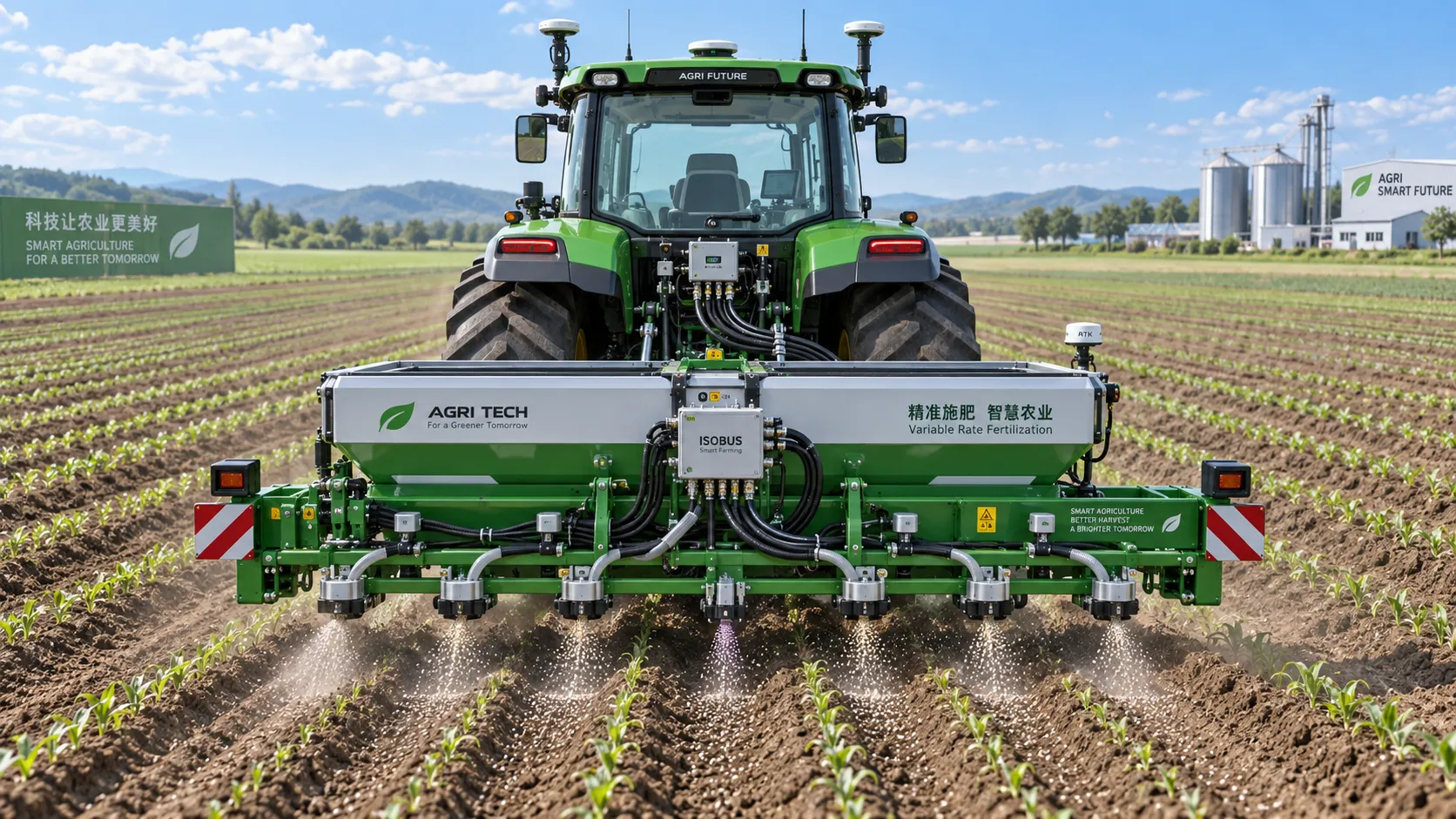
ISOBUS for Smart Agriculture: How It Connects Tractors, Implements, and Farm Data
ISOBUS for smart agriculture connects tractors, implements, terminals, and farm data—helping growers improve precision, documentation, and smarter field decisions.
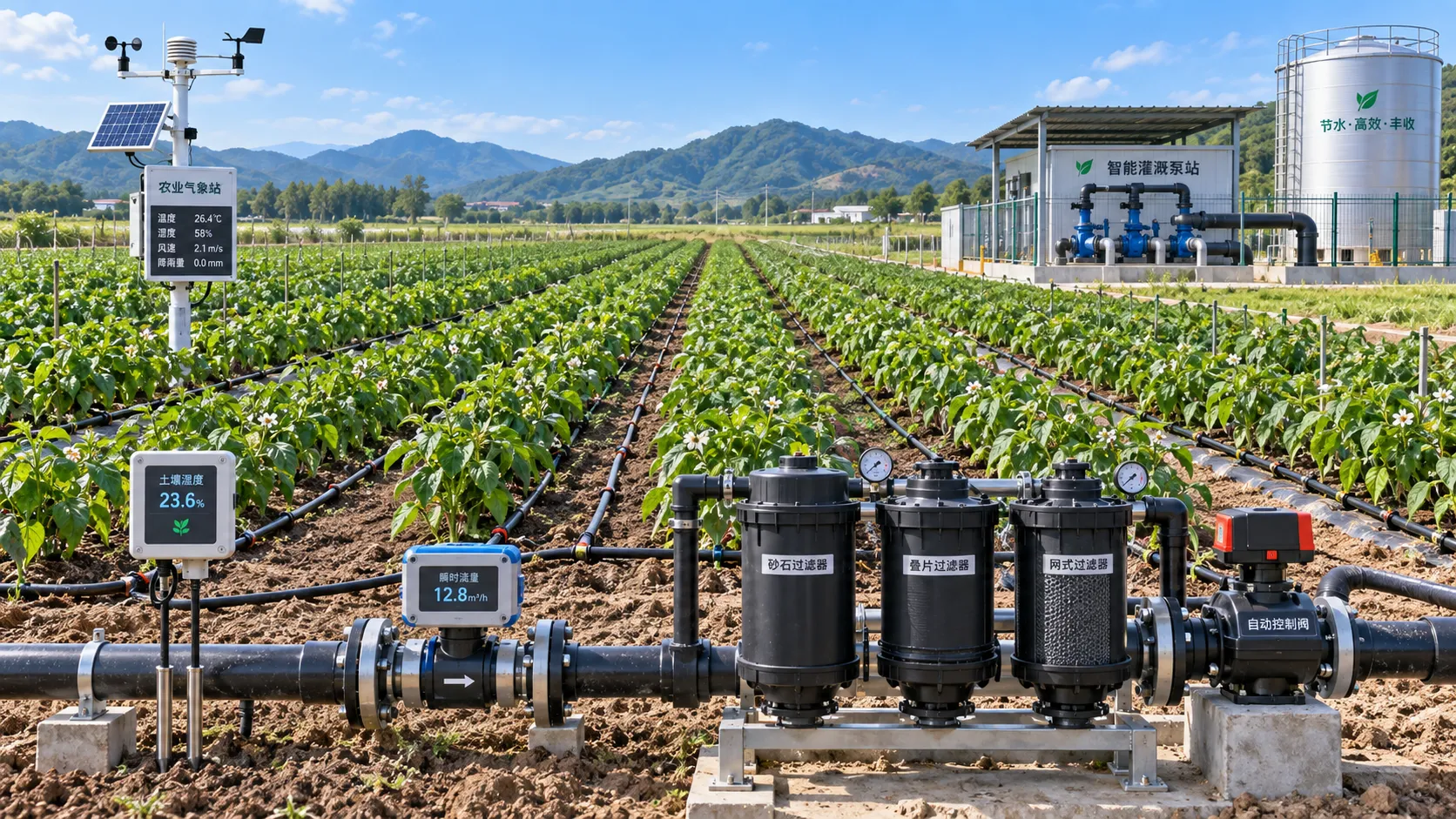
Automated Water-Saving Irrigation: How to Cut Water Use Without Reducing Crop Yields
Automated water-saving irrigation helps farms cut water use, protect crop yields, improve scheduling, and gain reliable control with sensors, flow monitoring, and smart zones.
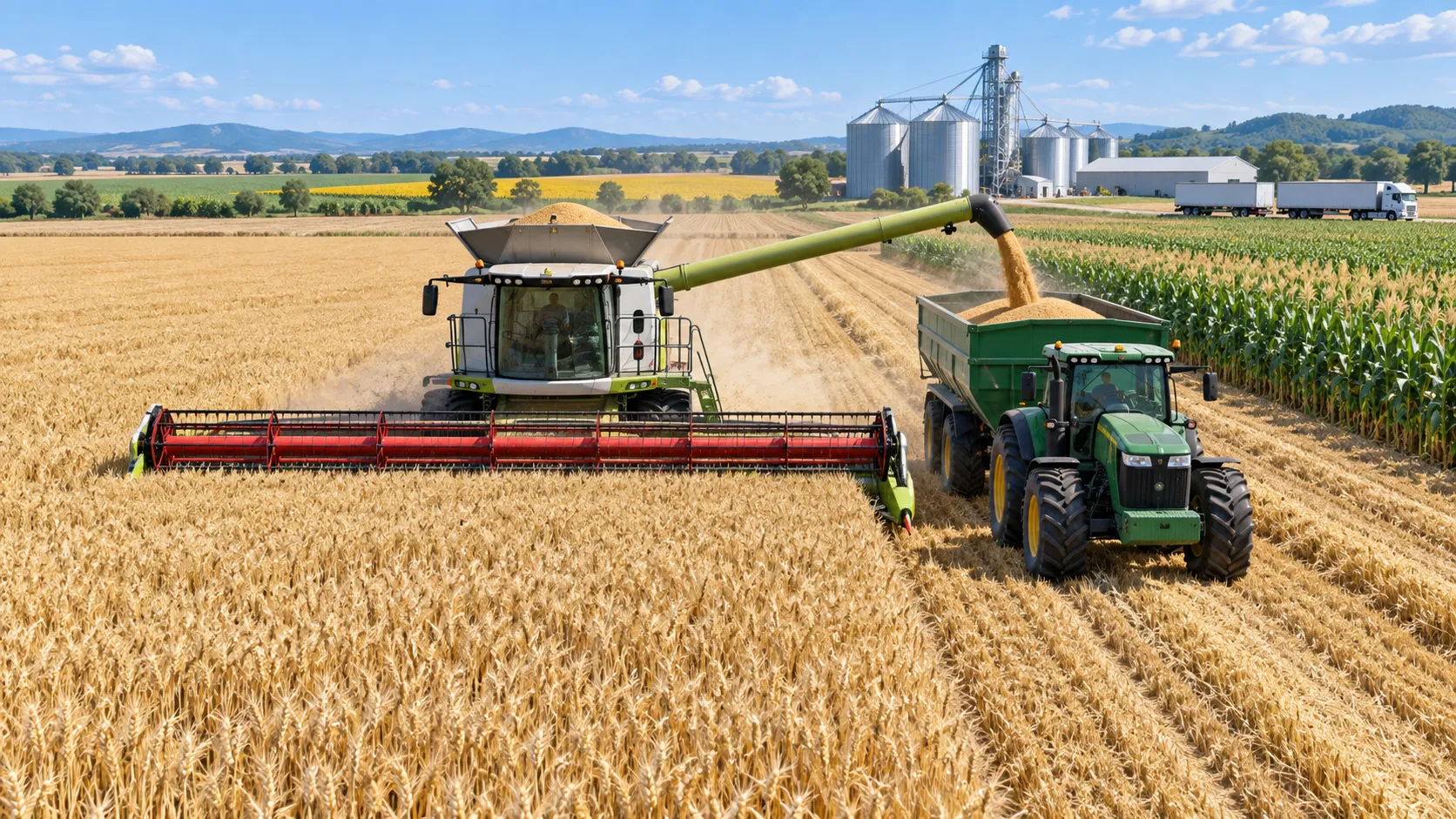
Selecting Grain Farm Equipment by Acreage, Crop Mix, and Harvest Window
Agricultural equipment selection for grain farming: match machinery to acreage, crop mix, and harvest windows to improve uptime, efficiency, and returns.
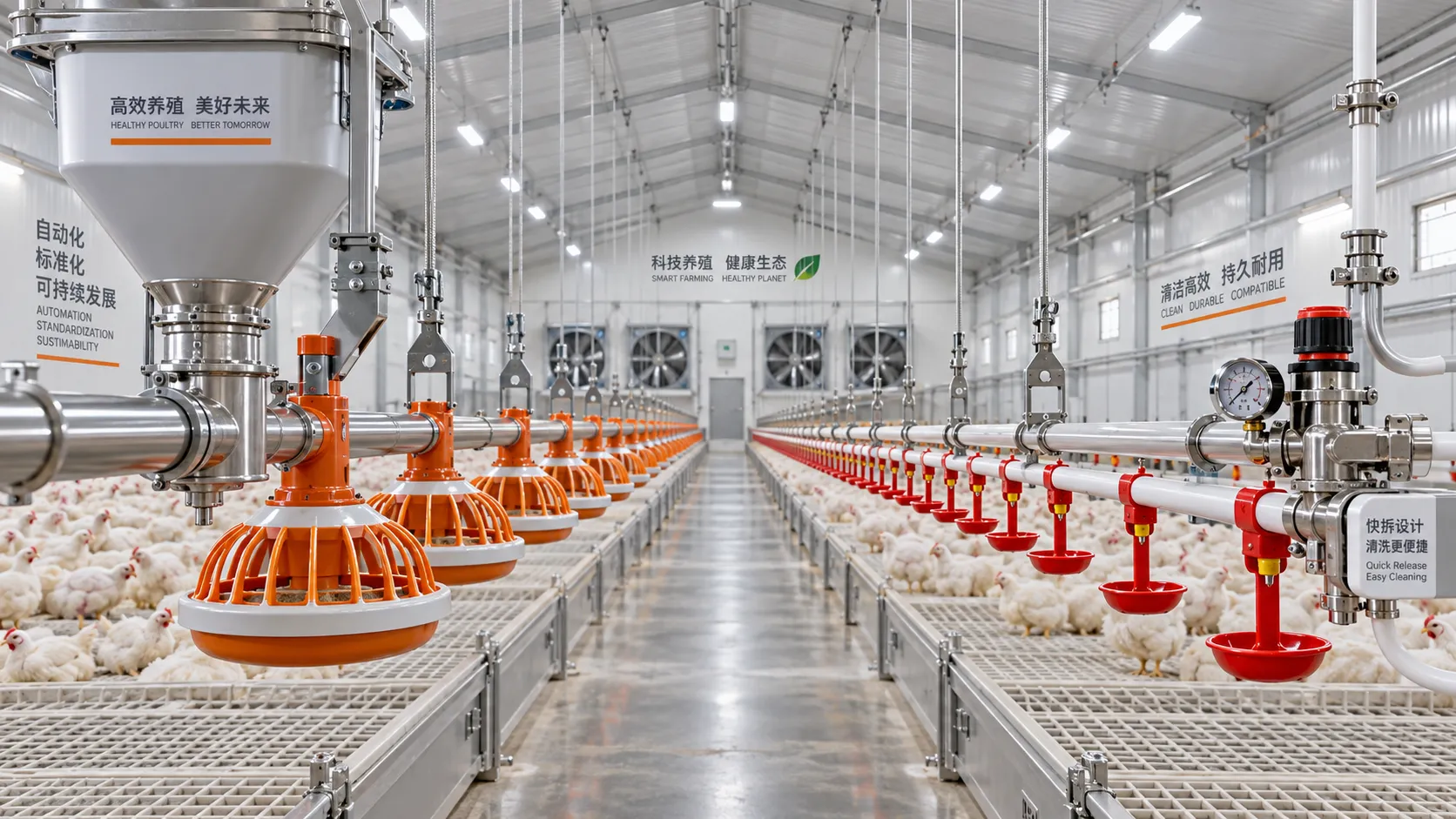
Poultry Equipment Selection: Evaluating Durability, Cleaning, and Compatibility
Poultry equipments selection guide: evaluate durability, cleaning access, and system compatibility to improve hygiene, reduce downtime, and support efficient flock management.
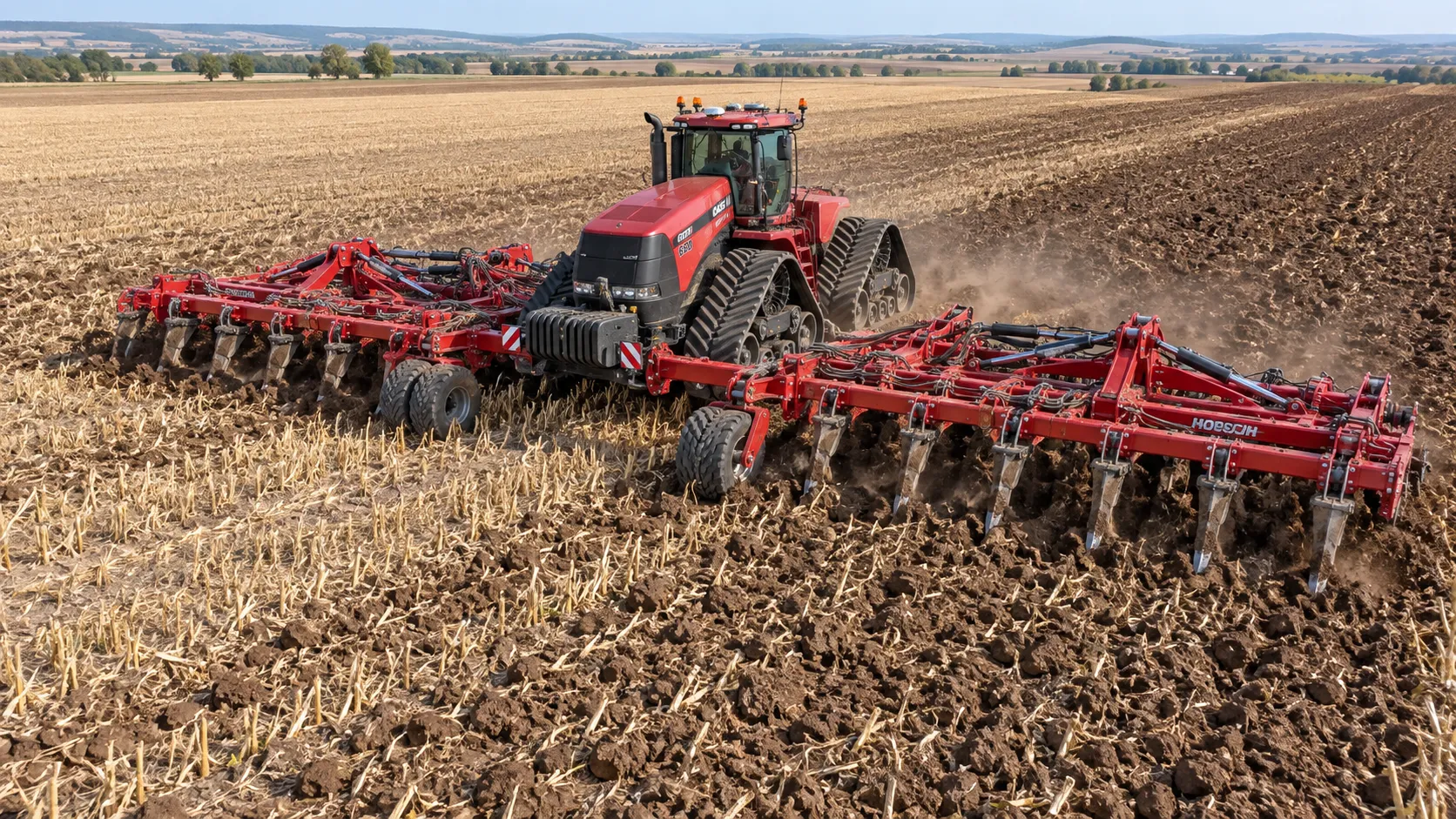
How to Select Heavy-Duty Farm Implements for High-Acreage, High-Horsepower Operations
Heavy duty farm implements: learn how to match draft, hydraulics, hitch capacity, frame strength, and field conditions for reliable high-acreage performance.
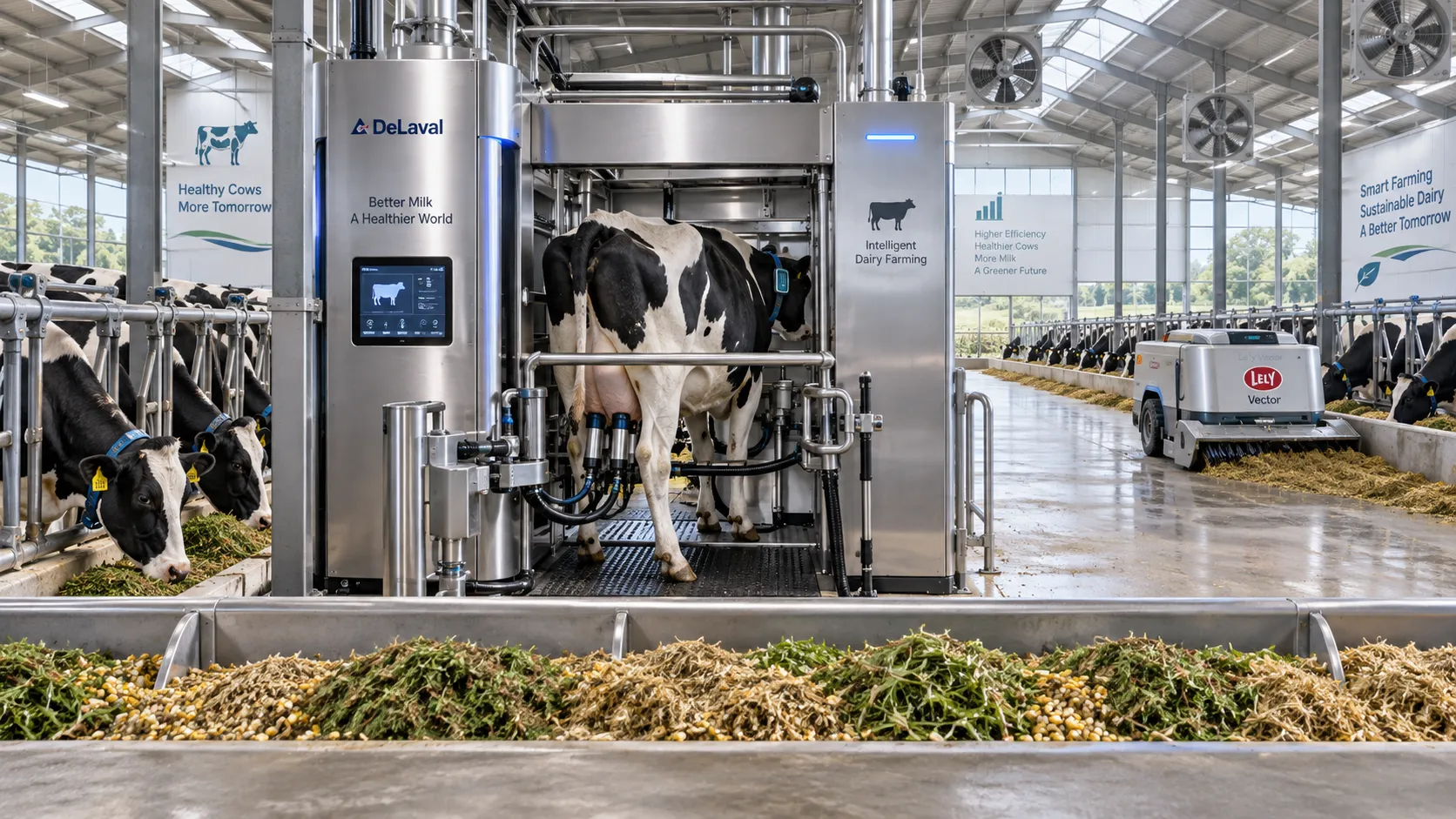
Smart Farming Technology for Dairy Farms: Where Automation Delivers Measurable ROI
Smart farming technology for dairy farms delivers measurable ROI through automation, precision feeding, health monitoring, and data-driven cost control.
Related News
- 00
0000-00
Selecting Real-Time Soil Moisture Sensors for Irrigation Zone Control - 00
0000-00
How Does Climate-Smart Farming Reduce Water Use in Semi-Arid Areas? - 00
0000-00
USDA Rule Takes Effect: Dual FCC and NRCS Approval for Soil Moisture Sensors - 00
0000-00
EU Rule Takes Effect: Soil Moisture Sensors Need Revised CE-EMC Certification - 00
0000-00
How to Choose Wireless Smart Irrigation Systems for Better Water Control
Popular Tags
Hydrological Resource Strategist
Weekly Insights
Stay ahead with our curated technology reports delivered every Monday.