
Intelligent Irrigation Systems for Water-Stressed Fields: Which Setup Fits Best?
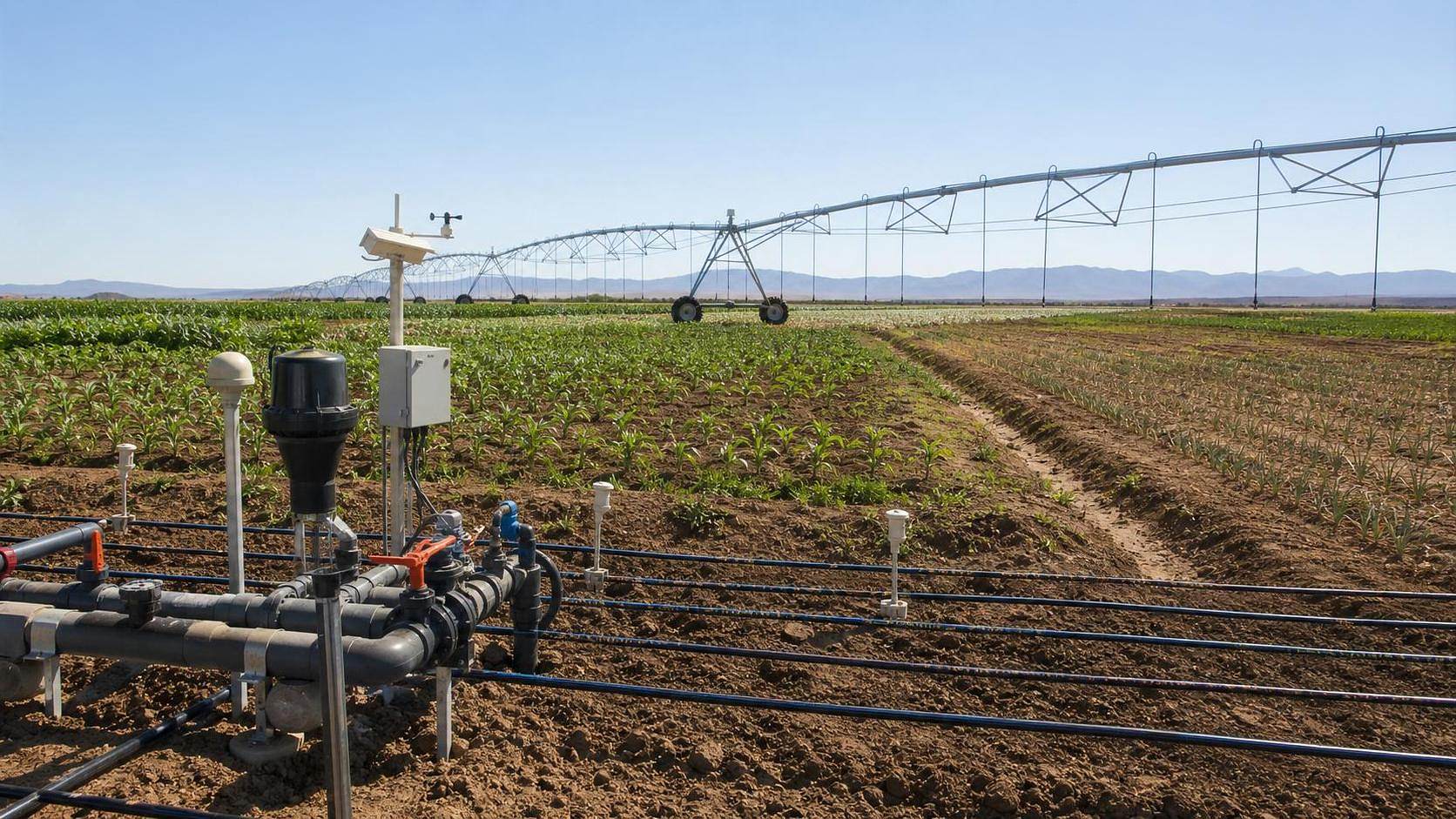




Why the best intelligent irrigation systems depend on field reality
In water-stressed farming, irrigation choices shape more than seasonal watering schedules.
They influence yield consistency, pumping energy, labor pressure, and the ability to react to climate volatility.
That is why intelligent irrigation systems are increasingly treated as operating infrastructure, not optional upgrades.
At AP-Strategy, this question sits inside a wider Agriculture 4.0 picture.
Mechanical reliability, sensor feedback, hydrological modeling, and long-cycle asset planning all matter together.
In practice, the right setup changes with soil variability, water source stability, crop value, field shape, and available power.
Two farms may face the same drought pressure, yet require very different intelligent irrigation systems.
One may need precise root-zone control.
Another may need broad coverage with simpler automation and lower maintenance exposure.
Different field conditions change the decision logic
The usual mistake is comparing systems by headline specifications alone.
Flow rate, controller features, and remote dashboards look attractive, but they do not answer the real adaptation question.
What matters more is how the system behaves under actual water stress.
Fields with shallow soils lose moisture quickly and reward faster sensing cycles.
Heavy soils may need slower application and tighter runoff control.
Uneven terrain often raises pressure-balance issues.
Remote blocks make communication reliability and fault alerts more important than interface complexity.
More advanced intelligent irrigation systems also differ in what they optimize.
Some prioritize irrigation timing through evapotranspiration models.
Others focus on zone-level actuation, fertigation precision, or leak detection.
The best fit usually comes from matching the dominant field constraint, not buying the longest feature list.
Where drip-based intelligent irrigation systems usually fit best
Drip-based intelligent irrigation systems perform well where water is scarce and application precision has direct economic value.
This is common in orchards, vineyards, specialty crops, and row crops with high input intensity.
The major advantage is localized delivery.
Water reaches the active root zone with less evaporation and lower wetting of non-productive ground.
When paired with soil moisture probes and valve automation, the system can react to plant stress before visible crop decline.
This setup is especially effective where blocks differ in soil texture or crop stage.
Separate zones allow different schedules instead of one blended irrigation compromise.
Still, drip is not automatically the superior answer.
Clogging risk, filtration demand, emitter uniformity, and repair access all affect long-term performance.
In fields with poor water quality, intelligent irrigation systems based on drip need stronger maintenance discipline than many initial plans assume.
Common fit signals for drip automation
- High-value crops justify sensor density and zone-level control.
- Water allocations are tight or seasonal restrictions are strict.
- Fertigation accuracy matters as much as irrigation timing.
- Field blocks vary enough to require separate moisture strategies.
When pivots and linear systems make more sense
Large open fields often need a different balance between precision and area coverage.
In cereals, forage, and broad-acre operations, center pivots and linear moves remain practical foundations for intelligent irrigation systems.
Their strength is operational scale.
They cover wide acreage with fewer distribution lines and simpler traffic management around harvesting equipment.
That matters where combine access, tractor movement, and field logistics already define daily efficiency.
The intelligent layer adds value through variable-rate application, pressure monitoring, weather-linked scheduling, and remote shutdown alerts.
In uneven fields, variable-rate control can compensate for changing infiltration patterns better than fixed-rate operation.
However, broad coverage should not be confused with universal suitability.
If water is extremely limited, overhead application may still lose too much through wind drift or evaporation.
The right judgment is often whether the field needs maximum precision per liter, or stable automation across many hectares.
Mixed water sources usually require a smarter control architecture
Some of the hardest installations are not defined by crop type.
They are defined by unstable supply.
Fields drawing from reservoirs, wells, reclaimed water, or rotating canal schedules need intelligent irrigation systems that manage inconsistency gracefully.
In these settings, storage, filtration, pressure regulation, and sensor calibration become strategic components.
A controller alone cannot solve poor hydraulic design.
More resilient setups usually combine source monitoring with rule-based scheduling.
They shift irrigation windows based on availability, not just crop demand models.
This approach is less glamorous than full automation marketing suggests, yet it often protects performance better in water-stressed regions.
The cost question is usually bigger than equipment price
Water-stressed projects often fail in the planning stage because cost is framed too narrowly.
The purchase price matters, but operating structure matters more over time.
Intelligent irrigation systems should be compared across pumping demand, labor intensity, spare parts exposure, filtration service, and expected component replacement cycles.
Energy tariffs can alter the logic completely.
A setup that looks efficient on paper may become expensive if pressure requirements are high and power supply is unstable.
Likewise, a lower-cost design may underperform if it cannot support future zoning, sensor expansion, or data integration.
AP-Strategy consistently tracks this intersection between machine economics and precision control.
That broader view is essential when irrigation infrastructure must coexist with harvest equipment, power systems, and sustainability reporting.
Misjudgments that often appear before installation
- Assuming similar crops always need the same hydraulic layout.
- Selecting advanced software without checking field connectivity.
- Focusing on water application, while ignoring maintenance labor.
- Using one moisture threshold across different soil zones.
- Treating future expansion as a later issue instead of a design input.
How to match intelligent irrigation systems to real deployment goals
A practical selection process starts with constraints, not catalogs.
Map water source reliability, soil variability, crop sensitivity, terrain, power availability, and communication coverage first.
Then decide what the system must optimize.
That could be water savings, uniformity, labor reduction, fertigation control, or multi-block scalability.
In many fields, the strongest answer is hybrid rather than absolute.
One block may justify dense sensors and drip automation.
Another may work better with a pivot upgraded by weather-linked controls and pressure feedback.
This is where intelligent irrigation systems show their real value.
They are not only delivery tools.
They are decision frameworks tied to field conditions, asset strategy, and long-term water resilience.
The next useful step is to build a simple field-by-field matrix.
List limits, target outcomes, maintenance realities, and expansion plans.
That makes it easier to compare intelligent irrigation systems on fit, not hype.
In water-stressed agriculture, that distinction usually determines whether the investment remains efficient after the first difficult season.
Related News
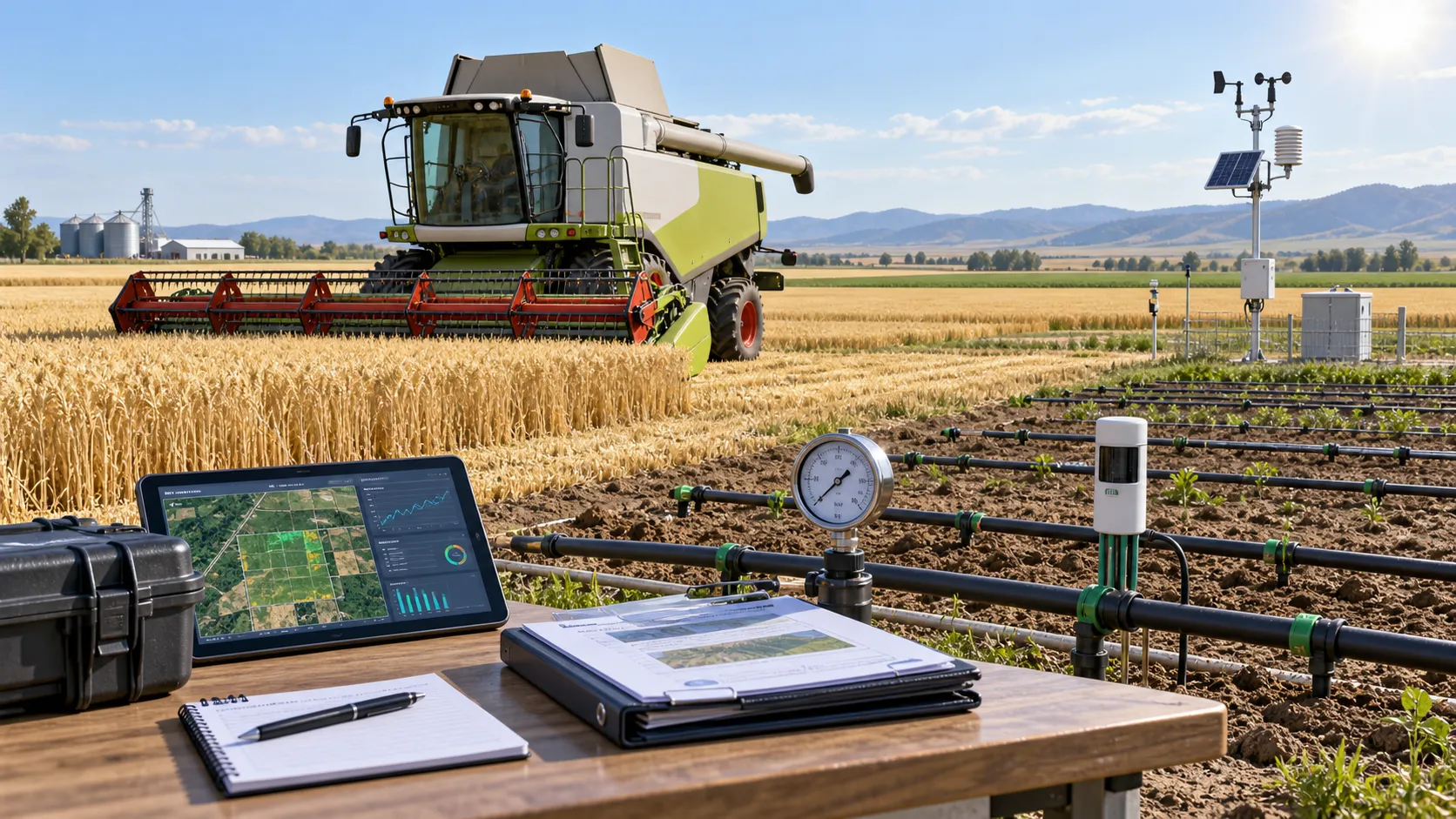
How to Evaluate Agricultural Product Information Sources for Reliable Farm Decisions
Agricultural product information reference guide: evaluate reliable farm data, verify claims, and make smarter machinery, irrigation, and crop decisions.
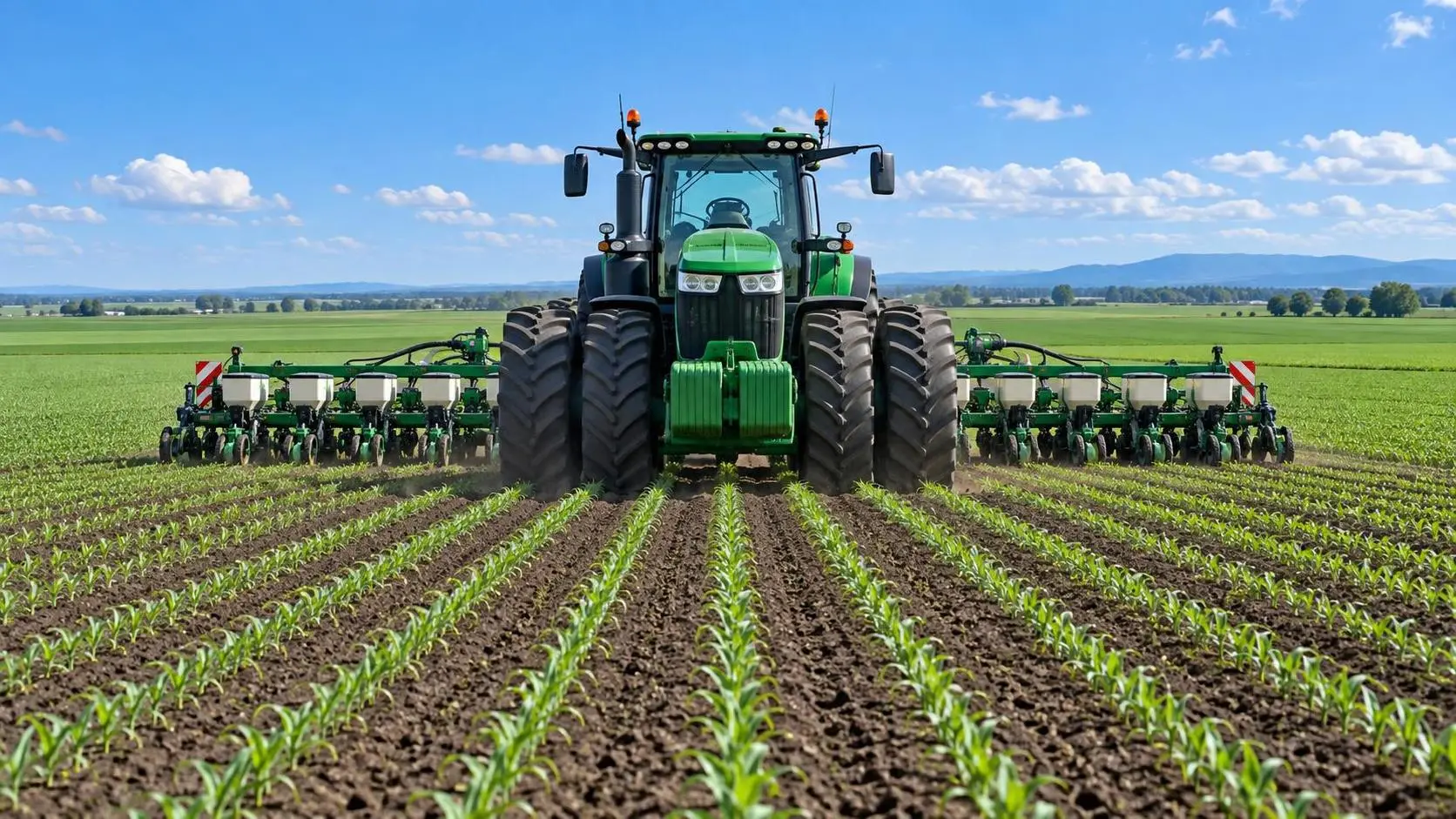
Farm Machinery Guide: Matching Tractor Horsepower and Implements to Farm Size
Farm machinery guide for tractors: match horsepower, implement width, hydraulics, traction, and fleet capacity to farm size for lower costs and reliable field performance.
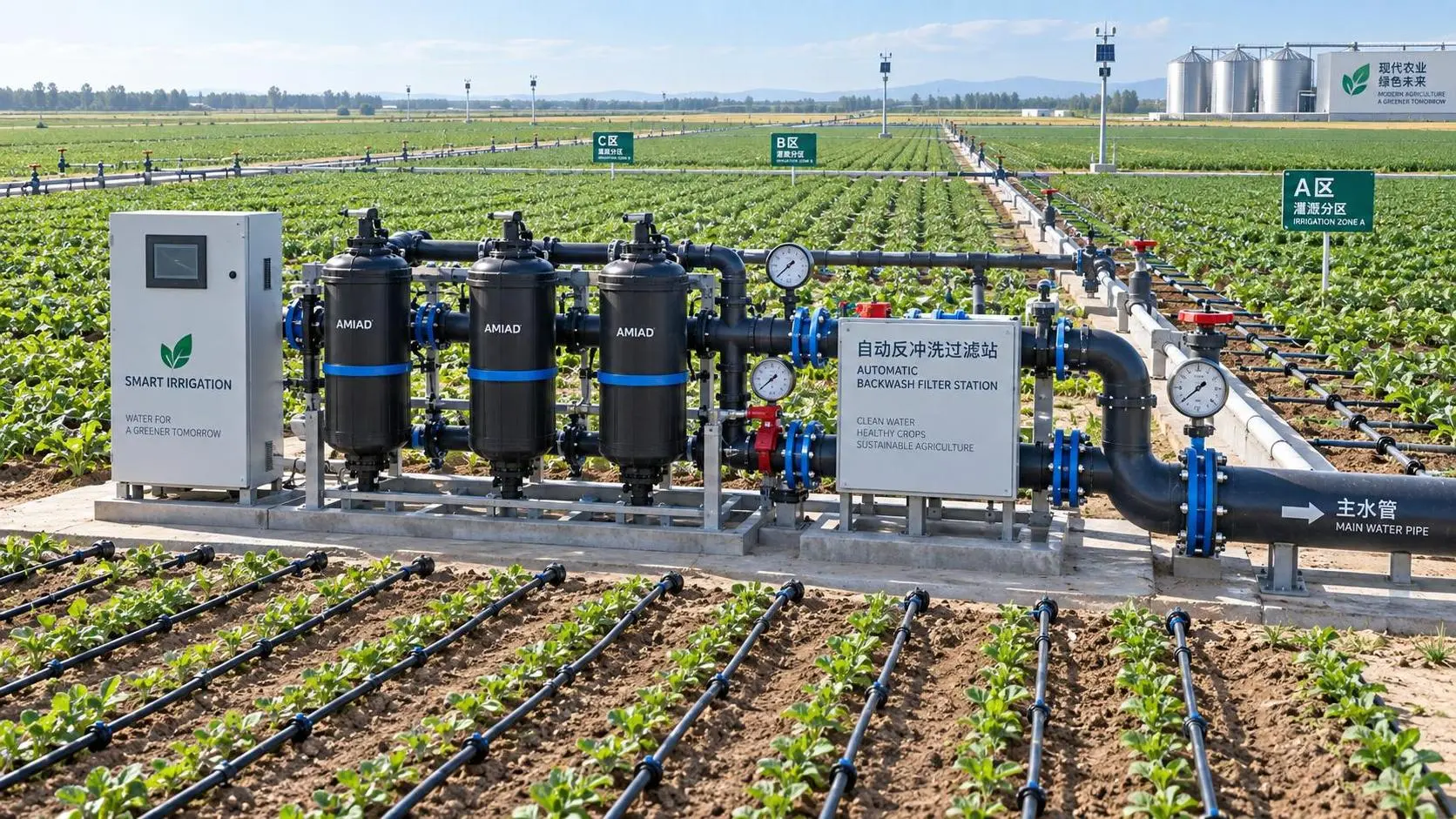
How to Evaluate Drip Irrigation System Manufacturers for Large Farm Projects
Drip irrigation systems manufacturer evaluation guide for large farms: compare hydraulic design, filtration, quality control, scalability, delivery, and support.
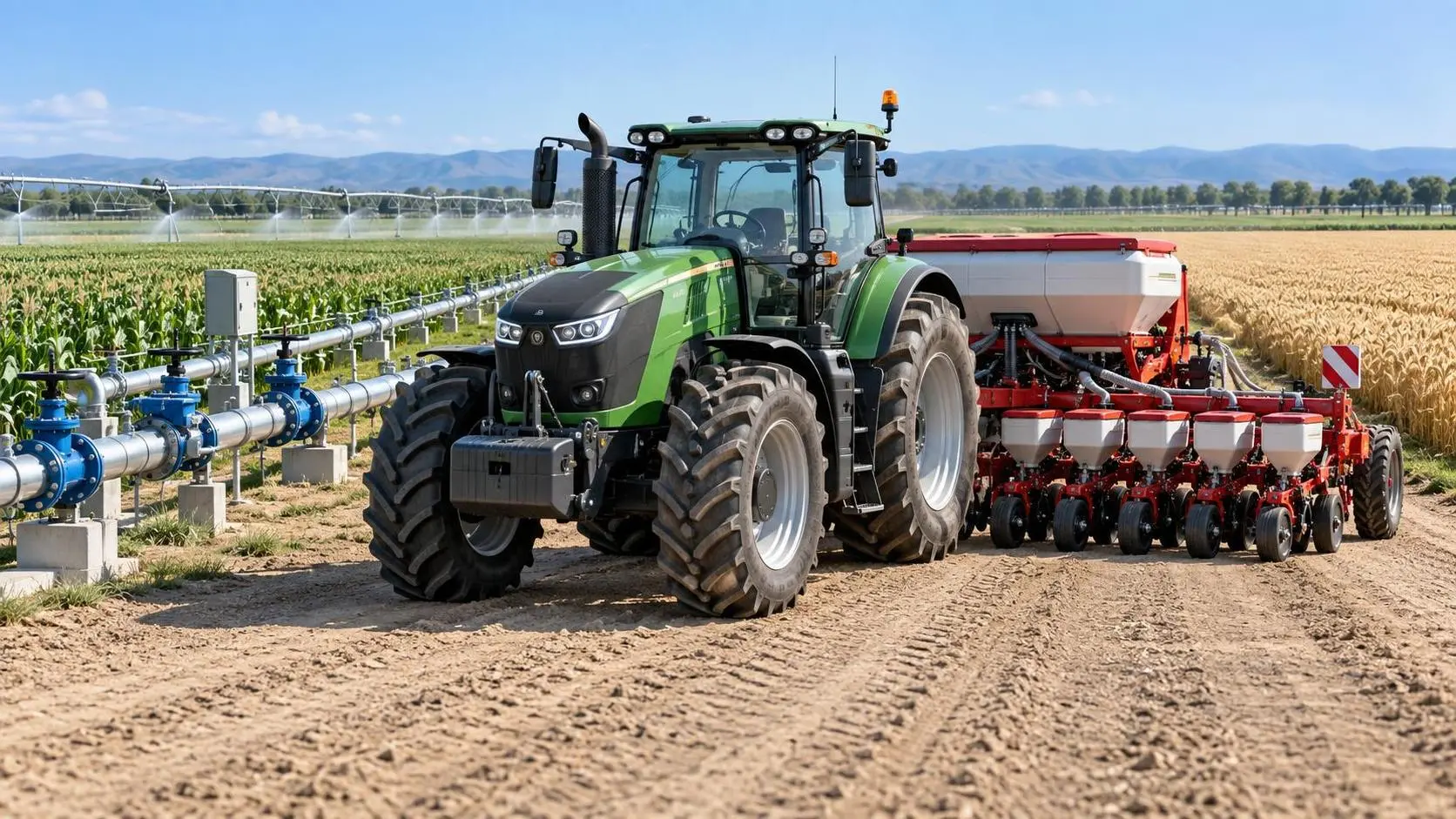
Specification Planning: A Practical Framework for Defining Equipment Requirements
Application guidance for specification planning: define measurable equipment requirements, prioritize performance, and avoid costly procurement mistakes.

How North American Farms Can Select Crop Monitoring Systems by Acreage and Connectivity
Crop monitoring systems North America: learn how to match acreage, connectivity, sensors, and data workflows for reliable, actionable farm decisions.

Where to Find Reliable Product Information for Comparing Farm Equipment
Product information resources agriculture buyers can trust: compare farm equipment with technical specs, manuals, field data, dealer support, and lifecycle insights.
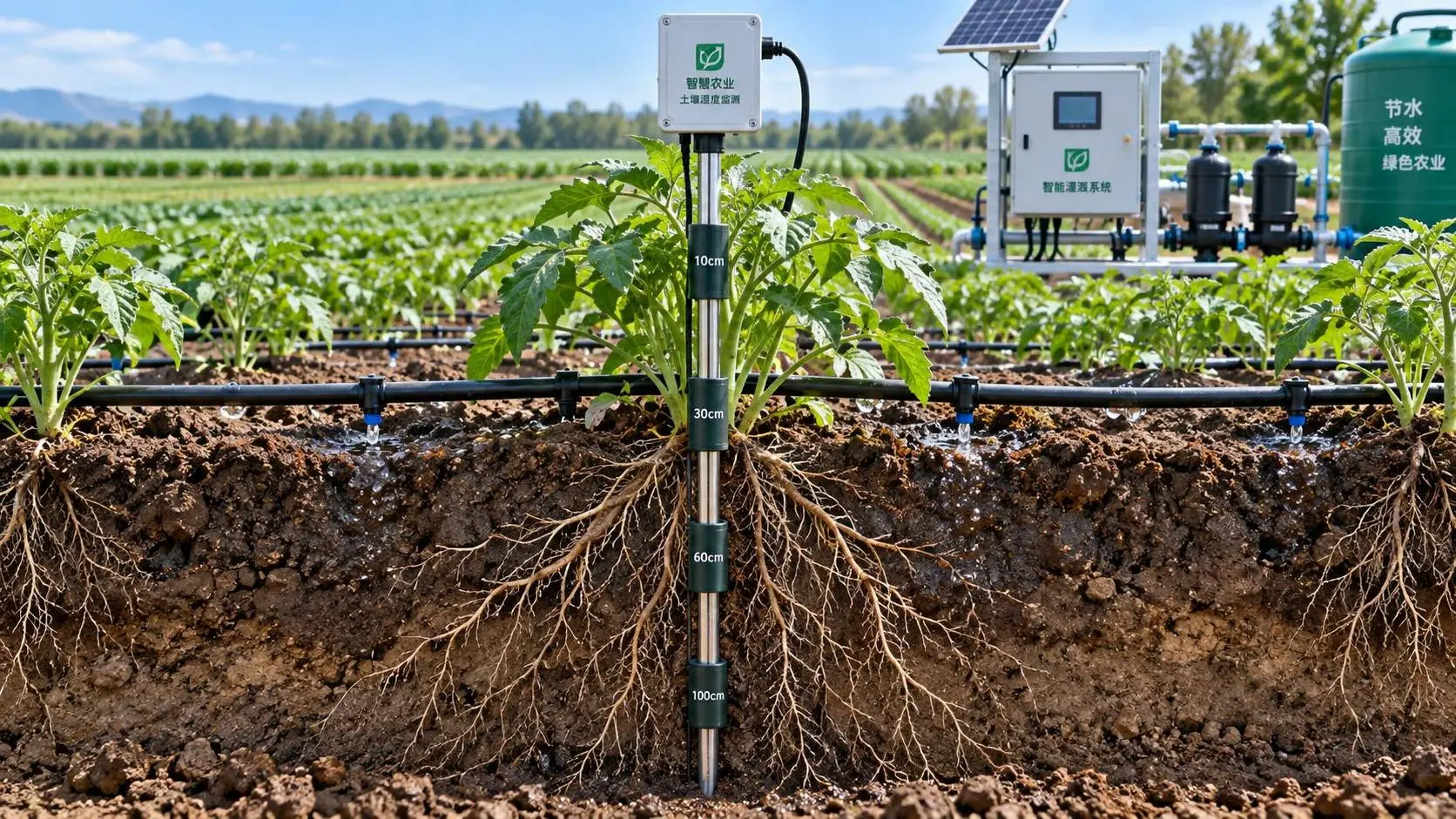
Selecting Real-Time Soil Moisture Sensors for Irrigation Zone Control
Soil moisture sensors real time: learn how to select reliable probes, optimize zone control, improve irrigation decisions, and scale precision water management.
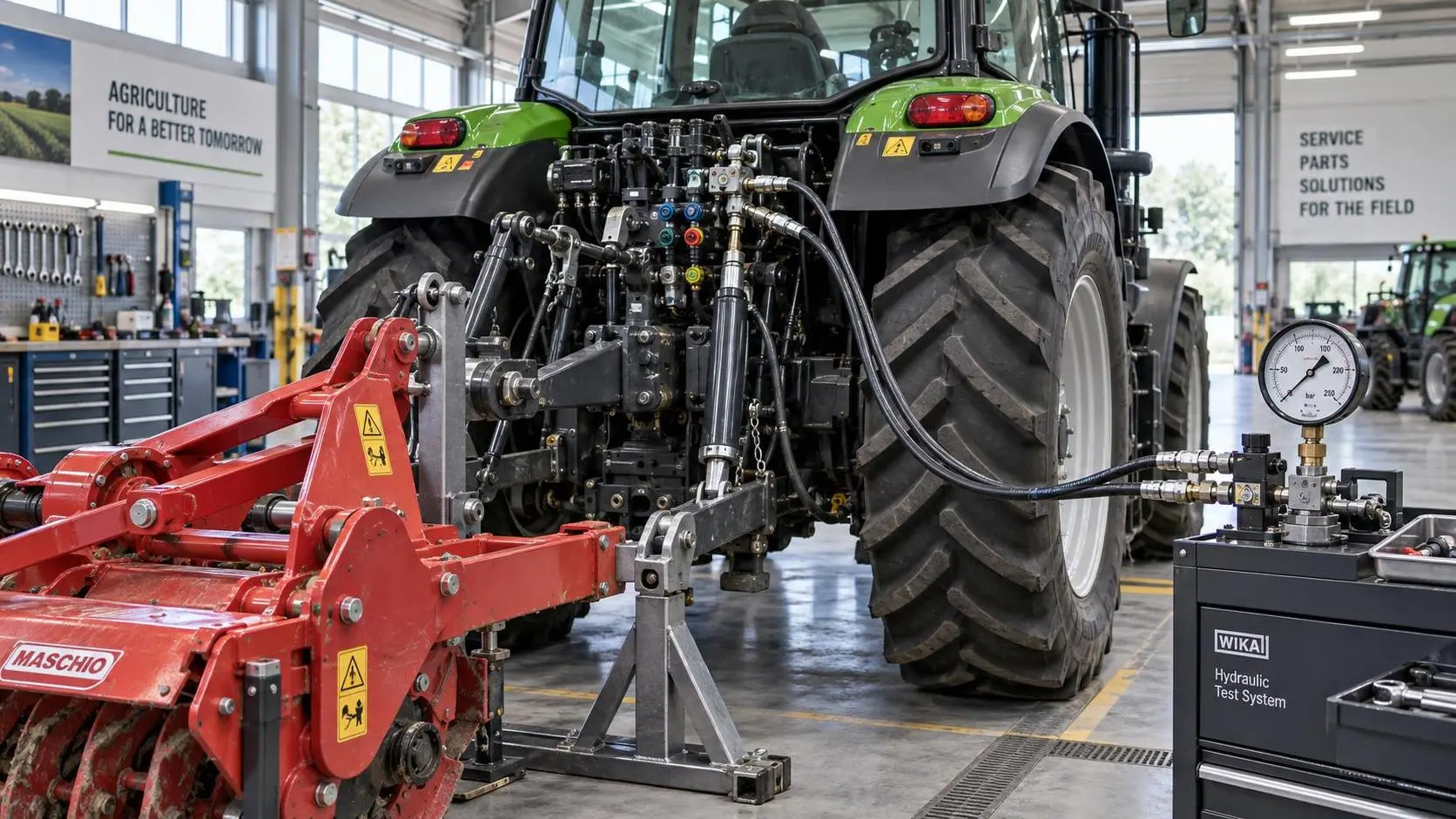
Tractor Hydraulic Systems Troubleshooting: Diagnosing Weak Lift and Slow Implements
Tractor hydraulic systems troubleshooting made practical: diagnose weak lifts and slow implements with proven pressure, flow, valve, and oil-supply checks.
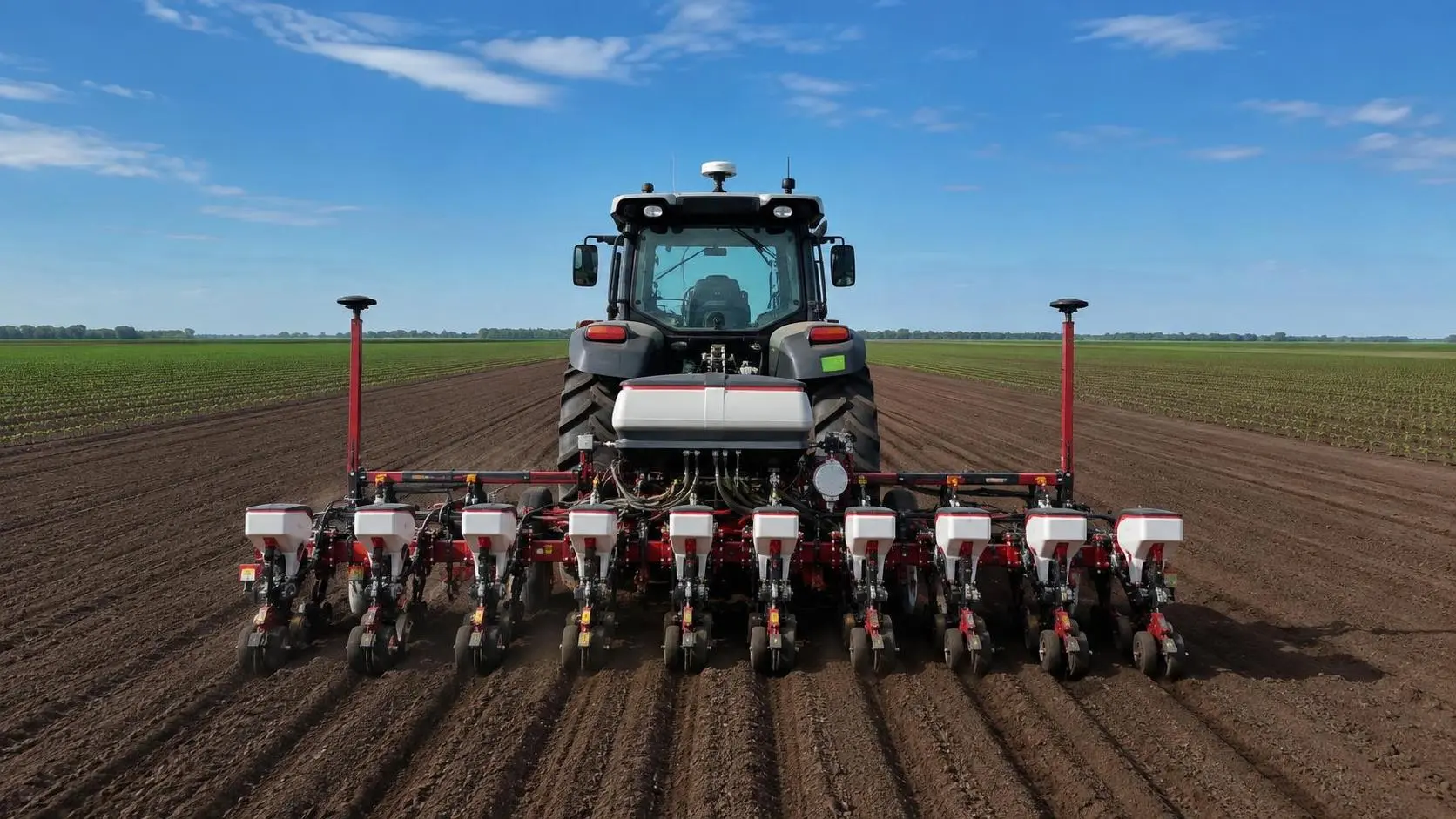
How Tractor Intelligence Systems Improve Field Efficiency and Input Accuracy
Agricultural machinery intelligence for tractors improves field efficiency, input accuracy, data traceability, and implement control. Explore smarter evaluation strategies.
Related News
- 00
0000-00
Selecting Real-Time Soil Moisture Sensors for Irrigation Zone Control - 00
0000-00
How Does Climate-Smart Farming Reduce Water Use in Semi-Arid Areas? - 00
0000-00
USDA Rule Takes Effect: Dual FCC and NRCS Approval for Soil Moisture Sensors - 00
0000-00
EU Rule Takes Effect: Soil Moisture Sensors Need Revised CE-EMC Certification - 00
0000-00
How to Choose Wireless Smart Irrigation Systems for Better Water Control
Popular Tags
Hydrological Resource Strategist
Weekly Insights
Stay ahead with our curated technology reports delivered every Monday.