
Smart Irrigation Solutions for Orchards: Drip vs Sensor-Based Control by Tree Crop Type
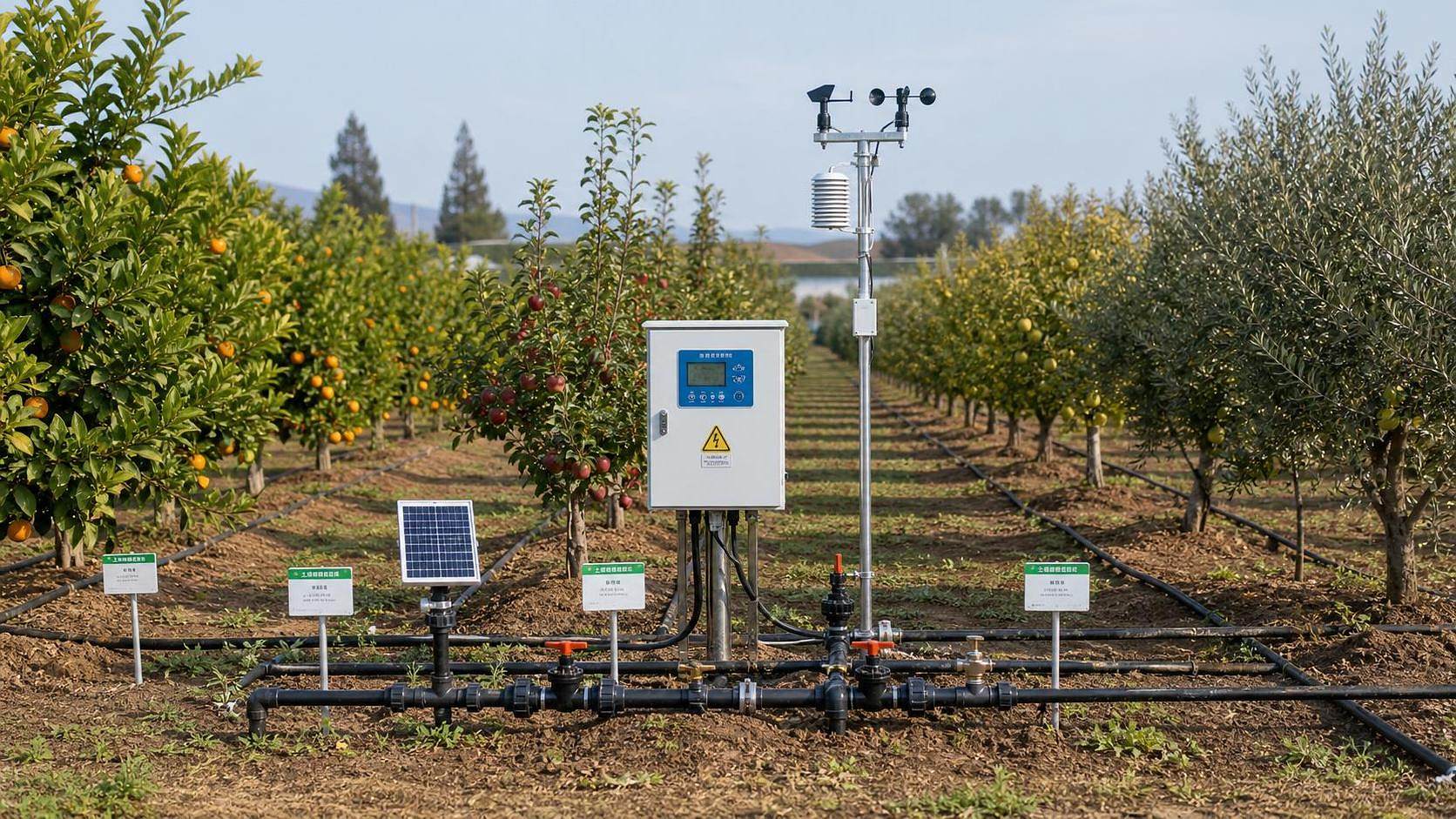




Why orchard irrigation choices now depend on field context
Smart irrigation solutions for orchards now sit at the intersection of water pressure, crop physiology, labor availability, and data quality.
In practical orchard planning, the main question is rarely drip or sensors in isolation.
The real decision is how much control the orchard needs, how stable the hydraulic system is, and how fast conditions change across blocks.
That is why smart irrigation solutions for orchards differ between citrus on sandy soils, apples in high-density rows, olives under deficit strategies, and nut orchards with deep seasonal demand.
Across Agriculture 4.0 systems, irrigation no longer stands apart from machinery planning, energy management, and sustainability targets.
AP-Strategy tracks this shift closely because irrigation performance increasingly depends on how mechanical reliability and precision algorithms work together.
A simple drip layout can still outperform an advanced control package when filtration, pressure balance, and emitter uniformity are managed well.
At the same time, sensor-based control becomes valuable when orchard variability is high and irrigation timing has direct yield or quality consequences.
Different tree crops create different irrigation priorities
Not all orchards react to water stress in the same way.
Tree age, canopy density, root depth, row spacing, and fruit sensitivity all change the best fit for smart irrigation solutions for orchards.
Citrus often needs steady moisture and good salinity management.
Apples usually reward tighter control during fruit sizing and color development, especially in high-density systems.
Olives tolerate more strategic deficit irrigation, but timing errors still affect oil profile, alternate bearing, and long-term tree balance.
Nut orchards, especially almonds and walnuts, can absorb large seasonal volumes, so flow capacity and distribution consistency matter as much as automation.
In other words, the crop decides whether irrigation should prioritize baseline efficiency, rapid response, or seasonal optimization.
Where drip-led systems still make the most sense
Many orchards do not need full digital orchestration to achieve strong water performance.
Drip-led smart irrigation solutions for orchards remain highly competitive when field conditions are relatively predictable.
This is common in mature citrus blocks, uniform olive groves, and orchards where irrigation windows follow a stable seasonal pattern.
The strength of drip is not only lower water loss.
It also offers straightforward zoning, easier fertigation control, and a maintenance routine most crews already understand.
In these settings, adding basic automation, pressure monitoring, and remote valve scheduling often delivers most of the available gain.
A common mistake is assuming drip is the low-tech option.
In reality, well-designed drip with clean filtration and reliable pressure compensation can be highly intelligent in operation.
It becomes the better investment when the orchard needs consistency more than constant re-interpretation.
Typical conditions that favor drip-first decisions
- Soil texture is broadly consistent across irrigation zones.
- Tree age and canopy development are relatively uniform.
- Water source quality is manageable with standard filtration.
- The main business target is dependable water-saving irrigation systems, not fine-grained micro-adjustment.
When sensor-based control starts to justify the extra layer
Sensor-based control earns its place when variability is expensive.
That usually means premium fruit blocks, mixed soil profiles, uneven topography, or regions with volatile weather and restricted water allocations.
In these orchards, fixed irrigation schedules tend to overwater one area and under-serve another.
Smart irrigation solutions for orchards based on soil moisture probes, plant stress indicators, and climate stations can tighten those gaps.
Apple orchards are a clear example.
High-density planting magnifies differences in root competition, crop load, and sun exposure.
A sensor-guided schedule helps avoid broad irrigation assumptions that reduce fruit uniformity.
The same logic applies to younger orchards transitioning between establishment and full production.
Their water demand changes quickly, so static timing often lags reality.
Still, sensors are only as useful as the management response they trigger.
If the irrigation network cannot execute short, accurate cycles, data quality will not rescue performance.
What changes between citrus, apple, olive, and nut blocks
The most practical way to compare smart irrigation solutions for orchards is to look at how each crop translates water into value.
Citrus usually benefits from repeatable moisture delivery and strong emitter reliability.
In saline or hot environments, sensor feedback helps, but only after hydraulic basics are stable.
Apple systems often justify denser sensing because fruit quality penalties appear quickly when moisture swings are sharp.
Olive orchards often do better with selective intelligence.
Too much automation can add cost without improving decisions, especially where deficit irrigation is intentional and seasonal patterns are well understood.
Nut orchards usually expose another issue.
Large tree size and peak evapotranspiration can overwhelm undersized pumps, valves, or submains.
In that case, advanced control software may look modern, yet water distribution remains physically constrained.
A useful comparison before system selection
The common misreads that weaken orchard performance
Several irrigation projects underperform for reasons that are easy to overlook at planning stage.
One frequent misread is choosing by headline technology instead of field response time.
If valves, pressure regulation, and filtration are unstable, sensors mainly document inconsistency.
Another is treating similar orchards as identical.
Two citrus blocks can require different smart irrigation solutions for orchards if rootstock, slope, and salinity exposure differ.
Short-term capital bias also causes trouble.
The cheapest installation may carry higher flushing labor, emitter replacement, software subscription, or calibration costs later.
A more subtle error is collecting too much data without clear irrigation thresholds.
When action rules are vague, decision speed drops and staff return to manual habits.
A practical way to match smart irrigation solutions for orchards
A workable selection process starts with orchard segmentation, not product comparison.
- Map blocks by soil variation, tree age, slope, and water source quality.
- Test hydraulic uniformity before expanding digital controls.
- Define which zones need precision stress management and which only need reliable scheduling.
- Estimate maintenance effort for filters, probes, communications, and valve stations.
- Set decision thresholds linked to phenology, not just soil moisture readings.
This is where intelligence platforms such as AP-Strategy add value.
The strongest irrigation decisions come from combining equipment performance, agronomic signals, and long-cycle investment logic.
For orchards under climate pressure, that combined view matters more than chasing the newest device category.
The next step is to compare each block against a clear matrix of water demand, control need, infrastructure readiness, and maintenance tolerance.
That approach usually reveals whether a drip-first upgrade, a sensor-led system, or a hybrid model is the smarter long-term fit.
Related News
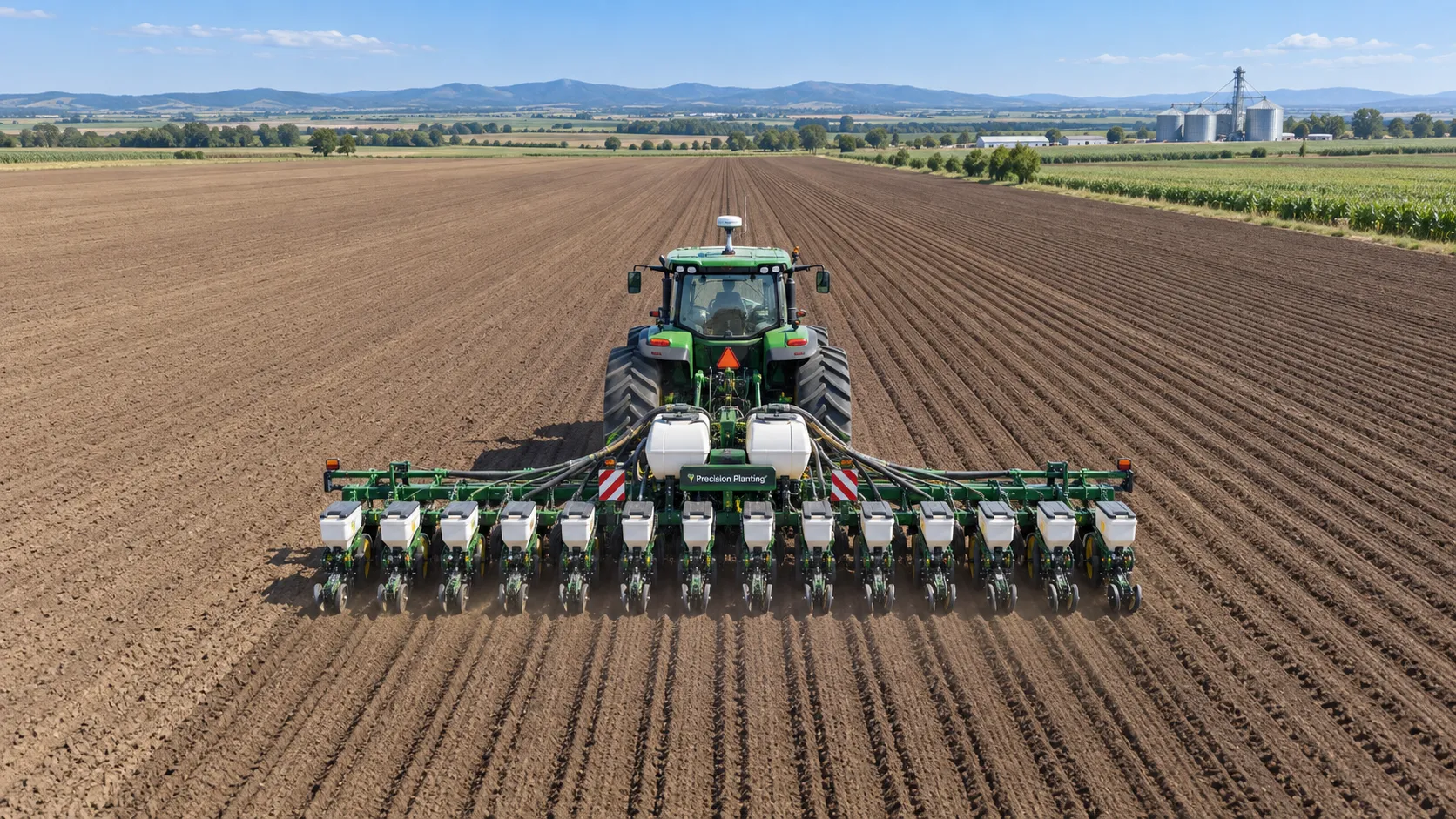
GPS-Guided Farm Machinery: Where It Delivers Measurable Field Efficiency Gains
Agri-mechanization GPS guided systems deliver measurable field efficiency gains through reduced overlap, precise planting, smarter inputs, and reliable farm data.
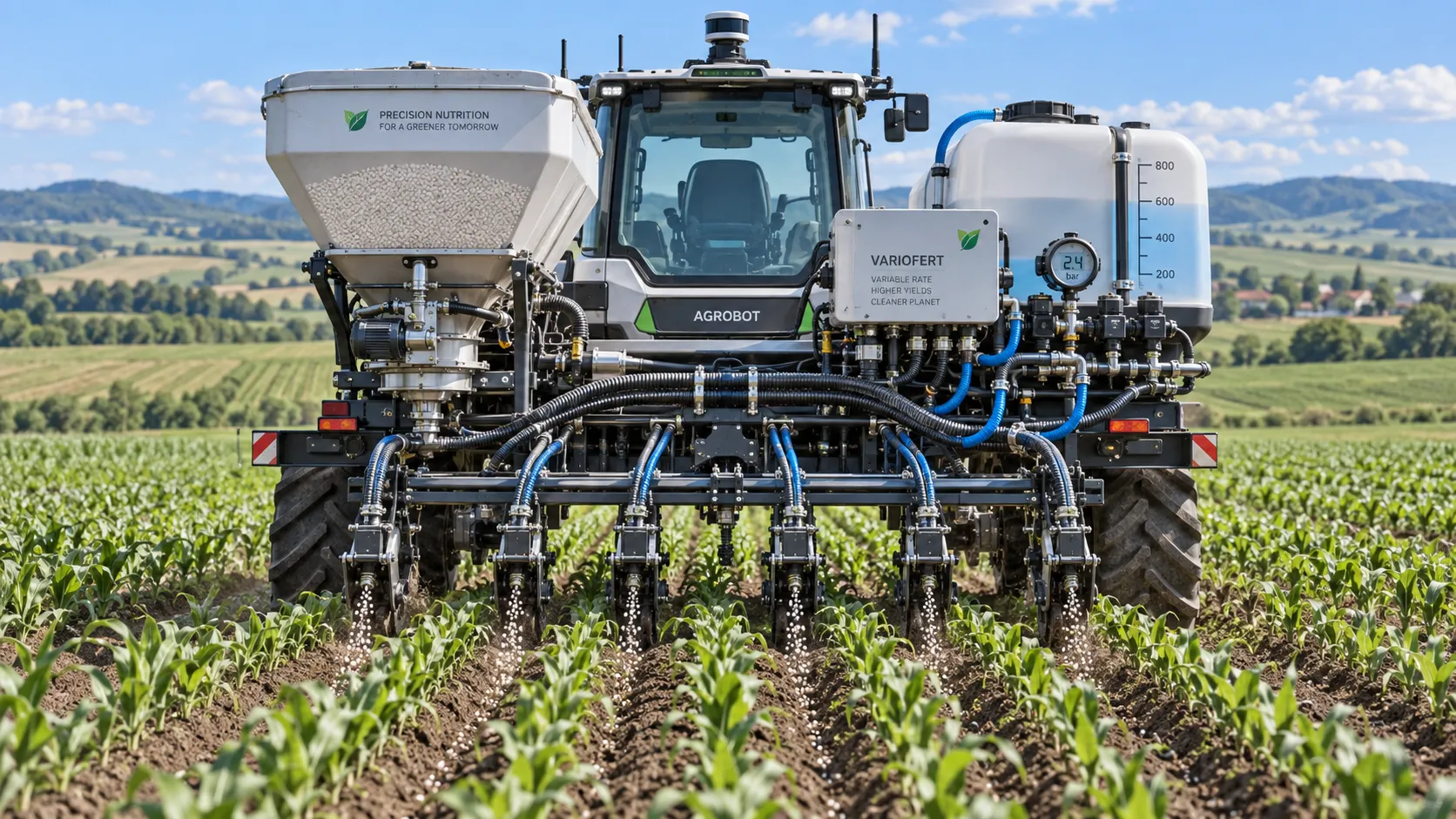
How Sensor Feedback Enables Accurate Variable-Rate Fertilization in Field Conditions
Precision fertilization systems with sensor feedback improve variable-rate accuracy by verifying flow, managing latency, and ensuring reliable field application.
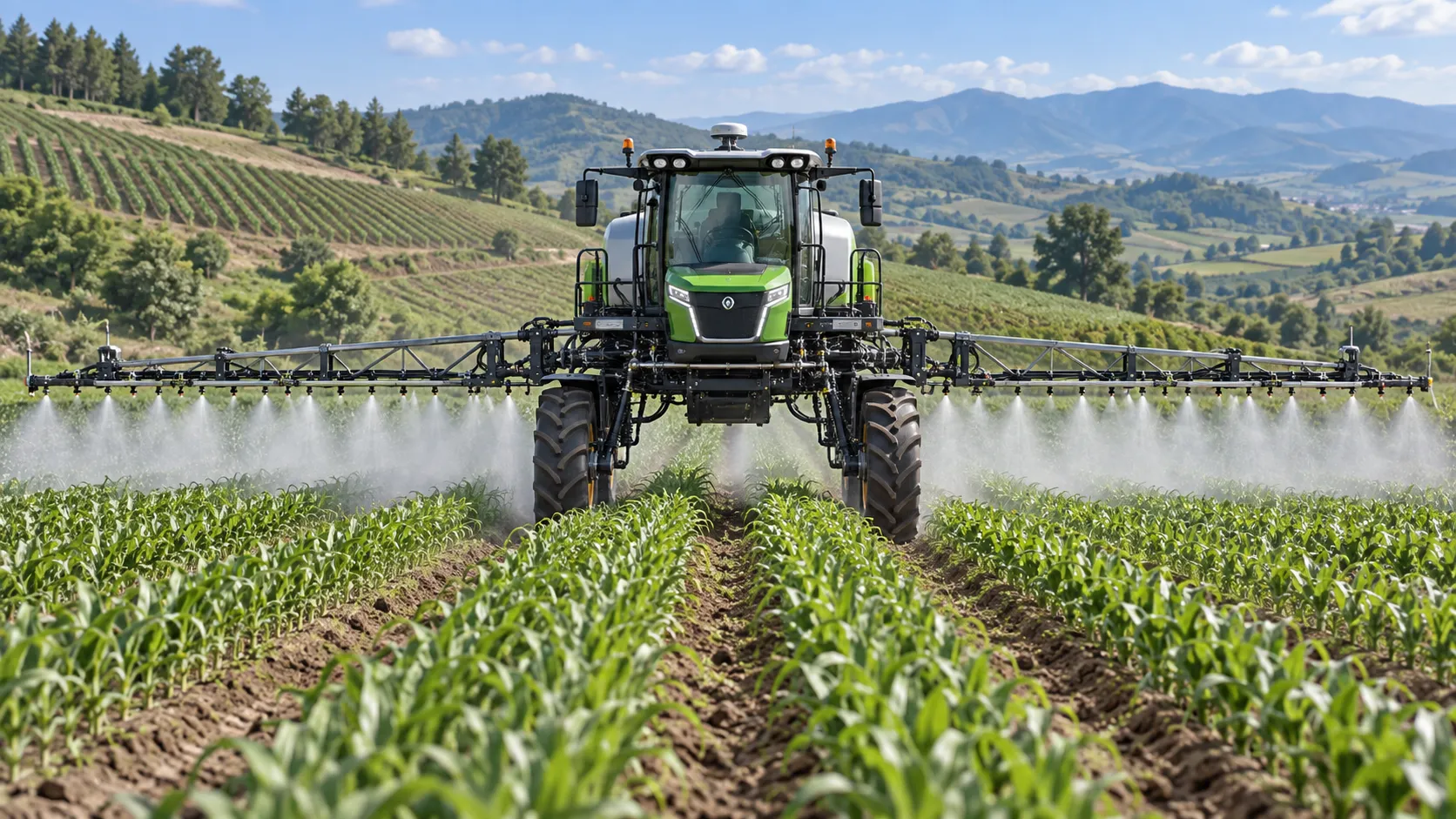
How to Select Precision Crop Protection Equipment for Variable Field Conditions
Precision crop protection equipment selection made simple: compare terrain, canopy, weather, control accuracy, and data workflows for reliable applications.
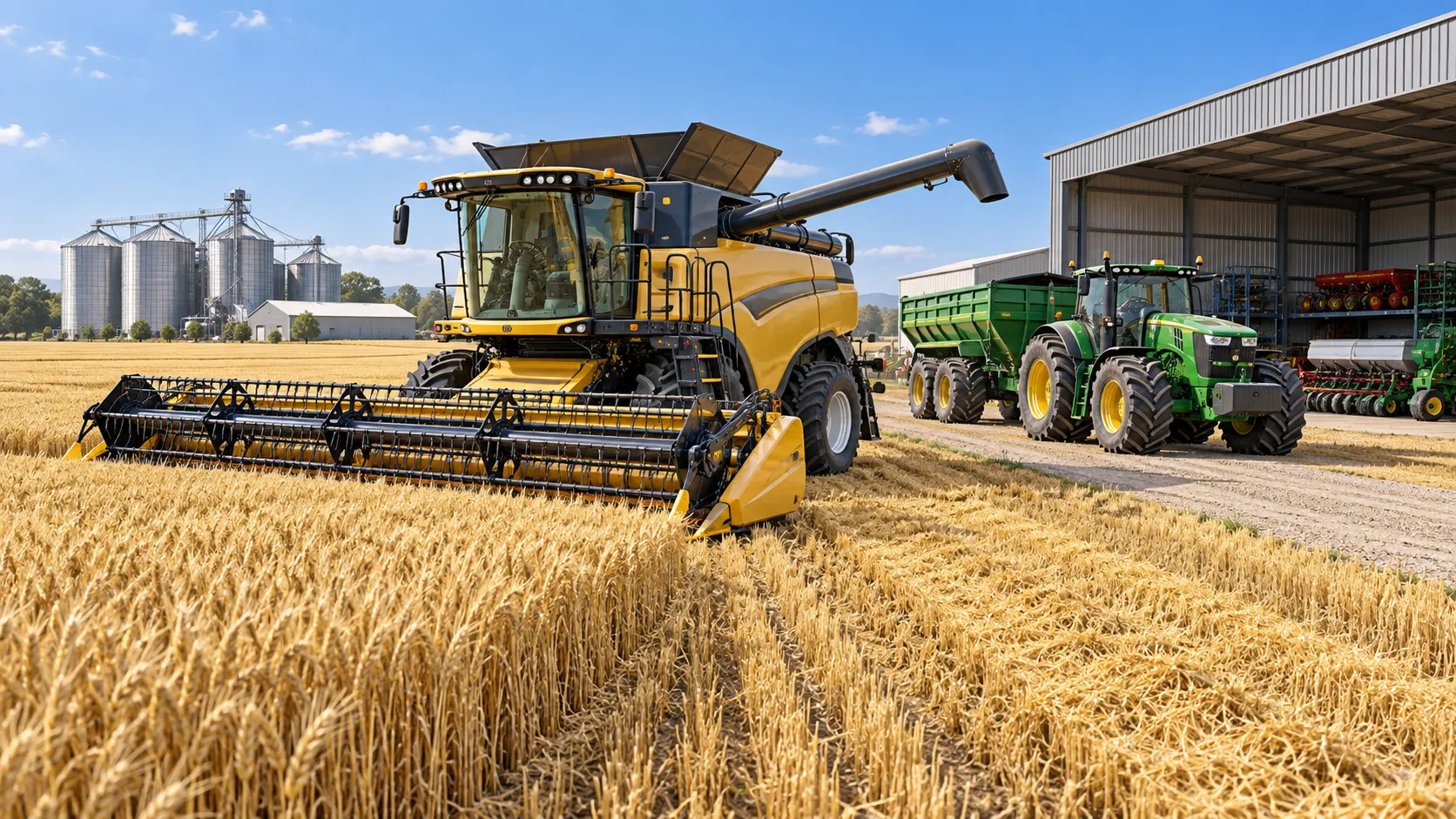
When Does Agricultural Machinery Leasing Cost Less Than Owning Equipment?
Agricultural machinery leasing can lower farm costs when use is seasonal or uncertain. Compare utilization, maintenance, cash flow, and risk to make a smarter equipment decision.
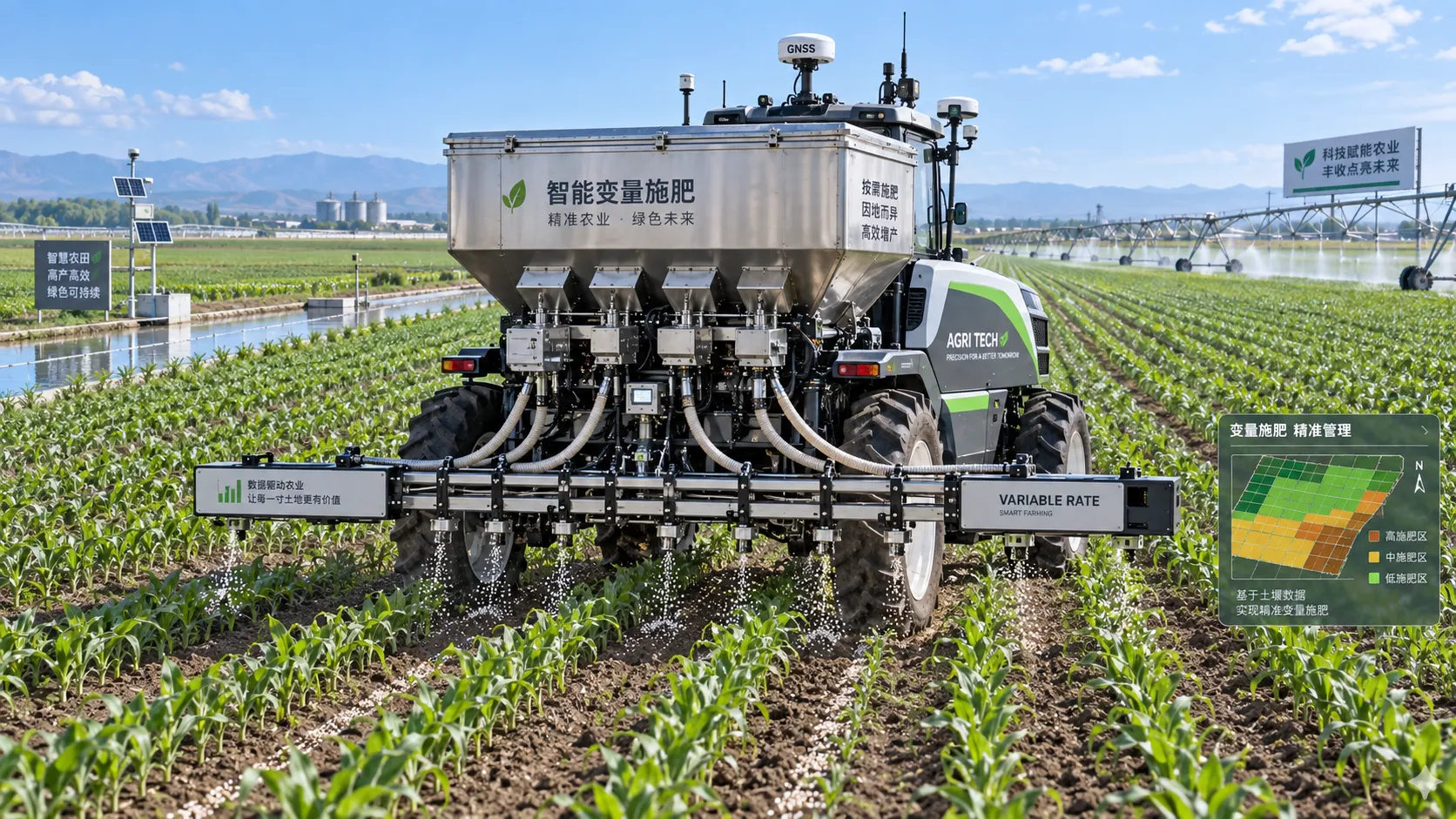
How to Evaluate Precision Fertilization System Suppliers for Farm-Scale Deployment
Precision fertilization systems suppliers: learn how to compare accuracy, integration, uptime, service, and total cost for confident farm-scale deployment.
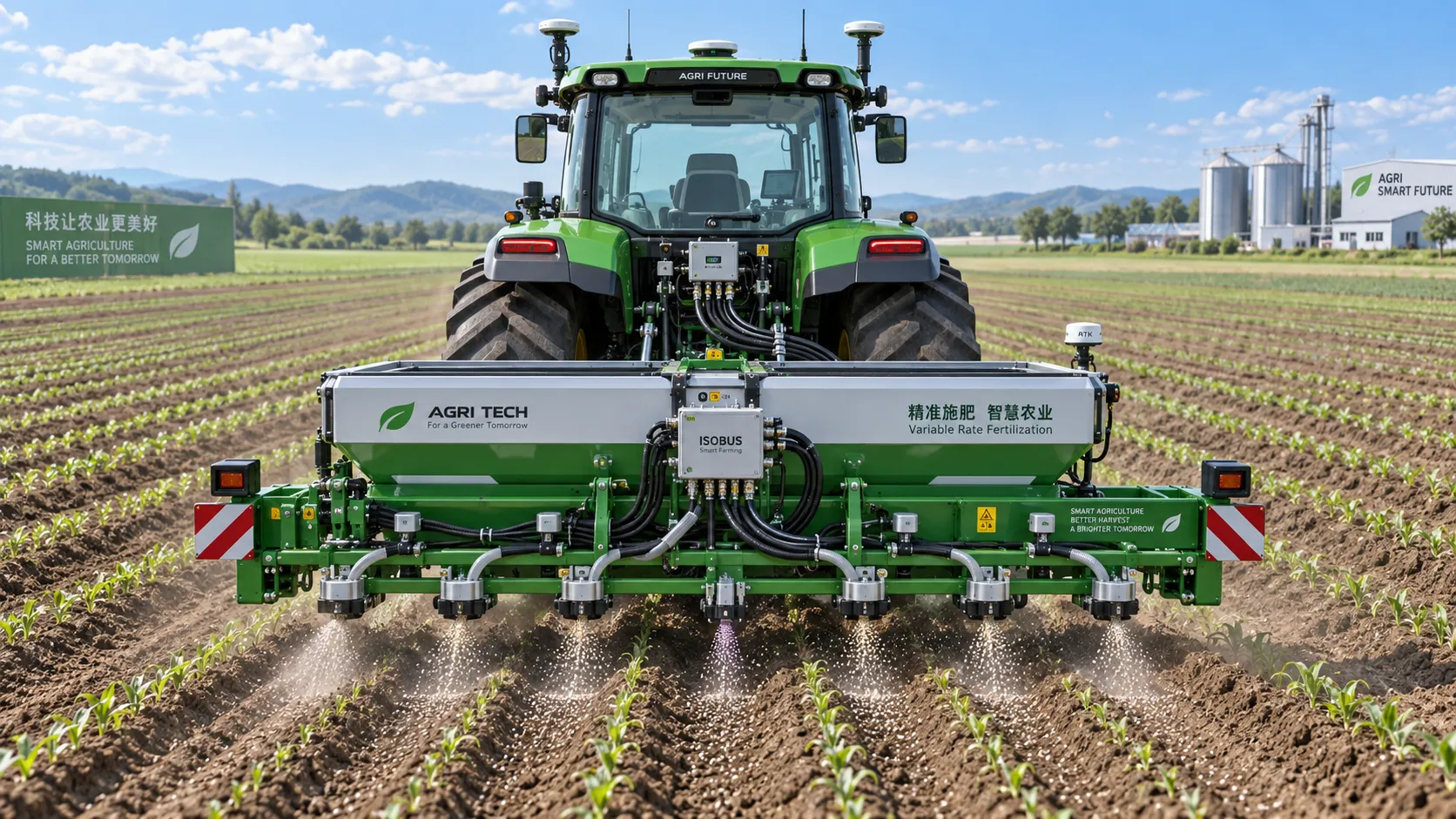
ISOBUS for Smart Agriculture: How It Connects Tractors, Implements, and Farm Data
ISOBUS for smart agriculture connects tractors, implements, terminals, and farm data—helping growers improve precision, documentation, and smarter field decisions.
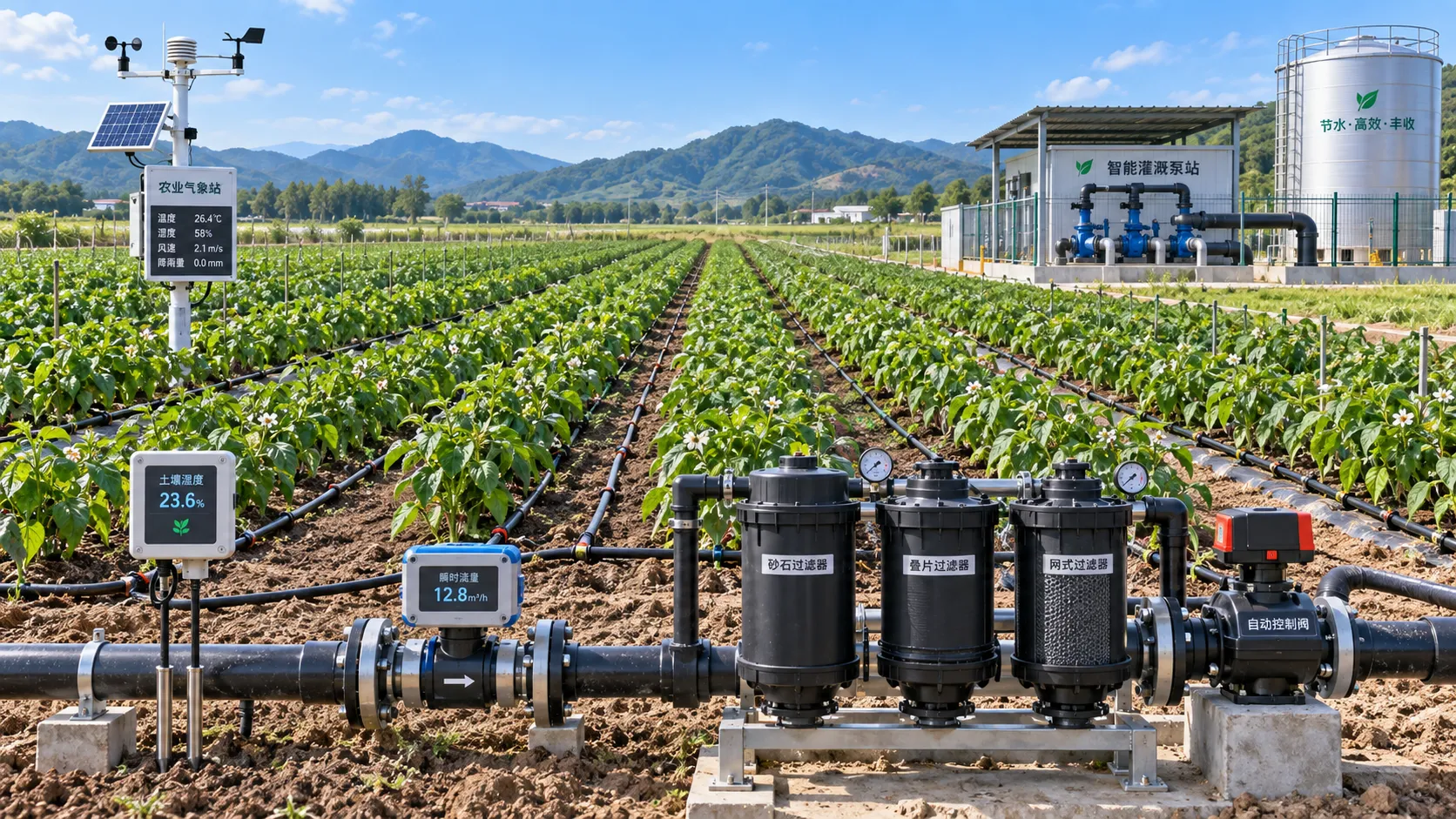
Automated Water-Saving Irrigation: How to Cut Water Use Without Reducing Crop Yields
Automated water-saving irrigation helps farms cut water use, protect crop yields, improve scheduling, and gain reliable control with sensors, flow monitoring, and smart zones.
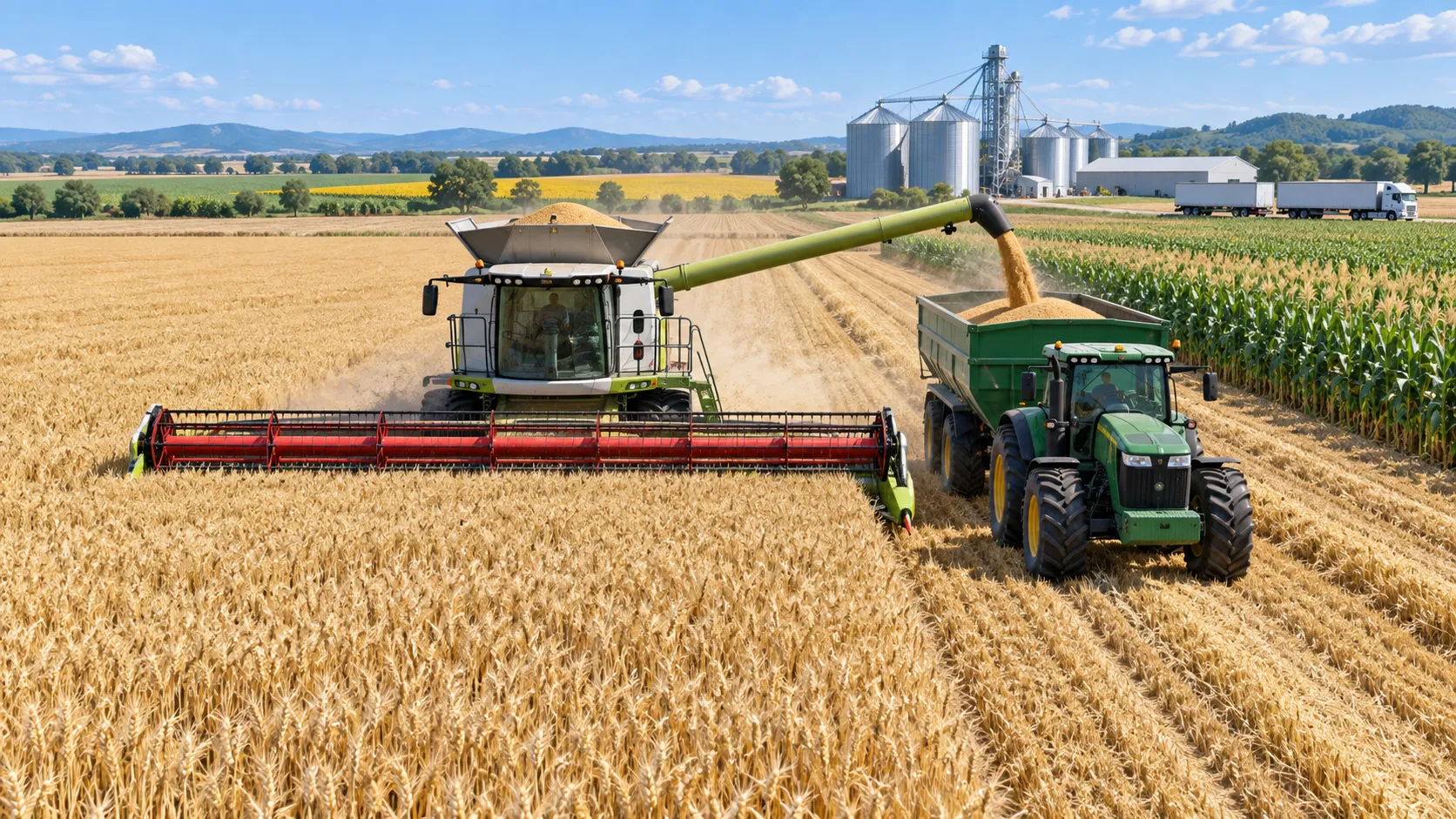
Selecting Grain Farm Equipment by Acreage, Crop Mix, and Harvest Window
Agricultural equipment selection for grain farming: match machinery to acreage, crop mix, and harvest windows to improve uptime, efficiency, and returns.
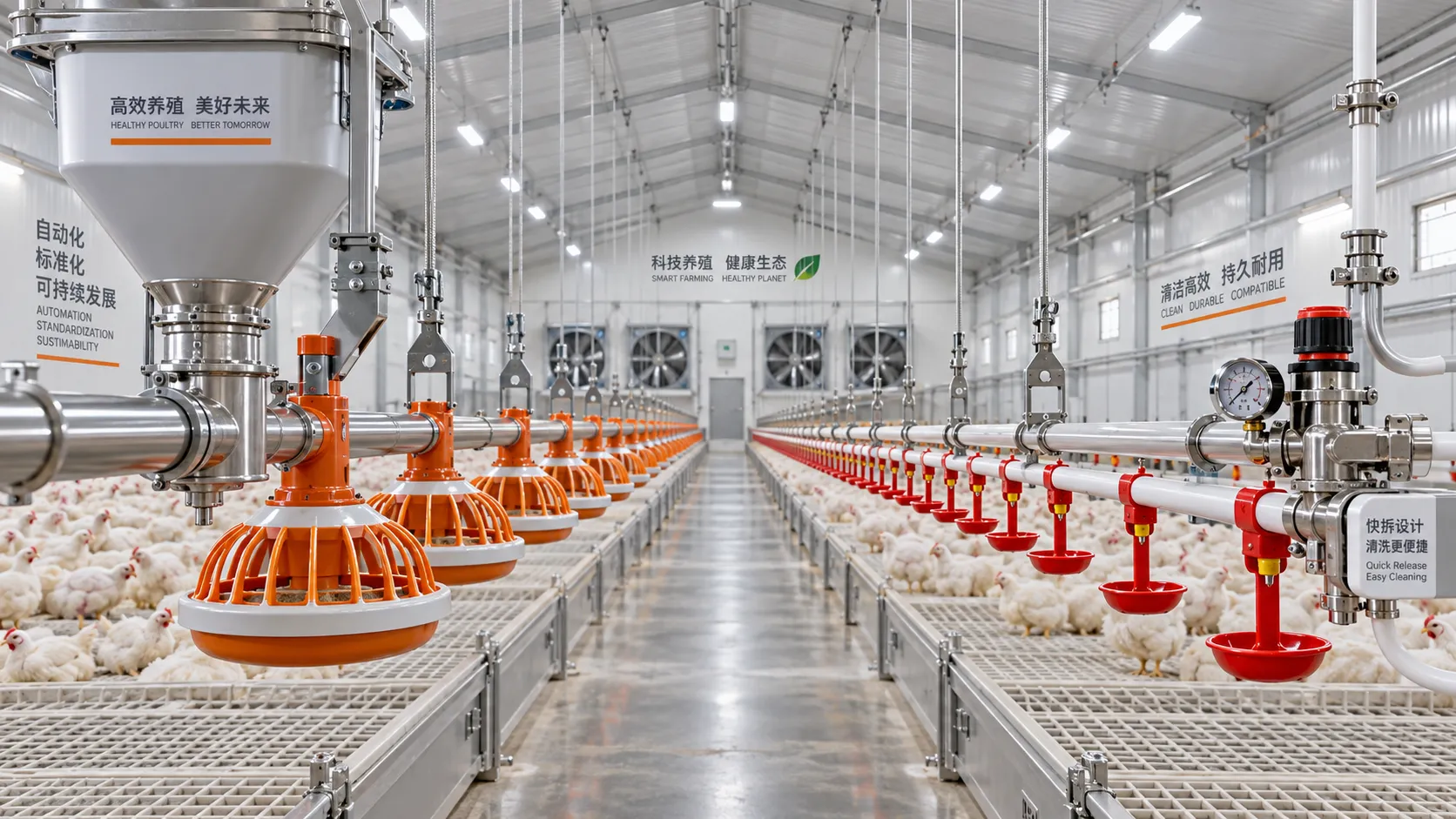
Poultry Equipment Selection: Evaluating Durability, Cleaning, and Compatibility
Poultry equipments selection guide: evaluate durability, cleaning access, and system compatibility to improve hygiene, reduce downtime, and support efficient flock management.
Related News
- 00
0000-00
Automated Water-Saving Irrigation: How to Cut Water Use Without Reducing Crop Yields - 00
0000-00
How to Evaluate Drip Irrigation System Manufacturers for Large Farm Projects - 00
0000-00
Wireless Agricultural Automation for Remote Irrigation and Field Monitoring - 00
0000-00
Designing Water-Saving Drip Irrigation Systems for High-Value Orchards - 00
0000-00
How to Choose Irrigation Solutions for Arid Regions Based on Water Source and Crop Needs
Popular Tags
Hydrological Resource Strategist
Weekly Insights
Stay ahead with our curated technology reports delivered every Monday.