
EU Pilot Ties AI Energy Use to CE Carbon Footprints
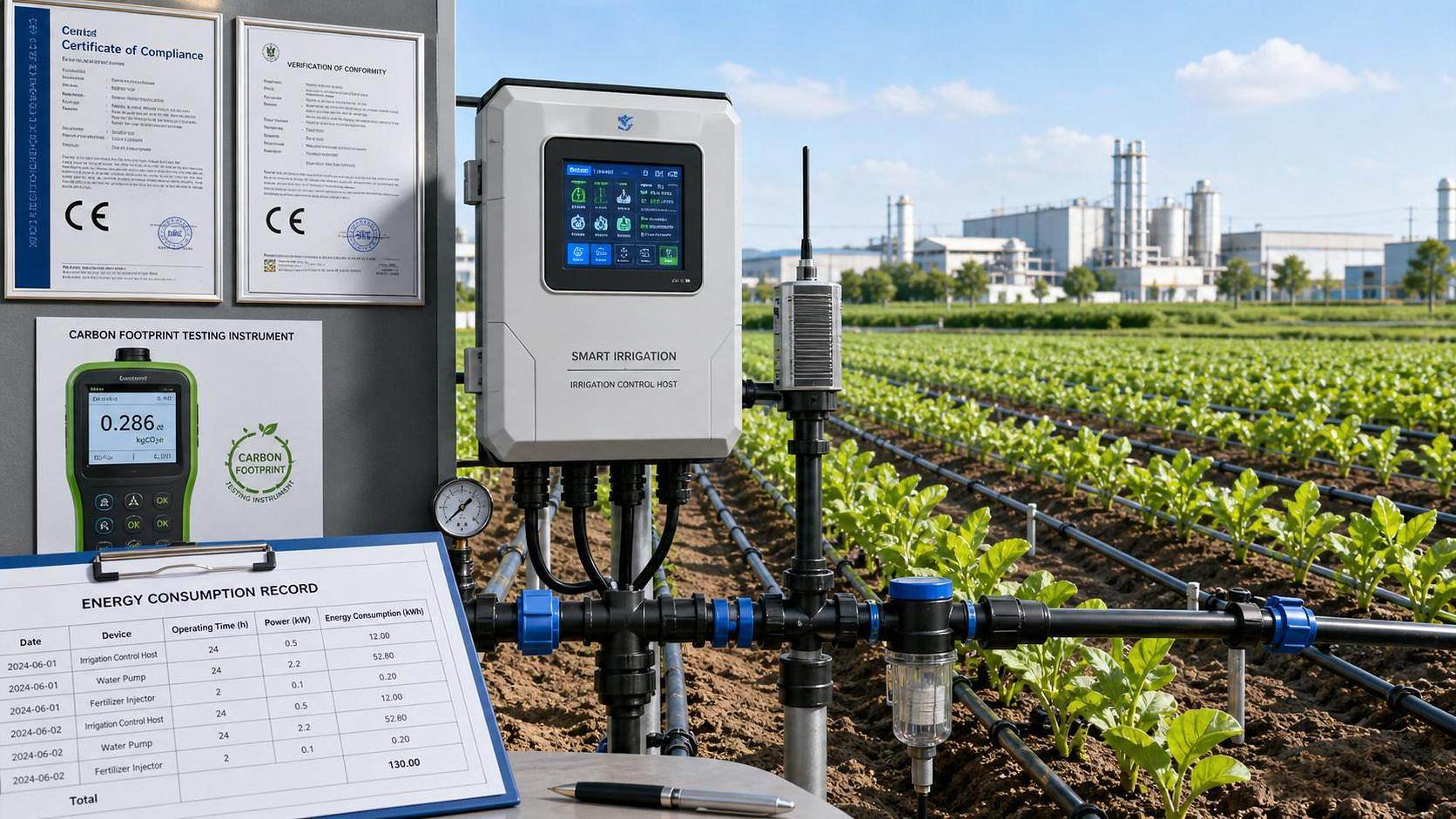




On July 1, 2026, the European Commission launched EU Pilot-IRRI-2026, a pilot scheme for carbon footprint accounting in smart irrigation equipment that brings a new rule focus to Drip Irrigation Logic: the energy used by AI water-saving algorithms per irrigation instruction, measured in kWh/ha·mm. Because the pilot will affect CE mark renewal and eligibility for government procurement bids from Q3 2026 in Germany, the Netherlands, and Spain, it deserves attention from equipment manufacturers, exporters, certification-facing teams, procurement functions, and service providers involved in compliance documentation and market access.
What the pilot formally introduces
The confirmed facts are limited but commercially relevant. The European Commission started the Smart Irrigation Equipment Carbon Footprint Accounting Pilot Program, identified as EU Pilot-IRRI-2026, on July 1, 2026. Under this pilot, the unit energy consumption of AI water-saving algorithms within Drip Irrigation Logic, expressed as kWh/ha·mm per irrigation instruction, is included for the first time as one of the core parameters in CE carbon label accounting. The pilot applies to Germany, the Netherlands, and Spain, and from Q3 2026 it will affect both CE mark renewal and qualification for government procurement tenders.
Where the commercial pressure is likely to appear first
For equipment makers and system integrators
Analysis shows this change matters first to manufacturers and integrators of smart irrigation equipment because the pilot links algorithm-level energy performance to a CE carbon labeling parameter. The immediate pressure point is not only product design, but also the supporting technical file, carbon accounting inputs, and any documentation used in CE-related renewal work. Companies in scope should pay close attention to whether their existing product data and software-related records can support this new accounting element.
For exporters and market-entry teams
From an industry perspective, exporters serving the three pilot markets may face a more document-sensitive access environment from Q3 2026. The direct issue is that CE mark renewal is named as an affected area in the pilot summary. That means export-facing teams should watch for changes in submission requirements, supporting declarations, and any compliance evidence tied to carbon footprint treatment for smart irrigation functions, especially where AI-based control logic is part of the sold configuration.
For public procurement participants and buyers
What deserves closer attention is the procurement side. The summary states that government procurement bidding eligibility will be affected from Q3 2026. For suppliers, this raises practical questions around tender-readiness, document completeness, and whether carbon-related technical parameters may become a screening factor in bid qualification. For procurement teams and public buyers, the change may translate into updated tender wording, technical specifications, or qualification checks, even if the detailed implementation language has not yet been provided in the input.
For certification and testing support functions
Certification-related service providers, internal compliance teams, and testing support functions may also feel early impact because the pilot introduces a new accounting parameter tied to AI algorithm energy use. Observably, this does not yet confirm a final uniform operating method beyond the facts provided, but it does signal that evidence preparation, parameter interpretation, and consistency of technical documentation could become more important in CE carbon label handling during the pilot period.
What companies should review now
Check whether AI control logic is already visible in compliance files
Analysis shows companies should first identify which products or system versions use Drip Irrigation Logic with AI water-saving functions and whether that logic is already reflected clearly in technical documentation. If the algorithm is commercially material but weakly documented in CE-related files, that gap could become more relevant once the new carbon footprint parameter is examined in renewal or tender contexts.
Track Q3 2026 changes in certification language and tender documents
The input confirms timing pressure beginning in Q3 2026, but it does not provide detailed enforcement wording. For that reason, companies should watch closely for any official expressions, execution guidance, or updated procurement documentation that clarify how the pilot will be applied in practice. This is especially relevant for firms with active renewal schedules or ongoing public-sector bid pipelines in the three covered markets.
Prepare supporting records for carbon-footprint-related review
From an industry perspective, firms should review whether they can provide consistent records around the energy consumption element now named in the pilot summary. The key practical issue is less about broad sustainability messaging and more about whether product, software, compliance, and bid teams are working from aligned technical inputs when responding to certification or procurement requests.
Reassess delivery and supplier coordination where compliance timing matters
Observably, any rule change that touches CE renewal and bid eligibility can flow into shipment timing, acceptance planning, and supplier qualification review. The input does not confirm specific delays or new lead times, so this should not be treated as a fixed outcome. Still, companies with exposure to Germany, the Netherlands, and Spain may need to check whether upcoming deliveries, renewals, and bid submissions rely on documentation that could require updating during the pilot window.
How this signal should be read at this stage
It is more appropriate to understand this as a concrete execution signal rather than a fully settled end-state rulebook. The reason is straightforward: the pilot has a start date, a named program, defined geographic coverage, and stated effects on CE mark renewal and government procurement bidding from Q3 2026. At the same time, the input does not include detailed calculation procedures, audit criteria, document templates, or final enforcement interpretations. Analysis therefore suggests that the market should treat this as an active compliance development with real near-term relevance, while continuing to monitor how the rule is operationalized.
Why the development matters beyond the headline
The practical significance of this update is that software-layer energy use, in the form of AI irrigation instruction efficiency, is being brought into a CE carbon footprint context for smart irrigation equipment. That creates a closer link between product logic, carbon accounting, certification handling, and procurement access. For now, the most rational reading is that this is neither a routine news item nor a fully mature final framework. It is a rule-development step with direct business implications in defined markets, and one that companies should follow through documentation, certification practice, tender requirements, and market feedback over the coming execution period.
Basis of this article and points that still require verification
This article is generated from the user-provided news title, event date, and event summary. For events of this type, relevant source categories typically include official announcements, regulatory publications, trade or customs authority releases, industry association notices, standards-related documents, and reporting by established professional media. A specific official source link was not provided in the input, so the underlying text should still be verified against future official publications. Further observation is still needed on policy detail, certification interpretation, tender document changes, industry feedback, and how affected companies implement the pilot in practice.
Related News
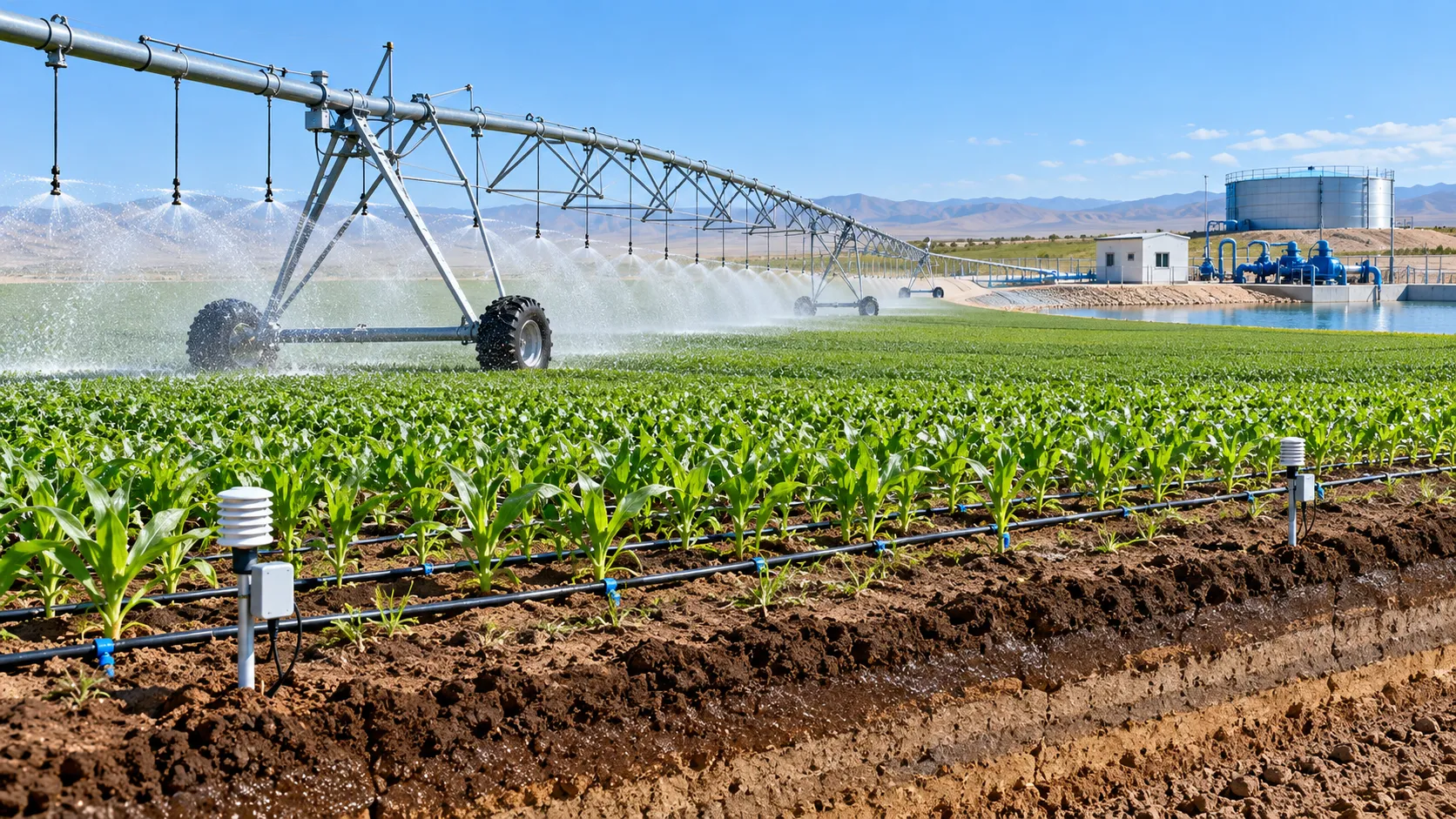
Climate-Smart Farming for Drought: A Practical Plan for Protecting Yields
Climate-smart farming for drought: build smarter water budgets, protect critical crop stages, improve irrigation uniformity, and safeguard yields with practical field-proven strategies.
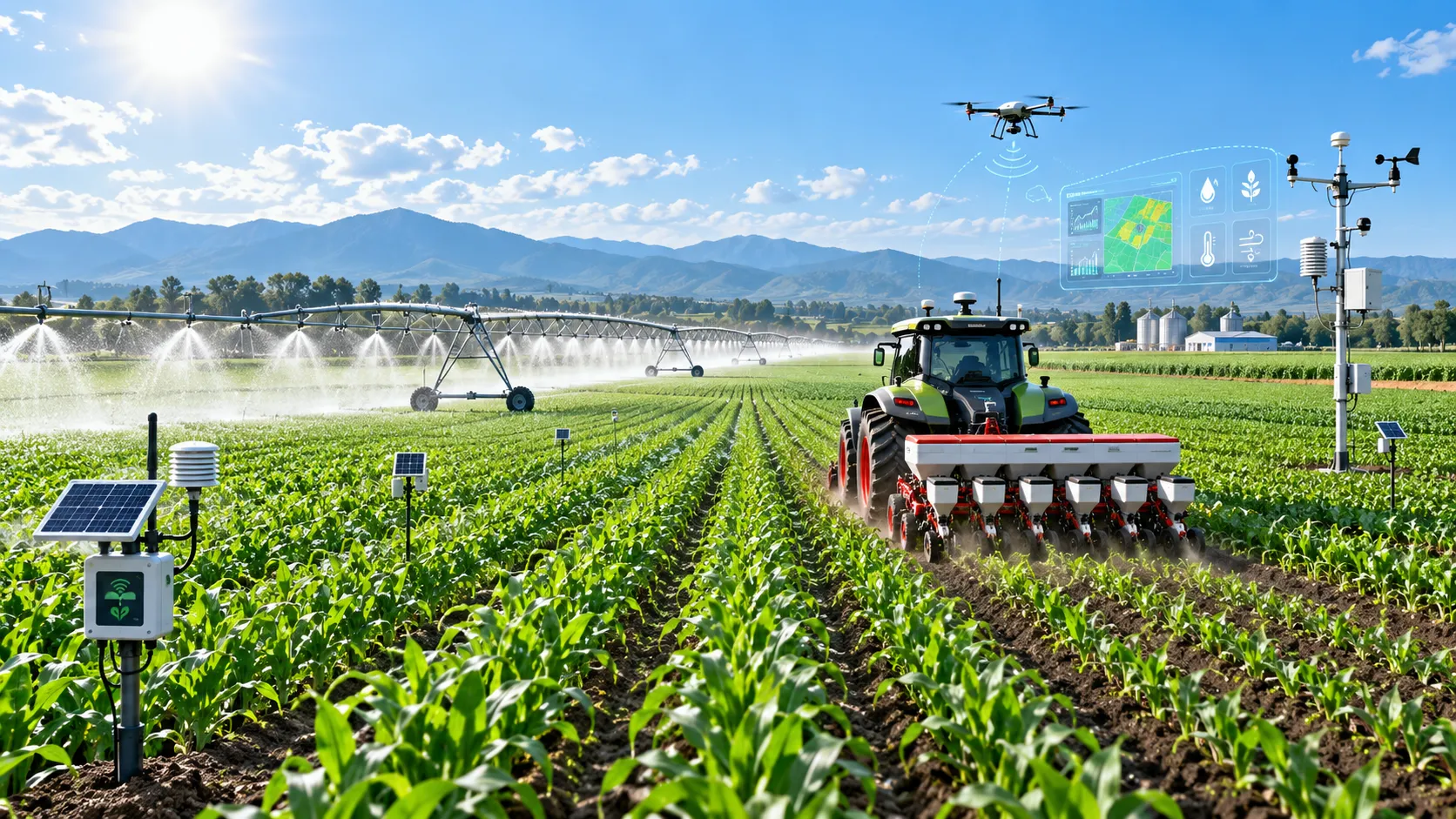
How Digital Agriculture Platforms Turn Field Data Into Better Input Decisions
Digital agriculture platforms turn field data into smarter fertilizer, water, seed, and equipment decisions—helping farms cut risk, improve margins, and scale sustainability.
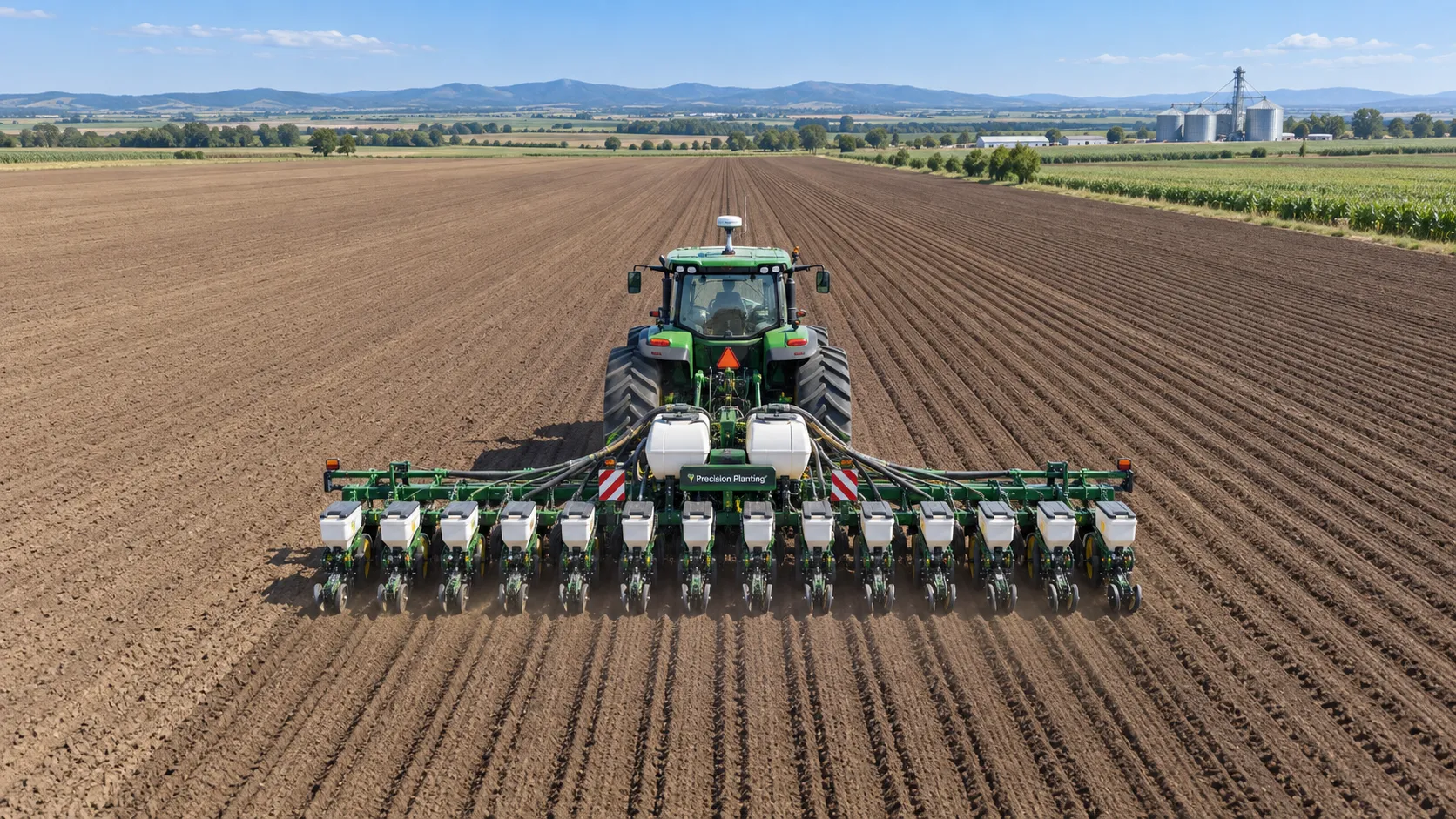
GPS-Guided Farm Machinery: Where It Delivers Measurable Field Efficiency Gains
Agri-mechanization GPS guided systems deliver measurable field efficiency gains through reduced overlap, precise planting, smarter inputs, and reliable farm data.
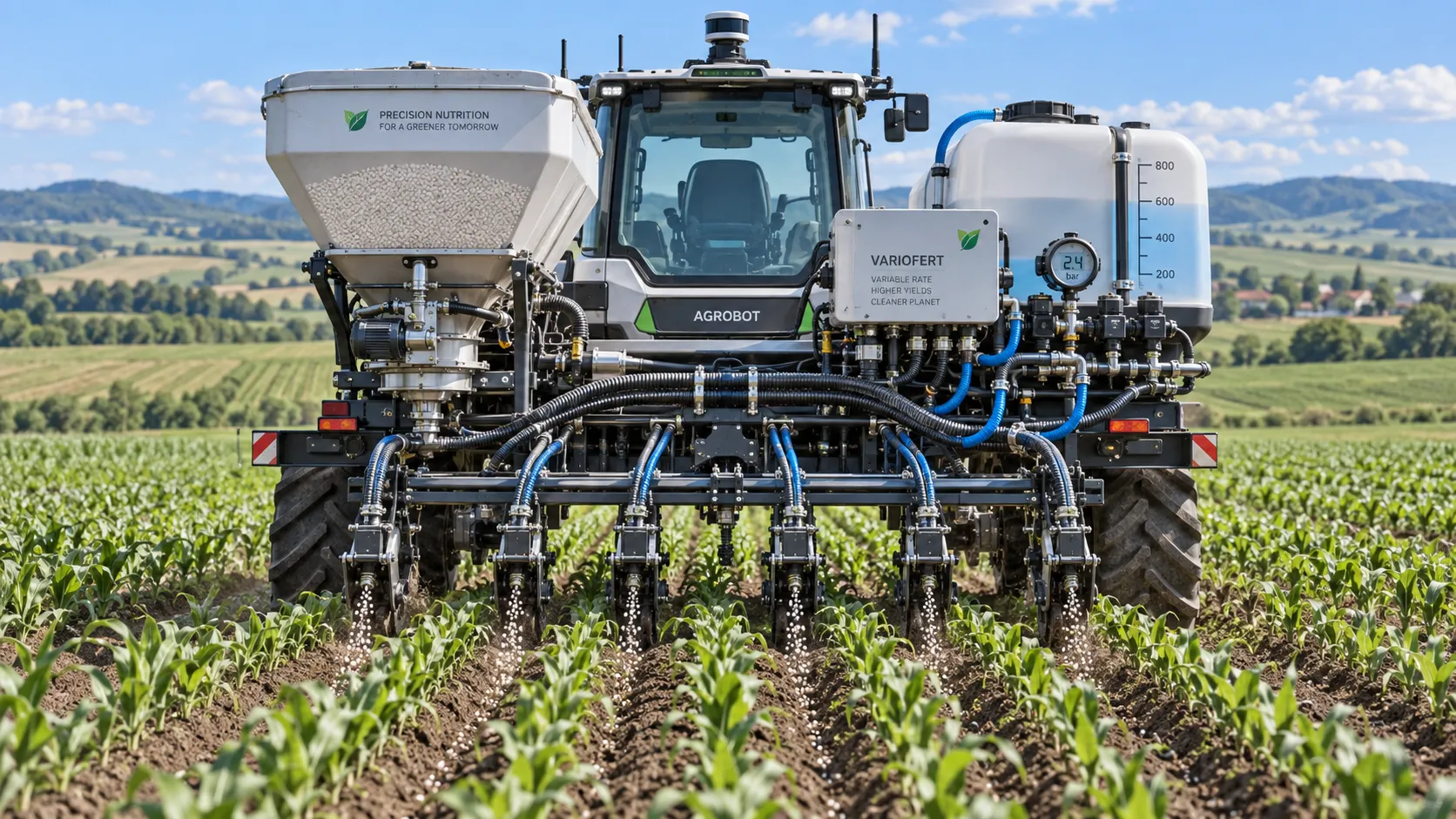
How Sensor Feedback Enables Accurate Variable-Rate Fertilization in Field Conditions
Precision fertilization systems with sensor feedback improve variable-rate accuracy by verifying flow, managing latency, and ensuring reliable field application.
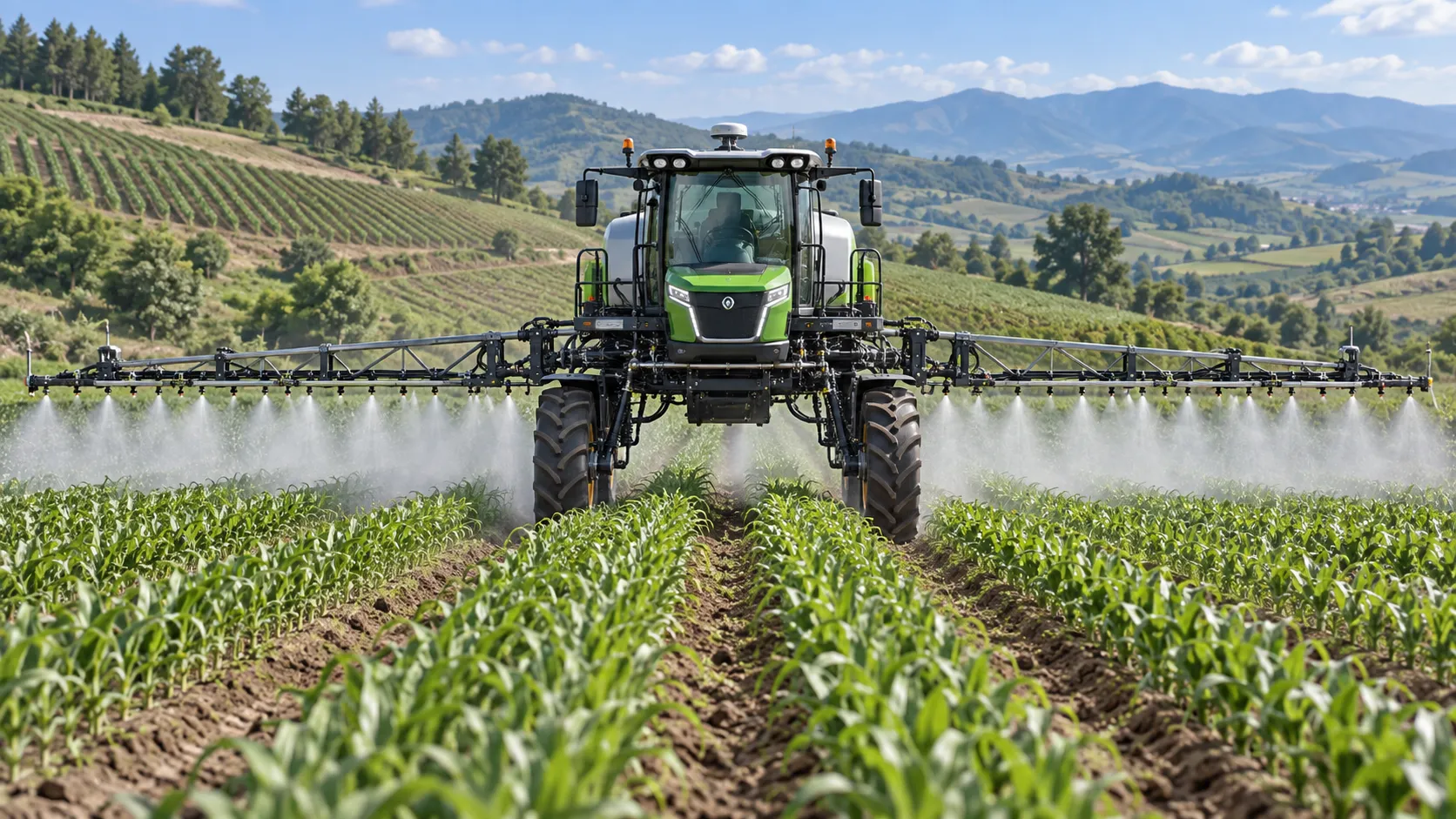
How to Select Precision Crop Protection Equipment for Variable Field Conditions
Precision crop protection equipment selection made simple: compare terrain, canopy, weather, control accuracy, and data workflows for reliable applications.

When Does Agricultural Machinery Leasing Cost Less Than Owning Equipment?
Agricultural machinery leasing can lower farm costs when use is seasonal or uncertain. Compare utilization, maintenance, cash flow, and risk to make a smarter equipment decision.
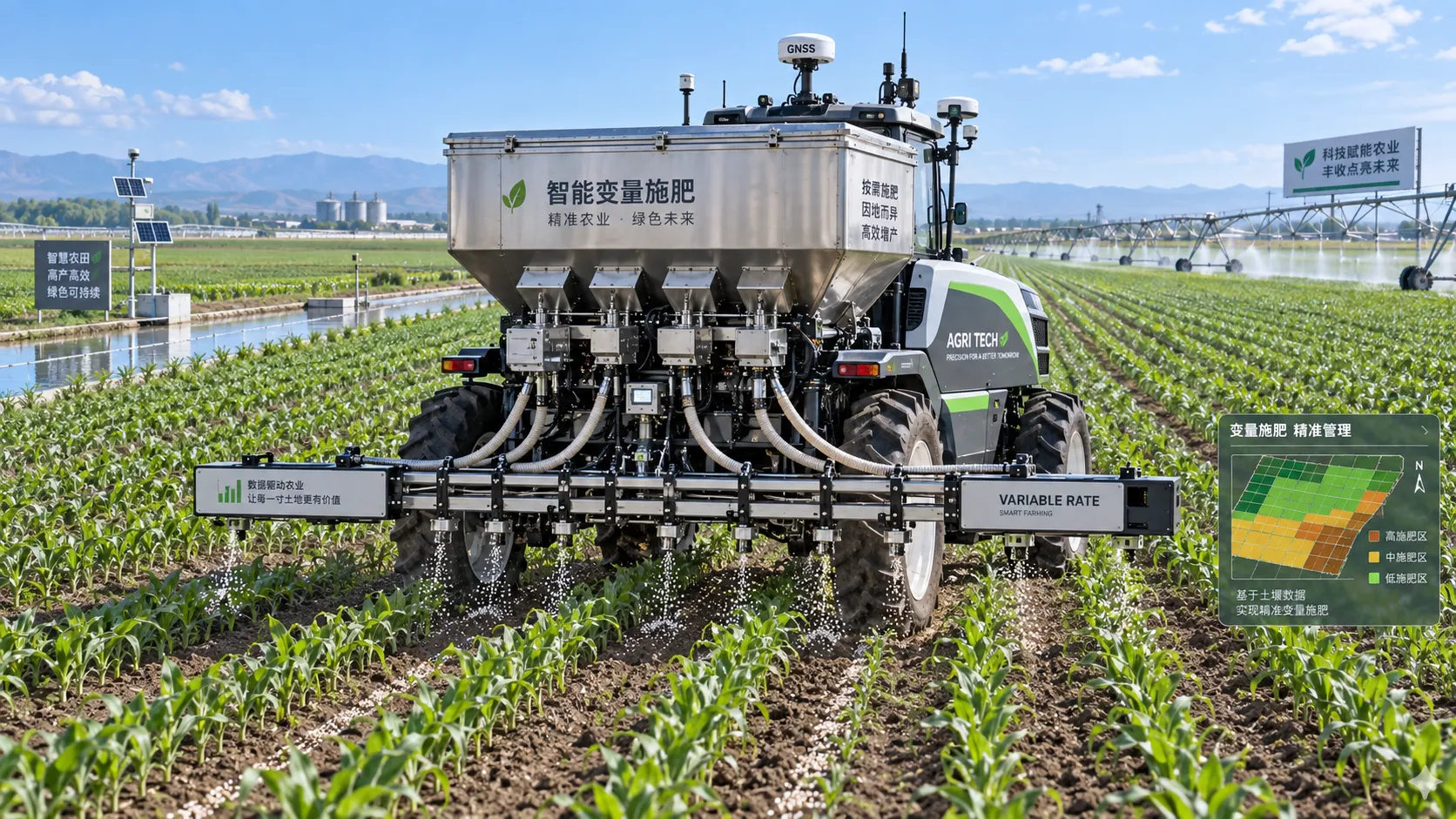
How to Evaluate Precision Fertilization System Suppliers for Farm-Scale Deployment
Precision fertilization systems suppliers: learn how to compare accuracy, integration, uptime, service, and total cost for confident farm-scale deployment.
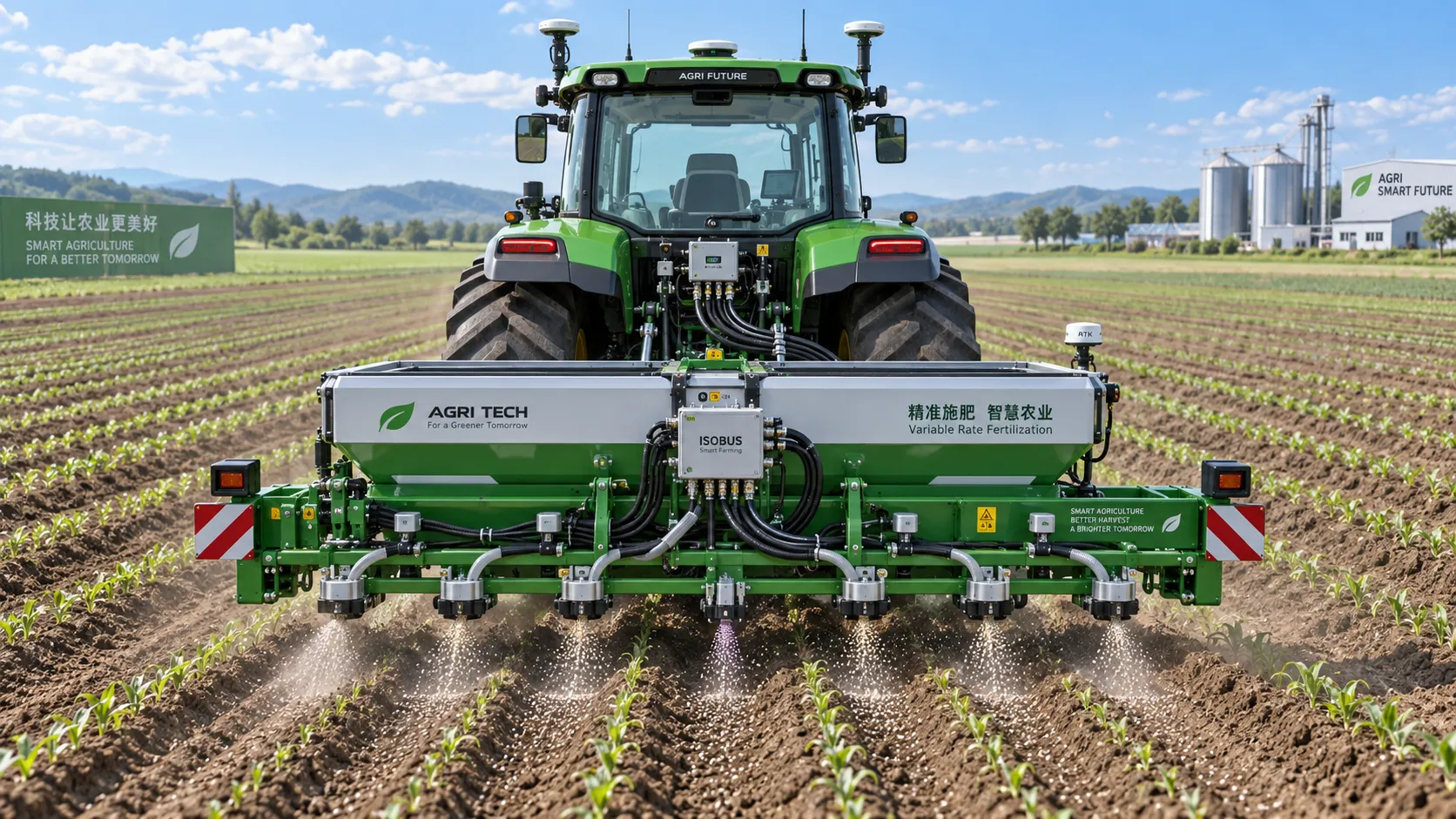
ISOBUS for Smart Agriculture: How It Connects Tractors, Implements, and Farm Data
ISOBUS for smart agriculture connects tractors, implements, terminals, and farm data—helping growers improve precision, documentation, and smarter field decisions.
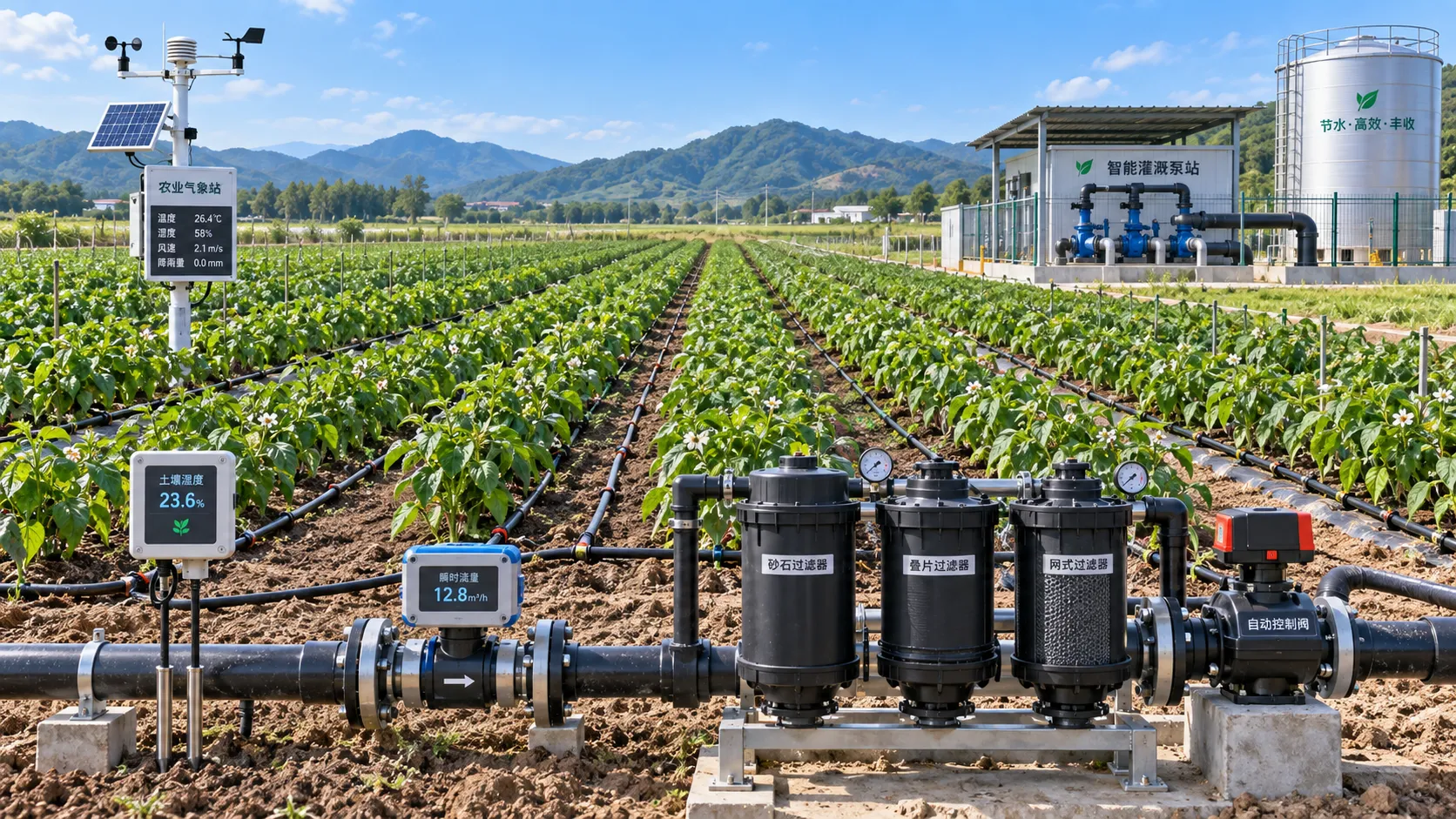
Automated Water-Saving Irrigation: How to Cut Water Use Without Reducing Crop Yields
Automated water-saving irrigation helps farms cut water use, protect crop yields, improve scheduling, and gain reliable control with sensors, flow monitoring, and smart zones.
Related News
- 00
0000-00
Automated Water-Saving Irrigation: How to Cut Water Use Without Reducing Crop Yields - 00
0000-00
How to Evaluate Drip Irrigation System Manufacturers for Large Farm Projects - 00
0000-00
Wireless Agricultural Automation for Remote Irrigation and Field Monitoring - 00
0000-00
Designing Water-Saving Drip Irrigation Systems for High-Value Orchards - 00
0000-00
How to Choose Irrigation Solutions for Arid Regions Based on Water Source and Crop Needs
Popular Tags
Hydrological Resource Strategist
Weekly Insights
Stay ahead with our curated technology reports delivered every Monday.