
FDA Tightens Import Checks on AI Drip Irrigation Logic
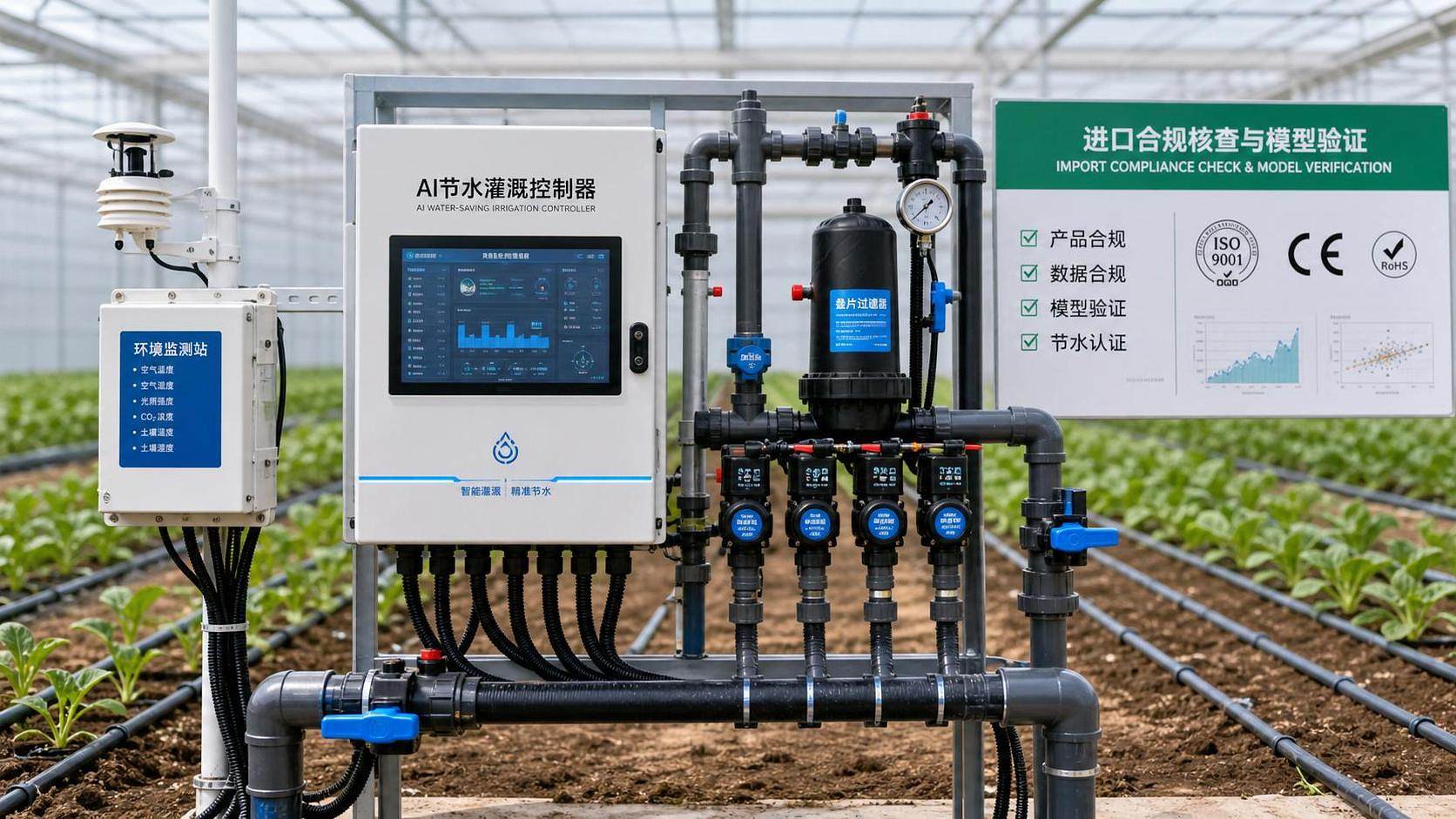




On June 30, 2026, the U.S. FDA revised its import inspection guidance for agricultural smart irrigation equipment, introducing a new checkpoint that goes beyond hardware and reaches into algorithm claims. Starting in September 2026, Drip Irrigation Logic products marketed with AI-based water-saving functions will face inspection at the model level, with core irrigation decision models required to pass input-output traceability verification under NIST IR 8422-2026. This matters for exporters, manufacturers, compliance teams, buyers, and supply chain operators because products that cannot meet the stated verification requirement may be detained at the port and subjected to intensified inspection, affecting export timing for mainstream drip irrigation controllers from China.
The rule change now reaches the irrigation decision model itself
According to the provided event summary, the FDA revised the Agricultural Smart Irrigation Equipment Import Inspection Guidance on June 30, 2026. From September 2026, Drip Irrigation Logic devices will be subject to algorithm-level spot inspections during import checks. The rule applies to products that claim AI water-saving functionality, and the core irrigation decision model of such products must pass input-output traceability verification in line with NIST IR 8422-2026. The summary also states that products without that verification may face port detention and stricter inspection, with an impact on the export pace of mainstream drip irrigation controllers from China.
Where the immediate pressure is likely to appear in the supply chain
Export shipments may face a higher document and verification threshold
From an industry perspective, exporters are likely to be the first group to feel the operational effect because the new inspection focus is tied to import clearance. The practical issue is no longer limited to product descriptions or device functions, but extends to whether the claimed AI water-saving capability can be backed by traceability verification for the model behind irrigation decisions. What deserves closer attention is the readiness of compliance files, technical descriptions, and supporting verification records that may be needed to support customs-facing review and shipment release.
Manufacturers may need to reassess how AI water-saving claims are presented
Analysis shows that manufacturing businesses involved in Drip Irrigation Logic products may need to pay closer attention to how product claims, firmware features, and model documentation are aligned. If a product is promoted on the basis of AI-enabled water-saving performance, the rule change suggests that the supporting model itself becomes part of the compliance exposure. The business impact may therefore appear in product labeling, technical file preparation, pre-shipment review, and coordination between engineering and export compliance teams.
Procurement and channel decisions may become more documentation-driven
Observably, buyers, distributors, and channel partners dealing in these products may need to place greater weight on whether a supplier can demonstrate traceability verification under the referenced standard. The effect is not only commercial but procedural: supplier selection, purchase timing, and delivery commitments may all depend more heavily on whether the product's AI-related claim can be supported with documentation that stands up under import spot checks.
Testing and compliance service work may move closer to delivery planning
It is more appropriate to understand this as a signal that compliance support functions, including testing-related and documentation-related service providers, may become more tightly linked to shipment scheduling. Where exporters rely on third-party support for technical substantiation, the timing and completeness of that work could influence whether deliveries move smoothly or face additional inspection friction.
What companies should review before the September enforcement window
Check whether product claims trigger the new inspection logic
Analysis shows that one immediate task is to review which products are presented as having AI water-saving functions. If that claim is used in product materials, technical descriptions, or commercial communication, companies should assess whether the corresponding core irrigation decision model is positioned to meet the stated traceability verification requirement.
Prepare technical and compliance files around model traceability
What deserves closer attention is the state of technical records that connect model inputs and outputs in a way consistent with the cited verification framework. The provided information does not specify exact submission formats or document lists, so this should not be treated as a settled filing requirement. Still, companies would be prudent to check whether current internal records, test materials, and compliance files are sufficient for a stricter import review environment.
Revisit delivery schedules and contract assumptions
Observably, the stated risk of port detention and intensified inspection means delivery timing may require closer review for shipments scheduled around or after September 2026. Export teams, procurement managers, and downstream buyers may need to examine whether contracts, lead times, and inventory assumptions leave enough room for additional inspection steps if a product is selected for algorithm-level checks.
Monitor how the rule is reflected in downstream documents
It is more appropriate to understand the current notice as a trigger for ongoing monitoring rather than as a fully detailed execution manual. Companies should therefore watch for how the requirement may be reflected in subsequent official wording, procurement documents, technical specifications, and practical enforcement language used in trade and inspection contexts.
Why this reads as an enforcement signal, not just a wording update
From an industry perspective, the most notable aspect of this development is that the inspection focus appears to move from device-level functionality toward the traceability of the decision model supporting an AI claim. Analysis shows that this is not merely a general policy headline; it points to a more operational compliance test tied to import inspection. At the same time, because the provided information does not include detailed implementation procedures, it remains necessary to distinguish between a confirmed rule direction and the still-developing details of how consistently and narrowly the requirement will be applied in practice.
How this update is best understood at this stage
The update is best read as a concrete trade and compliance signal for companies involved in AI-claimed drip irrigation control products, especially those tied to export flows into the U.S. market. The confirmed facts already indicate a higher verification expectation and a stated consequence for non-verified products. Observably, the more measured conclusion is that this is an implemented rule change with immediate planning relevance, while the exact enforcement rhythm, document expectations, and market response still require close follow-up.
Basis of this article and points that still need verification
This article is based on the user-provided news title, event date, and event summary. For developments of this kind, commonly relevant source types may include official regulatory notices, releases from supervisory authorities, customs or trade administration updates, industry association communications, standard-setting organization documents, and reporting by established professional media. No specific official source link was provided in the input, so the underlying official link and any subsequent implementing details still need to be verified on an ongoing basis. Further observation is warranted regarding detailed enforcement language, certification or verification interpretation, procurement document changes, industry feedback, and how affected companies adjust execution in practice.
Related News
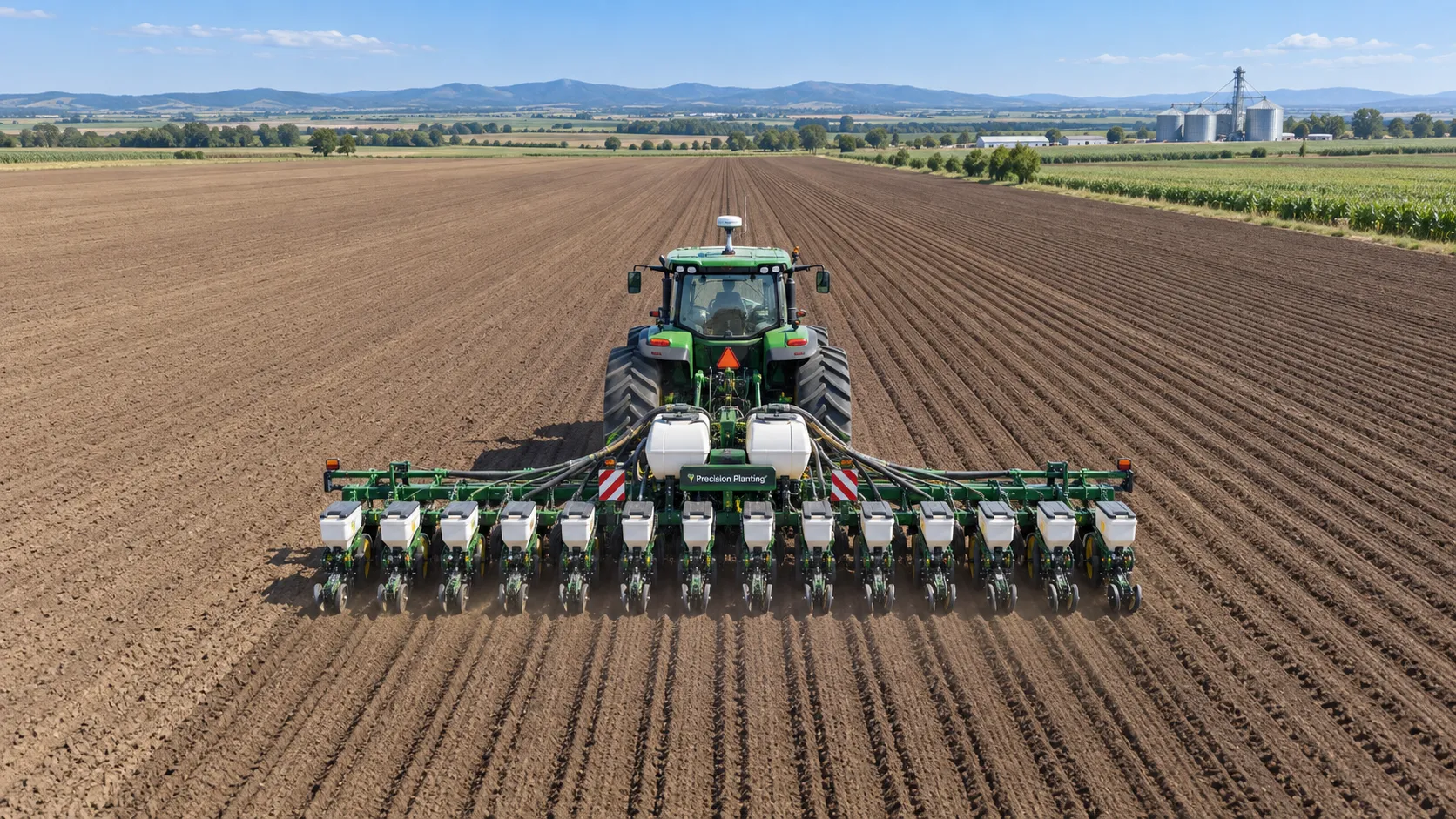
GPS-Guided Farm Machinery: Where It Delivers Measurable Field Efficiency Gains
Agri-mechanization GPS guided systems deliver measurable field efficiency gains through reduced overlap, precise planting, smarter inputs, and reliable farm data.
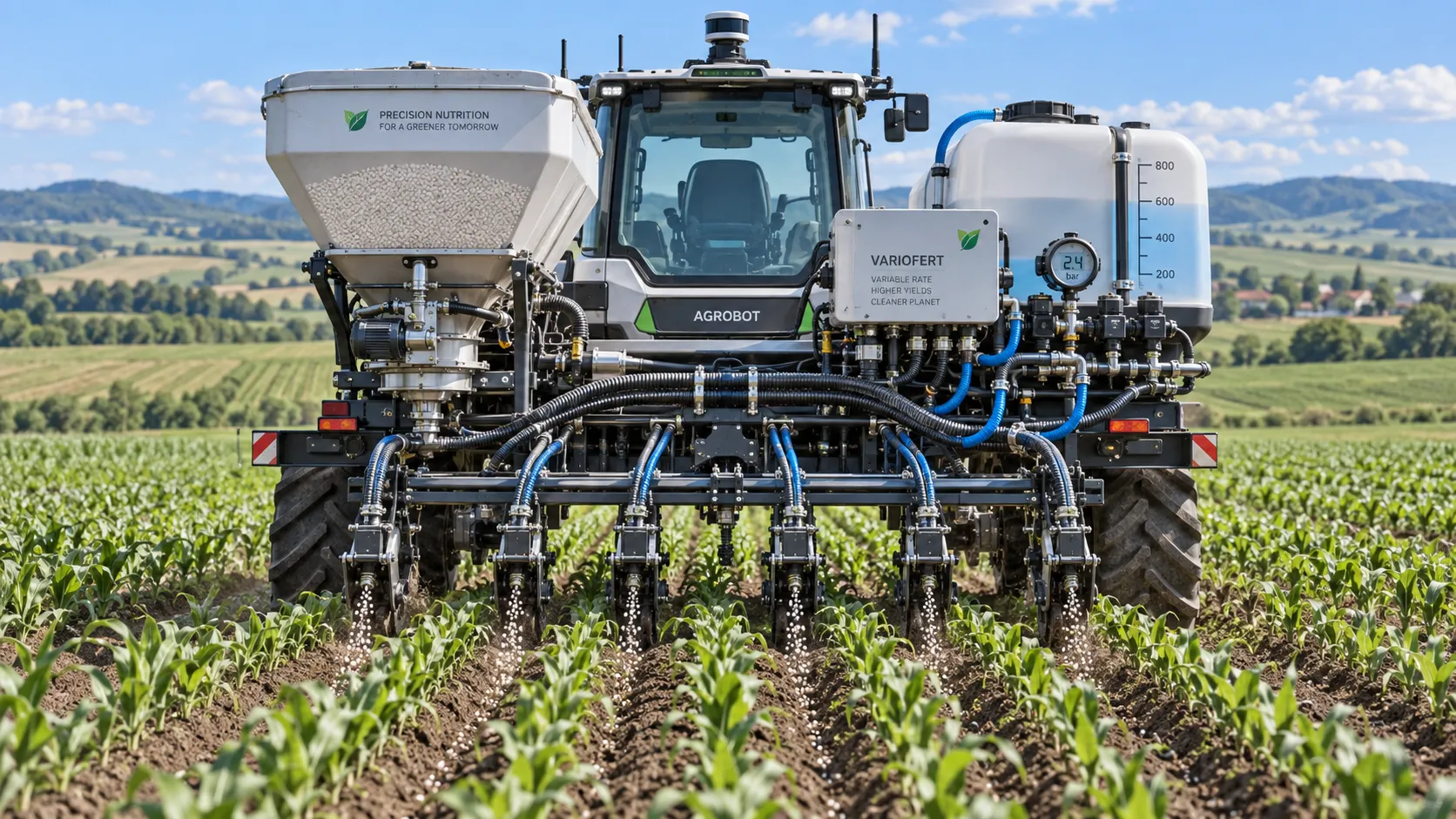
How Sensor Feedback Enables Accurate Variable-Rate Fertilization in Field Conditions
Precision fertilization systems with sensor feedback improve variable-rate accuracy by verifying flow, managing latency, and ensuring reliable field application.
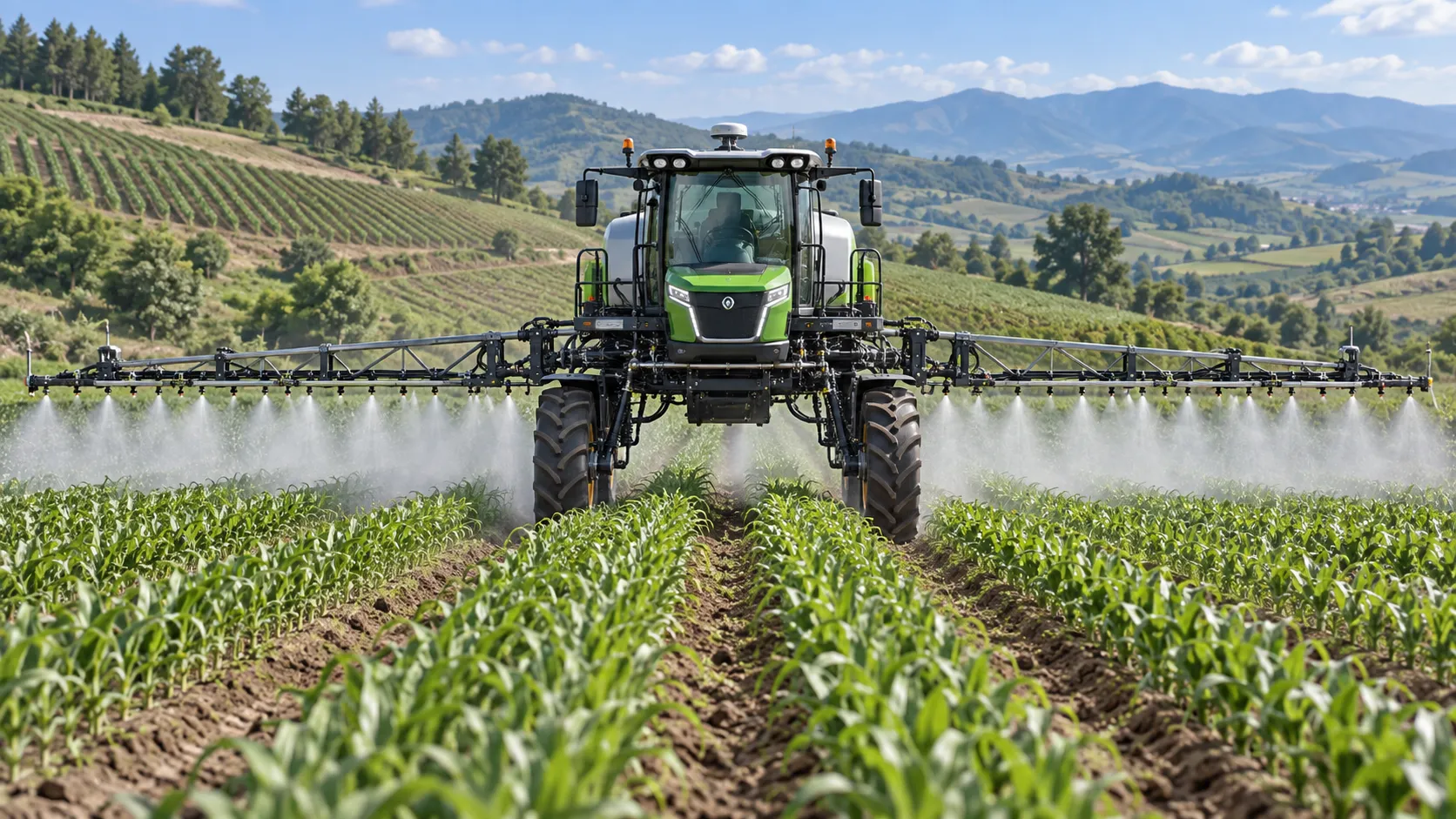
How to Select Precision Crop Protection Equipment for Variable Field Conditions
Precision crop protection equipment selection made simple: compare terrain, canopy, weather, control accuracy, and data workflows for reliable applications.
When Does Agricultural Machinery Leasing Cost Less Than Owning Equipment?
Agricultural machinery leasing can lower farm costs when use is seasonal or uncertain. Compare utilization, maintenance, cash flow, and risk to make a smarter equipment decision.
How to Evaluate Precision Fertilization System Suppliers for Farm-Scale Deployment
Precision fertilization systems suppliers: learn how to compare accuracy, integration, uptime, service, and total cost for confident farm-scale deployment.
ISOBUS for Smart Agriculture: How It Connects Tractors, Implements, and Farm Data
ISOBUS for smart agriculture connects tractors, implements, terminals, and farm data—helping growers improve precision, documentation, and smarter field decisions.
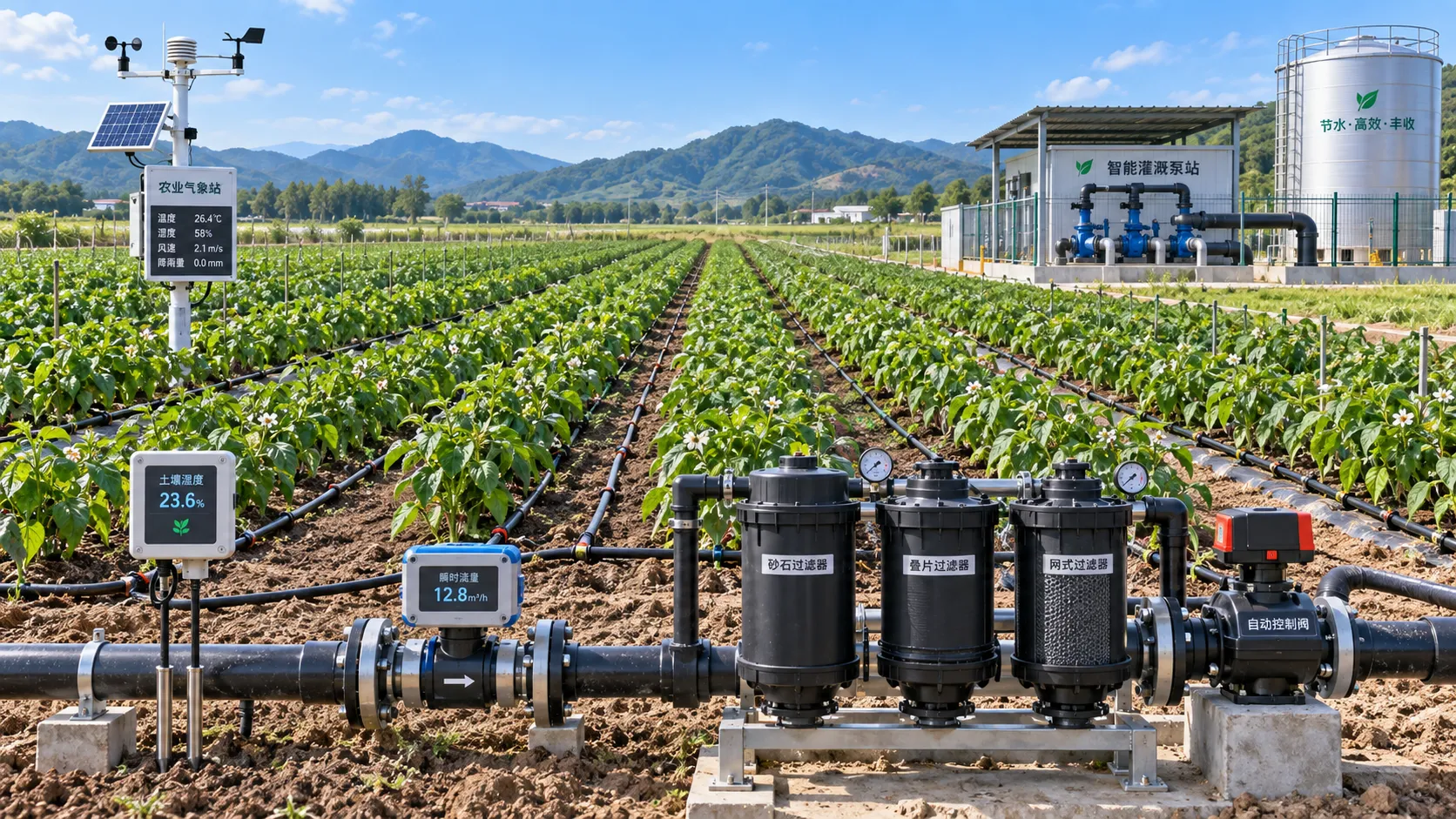
Automated Water-Saving Irrigation: How to Cut Water Use Without Reducing Crop Yields
Automated water-saving irrigation helps farms cut water use, protect crop yields, improve scheduling, and gain reliable control with sensors, flow monitoring, and smart zones.
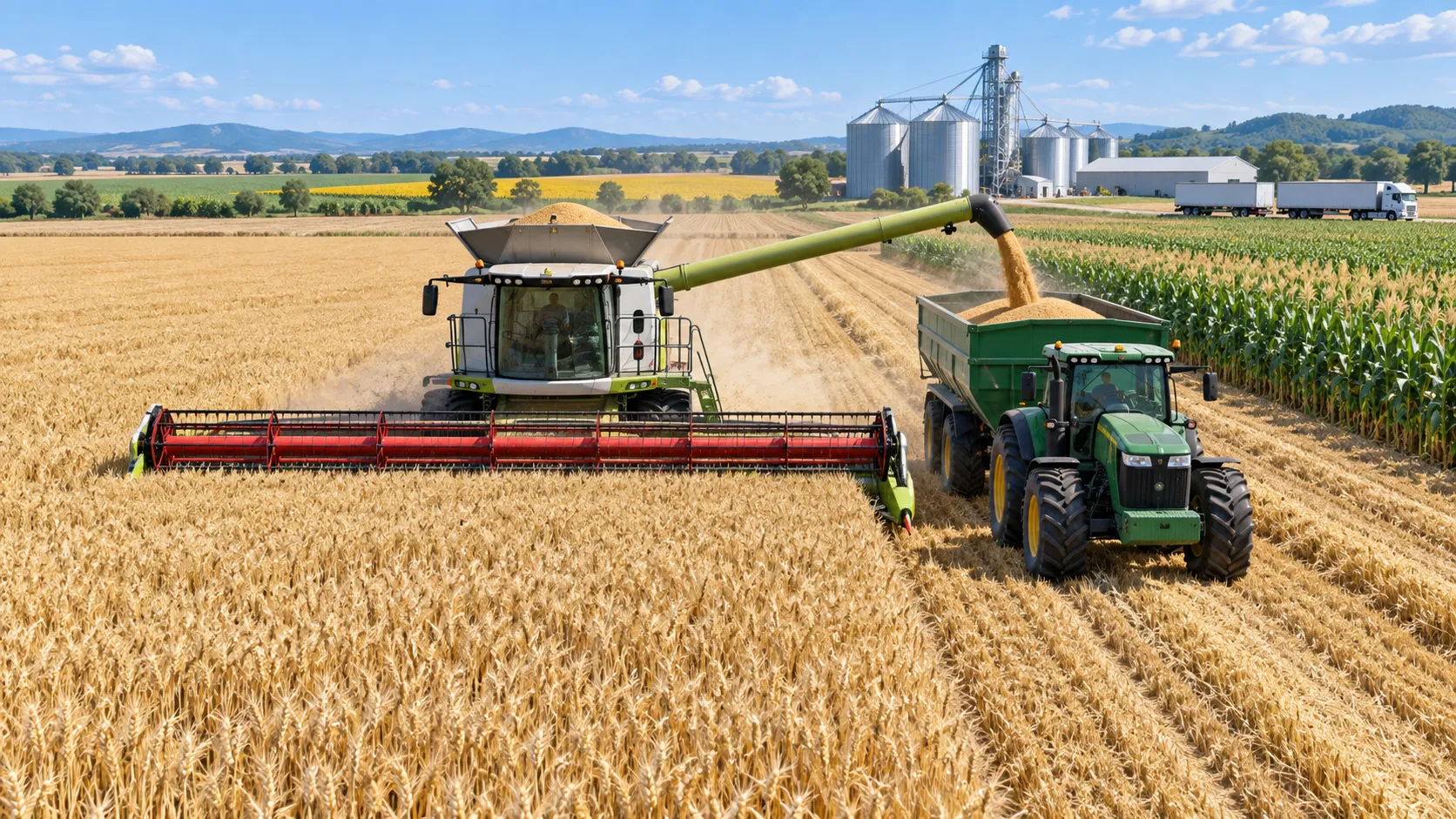
Selecting Grain Farm Equipment by Acreage, Crop Mix, and Harvest Window
Agricultural equipment selection for grain farming: match machinery to acreage, crop mix, and harvest windows to improve uptime, efficiency, and returns.
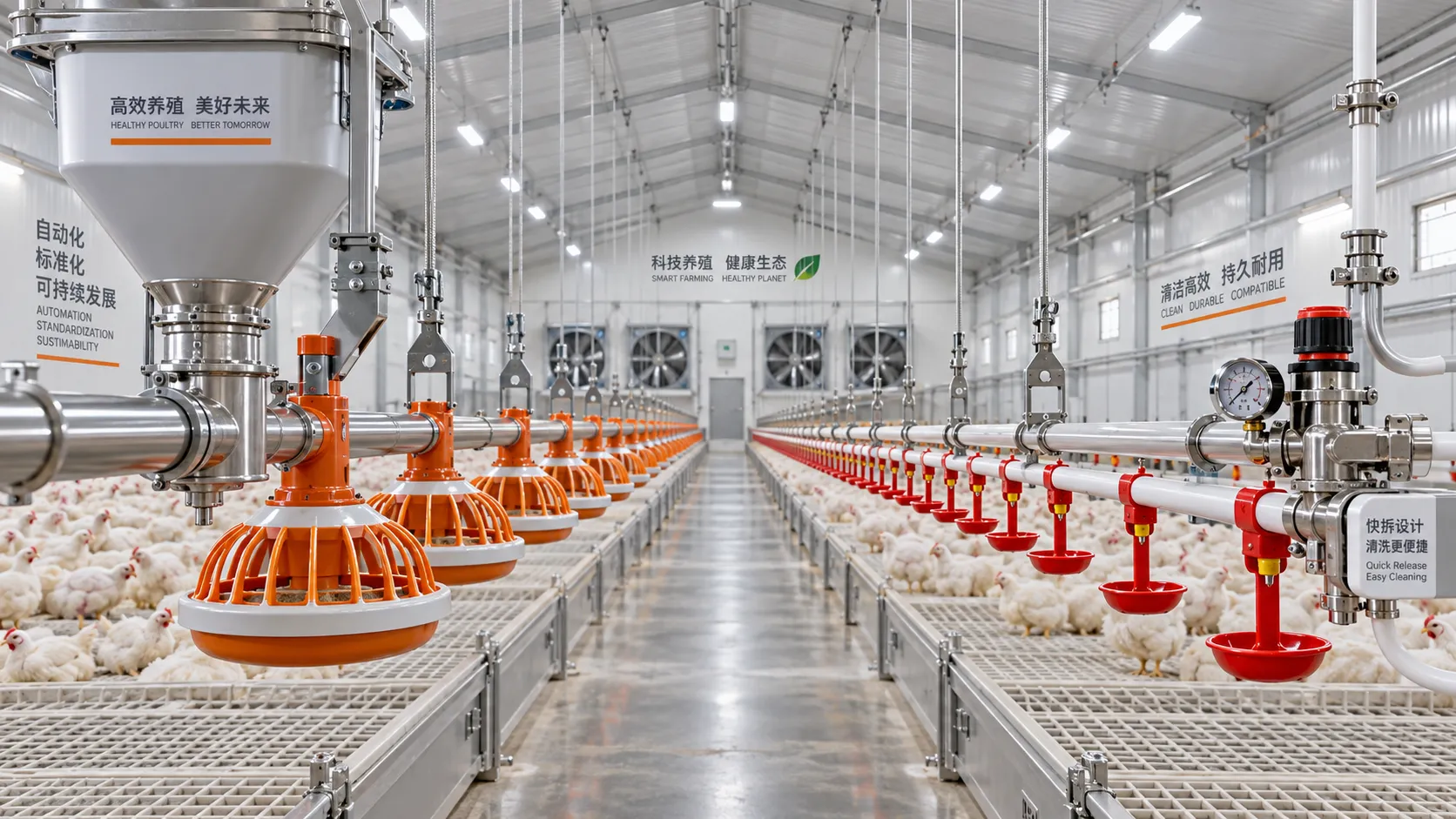
Poultry Equipment Selection: Evaluating Durability, Cleaning, and Compatibility
Poultry equipments selection guide: evaluate durability, cleaning access, and system compatibility to improve hygiene, reduce downtime, and support efficient flock management.
Related News
- 00
0000-00
Automated Water-Saving Irrigation: How to Cut Water Use Without Reducing Crop Yields - 00
0000-00
How to Evaluate Drip Irrigation System Manufacturers for Large Farm Projects - 00
0000-00
Wireless Agricultural Automation for Remote Irrigation and Field Monitoring - 00
0000-00
Designing Water-Saving Drip Irrigation Systems for High-Value Orchards - 00
0000-00
How to Choose Irrigation Solutions for Arid Regions Based on Water Source and Crop Needs
Popular Tags
Hydrological Resource Strategist
Weekly Insights
Stay ahead with our curated technology reports delivered every Monday.