
How to Compare a Water-Saving Irrigation Systems Supplier for Drip and Pivot Projects
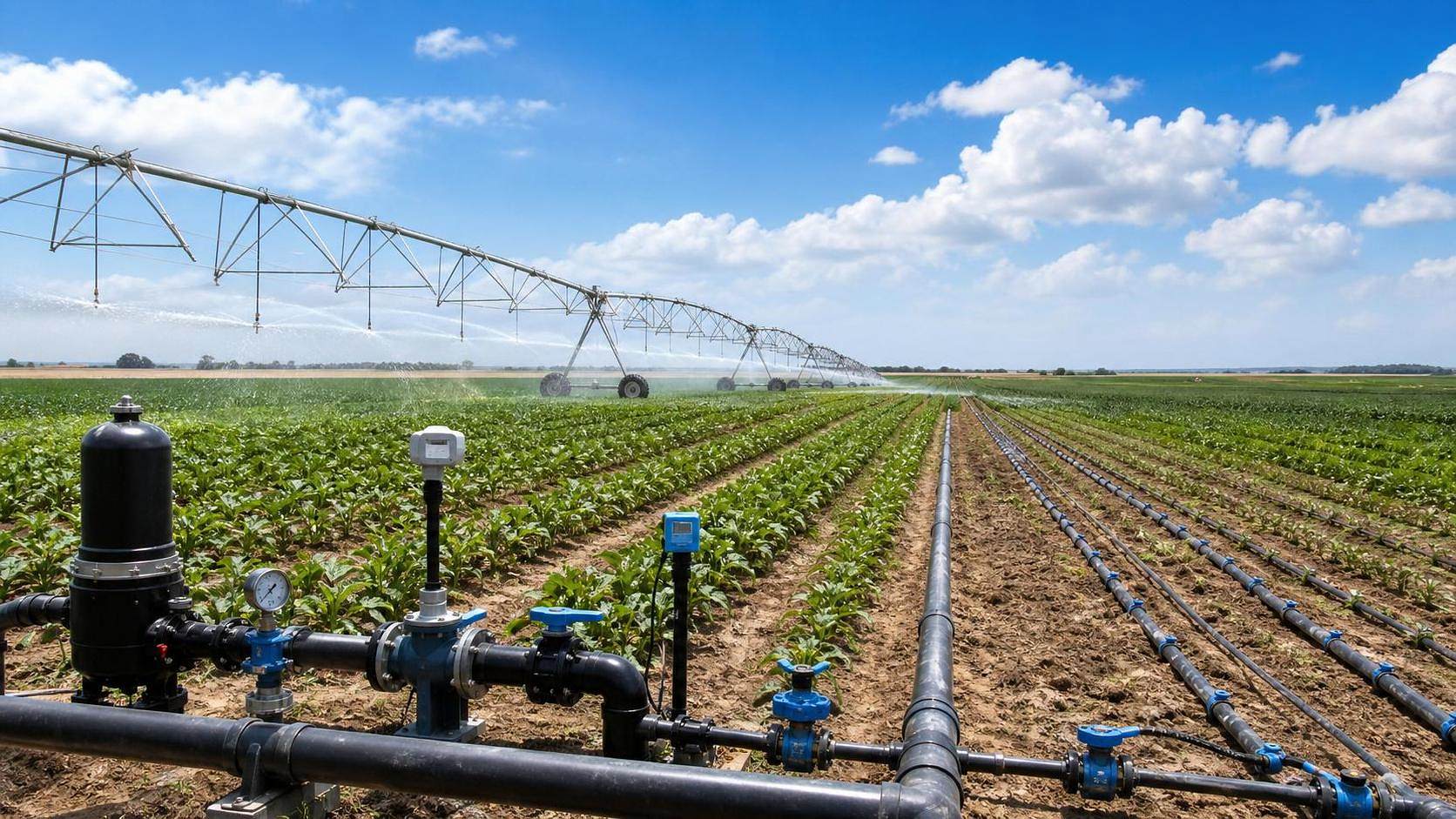




Comparing a water-saving irrigation systems supplier for drip and pivot projects is no longer a narrow purchasing task. It shapes water efficiency, operating stability, expansion capacity, and long-term return across very different field conditions. In a market shaped by climate pressure, input volatility, and digital agriculture, the better comparison starts with performance logic, not just price sheets. That is especially true when drip and pivot systems must support both agronomic precision and commercial discipline.
Why supplier comparison matters more now
Water-saving irrigation sits at the intersection of equipment engineering, resource management, and farm data. A weak supplier choice can lock a project into poor uniformity, unstable pressure control, slow maintenance, and costly retrofits.
That risk has grown as irrigation systems become more connected. Sensors, automation layers, fertigation controls, and remote monitoring now influence system value as much as pipes, emitters, and towers.
This broader view aligns with the AP-Strategy perspective on Agriculture 4.0. Water-saving infrastructure is no longer isolated hardware. It belongs to a larger operating ecosystem linked to mechanization, precision tools, and sustainability targets.
Drip and pivot projects should not be judged by the same lens
A reliable water-saving irrigation systems supplier must understand that drip and pivot systems solve different operational problems. The comparison framework should reflect that difference from the start.
Drip systems demand fine control
Drip projects usually focus on localized delivery, reduced evaporation, and tight fertigation control. Their value depends on emitter consistency, filtration design, clogging resistance, and zone-level pressure management.
In practice, a supplier for drip systems should be able to explain water quality assumptions, flushing routines, and maintenance intervals with precision.
Pivot systems are scale-driven
Pivot projects often serve large fields where mobility, coverage, and labor efficiency matter more. Here, comparison should emphasize structural durability, drive performance, nozzle package optimization, and control compatibility.
A capable water-saving irrigation systems supplier should also show how pivot design responds to wind drift, terrain variation, and crop rotation patterns.
Start with technical fit, not catalog breadth
Some suppliers appear strong because they offer many product lines. That matters less than whether their engineering fits the actual project environment.
Useful comparison begins with field realities:
- Water source stability and seasonal quality shifts
- Soil infiltration rate and salinity concerns
- Topography, field geometry, and expansion limits
- Crop type, rooting depth, and irrigation frequency
- Labor availability for inspection and repair
If a supplier cannot translate those variables into a system design rationale, the proposal is probably too generic. Strong vendors explain why a layout, pressure range, or control package suits the site.
The most useful dimensions for comparing suppliers
A structured scorecard helps separate polished sales language from operational value. The table below captures the most practical comparison dimensions.
What separates a credible supplier from a low-risk seller
A water-saving irrigation systems supplier may offer acceptable products while still creating execution risk. The gap usually appears in design accountability and post-installation support.
Credible suppliers usually provide documented assumptions, project references in comparable climates, and realistic maintenance guidance. They discuss limitations openly, especially around water quality, pressure fluctuations, or difficult terrain.
Low-risk sellers also understand adjacent systems. AP-Strategy consistently highlights that irrigation decisions connect with power availability, digital controls, mechanized field operations, and long-cycle asset planning.
That systems thinking matters. A pivot that complicates harvest traffic, or a drip design that ignores filtration energy demand, can erode expected savings.
Questions that reveal real capability
Useful supplier comparison often depends on the quality of questions asked during technical review. The answers should show whether the vendor is designing for conditions or simply quoting standard packages.
- How is system uniformity calculated under expected field pressure variation?
- What water quality thresholds were assumed for filters, emitters, or nozzles?
- Which components are most likely to fail first, and what is the replacement process?
- Can the control platform connect with weather, moisture, or flow-monitoring data?
- What commissioning tests confirm design performance after installation?
- How are spare parts stocked regionally, and what are normal lead times?
When a water-saving irrigation systems supplier answers clearly, comparison becomes evidence-based. When answers stay broad, the project is carrying hidden uncertainty.
Look beyond capex to lifecycle economics
The cheapest proposal often wins on paper and loses in the field. Better evaluation tracks total cost across the system life.
For drip projects, hidden costs often come from filtration upgrades, emitter replacement, flushing labor, and water treatment. For pivot systems, overlooked costs may include tower alignment issues, gearbox wear, nozzle change frequency, and energy use.
A strong water-saving irrigation systems supplier should be able to model operating assumptions, not just installation numbers. That includes water savings, labor inputs, expected maintenance, and upgrade pathways.
Scalability also has economic value
Projects rarely stay static. Farm blocks expand, crops change, and digital monitoring becomes more important. Suppliers that support modular growth usually protect asset value better over time.
Regional context can change the ranking
The best water-saving irrigation systems supplier in one geography may not be the best in another. Climate pattern, labor cost, import lead time, and service coverage can alter the decision quickly.
This is where intelligence-led comparison becomes useful. AP-Strategy’s broader focus on global agri-equipment trends shows why irrigation should be assessed against policy shifts, water regulation, local infrastructure, and regional technology maturity.
For example, a supplier with strong automation may be more valuable in areas facing labor constraints. In contrast, a supplier with robust mechanical simplicity may outperform in remote areas with limited technical service.
A practical way to move the evaluation forward
A useful next step is to compare shortlisted suppliers against one real project case, not an abstract specification. Put drip and pivot options into the same decision framework, then weight each factor by operational importance.
Start with hydraulic fit, water-use efficiency, and service response. Then test lifecycle cost, control compatibility, and expansion potential. That sequence tends to expose weak proposals quickly.
The goal is not to find the supplier with the longest brochure. It is to identify the water-saving irrigation systems supplier that can sustain field performance, support decision quality, and stay aligned with the economics of modern agriculture.
When the comparison is built around evidence, site conditions, and long-term operating logic, both drip and pivot projects become easier to justify and far more resilient after installation.
Related News
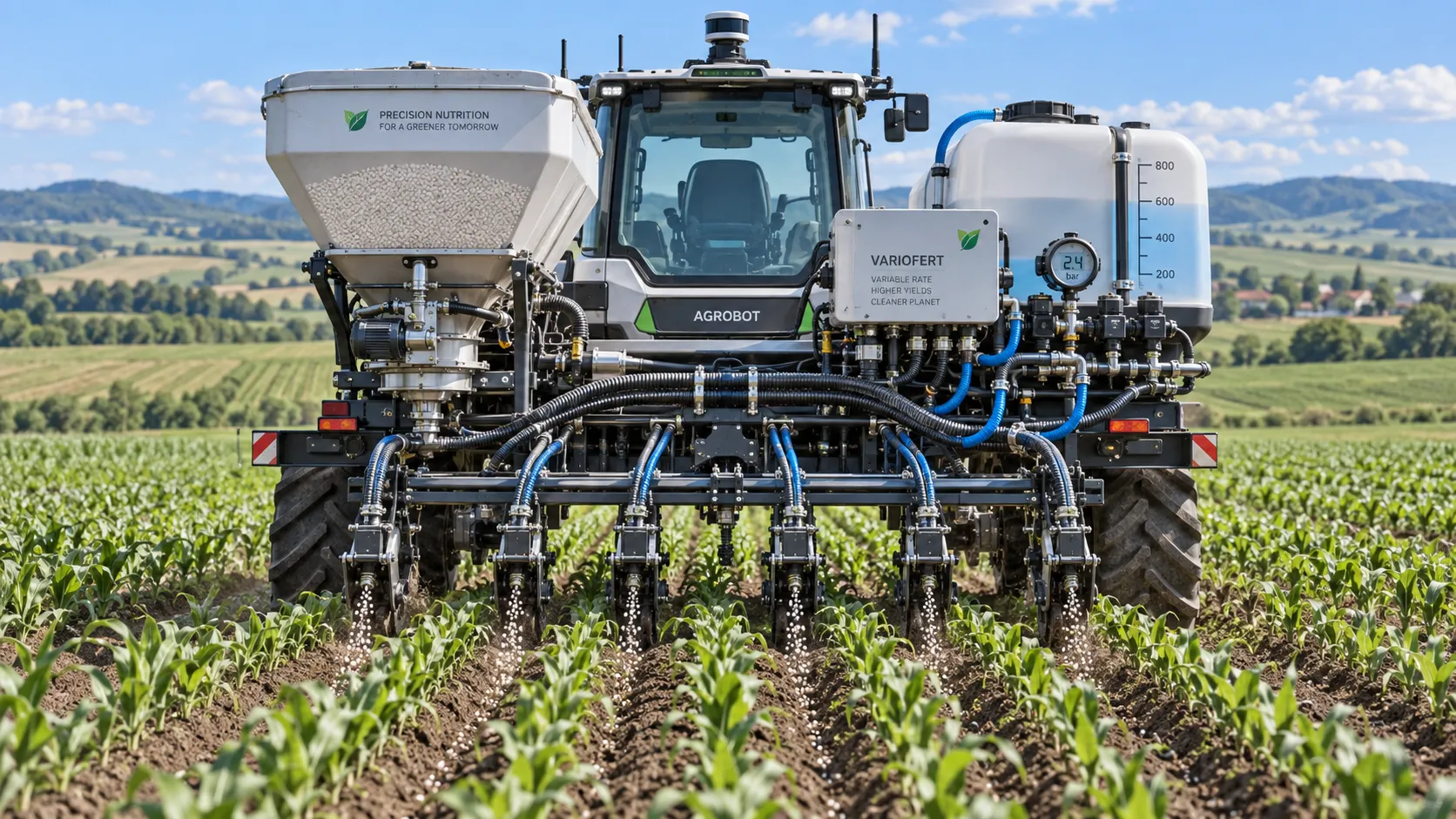
How Sensor Feedback Enables Accurate Variable-Rate Fertilization in Field Conditions
Precision fertilization systems with sensor feedback improve variable-rate accuracy by verifying flow, managing latency, and ensuring reliable field application.
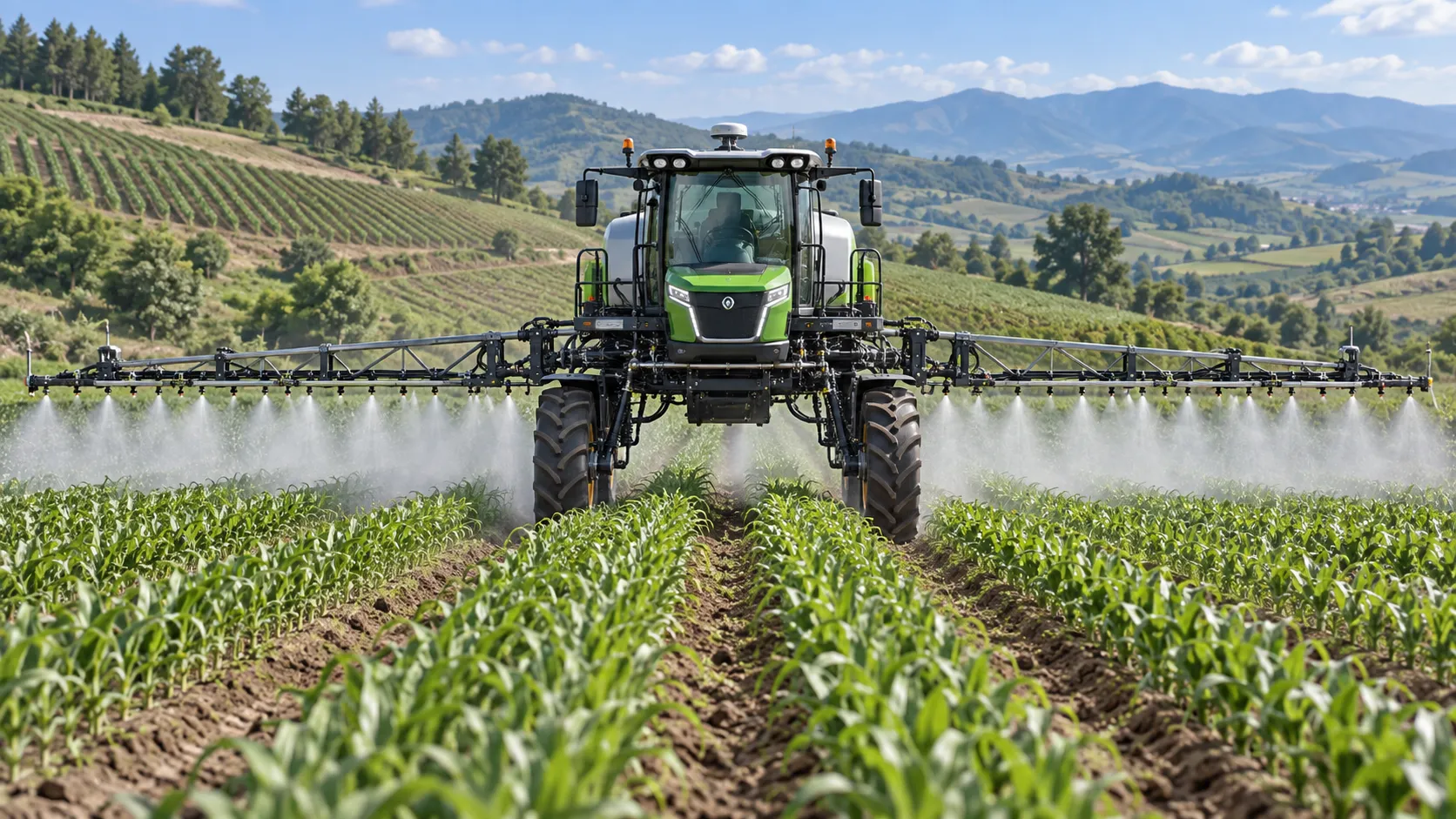
How to Select Precision Crop Protection Equipment for Variable Field Conditions
Precision crop protection equipment selection made simple: compare terrain, canopy, weather, control accuracy, and data workflows for reliable applications.

When Does Agricultural Machinery Leasing Cost Less Than Owning Equipment?
Agricultural machinery leasing can lower farm costs when use is seasonal or uncertain. Compare utilization, maintenance, cash flow, and risk to make a smarter equipment decision.
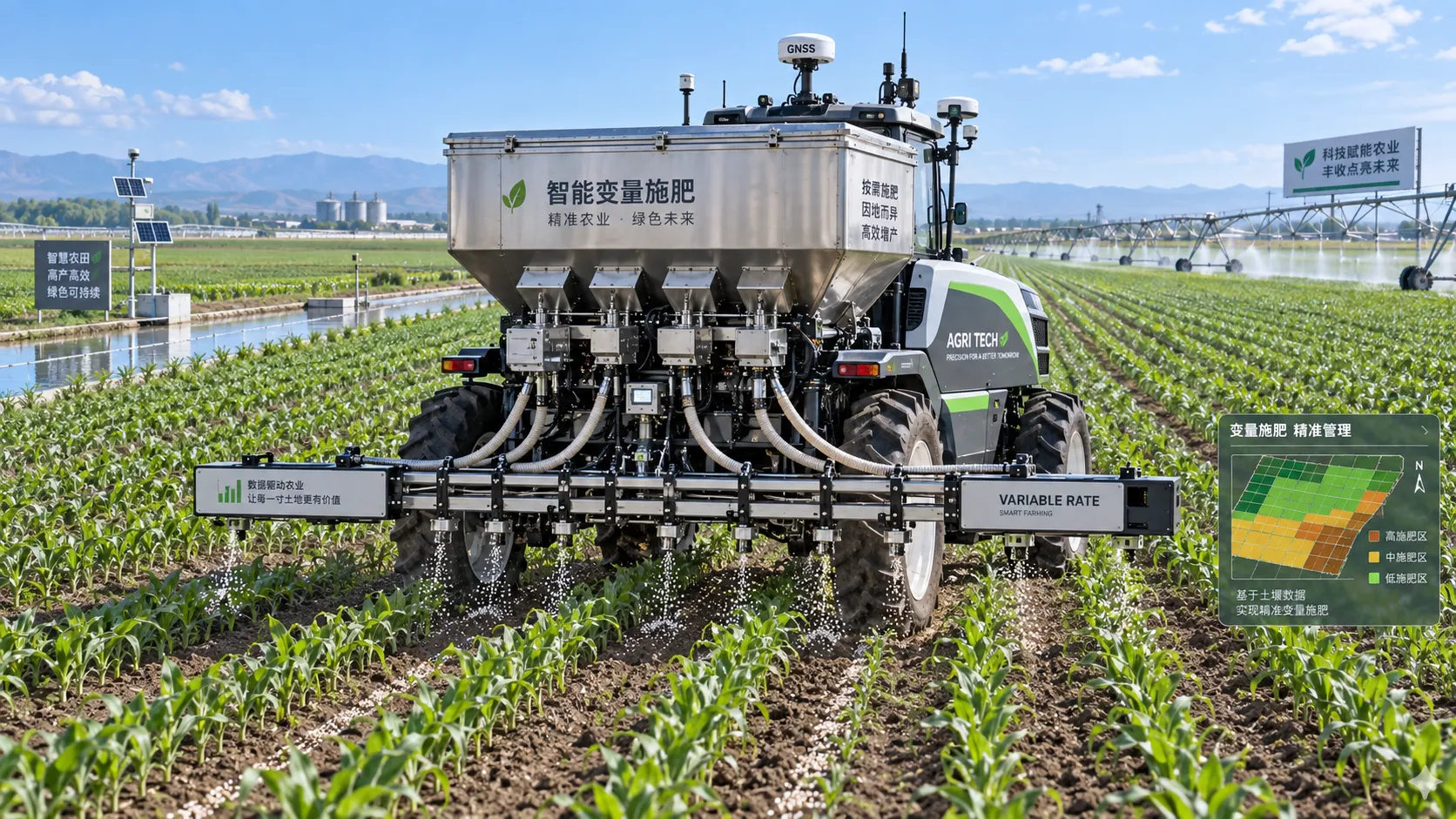
How to Evaluate Precision Fertilization System Suppliers for Farm-Scale Deployment
Precision fertilization systems suppliers: learn how to compare accuracy, integration, uptime, service, and total cost for confident farm-scale deployment.
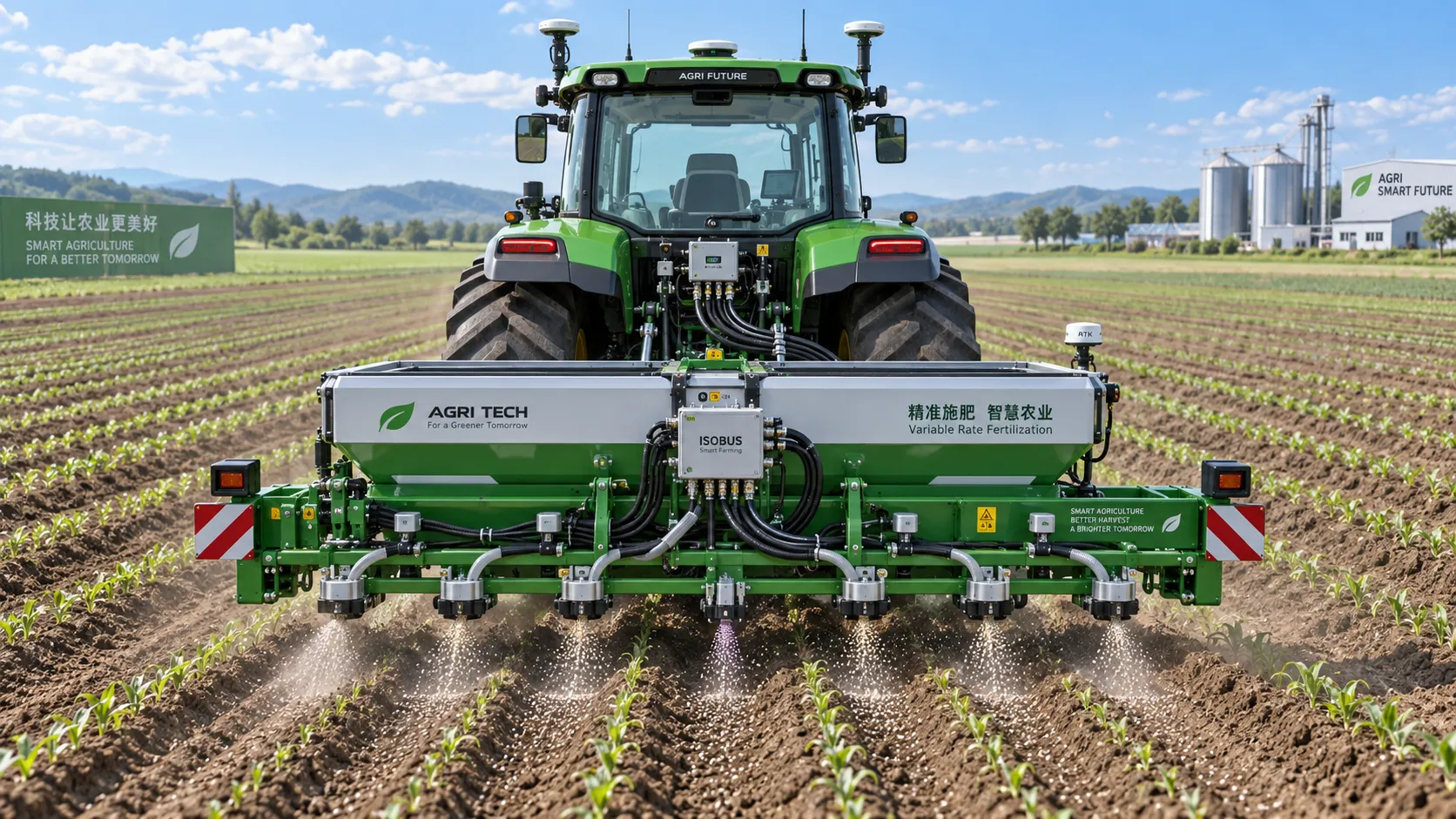
ISOBUS for Smart Agriculture: How It Connects Tractors, Implements, and Farm Data
ISOBUS for smart agriculture connects tractors, implements, terminals, and farm data—helping growers improve precision, documentation, and smarter field decisions.
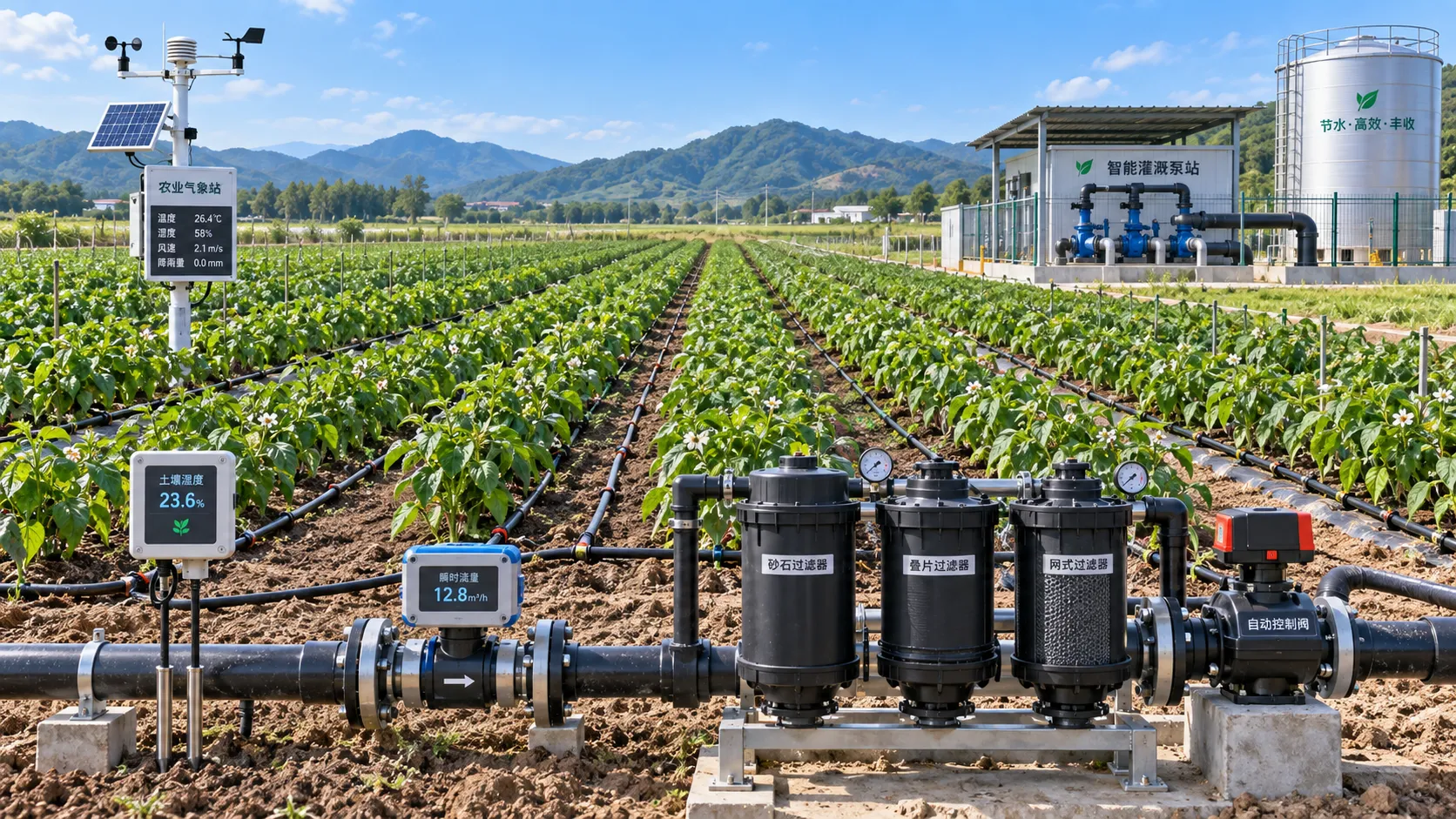
Automated Water-Saving Irrigation: How to Cut Water Use Without Reducing Crop Yields
Automated water-saving irrigation helps farms cut water use, protect crop yields, improve scheduling, and gain reliable control with sensors, flow monitoring, and smart zones.
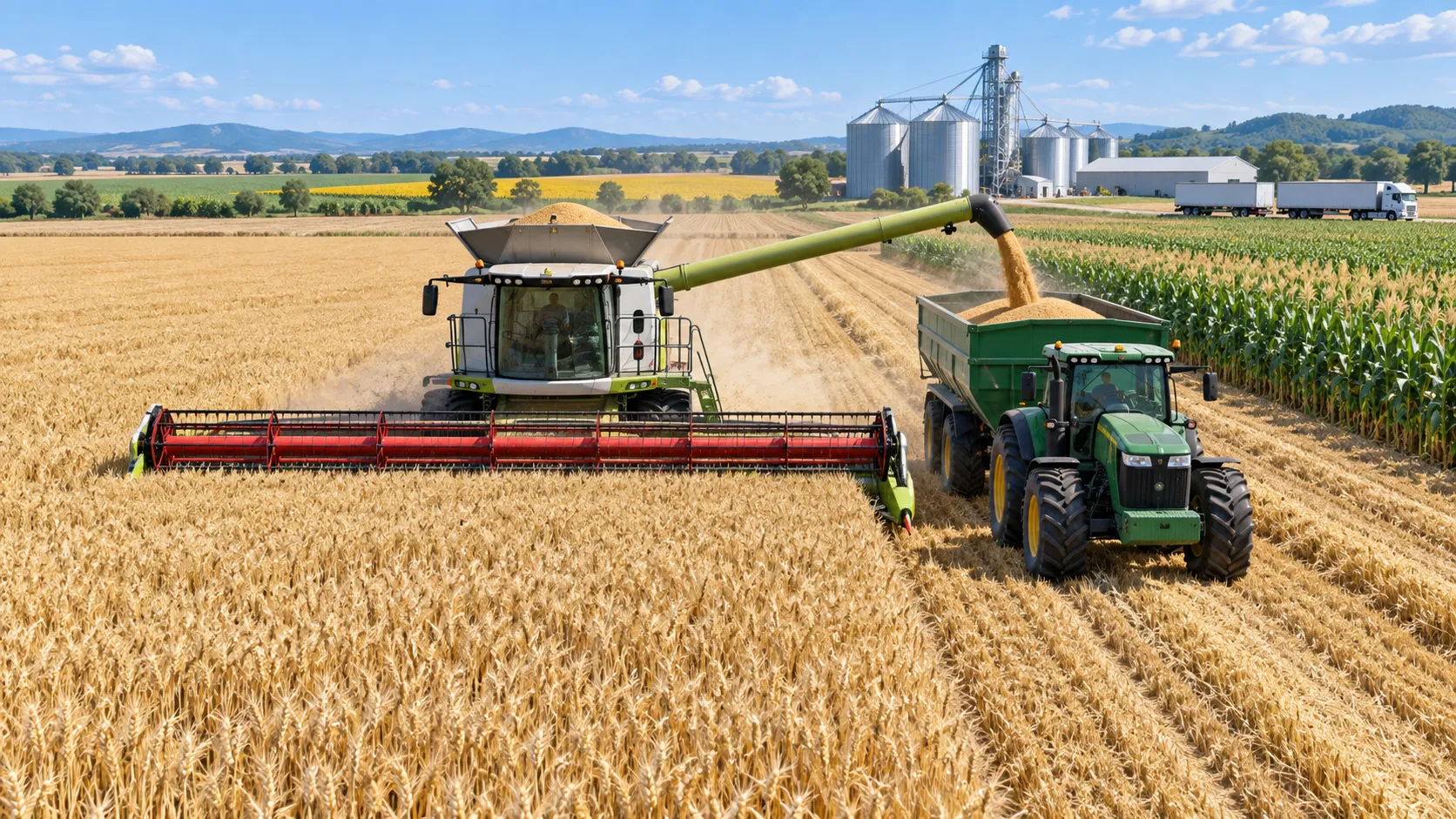
Selecting Grain Farm Equipment by Acreage, Crop Mix, and Harvest Window
Agricultural equipment selection for grain farming: match machinery to acreage, crop mix, and harvest windows to improve uptime, efficiency, and returns.
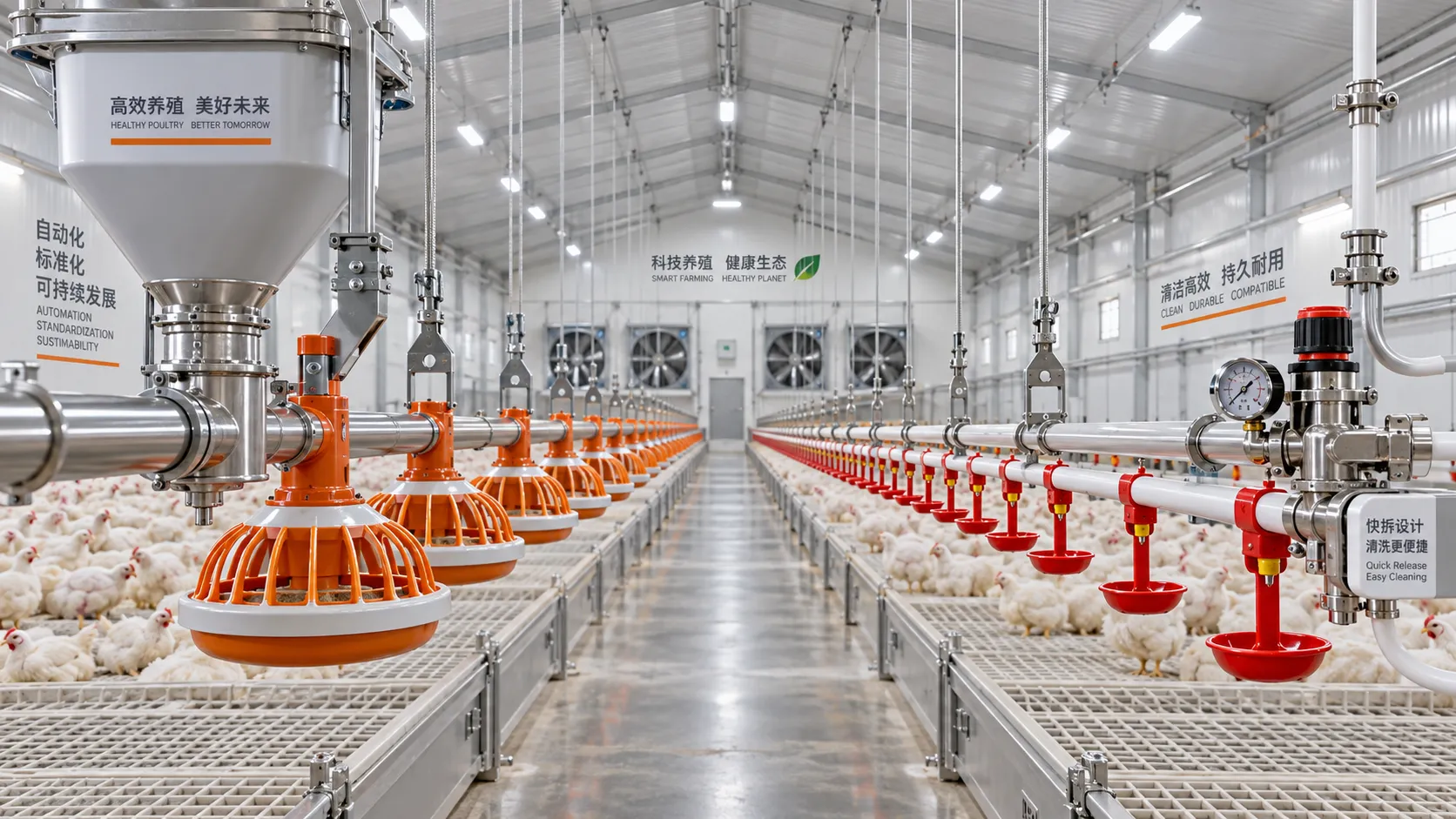
Poultry Equipment Selection: Evaluating Durability, Cleaning, and Compatibility
Poultry equipments selection guide: evaluate durability, cleaning access, and system compatibility to improve hygiene, reduce downtime, and support efficient flock management.
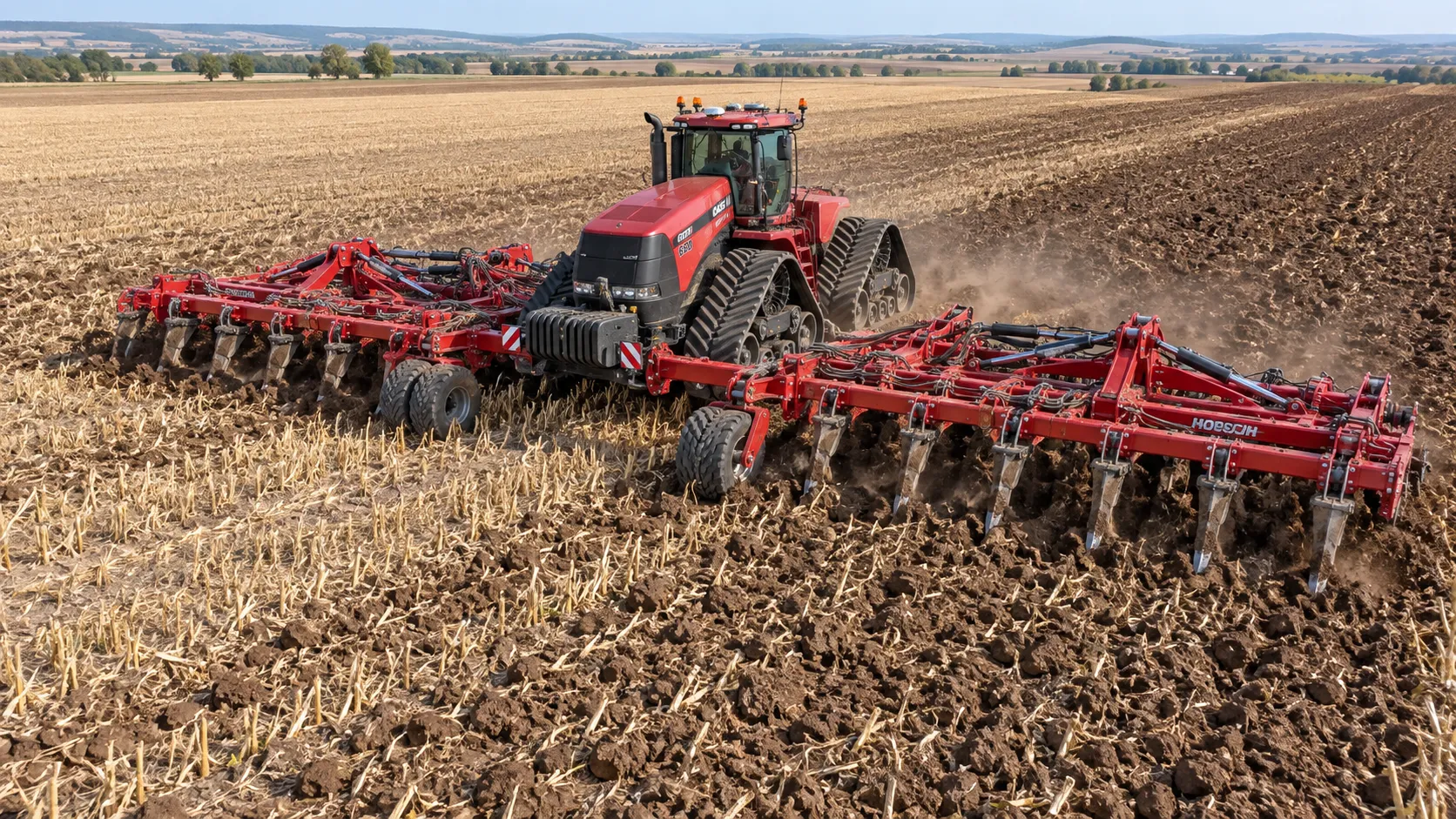
How to Select Heavy-Duty Farm Implements for High-Acreage, High-Horsepower Operations
Heavy duty farm implements: learn how to match draft, hydraulics, hitch capacity, frame strength, and field conditions for reliable high-acreage performance.
Related News
- 00
0000-00
Automated Water-Saving Irrigation: How to Cut Water Use Without Reducing Crop Yields - 00
0000-00
How to Evaluate Drip Irrigation System Manufacturers for Large Farm Projects - 00
0000-00
Wireless Agricultural Automation for Remote Irrigation and Field Monitoring - 00
0000-00
Designing Water-Saving Drip Irrigation Systems for High-Value Orchards - 00
0000-00
How to Choose Irrigation Solutions for Arid Regions Based on Water Source and Crop Needs
Popular Tags
Hydrological Resource Strategist
Weekly Insights
Stay ahead with our curated technology reports delivered every Monday.