
India Mandates BIS and AI Water-Saving Logic for Imported Drip Controllers
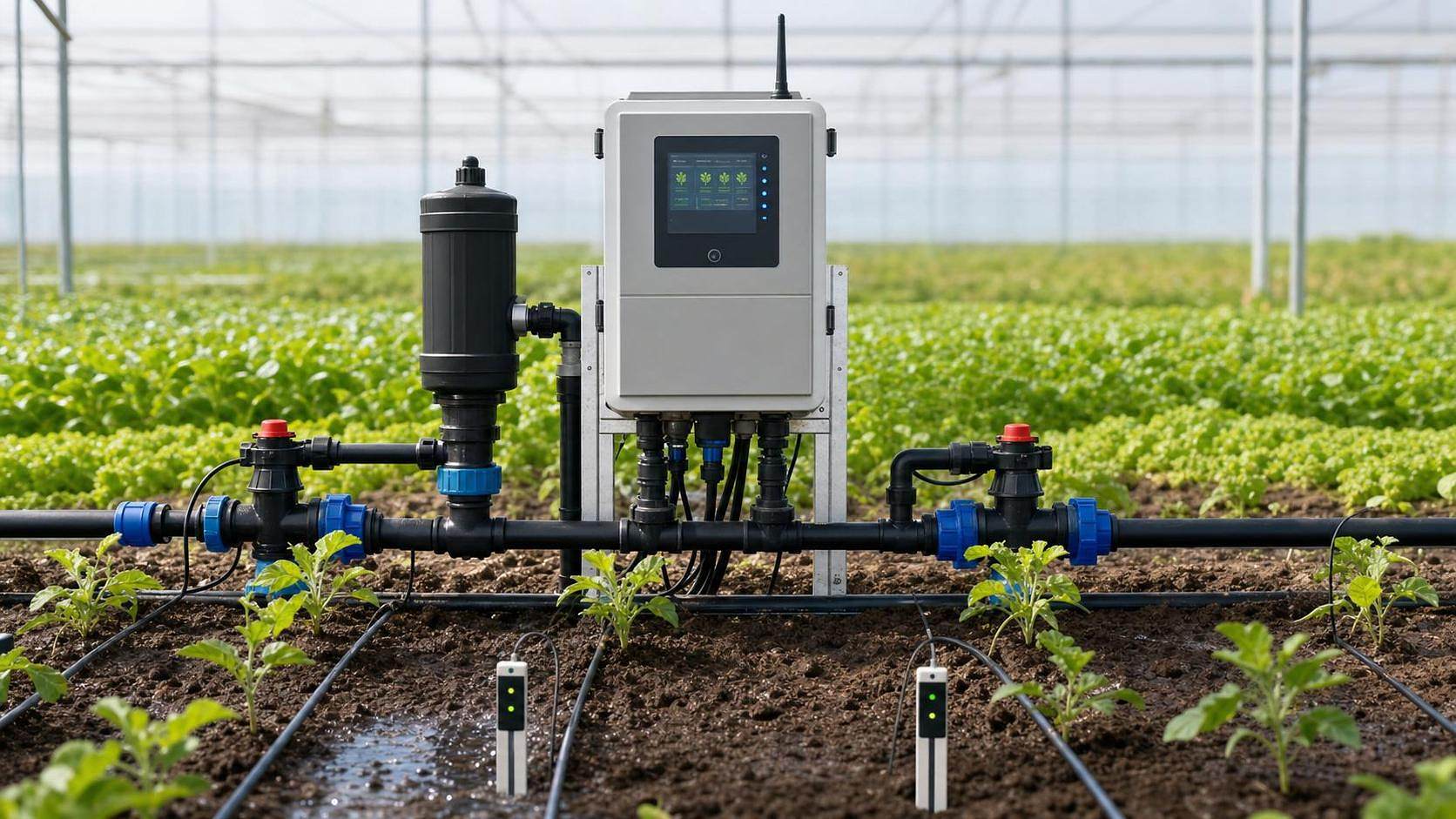




On June 29, 2026, India’s Bureau of Indian Standards (BIS) issued an emergency notice that changes the compliance baseline for imported drip irrigation control systems. From October 1, 2026, imported Drip Irrigation Logic products must meet BIS IS 17852:2026 and include a verified AI-driven water-saving logic module capable of real-time soil moisture feedback and dynamic flow adjustment. This is a development that deserves close attention from exporters to India, manufacturers, compliance teams, port-facing logistics operations, and buyers managing delivery schedules, because the rule links market access directly to both certification status and product configuration.
What the notice formally requires
Based on the information provided, the new requirement applies to all imported drip irrigation control systems identified as Drip Irrigation Logic. BIS issued the emergency notice on June 29, 2026, and the rule is set to take effect on October 1, 2026. To enter the Indian market under this requirement, products must pass BIS IS 17852:2026 certification and must be pre-installed with a verified AI-based water-saving logic module.
The required module must support two functional capabilities specifically referenced in the notice: real-time soil moisture feedback and dynamic flow regulation. The information provided also states that products without the pre-installed certified module will be refused at the ports of Mumbai and Chennai.
Where the disruption is likely to appear first
Export-facing product suppliers will feel the compliance shift immediately
From an industry perspective, companies exporting drip irrigation control systems to India are the first group exposed to the rule change. The impact is not limited to paperwork. It reaches product readiness, model configuration, and shipment eligibility. What deserves closer attention is that certification and embedded functionality are now tied together, which means a product that is technically complete for one market may still be non-compliant for India if the required module is not pre-installed and verified.
Manufacturing and integration teams may face changes in build and release cycles
Analysis shows that manufacturers and system integration teams may need to reassess product versions intended for India-bound orders. The requirement for an AI-driven water-saving logic module with defined functions suggests that compliance will likely affect software integration, product validation, and release timing. The immediate business pressure is not only whether a unit can be produced, but whether it can be produced in the exact compliant configuration before shipment.
Logistics and delivery planning become more sensitive to documentation and shipment timing
Observably, supply chain service providers and delivery coordinators may be affected through port acceptance risk. The provided information makes clear that non-compliant products may be rejected at Mumbai and Chennai ports. That places greater weight on pre-shipment checks, document readiness, and communication between exporters, freight partners, and import-side counterparts. The risk here is operational: a shipment issue at the port stage can quickly become a delivery and customer-relationship issue.
Buyers and procurement teams may need to revisit supplier qualification
For buyers sourcing imported drip irrigation control systems into India, the rule raises a supplier-screening question. Analysis shows that procurement attention may shift from price and lead time alone toward proof of BIS certification status and confirmation that the required AI logic module is already embedded in the delivered product. Where supply commitments were made under earlier assumptions, buyers may also need to verify whether contracted specifications still match the new entry requirements.
What companies should track now
Separate certification status from product claims
What deserves closer attention is the distinction between a product being described as smart or AI-enabled and a product meeting the stated BIS requirement. For practical decision-making, companies should focus on whether the India-bound configuration is tied to BIS IS 17852:2026 and whether the required module is verified and pre-installed, rather than relying on general product marketing language.
Review India-bound SKUs and shipment cutoffs
Analysis shows that the October 1, 2026 effective date makes shipment planning a priority issue. Companies involved in exports to India should closely review which SKUs, model variants, or pending orders fall within the transition window and whether those units align with the new compliance path. This is especially relevant where production, testing, and delivery timelines are already tight.
Prepare for stricter coordination across compliance, sales, and logistics
Observably, this is not only a regulatory task for compliance teams. Sales teams may need to reset customer expectations on lead times and product specifications, while logistics teams may need stronger document checks before dispatch. The main point is practical: where multiple departments handle certification, product configuration, and shipment handoff separately, the chance of mismatch increases.
Watch for further official clarification
From an industry perspective, companies should continue monitoring whether there are additional official clarifications on implementation details, verification language, or supporting documentation expectations. The current information establishes the rule direction and the enforcement consequence at named ports, but the operational interpretation may still require continued checking as the effective date approaches.
Why this matters beyond a single notice
Analysis shows that this update is more than a routine import formality. It combines a mandatory national standard with a specific embedded functionality requirement, which raises the threshold for product entry. It is more appropriate to understand this as an immediate compliance change with broader signaling value: access to the market, in this case, is tied not only to hardware classification but also to built-in control logic and validated performance features.
At the same time, it would be premature to turn that signal into claims about wider market outcomes that are not confirmed by the information provided. Observably, the clearer conclusion at this stage is that the rule directly affects how exporters and importers prepare product, documentation, and delivery, while its longer-term commercial impact still needs continued observation.
How this update should be understood for now
In practical terms, this development is best read as a near-term operational and compliance issue with possible longer-term strategic implications. The confirmed facts already point to a concrete market-access condition effective from October 1, 2026, and a clear enforcement risk for products lacking the required certified AI module. For industry participants, the immediate priority is not speculation but execution: confirming certification pathways, checking product configuration, and aligning shipment plans with the new rule.
It is more appropriate to understand this as both a short-term change in trade compliance and a longer-term signal that technical functionality may increasingly sit at the center of import eligibility. Whether that signal expands further remains something the industry should continue to monitor.
Basis of this article and points for continued verification
This article is based on the user-provided news title, event date, and event summary concerning the BIS emergency notice issued on June 29, 2026. For this category of industry update, relevant source types typically include official notices, company disclosures, industry association updates, authoritative media reporting, and standard-setting documents. A specific official source link was not provided in the input, so the underlying notice and any subsequent implementation details still require continued verification.
For follow-up tracking, the most relevant points are any further official wording around BIS IS 17852:2026 implementation, how the verified AI module requirement is described in operational terms, and whether additional port, customs, or compliance guidance is issued before the October 1, 2026 effective date.
Related News
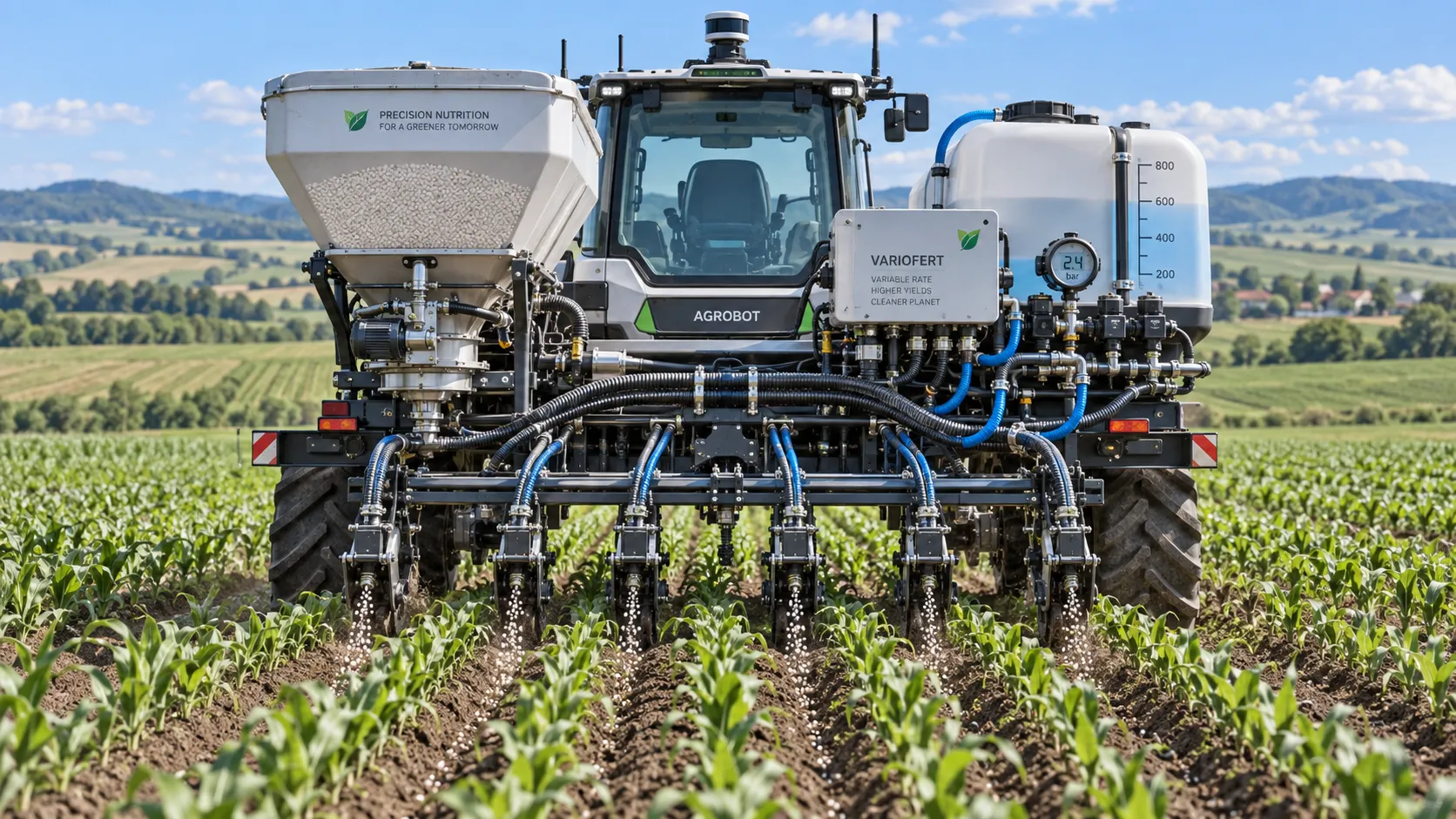
How Sensor Feedback Enables Accurate Variable-Rate Fertilization in Field Conditions
Precision fertilization systems with sensor feedback improve variable-rate accuracy by verifying flow, managing latency, and ensuring reliable field application.

How to Select Precision Crop Protection Equipment for Variable Field Conditions
Precision crop protection equipment selection made simple: compare terrain, canopy, weather, control accuracy, and data workflows for reliable applications.

When Does Agricultural Machinery Leasing Cost Less Than Owning Equipment?
Agricultural machinery leasing can lower farm costs when use is seasonal or uncertain. Compare utilization, maintenance, cash flow, and risk to make a smarter equipment decision.
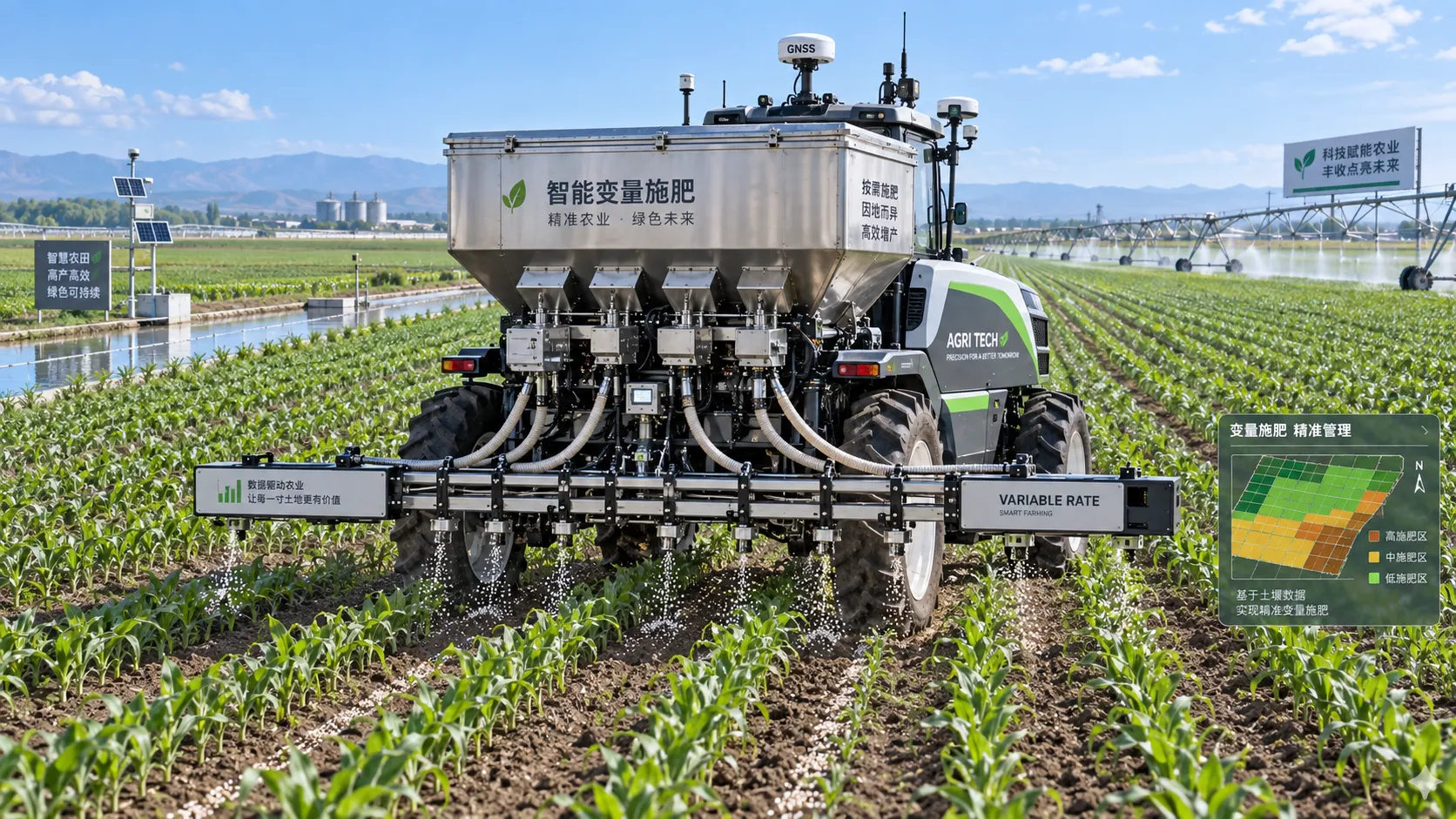
How to Evaluate Precision Fertilization System Suppliers for Farm-Scale Deployment
Precision fertilization systems suppliers: learn how to compare accuracy, integration, uptime, service, and total cost for confident farm-scale deployment.
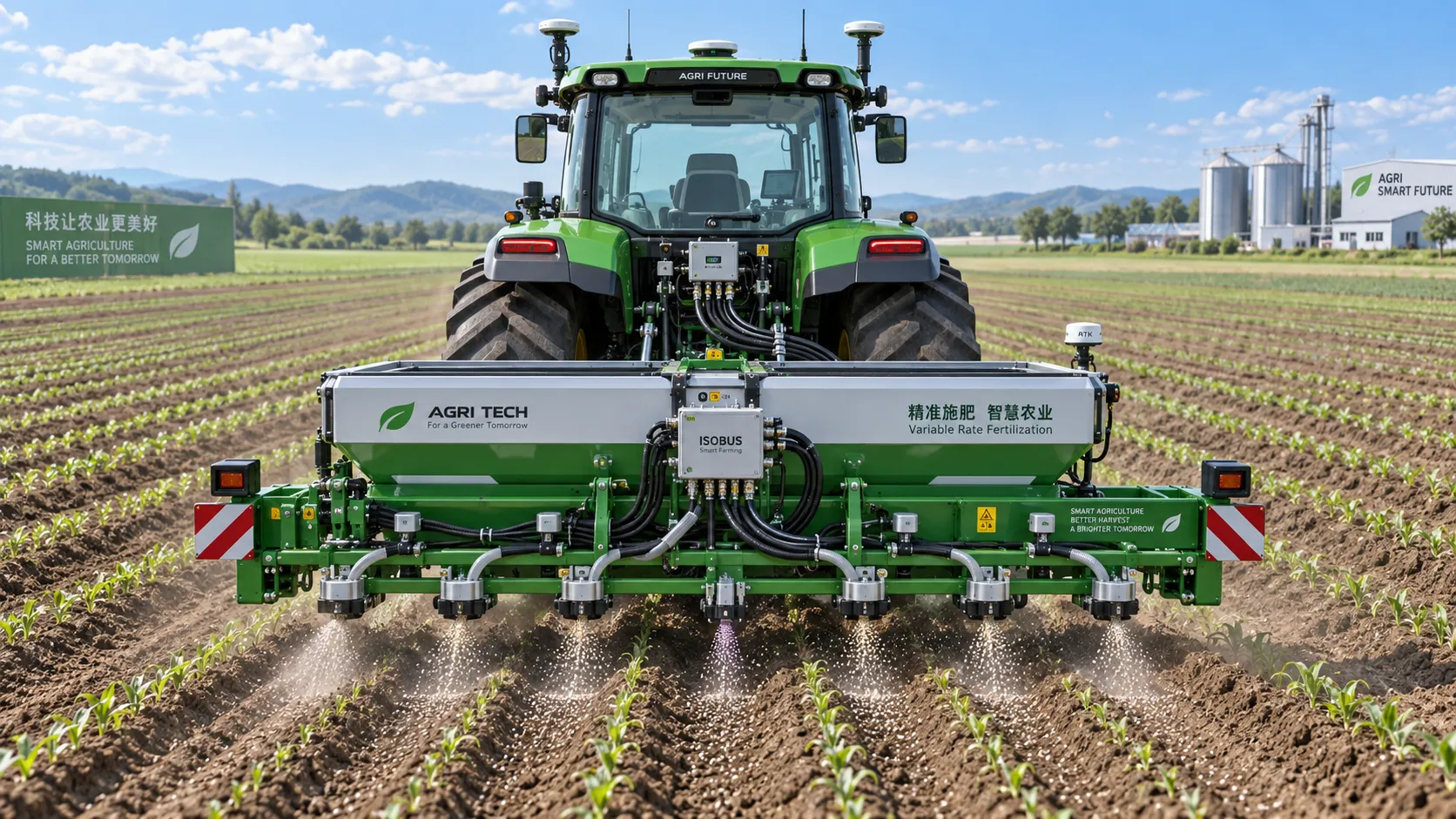
ISOBUS for Smart Agriculture: How It Connects Tractors, Implements, and Farm Data
ISOBUS for smart agriculture connects tractors, implements, terminals, and farm data—helping growers improve precision, documentation, and smarter field decisions.
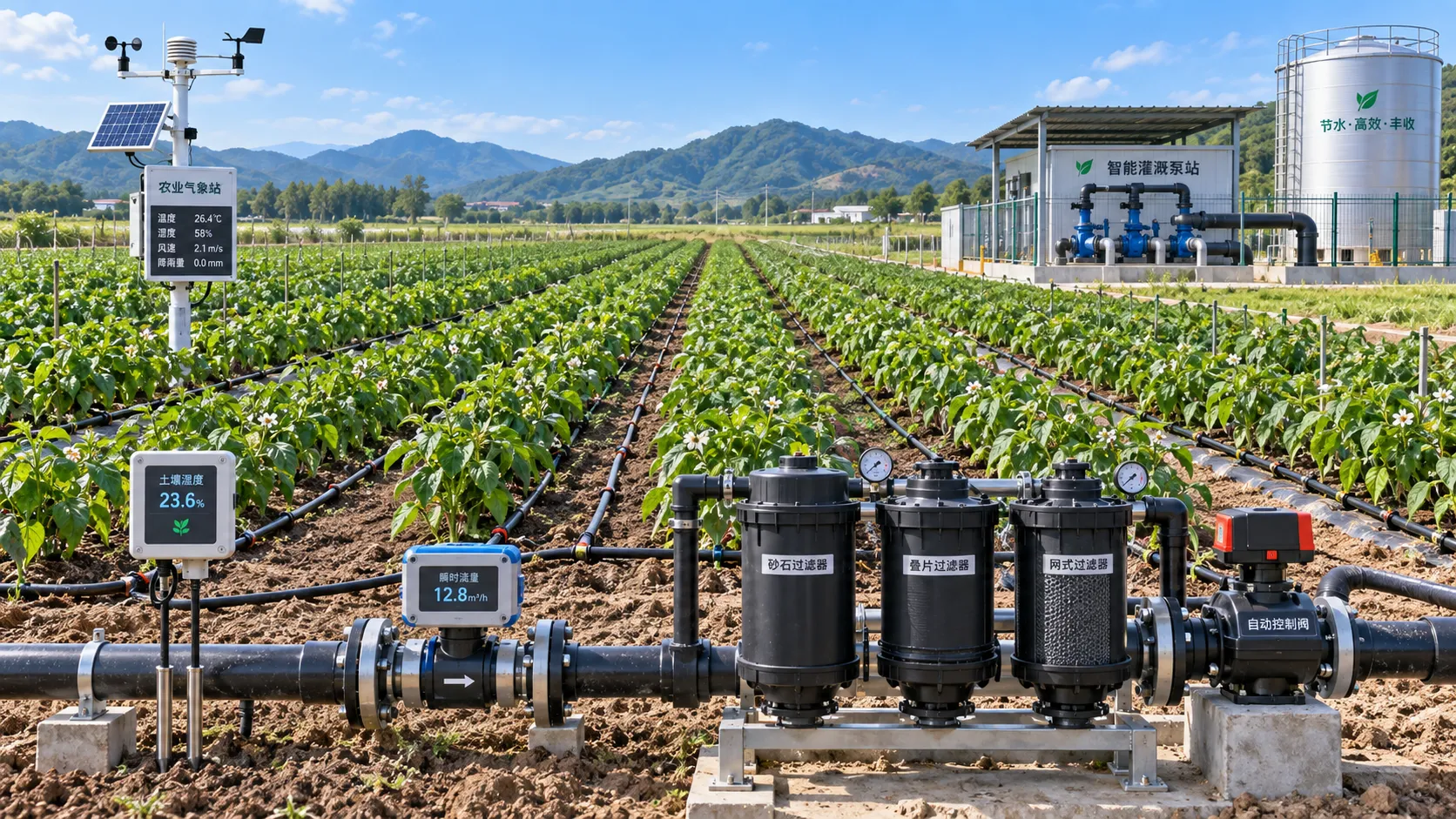
Automated Water-Saving Irrigation: How to Cut Water Use Without Reducing Crop Yields
Automated water-saving irrigation helps farms cut water use, protect crop yields, improve scheduling, and gain reliable control with sensors, flow monitoring, and smart zones.

Selecting Grain Farm Equipment by Acreage, Crop Mix, and Harvest Window
Agricultural equipment selection for grain farming: match machinery to acreage, crop mix, and harvest windows to improve uptime, efficiency, and returns.
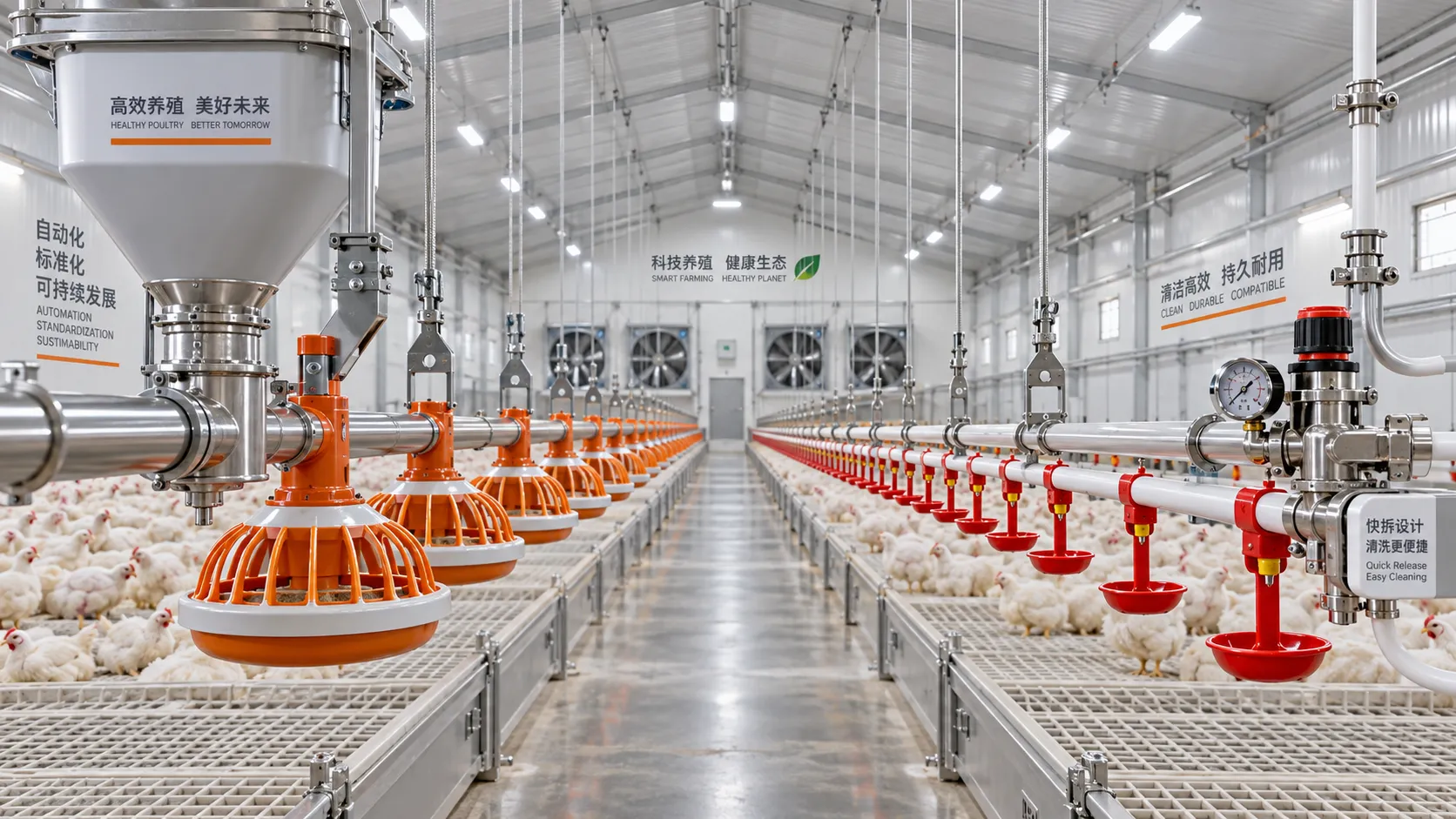
Poultry Equipment Selection: Evaluating Durability, Cleaning, and Compatibility
Poultry equipments selection guide: evaluate durability, cleaning access, and system compatibility to improve hygiene, reduce downtime, and support efficient flock management.
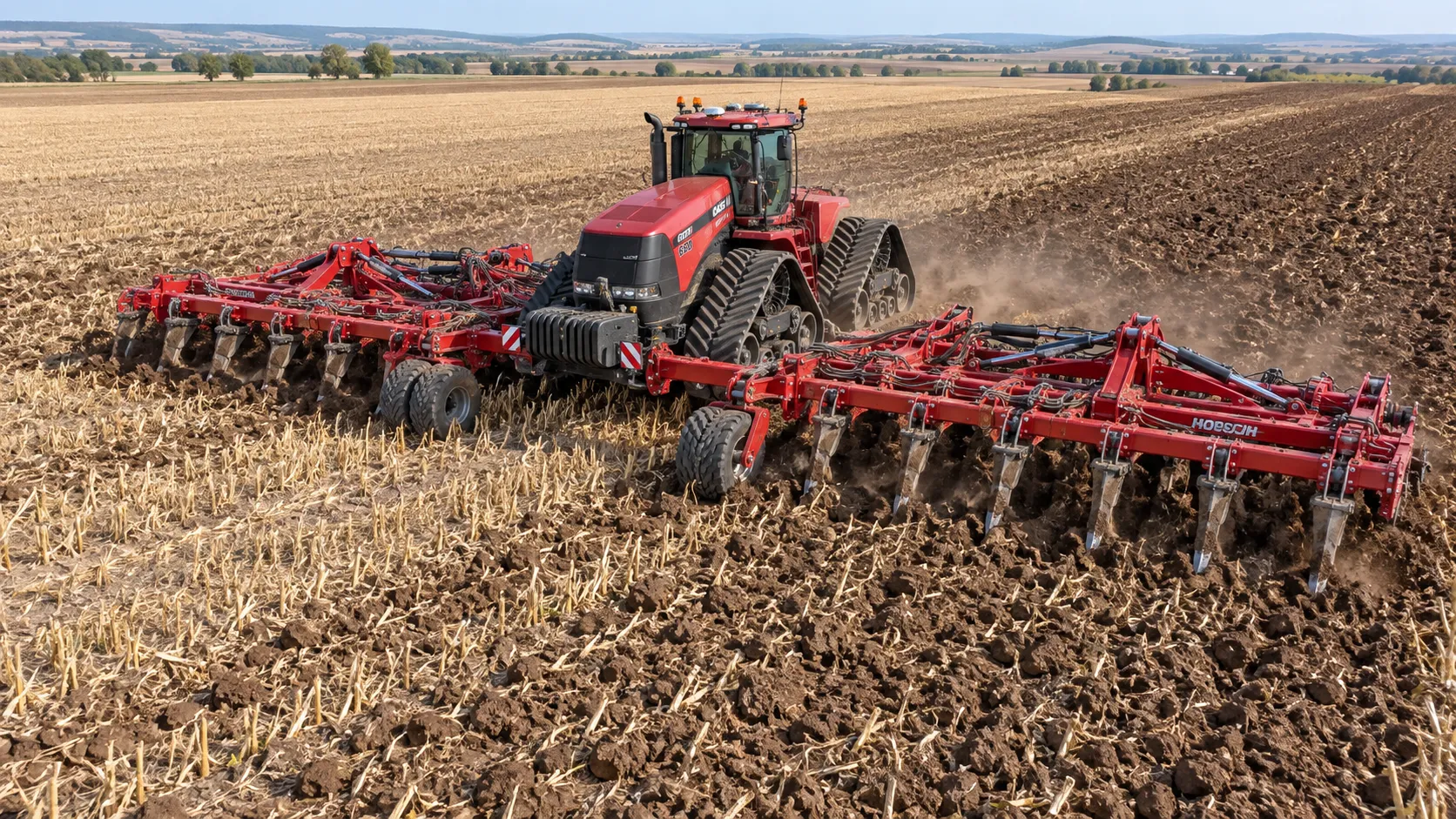
How to Select Heavy-Duty Farm Implements for High-Acreage, High-Horsepower Operations
Heavy duty farm implements: learn how to match draft, hydraulics, hitch capacity, frame strength, and field conditions for reliable high-acreage performance.
Related News
- 00
0000-00
Automated Water-Saving Irrigation: How to Cut Water Use Without Reducing Crop Yields - 00
0000-00
How to Evaluate Drip Irrigation System Manufacturers for Large Farm Projects - 00
0000-00
Wireless Agricultural Automation for Remote Irrigation and Field Monitoring - 00
0000-00
Designing Water-Saving Drip Irrigation Systems for High-Value Orchards - 00
0000-00
How to Choose Irrigation Solutions for Arid Regions Based on Water Source and Crop Needs
Popular Tags
Hydrological Resource Strategist
Weekly Insights
Stay ahead with our curated technology reports delivered every Monday.